World Humanitarian Day
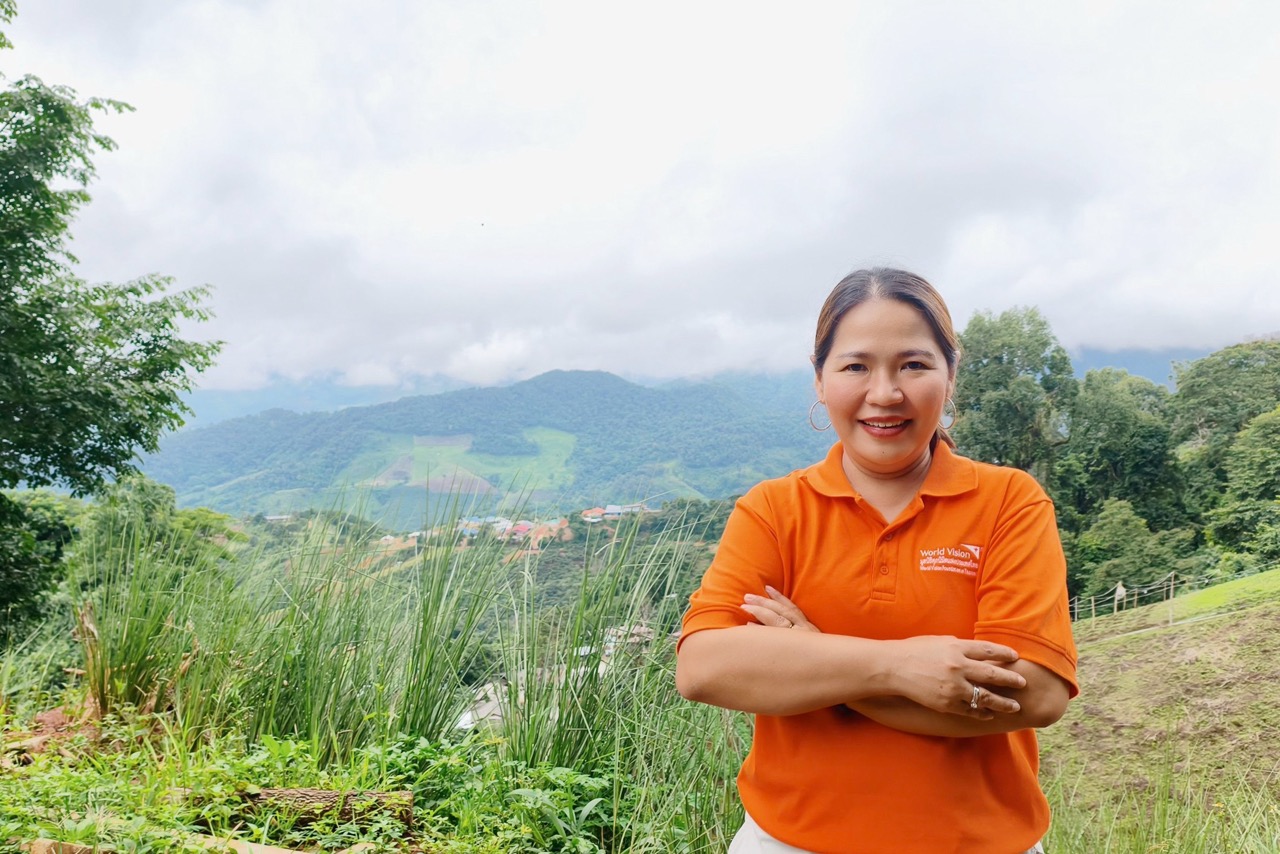
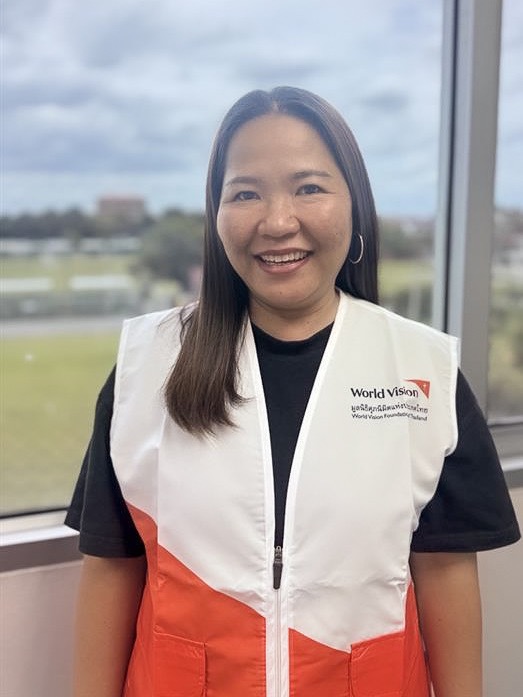
Dr. Wimolrat Seesan, Operations Manager for the Northern-Central Region at World Vision Foundation of Thailand
Over the 15 years I have worked with the World Vision Foundation of Thailand, one thing has become increasingly clear: humanitarian work is not simply about providing aid to people in crisis, but about standing alongside them during their most vulnerable moments and helping them find ‘hope’ again.
As Operations Manager for the Northern and Central Regions and Chair of the Emergency Response Working Group, I oversee and support programs for children, youth, families, and communities, as well as humanitarian responses to various emergencies. This includes responding to major floods in the North and assisting those affected by the situation on the Thai–Cambodian border.
These experiences have made me realize that the heart of humanitarian work lies not only in distributing aid, but also in preserving people’s dignity, sense of worth, and hope during their most vulnerable moments.
From Field Officer to Emergency Response Leader
My career did not begin in an executive role, but as a field officer in the border area of Sisaket province. I went on to work in a variety of roles, including child sponsorship, monitoring and evaluation, technical development, and national-level project management.
Every role I have taken has allowed me to learn from the perspectives of children, families, communities, field staff, and executives. The most important lesson I have learned is that genuine development cannot happen if we simply offer help, but must begin with listening.
Listening to children’s voices, understanding the needs of communities, and giving them ownership of the change process alongside us are essential to creating lasting impact.
I have always believed that communities are not aid recipients, but partners in change.
When Disasters Strike, Speed Is Not Enough
Many people see emergency response as a race against time, and that is certainly true. But just as important is ‘understanding.’
When disasters strike, we are not dealing with numbers or statistics, but with the lives of people facing loss. Some lose their homes, others their livelihoods, and still others lose loved ones – and many more lose their sense of safety and security.
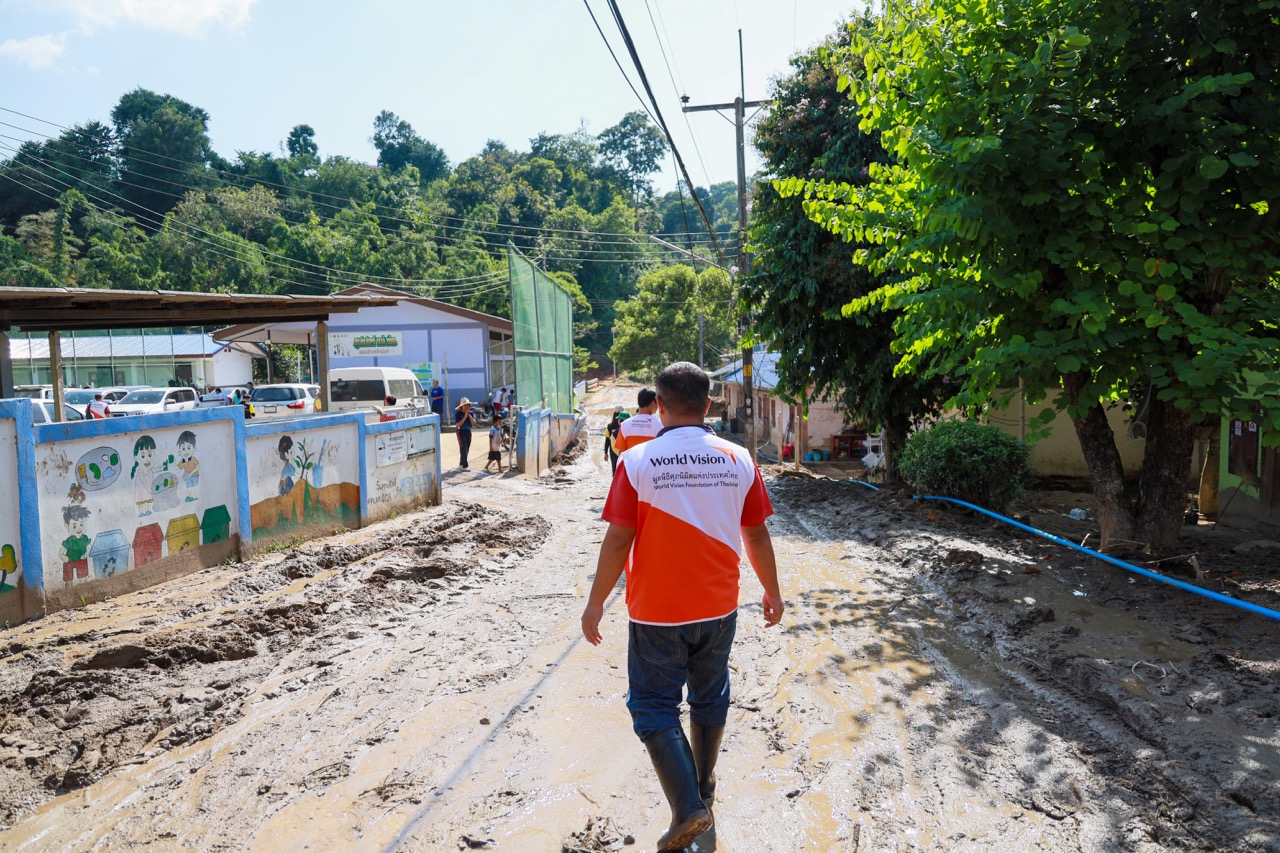
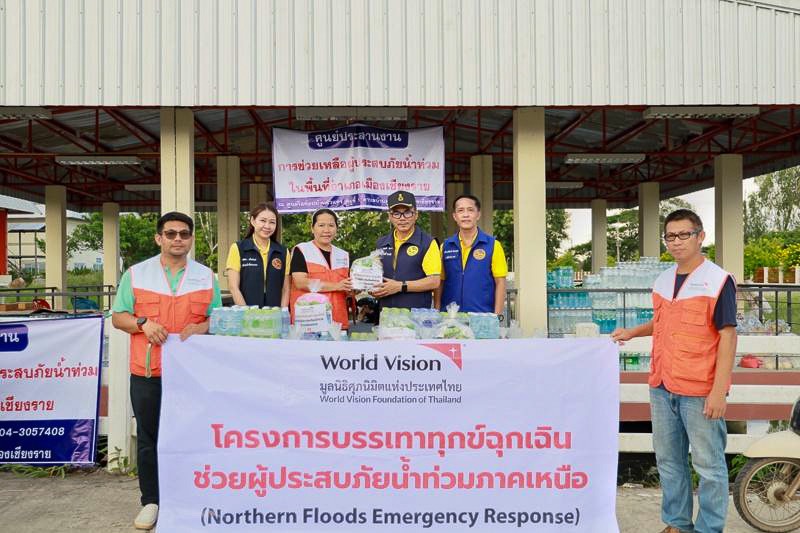
From my experience leading a team responding to a major flood disaster in Chiang Rai province, I learned that confusion, anxiety, and conflict are common in emergency situations. A leader’s primary role is not simply to make quick decisions, but to remain calm, understand the people involved, and help everyone work together under pressure.
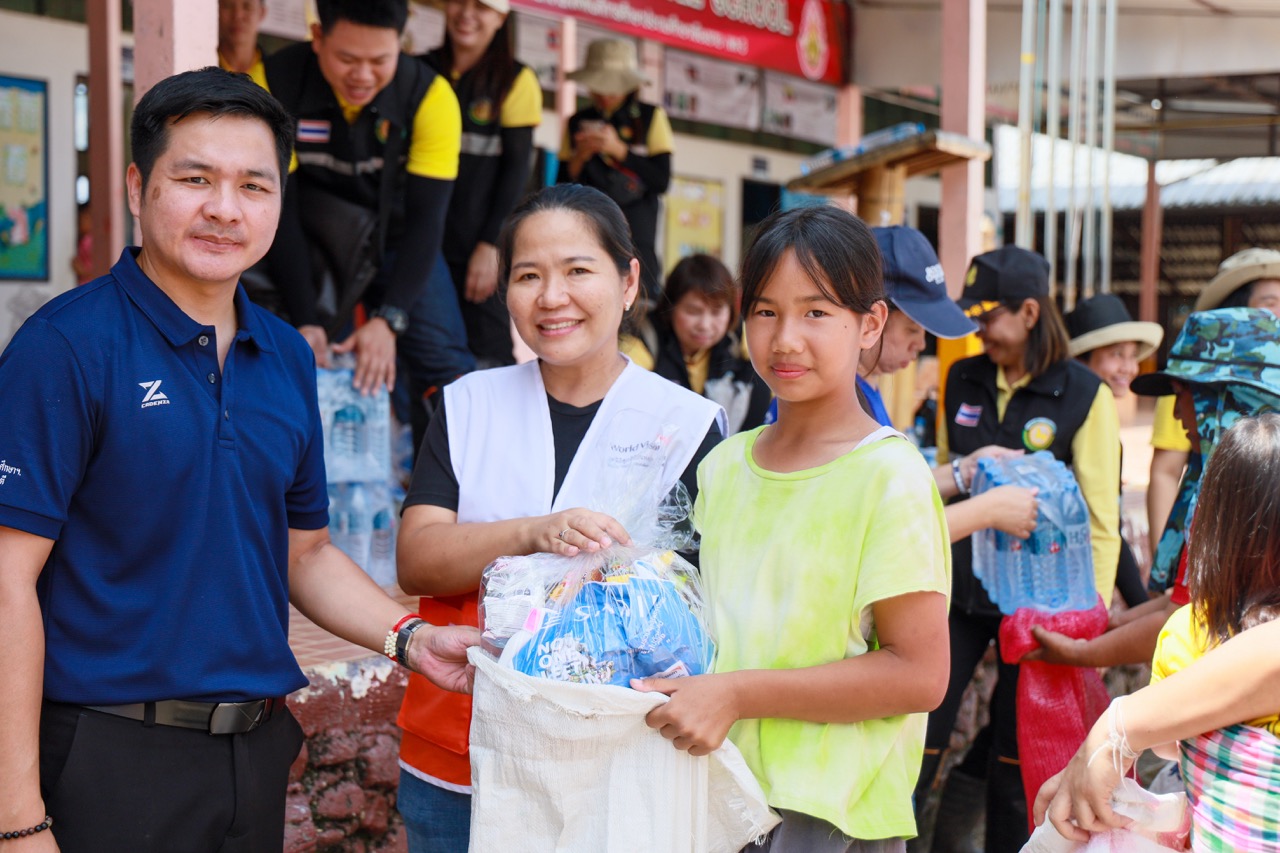
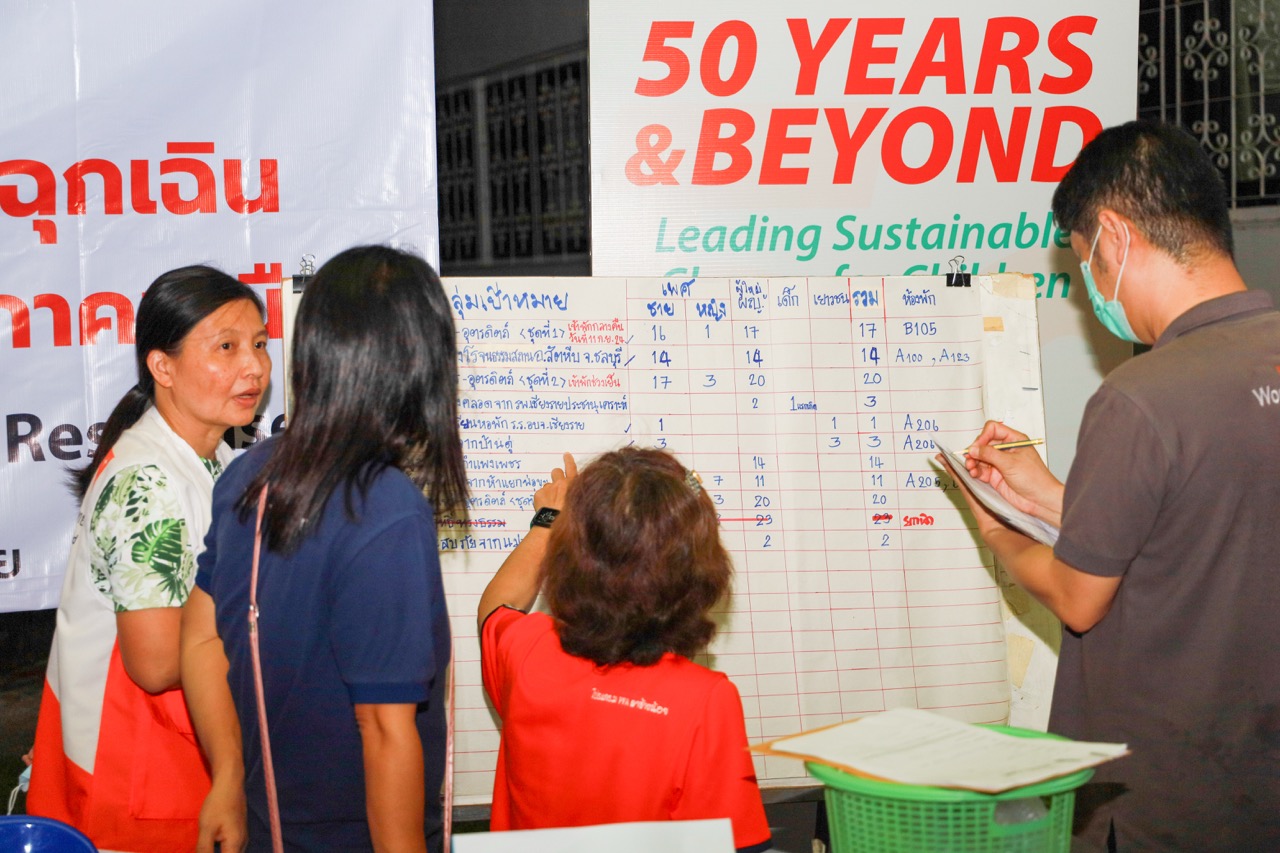
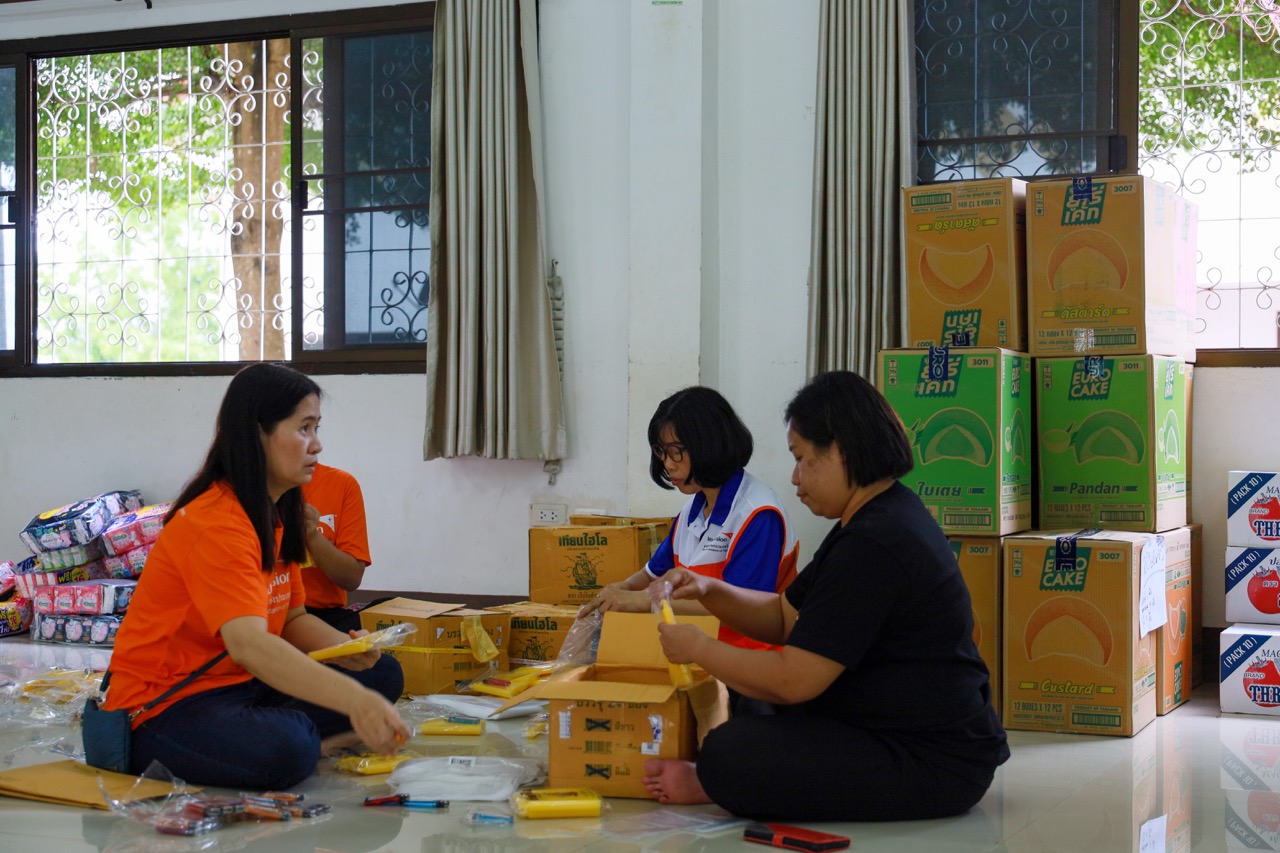
During that time, I witnessed the strength of the World Vision Foundation of Thailand team firsthand. The World Vision Development Foundation Center in Chiang Rai was transformed into a temporary shelter, a coordination hub, a donation center, and an operations base for various relief organizations.
Everyone went above and beyond their responsibilities, united by a single goal: to get aid to those in need as quickly as possible. This experience has strengthened my belief that, in a crisis, unity is just as valuable as the resources we have.
Leadership in Times When No One Has the Answers
One of the questions I am asked most often is: What should a leader do first when everyone is confused?
For me, the first thing a leader should do is not rush to find all the answers, but make the team feel that they are not alone in facing the situation.
In a crisis, no one has complete information, and everything is in flux—including data, community needs, and the local situation. If leaders show panic, that anxiety will spread throughout the team.
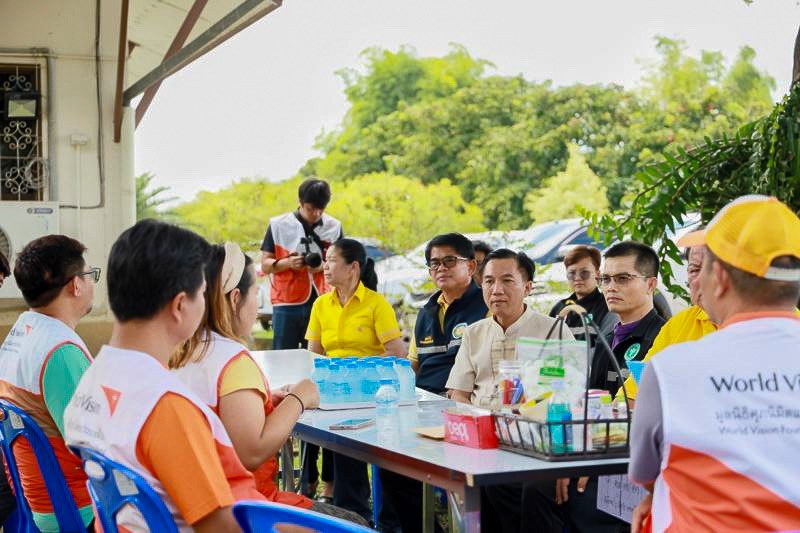
What I always strive to do is gather as much information as possible, listen to input from all sides, create a space for the team to share their perspectives, and make decisions collectively based on the best information available at the time. I believe a leader does not need to have all the answers, but must inspire confidence in the team to move forward together. Another thing I consistently do is ‘pray,’
because many situations are beyond our knowledge, abilities, or experience. Prayer helps me remain calm, stay mindful, and make wise decisions. I believe God provides guidance even when the path forward is unclear.
Taking Care of the Team Means Caring for Its People
In emergency response work, we often talk about caring for those affected by disasters, but what I have learned is that caring for the team is just as important.
This includes flood relief efforts in Chiang Rai province and the situation on the Thai–Cambodian border, where many staff members worked continuously for several days, often with little rest, as everyone was eager to get aid to those affected as quickly as possible.
As a leader, I try not to ask simply “how is the work progressing?” but rather “how are you doing today?” or “Is there anything I can do to help?”
Sometimes, simply listening, offering encouragement, or easing a small part of someone’s load is what they need to keep going. I believe that if we support our team well, they will be able to best support the children, families, and communities we serve.
From Crisis to Better Preparedness
After responding to the major flood in the North, we did not stop at community recovery; we also took the time to reflect seriously on the lessons we had learned. These experiences informed the development of best practices, emergency response manuals, and a more streamlined coordination system.
When the situation on the Thai–Cambodian border arose, the team was able to respond more quickly and systematically because we understood our core strengths. World Vision Foundation of Thailand may not be able to do everything, but we can focus on what we do best – child protection, psychosocial care, creating safe spaces for children, and close collaboration with local networks.
A key lesson I learned is that humanitarian organizations should not wait for a disaster before planning; they should invest in preparedness in advance.
Preparation Is the Best Life-Saving Measure
The policy change I would most like to see in Thailand is greater investment in community preparedness.
Disasters are unavoidable, but we can minimize losses if communities are prepared. I believe in a community-based disaster risk management approach, as residents understand their local context best. A clear disaster preparedness plan, regular drills, an accessible early warning system, and capacity building for volunteers, community leaders, and youth will empower communities to better cope with crises.
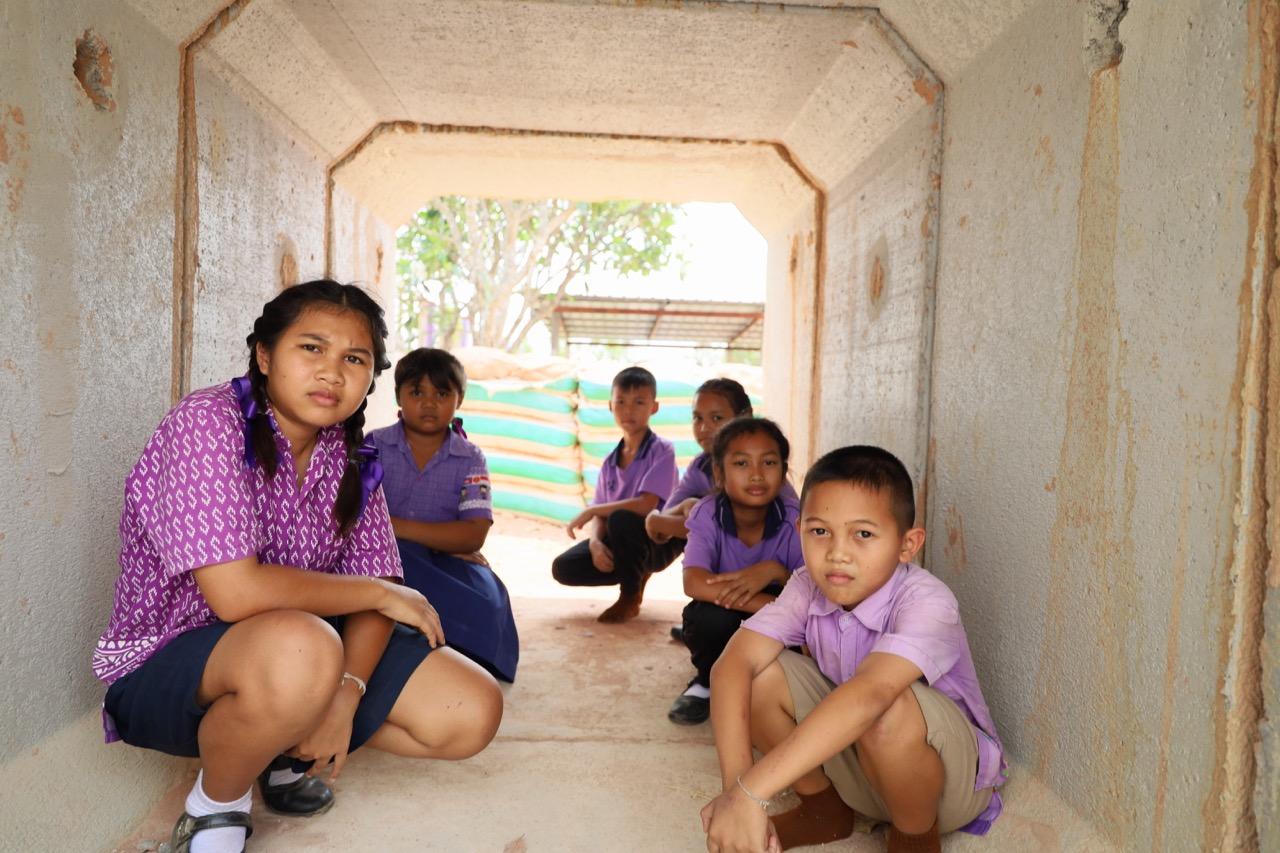
As an organization working for children, I firmly believe that ‘child protection’ must be integrated into every stage of disaster management, because children are often among the most severely affected by crises, yet are also among the most easily overlooked.
Real Leaders Are Servants First
One value I have upheld throughout my career is servant leadership.
For me, leadership is not about issuing commands from behind, but about walking alongside the team, listening, offering support, and stepping in when needed. A leader should not simply set the direction, but should empower others to grow and help the team reach its full potential. Honesty, transparency, and respect for human dignity are also principles I deeply value.
Whether we work with children, disaster victims, communities, or colleagues, everyone deserves to be treated with respect, compassion, and love. Ultimately, humanitarian work is not just about projects, budgets, or activities—it is about people.
When Love Turns into Hope
If you ask me what makes me get up and do this job every day, my answer is that it is not just a profession—it is a response to God’s calling.
I grew up in a family dedicated to serving God, and was raised to believe that serving Him means serving others. Every time I see a child smile again, a family rebuild their life, or a community stand strong on its own, I feel that what we do has meaning.
What I am most proud of over the past 15 years is not my position, successful projects, or awards, but witnessing people’s lives change—seeing a child have the opportunity to go to school, a family start over, and a community discover its own strength.Ultimately, humanitarian work is not about changing the world single-handedly, but about changing one person’s life. And when one life changes, hope ripples out to families, communities, and society.
World Humanitarian Day and the Hope We Can Pass On
On World Humanitarian Day, I would like to encourage everyone to recognize the importance of sharing and service, in whatever capacity they can.
We may not be emergency responders, volunteers, or humanitarian workers, but everyone can play a part in bringing hope to someone. At its core, humanitarian work is about recognizing the inherent value of every human life, in all circumstances, and believing that even in the darkest of times, people have the strength to overcome.
Disasters may be unavoidable, but losses can be reduced if we work together to prepare, build partnerships, and invest in people’s potential today. The best help is not simply helping someone survive a crisis, but helping them rediscover hope and find the strength to move forward on their own.