
Two Decades of Advancing Migrant and Cross‑Border Health in Thailand: Systemic Lessons from Border Communities
“In the next five years, I hope to see Thailand’s health service system truly inclusive of all population groups without discrimination—grounded in the right to health and human dignity, stable and resilient beyond political fluctuations, and strong enough to be sustainably self-reliant. If one day the health system can function in a way that is genuinely inclusive and equitable‑, that would be the greatest success of development work.”
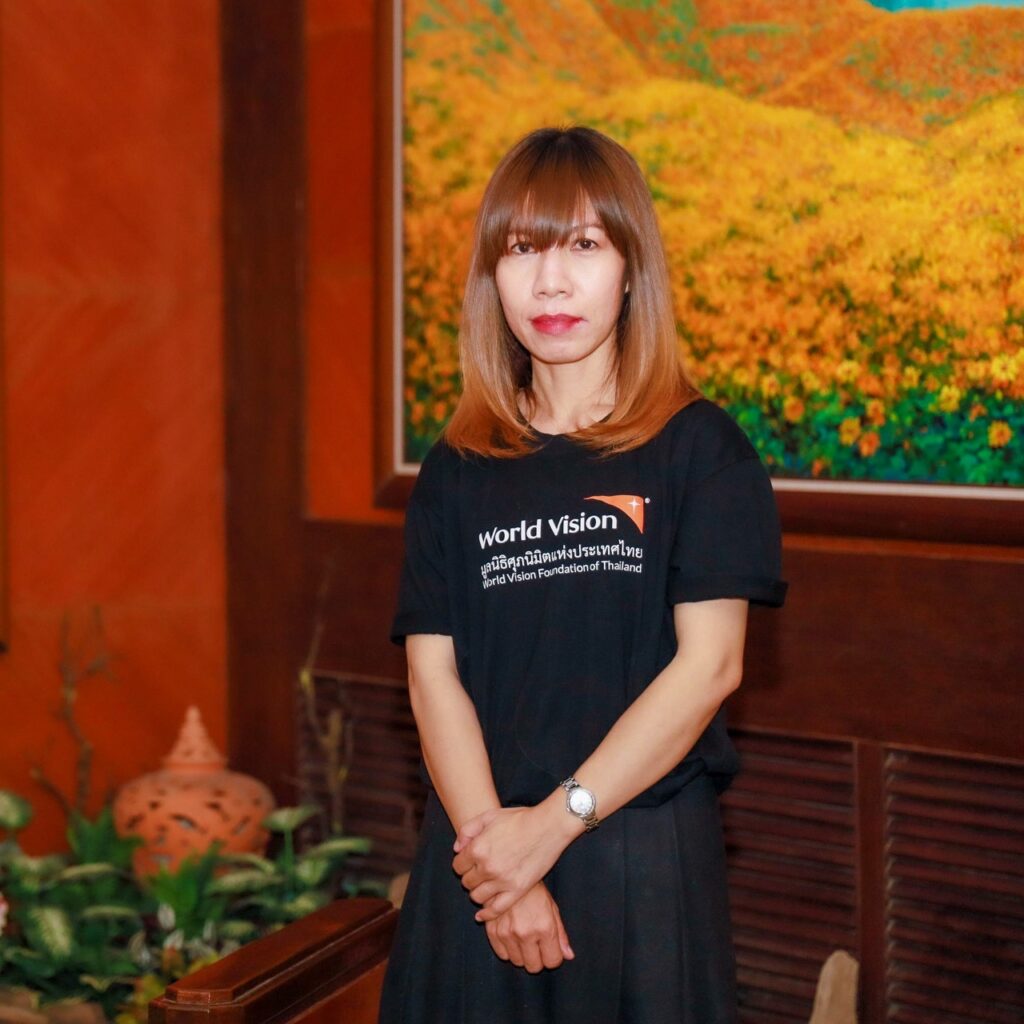
This quote is a highlight of a conversation with Ms. Tithiya Samart, also known as ‘P’ Ya’, World Vision Foundation of Thailand’s ‑Provincial Manager of the Stop TB and AIDS through RRTTPR Project (RRTTPR 2024–2026: STAR4), supported by the Global Fund, alongside the Migrant and Ethnic Friendly Health Service System Development Project, supported by the Thai Health Promotion Foundation (‑ThaiHealth), in Ranong Province. The discussion reflects a clear vision and commitment to building a health system in Thailand that is inclusive, equitable, and leaves no one behind—recognizing migrants as an integral part of the national health system in practice.
The Beginning of a Shared Mission with World Vision Foundation of Thailand
“My journey with World Vision Foundation of Thailand began when I joined the ‘Graduate Volunteer Program’ after completing my university education, with a clear intention from the start to work close to my hometown in Ranong Province.
At that time, I did not yet have an in-depth‑ understanding of World Vision. However, the conversations and insights gained during the recruitment interview—particularly about the organization’s role in community development, child protection, and support for vulnerable populations—opened a new perspective on development work. This became a key starting point for my deep and lasting commitment to this field.
In the early years, I worked under the Area Development Program (ADP), while also supporting health related activities, particularly care for people living with HIV in Mueang Ranong District. These experiences laid the foundation for my expertise and ‑long-term‑ dedication to the health of marginalized populations.”
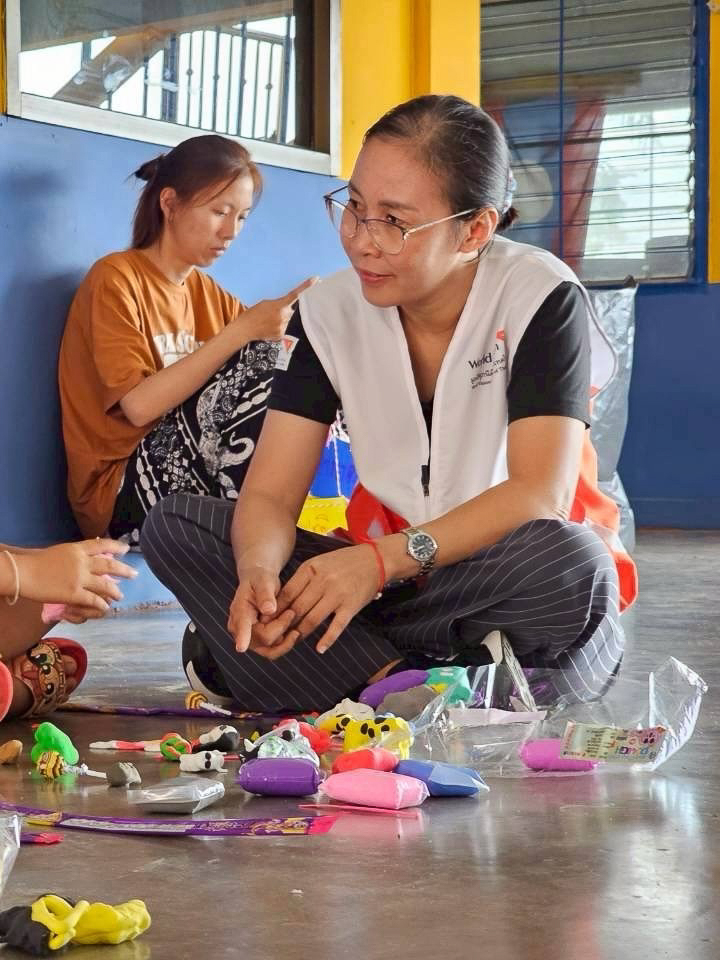
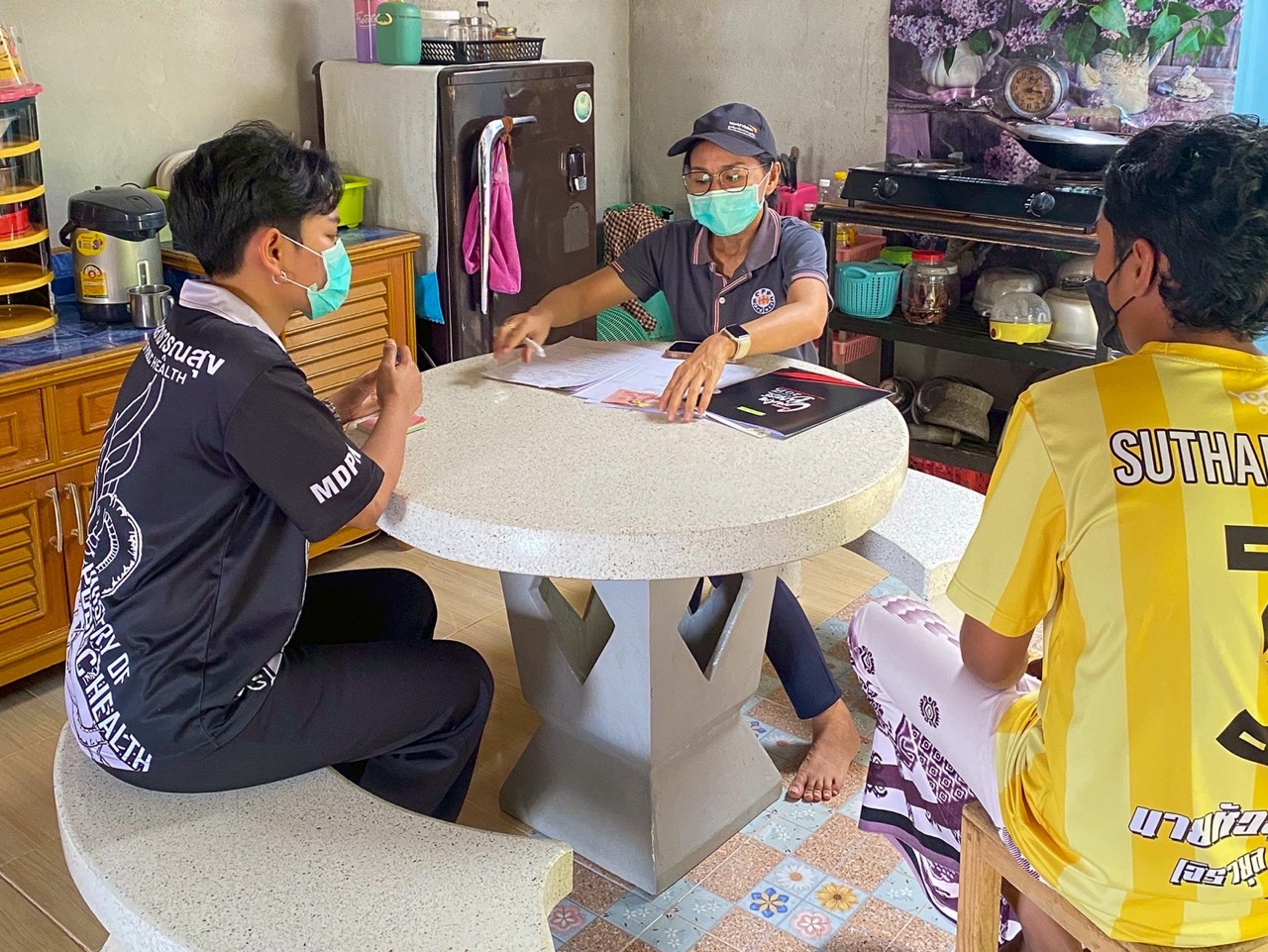
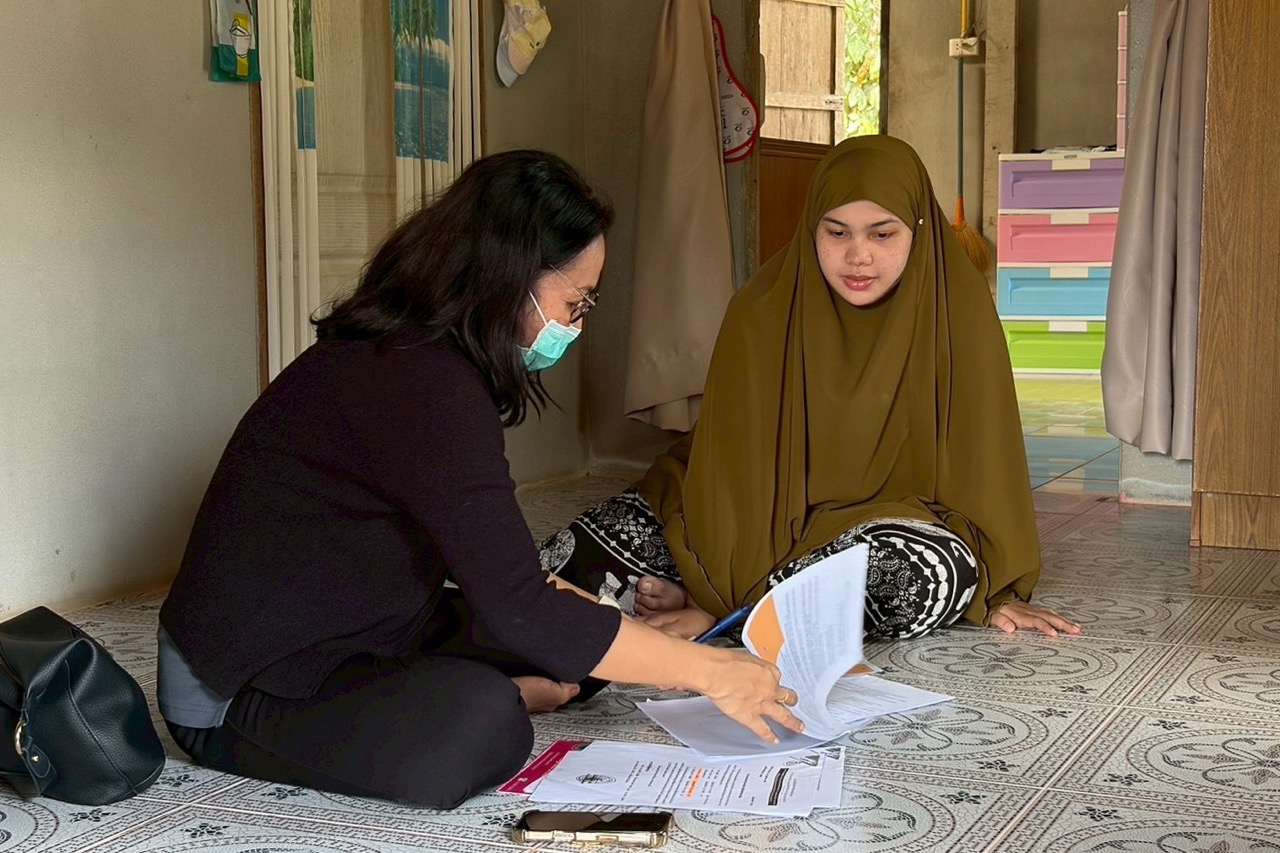
From that point to the present, she has become a key driving force behind migrant health initiatives under the World Vision Foundation of Thailand. Her work focuses on strengthening community level mechanisms, such as enhancing the role of Migrant Health Volunteers (MHVs), establishing Health Posts, and developing ‑cross border patient referral systems, alongside building systemic partnerships with public health authorities. These efforts aim to ensure that migrant populations can sustainably access appropriate‑, quality, and continuous health services.
Context and Health Challenges Faced by Migrant Populations in Ranong Province
“With more than two decades of experience working on migrant health issues in Ranong Province, it is clear to me that the key challenges extend beyond diseases or medical treatment alone. The core issue lies in structural barriers to accessing health services.
These structural barriers include language obstacles, entitlement to health care, legal status, types of employment, income levels, working hours, as well as fear of and mistrust toward government systems.
Ranong Province is a strategic area for migrant health, as it serves both as a destination and a transit point for workers from Myanmar. If the local health system is unable to effectively respond to the needs of this population, it will directly affect disease control and overall health outcomes not only within the province but also in other destination areas across Thailand.
Over the years, the health situation of migrant populations in Ranong has shown positive progress, particularly a decline in certain communicable diseases. However, a growing challenge is the rise of noncommunicable diseases (NCDs), while gaps in access to health services remain‑ a key systemic issue requiring continued attention.”
The Role of World Vision Foundation of Thailand in Advancing Migrant Health in Ranong
“Our work in migrant health in Ranong began with a fundamental objective: to ensure that migrant populations are health literate‑, able to access health services, and receive screening, referral, and continuous treatment until the completion of care.
The work initially focused on tuberculosis and HIV programs, supported by the Global Fund and domestic and international partners, before gradually expanding toward a more systemic and preventive public health approach.
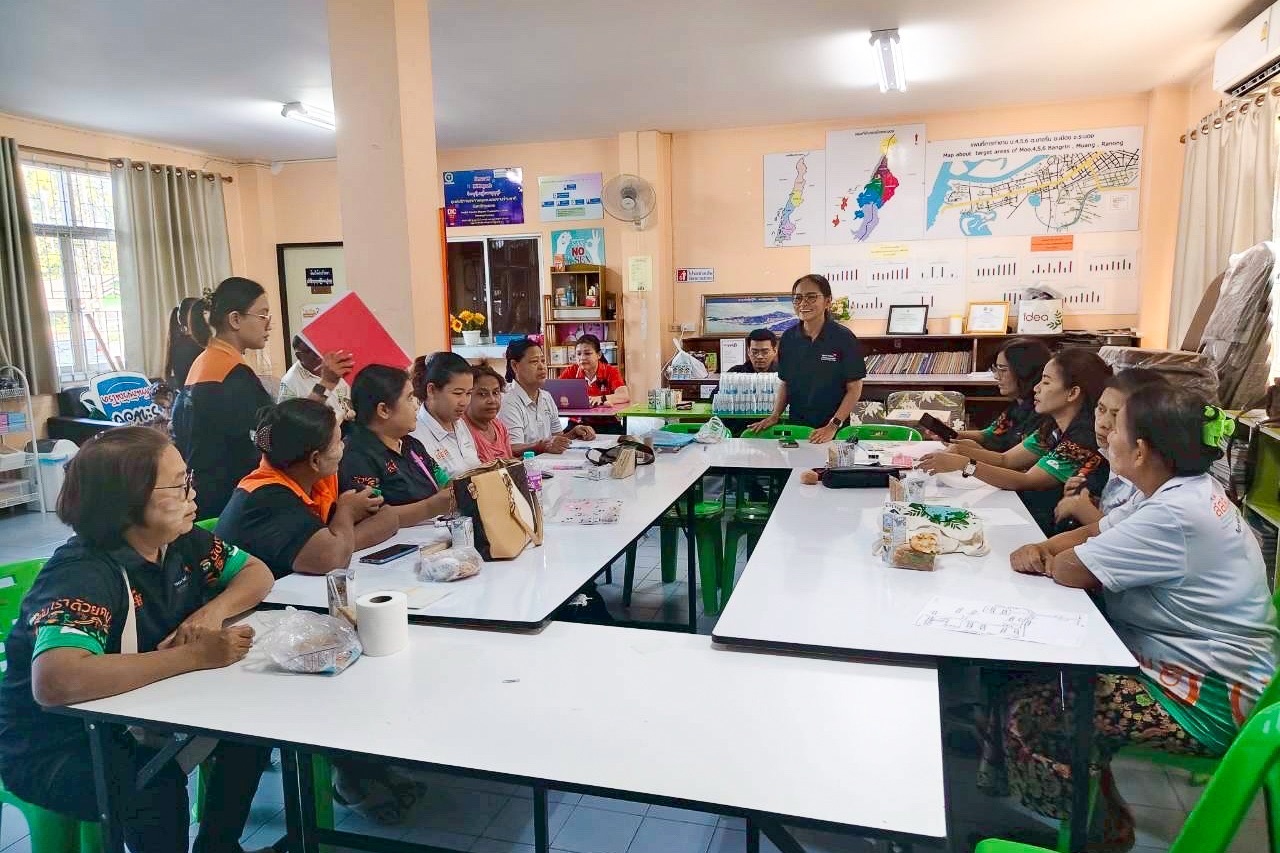
At the heart of our approach is integration with government systems and working alongside public health agencies as ‘partners,’ not as parallel implementers. Equally important is designing interventions that are centered on the lived realities and contexts of migrant workers.
This approach has distinguished World Vision’s work in Ranong, fostering trust within communities and recognition from local partners—key factors that have enabled over two decades of sustained engagement.”
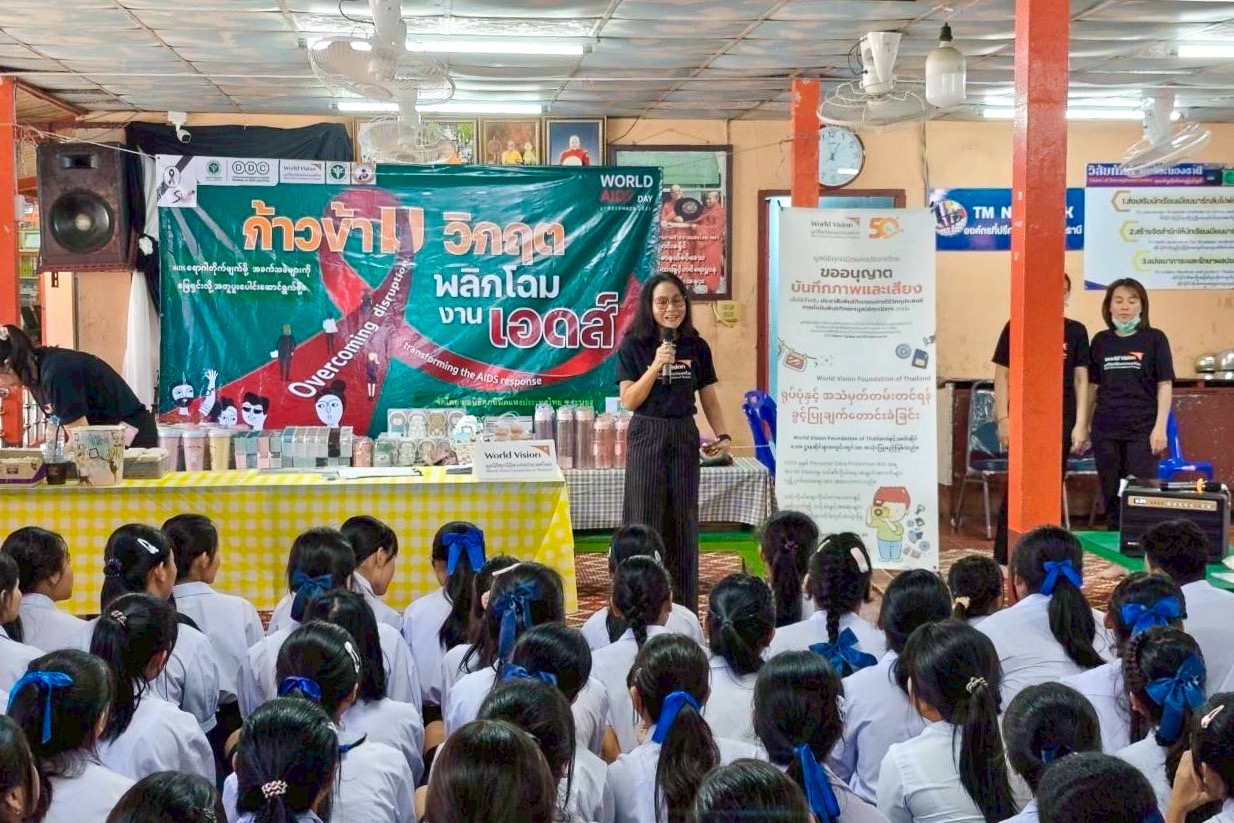
World Vision Foundation of Thailand has continuously implemented the Stop TB and AIDS through RRTTPR Project during 2021–2023 (STAR 3) and 2024–2026 (STAR 4) to expand access to essential health services among vulnerable populations, particularly migrant workers and mobile populations who are at higher risk of TB and HIV and often face barriers to accessing public health systems.
During the STAR 3 implementation period, the project directly reached 15,474 individuals through its core activities. This figure does not include additional supporting activities such as events, public awareness campaigns, and various forms of health education.
When both direct and indirect outreach are combined, it is estimated that more than 17,000 people benefited from STAR 3 activities, highlighting World Vision’s critical role in expanding access to screening, prevention, treatment linkage, and the community level ‑follow-up‑ care.
For STAR 4, which is currently underway, the project continues to prioritize outreach to migrant workers in target areas, particularly through TB screening activities.
From 2024 through March 2026, the project has already reached 2,437 migrant workers through TB screening. Although the project has not yet reached its completion, and these figures do not include outreach through events and other health education activities, total outreach—including all supporting activities
Is estimated to have exceeded 3,000 individuals to date, with numbers expected to continue increasing through the end of the project.
Health Posts: A Mechanism to Reduce Gaps in Access to Health Services
“Health Posts—community-based health service points in migrant worker communities—emerged‑ from the situation that many migrants are unable to access information, knowledge, and formal health facilities, not due to a lack of willingness, but because they lack opportunities and enabling conditions.
Initially, Health Posts focused on TB screening, before evolving to function as basic primary health hubs within migrant communities.
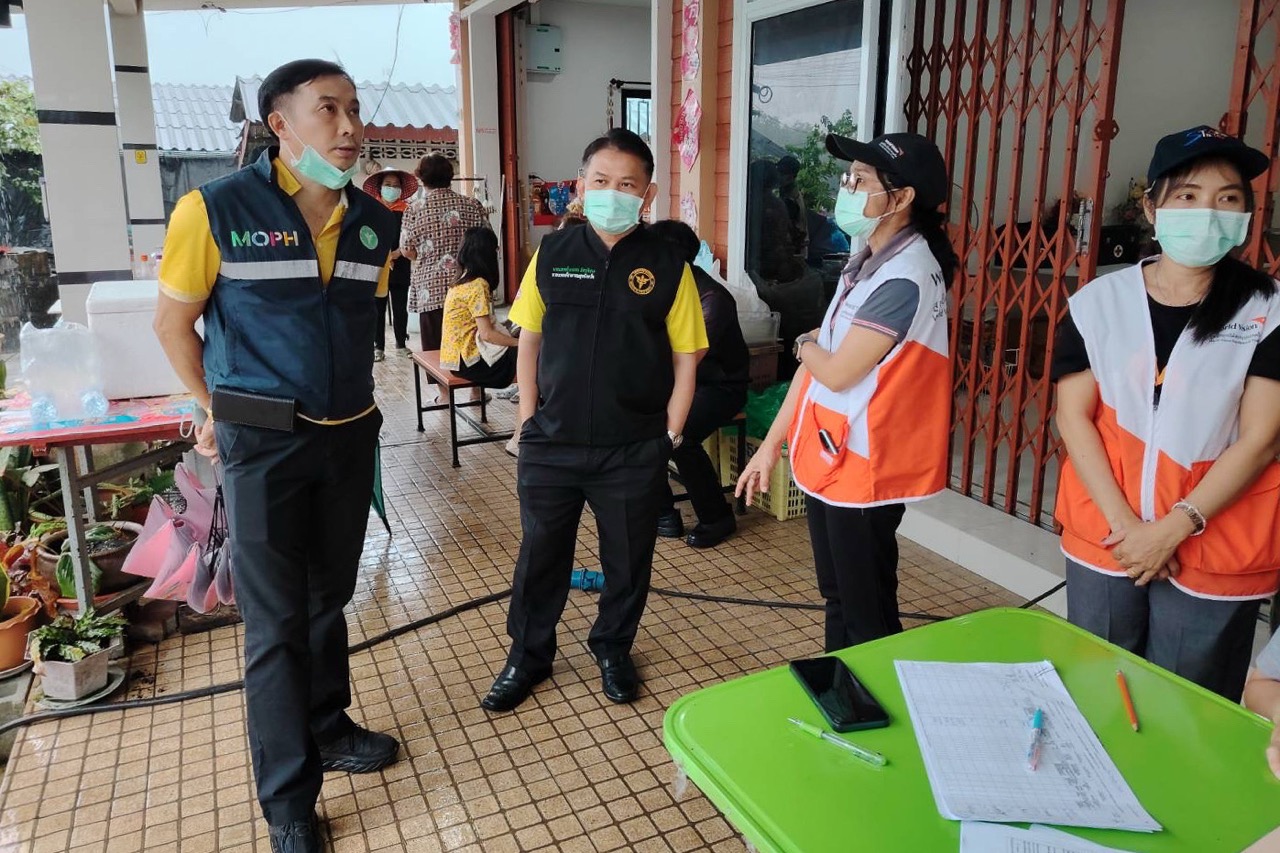
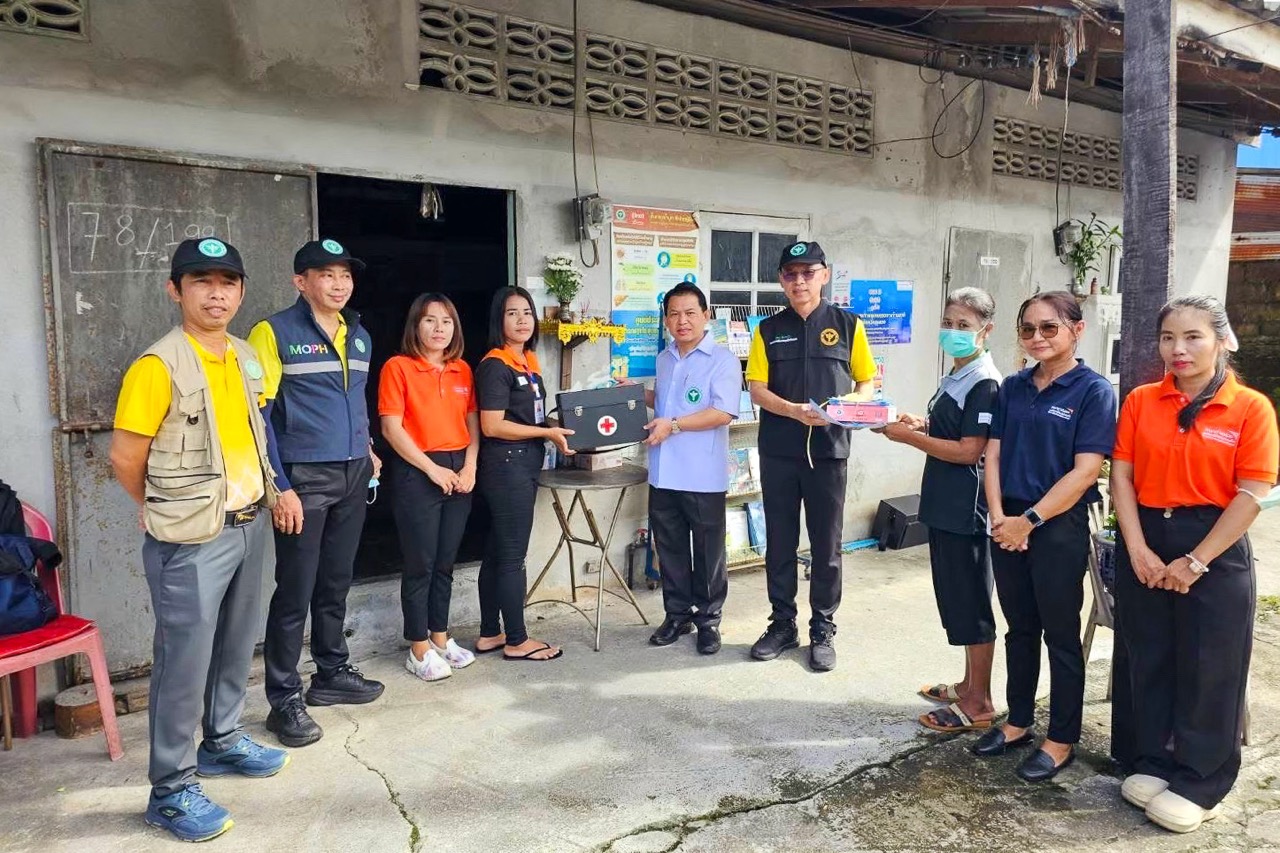
Currently, Ranong Province has 31 Health Posts across three districts, with at least six having been further strengthened to play proactive roles in disease screening, basic first aid, and linkage to subdistrict level‑ referral systems.
I believe the key success factors of Health Posts include their proximity to migrant communities; the presence of volunteers and staff who speak the same language as the community; and service provision that aligns with migrants’ working lives—being accessible, safe, and trusted by the community.”
Migrant Health Volunteers (MHVs): A Pillar Sustaining Migrant Health System Development
“With the understanding that health initiatives cannot genuinely reach specific populations without community based‑ mechanisms, World Vision places strong emphasis on developing networks of Migrant Health Volunteers (MHVs).
MHVs play diverse roles—from health education, disease surveillance and screening, patient follow-up‑, and health interpretation, to coordination with government health facilities—making them a critical driver of project success.
In Ranong Province, there are currently more than 100 MHVs actively contributing, with role differentiation based on capacity to enhance effectiveness. Their importance became particularly evident during the COVID19 pandemic, when MHVs served as a primary mechanism for ‑community level‑ disease control.
Nevertheless, a key challenge remains the lack of adequate security and welfare support, as most MHVs are migrant workers who must balance paid employment with their volunteer roles.”
Cross Border Refe‑rral Systems: Care That Extends Beyond National Borders
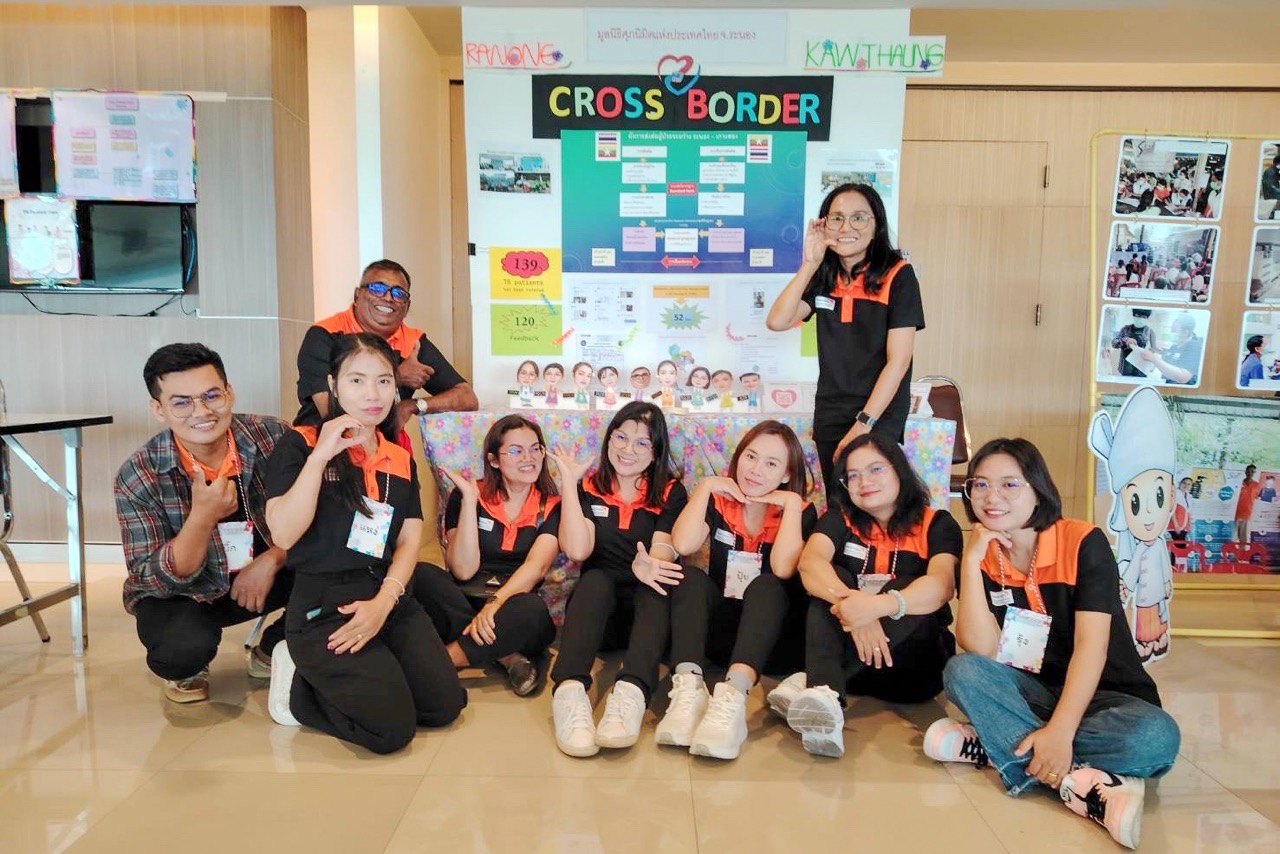
“Another key initiative is the development of a cross border referral system between Ranong Province (Thailand) and Kawthaung‑ (Myanmar), driven by the need for continuity of care for communicable diseases such as TB, malaria, and HIV.
This system ensures that even when patients return to their country of origin, treatment can continue in an organized and coordinated manner, with Ranong serving as a central coordination point for information exchange and follow-up‑.
World Vision acts as a supporting mechanism for language interpretation and coordination between public health agencies in both countries, enabling the system to function effectively in practice.”
Policy Perspectives and Collaboration with Government
“I firmly believe that sustainable development of migrant health systems is not possible without government leadership and institutional support.
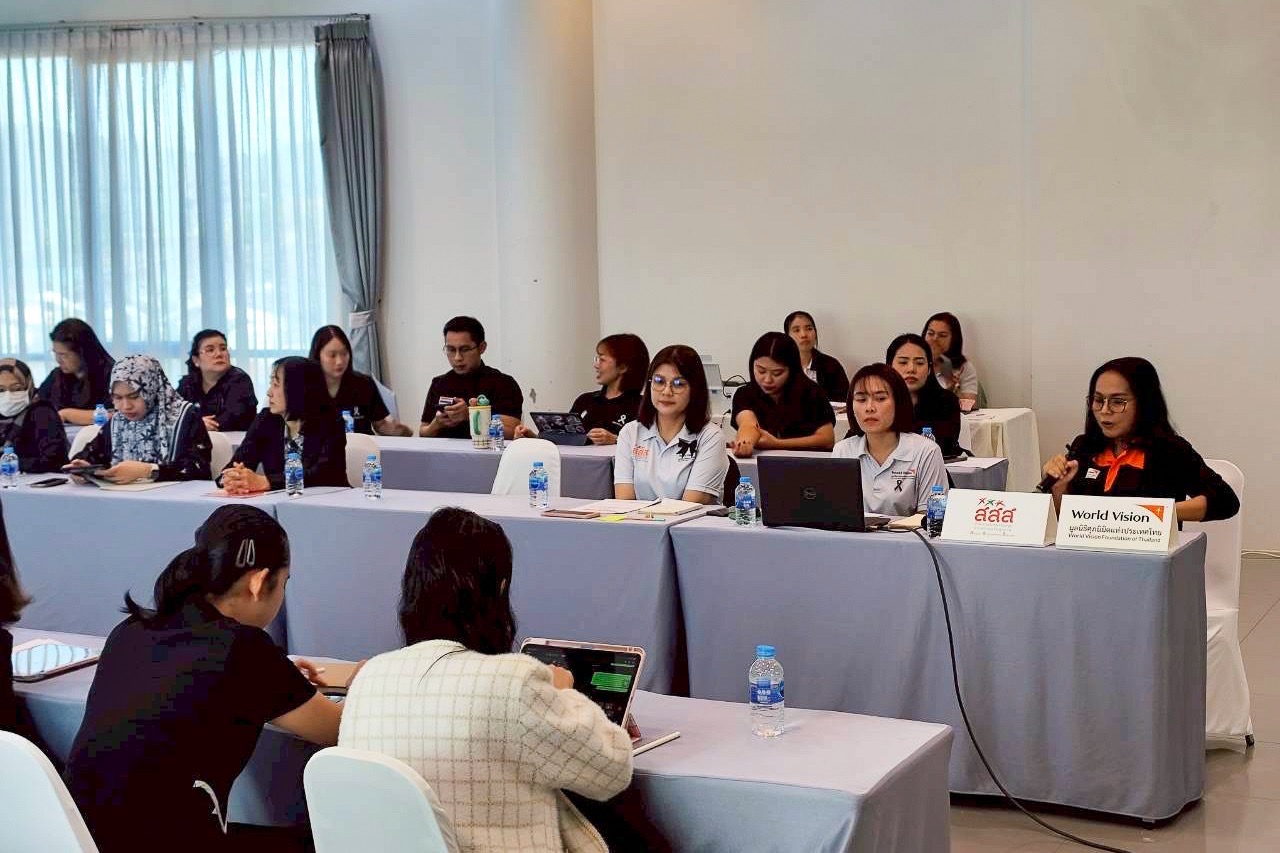
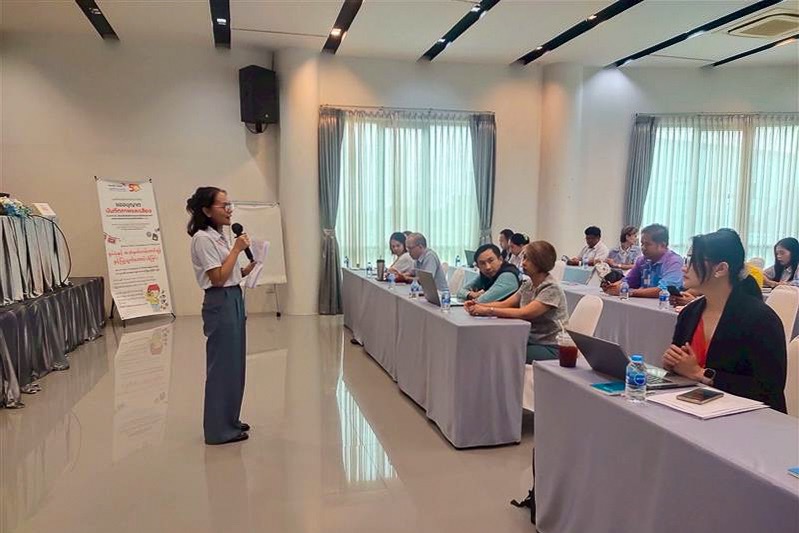
Ranong’s success demonstrates the power of integrated collaboration at all levels, particularly in aligning mechanisms such as Health Posts and MHVs with local public health strategies.
At the policy level, key priorities include the formal recognition of MHVs within the public health system, provision of appropriate welfare and protection, strengthening interpretation and communication systems in health facilities, and designing health policies that are inclusive of all population groups.”
The Heart of Migrant Health Work and Lessons Learned
“From more than 20 years of experience, I believe that the most critical factor is the mindset of practitioners. Development cannot achieve meaningful change if prejudice persists or if migrant populations are viewed as a ‘burden’ rather than as human beings with dignity and value.
The misconception that migrants take jobs or overburden the health system must be urgently addressed. In reality, they are a vital driving force of Thailand’s economy and society.”
Past implementation results demonstrate the tangible positive impact of the World Vision Foundation of Thailand in reducing gaps in access to TB and AIDS services through the RRTTPR service package. Beyond increasing early case detection and linkage to treatment, the initiative has strengthened knowledge, awareness, and community resilience—forming a critical foundation for the sustainable elimination of tuberculosis and AIDS in the long term.