According to the Equitable Education Fund (EEF), in 2024 Thailand had 980,000 children and young people who were not registered in the education system. Of these, 391,747 were newly reported cases. In Surin Province alone, more than 12,000 children were outside the education system, most of them aged between 15 and 18. The number is expected to rise further due to the Thai–Cambodian border conflict that erupted in July 2025.
To help address and prevent school dropouts, the Office of National Higher Education, Science, Research and Innovation Policy Council (NXPO) and World Vision Foundation of Thailand have launched the Local Collaboration Mechanisms to Increase Educational Opportunities for Vulnerable Groups Project. Surin Province has been selected as a pilot area to integrate efforts among government agencies, local administrations, civil society, educational institutions and communities, using local data and mechanisms to support school dropouts.
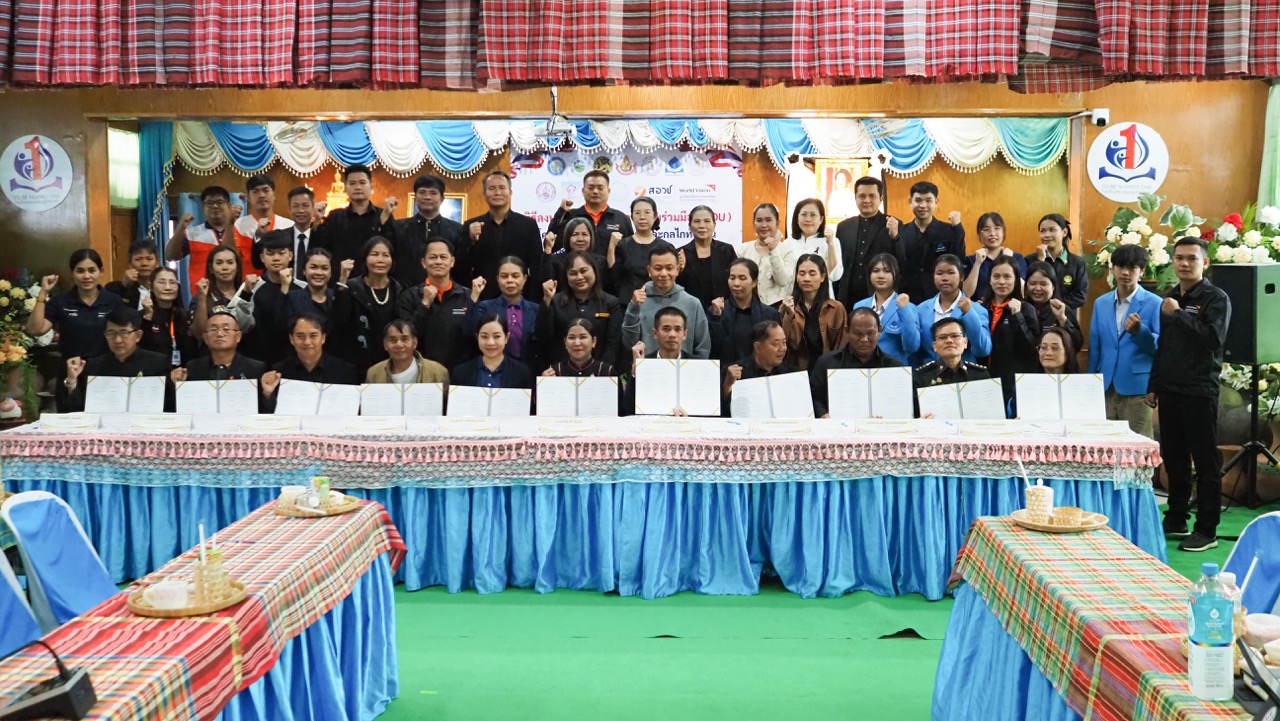
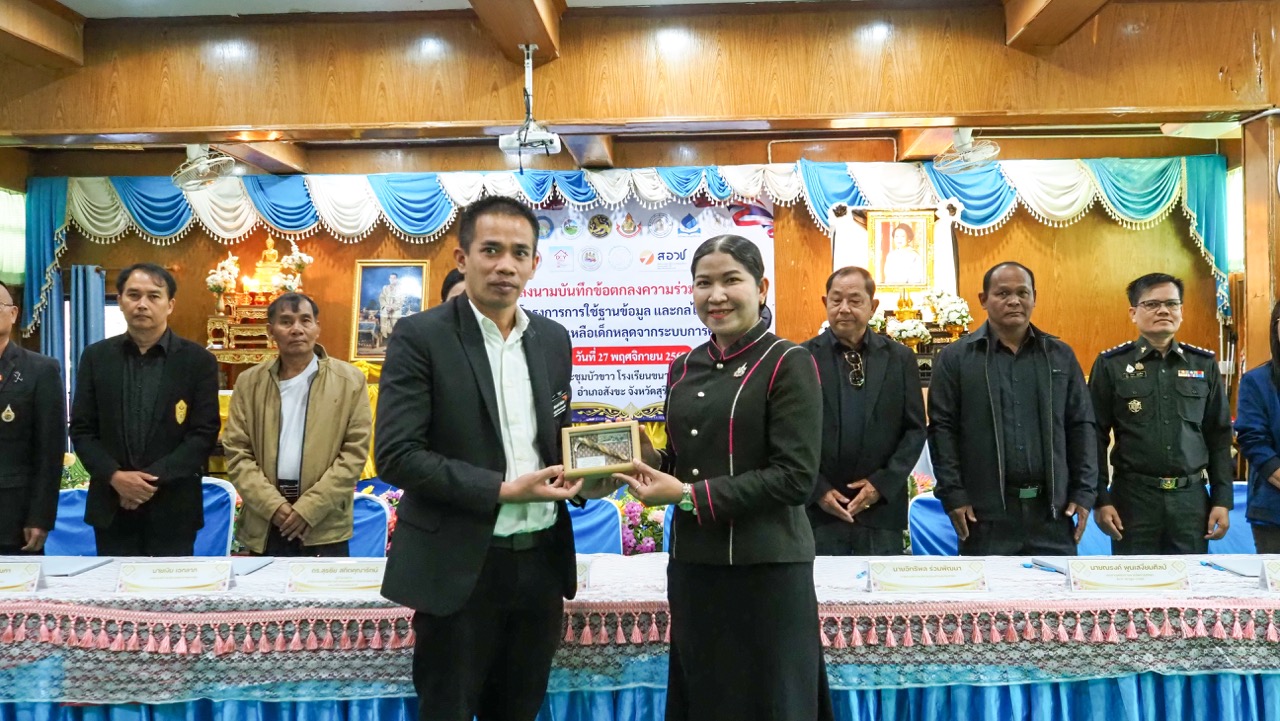
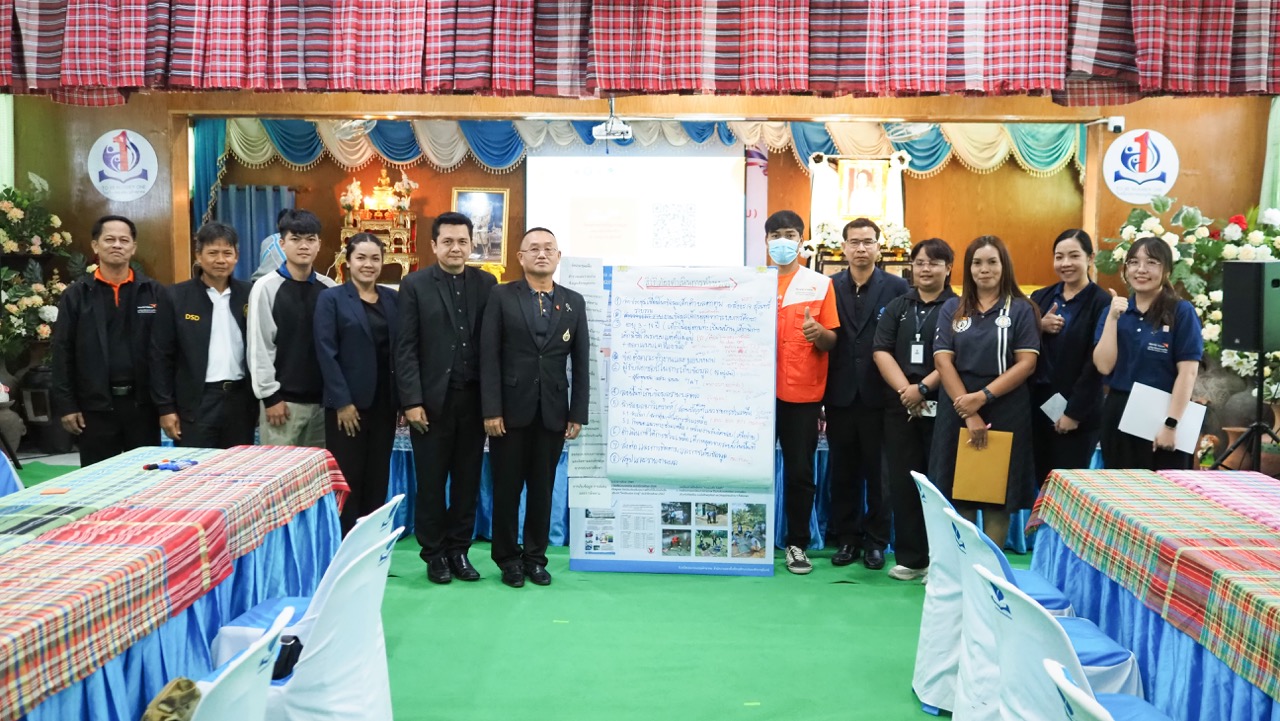
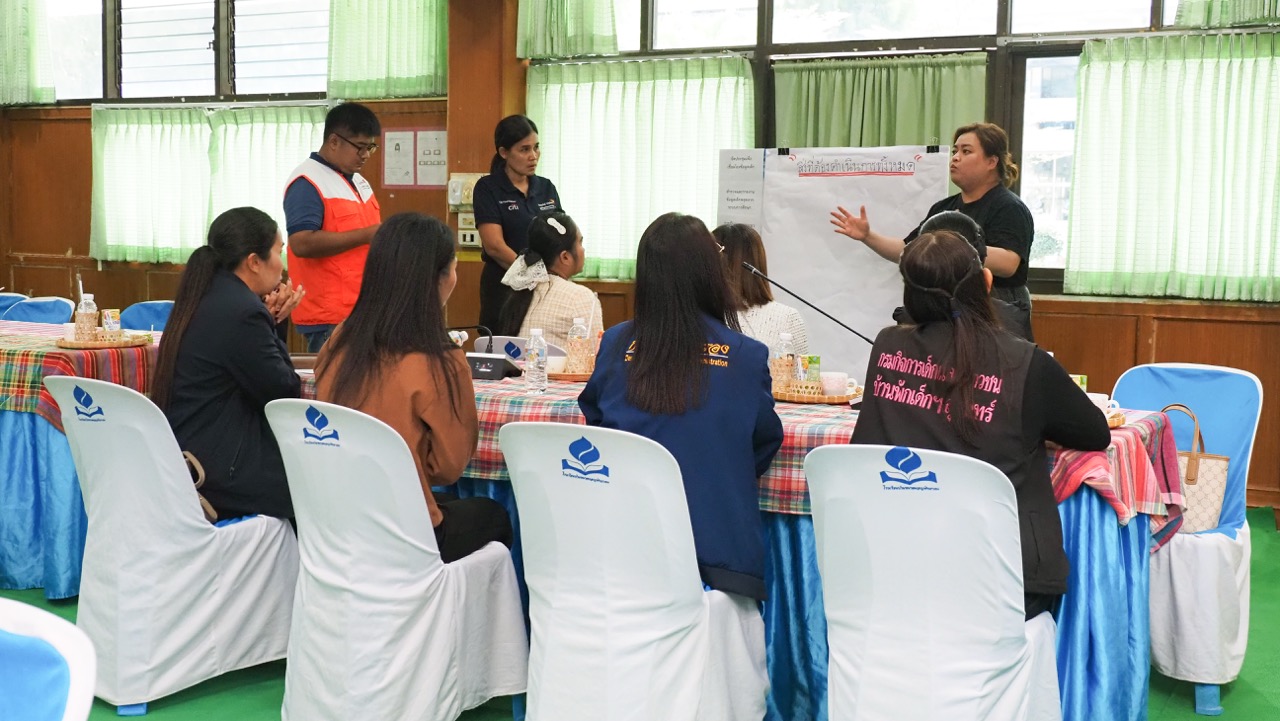
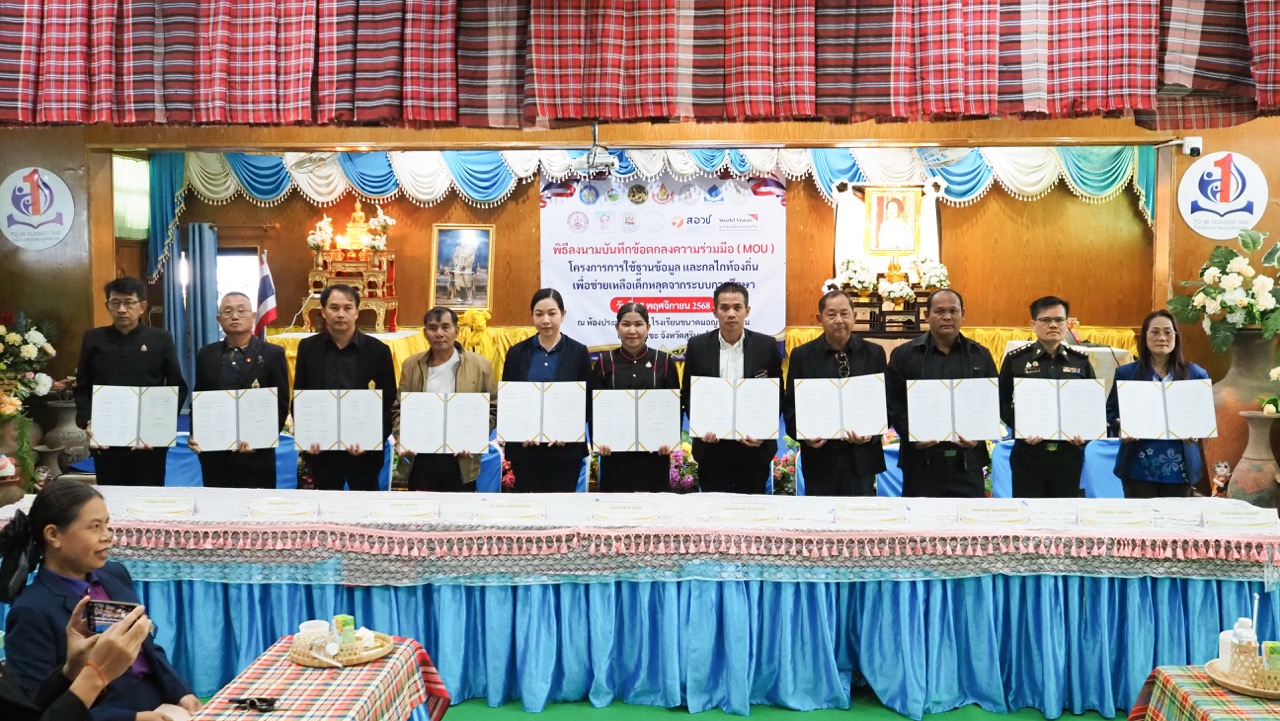
In late November, NXPO and World Vision Foundation of Thailand, together with nine agencies in Surin Province – including Surin Primary Educational Service Area Office 3, Sangkha Learning Promotion Centre, Ban Chan Sub-district Administrative Organisation, Tatum Sub-district Administrative Organisation, Sangkha Education Network Management Office 3 (Tatum–Chan), Surin Provincial Skilled Labour Development Centre, Community Health Foundation, Surin Child and Family Shelter, and Khanadmon Pittayakhom School – signed a Memorandum of Understanding (MoU) on the use of local data and mechanisms to support school dropouts. The signing was honoured by Ms Supawadee Khumthong, Deputy Director of Surin Primary Educational Service Area Office 3, and Mr Athinon Pungsanthia, Regional Programme Implementation Manager – Northeast and South, World Vision Foundation of Thailand, along with executives from other agencies. Following the MoU signing, representatives from all 11 organisations held a joint planning meeting.
Why is using local data and mechanisms to help school dropouts so important?
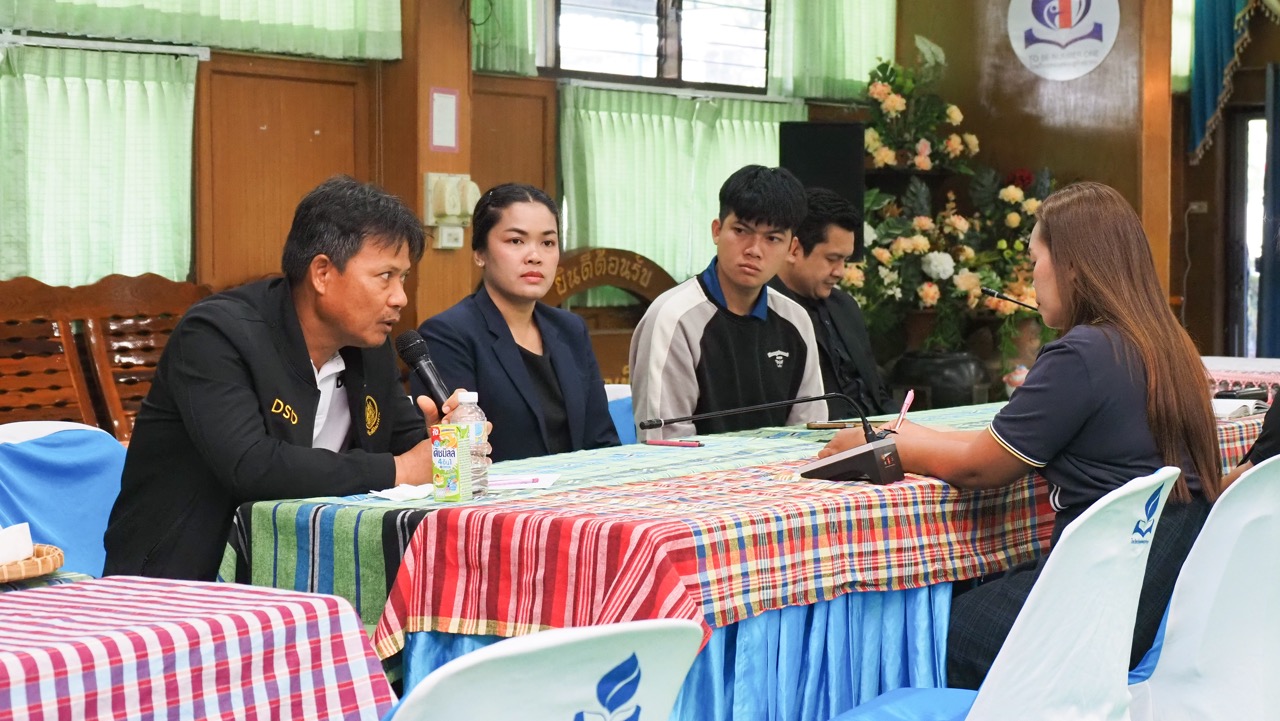
A representative from Ban Chan Sub-district Administrative Organisation, Sangkhah District, Surin Province, shared during the meeting, “In Ban Chan SAO, based on Thailand Zero Dropout data, there are 66 children who have dropped out of school. We are still surveying and recording information. The challenge is that the data is not up to date. Our follow-up shows that some children have moved out of the SAO area, while field visits reveal new cases of children who have moved in but are not yet recorded in the system. Keeping the data current is crucial as it forms the basis for tracking and providing comprehensive support to these children.”
This aligns with comments from Mrs Ketsuda Wongsapirom, Director of Education Development Group, Surin Provincial Education Office:
“Although we have a systematic database, in practice – especially at the local level – we face many challenges. From surveying children’s status, we may not find them due to relocation, death, being in juvenile detention, and so on. In terms of providing support and driving action at the SAO level, some areas only manage to survey children’s status but have not progressed to case management to help them access education – whether formal, non-formal or informal learning. Mechanisms from government agencies under the Thailand Zero Dropout Committee are already in place to support and assist.”
Preventing and solving the problem of school dropouts is a national agenda. At the national level, a committee has been established to drive the “Thailand Zero Dropout” initiative, following the order of the Prime Minister’s Office, chaired by the Deputy Prime Minister and Minister of Digital Economy and Society, with participation from civil society and non-government organisations. The committee sets core policies, coordinates and monitors progress nationwide, integrating data through collaboration among key ministries, including Ministry of Digital Economy and Society, Ministry of Education, Ministry of Interior, Ministry of Public Health, and Ministry of Social Development and Human Security. A central system and the Thailand Zero Dropout Application have been developed by the Equitable Education Fund (EEF) to collect information on children and youth outside the education system. Provincial and local sub-committees, led by provincial governors, work with local agencies and administrative organisations to track, visit and assist these children.
“From the national policy level, with the central database now in place, this MoU signed by 11 agencies will lead to collaboration among provincial and local bodies in Surin to link data and develop mechanisms to search for at-risk children and youth, as well as those already out of school. The focus is on using data as a tool to identify problems, analyse situations and support interventions, including designing case management approaches to bring back educational opportunities for children – particularly in Tatum and Ban Chan sub-districts, Sangkha District, Surin Province, which will serve as pilot areas,” said Pluempeeti Laungsuvimon, Policy Model Project Coordinator, World Vision Foundation of Thailand, outlining the goal to prevent and reduce school dropouts in Surin.