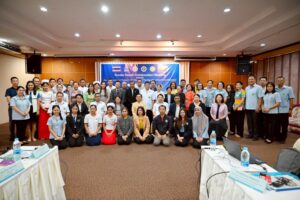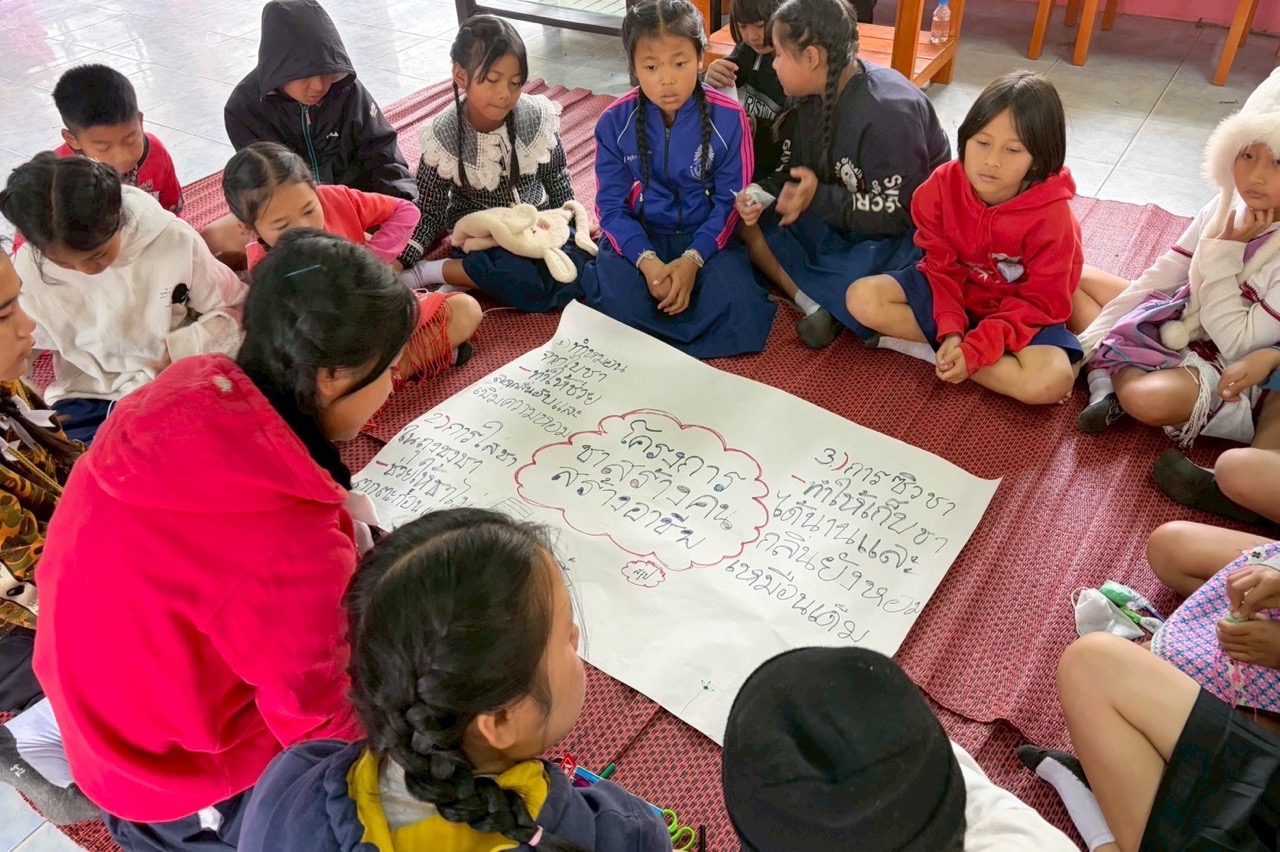
World Vision Foundation of Thailand, in collaboration with a partner school in Omkoi Project, Chiang Mai Province, is advancing a project to enhance vocational skills for children and youth. The initiative draws on locally available resources under the concept “Tea that Builds People and Livelihoods”, aiming to equip youth with practical skills that can be developed into income-generating opportunities to support themselves and their families in the future.
Omkoi District is a mountainous area with terrain and climate well-suited to cultivating economic crops, especially Assam tea, which is now being developed as a new community cash crop. World Vision Foundation of Thailand and the local school have already piloted the cultivation of Assam tea and plan to expand production to surrounding communities.
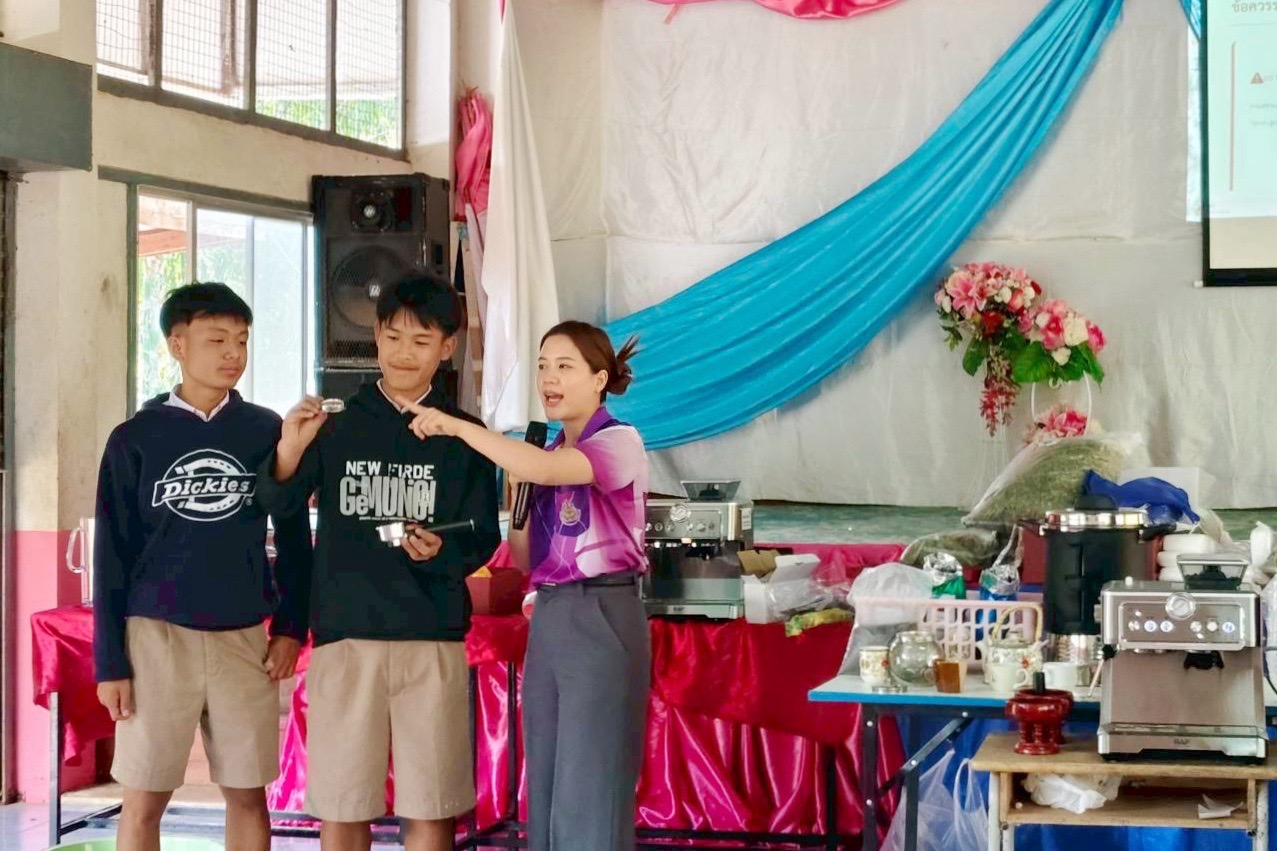
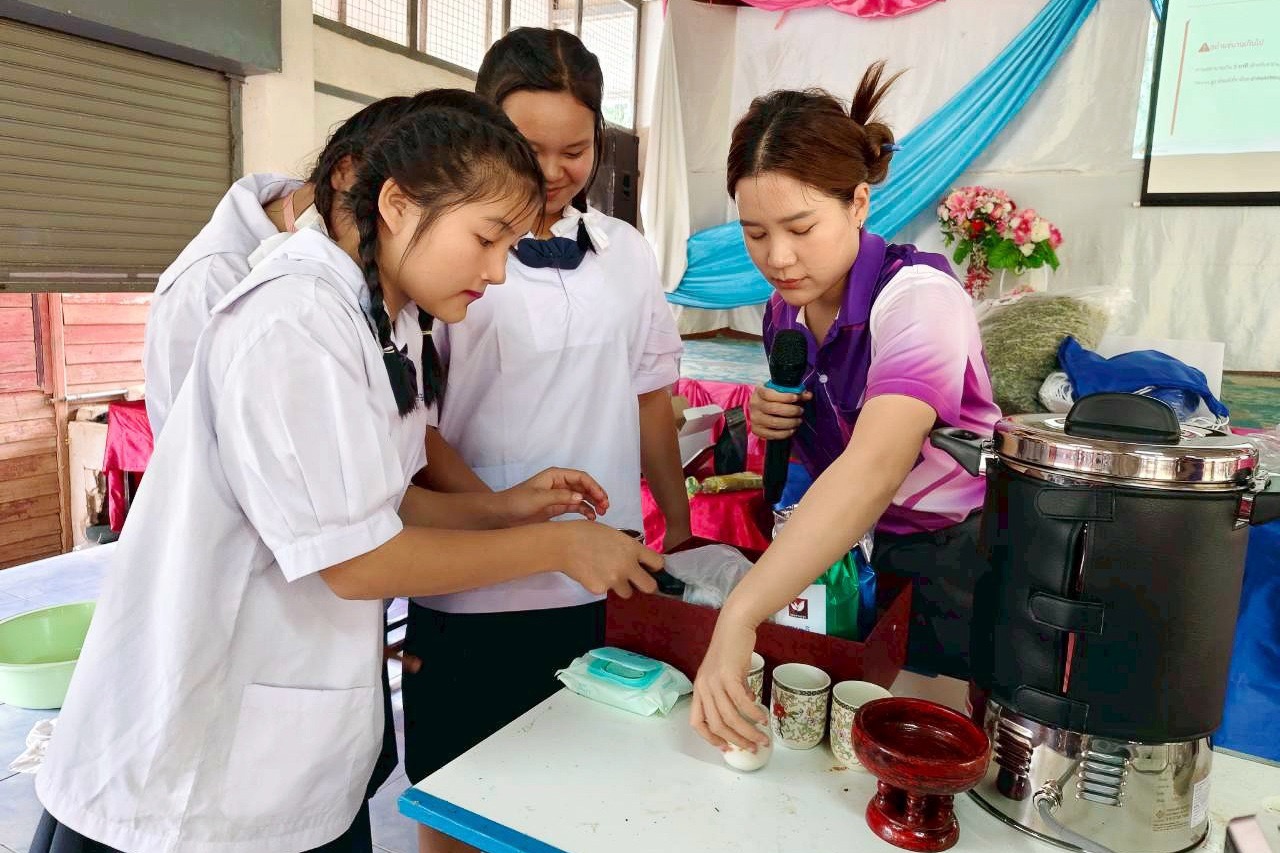
To prepare children and young people—who are key drivers of community development—to sustainably add value to local agricultural products, training sessions have been organised to build their knowledge of tea‑processing techniques. These are essential skills that enable households and communities to transform raw produce into viable sources of income.
In this event, World Vision Foundation of Thailand received kind support from Chiang Mai College of Agriculture and Technology, which provided instructors and expert trainers to share their knowledge. This collaboration plays an important role in strengthening the capacity of both youth and communities to develop a comprehensive and sustainable Assam tea production system.
The training programme was designed to integrate knowledge, skills, and hands-on practice, covering topics such as:
- The history, significance, and ecosystem of the tea-growing area
- Basic tea‑processing methods that meet the community-level production standard
- The various benefits of tea in health, economic, and social perspectives
- Tea-related vocational skills: cultivation, care, harvesting, processing, and quality control
- The development of community marketing, product identity, and strategies for promoting tea products
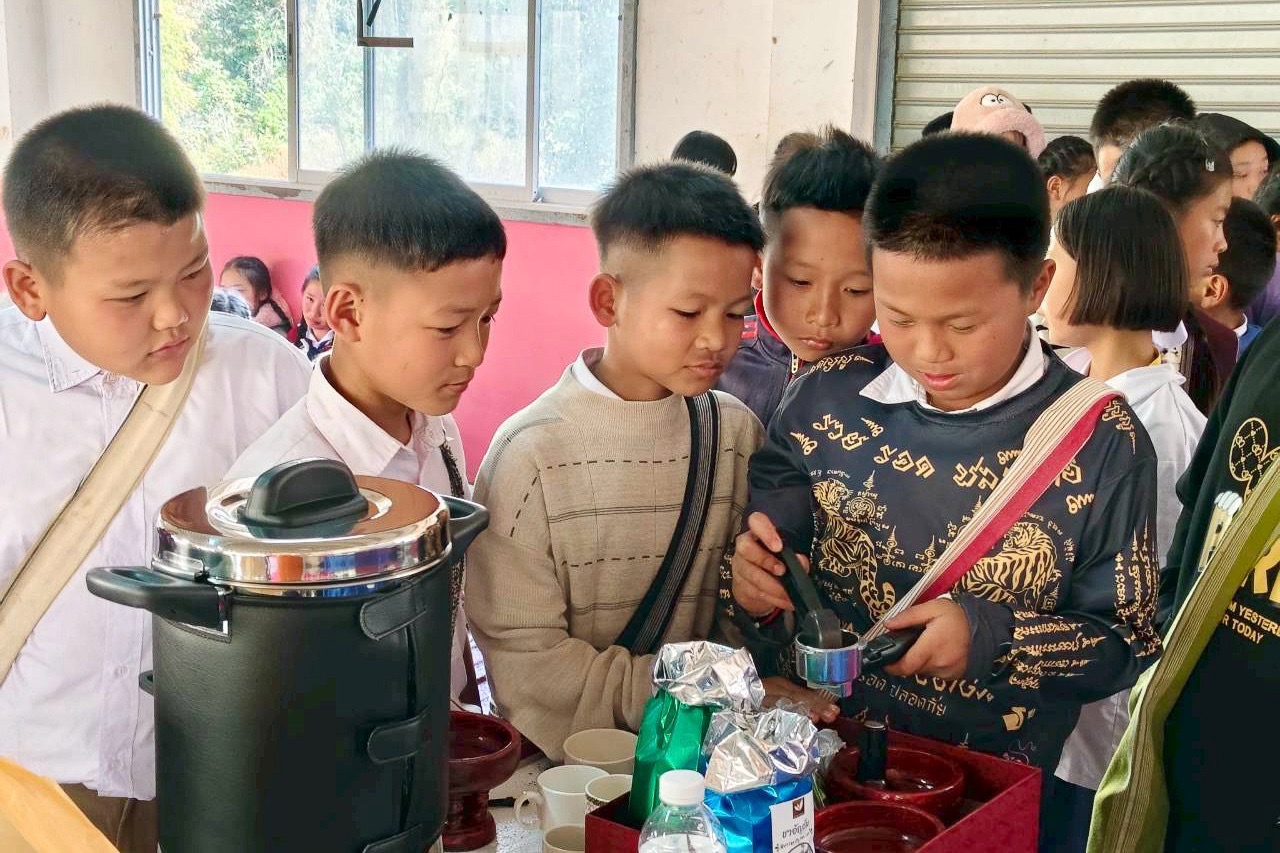
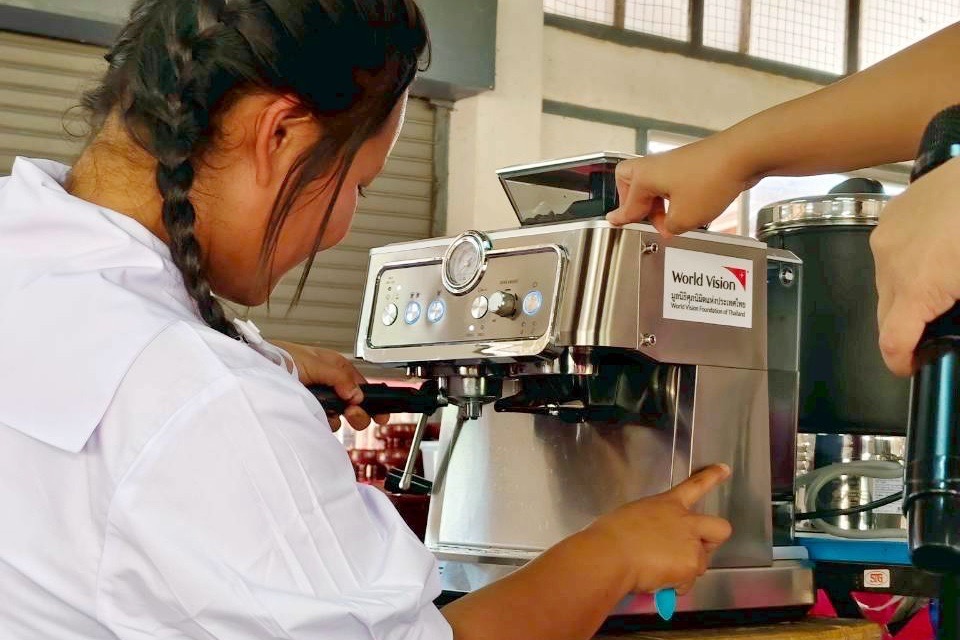
- Professional tea brewing, tasting, and flavour analysis techniques
The learning process emphasised child and youth participation through practical activities, enabling them to gain understanding and to transform their experiences into tangible vocational skills.
Over 90 children and young people participated in the training. They gained not only technical knowledge on tea processing but also essential life skills such as teamwork, creative thinking, and the effective use of community resources.
The youth began to see the untapped value of their local resources and recognised that, with proper development and adequate support systems, these resources can be transformed into economic value and provide stable livelihood opportunities in the future.