Ensuring a sustainable quality of life for children requires a comprehensive approach encompassing fundamental rights, family well-being, and an environment conducive to growth. To this end, the World Vision Foundation of Thailand is committed to working alongside families, communities, and partner networks to create opportunities and improve the quality of life for vulnerable children, enabling them to reach their full potential.
The story of Wasana, known affectionately as ‘Nong Ngaw,’ and her family reflects the integrated approach of the World Vision Foundation of Thailand in addressing critical challenges in children’s lives. This encompasses securing legal rights through the nationality verification process and enhancing quality of life by providing safe, suitable housing for their development.
Identifying Family Needs and Core Challenges
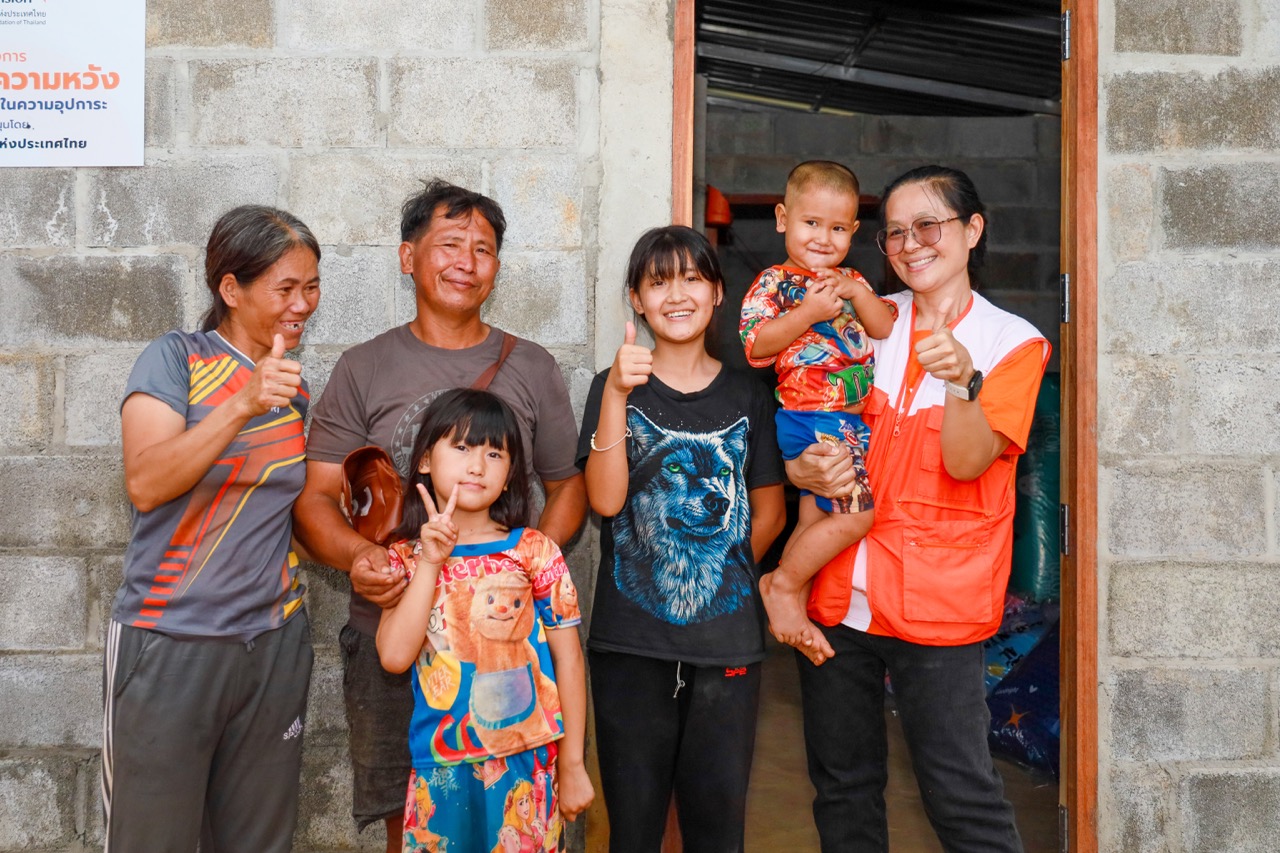
Nong Ngaw’s family consists of six members: her parents and four children. The parents worked as general laborers with irregular incomes and had no land for farming, resulting in persistent economic hardship for the family.
Due to the family’s limited capacity to care for their children at home, two young daughters sponsored by the World Vision Foundation of Thailand—then in Grade 4 and Grade 6—were placed in a girls’ residential care home to ensure they received proper care and educational opportunities.
During regular family monitoring visits, World Vision Foundation of Thailand project staff discovered that although the father had acquired Thai nationality approximately three years earlier, his three daughters still did not have Thai nationality. Consequently, the girls were unable to fully access basic rights, including education, healthcare, and state welfare benefits.
Facilitating DNA Testing to Secure Citizenship Rights
Recognizing that legal status is the cornerstone of child rights protection and development, the World Vision Foundation of Thailand collaborated with the Tap Tao Area Development Programme Committee in Chiang Rai under the ‘Legal Status and Rights Development Project for Stateless and Nationality-less Children and Youth.’ This initiative supported the family through the legal verification process to secure proper legal recognition. (The project has since concluded its operations.)
Building on this foundation, the World Vision Foundation of Thailand currently implements the ‘Collaboration for Change: C4C Project.’ This initiative aims to scale up civil registration and rights protection efforts for a broader population, with a target to reduce the number of stateless persons in target areas by at least 35% by 2028.
The project systematically facilitates access to civil registration and legal recognition of status across five target provinces. Implemented by World Vision Foundation of Thailand in partnership with the Legal Status Network Foundation and funded by the European Union (EU), the initiative drives sustainable solutions to statelessness while ensuring vulnerable children, youth, and families enjoy equal access to fundamental rights and opportunities for a better life.
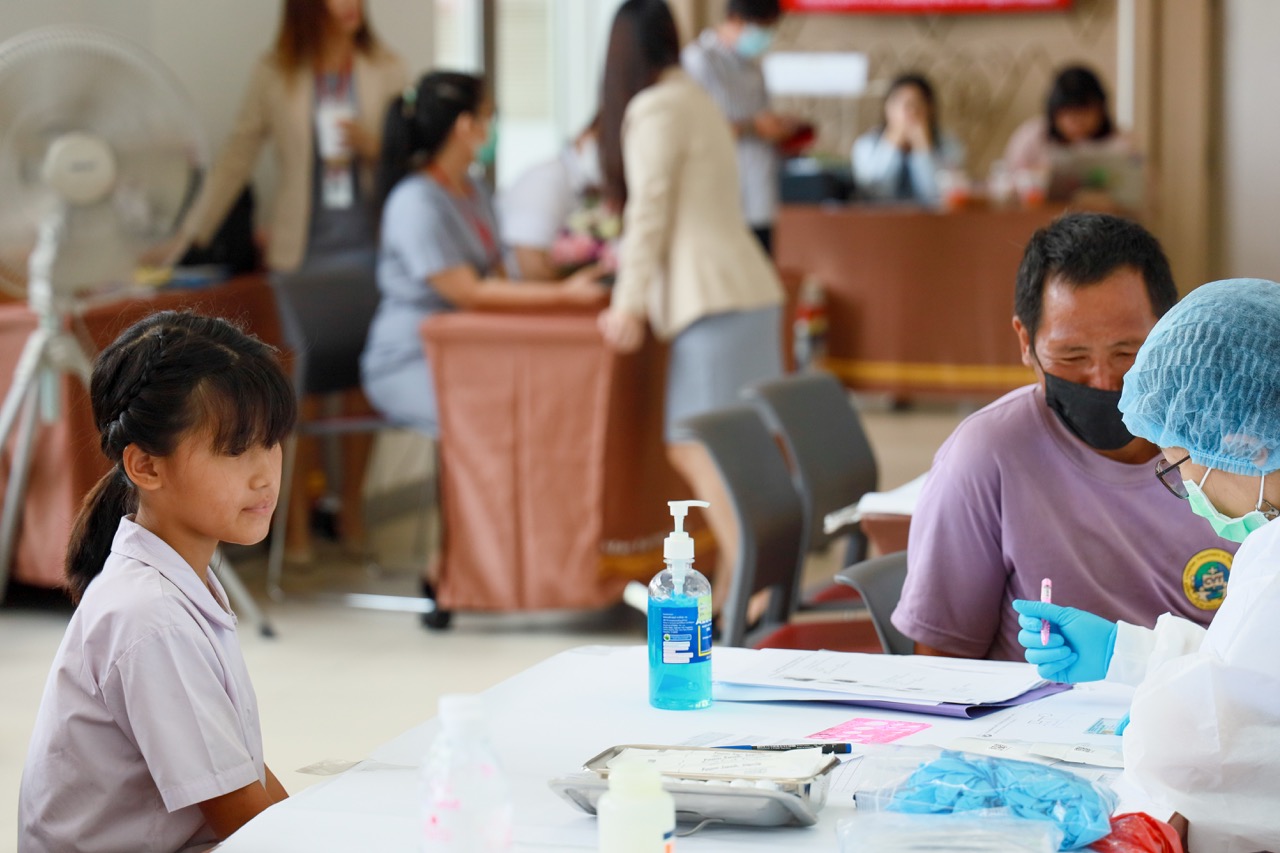
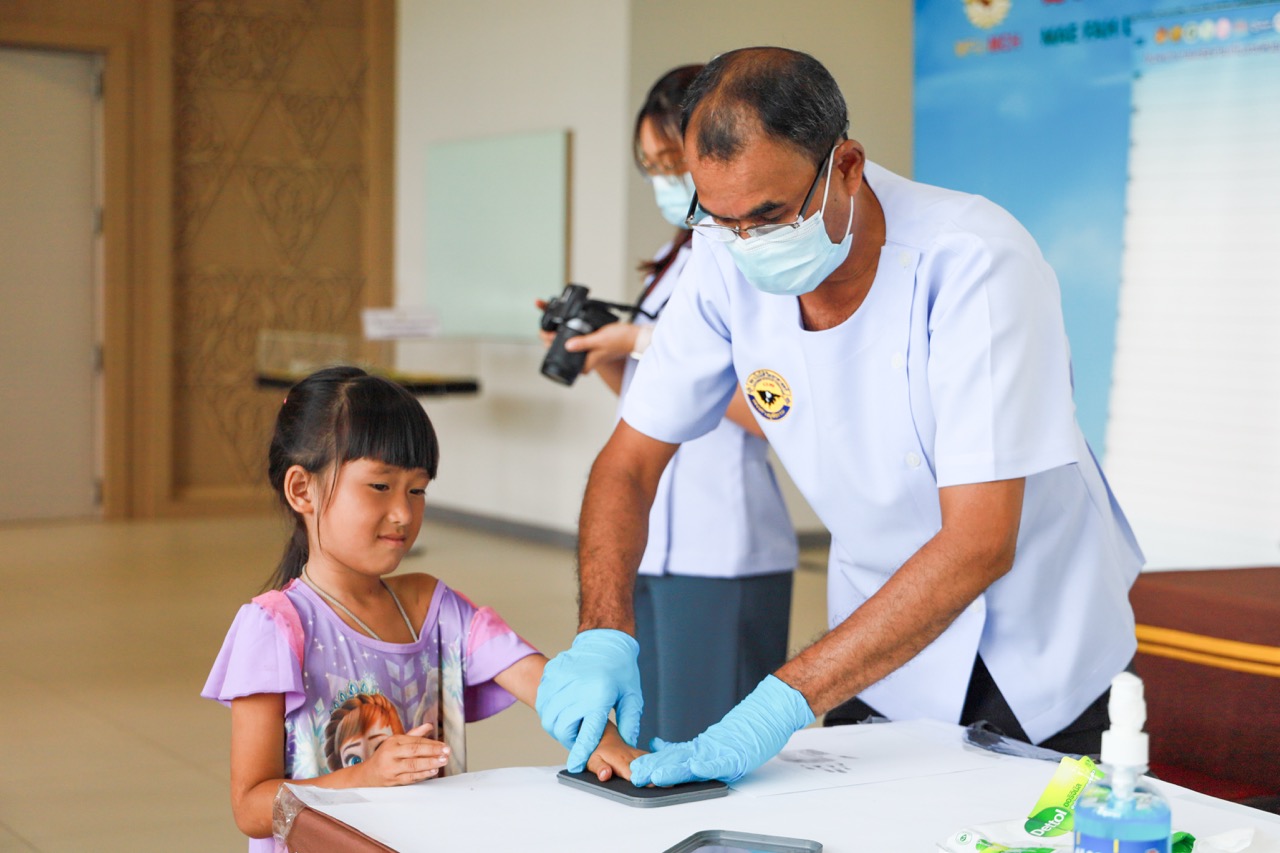
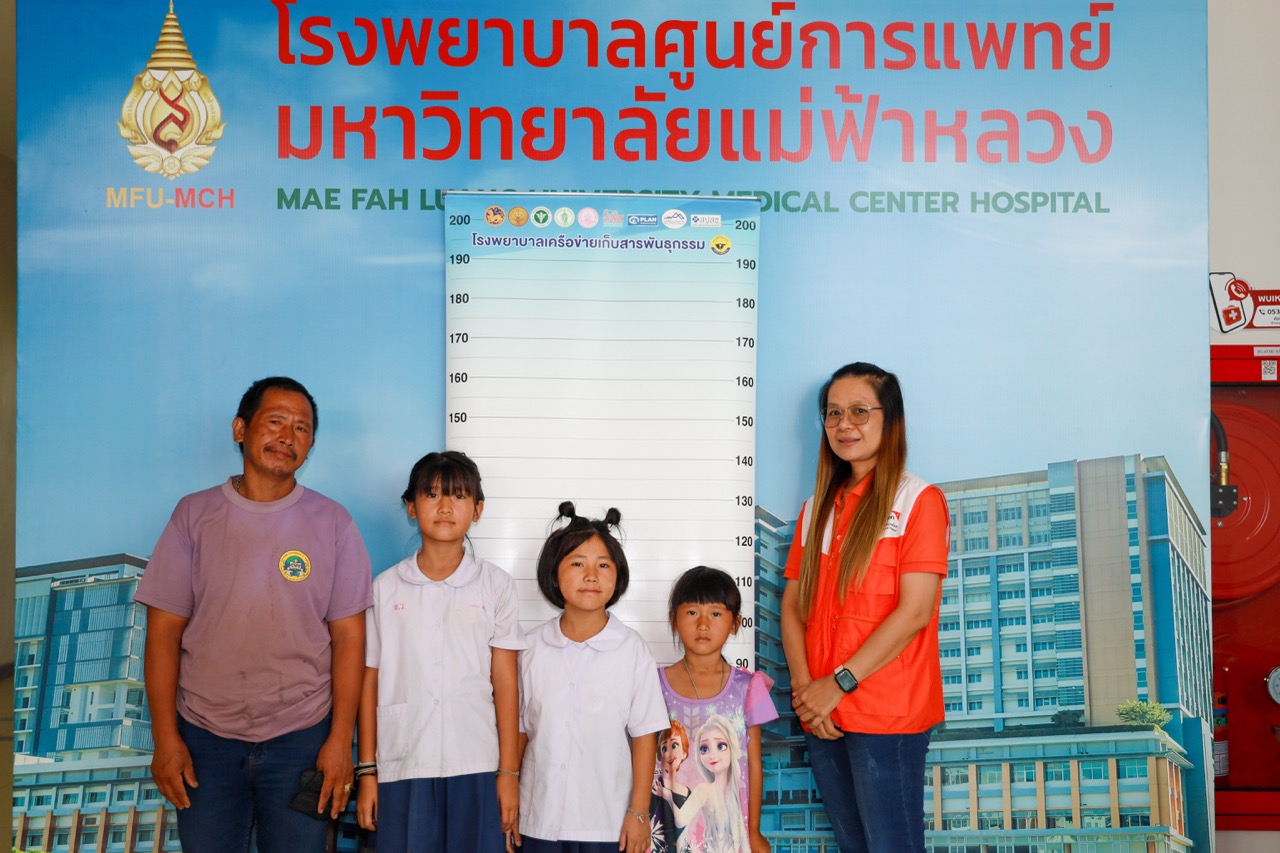
In the case of Nong Ngaw’s family, the World Vision Foundation of Thailand provided comprehensive support—including counseling, gathering supporting documents, coordinating with relevant government agencies, and facilitating free DNA testing to confirm the children’s biological relationship to their Thai father.
Thanks to continuous advocacy and multi-sectoral collaboration, all three daughters legally obtained Thai nationality, while their younger brother acquired Thai citizenship by birth through his father. Today, all children in the family enjoy equal access to government rights and public welfare benefits.
For Nong Ngaw, receiving Thai nationality and a national identification card marked a pivotal turning point in her life.
“I feel so happy and full of hope. Having an ID card gives me access to essential rights—like education, healthcare, and other rights that are vital for my future,” she shared.
Now in Grade 6, Nong Ngaw dreams of becoming a medical doctor.
“I really like math because I love numbers. When I grow up, I want to be a doctor so I can take care of my parents when they’re sick. That’s why I study hard and want to do my very best in school,” she said.
Securing Thai nationality is far more than obtaining a legal identity document; it opens the door to life-changing opportunities in education, healthcare, and basic rights—laying a solid foundation for children to fulfill their potential and build a secure future.
From Securing Rights to Building a Safe Home
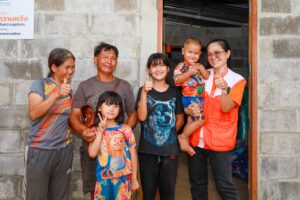
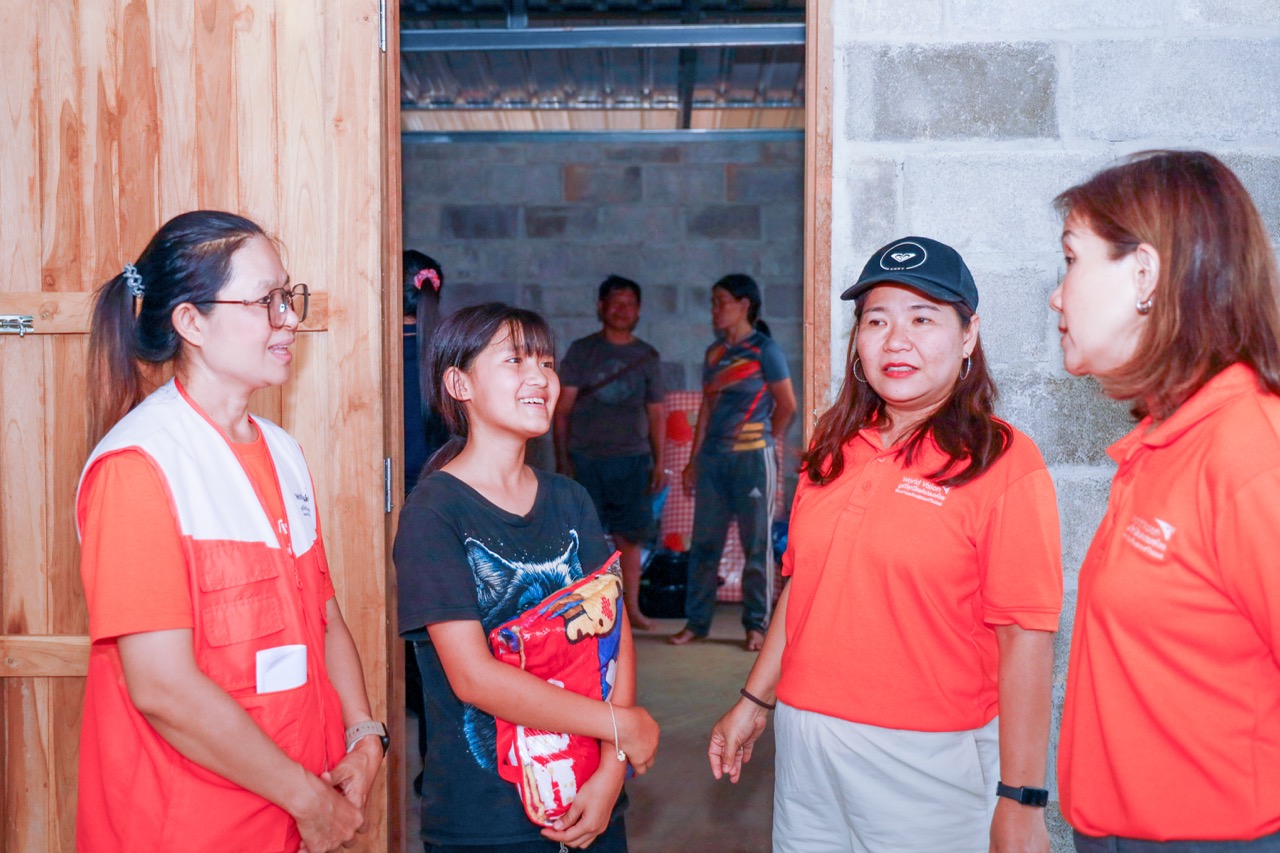
Following their legal status resolution, another transformative milestone arrived: moving into a safe and sturdy home. Reflecting on this change with a bright smile, Nong Ngaw shared:
“This house means everything to our family.”
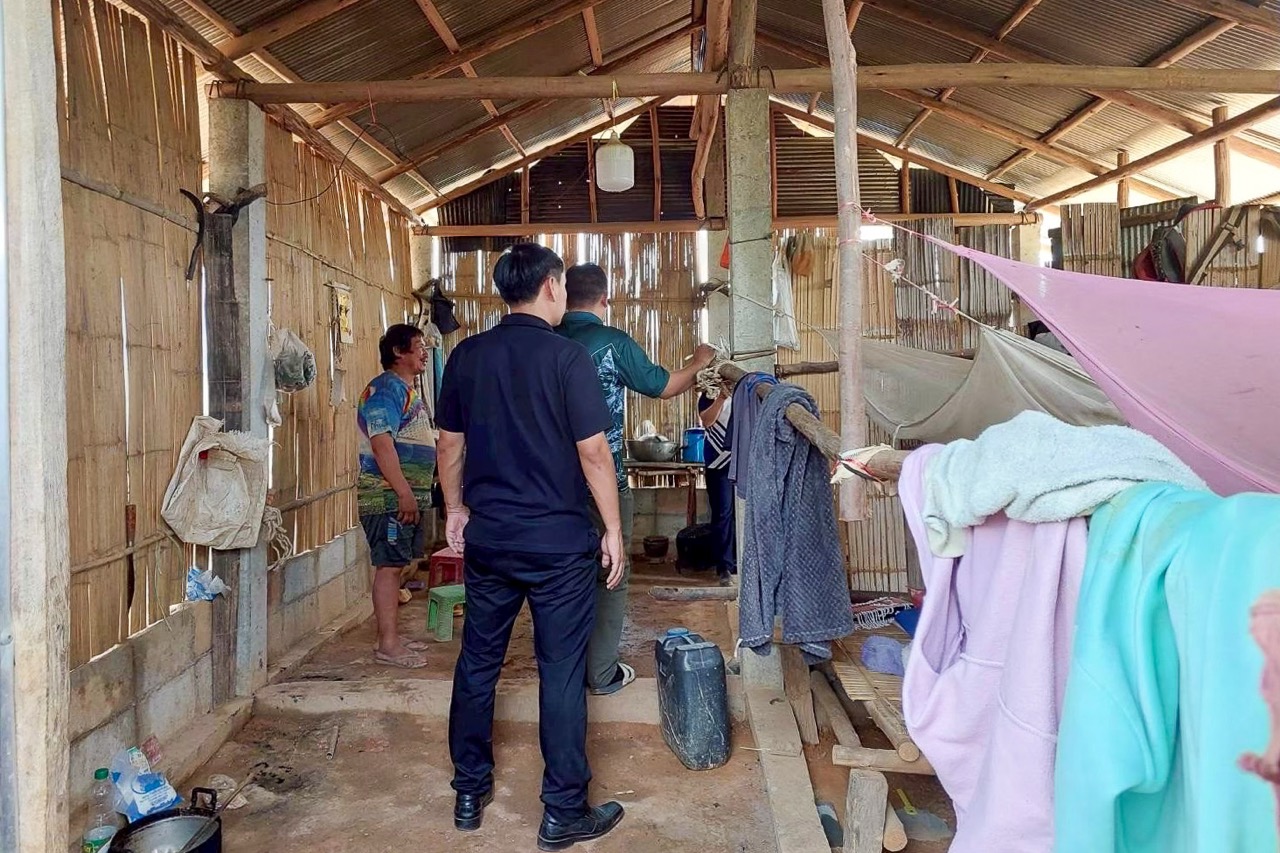
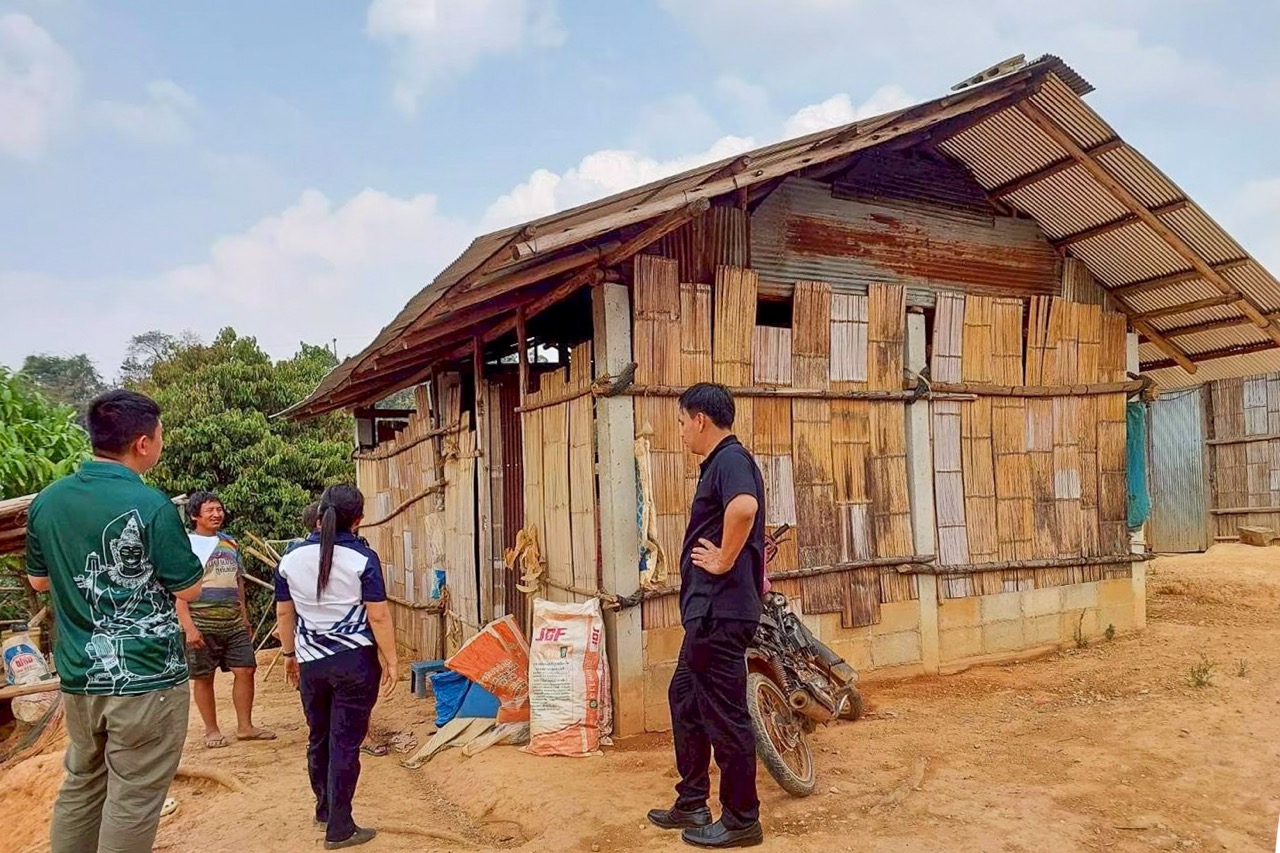
After the family’s legal status issues had been resolved, project staff and the project committee conducted follow-up home visits and found that their existing dwelling was severely deteriorated, structurally unstable, and unsafe for the children and other family members to live in.
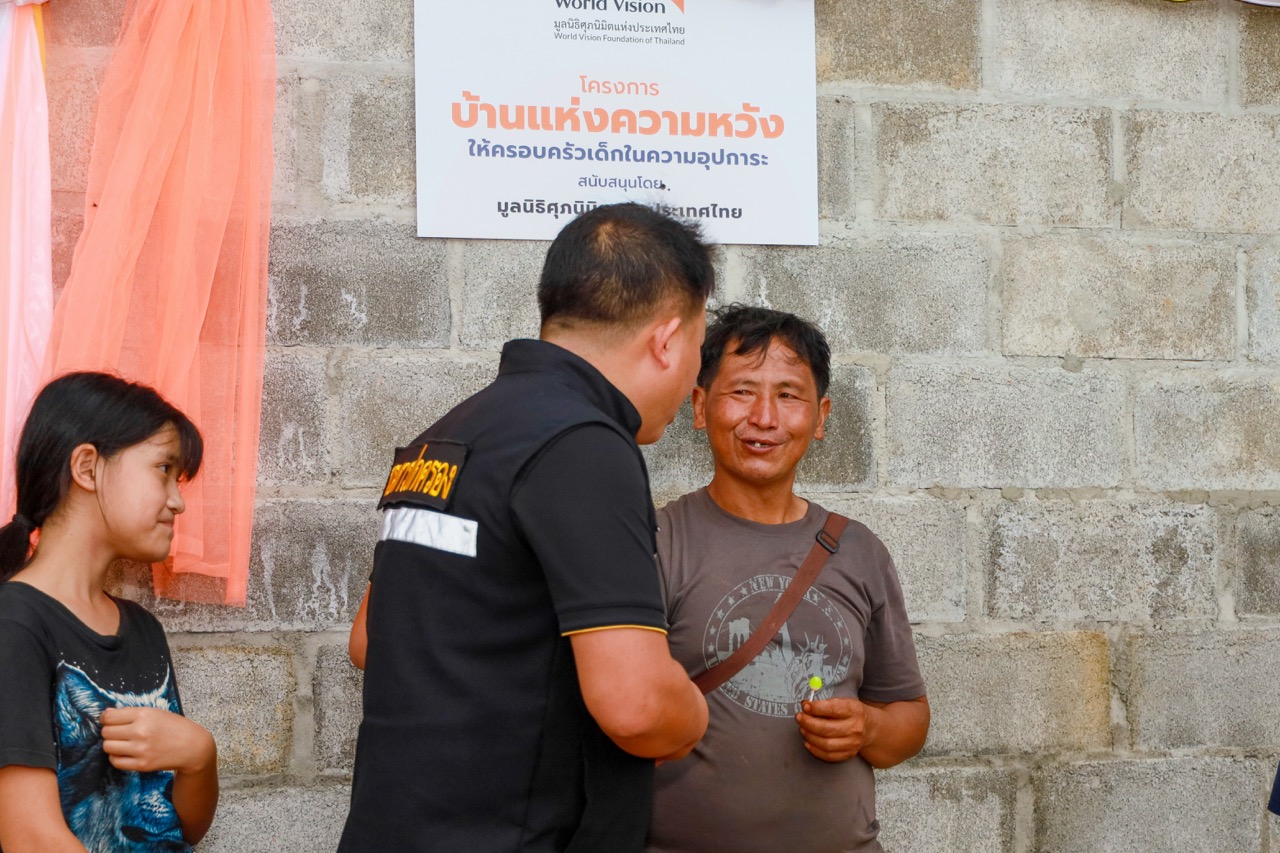
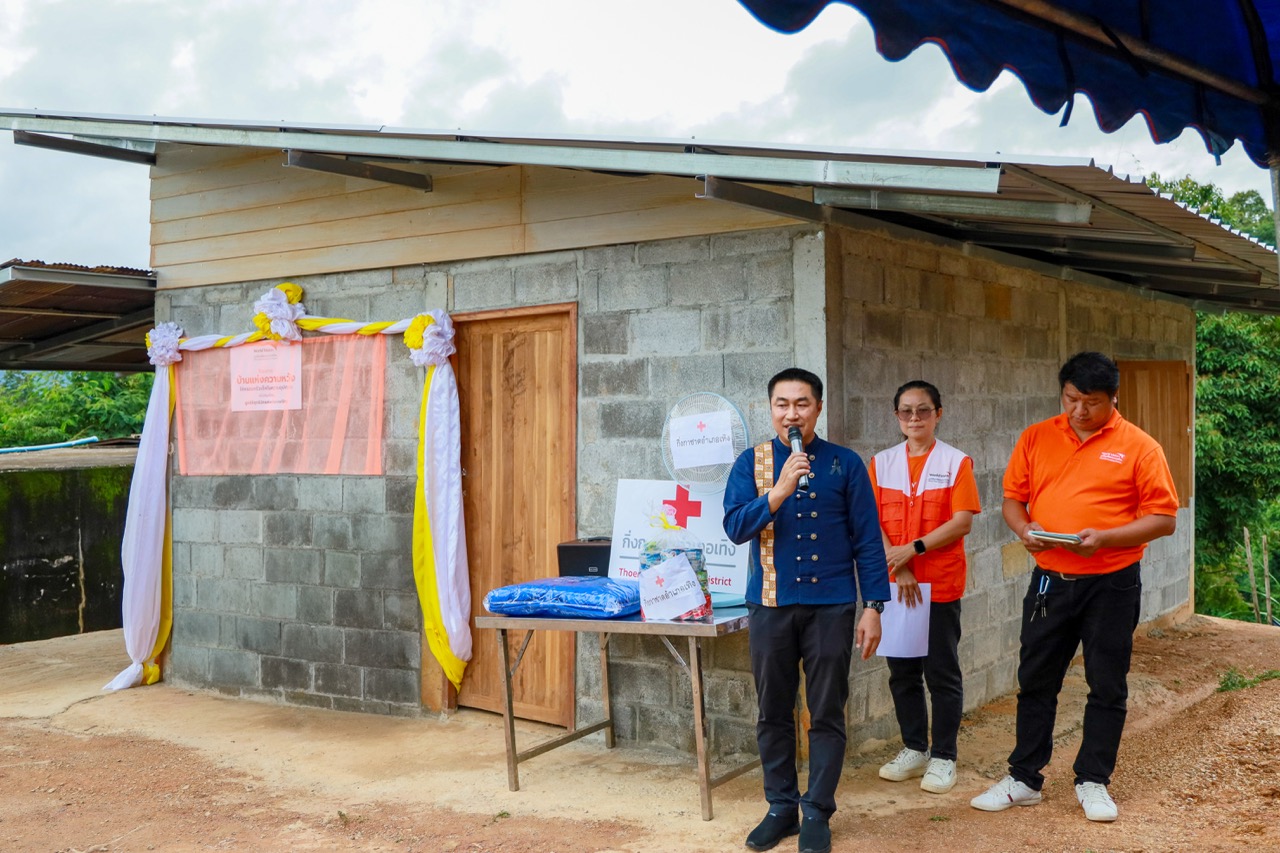
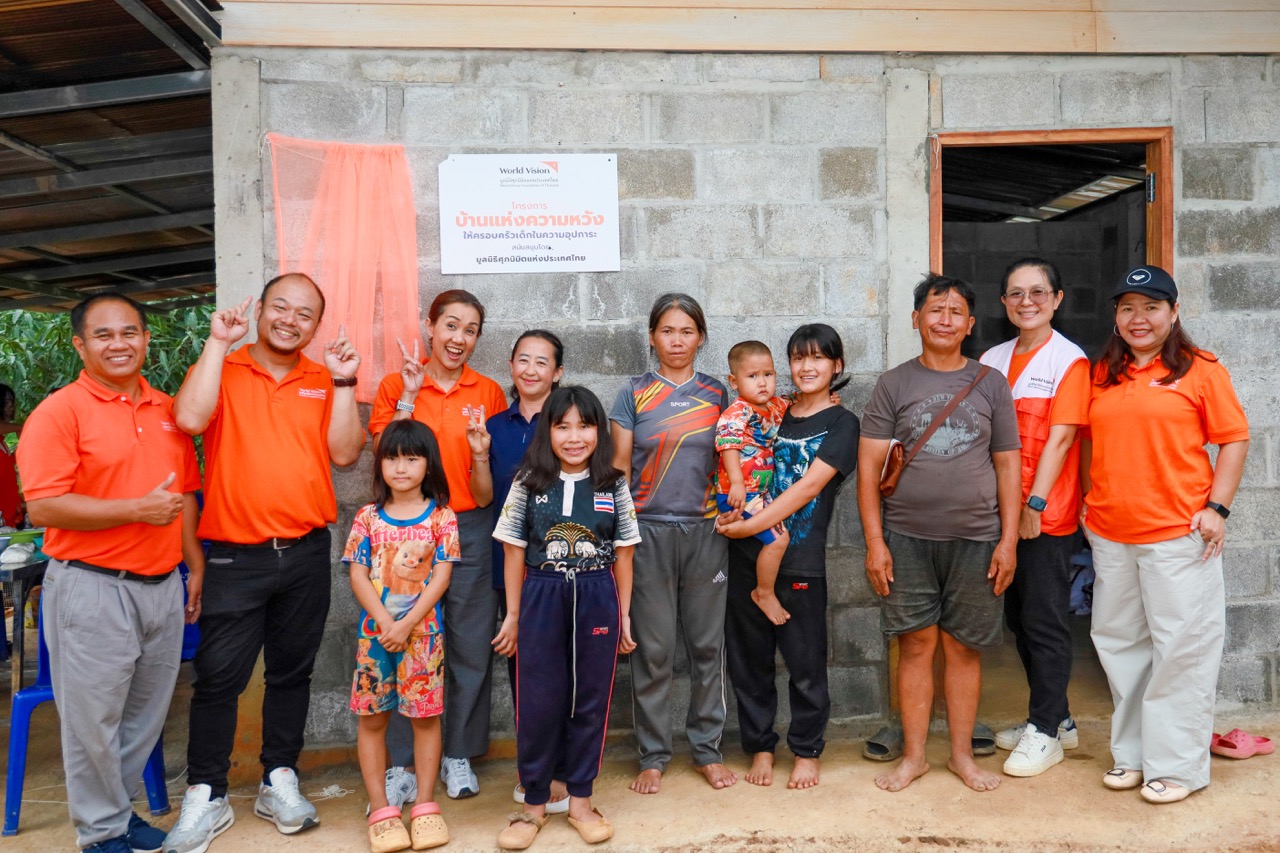
Embracing a holistic child development approach, the World Vision Foundation of Thailand mobilized local authorities and community partners to deliver sustainable housing assistance under the ‘Home of Hope’ concept.
The initiative brought together diverse stakeholders: the local Subdistrict Administrative Organization assisted with house design, military units provided personnel and construction workers, and local leaders and community members provided voluntary labor, alongside financial backing and multi-agency coordination from the World Vision Foundation of Thailand.
Through this concerted collective effort, the family received a secure, durable home offering an environment where children can live, learn, and grow safely.
“I’m so glad we have a new home. In our old house, the floor was bare dirt, so our feet were always dirty even when going to bed. The walls were just woven bamboo—flimsy and unsafe. Living there was really difficult,” Nong Ngaw recalled.
For Nong Ngaw, the new house is not merely a place to live; it is a source of security and hope that allows her to feel truly safe.
“I’m so happy now. Our new home makes me feel safe and has given us a much better life.”
Impact That Goes Beyond Immediate Relief
The support provided to Nong Ngaw’s family extends beyond addressing isolated issues; it represents a holistic improvement in the quality of life of the children and their family.
All the children now hold Thai citizenship and enjoy full access to fundamental rights. At the same time, the family has a safe and suitable home, providing the children with an environment conducive to their learning and development. They can now fully focus on their education and developing their potential, while the family gains greater stability and hope for the future.
The story of Nong Ngaw and her family demonstrates that the mission of the World Vision Foundation of Thailand is not merely to support individual children, but to collaborate with families, communities, and partner networks to address root causes, strengthen child protection systems, and sustainably improve children’s quality of life.
Having previously lacked legal status and safe housing, these children now have rights, opportunities, and an environment conducive to their growth. This stands as another testament to the transformative change that happens when all sectors unite to build a brighter future for Thai children and families.
Nong Ngaw also expressed her heartfelt gratitude to all sponsors and supporters who contributed to transforming her and her family’s lives.
“I would like to thank all the sponsors and supporters for helping me and my family. Thank you for giving us a decent home, educational opportunities, and a brighter future. I wish everyone happiness and good health.”
The story of Nong Ngaw and her family demonstrates that when children are granted fundamental rights, protection, and a nurturing environment, they can overcome life’s barriers and pursue their dreams with confidence. This transformation is not merely about securing citizenship or building a house—it is about working together to create opportunities, inspire hope, and build a better and more sustainable future for children and their families.