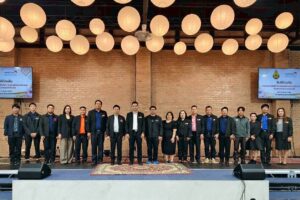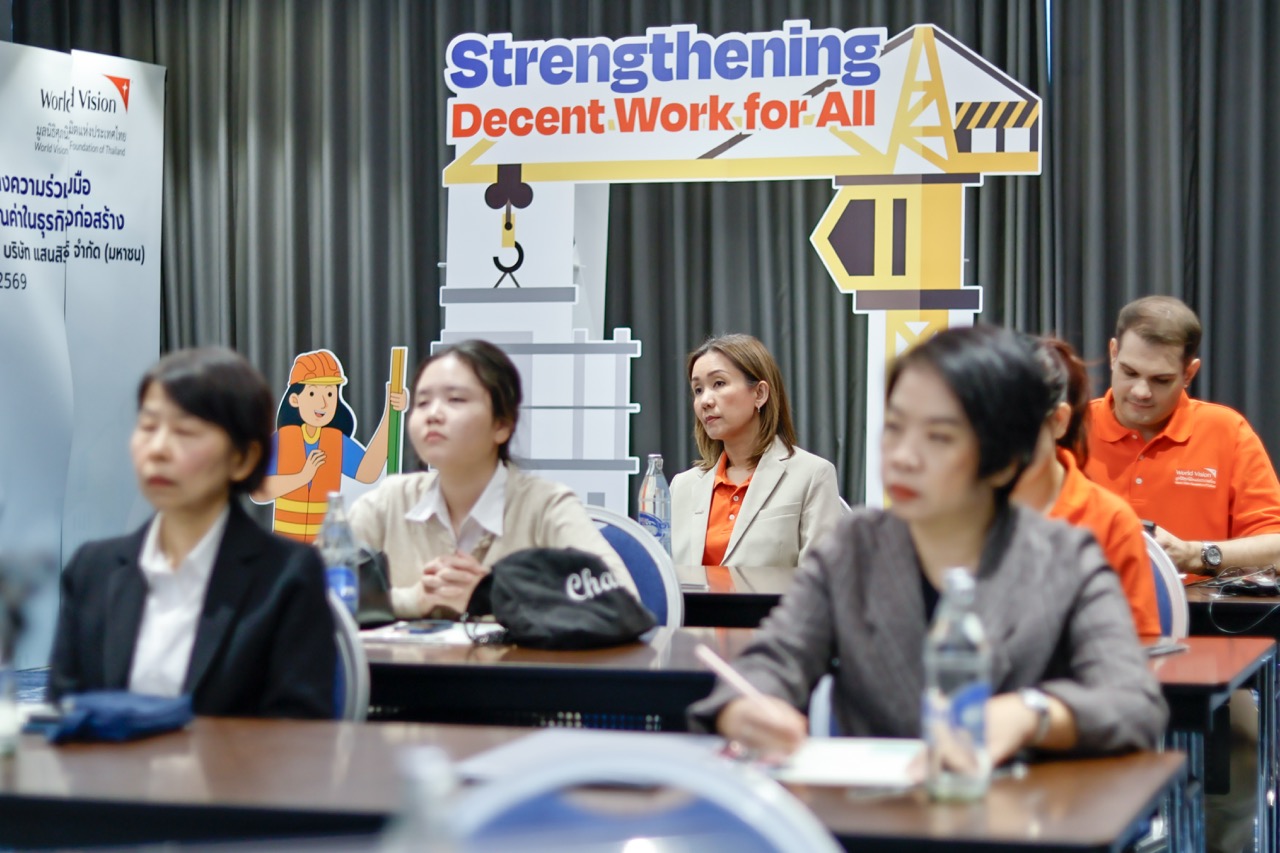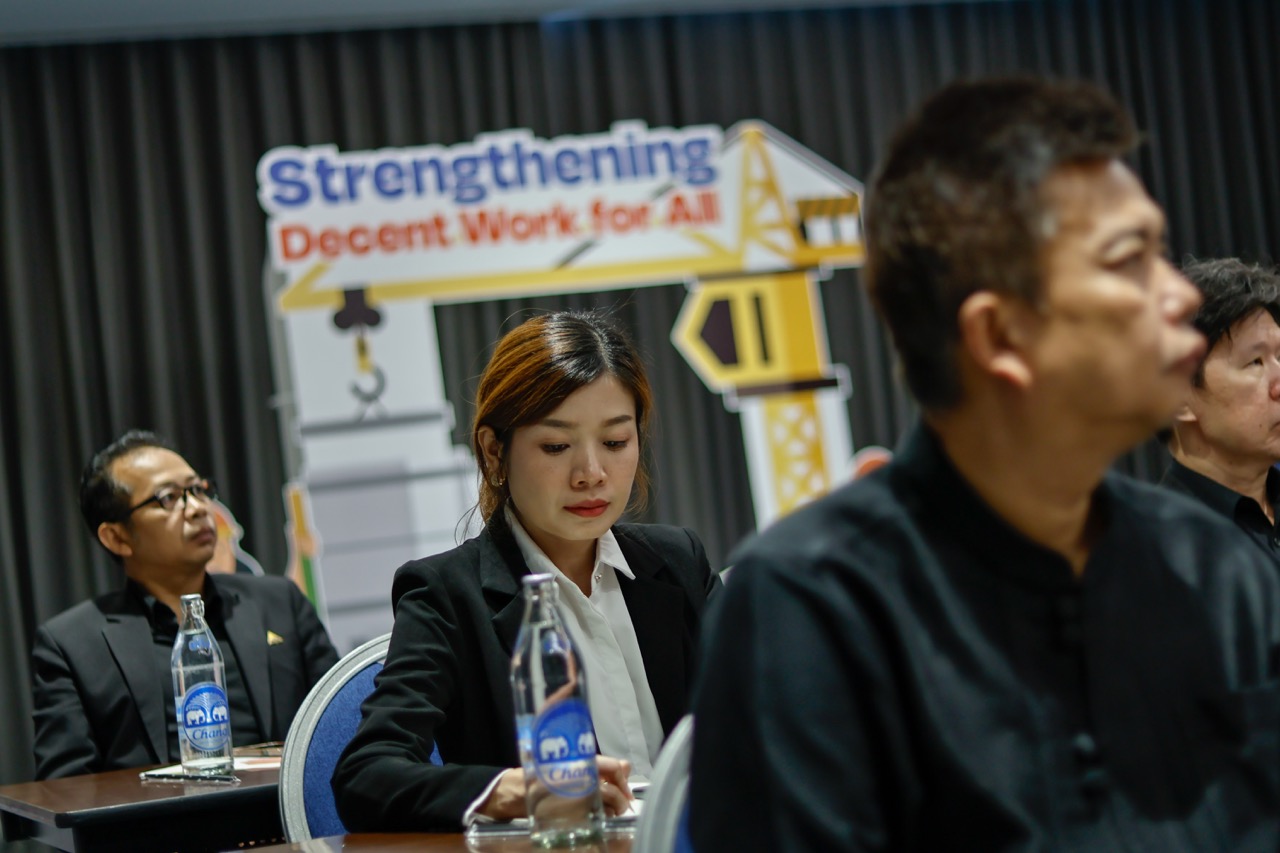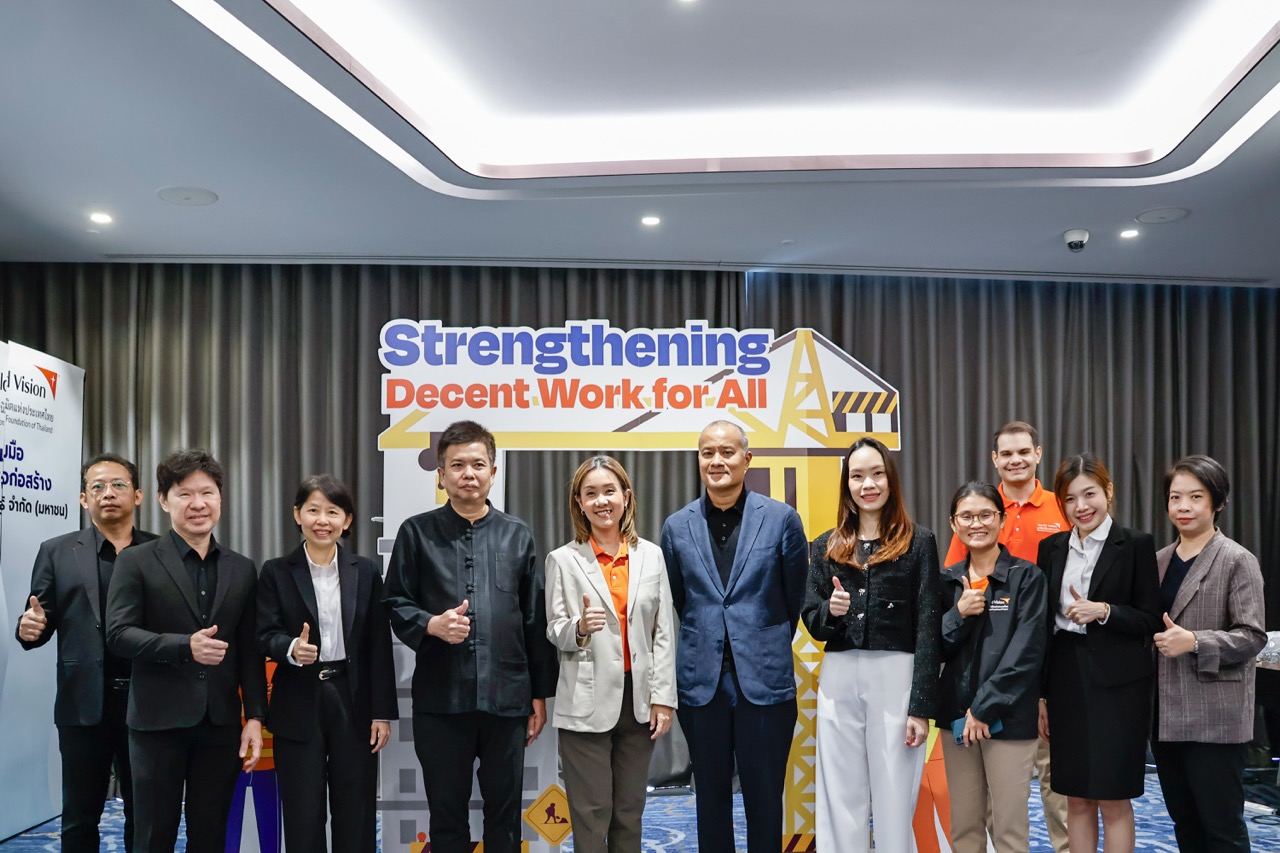
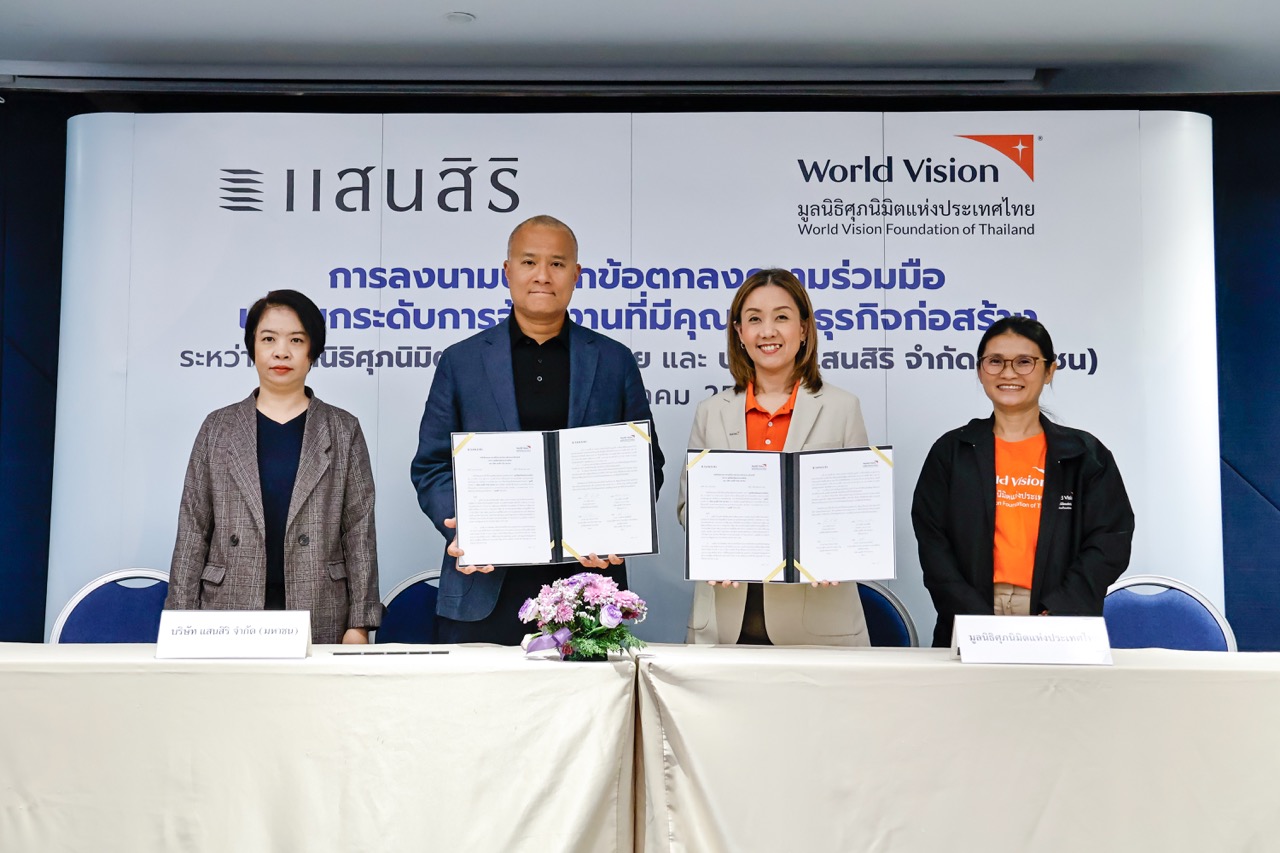
World Vision Foundation of Thailand and Sansiri Public Company Limited have signed a Memorandum of Understanding (MOU) to elevate decent work standards within the construction sector. This initiative is under the “SAFER Work: Strengthening Responsibility in Migrant Workers Employment and Recruitment in Thailand” project, supported by the International Labour Organisation (ILO) and the European Union (EU).
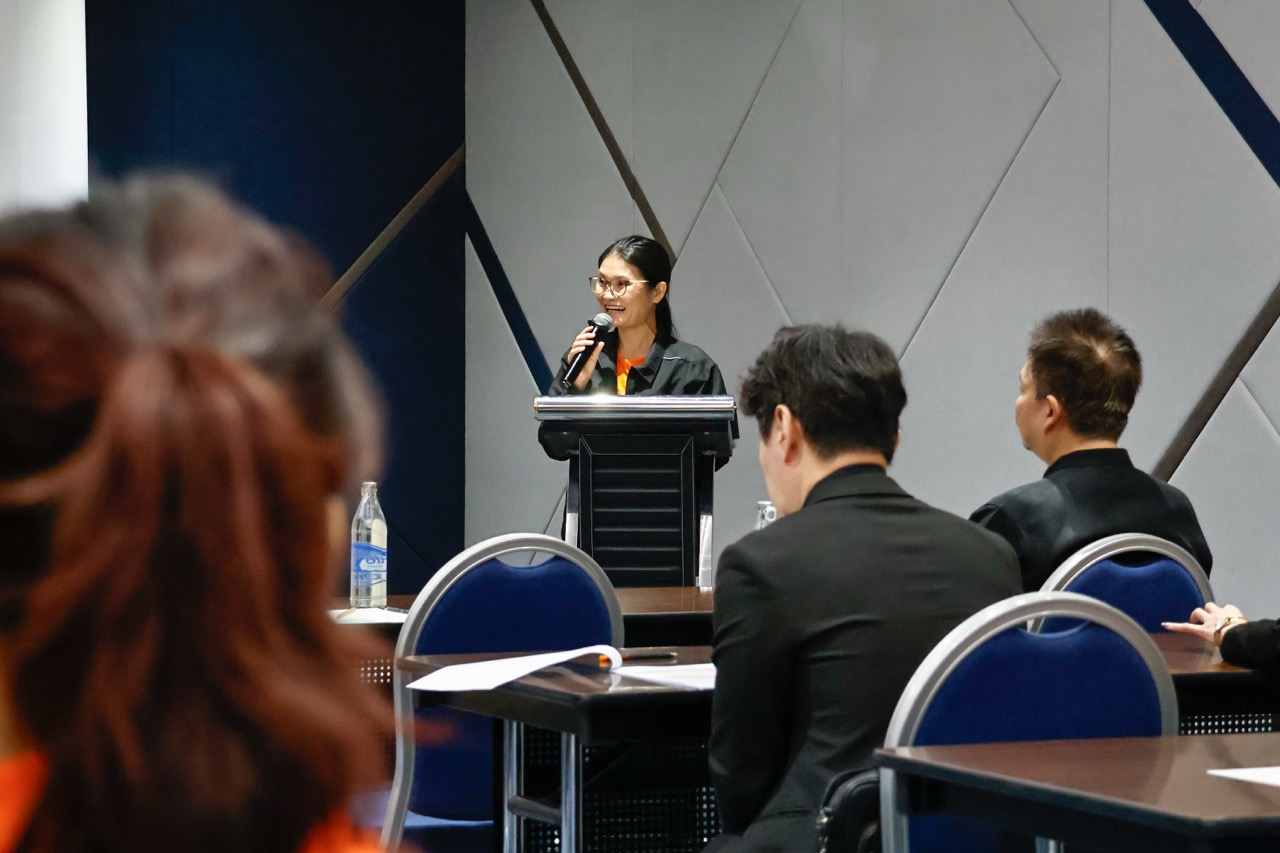
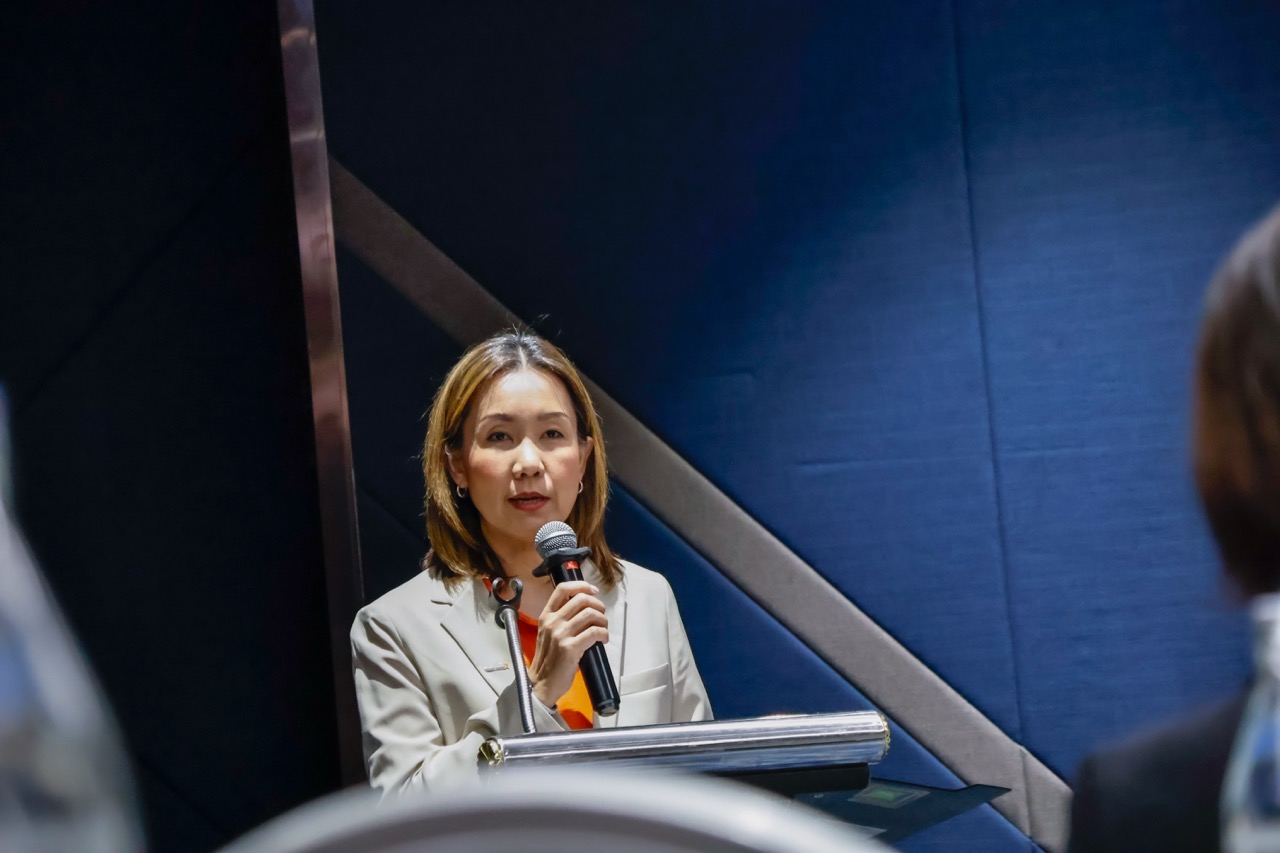
Amaralak Khamhong, Grants Management Department Manager at World Vision Foundation of Thailand, stated during the ceremony: “Today’s MOU signing serves as a vital foundation, enabling us to develop joint activities continuously. We are specifically focusing on engaging with contractors and subcontractors within the supply chain to promote decent employment and fair recruitment systems for migrant workers.” She further noted that this collaboration will enhance ESG (Environmental, Social, and Governance) standards. This sustainable business framework balances profit with environmental impact, social responsibility, and transparent management to create long-term value and mitigate corporate risk.
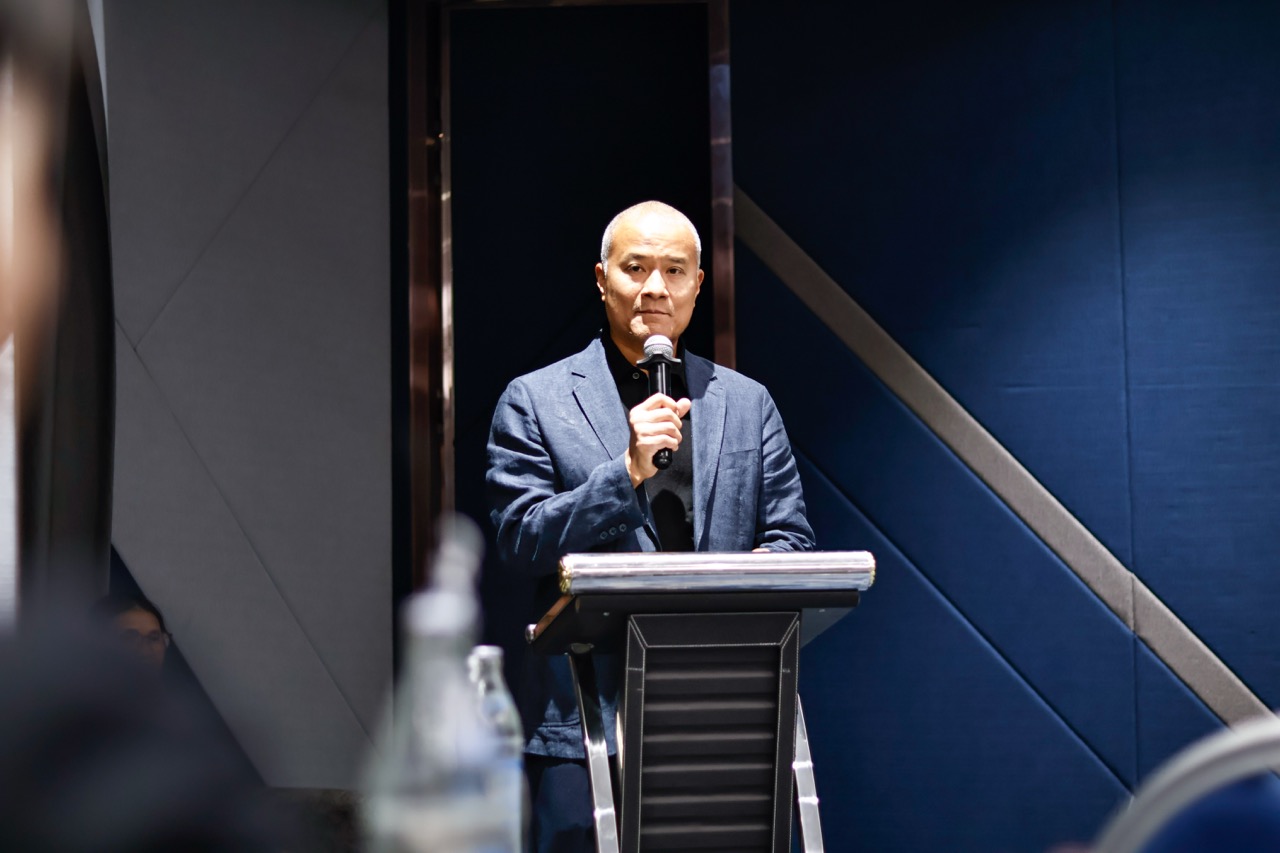
Behind every skyscraper and construction project in Thailand lies a vast migrant workforce that has played a crucial role in building the nation’s economy and infrastructure. Despite their immense contribution, their labour rights and access to fairness remain areas requiring comprehensive promotion and protection. To ensure the country grows without “leaving anyone behind,” Mrs Rosalin Kowae, National Director of World Vision Foundation of Thailand, reflected on the organisation’s core belief: “We believe in the equal value of all human beings. Regardless of race, religion, status, or background, every individual possesses inherent dignity and basic rights that should be upheld equally.”
Migrant workers are a driving force of the Thai economy. Among them are many women facing multifaceted challenges regarding labour rights, women’s rights, and personal safety. As migrant workers are an integral part of Thai society, promoting fairness, equal opportunity, and a good quality of life is not just about rights protection—it is the bedrock of inclusive and sustainable social development.
Sansiri’s dedication to labour rights did not appear overnight—it is rooted in years of working with children in construction camps. These experiences fostered an understanding that a child’s quality of life is inseparable from the rights, welfare, and fairness afforded to their parents. Mr Samatcha Promsiri, Chief of Staff and representative from Sansiri, shared: “Looking back to 2011, we began our initiative to eliminate child labour in our construction supply chains and created ‘Child-Friendly Spaces’ in camps. This was our starting point in learning about the labour conditions, work environments, and obstacles migrant workers face in Thailand.”
Through their work in the field, Sansiri gained a clear insight into the roles of women and the challenges they face in the construction sector. This led to the inception of a partnership with World Vision Foundation of Thailand to implement the “REACH Project: Reaching Women Migrant Workers and Their Families in Construction Camps” in 2022, aimed at directly supporting women migrant workers and their families within construction camps.
Under this project, both organisations collaborated to provide training on fundamental legal rights, including wages, overtime work, health insurance, safety equipment, and women’s rights. The programme also covered violence prevention, reproductive health, and children’s rights, alongside vocational skills training to enhance the long-term security of the workers’ lives.
Learning, adapting, and moving forward—it wasn’t all smooth sailing from the start. Mr Samatcha Promsiri continued: “The early stages were a significant learning curve for the team. Working with labour on construction sites involves multiple parties, including the contractors who employ the workers, as well as Sansiri’s own staff, all of whom need a solid understanding of labour rights. We invested a considerable amount of time in communicating, fostering understanding, and building engagement across all sectors.”
These challenges have informed the current “SAFER Work” project, which scales up efforts from the individual worker level to contractors and the corporate level to ensure safer, fairer, and more sustainable employment.
As one of Thailand’s leading real estate developers, Sansiri’s Mr Samatcha Promsiri stated clearly: “We intend for this initiative to be a project model, demonstrating to everyone that the issue of migrant workers’ rights on construction sites should not be overlooked, and that these workers deserve the same respect and equality as any other labour group.”
Today’s MOU signing is not the beginning, but a reaffirmation and strengthening of a partnership built, expanded, and refined through years of continuous collaboration. It will now move forward systematically with a clear framework, ready for wider implementation—particularly as legal requirements and human rights standards in the business sector become increasingly stringent and significant.
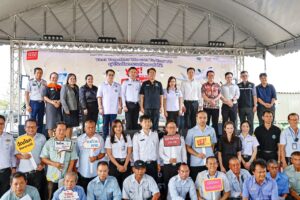
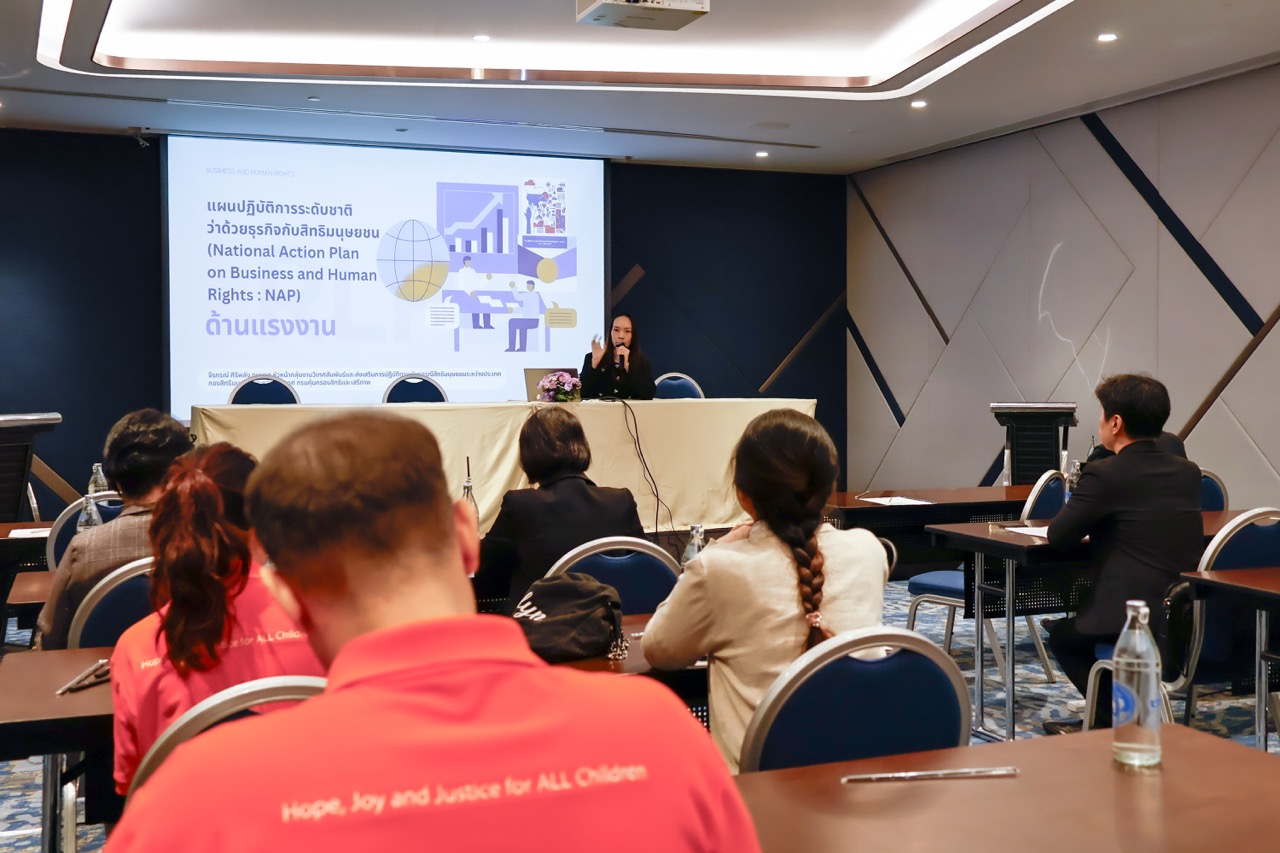
The event was honoured by the presence of Mrs. Cheraporn Siripalang Thummas, Head of the Unit of Foreign Relations and Promotion of International Human Rights Obligations Implementation, International Human Rights Division,
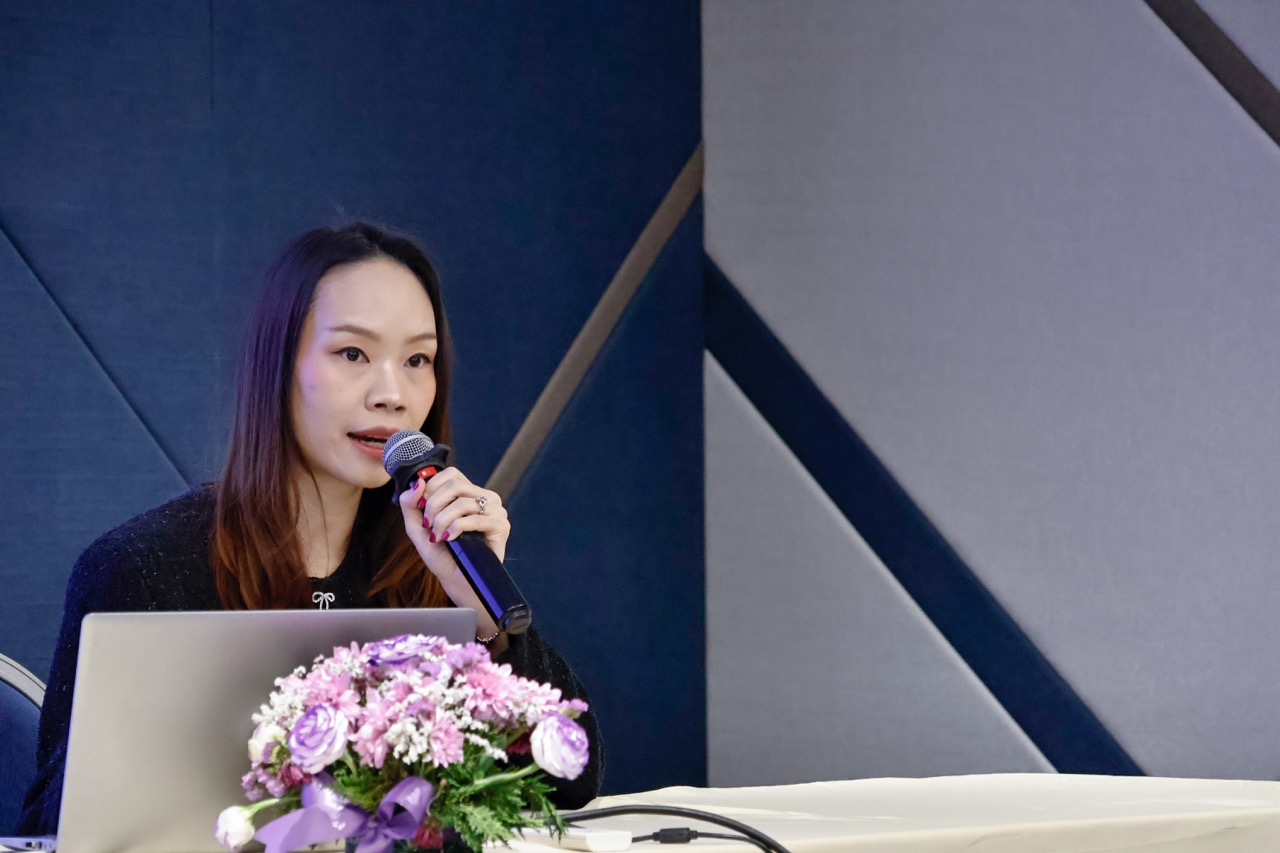
Rights and Liberty Protection, Department, Ministry of Justice She shared insights on the National Action Plan on Business and Human Rights (NAP) concerning the construction sector, guided by the UN Guiding Principles on Business and Human Rights. Currently in Phase 2, the NAP only mandates compliance for the public sector, while remaining a voluntary, cooperative measure for businesses. However, preparations are underway for Phase 3 in 2027, which will transition these measures into formal laws that all sectors must collectively follow.
The actions taken by World Vision Foundation of Thailand and Sansiri today are, therefore, not only of humanitarian value but also represent prudent preparation for a sustainable business future.
Mrs Rosalin Kowae expressed her clear hopes: “This collaboration will not stop at the workers involved in this specific project, but will expand to other labour groups in the future through the combined efforts of all sectors.”
This is the shared vision of both organisations—not just to help one specific group of workers, but to build a system, a culture, and a new standard for the entire construction industry. The goal is to ensure that every worker, regardless of their origin, receives the fairness and dignity they have always deserved.