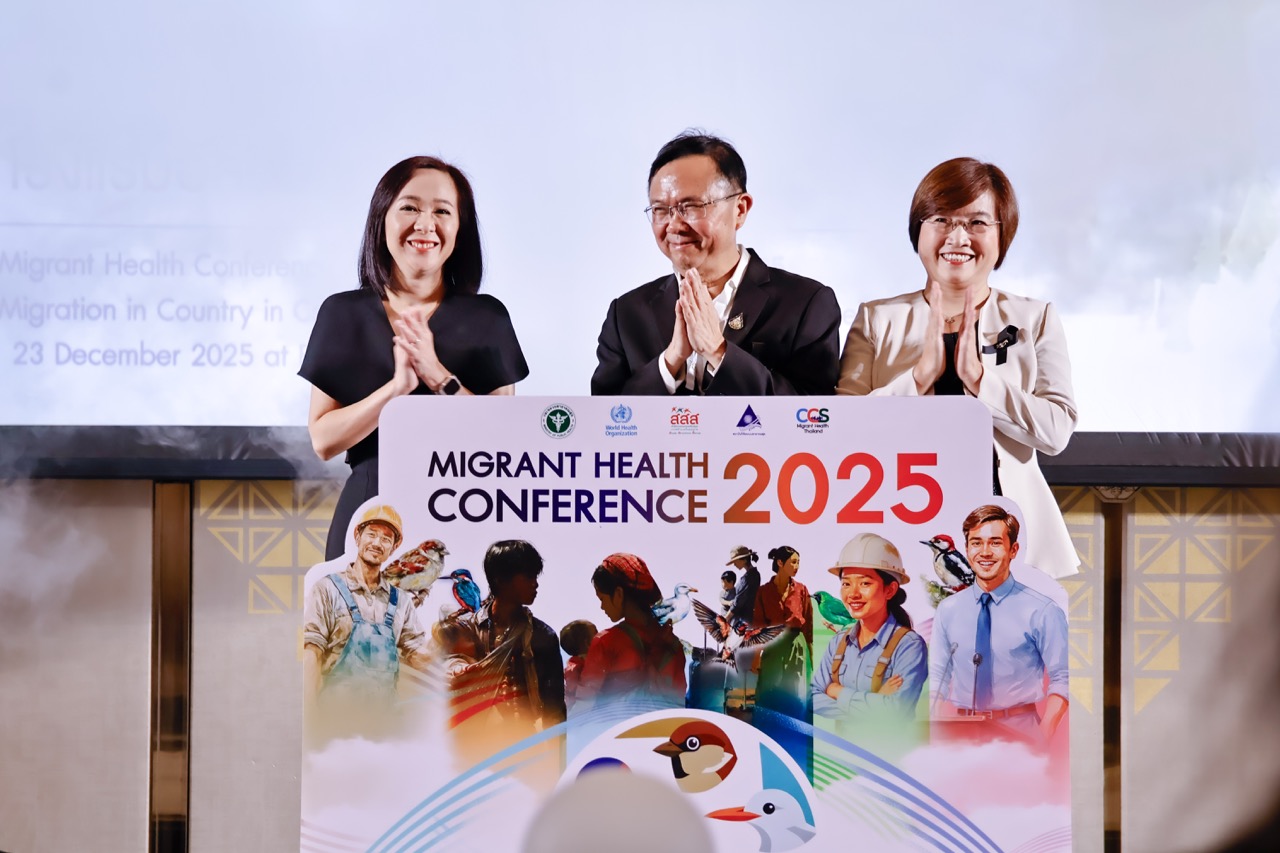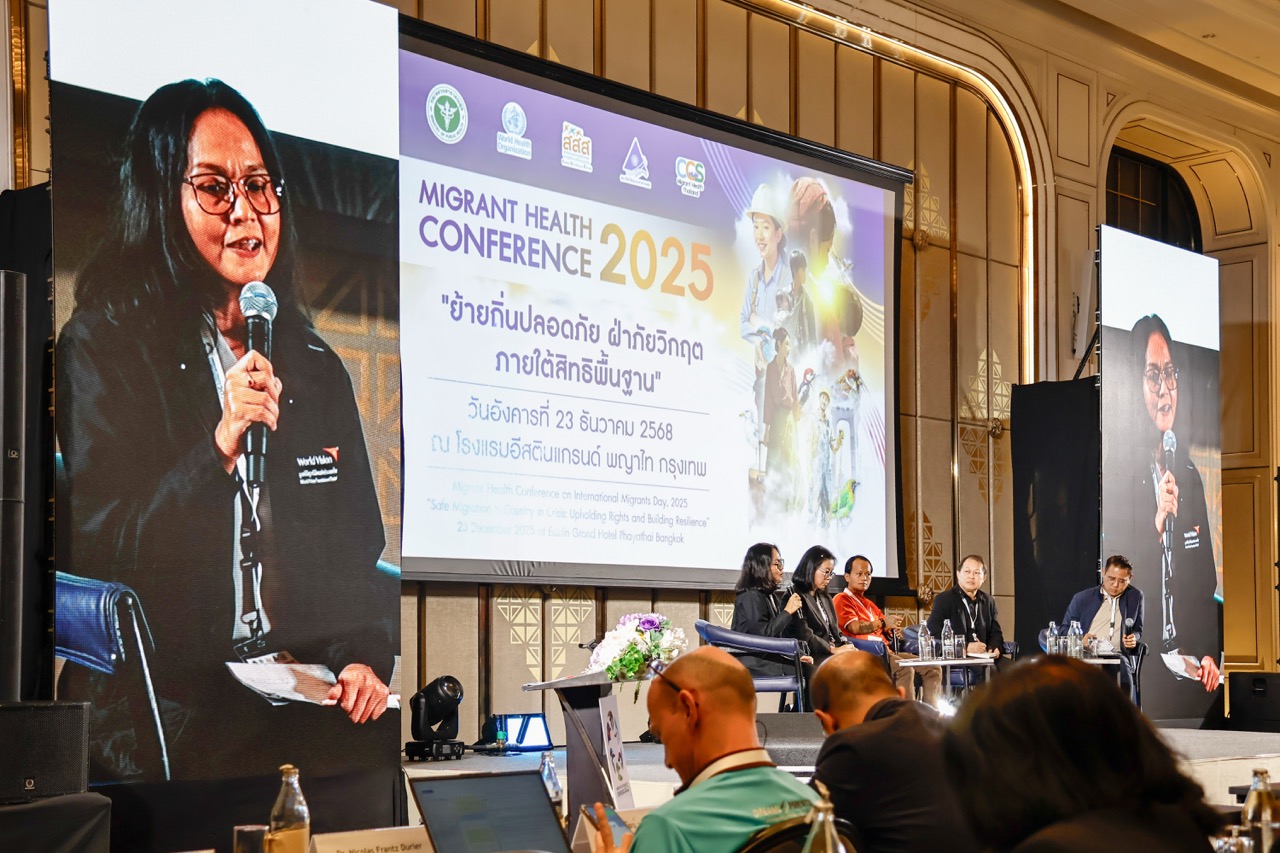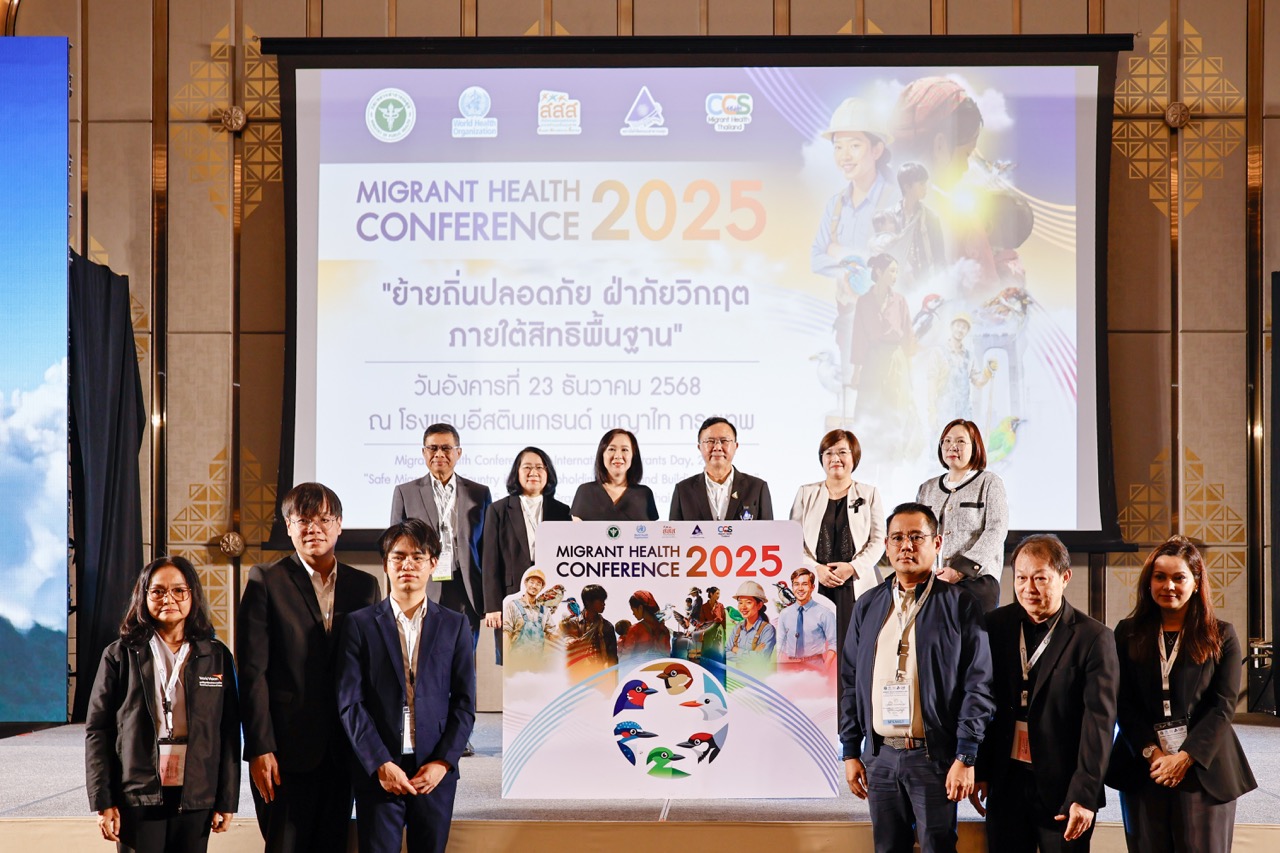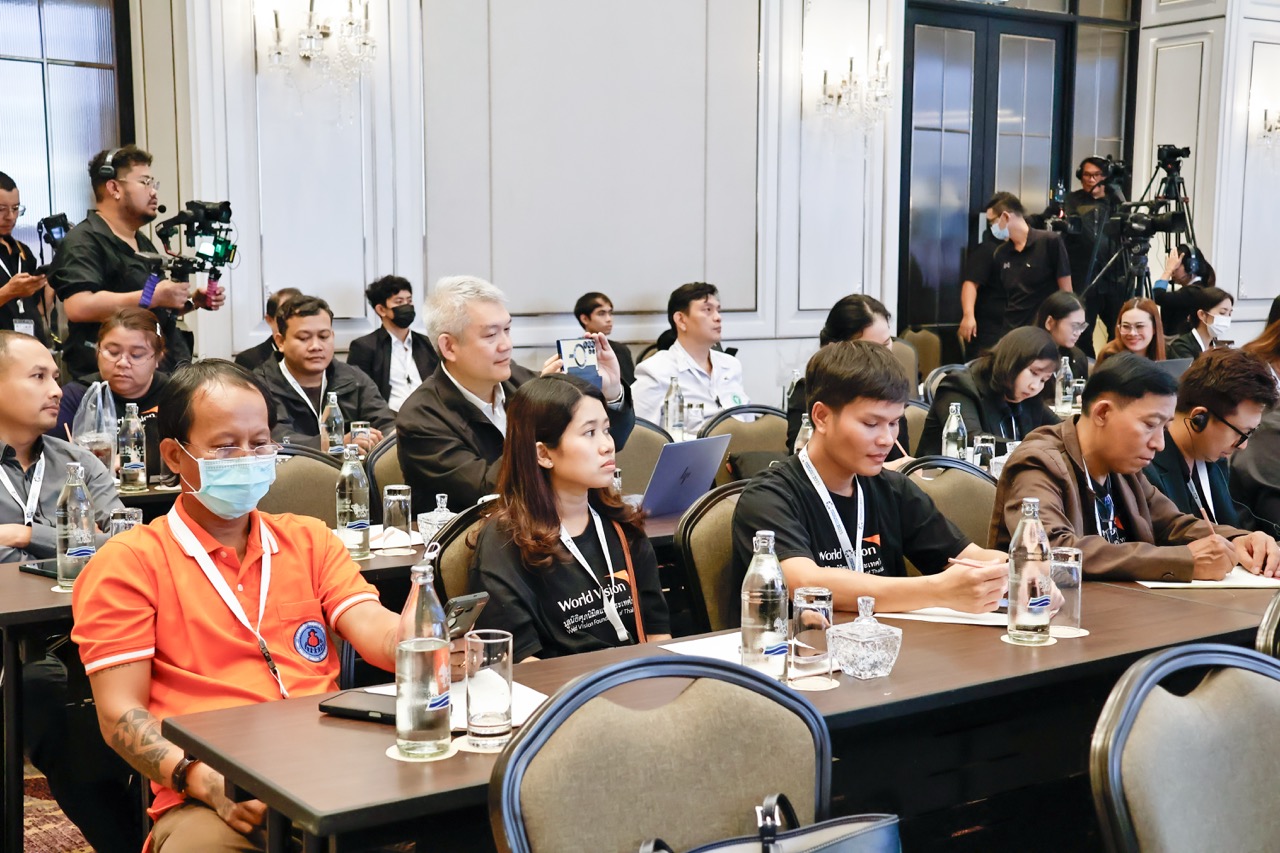
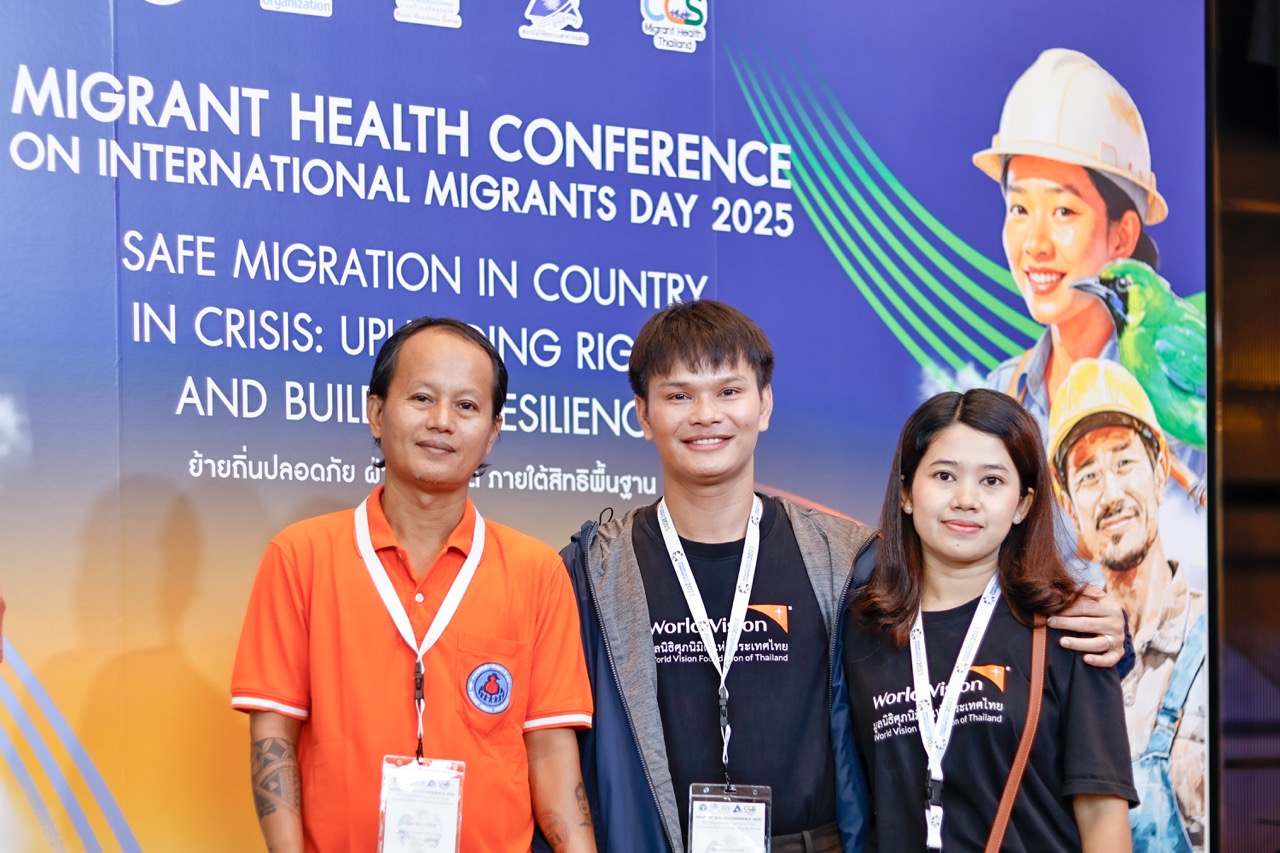
Global changes driven by conflict, economic challenges, health crises, and other factors have made migration an inevitable phenomenon. A survey of 2,615 migrants in 2025 by the Institute of Asian Studies, Chulalongkorn University and World Vision Foundation of Thailand revealed that 45.5% of migrants have no health insurance and 32.9% cannot access healthcare services due to language barriers and discrimination. This situation prompted Health Systems Research Institute (HSRI), through its Migrant Health Programme under the WHO–Royal Thai Government (RTG) Country Cooperation Strategy (CCS) 2022–2026, together with partner networks, to organise an academic conference on International Migrants Day 2025 under the theme “Safe Migration in Country in Crisis: Upholding Rights and Building Resilience”.
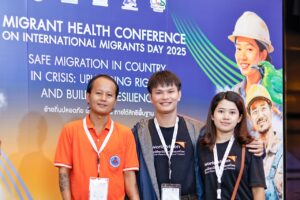
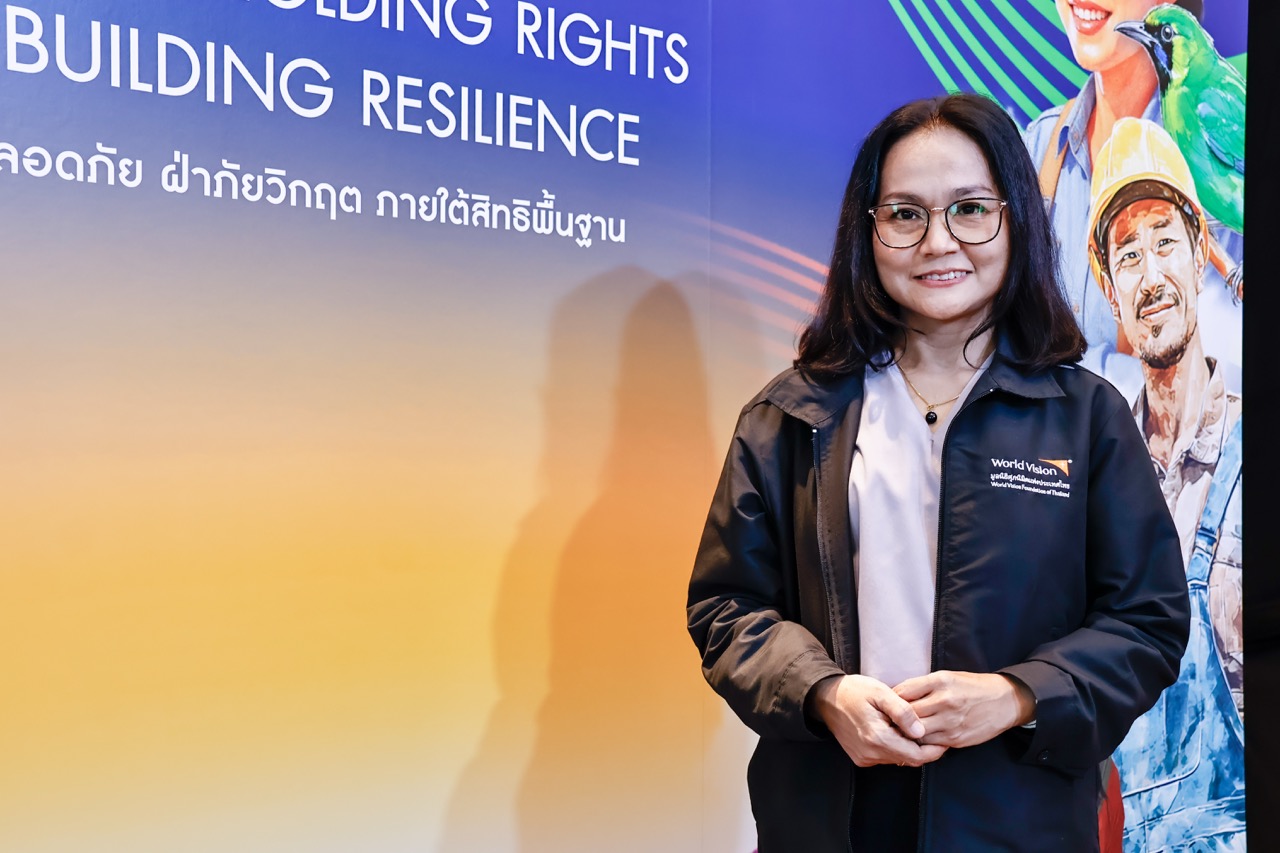
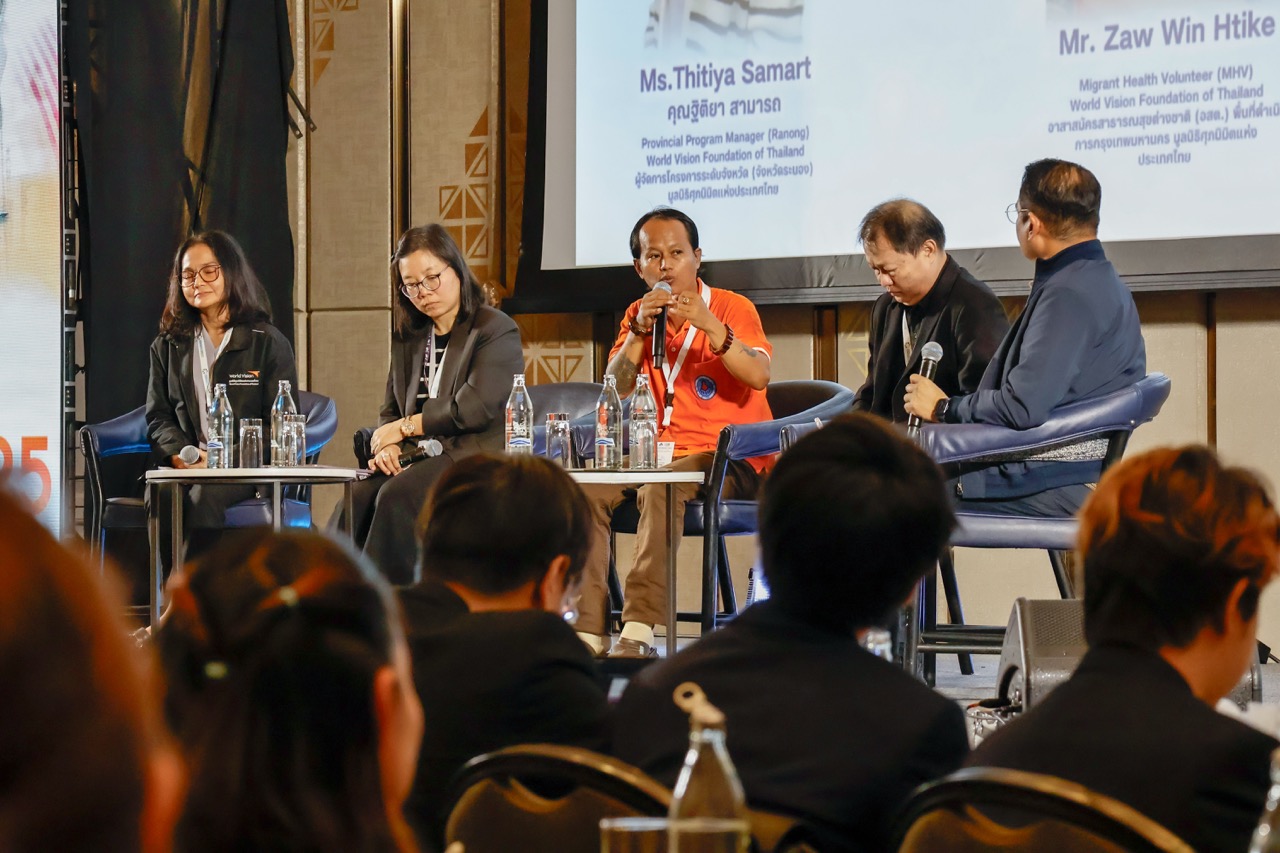
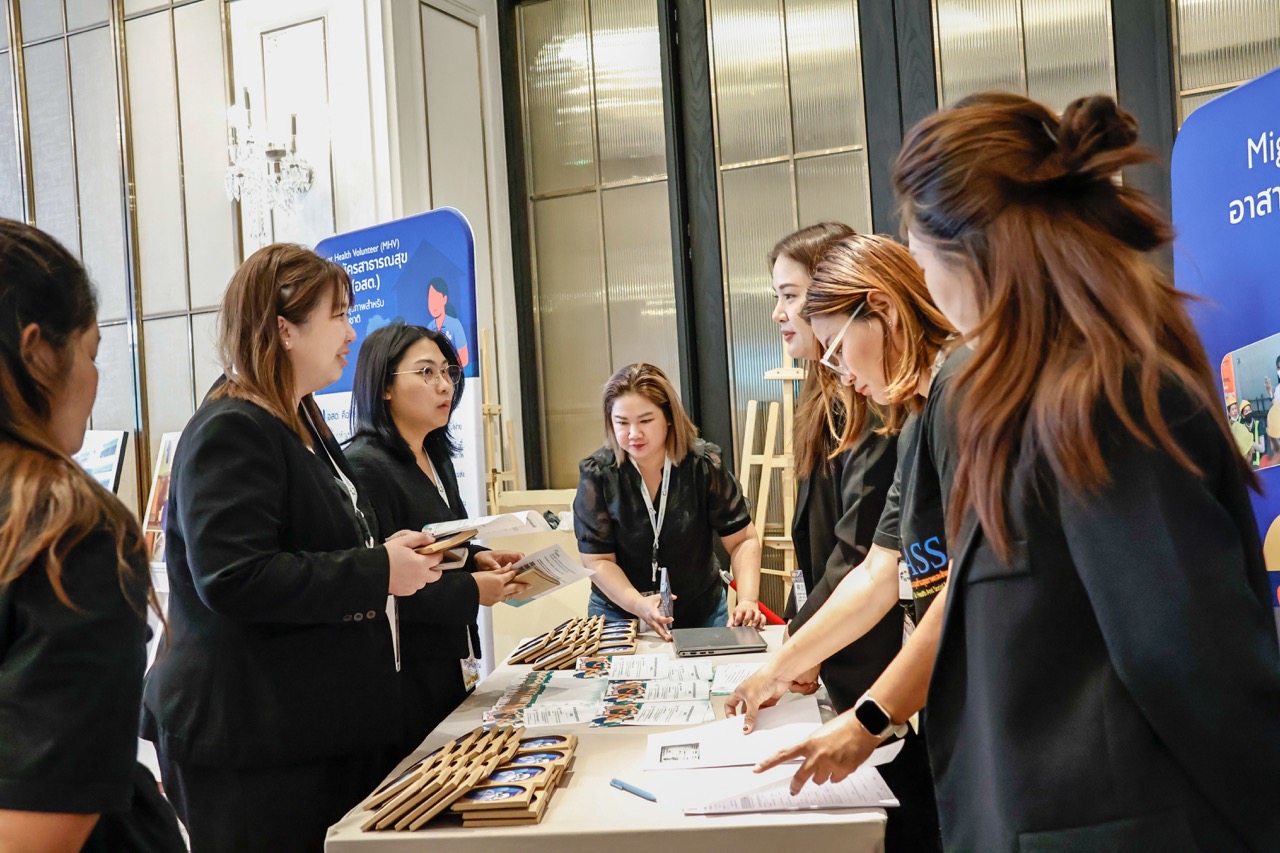
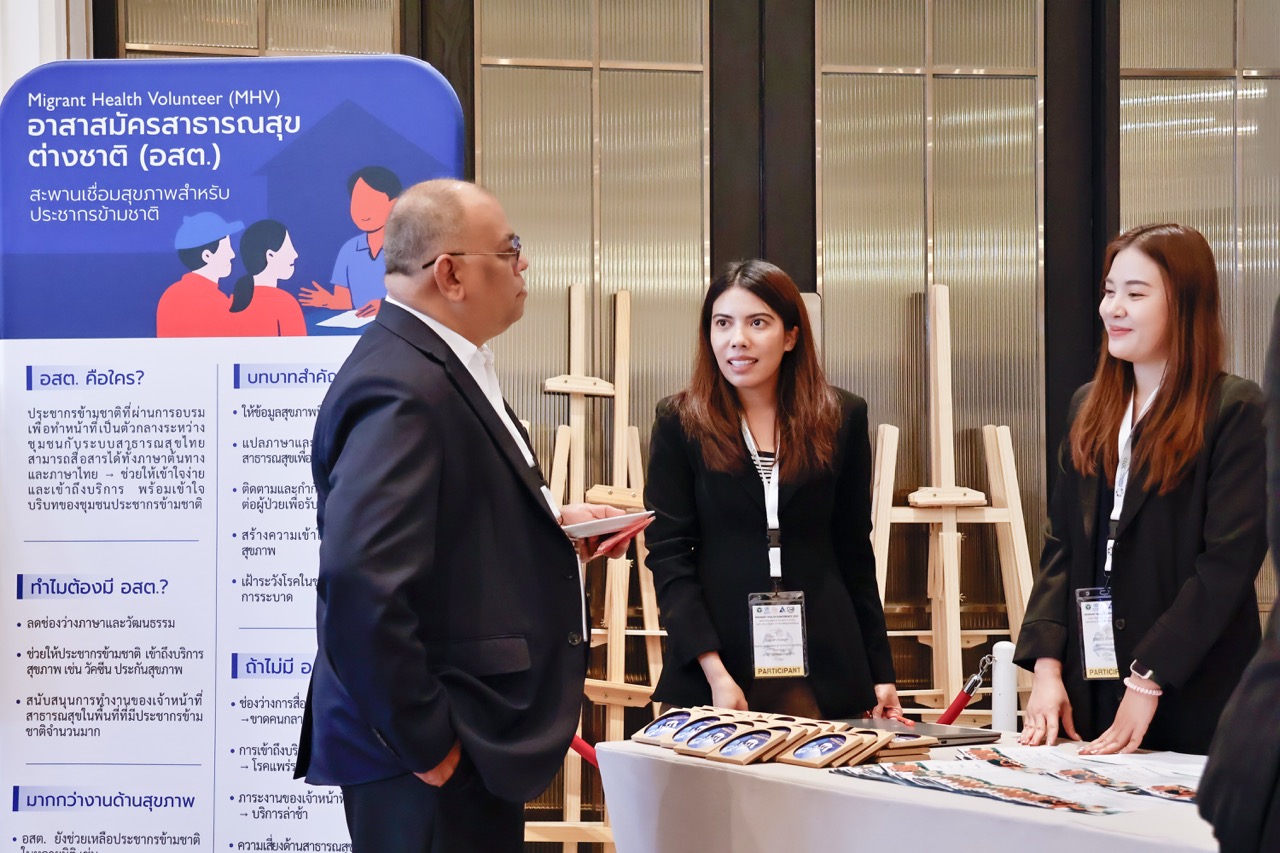
World Vision Foundation of Thailand, as part of the Migration Health Sub-Working Group (MHWG), joined the event by hosting an educational exhibition booth. Thitiya Samart, Provincial Programme Manager (Ranong), World Vision Foundation of Thailand, and Zaw Win Htike, a Migrant Health Volunteer (MHV) working in Bangkok, represented the organisation in a panel discussion titled “Bridging the Gap: MHVs, a Key Link Between Migrant Workers and Thailand’s Health System”.
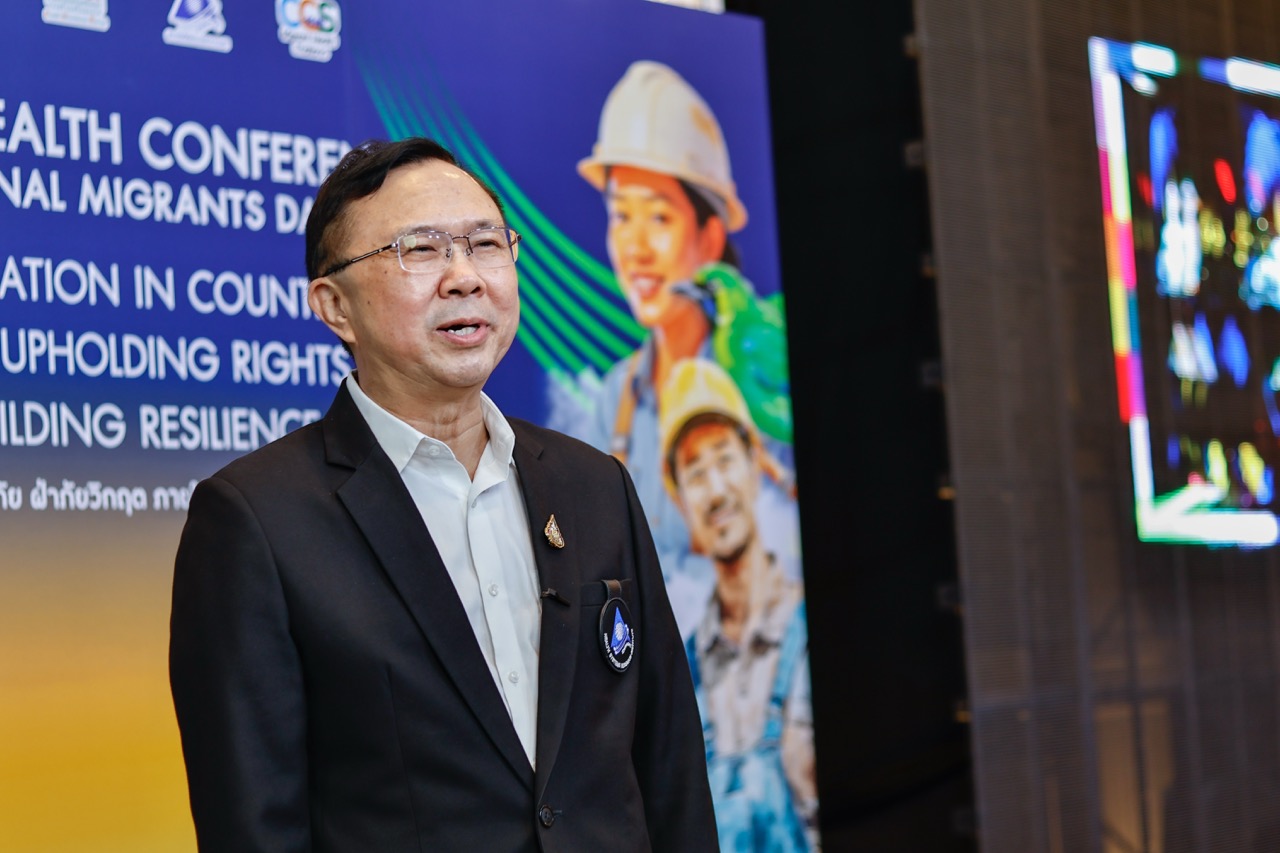
Dr Supakit Sirilak, Director of HSRI, stated: “Every population group living in Thailand is vital to national stability. Health problems directly affect social and economic development. The core principle of universal health coverage is leaving no one behind, which should include both Thai citizens and migrant populations.”
One of the key highlights of the conference was emphasising the role of Migrant Health Volunteers (MHVs) as a mechanism connecting migrants with Thailand’s health system. They communicate health information, monitor diseases, refer patients, and promote understanding of healthcare rights within linguistic and cultural contexts where the health system is often difficult to access.
Thitiya explained the integrated approach: “Developing effective MHVs requires collaboration among multiple agencies as a network. Once trained, MHVs practise in real settings, such as health service points or health posts in Ranong, which serve as coordination hubs for migrant health.”
The event also featured real-life experiences from Zaw Win Htike: “I started volunteering in 2022 during the second wave of COVID-19 in Bang Bon. Many of my Myanmar fellows were infected and needed oxygen therapy. I helped coordinate with as many networks as I could. Later, I had the chance to attend training by Raks Thai Foundation. That was a turning point. Before that, I had lived in Thailand for about 20 years, 10 years in Mae Sot. I never considered becoming an MHV because I thought it was something distant, and I could not speak Thai well. Seeing people suffer during the COVID crisis drove me to take some action. After training, I gained knowledge and began helping my community – sharing information, guiding people, and taking them to hospitals. The first time I saw someone receive help, I felt proud and committed to serving as an MHV ever since.”
Today, he works on tuberculosis, HIV, and communicable diseases, spreading knowledge, distributing test kits, and collaborating with local health officers. Although most MHVs are women, this has never been a barrier for him: “Gender has never been an obstacle because volunteers and those we help are from the same country and speak the same language, so communication is easy. The challenge comes when accompanying patients to hospitals, as clear communication in Thai is crucial. I want to encourage others from my country that the most important thing is having the heart to help each other and learning together step by step. We can support each other.”
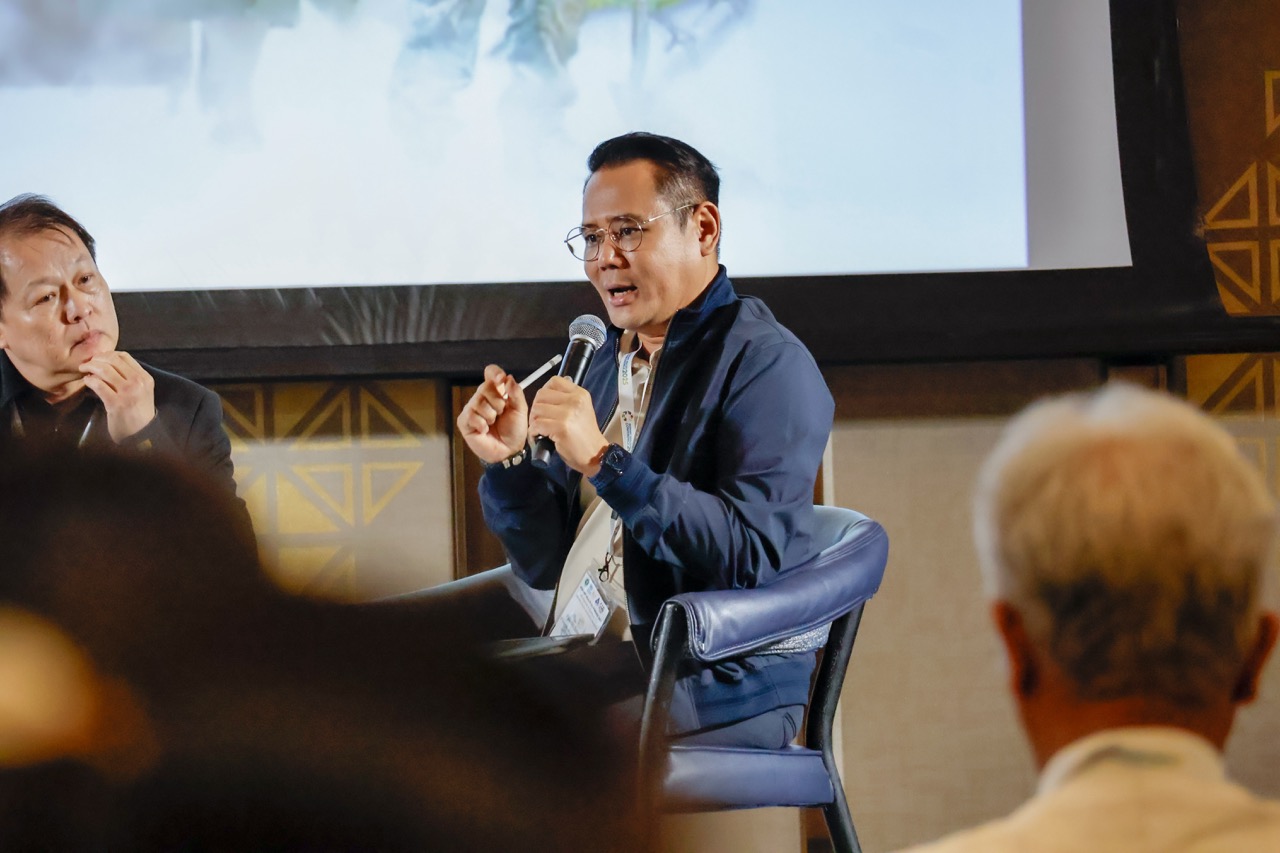
When Mr Thanadon Chantathadawong, Director of System Impact of Baan Dek Foundation, moderated the discussion and asked about building confidence for those interested in becoming MHVs,
Thitiya explained: “The selection criteria for MHVs focus on a spirit of volunteerism, responsibility, and flexibility to work beyond regular hours. Continuous knowledge and skill enhancement are essential. Another key factor is community acceptance – without it, even the most capable MHVs cannot sustain their work. Preparing MHVs must therefore include building community understanding alongside skill development to ensure sustainability.”
Mr Thanadon further asked about policy recommendations – how the government can play a role in supporting the MHV system to operate sustainably in the long term and establish mechanisms that the government can continuously rely on.
Thitiya added: “We propose formal recognition and registration of MHVs equivalent to Thai Village Health Volunteers (VHVs), including budget allocation for capacity building, operational support, safety protection, and national-level recognition to establish a systematic and sustainable framework.”
Zaw Win Htike also shared his view: “I recommend expanding the number of MHVs and enhancing their capacity to match migrant population needs, with a focus on selecting individuals with Thai language skills to serve as communication bridges, especially for conveying information on social security and health insurance rights. This will reduce language barriers and improve access to healthcare services.”
The power of MHVs lies not only in translation but in being a robust bridge connecting two worlds to ensure equal access to healthcare for all. They are a crucial cog in making Thailand’s health system truly inclusive, leaving no one behind. World Vision Foundation of Thailand and our partners remain committed to advocating for official recognition, welfare, and tangible support for MHVs so that this small yet powerful force continues to foster hope and equality towards a sustainable and equitable health system for everyone.