Empowered by the collective strength of community participation, which can address challenges that undermine the quality of life and limit opportunities for children to grow and thrive, the Local Collaboration Network Mechanism Project for Educational Opportunity Expansion for Vulnerable Groups has been initiated. This initiative, under the partnership between Office of National Higher Education Science Research and Innovation Policy Council (NXPO) and World Vision Foundation of Thailand, is accelerating efforts to mobilise local resources to prevent and resolve school dropout issues. The project is being piloted in two remote areas: Sangkha District, Surin Province, and Umphang District, Tak Province.
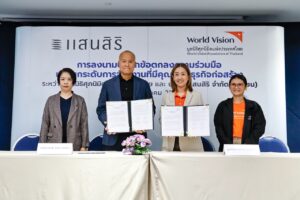
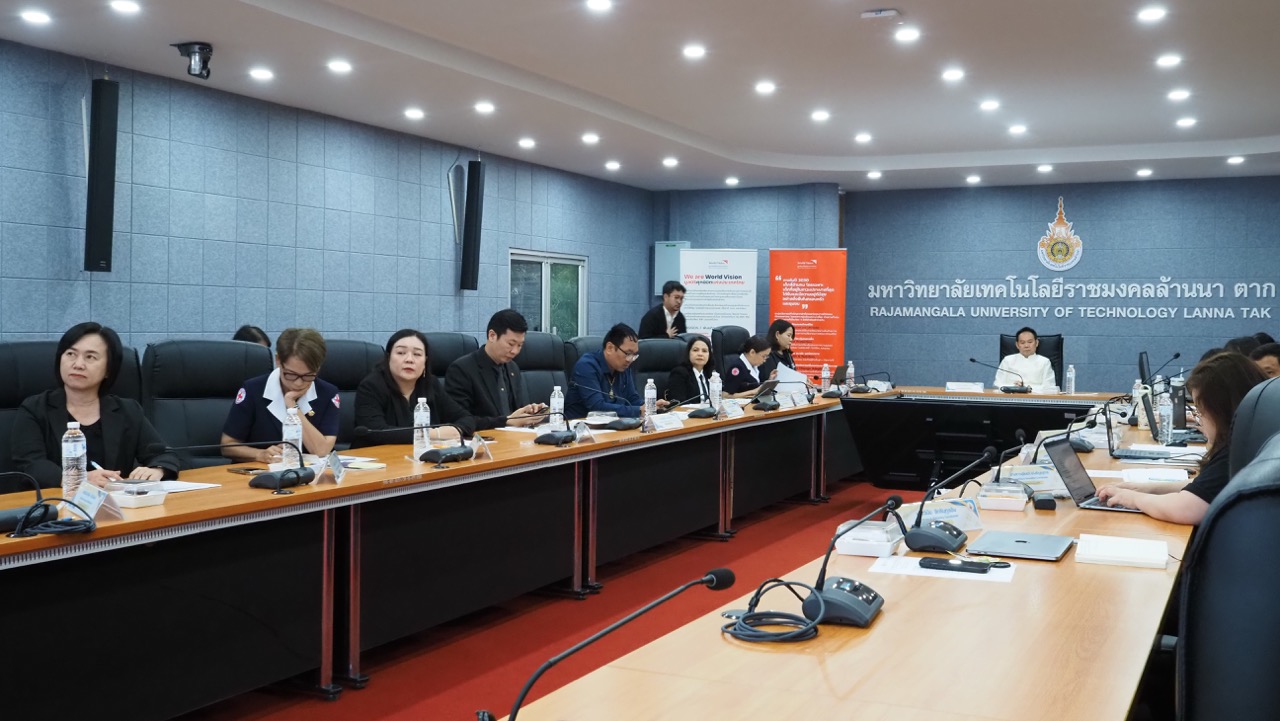
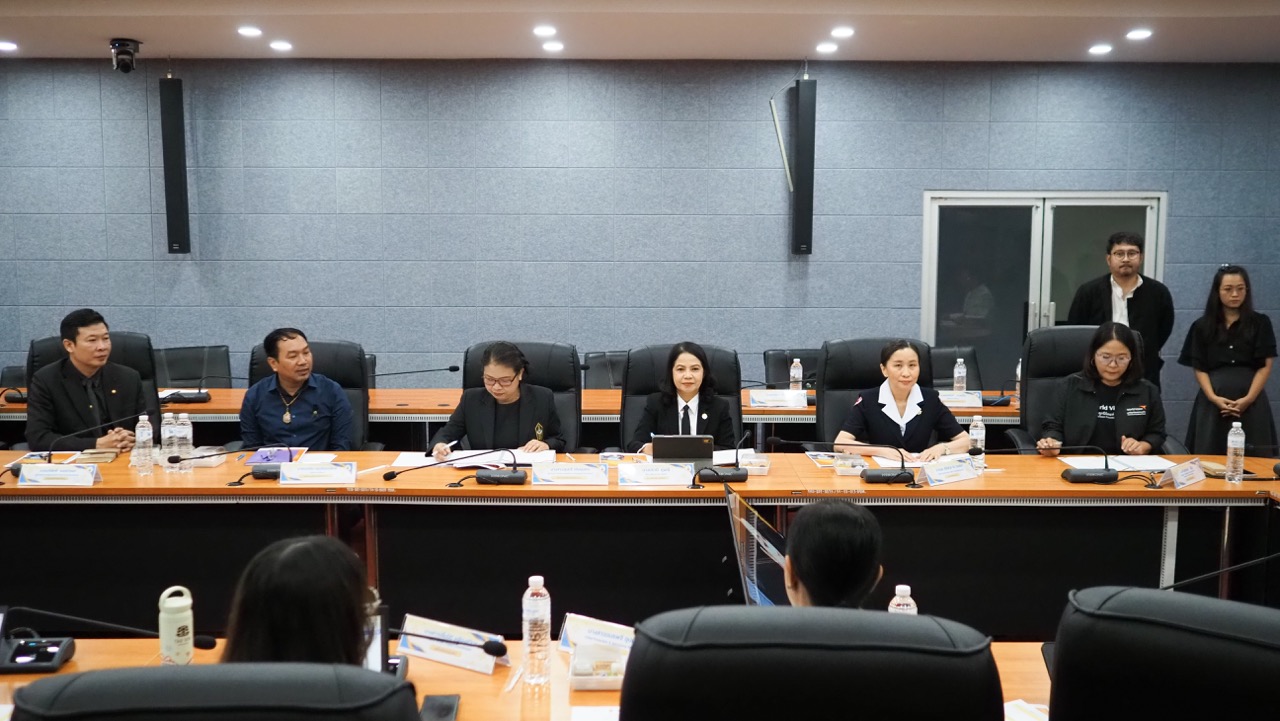
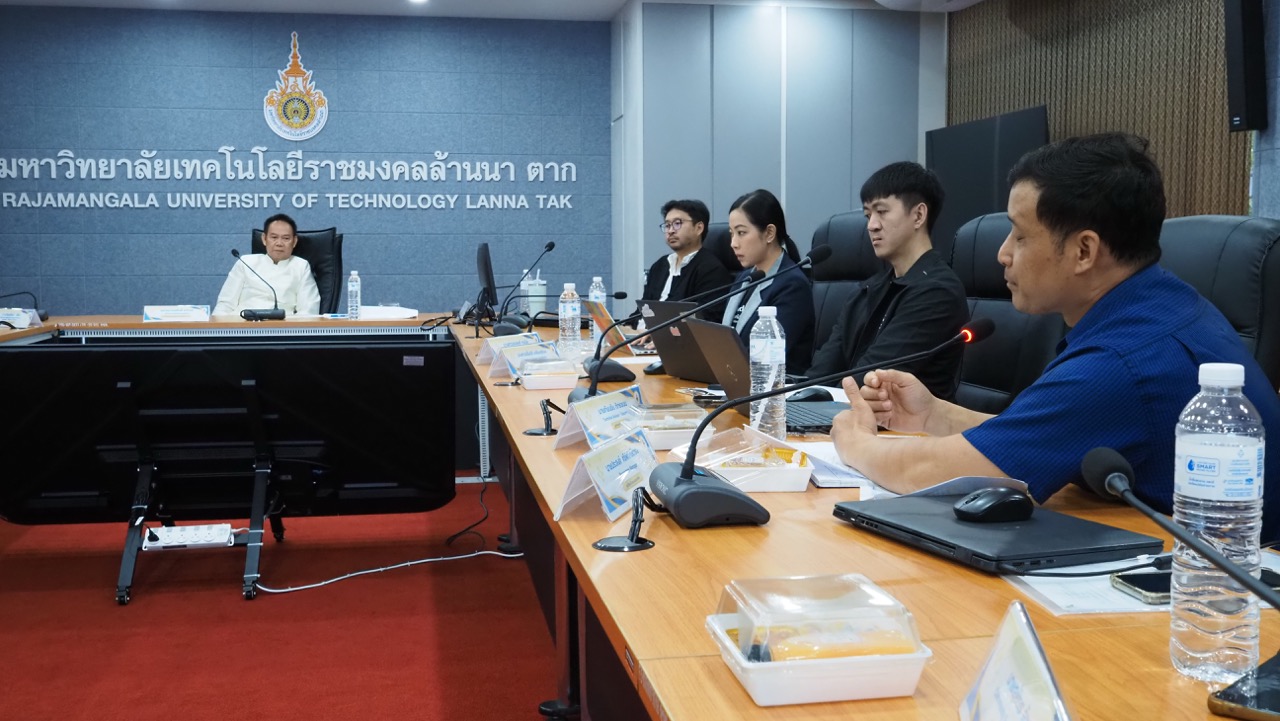
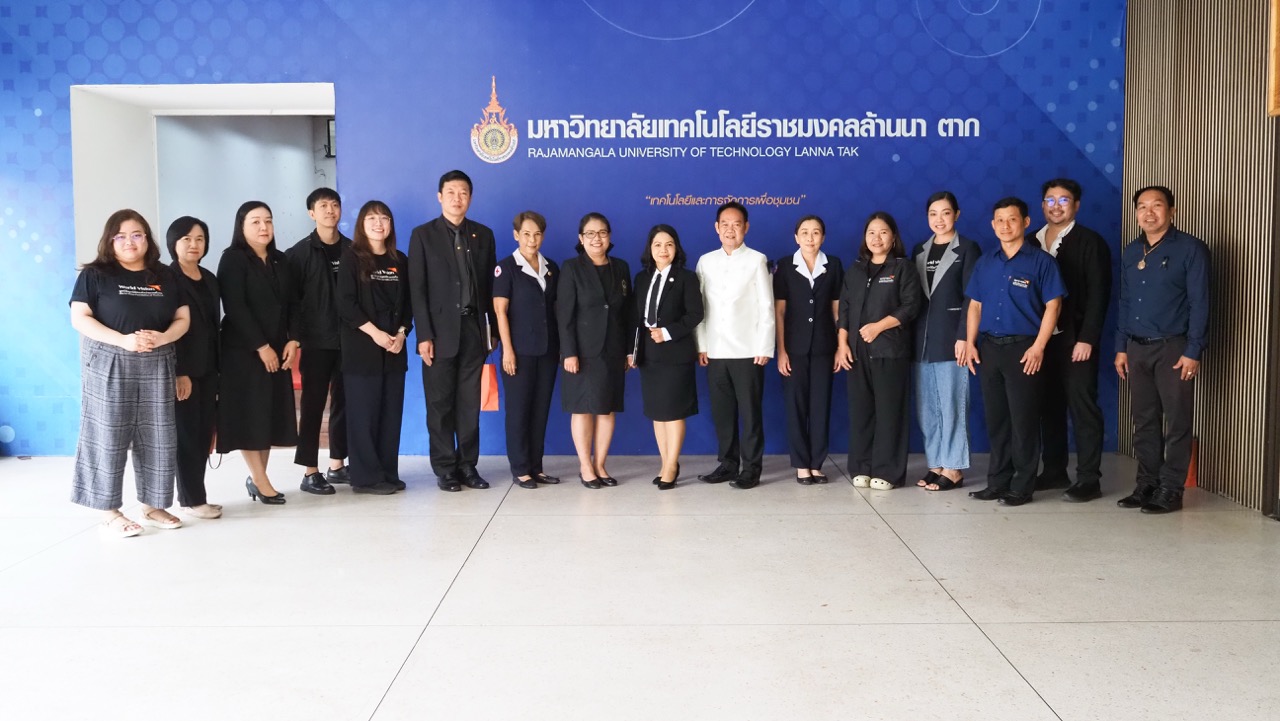
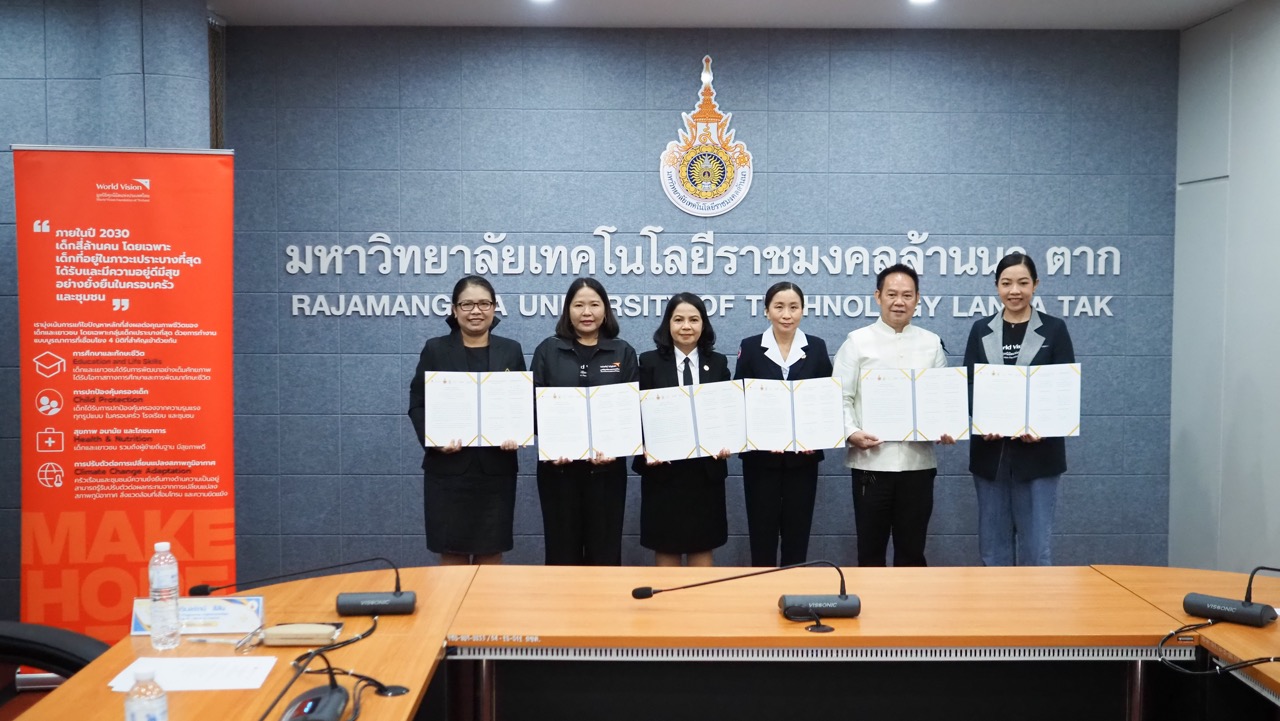
For Umphang District, Tak Province, on 6 November 2025, NXPO and World Vision Foundation of Thailand joined forces with Office of Tak Provincial Red Cross Chapter, Rajamangala University of Technology Lanna Tak, Tak Provincial Learning Promotion Office, and Tak Provincial Education Office to sign a Memorandum of Understanding (MoU) for the Literacy Support Teachers Programme. The meeting also discussed the role of collaborative partners in supporting the implementation of the project in Umphang District, Tak Province—an area facing structural barriers to accessing educational services and resources, which significantly affect children and youth, especially those most vulnerable and at risk of dropping out.
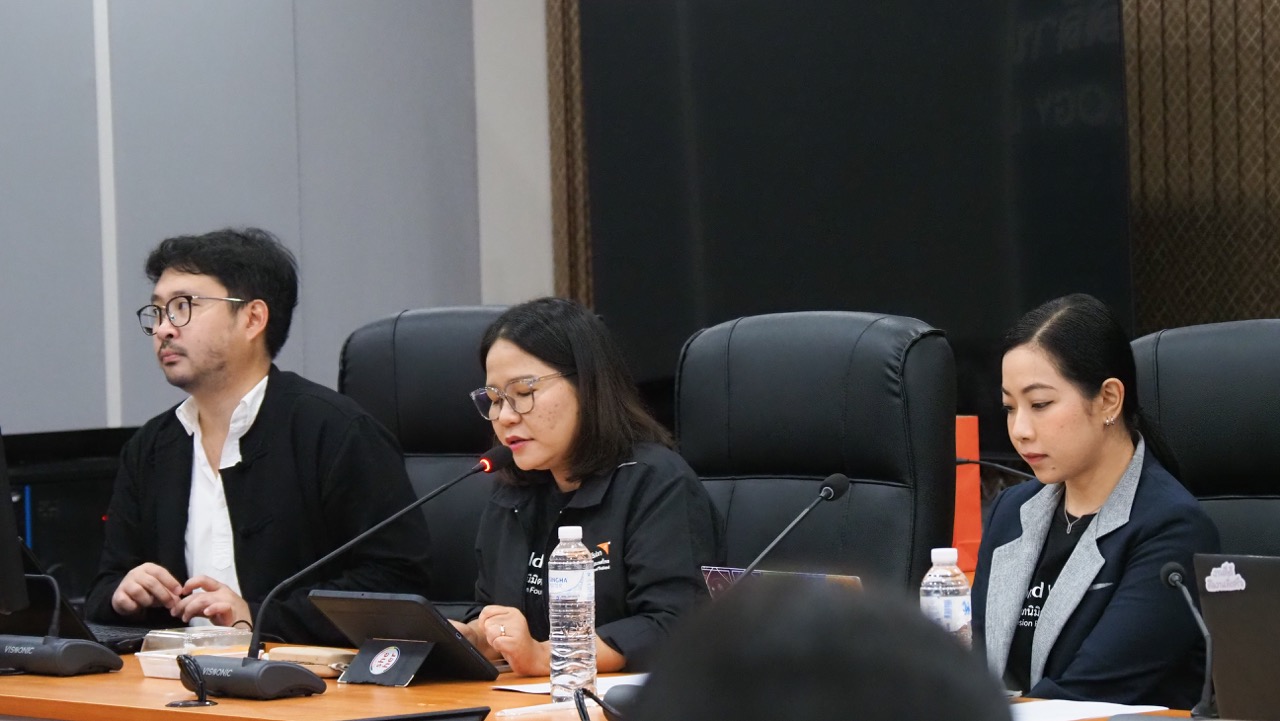
Dr Wimolrat Seesan, Regional Programme Implementation Manager – North & Central, World Vision Foundation of Thailand, highlighted the scope of cooperation: “Under this agreement, we focus on recruiting literacy support teachers and strengthening their capacity. Beyond that, we will leverage the expertise of our partners to design curricula that enhance teaching for literacy improvement for children in highland and remote areas. This will create opportunities for teachers, volunteer educators, and interested individuals in Umphang to participate in training.”
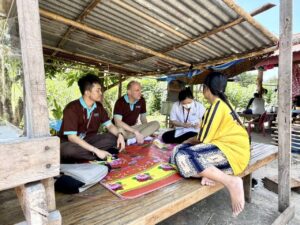
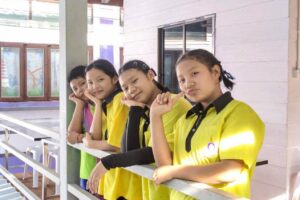
Umphang represents highland and remote communities where previous consultations with local stakeholders—including government, private sector, civil society, educational institutions, and community representatives—revealed that the root causes of school dropouts include geographical isolation, mountainous terrain, inadequate learning environments, and a shortage of teaching personnel. Statistics show that in Tak Province, one in three school dropouts is between the ages of 6 and 11, or during primary education. This led to the adoption of the Literacy Support Teacher Policy Model, based on research from the “Policy Model Project for Promoting Social Mobility Among Grassroots Populations: Children and Youth” (2023–2024), jointly conducted by NXPO and World Vision Foundation of Thailand. The goal is to increase the number of teachers in schools to ensure early childhood literacy, foster motivation for learning, and ultimately reduce dropout rates.
“Through local network collaboration, the project has expanded to the provincial level. We recognise that local networks understand the problems and context, enabling targeted solutions, while provincial networks serve as key mechanisms to connect resources, policies, and stakeholders. When both levels work together, integration occurs—reducing inequality and creating sustainable educational opportunities for every child,” added Pluempeeti Laungsuvimol, the project coordinator.
Community participation in Umphang to enhance educational access and address school dropout issues among vulnerable groups will serve as a model for scaling up to other highland and remote areas in the future.