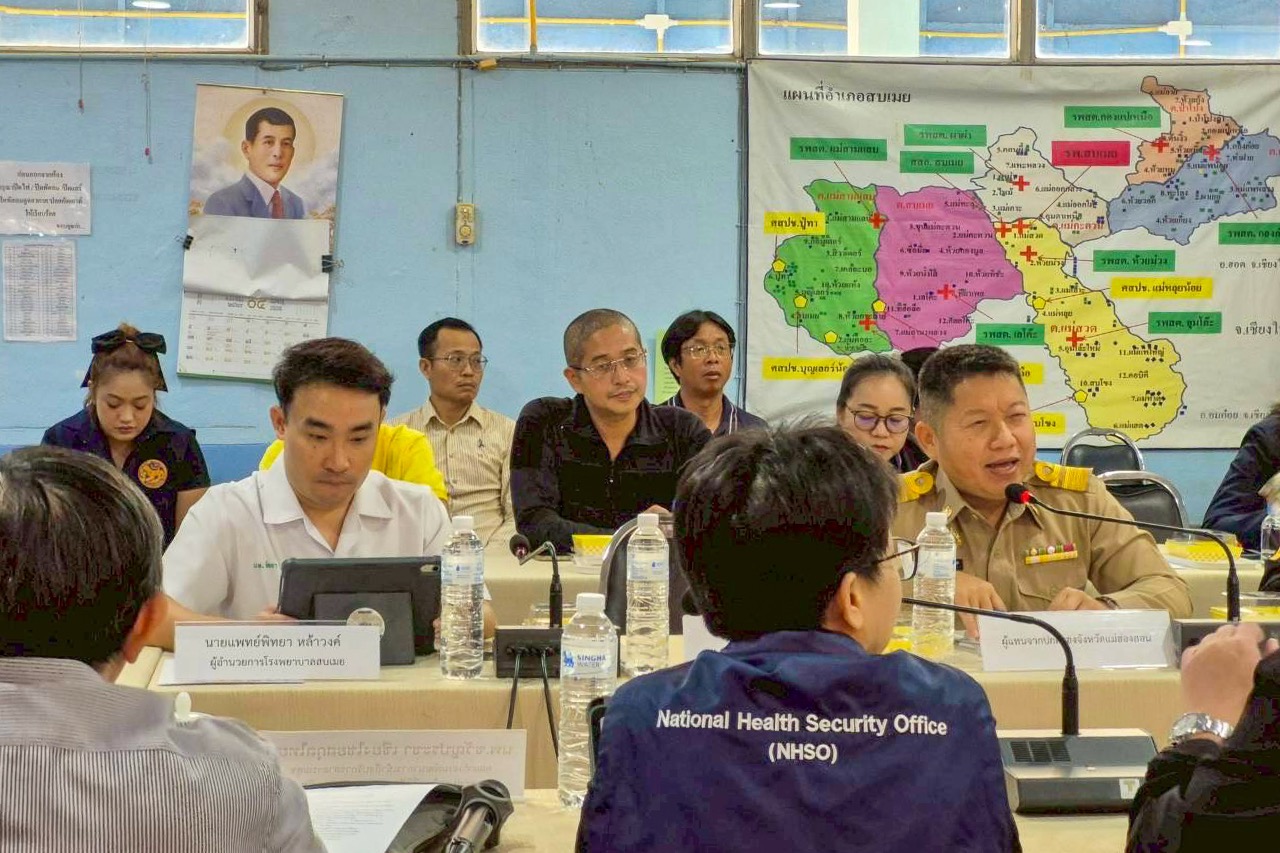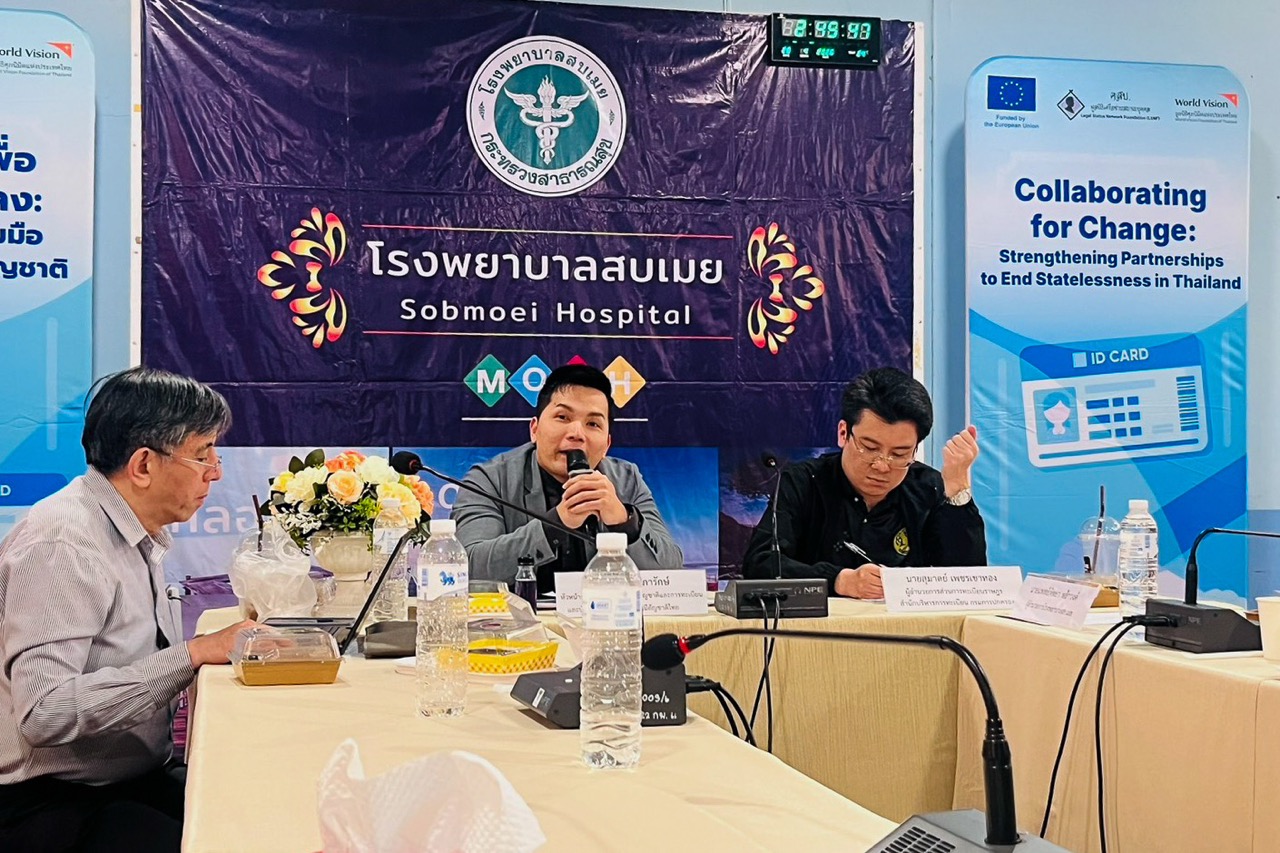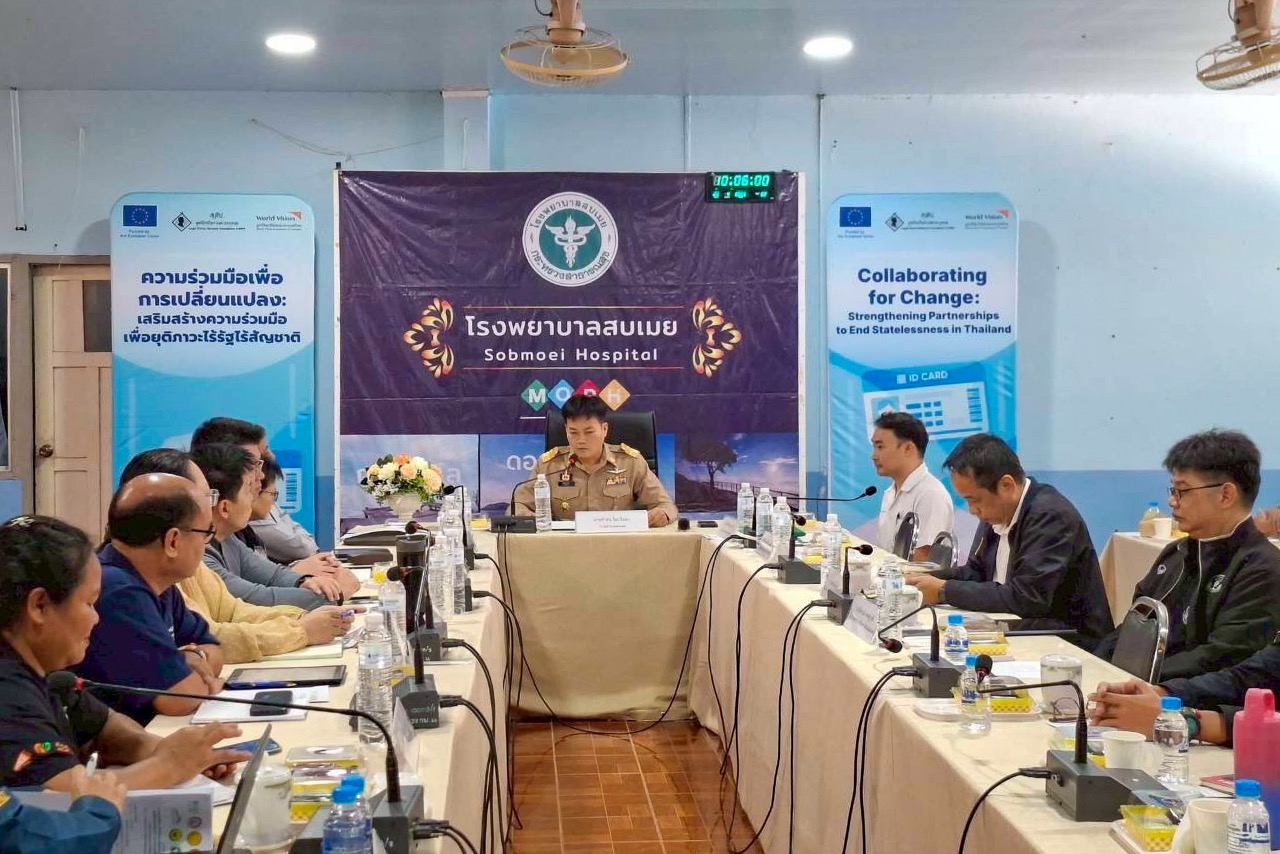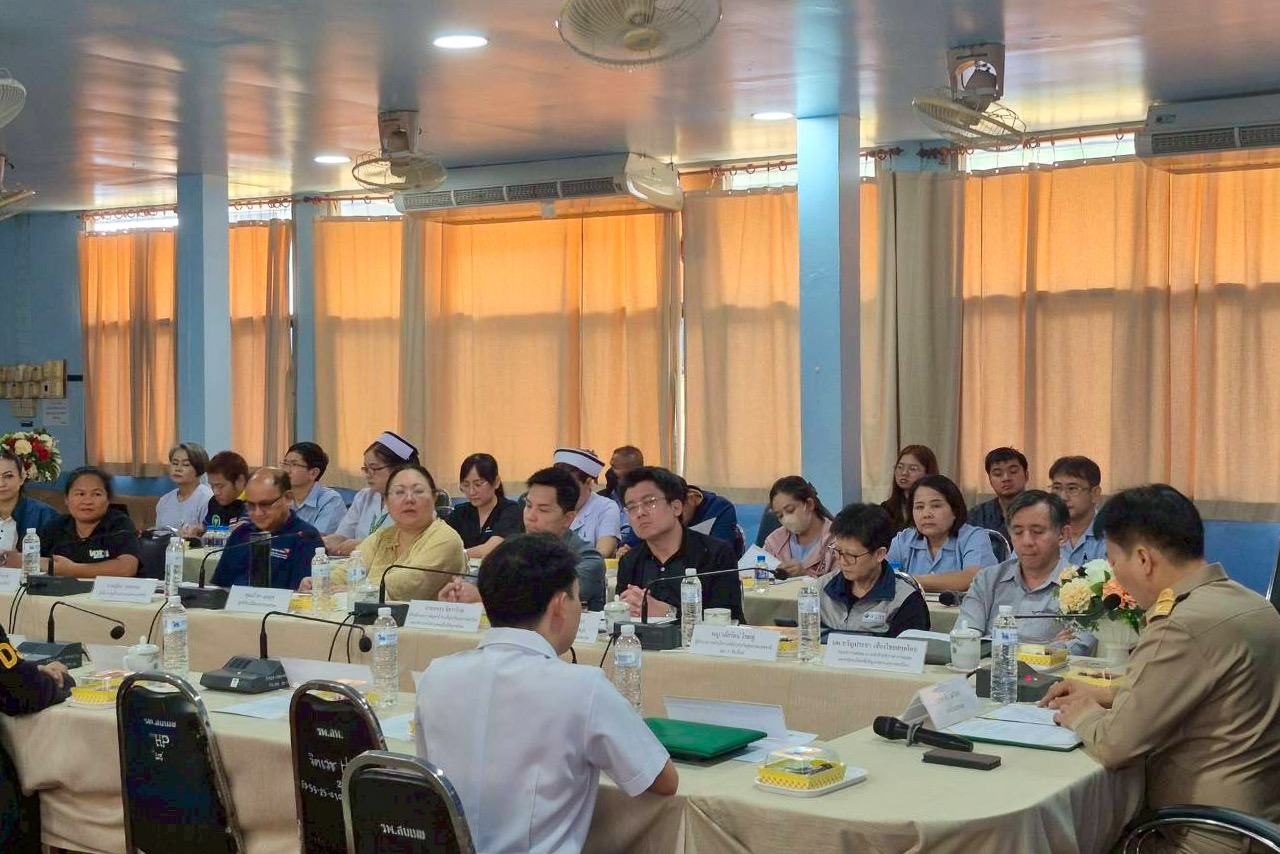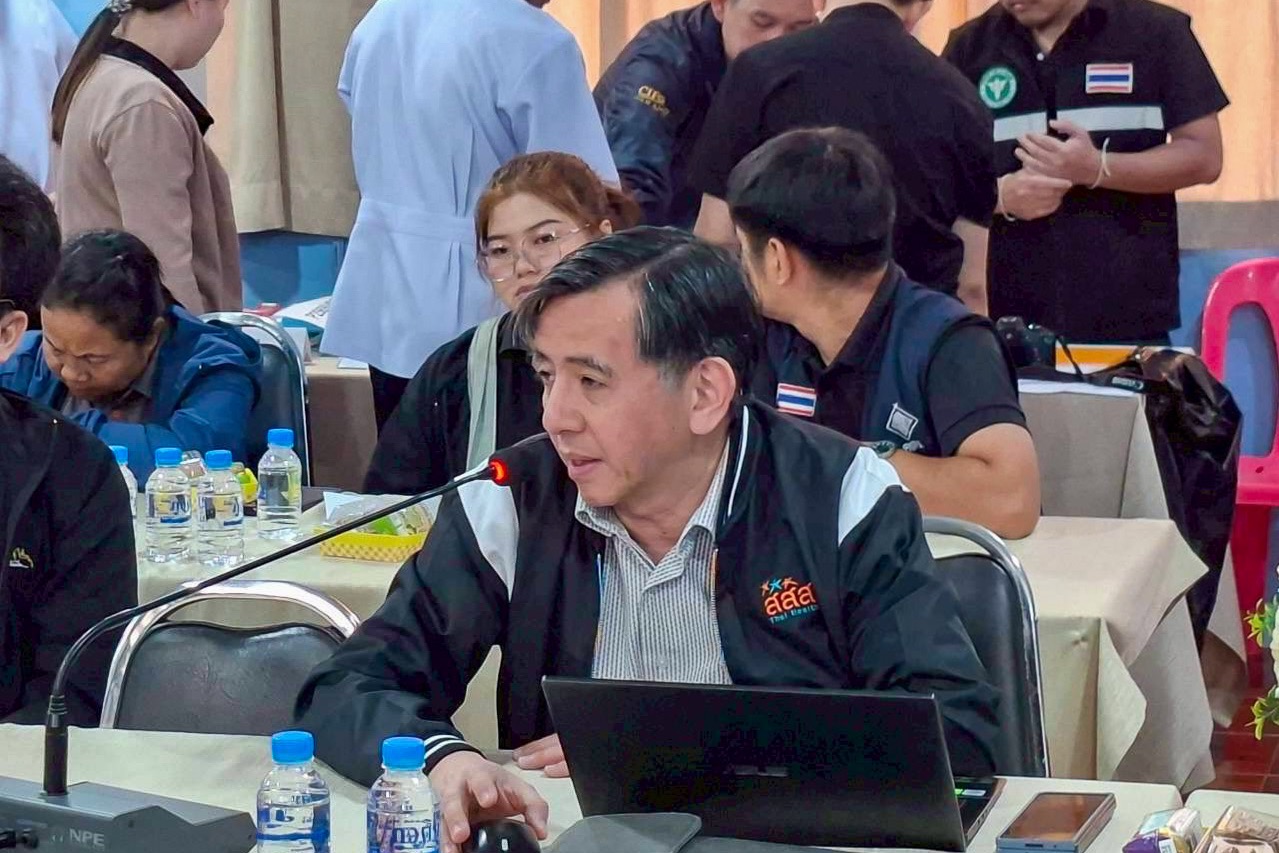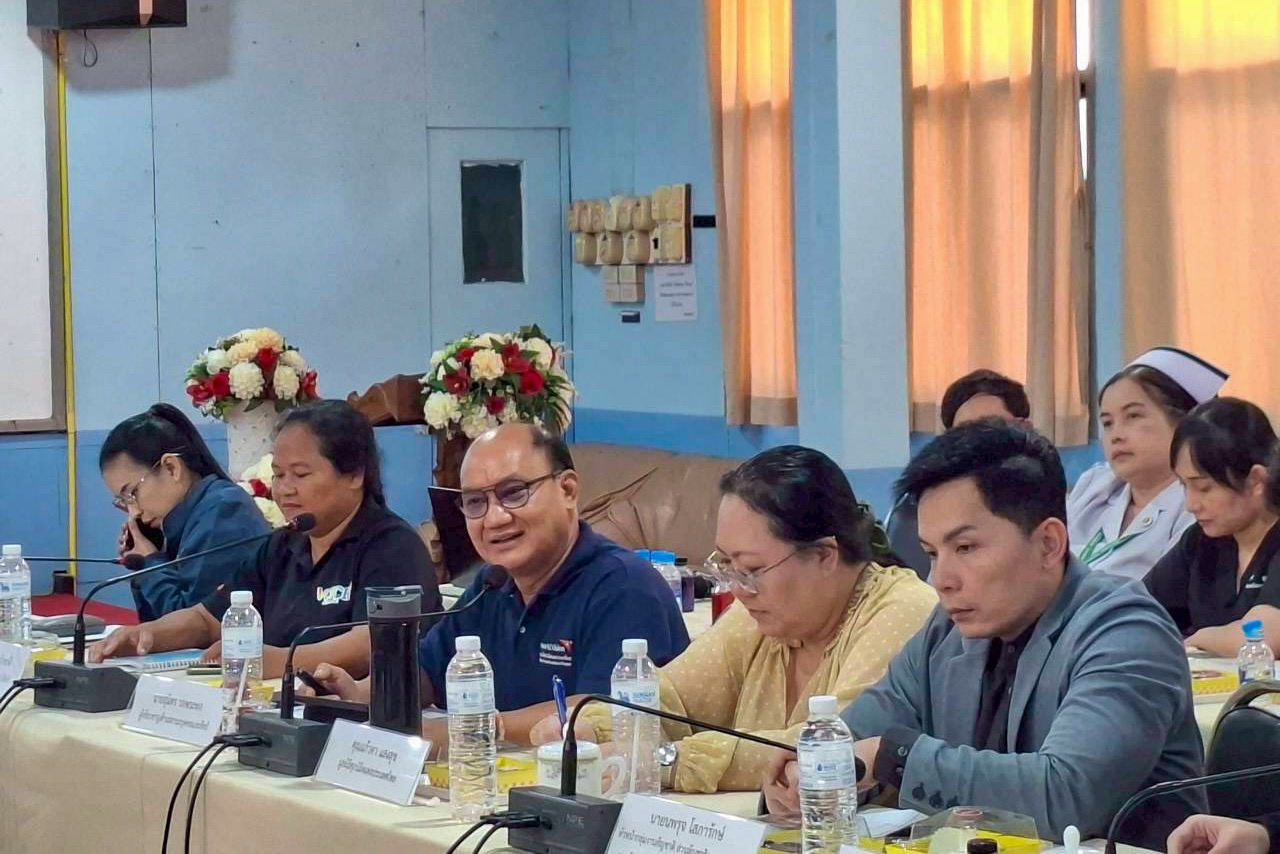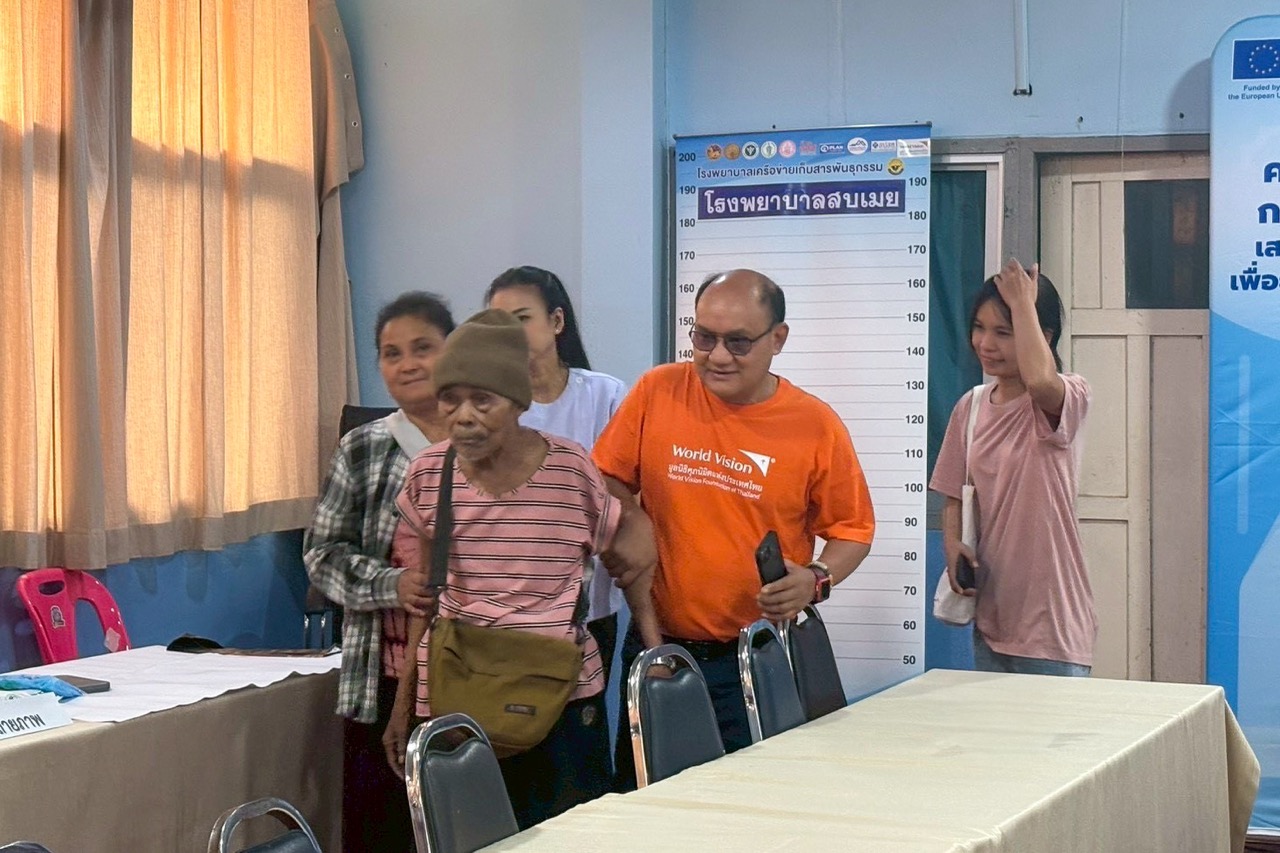
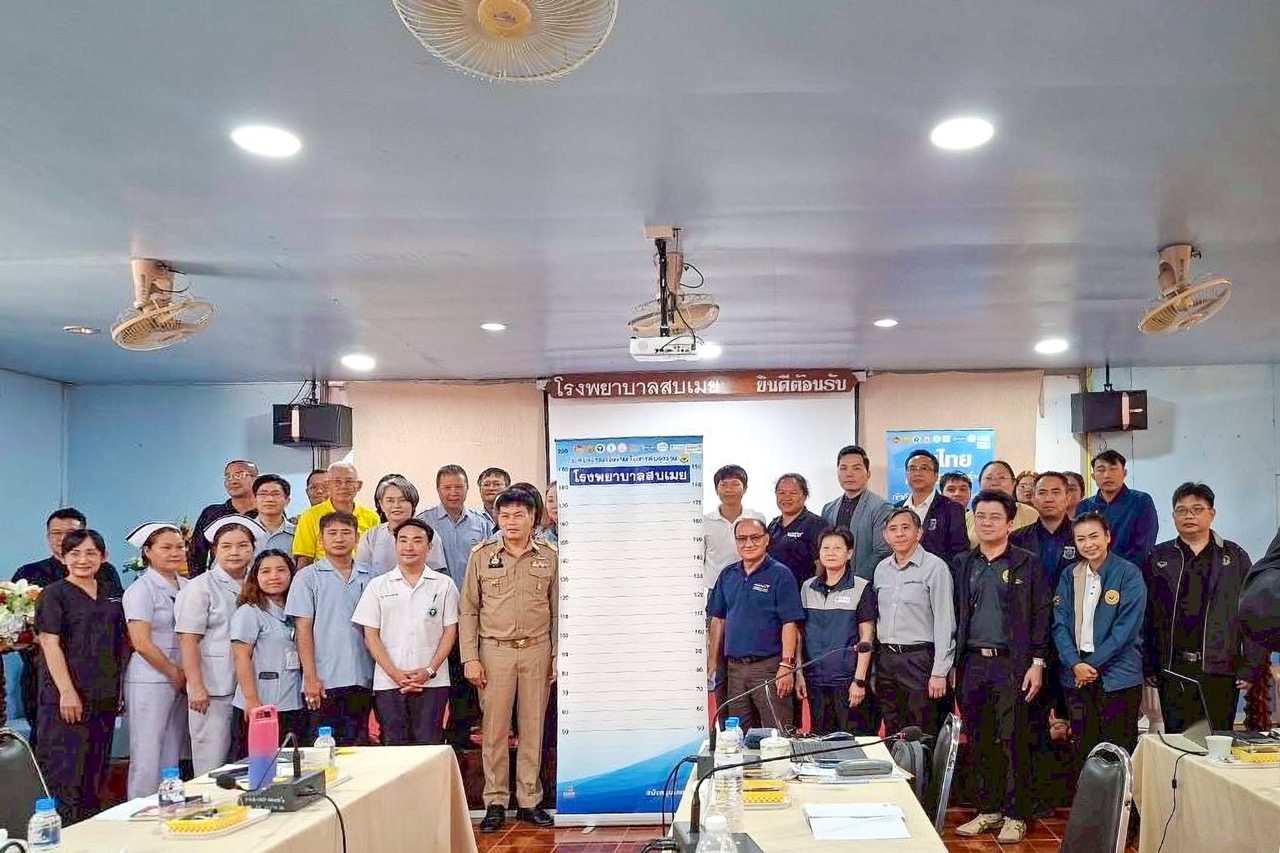
On 20–21 April 2026, at Sop Moei Hospital, Sop Moei District, Mae Hong Son Province, a workshop and official handover ceremony of the “DNA Collection Network Hospital” symbol were held. The initiative aims to address civil registration challenges and expand access to universal health coverage for people living in remote areas during fiscal year 2026.
On this occasion, Dr. Phittaya Laowong, Director of Sop Moei Hospital, delivered a welcome address to participants and outlined the objectives of establishing the DNA Collection Center. The center aims to support the verification of Thai nationality for individuals facing challenges related to legal identity and civil registration in Mae Hong Son Province. Dr. Phittaya also presented the initiative to Mr. Khamphan Mokthaisong, Chief District Officer of Sop Moei, who presided over the ceremony together with partner agencies.
The establishment of this center at Sop Moei Hospital is the result of collaboration among multiple sectors, including Sop Moei Hospital, the Central Institute of Forensic Science under the Ministry of Justice, the Ministry of Interior, the Ministry of Public Health, the Ministry of Social Development and Human Security (MSDHS), the National Health Security Office (NHSO), the Thai Health Promotion Foundation (ThaiHealth), the Housing Development Foundation, the World Vision Foundation of Thailand, and local civil society networks. Prior to this, 32 such centers had already been established across 24 provinces nationwide, with Sop Moei Hospital becoming the 33rd.
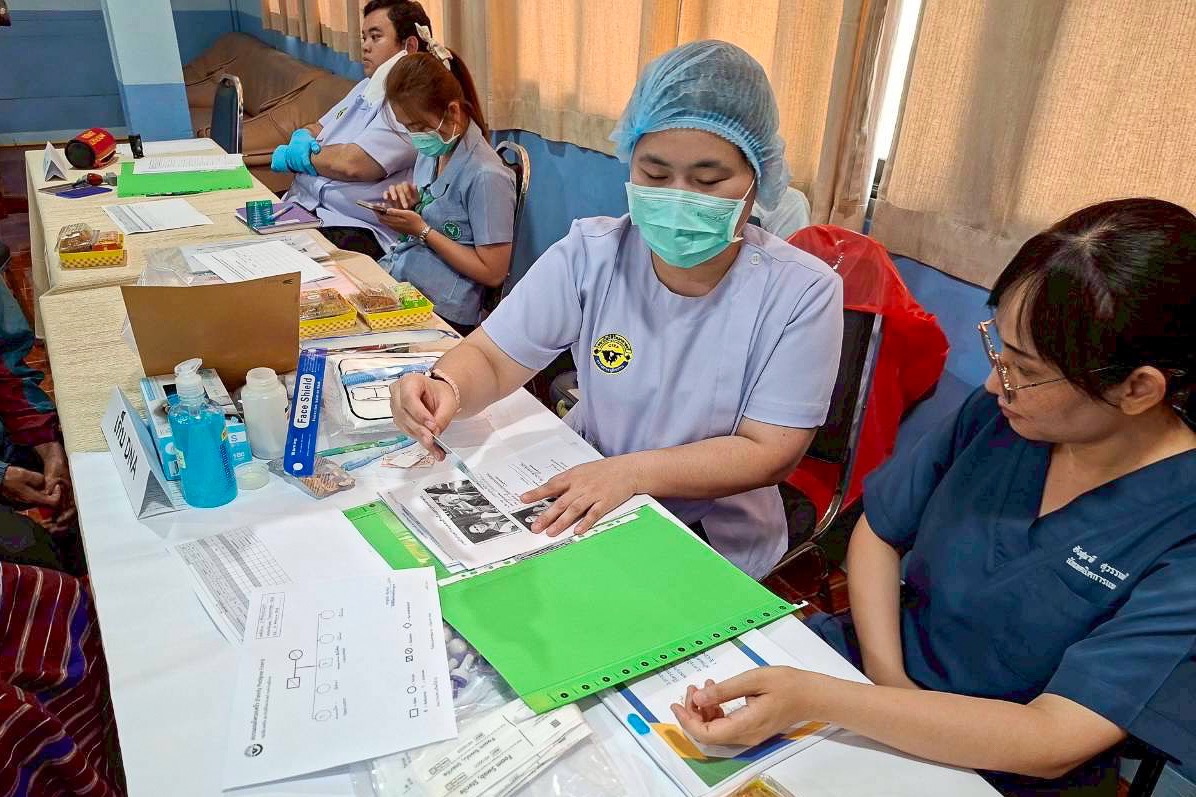
The workshop focused on exchanging knowledge on legal frameworks, operational guidelines, and practical experiences in DNA sample collection in accordance with the standards of the Central Institute of Forensic Science. These samples serve as scientific evidence in resolving civil registration issues through biological relationship verification.
To access the service, individuals who may be eligible for Thai nationality but were left out of the civil registration system—such as those lacking identification documents or birth registration, but who have a Thai parent—can contact district registration offices in Mae Hong Son Province to assess their eligibility. Once approved in accordance with legal procedures, the registration office will issue a coordination letter to Sop Moei Hospital. The hospital will then coordinate DNA testing with the Central Institute of Forensic Science.
After the verification process is completed, the results will be submitted to the district registration office to proceed with adding the individual’s name to the household registration record (Form Tor.Ror.14) and enrolling them in the national health security system. Participants in the program will not be charged for DNA testing and will only be responsible for standard medical service fees in accordance with hospital regulations.
Mr. Sumit Waropapho, Specialist in Legal Identity and Rights at the World Vision Foundation of Thailand and a working group member on improving access to healthcare services for unregistered Thai nationals, stated:
“Establishing a DNA Collection Center at Sop Moei Hospital will provide people in Mueang Mae Hong Son, Pai, Pang Mapha, Khun Yuam, Mae Sariang, Mae La Noi, and Sop Moei with an alternative means to verify biological relationships—especially in cases where witness testimony or documents cannot be used. It will also help reduce travel costs for testing outside the area.”
In the past, hospitals in the area have borne the financial burden of providing treatment to individuals without health insurance coverage, leading to accumulated unpaid medical costs. This initiative not only helps individuals without legal status obtain Thai nationality and access healthcare rights but also enables hospitals to properly claim reimbursement for medical expenses through the National Health Security Office properly—thereby strengthening the sustainability of local healthcare systems.
World Vision Foundation of Thailand, under the project “Collaboration for Change: Strengthening Partnerships to End Statelessness” (C4C Project), remains committed to supporting solutions for unregistered Thai individuals and stateless persons, ensuring equitable and sustainable access to legal rights for all.