In child and youth development, creating educational opportunities means more than simply getting children into classrooms. It means enabling them to learn, understand, and apply knowledge to shape their own futures.
For World Vision Foundation of Thailand, promoting literacy is a key driver of sustainable child development, particularly in remote communities where many children still have limited access to educational resources, learning materials, and opportunities to reach their full potential.
Literacy: Where Life’s Opportunities Begin
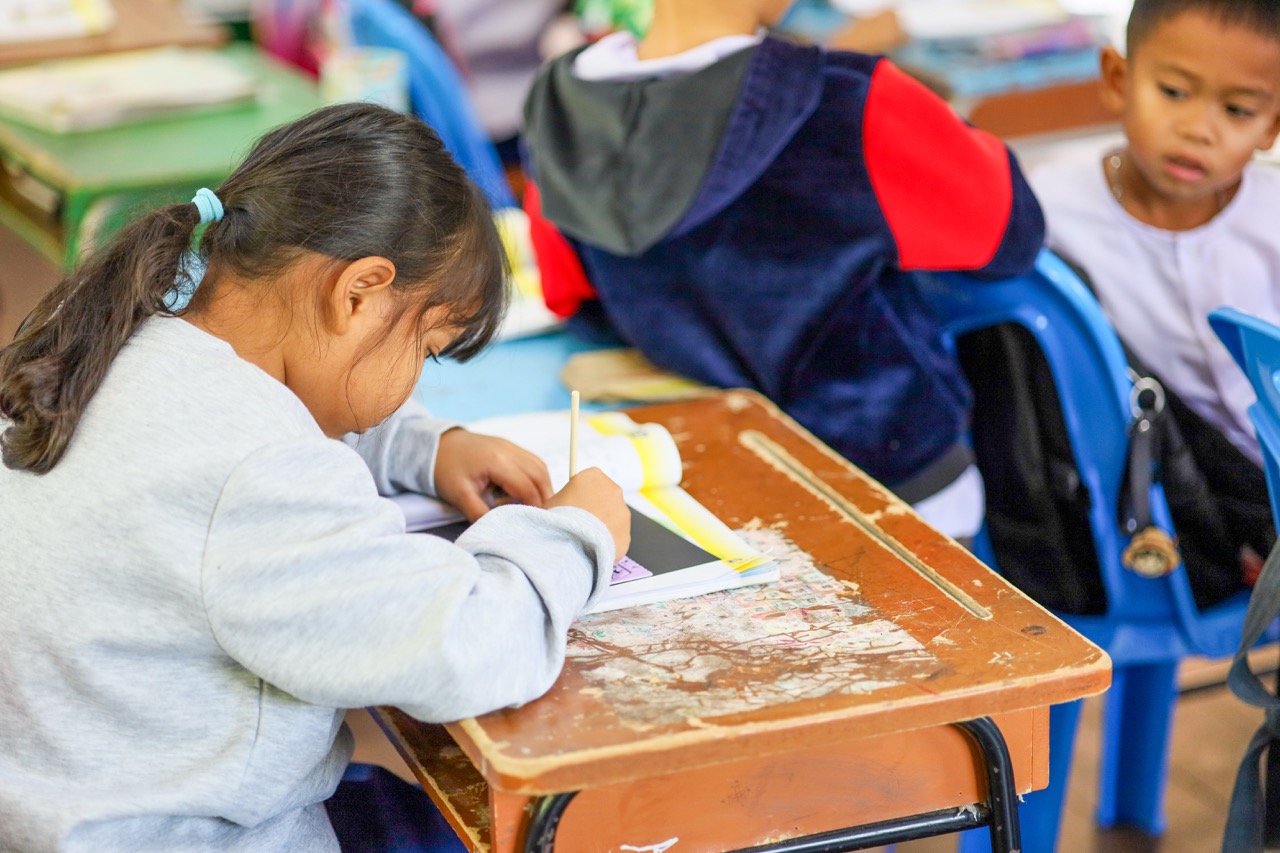
Amid social change, literacy skills remain an essential foundation for learning. Children who can read and write effectively have greater access to knowledge and are better equipped to reach their full potential.
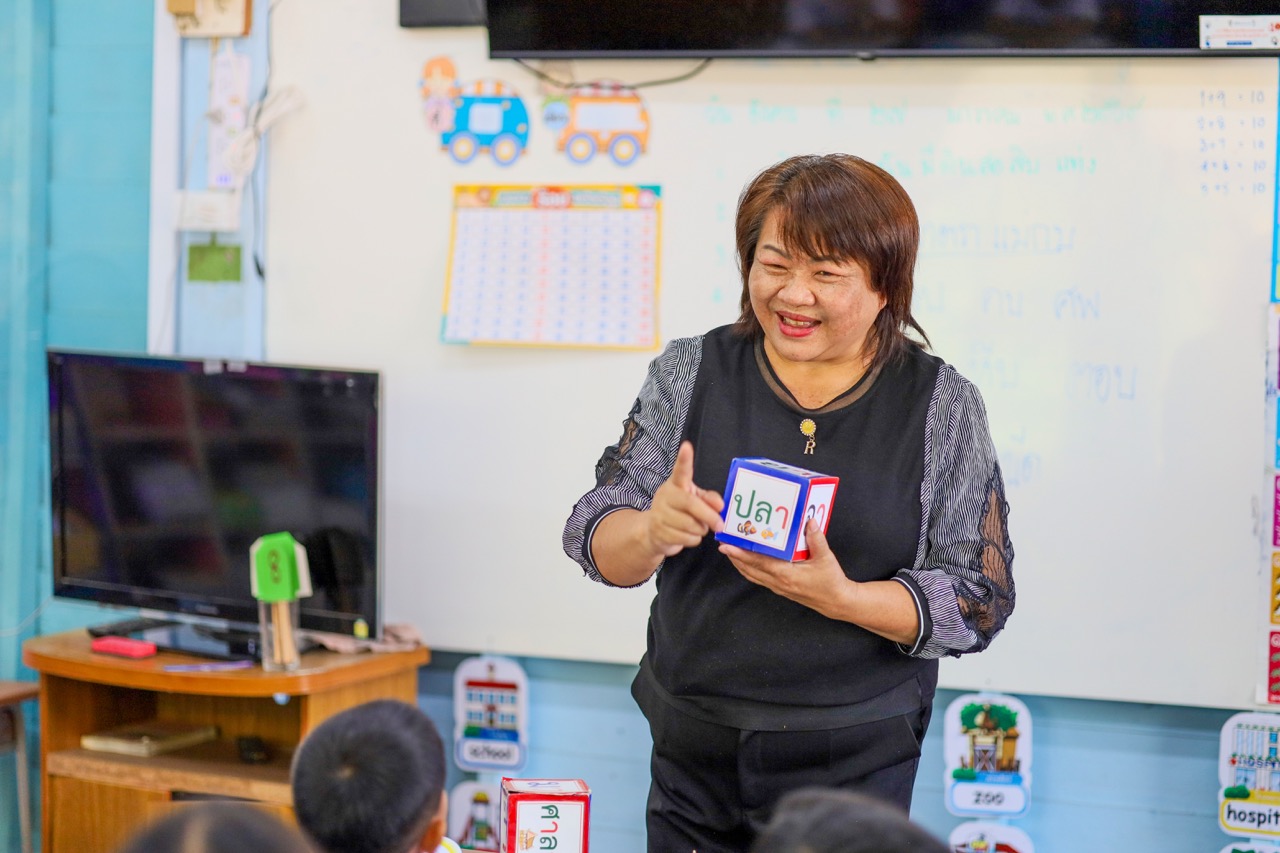
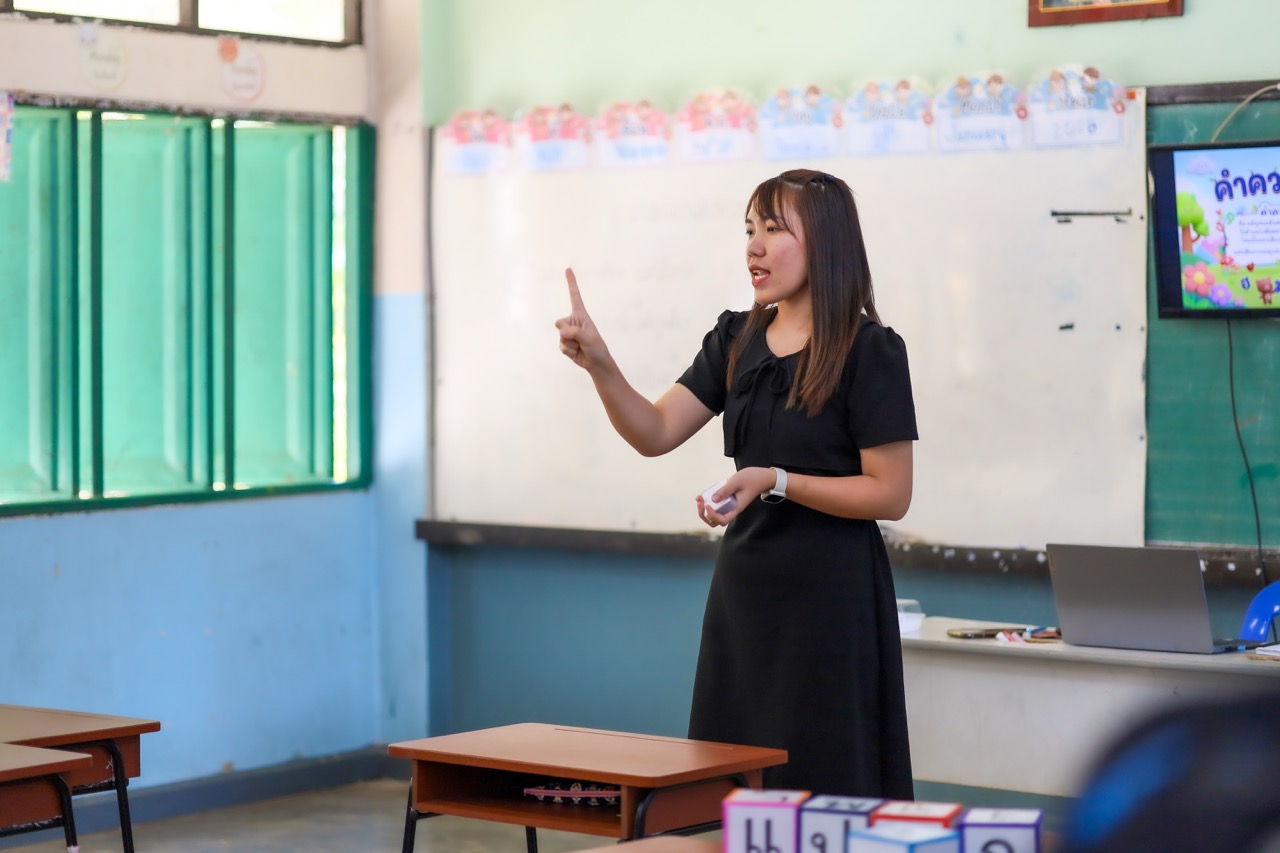
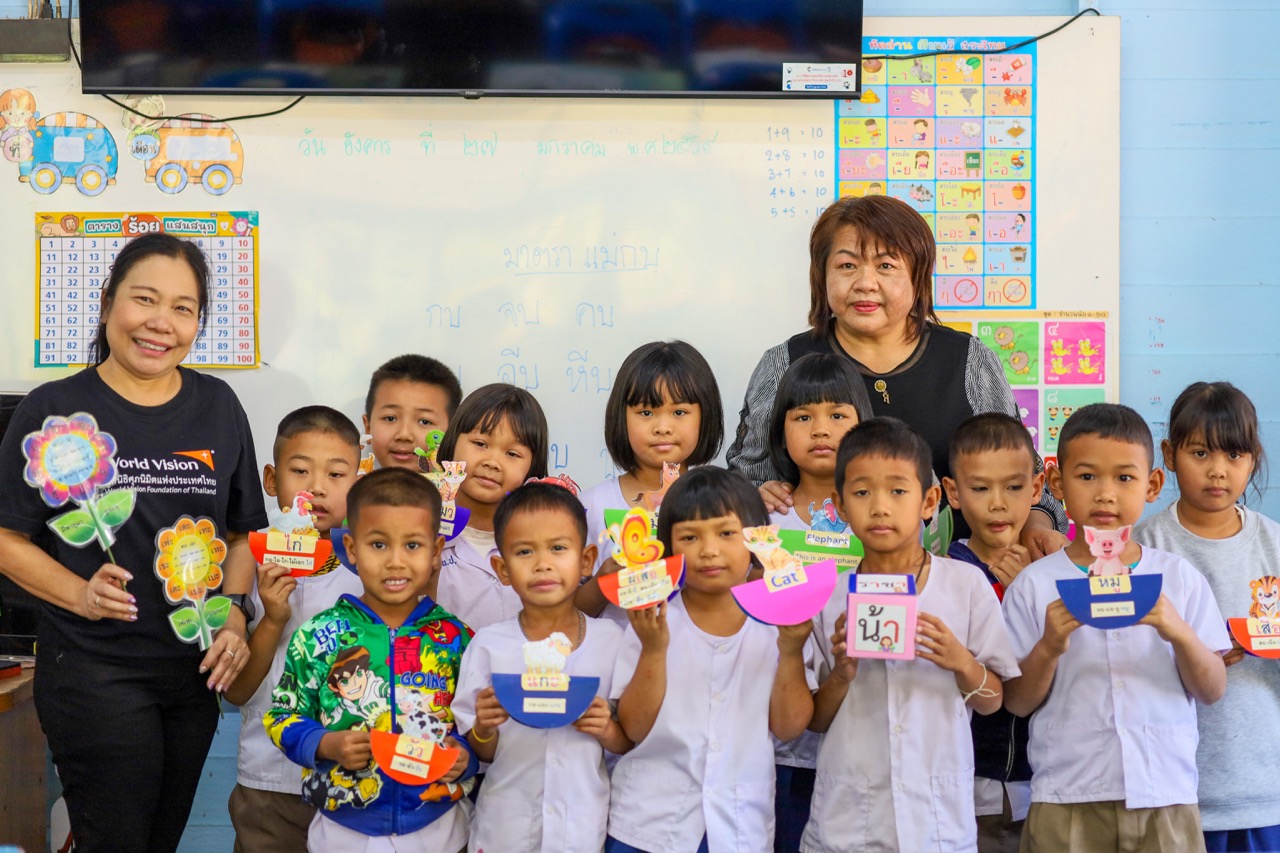
Mrs. Tueanjai Phothong, a first-grade teacher who has taught children in the community for more than 35 years, believes that building a strong foundation in the Thai language during the early grades is a teacher’s most important responsibility.
“First graders need to learn consonants, vowels, reading, and writing first because these skills are the foundation for all future learning. With a strong foundation, they can continue to progress as they advance to higher grades.”
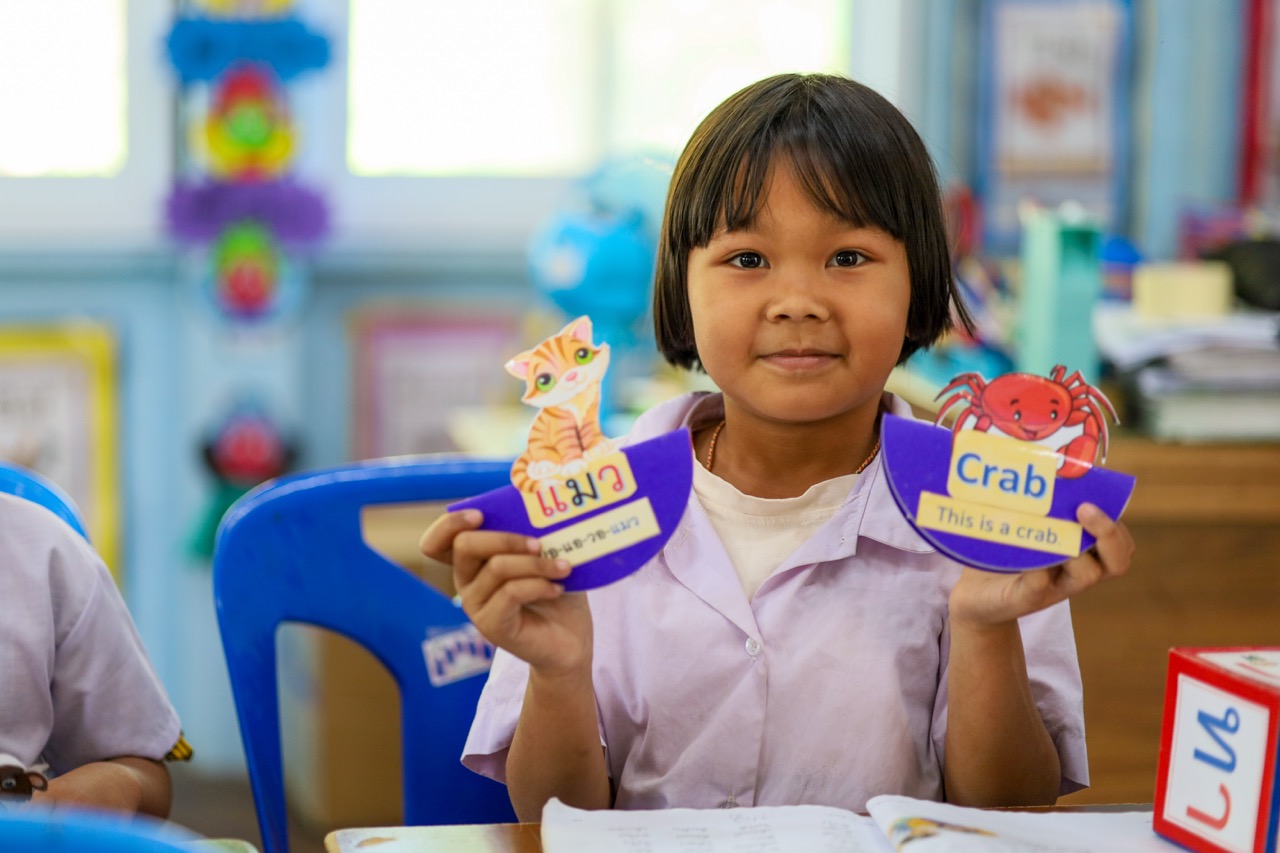
Through collaboration between the school and World Vision Foundation of Thailand, children receive scholarships, learning materials, and enrichment activities that spark their interest in learning. Particular emphasis is placed on developing instructional materials appropriate to the children’s ages and local context.
Empowering Teachers to Improve Learning Quality
One of World Vision Foundation of Thailand’s key approaches is to strengthen teachers’ capabilities through training in instructional practices and the development of teaching materials for early childhood and lower primary education.
This approach enables teachers to design learning activities aligned with children’s developmental stages, particularly for those who require additional learning support.
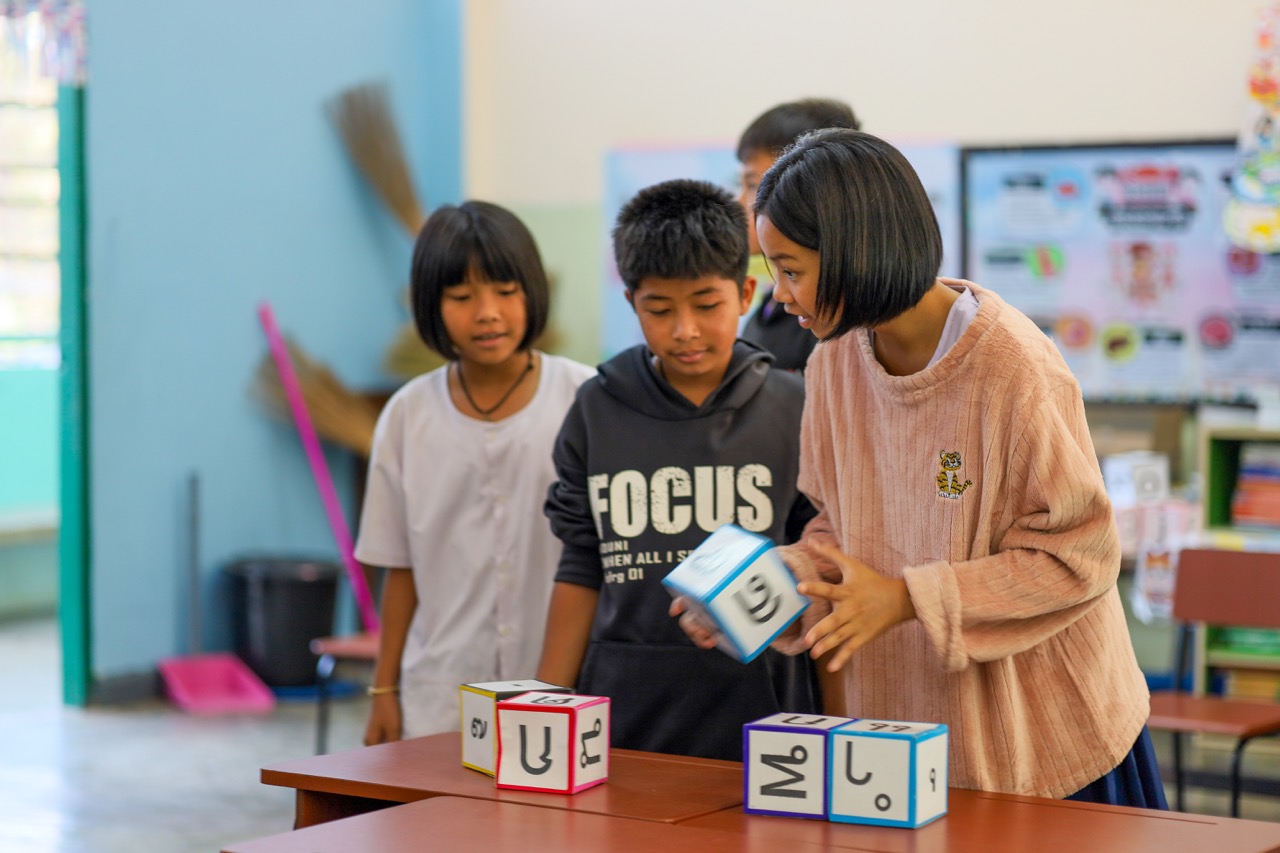
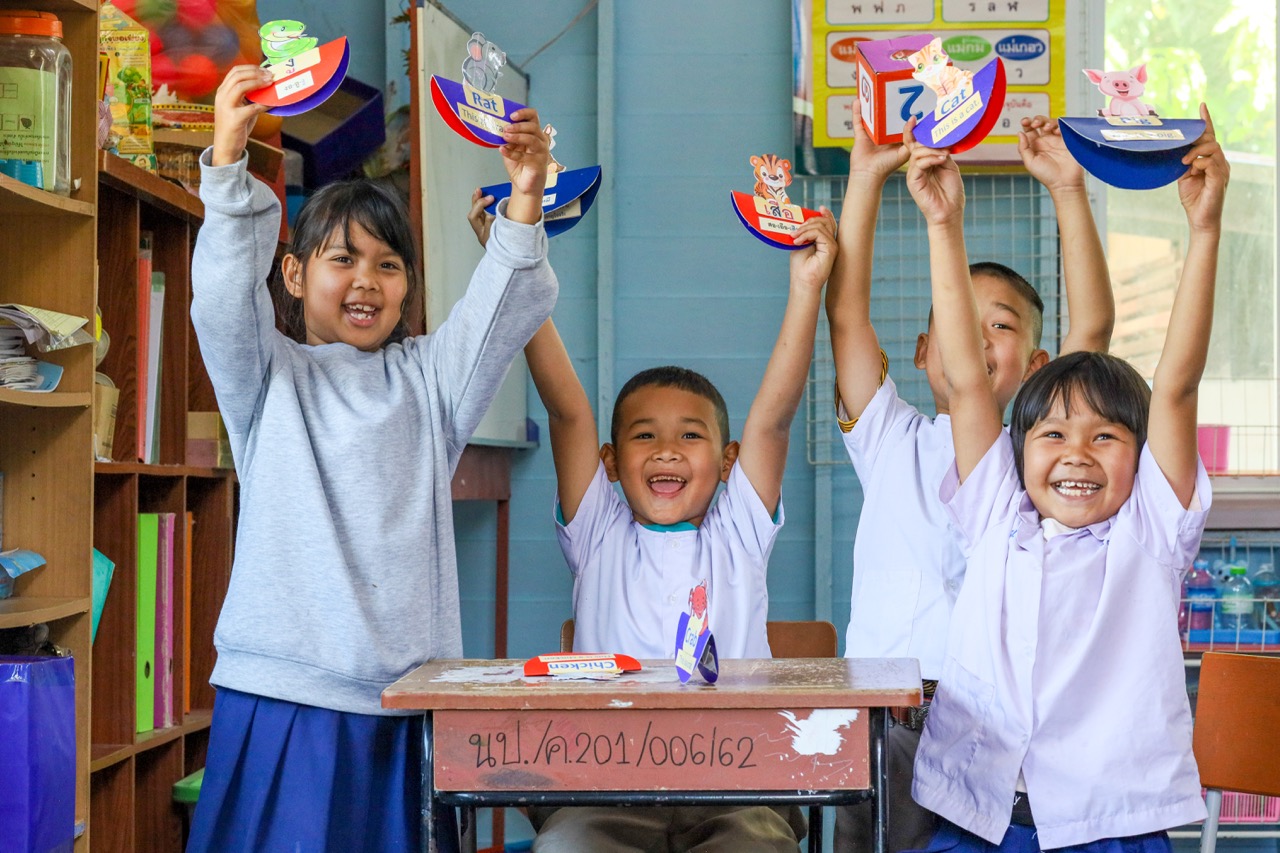
Mrs. Tueanjai emphasized that learning materials play a vital role in developing children’s language and reading skills.
“Teaching materials are extremely important because children can see and touch them and revisit them many times. This generates greater interest and enthusiasm for learning than teaching through words alone.
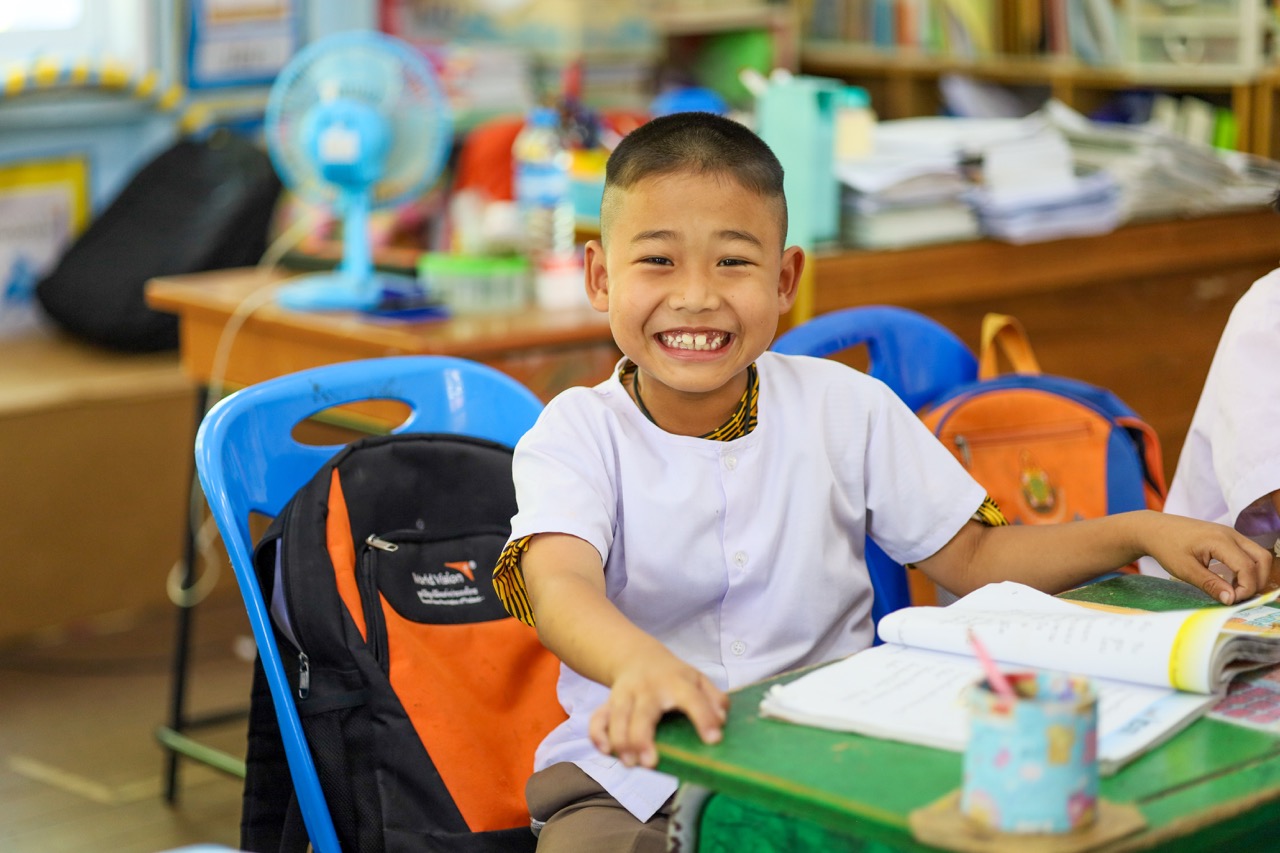
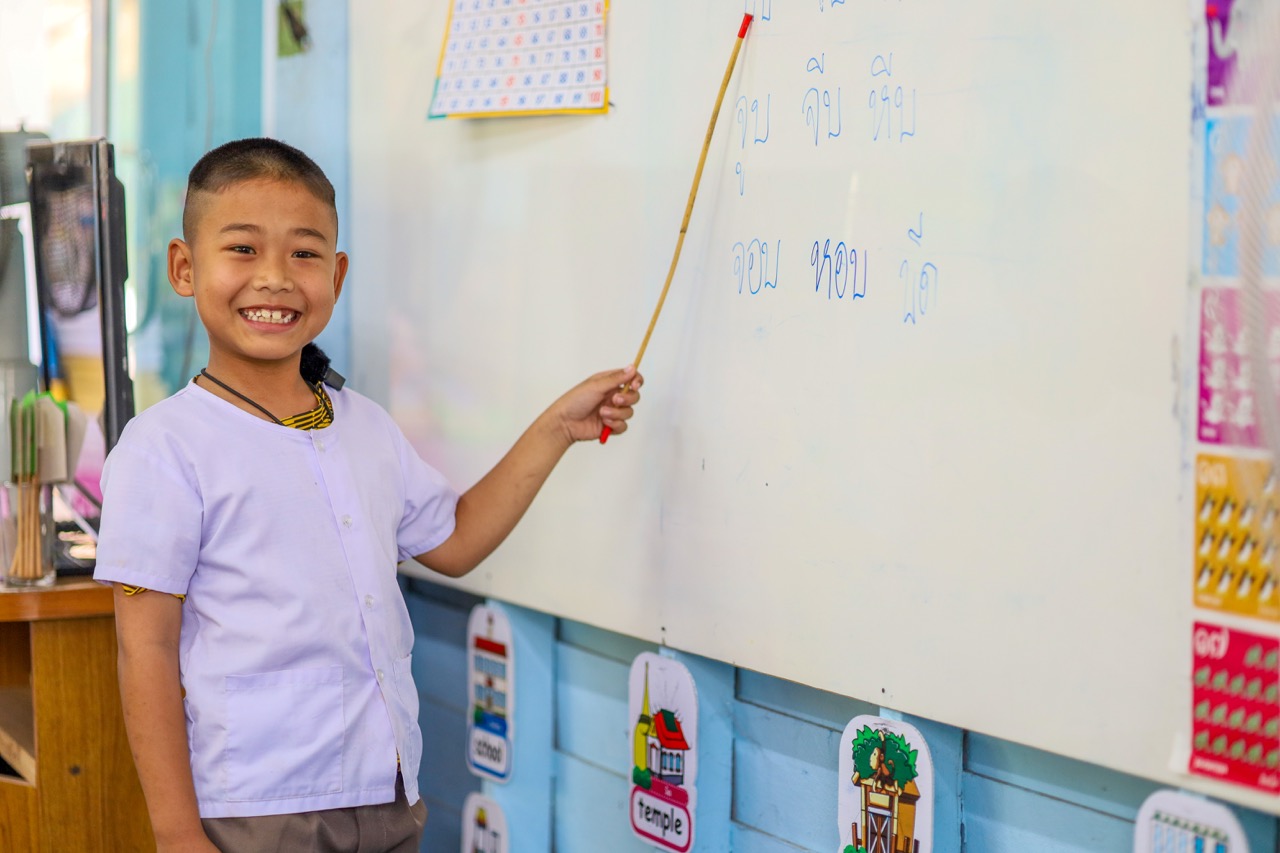
The results are evident in the students’ progress: They can read and write better, feel more confident in learning, and continue to develop their potential.
Seeing children progress from being unable to read or write to doing both independently—and making clear developmental gains encourages us as teachers and shows us the value of the materials and activities supported by World Vision Foundation of Thailand.”
Systemwide Support to Leave No Child Behind
Addressing educational challenges in remote communities requires a systemwide perspective that considers not only academic achievement but also resource constraints and differences in how each child learns.
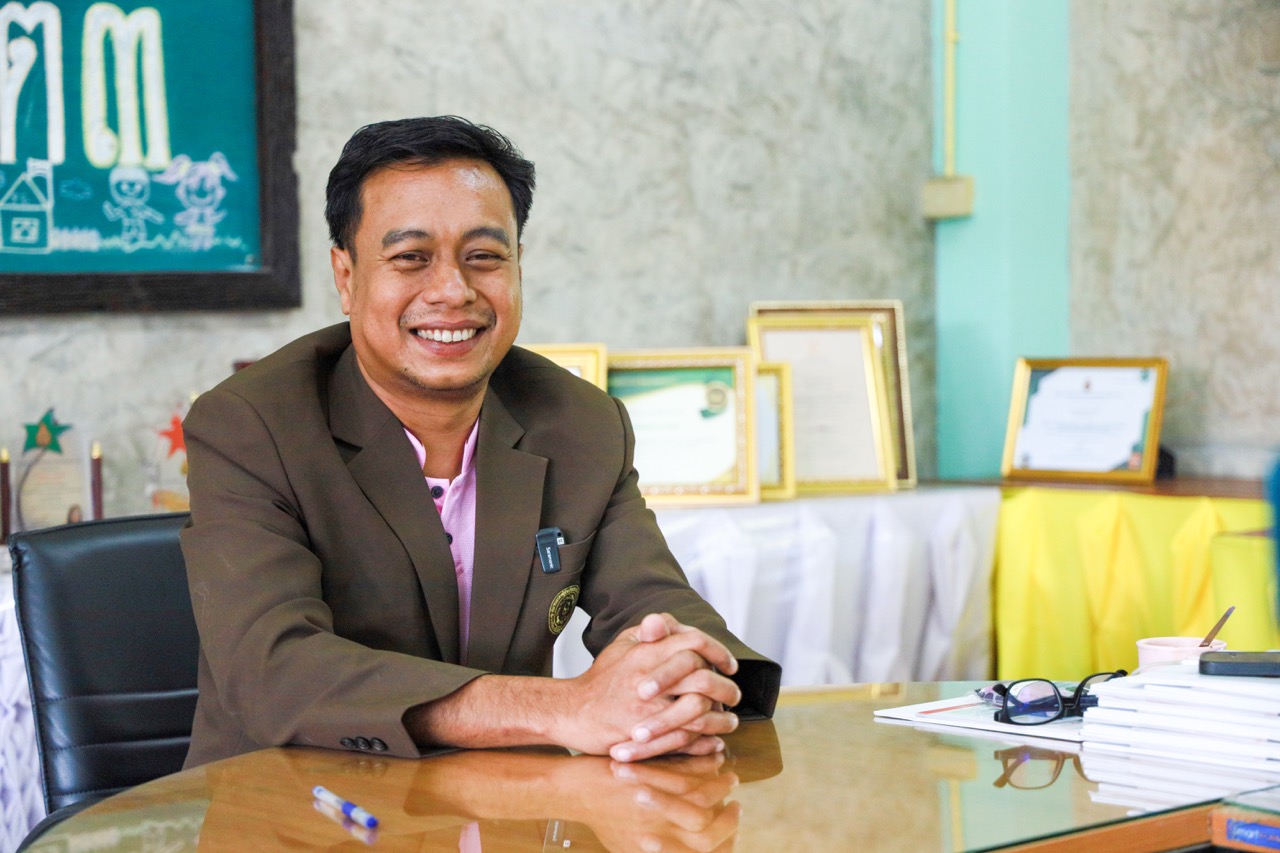
Mr. Thiti Suankaew, principal of a school in the Chat Trakan Area Development Program in Phitsanulok Province, said one of World Vision Foundation of Thailand’s strengths is its data-driven approach, grounded in the actual needs of schools.
“Whenever World Vision Foundation of Thailand partners with a school, it begins by assessing the school’s needs and challenges to identify support that directly addresses the needs of children and the community.
When we identified students with learning disabilities, the school and World Vision Foundation of Thailand worked together to develop specialized materials and strengthen teachers’ skills so that every child could learn to the best of their ability.
By supporting teacher training and providing supplies for teachers to create their own learning materials, the initiative has enabled teachers to design resources suited to different groups of children. The latest assessment found that students achieved satisfactory literacy outcomes, placing them among the district’s top-performing students. Children are more confident when reading aloud, and those with learning disabilities are happier and more engaged in learning.”
Building Life Skills Through Food Security
In addition to improving the quality of education, World Vision Foundation of Thailand promotes life skills through food security activities that connect classroom learning with hands-on experience.
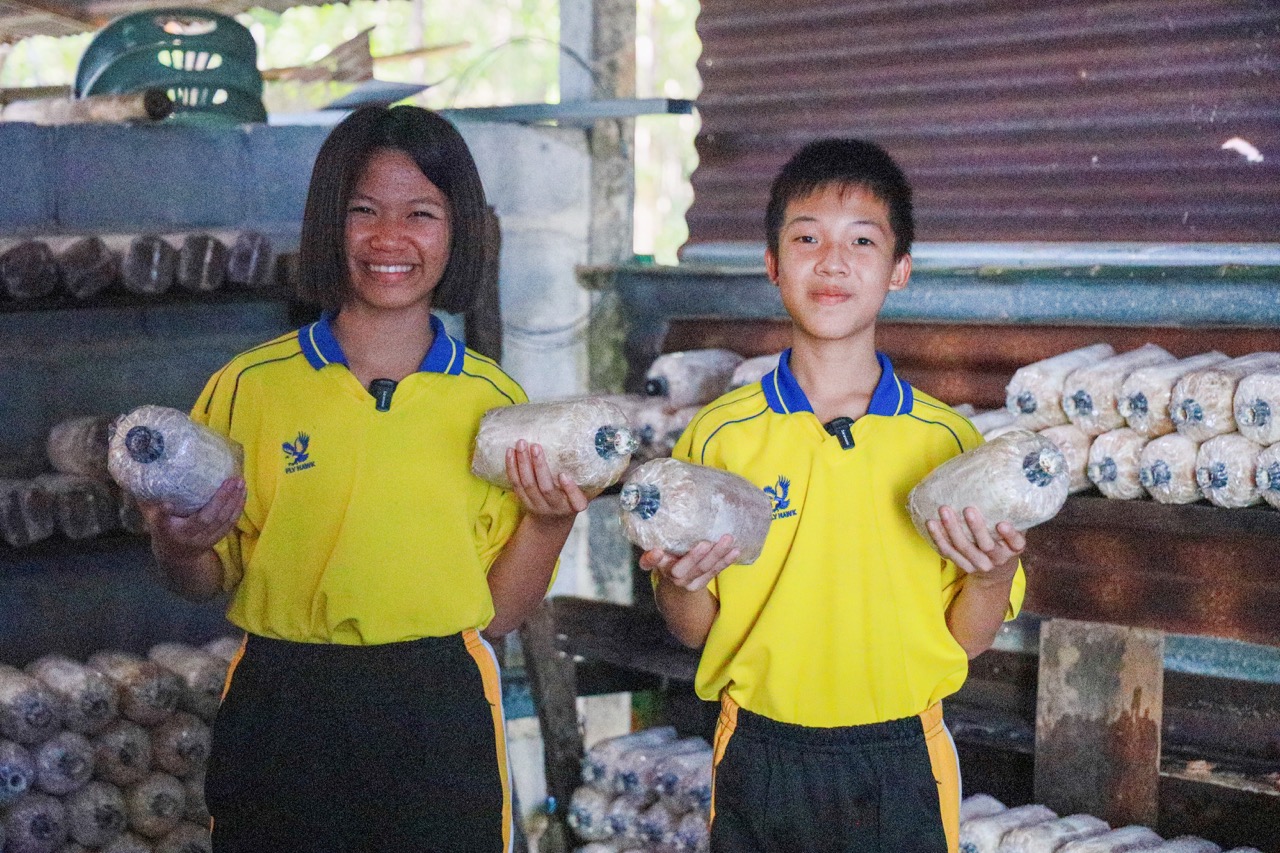
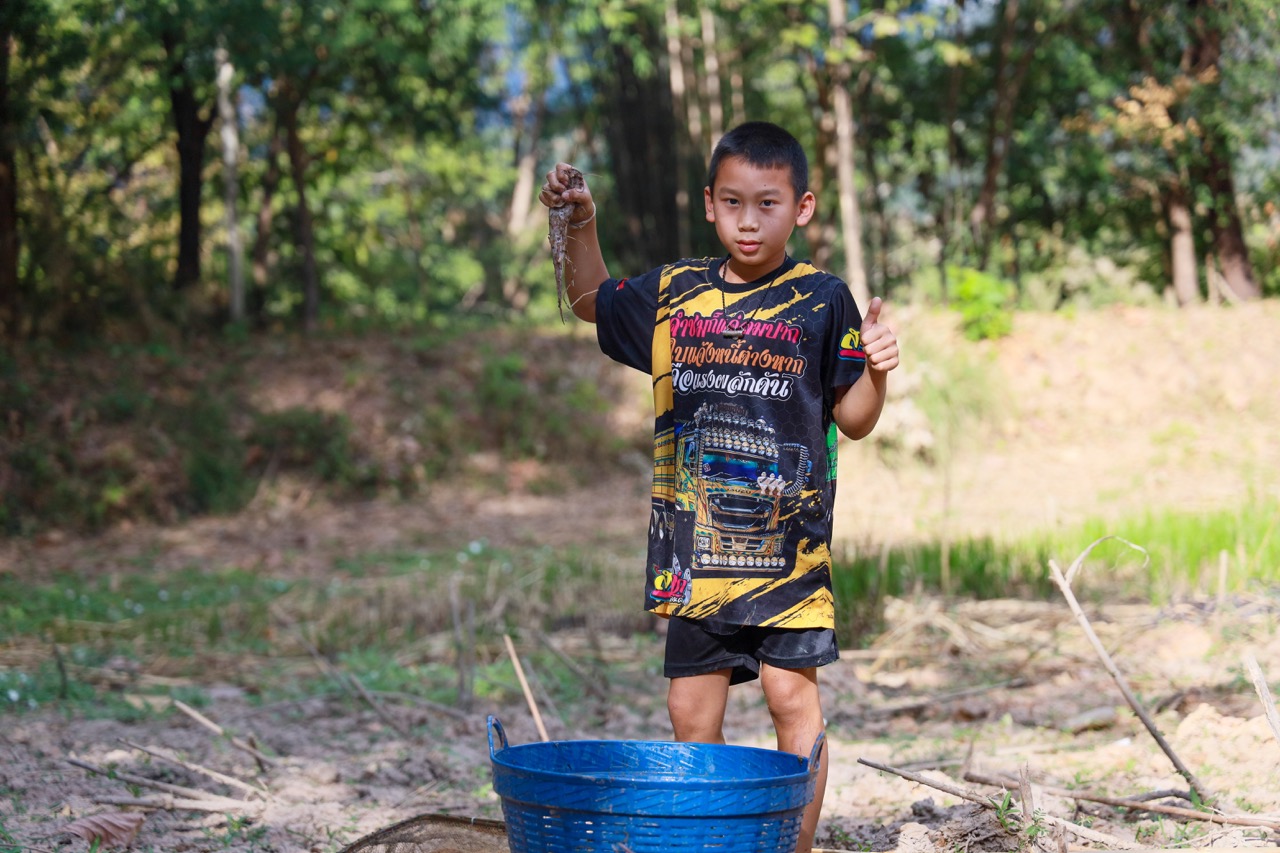
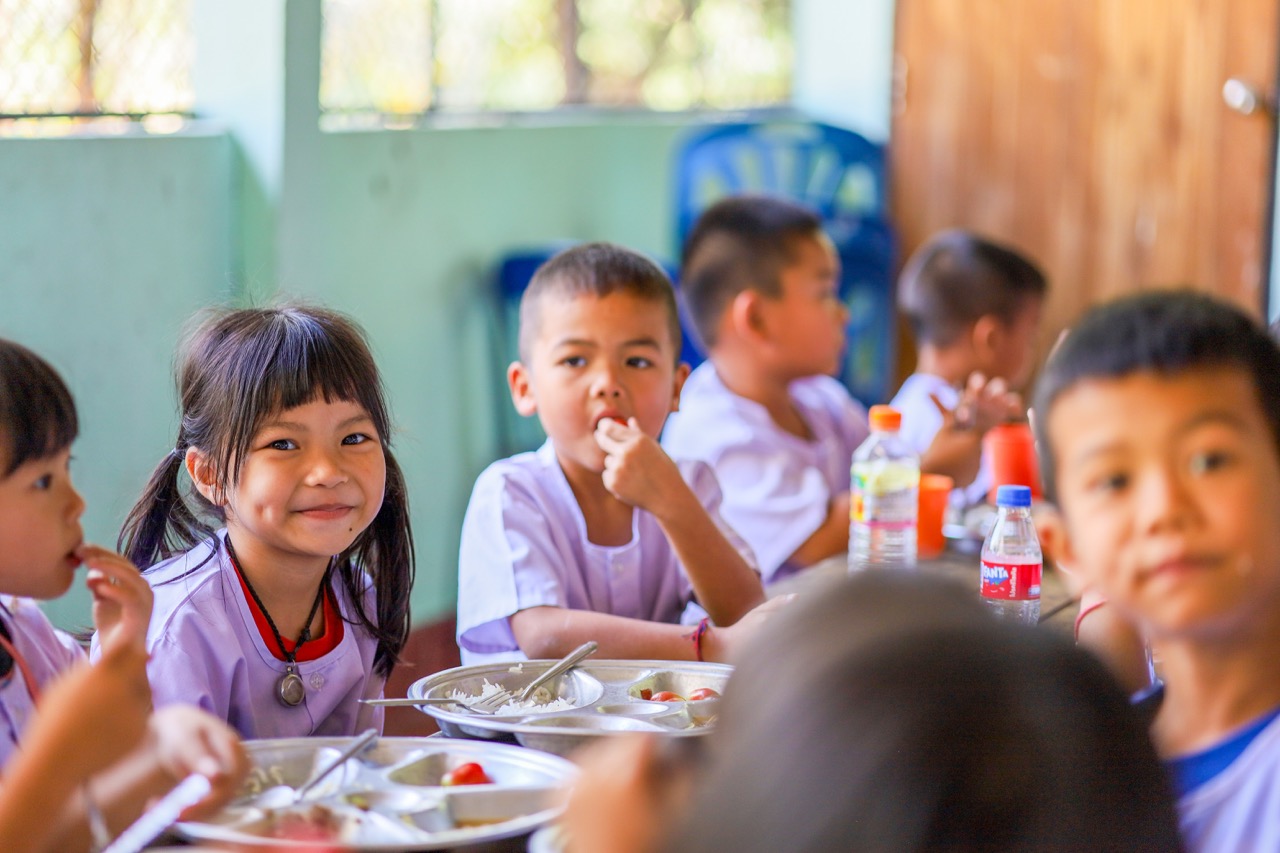
Support for mushroom cultivation, fish farming, and vegetable gardening for the school lunch program gives students opportunities to learn about food production, resource management, and teamwork.
These activities not only provide children with nutritious food but also build essential life skills, including responsibility, planning, problem-solving, and self-reliance all of which provide a strong foundation for their future.
A Safe Environment for Learning and Growth
Children’s holistic development requires spaces that support learning and age-appropriate growth.
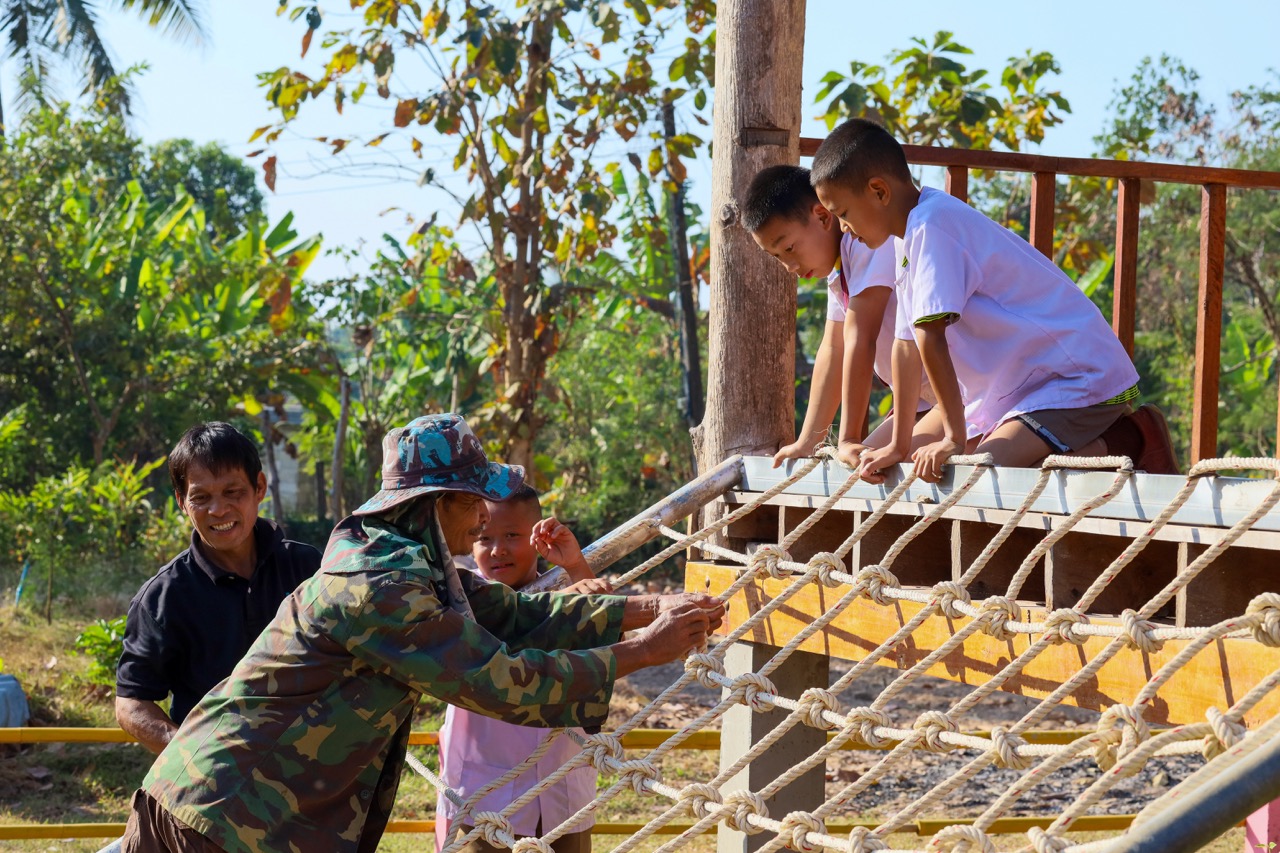
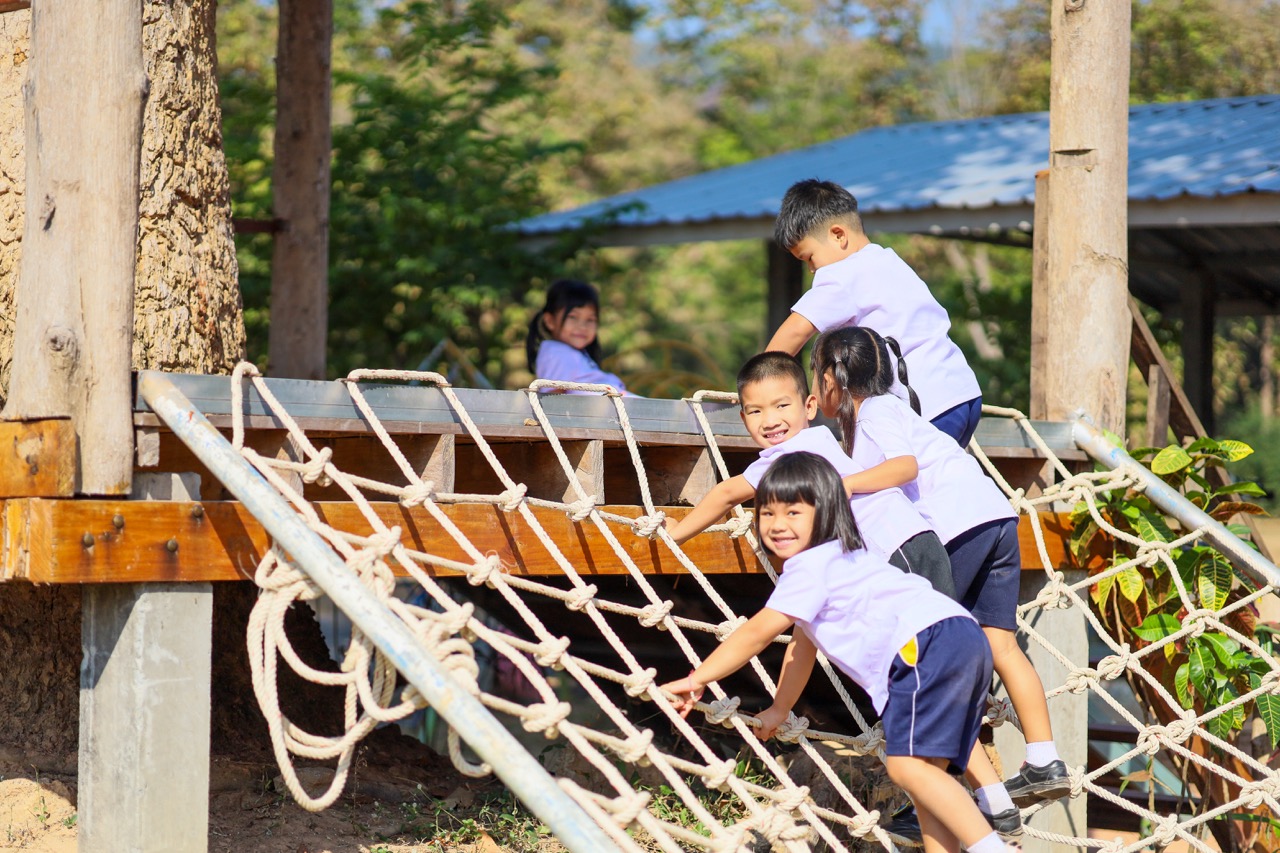
Created through collaboration among the school, community, and World Vision Foundation of Thailand, the nature-based playground is more than a place for recreation and play. It supports children’s physical, emotional, social, and cognitive development.
“After school, parents often bring young children here to play and relax. The children learn how to interact with others, develop their motor skills, and enjoy unstructured play. It is a space that brings joy to both children and the community,” said Mr. Thiti Suankaew.
The space also encourages the involvement of parents and community members, making the care and development of children a shared responsibility among all sectors of the community.
Every Contribution Helps Build a Brighter Future
เStories from the Chat Trakan Area Development Program in Phitsanulok Province demonstrate that sustainable child and youth development requires the simultaneous advancement of education, life skills, well-being, and safe environments.
Children who once could not read are now more capable learners. Teachers who once lacked instructional materials can now create their own innovative learning tools. The school lunch program has become a space for developing life skills, while an unused area has been transformed into a playground that supports child development and strengthens the community.
“I would like to thank all the generous supporters who have contributed funds and supplies to World Vision Foundation of Thailand. Without you, the Foundation would not be able to provide so many valuable opportunities for children,” said Mrs. Tueanjai Phothong.
“World Vision Foundation of Thailand is a vital partner to the school and community. Every collaborative effort delivers tangible benefits for children and the wider community,” said Mr. Thiti Suankaew.
Over 18 years, the Chat Trakan Area Development Program in Phitsanulok Province has worked alongside schools, teachers, parents, and communities, bringing tangible improvements to the quality of life of children, families, and communities. More than 3,891 sponsored children 97% of the total—were prepared for school, completed compulsory education, and had opportunities to continue their studies at higher levels. Meanwhile, 95% of primary school children were able to read and write at an age-appropriate level through teacher capacity-building, improved instructional materials, and learning approaches tailored to the local context. In addition, 80% of children and young people received vocational skills development and gained essential life skills to prepare them for future employment.
On National Thai Language Day, the most important lesson from this community extends beyond language itself. It demonstrates that ‘literacy’ is the starting point for opportunity, learning, and a brighter future for every child, no matter how remote the community where they grow up may be.