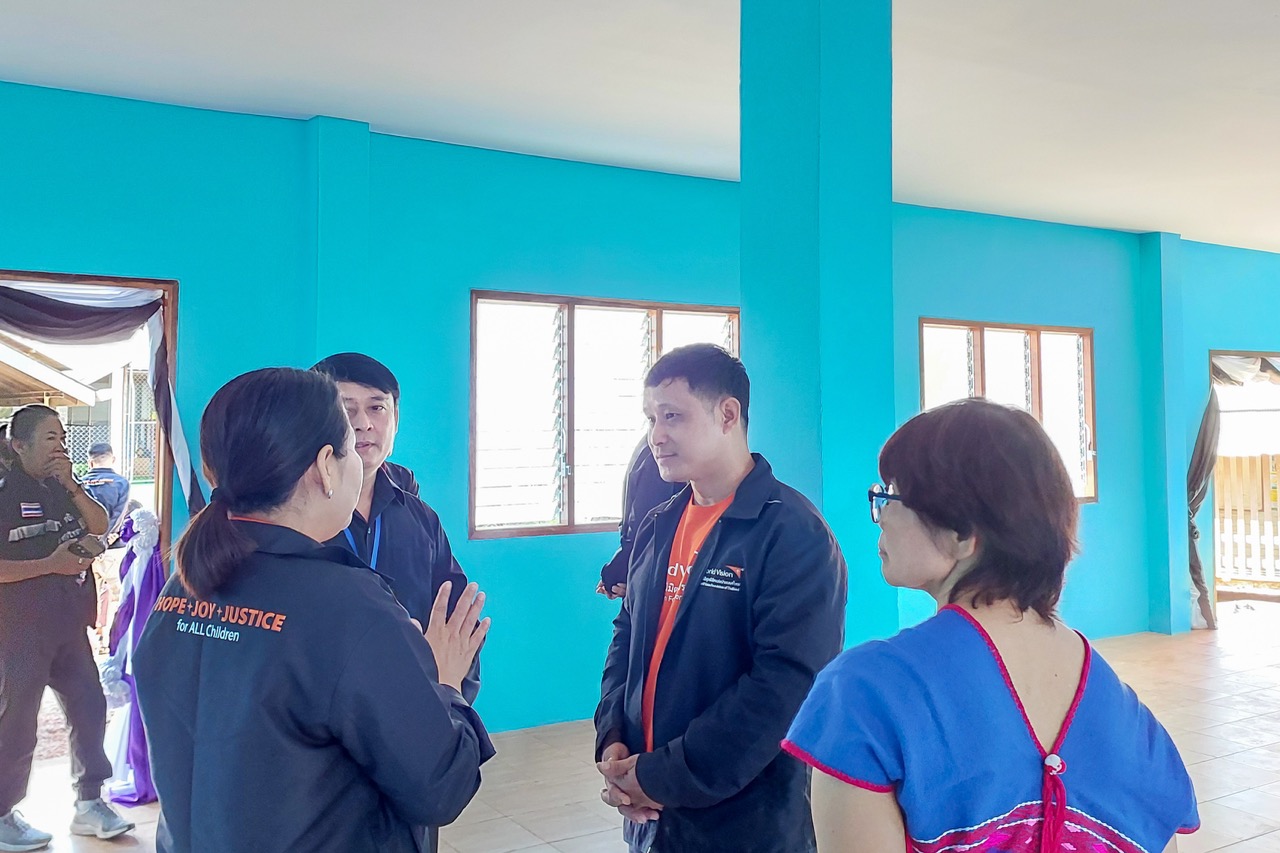
Amidst the mountains of Mae Ramat District, Tak Province, stands a small community health centre responsible for more than 1,200 people across six villages. Although staffed by only two personnel, they must carry out all aspects of public health work—from medical treatment and health promotion to caring for elders.
The establishment of this health centre has reduced the distance and travel time required to reach the district hospital. It provides essential services such as general medical consultations, blood pressure checks, health advice, and antenatal care, along with an effective referral system. It also benefits from the participation of Village Health Volunteers (VHVs)and community members in health‑promotion activities.
Prasong Sriphithakdamrong, Programme Manager for Tak Province, said:
“The original wooden building used as the community health centre was built in 1996 and has been in use for more than 26 years. It has begun to deteriorate and no longer has sufficient space to serve the growing number of patients. To ensure that the community can access safe and quality healthcare, we initiated the construction of a new community health centre, supported by funding from Mr Ekthai Chansue, a long-standing supporter who has generously contributed to World Vision Foundation of Thailand’s work for the development of children, families, and communities.”
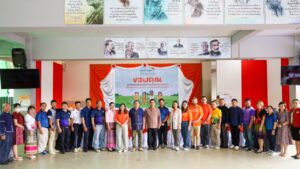
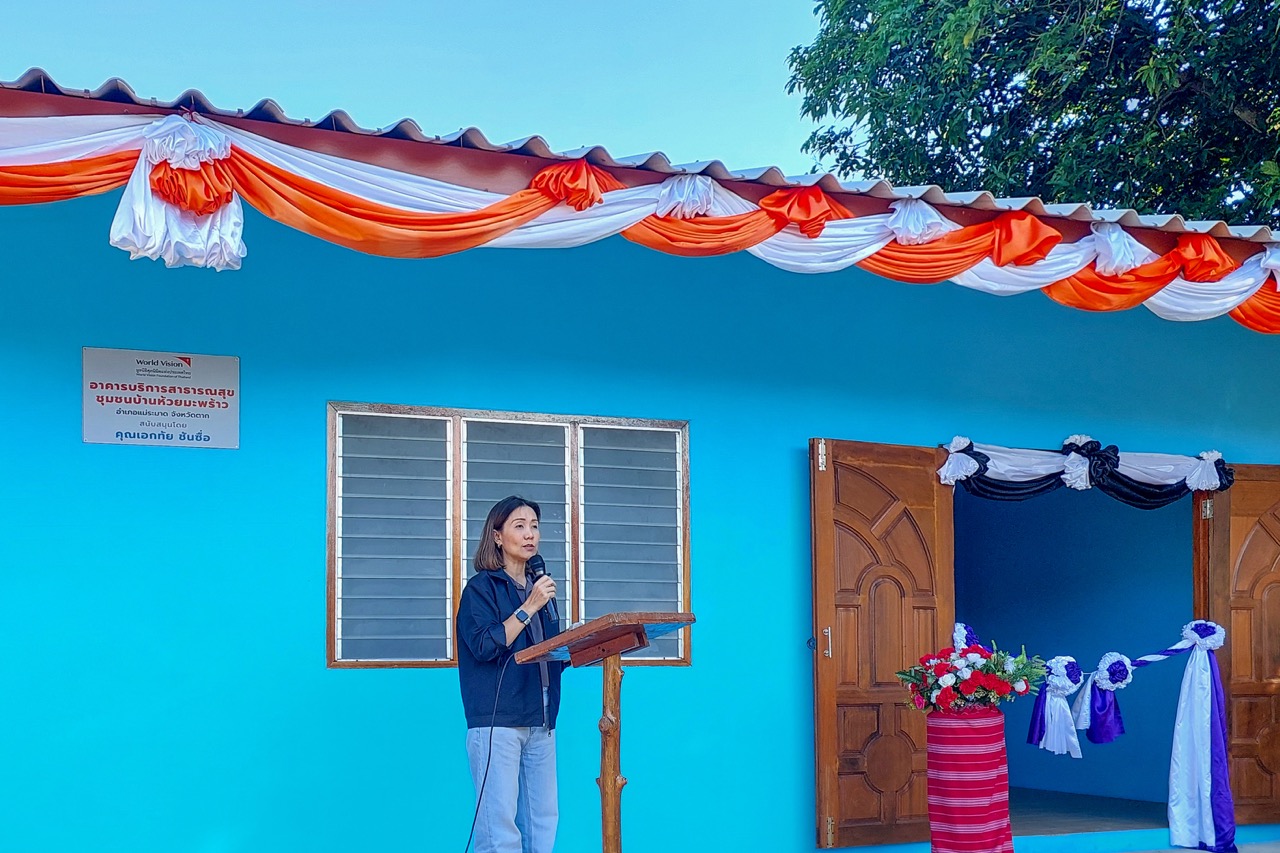
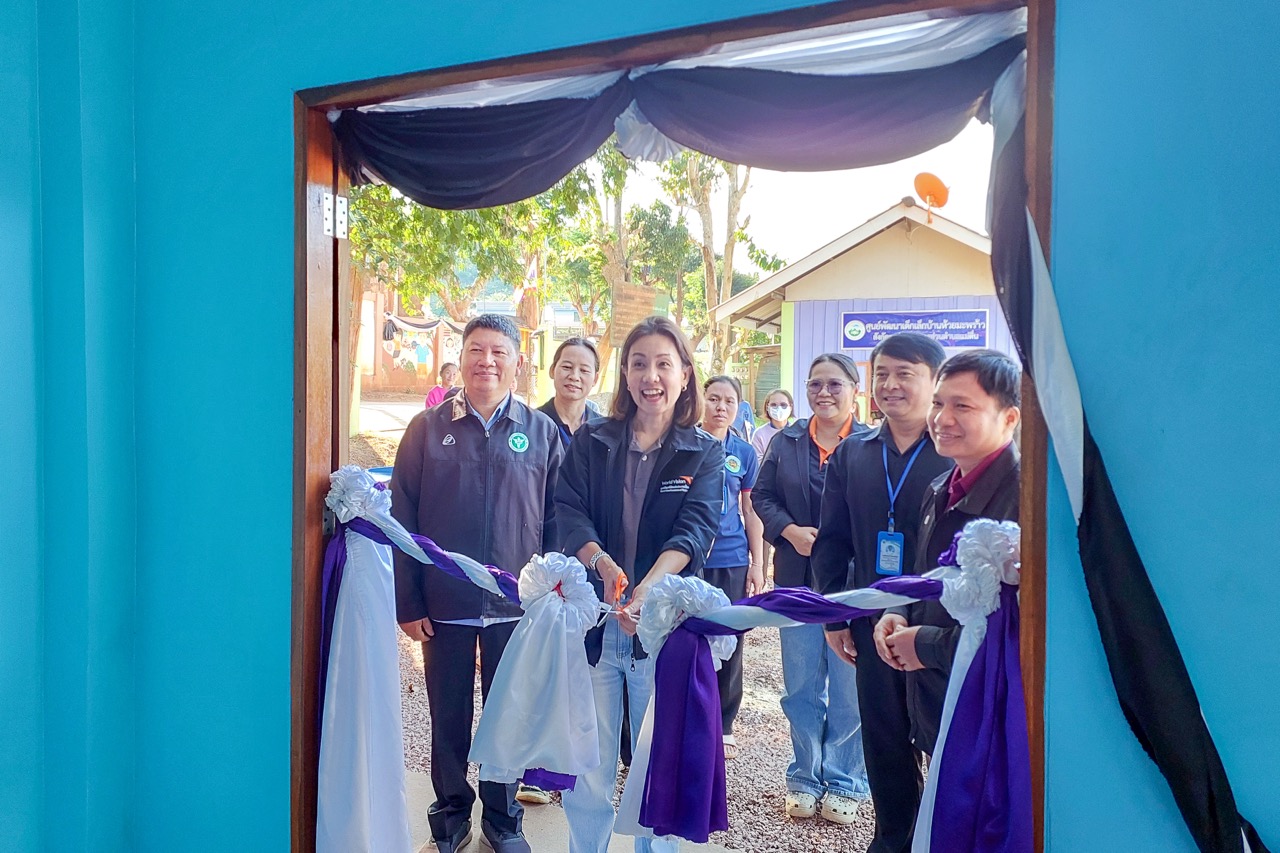
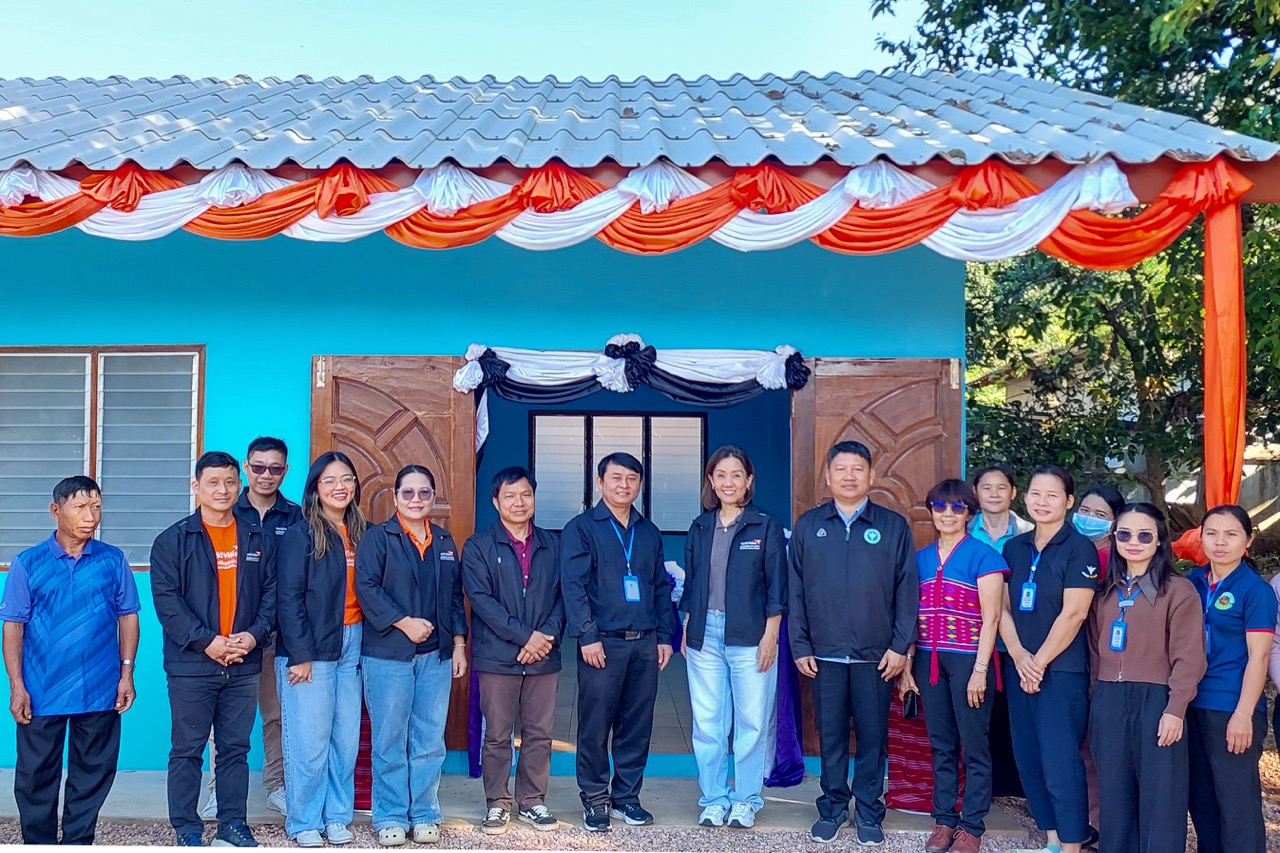
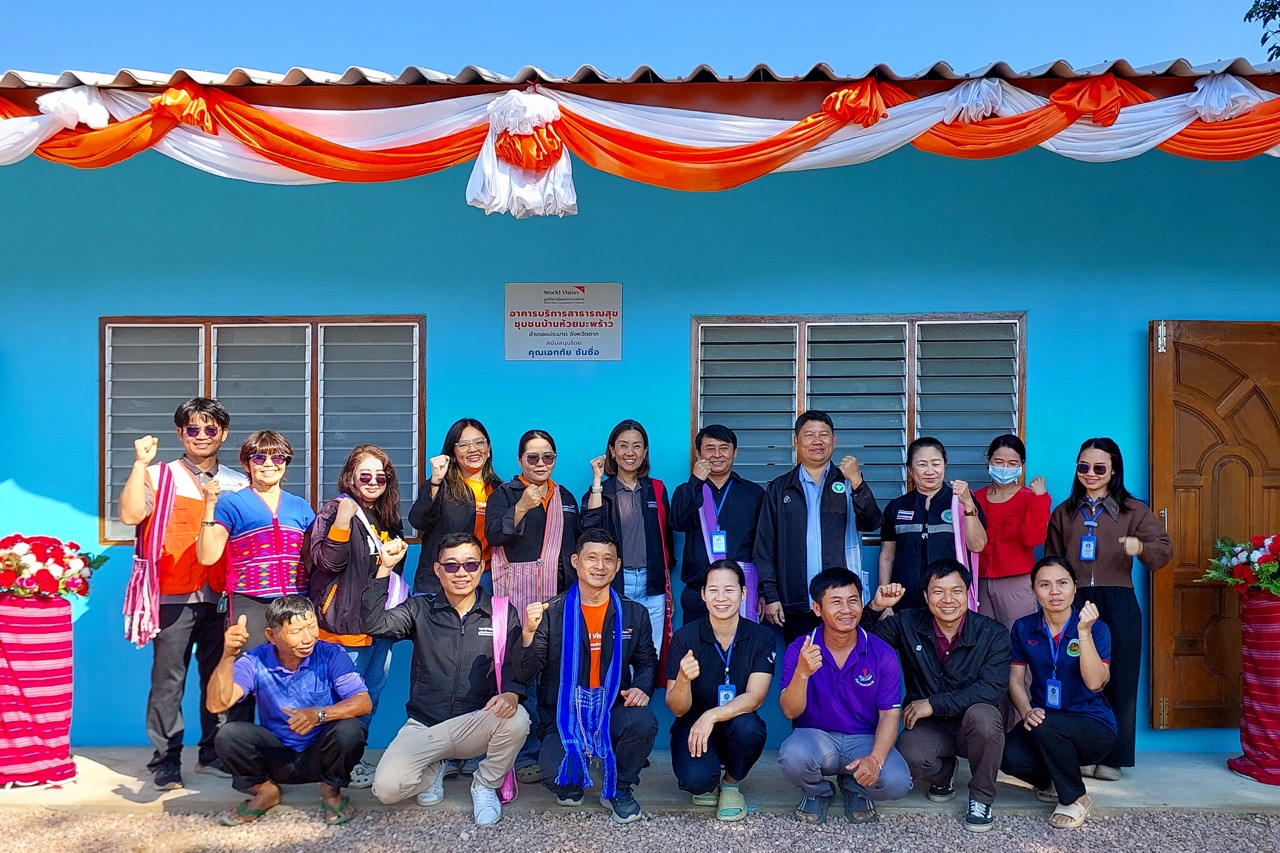
On 17 December 2025, World Vision Foundation of Thailand, through Mae Ramat Project, Tak Province, together with Mae Ramat District Public Health Office, Ban Khamwan Health-promoting Hospital, Mae Tuen Sub-district Administrative Organisation, and community leaders, officially handed over the Huai Maphrao Community Health Centre. The new facility will help reduce barriers to healthcare access, decrease the risk of severe illness caused by delayed treatment, improve health knowledge and behaviours, and strengthen public confidence in safety.
World Vision Foundation of Thailand works alongside communities, sponsors, donors, partners, and the government to address the root causes of poverty in a sustainable manner. We are committed to ensuring that the changes achieved are not temporary, but continue to grow and create a lasting impact.
One of our key initiatives is the construction of community health centres, because we recognise that good health is the foundation of a good quality of life. It is essential for children’s learning and development and underpins the ability of adults to work, earn income, and care for their families—especially in remote and challenging areas.
Investing in health is, therefore, not merely about constructing buildings. It is about creating opportunities, building confidence, and shaping a better future for everyone in the community.
Prasong concluded:
“Behind this success is the collaboration of everyone—our supporters, government agencies, community leaders, and community members who worked together to drive this project forward. I truly hope that this new building will serve the community with safe and quality healthcare, because health is a fundamental right for all, even in the most remote areas.”