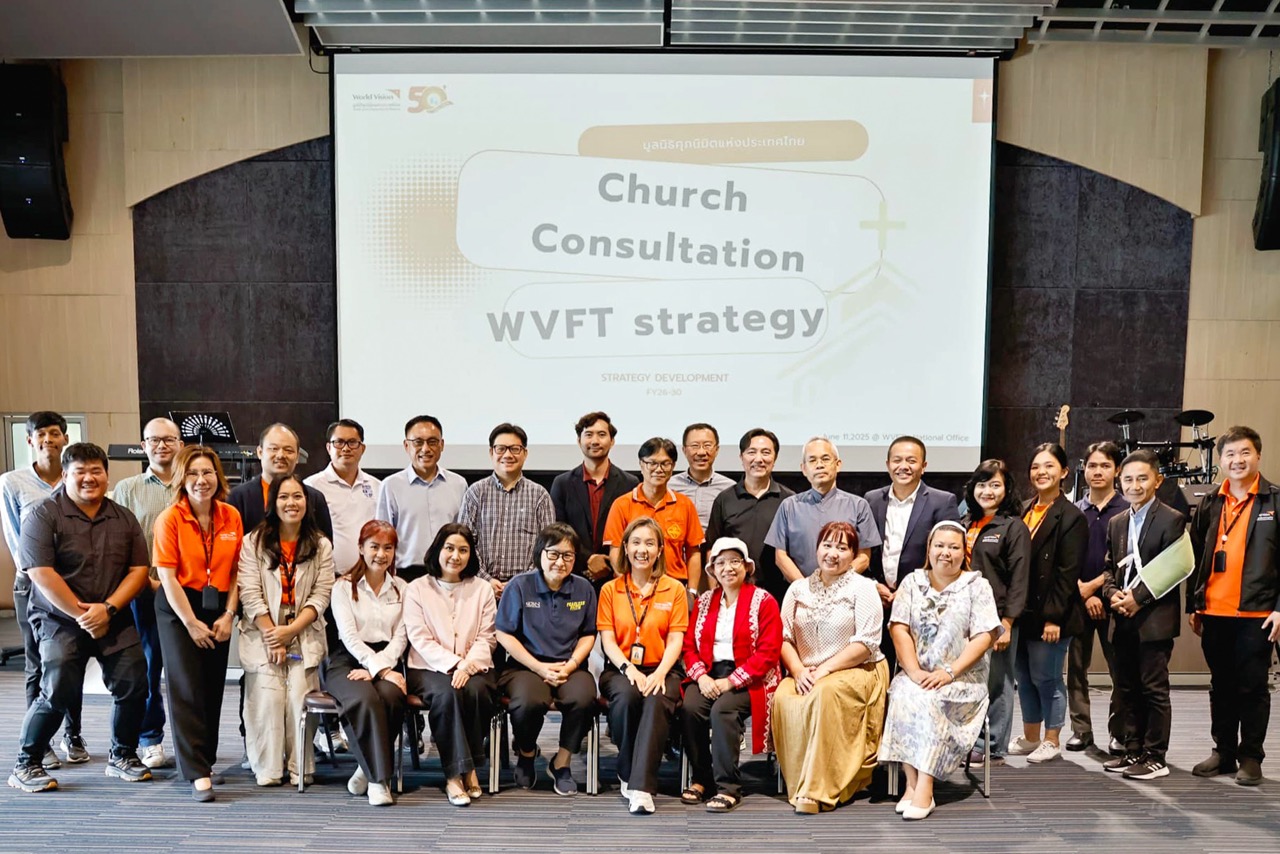
In the field of area-based development, the real challenge is not only about “resources,” but also about “trust” and “consistent action.” One working model that reflects the power of sustainable development is the collaboration between World Vision Foundation of Thailand and local churches. These churches do not function merely as religious spaces, but as vital mechanisms for community care.
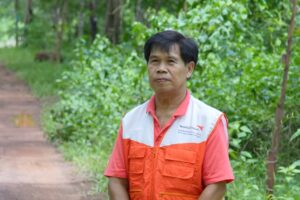
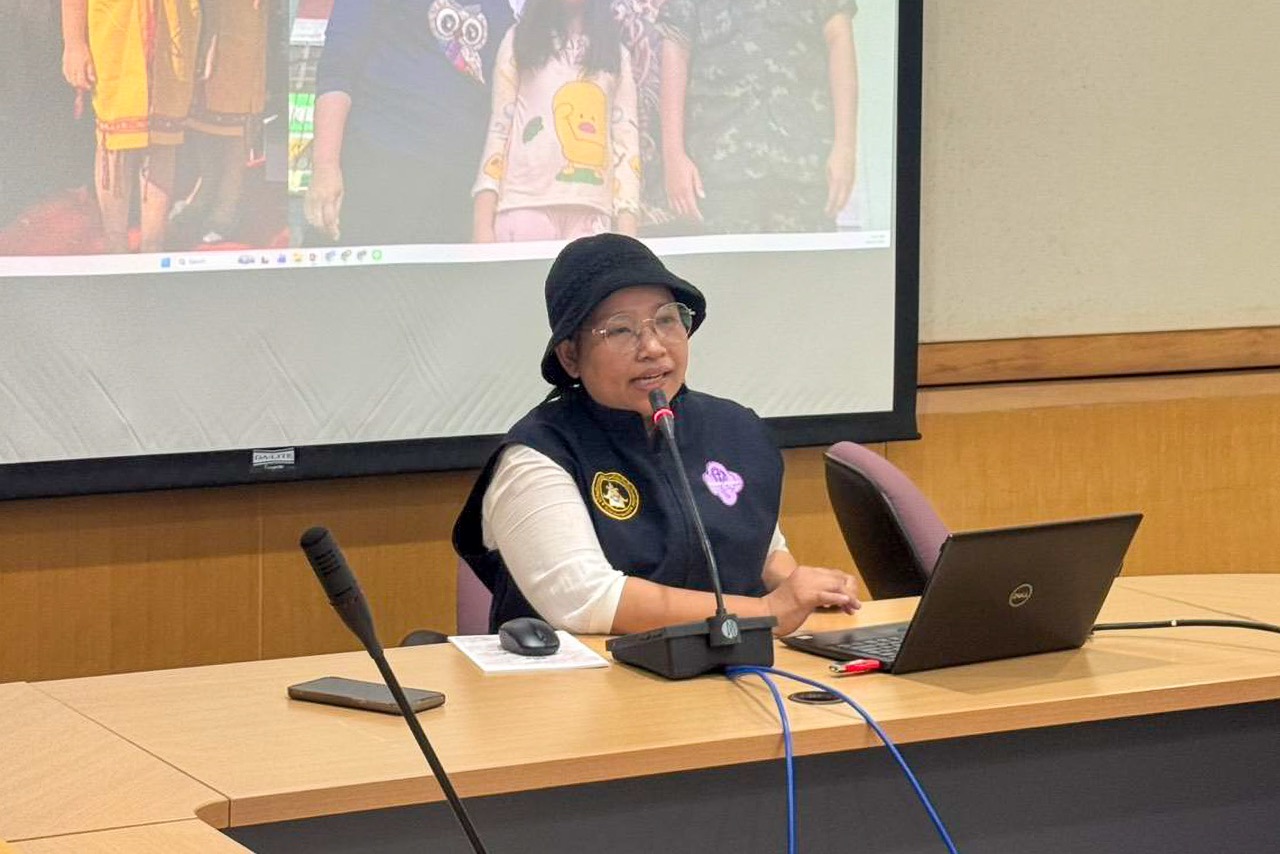
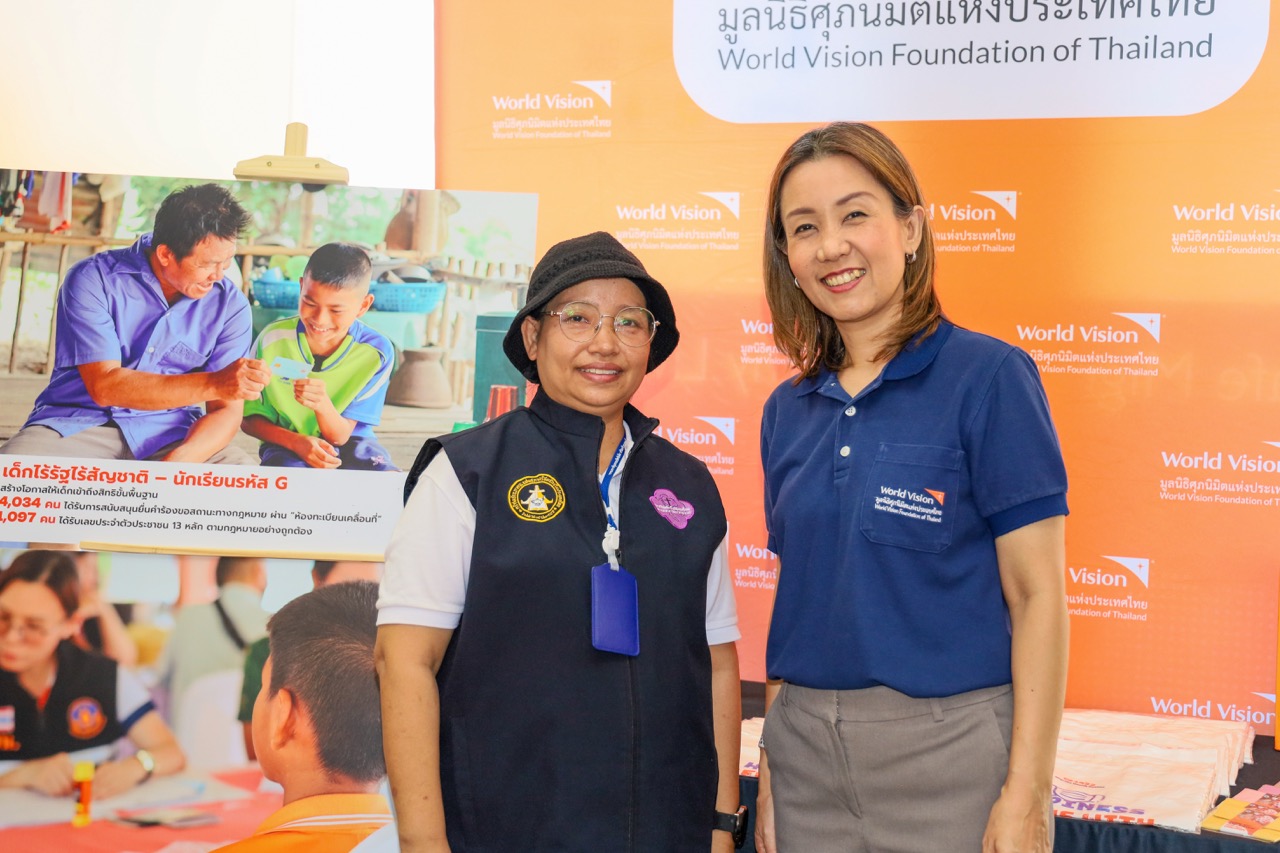
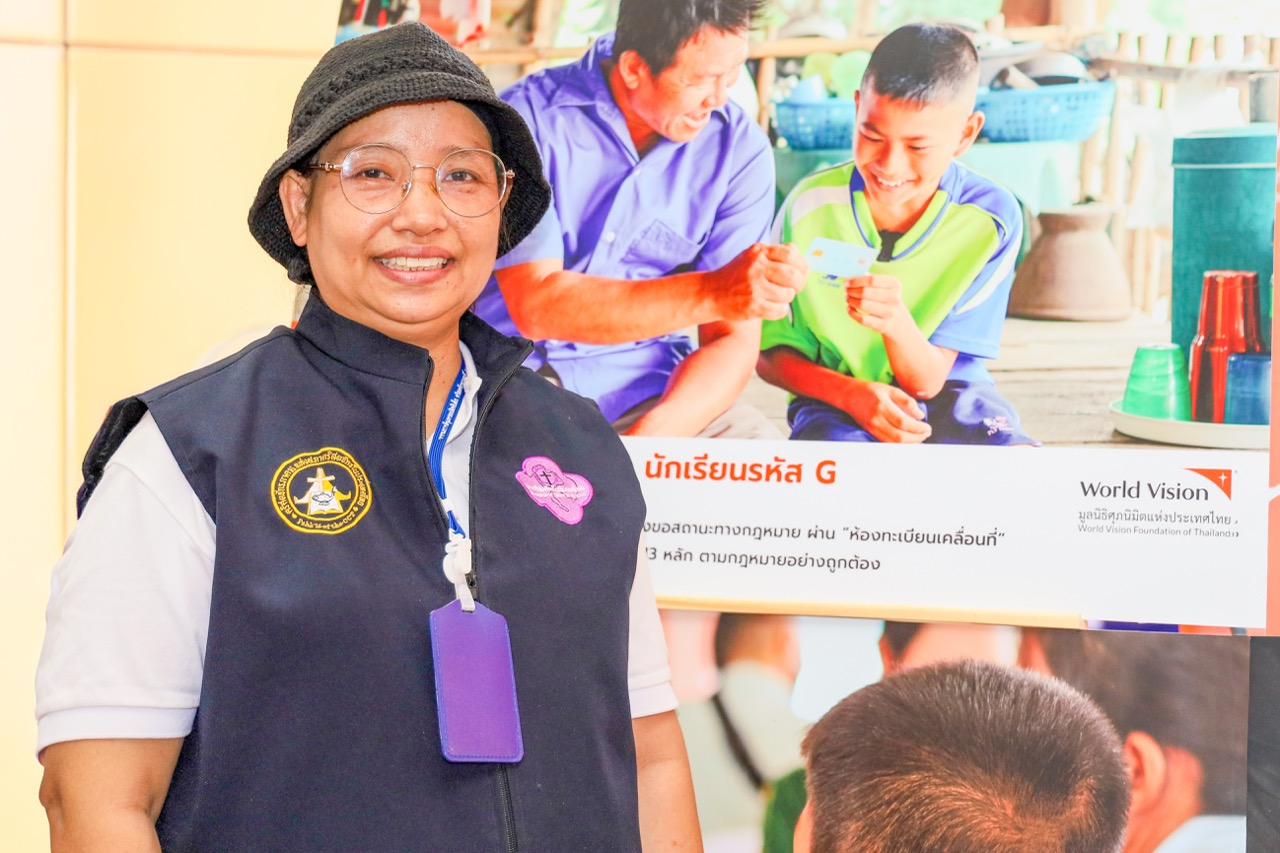
The experience of Ms.Wanna Yongthuwaphon, Chairperson of the Child Protection Committee of Church District 16, reflects that the Faith & Development mission of World Vision Foundation of Thailand is not just a project, but a “way of thinking” that transforms the role of the church—from a teacher into a fellow traveler alongside the community.
The Church as a Mechanism for Development, Not Merely a Place of Worship
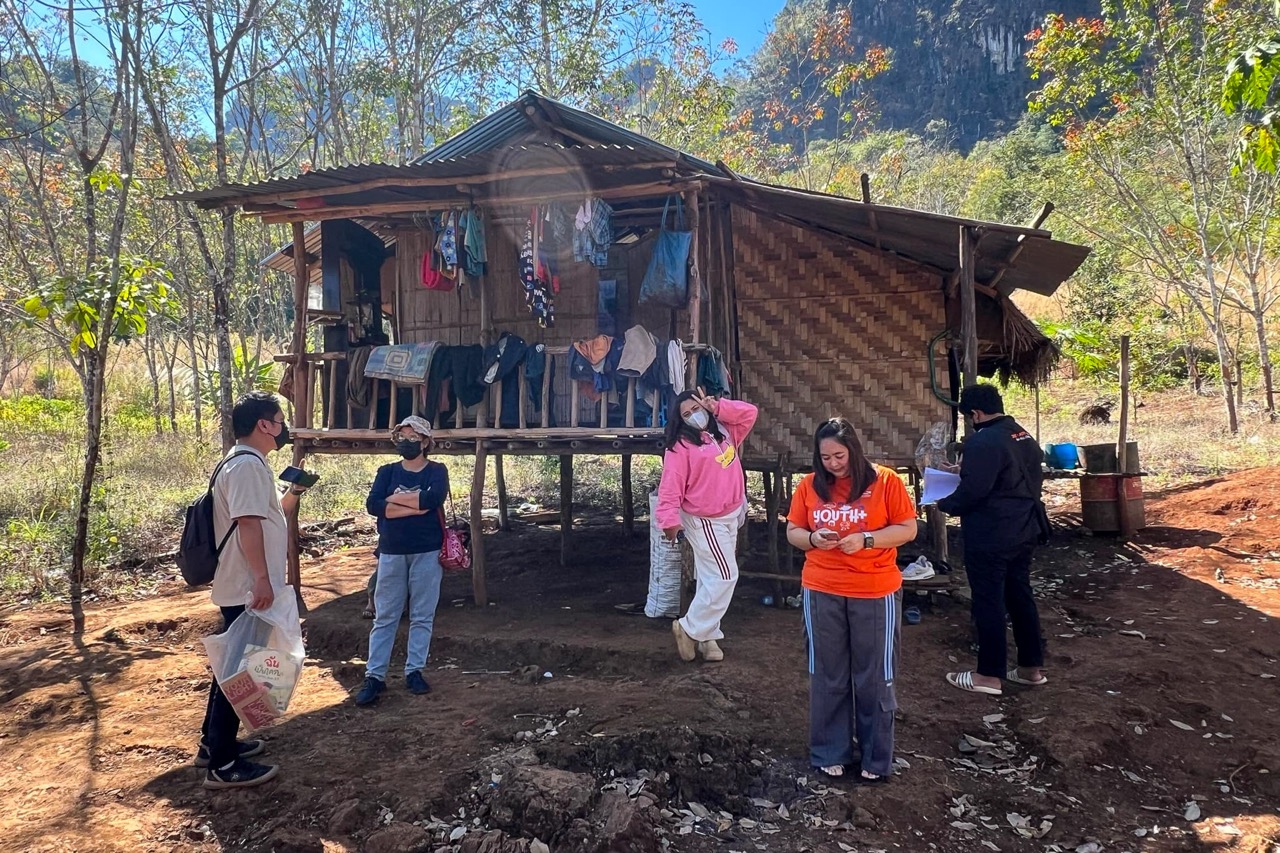
In Thong Pha Phum District, Kanchanaburi Province, the church is not merely a place for religious rituals; it is a refuge, a safe space, and a community hub. As a teacher and as the Chairperson of the Child Protection Committee, I have seen many children and families who need more than “teachings”; they need “hands that truly help.”
On its own, the church sometimes cannot do everything to its full potential. But when World Vision came in, we began to see a more systematic and tangible picture of development.
Faith & Development Program: Faith Translated into Action
The Faith & Development program of World Vision does not replace the church; rather, it walks alongside the church as a mission partner.
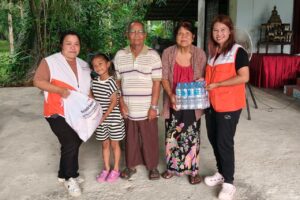
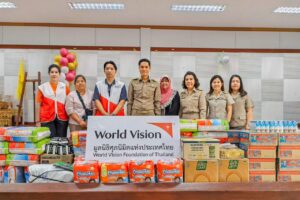
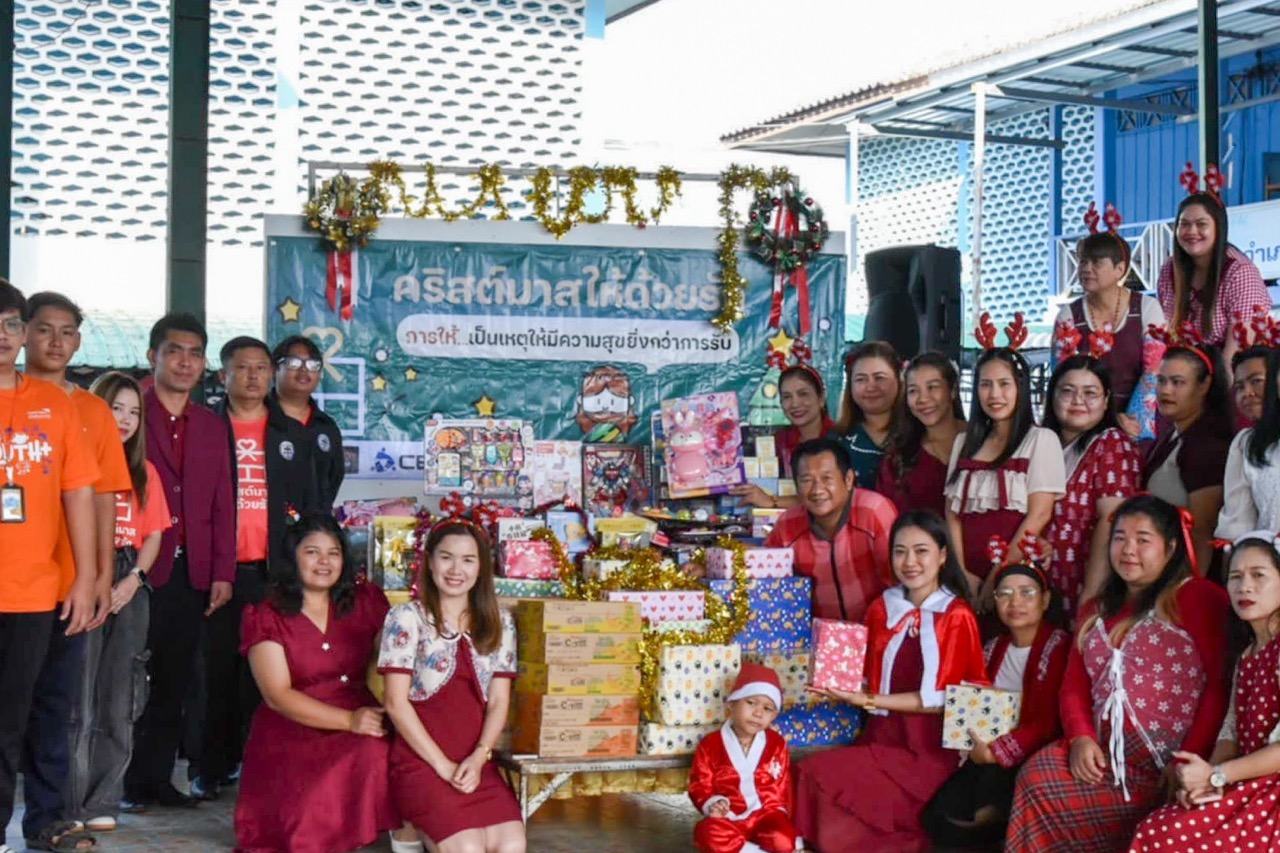
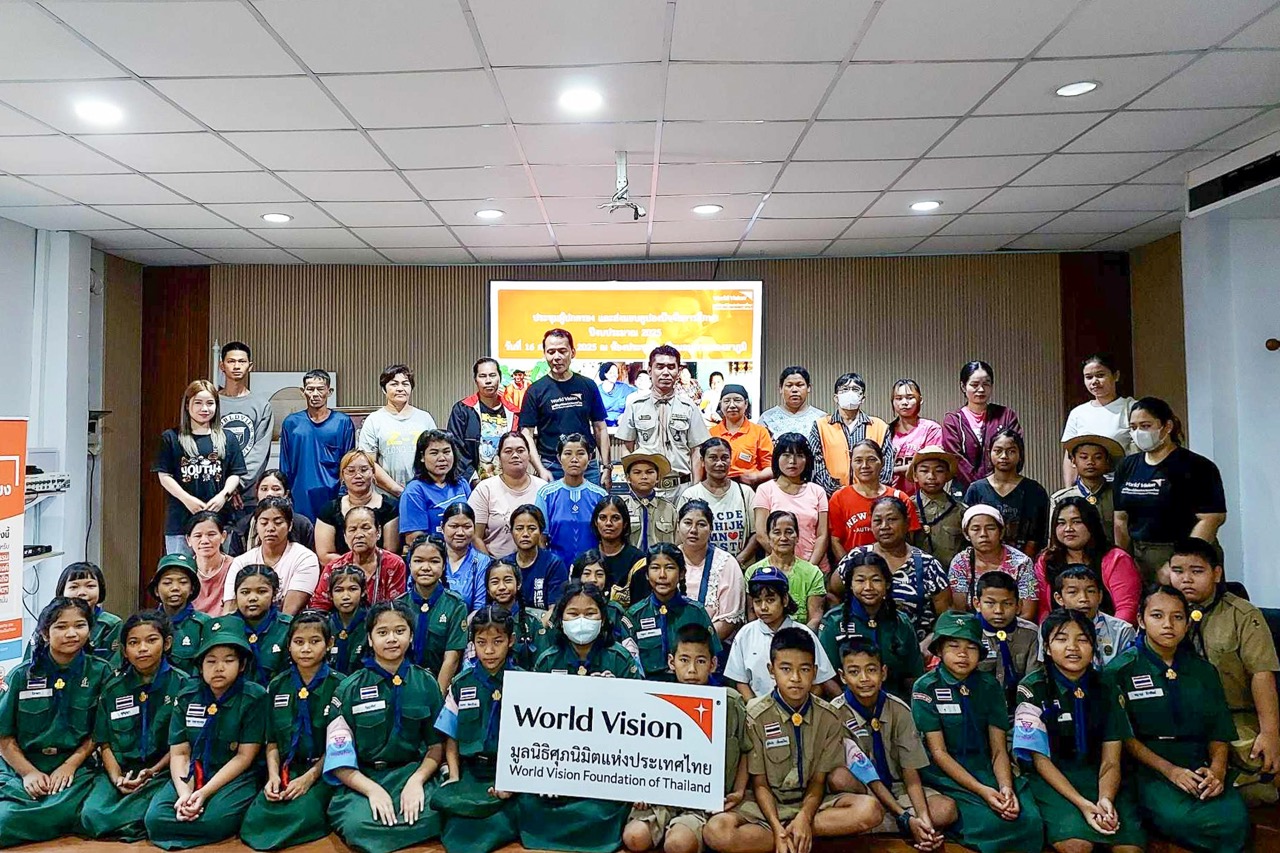
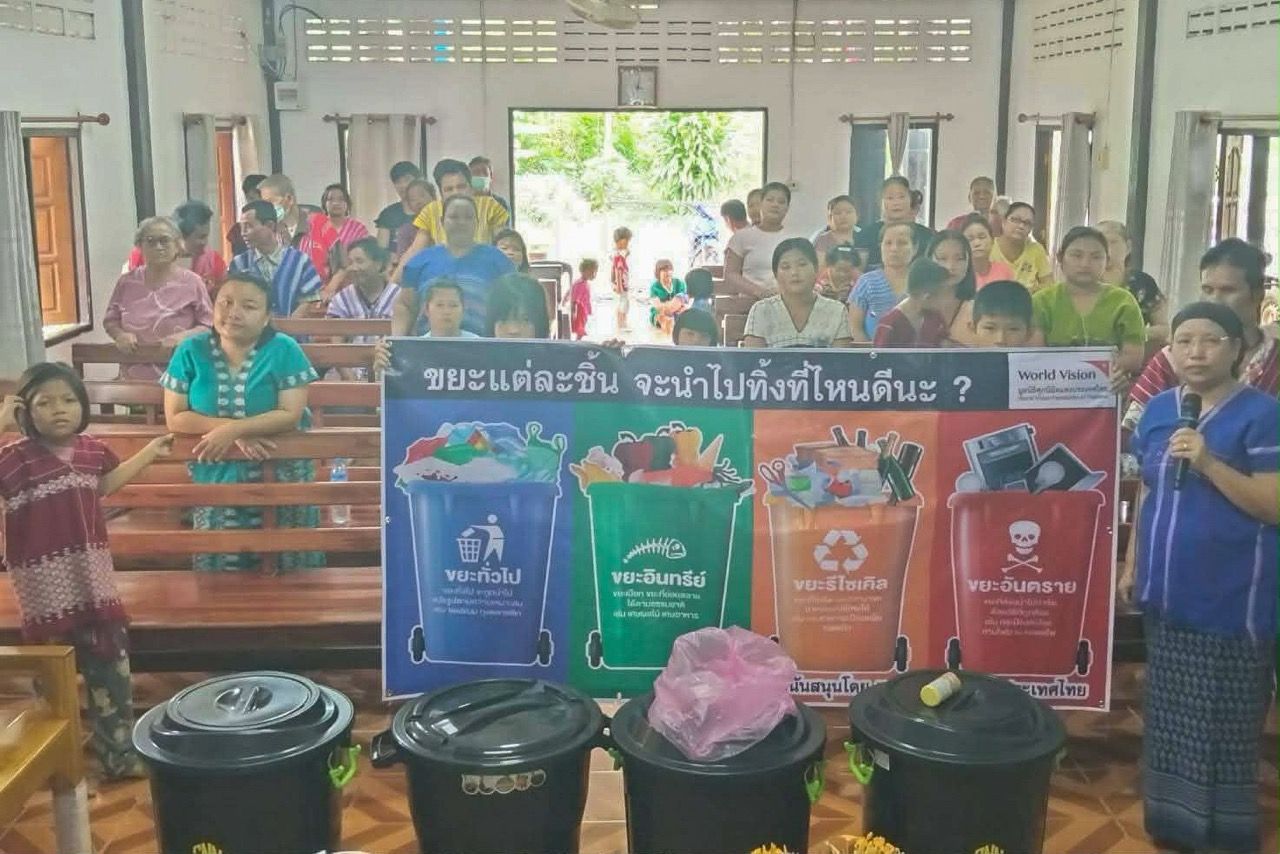
World Vision empowers churches to perform their roles more clearly and effectively. I have witnessed work that connects faith to real life—whether through training church leaders and parents on child protection, providing resources that churches lack such as activity equipment, waste management support, or hygiene supplies, or organizing community-level activities like “Christmas Shared with Love,” which is inclusive and not limited by religion, ethnicity, or status.
These are not merely activities; they are a “language of love” that the community understands immediately.
From Short-Term Aid to Sustainable Life Change
What impressed me most about working with World Vision is an approach that goes beyond short-term assistance. World Vision helped us shift from “giving” to “empowering.”
I have seen vulnerable children proudly return to the education system through targeted support. I have seen families once torn apart by conflict begin to rebuild understanding through happy family training and positive parenting. I have also seen parents who once felt hopeless rise up to have livelihoods, income, and the ability to care for their own families. This is development that preserves human dignity and never makes anyone feel inferior.
Trust Is the Most Important Social Capital
After working in the field long enough, I learned that communities cooperate with those they “trust.” In our area, the name World Vision represents credibility, safety, and sincerity. Many times, when I coordinate with the community, simply mentioning World Vision opens hearts immediately, because people know this organization never seeks personal gain, but comes genuinely to give.
The Church as a Tangible “Light”
I have always believed that God’s love does not need to force anyone to believe, but should be something that can be “felt.” Activities we do together with World Vision allow community members to participate without pressure.
There are many older persons, refugees, and marginalized people who have begun coming to the church—not because they were persuaded to believe, but because they feel safe.
Some say, “I want to be with Jesus here.” For me, this is proclamation through life, not merely words.
A Lesson for Churches and Development Partners
From all my experience, I want to say to churches and partner organizations that working with World Vision is nothing to worry about, if we do it with pure intentions.
Throughout our collaboration, World Vision has never “asked” anything from us, but instead has come to fill gaps—in manpower, knowledge, and resources—so that we can serve the community better.
For me, the “Faith & Development Program” is not a theoretical concept; it is a lived and proven experience. When churches, development organizations, and communities walk together with trust and a giving heart, change does not just happen—it takes root deeply and passes hope on to the next generation.
This is the faith I choose to put into action, and it is the path I am still committed to walking forward.