Standing with Children Beyond the Frontline
“When they hear helicopters, the children immediately rush to find somewhere to hide,” a school director said, describing what children have experienced following the unrest along the Thailand–Cambodia border.
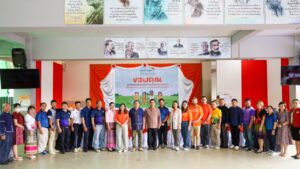
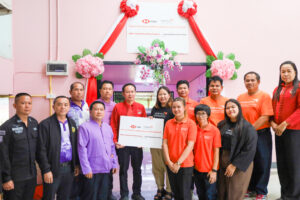
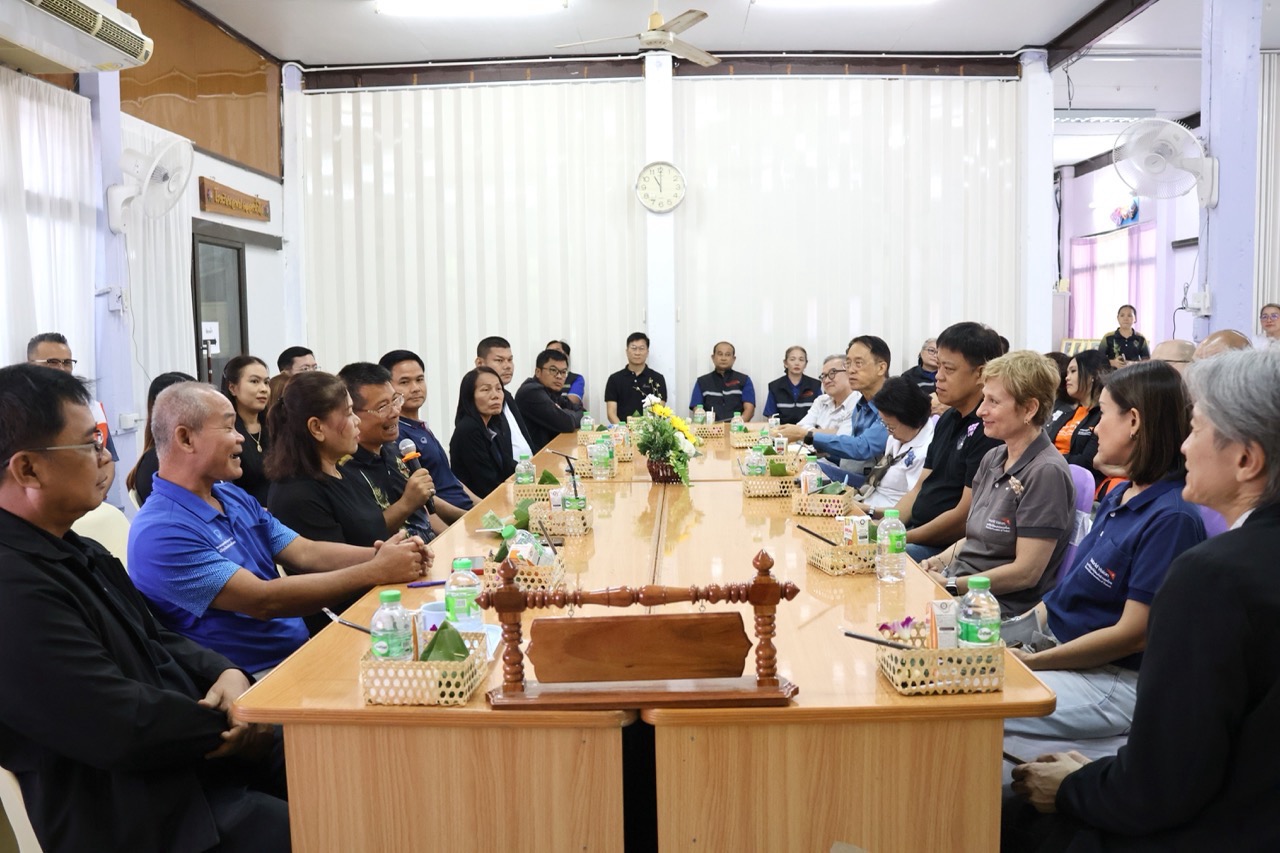
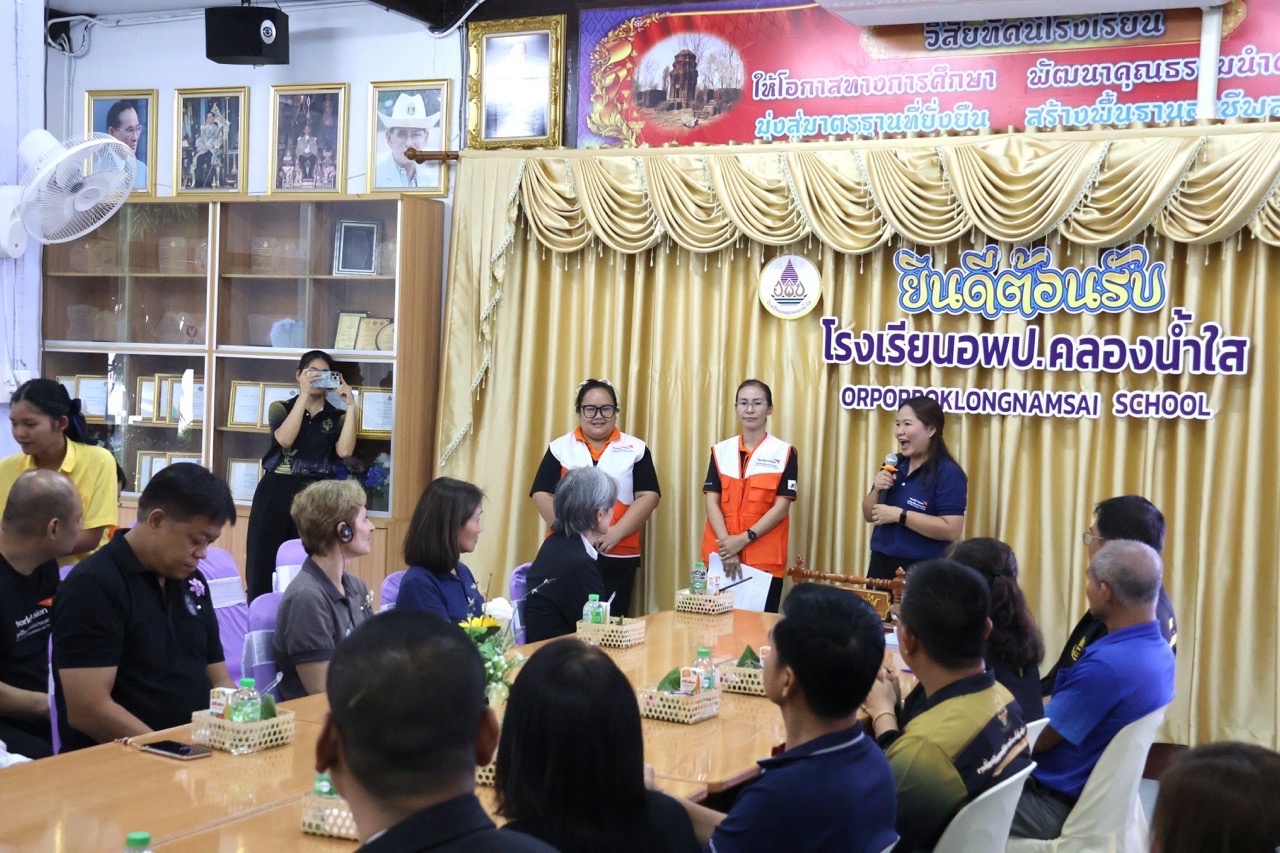
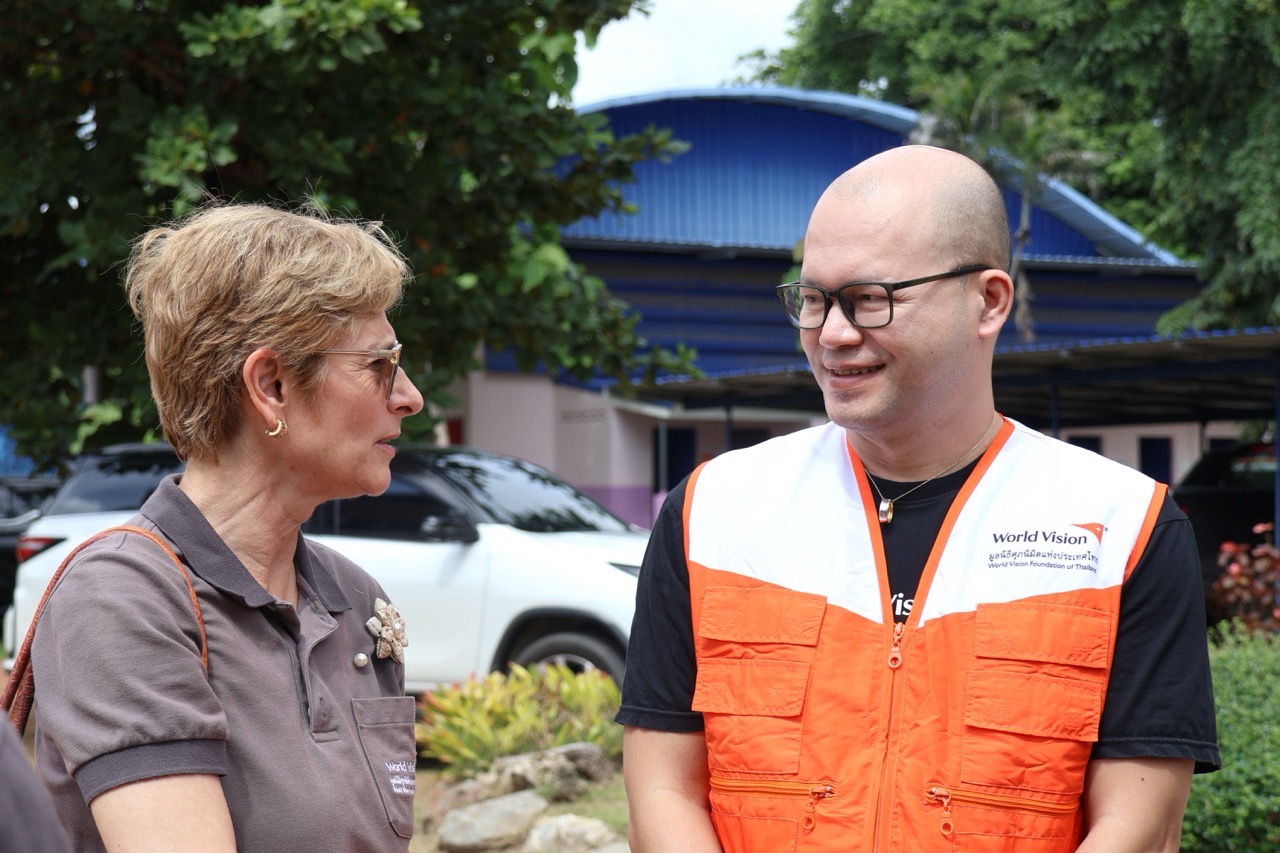
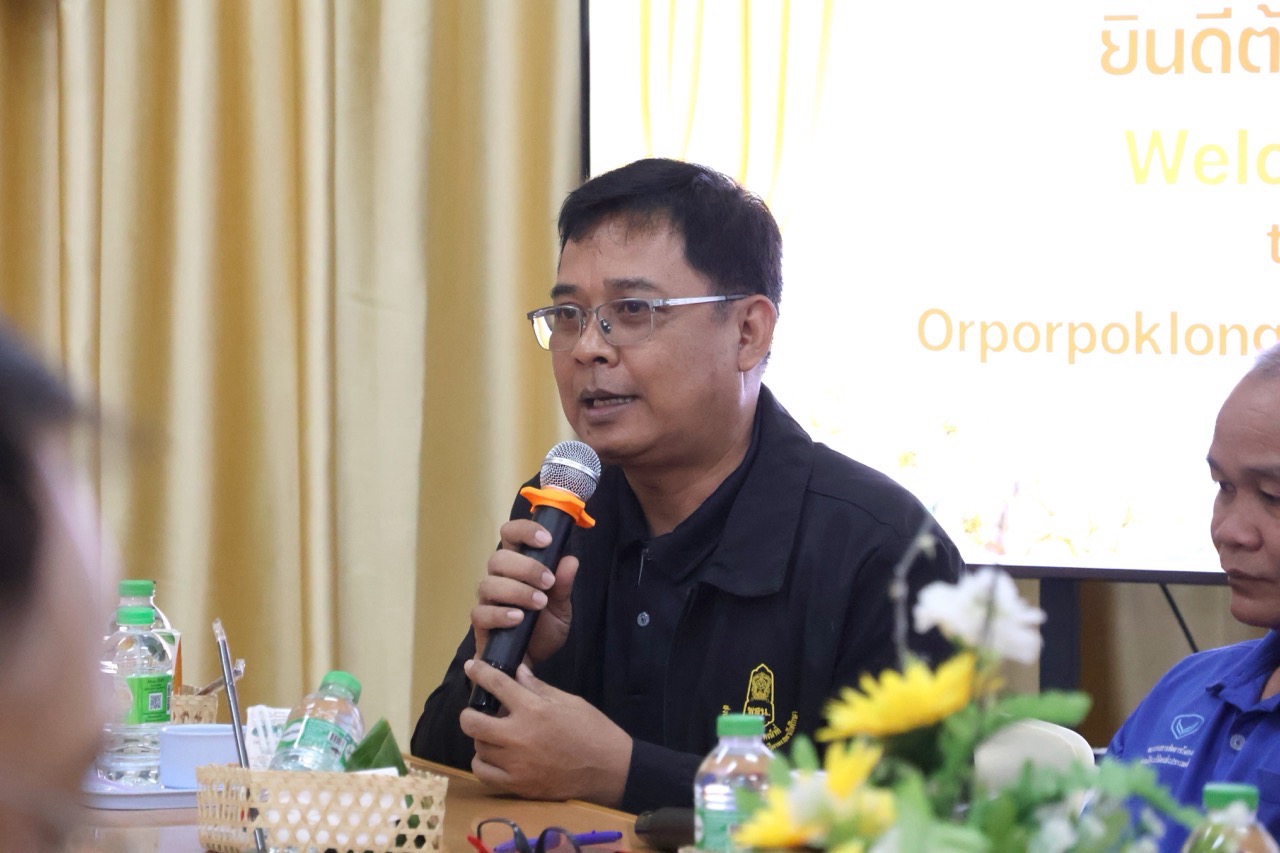
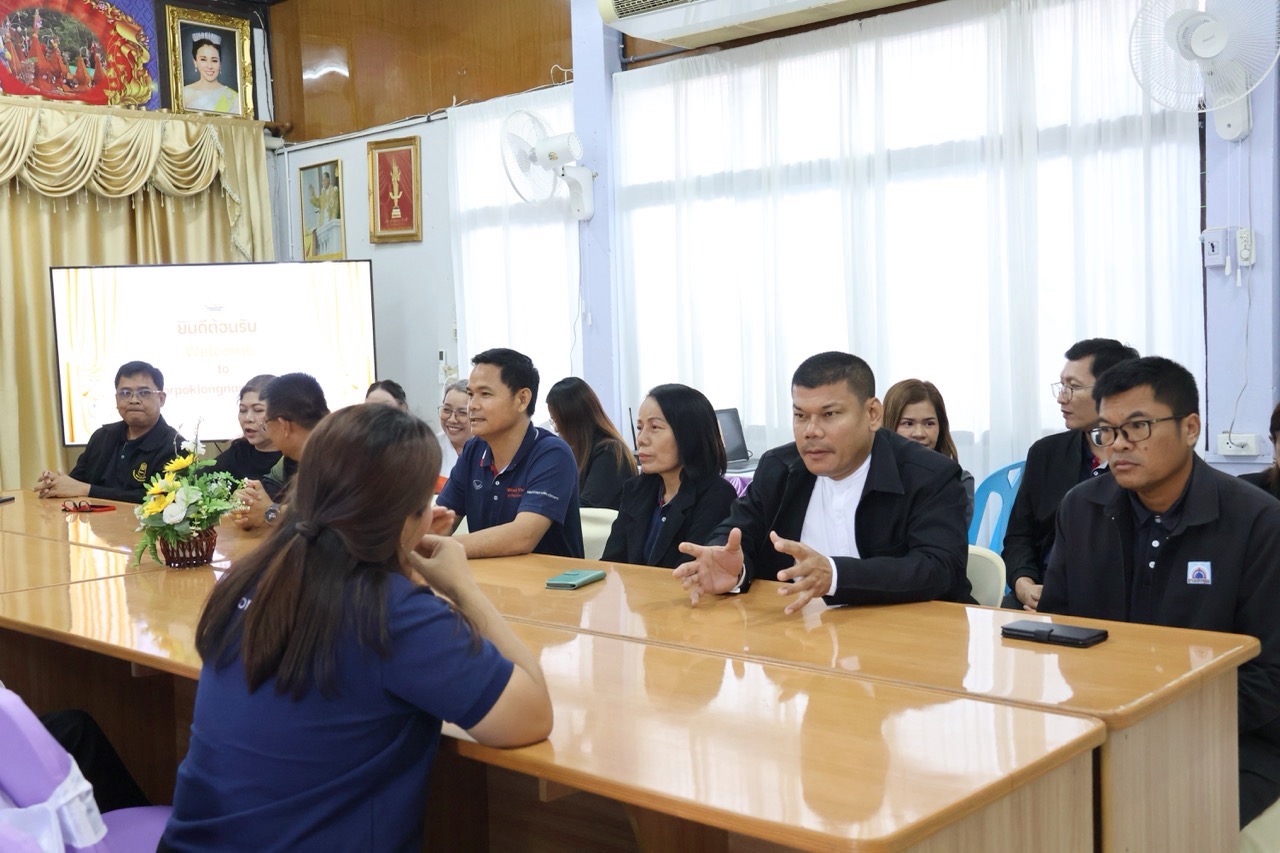
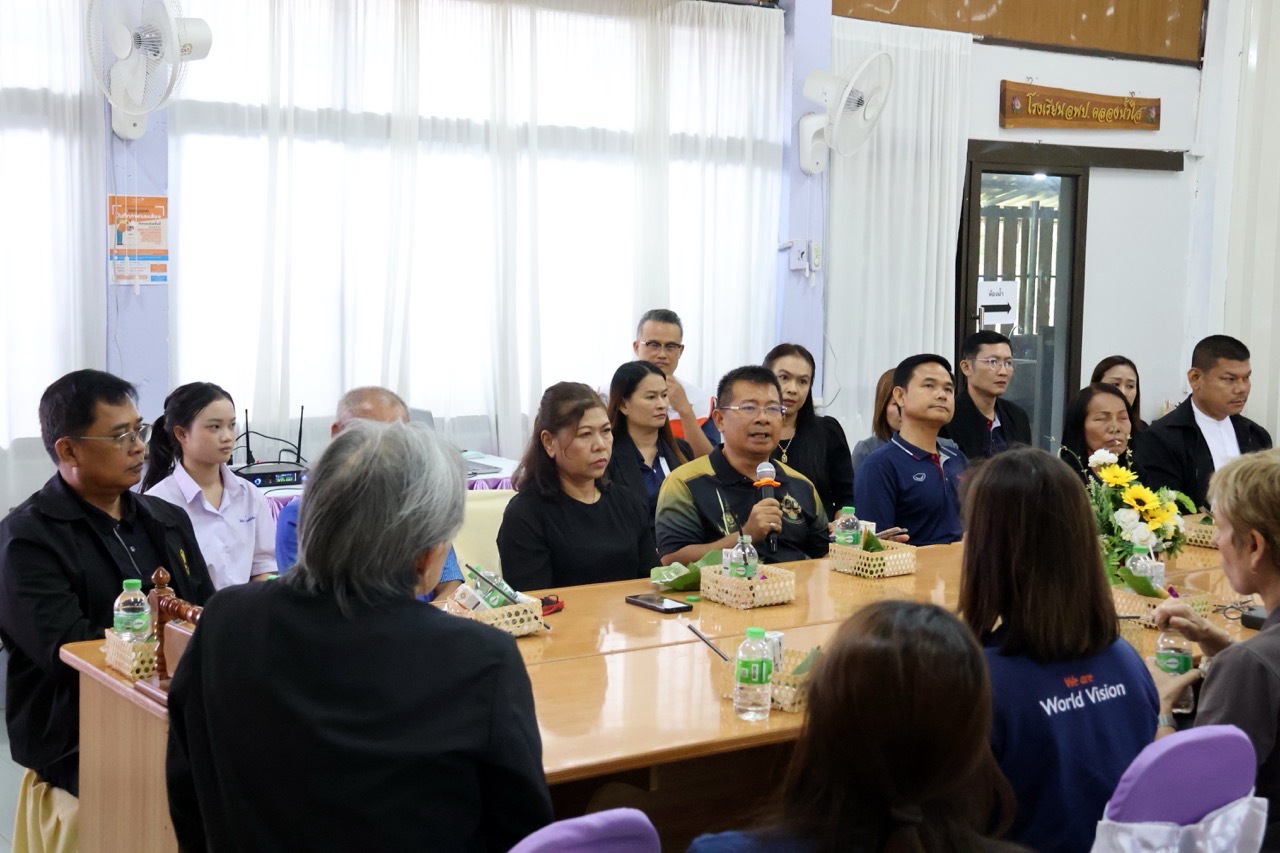
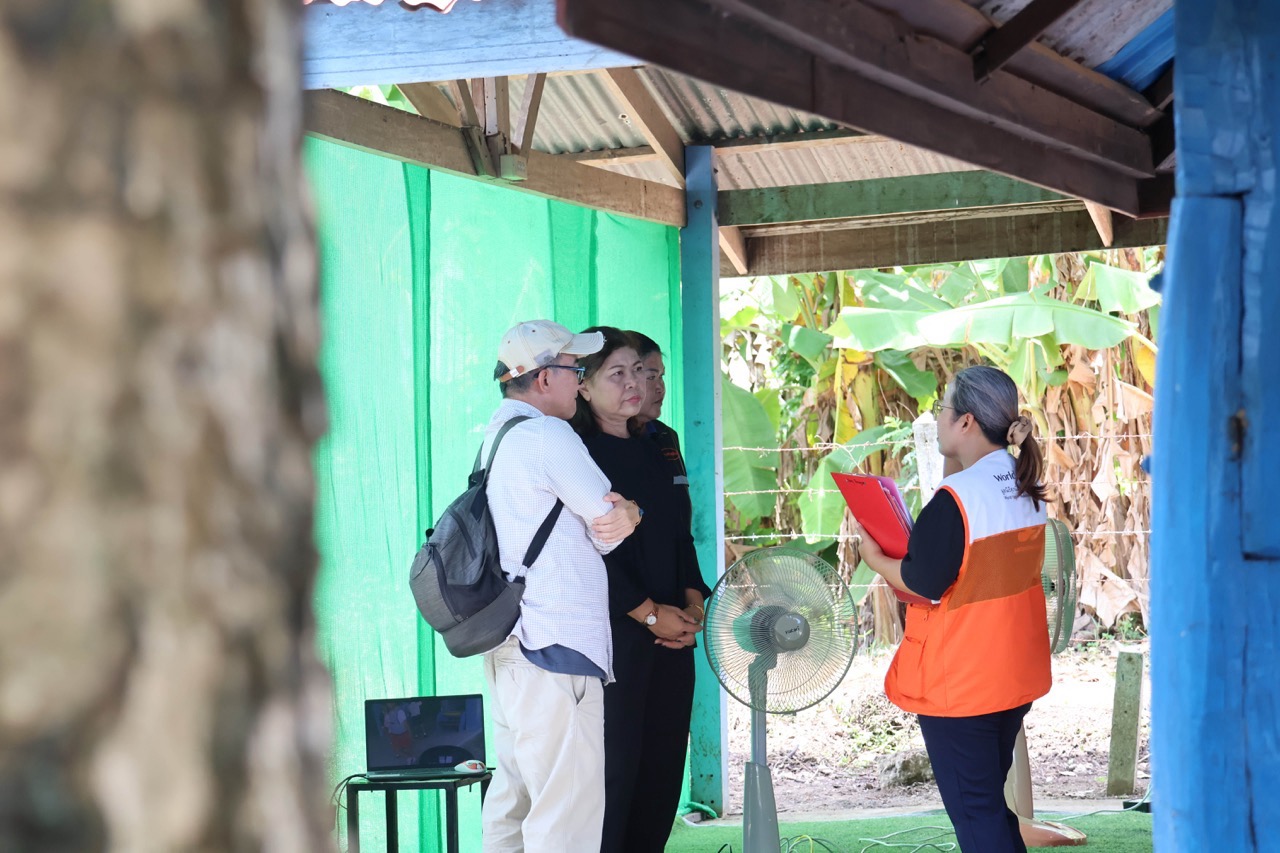
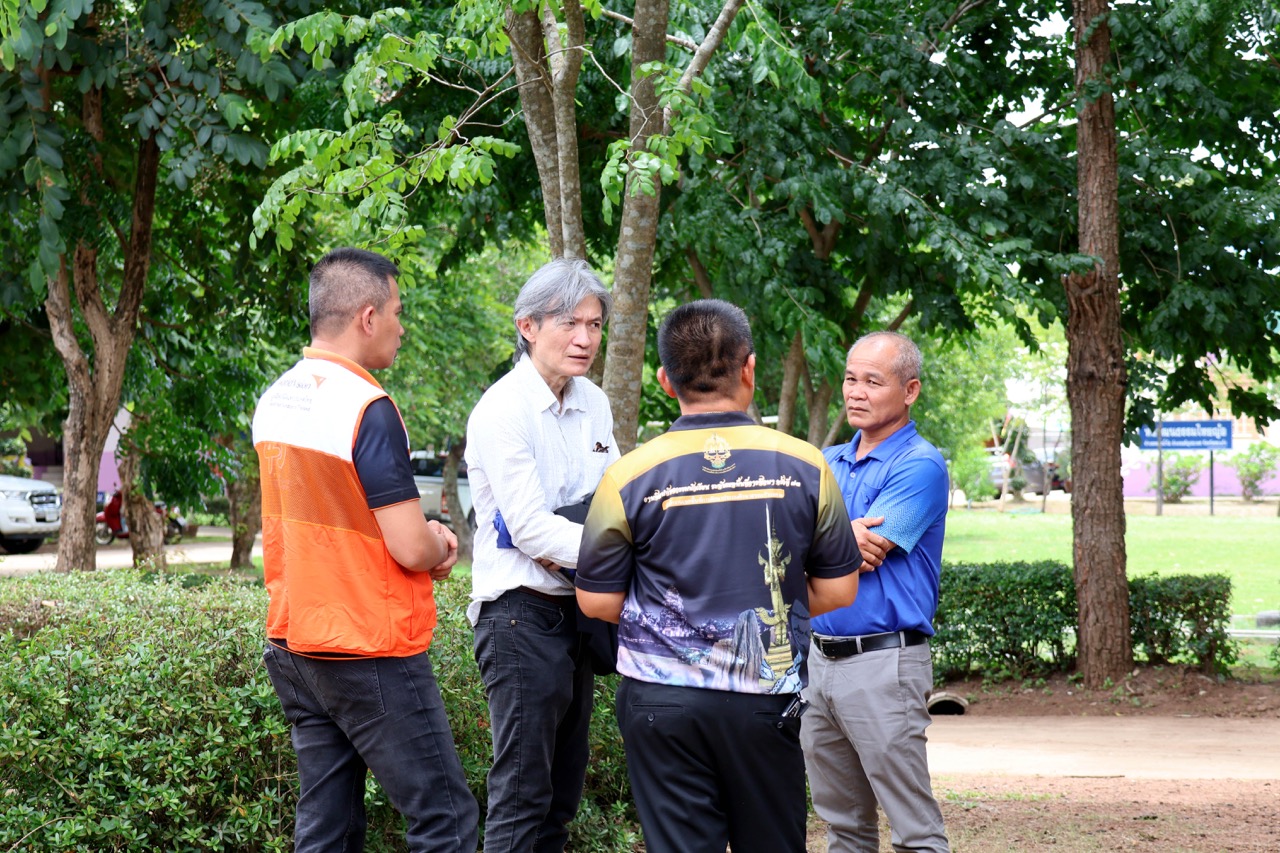
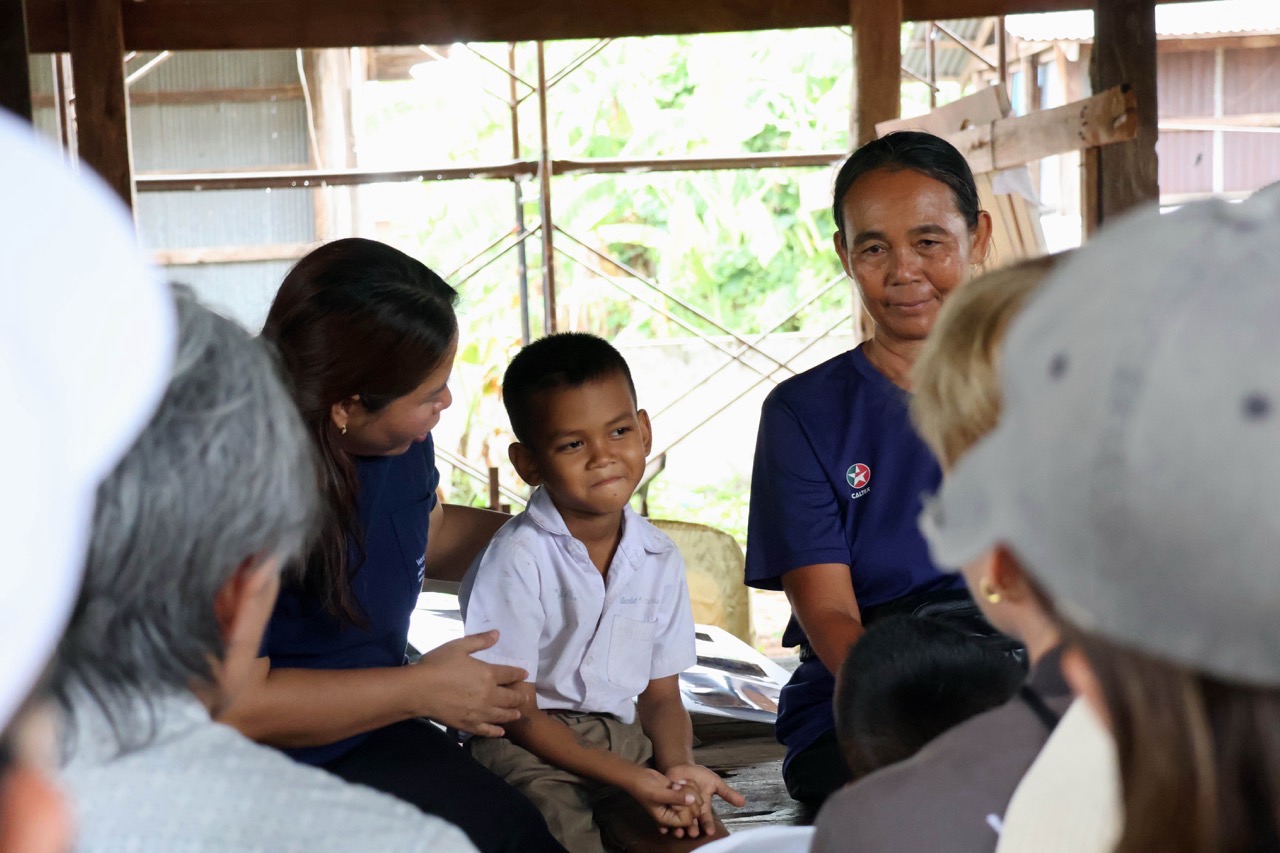
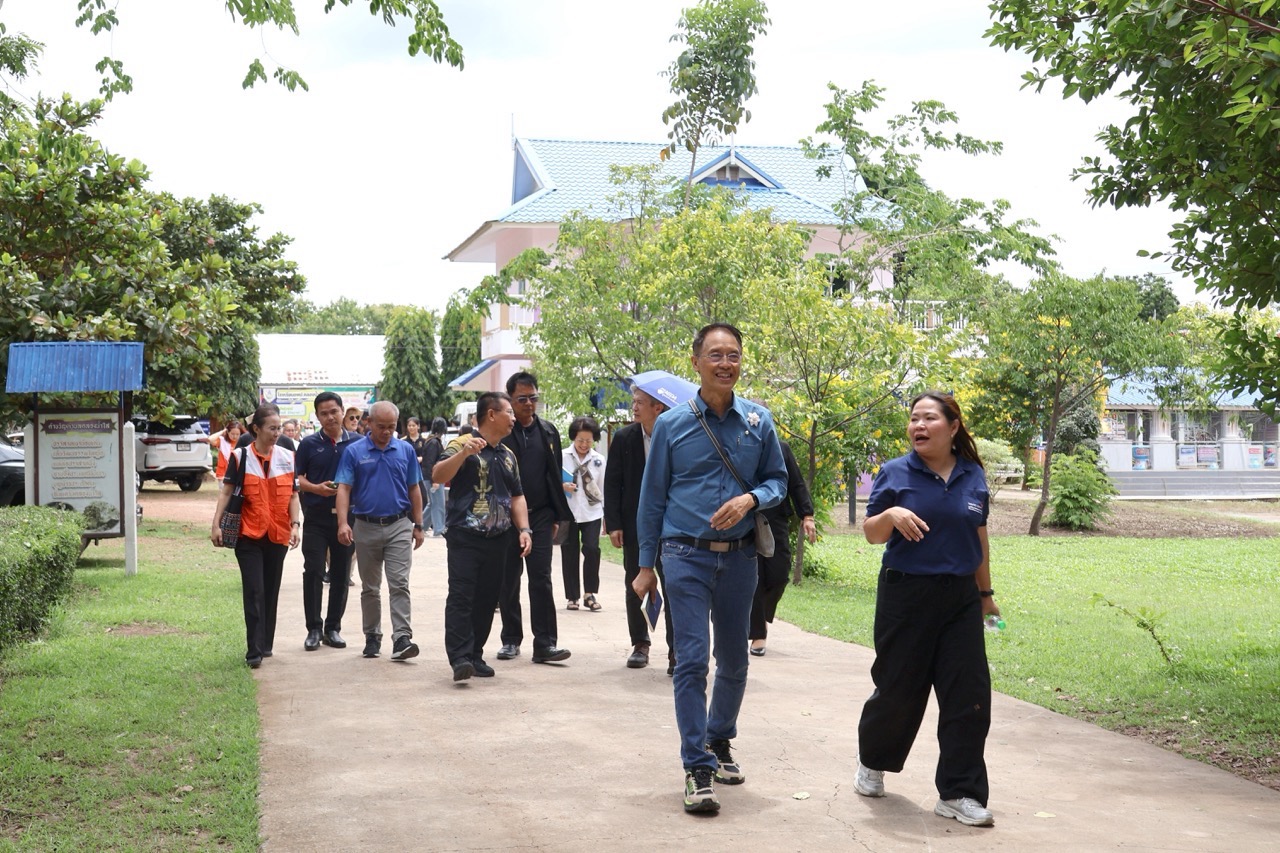
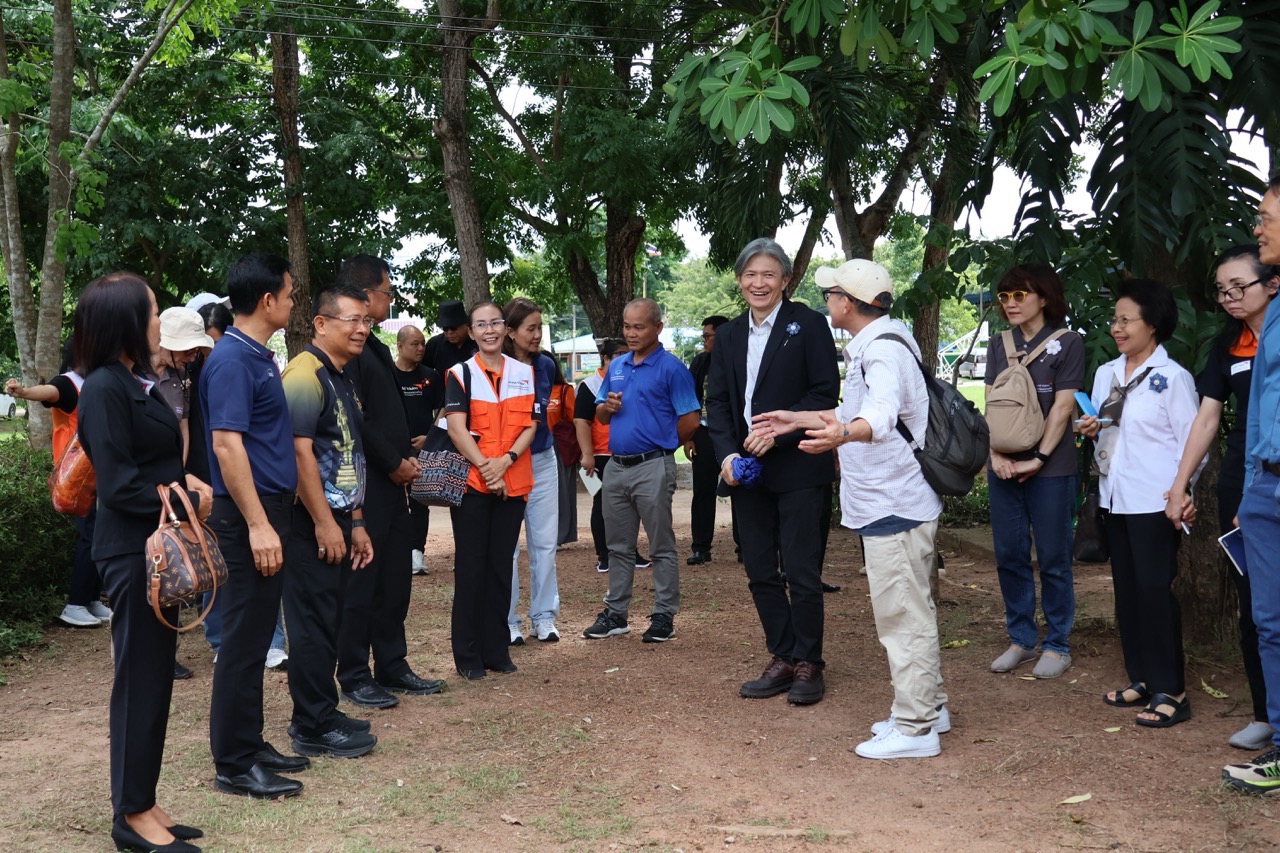
On 15 July 2026, members of the Board of World Vision Foundation of Thailand visited the Sa Kaeo Area Programme. They met children, families, teachers, community leaders, government agencies and local partners to learn what ‘recovery’ means to people living in the affected communities.
What the Board heard throughout the visit showed that, although the emergency has passed, the journey towards child well-being continues—and that genuine recovery begins by listening to those directly affected. Teachers spoke of many children leaving school after completing primary education because of poverty. Community leaders highlighted the vulnerability of families, growing concerns about children’s mental health, and the continuing risks of trafficking and exploitation. Local authorities explained that displacement caused by the unrest had compounded existing vulnerabilities, while many children continued to live in fear even after returning home.
A school director similarly reflected: “When children hear helicopters, they become frightened and immediately look for somewhere to hide or search for an adult. Even evacuation drills still make them afraid.”
These conversations made it clear that child protection cannot focus on a single issue. It requires a comprehensive approach encompassing education, child protection, health, mental well-being and legal identity.
From Saving Lives in Emergencies to Building Sustainable Child Well-being
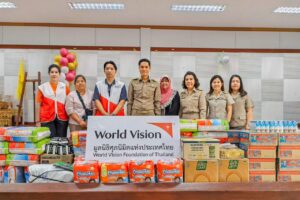
Following the conflict along the Thailand–Cambodia border, World Vision Foundation of Thailand worked with child-focused partners to support children and families living in temporary shelters across seven border provinces.
Together, they reached more than 71,500 people, including over 25,000 children, through humanitarian assistance, Child-Friendly Spaces (CFS), and Mental Health and Psychosocial Support (MHPSS), helping communities begin their journey towards recovery.
This emergency response could be mobilised quickly because World Vision Foundation of Thailand had worked continuously with local communities long before the crisis—on child protection, education, health and hygiene, children’s legal identity, and community resilience. When the crisis occurred, the relationships and trust already established enabled essential assistance to reach children and families promptly. As the situation stabilised, humanitarian action could build on existing development work, enabling children not only to survive the crisis but also to continue growing and thriving with greater security.
Every Child Deserves More Than Survival—They Deserve the Opportunity to Thrive with Dignity
One story that particularly moved the Board was not about the distribution of assistance, but about ‘rights’.
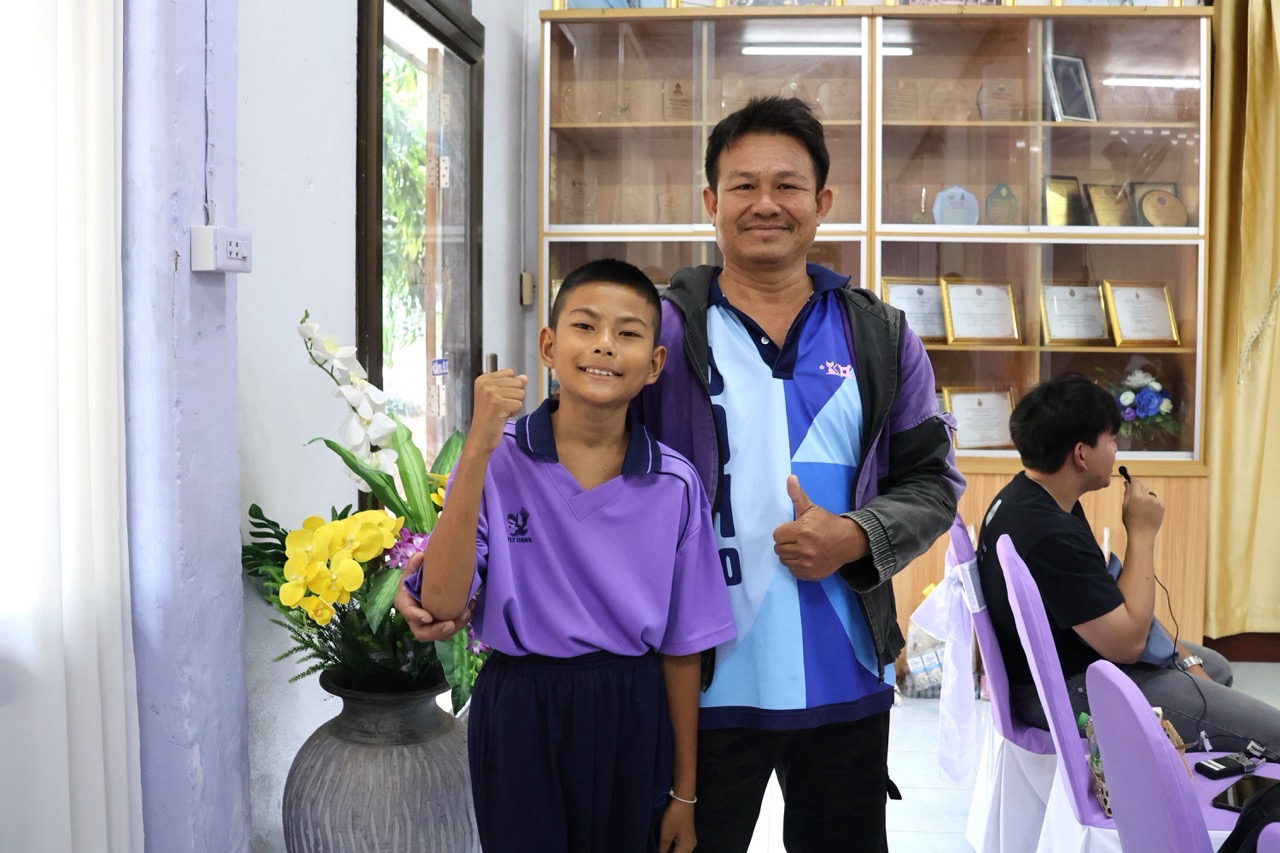
The family of Tee, a child in World Vision’s sponsorship programme, explained that they had spent more than seven or eight years trying unsuccessfully to obtain a national identity card for their son. After receiving additional support from World Vision Foundation of Thailand in coordinating with the relevant authorities, Tee obtained his identity card in just two days.
For a child, a national identity card is more than an official document; it is a vital key to education, healthcare and legal protection—all fundamental rights to which every child is entitled. The story reflects World Vision Foundation of Thailand’s approach: responding not only to immediate needs, but also addressing structural barriers that prevent children from exercising their rights, accessing essential services and reaching their full potential.
Partnership Is the Foundation of Lasting Change
Throughout the visit, the Board listened not only to frontline staff, but also to government agencies and local partners that have worked together over many years to advance child well-being in the area.
A representative of the Provincial Education Office spoke of World Vision Foundation of Thailand’s commitment to children and families, commending its understanding of the local context and close collaboration with communities. The representative also expressed hope that more vulnerable children would have opportunities to benefit from the programme in the future.
Leaders from several schools echoed this view, reflecting on partnerships built over many years. Teachers explained that the Foundation’s support had strengthened their schools’ capacity and created opportunities for children’s holistic development.
“World Vision works with sincerity” – reflection from school leaders.
Local leaders, meanwhile, emphasised the importance of sustained support for children from vulnerable families and communities affected by the conflict.
One district chief offered a brief but deeply meaningful reflection:
“Thank you for not forgetting the people along the border.”
These words expressed more than appreciation for the work carried out in the area. They reflected the trust built through sustained collaboration and a shared responsibility to create better well-being and a secure future for every child.
Children Are Partners in Change
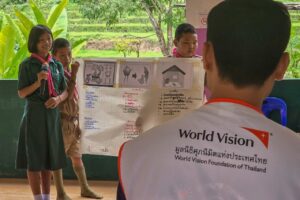
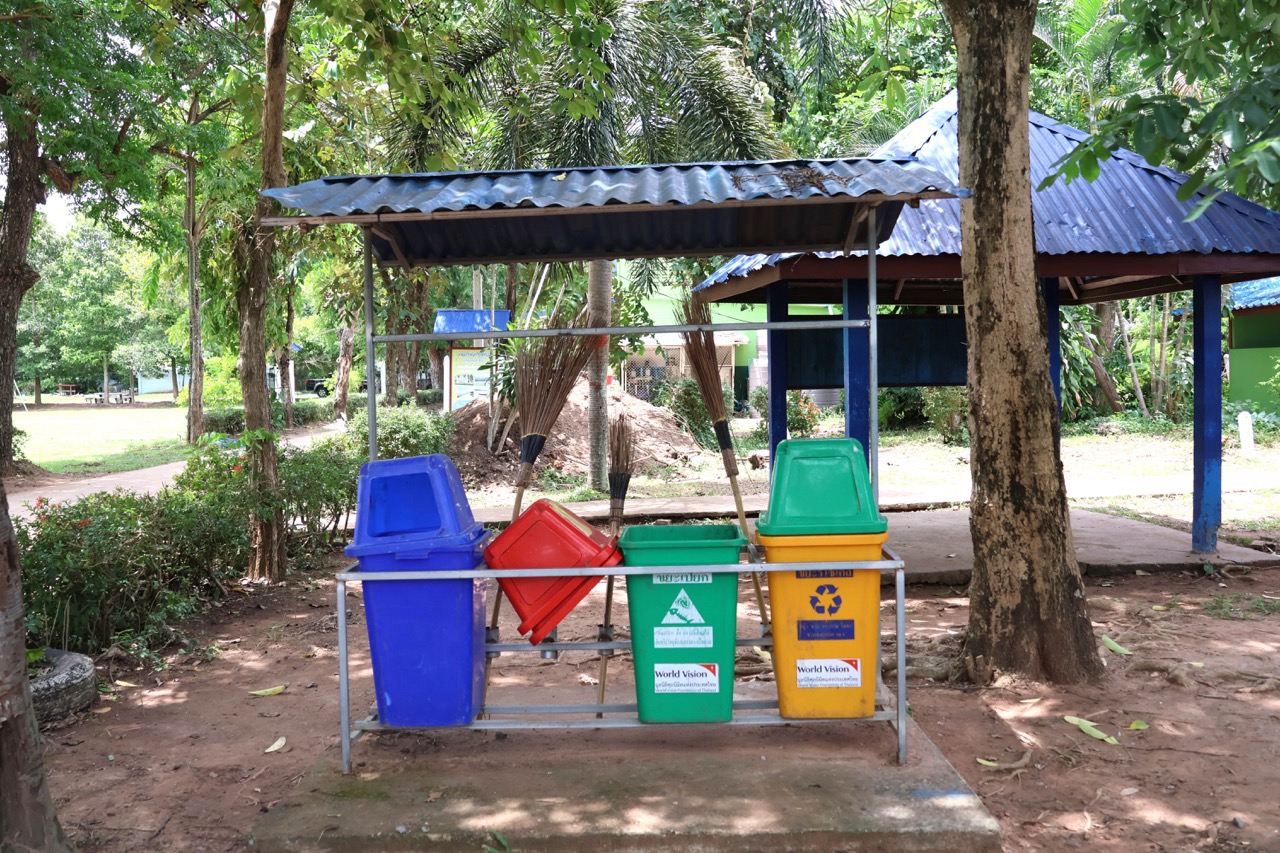
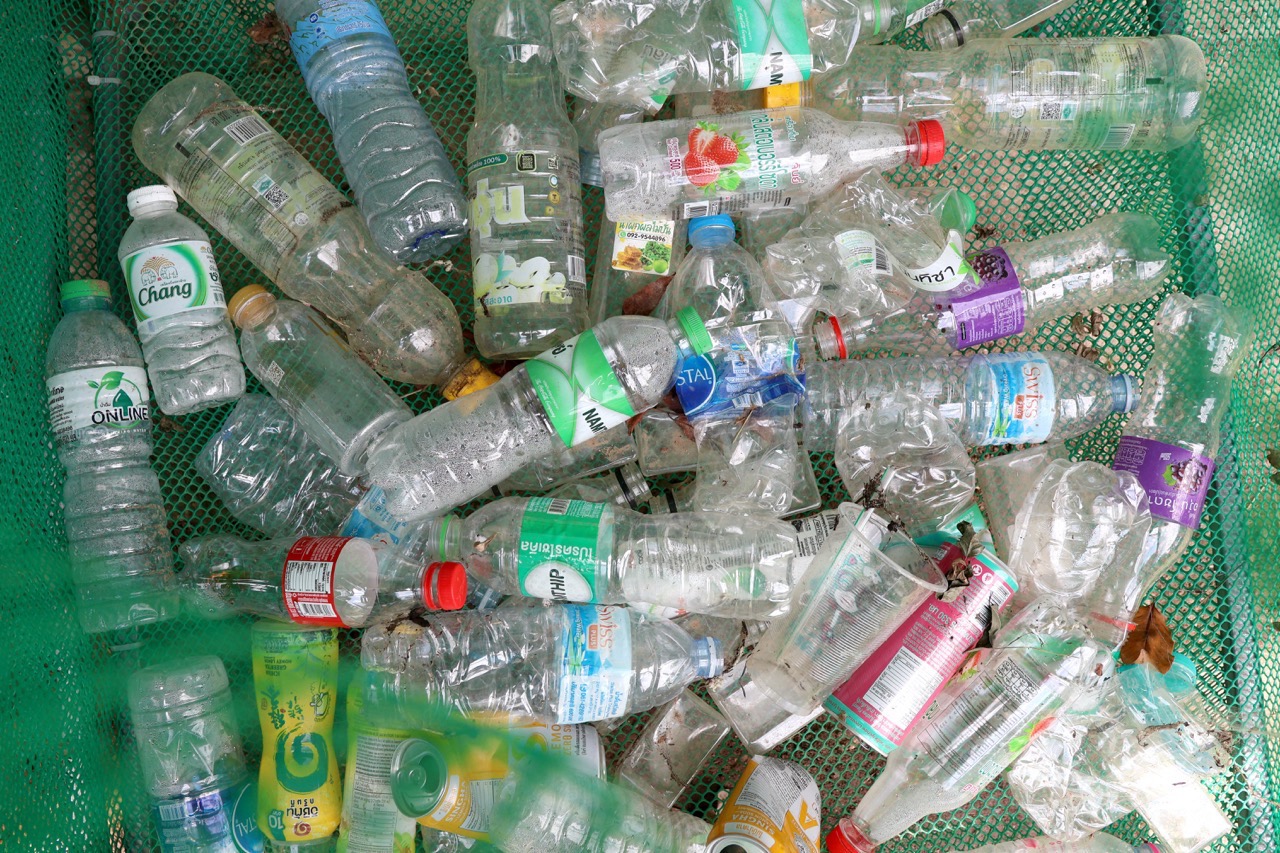
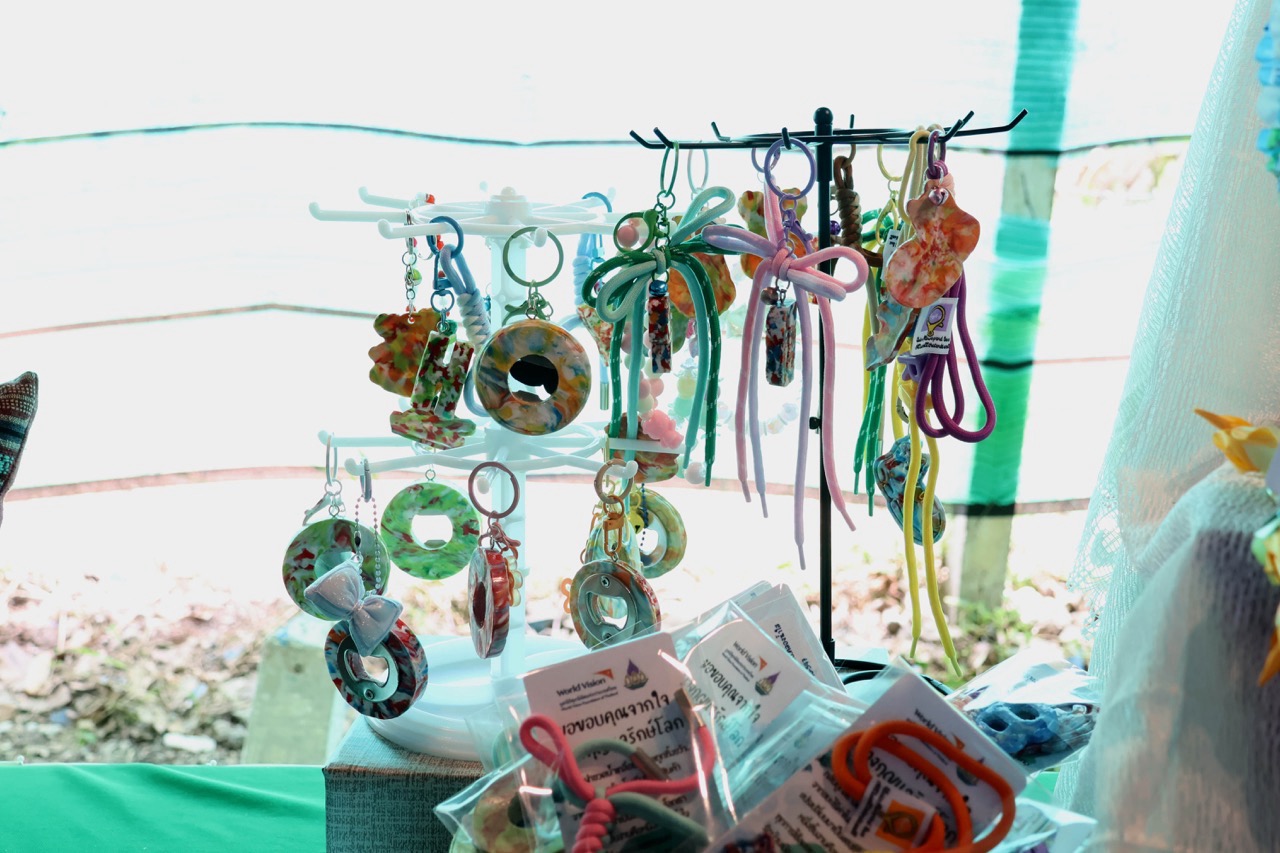
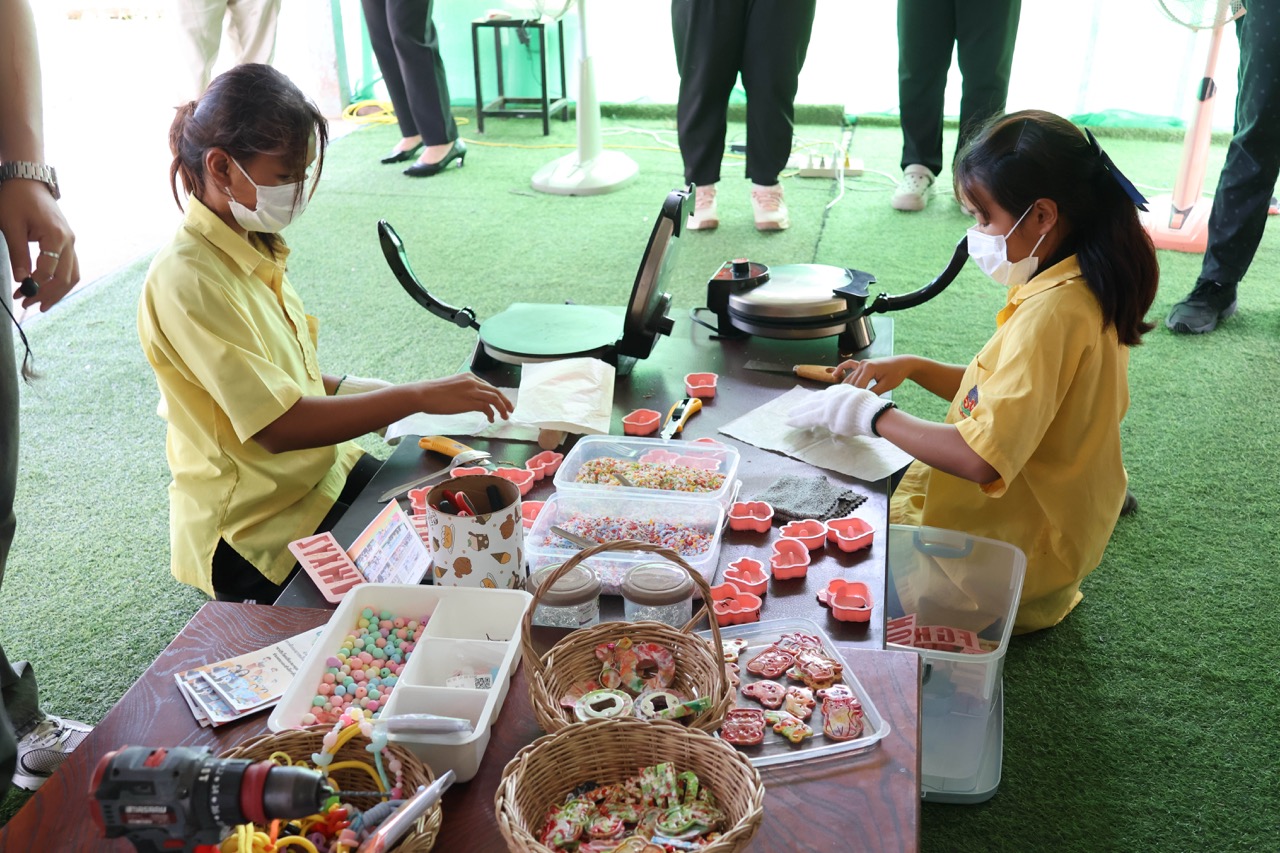
At a sub-district school in World Vision Foundation of Thailand’s programme area, students presented their Trash to Cash initiative, which transforms discarded materials into valuable products. Plastic bottle caps are made into phone charms, coasters and colourful decorative items, while milk pouches are carefully woven into traditional Thai garlands. These activities not only cultivate environmental awareness, but also develop creativity, teamwork and vocational skills that children can build on in the future.
The Board also met Aom-Aem, a student in World Vision’s sponsorship programme, whose determination made a strong impression. She explained that seeing World Vision staff communicate fluently in English had inspired her to study hard and gain admission to her school’s English Programme because she wanted to speak English like them.
These stories reflect a central principle of World Vision Foundation of Thailand’s work: children are not merely beneficiaries of development programmes, but leaders, innovators and agents of change. During the reflection session, Aom-Aem said with a smile and quiet determination, “I want to be a voice for children who still need help.”
When the Conflict Ends, Recovery Begins
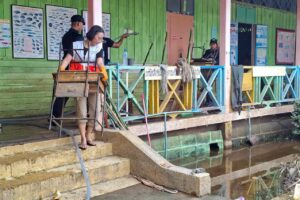
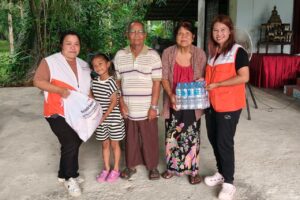
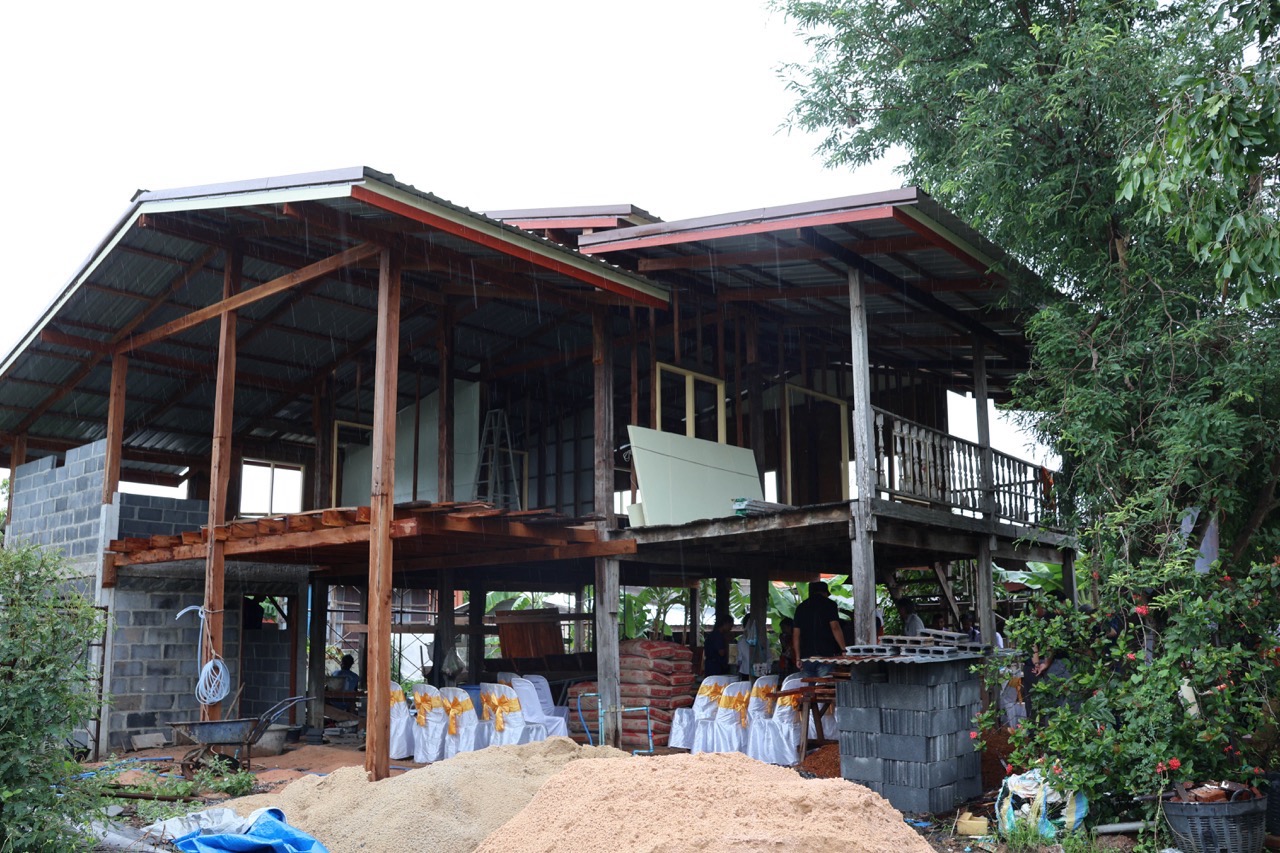
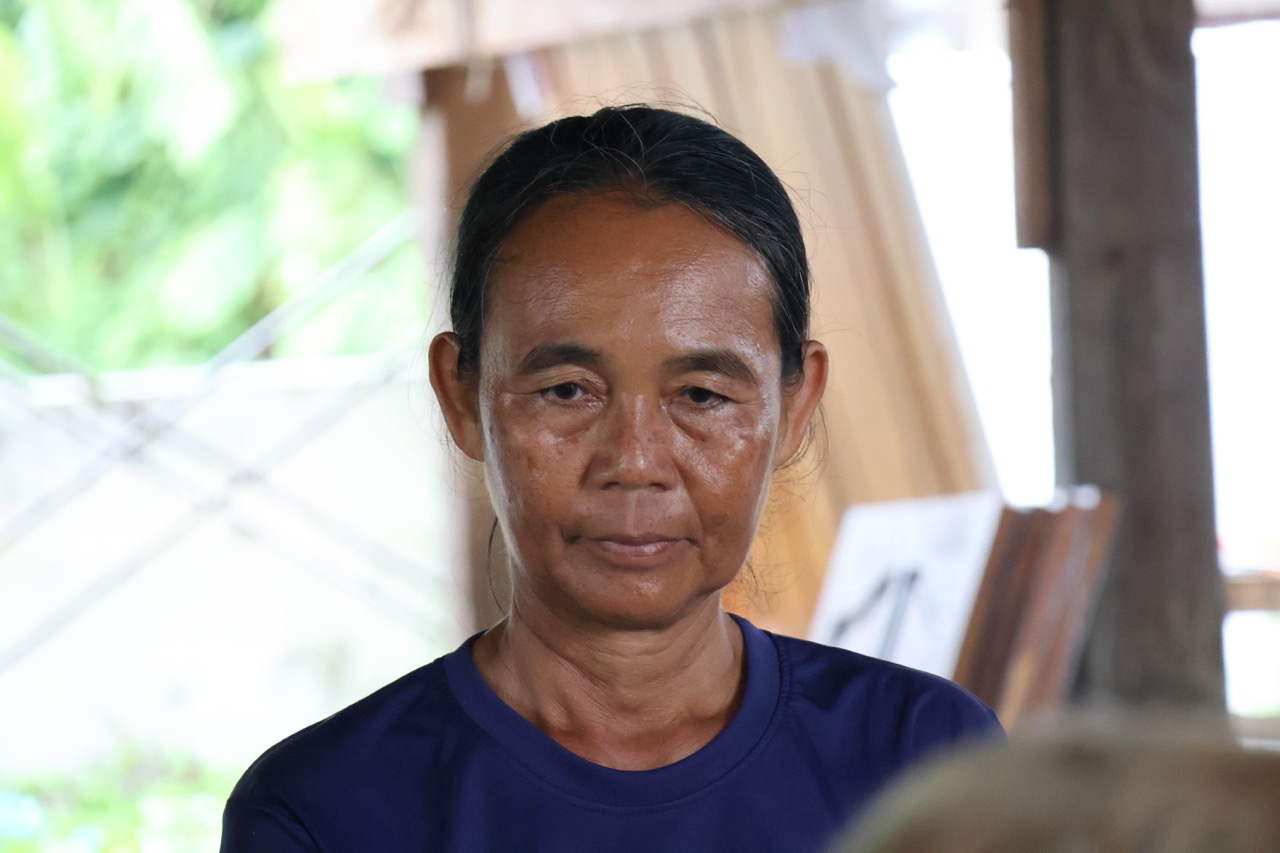
The Board also visited Ms. Nok Noi, a local resident directly affected by the unrest along the Thailand–Cambodia border after her home was severely damaged by explosions throughout. The destruction affected not only her family’s living conditions, but also left emotional wounds that will take time to heal.
During the conversation, Nok Noi recalled the day the unexpected happened—the day explosions shattered the peace of the village and changed the lives of people throughout the community.
“I never imagined something like this could happen to ordinary villagers like us,” she said, her voice trembling.
Nok Noi’s family is now receiving assistance from government agencies, and repairs to their home are under way so that every family member can once again have a safe place to live.
Recovery after a crisis, however, is not only about repairing damaged homes. It also involves emotional healing and restoring a sense of safety for children and families in the community.
World Vision Foundation of Thailand’s frontline staff, who work closely with the community, explained that their role does not end with assistance during displacement or an emergency. It also means walking alongside children and families over the long term and helping children smile again through safe spaces, caring relationships and opportunities to learn—so that they can move forward with hope and confidence in the future.
Building Lasting Hope So Every Child Can Thrive with Confidence
At the end of the visit, Board members reflected on what they had learned—not only about the challenges facing children along the border, but also about the power of local partnerships to protect children’s rights.
The Board agreed that World Vision Foundation of Thailand’s role extends beyond emergency response. It connects humanitarian action with long-term development by strengthening systems for protecting children from human trafficking; supporting education, health, mental health and psychosocial well-being; promoting children’s legal identity; developing vocational skills and youth leadership; strengthening disaster preparedness; and building community resilience. By working with government agencies, schools, local authorities and communities, the organisation helps strengthen local systems so that children and young people can exercise their rights, develop essential skills and prepare for future challenges. These are future-ready skills.
The field visit reaffirmed that protecting children is not only about responding to crises. It requires sustained investment in children’s potential, stronger local systems and partnerships that enable every child to be safe, exercise their rights and reach their full potential.
This is how World Vision Foundation of Thailand puts Bold Hope into action and works with all sectors to Make Hope Real for every child.