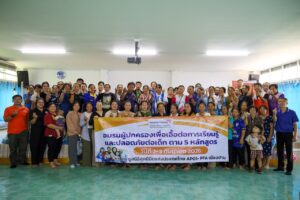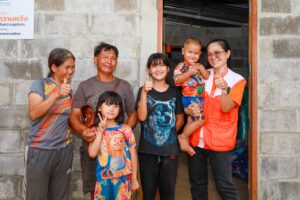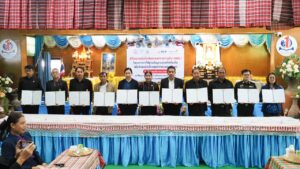
World Vision Foundation of Thailand is promoting vocational skills development and income-generating opportunities for children, youth, and families in the Tub Tao Area Development Program in Chiang Rai Province. Working with educational partners and local communities, the initiative aims to expand economic opportunities and empower communities to achieve sustainable self-reliance.
One key initiative is a vocational skills training project focused on creating products from traditional ethnic embroidery. Conducted in partnership with the ‘Mae Fah Luang’ Hill Area Community Learning Center under the Thoeng District Learning Encouragement Center in Chiang Rai Province, the project helps parents and members of the Hmong community develop their potential by building on traditional knowledge to create value and generate income in new ways.
Transforming Cultural Capital into Economic Opportunity
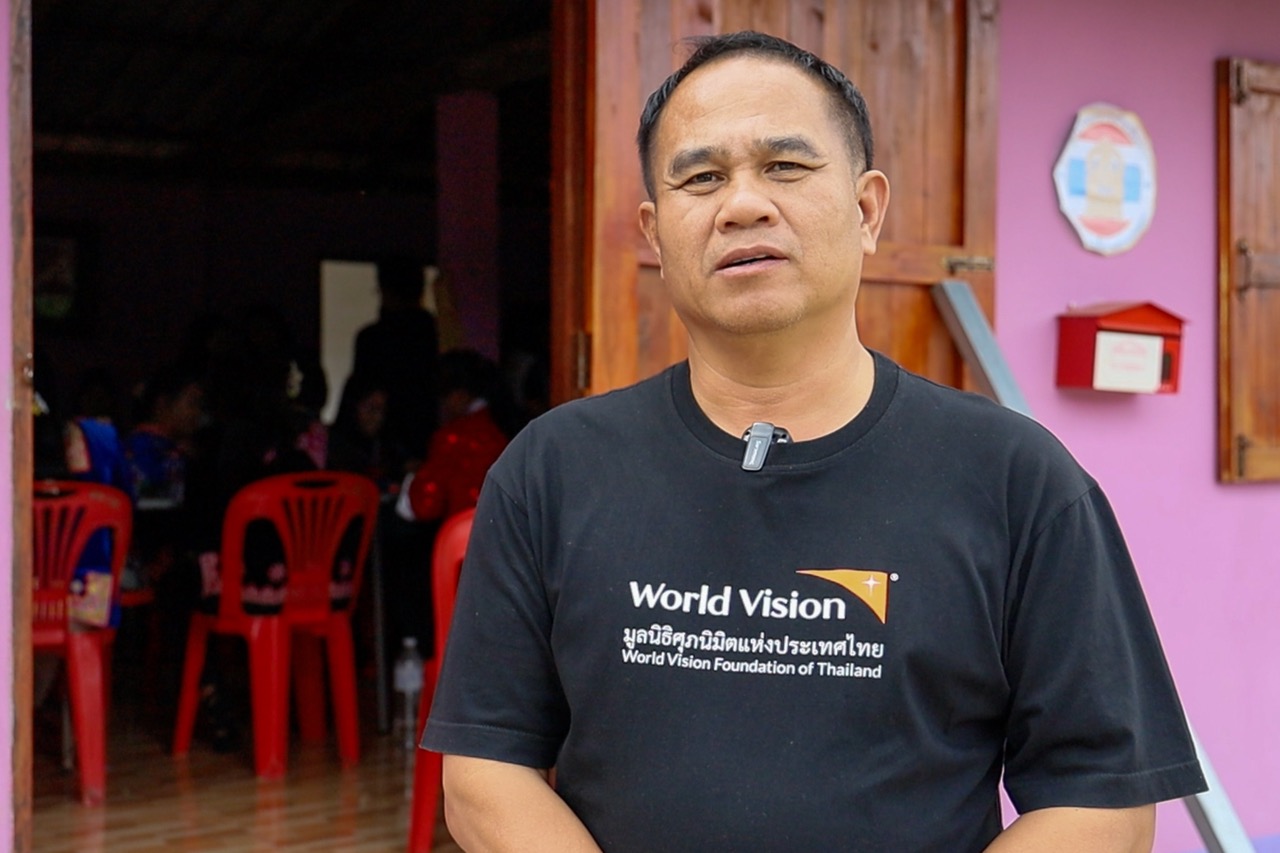
Mr. Kasem Gunchai manager of the Tub Tao Area Development Program in Chiang Rai Province, said that most learners at the center are Hmong, and many are parents of children sponsored by World Vision Foundation of Thailand.
“The community already has handicraft skills and traditional knowledge, including embroidery, beadwork, and fabric painting. We therefore partnered with the Thoeng District Learning Encouragement Center to further develop these skills, add value to their work, and help families generate income.”
He added, “World Vision Foundation of Thailand places importance on promoting livelihoods that build on the resources and knowledge already available within communities. Many ethnic communities in remote areas continue to face barriers to formal education, limiting their opportunities to develop the skills needed to earn a living.
The learning center is therefore more than a place for academic study; it is also a space where youth and adults can develop vocational skills. We believe these skills will enable them to earn an income, support themselves and their families, and achieve a better quality of life in the future.”
From Hmong Embroidery on Traditional Clothing to Contemporary Products
The community is renowned for its traditional Hmong embroidery, a form of cultural knowledge passed down through generations. Historically, these embroidered designs were used primarily as elements of traditional ethnic clothing.
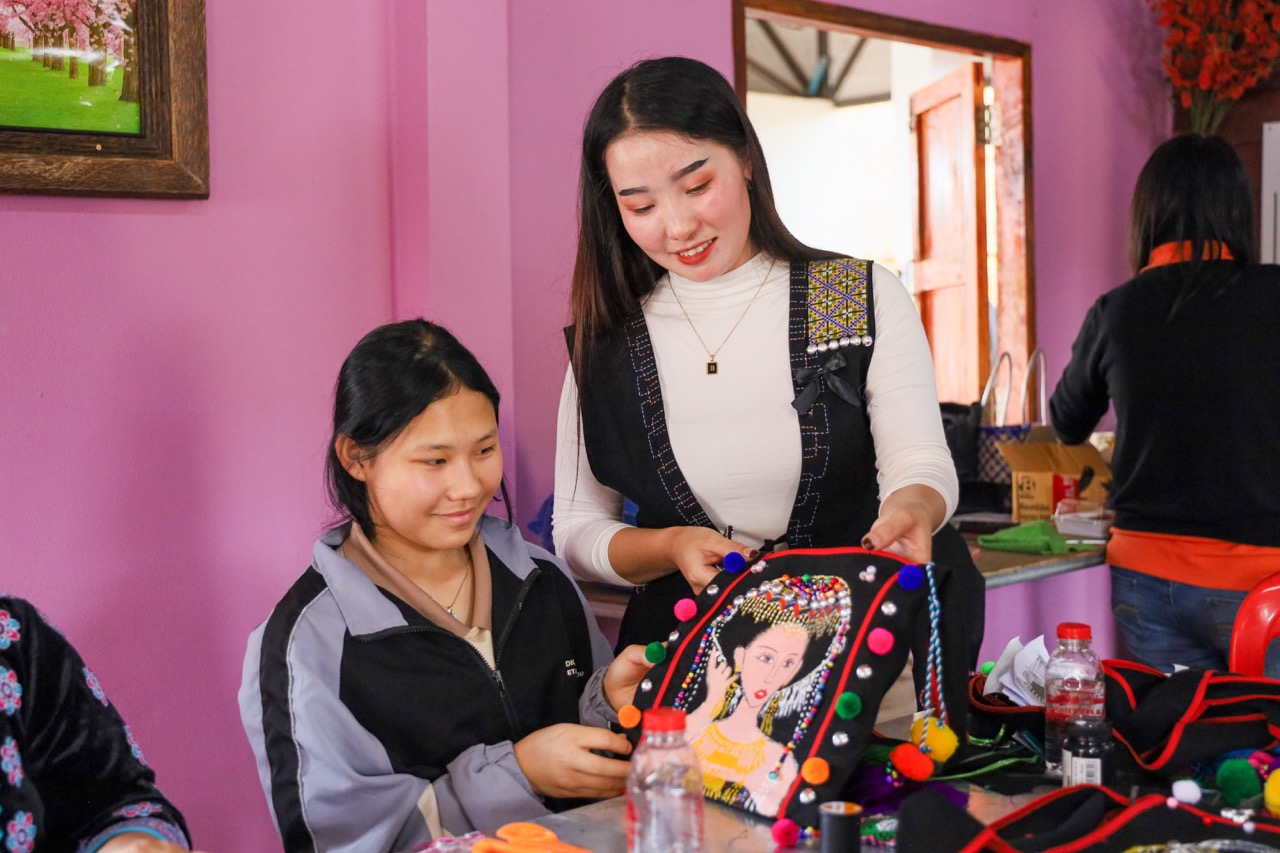
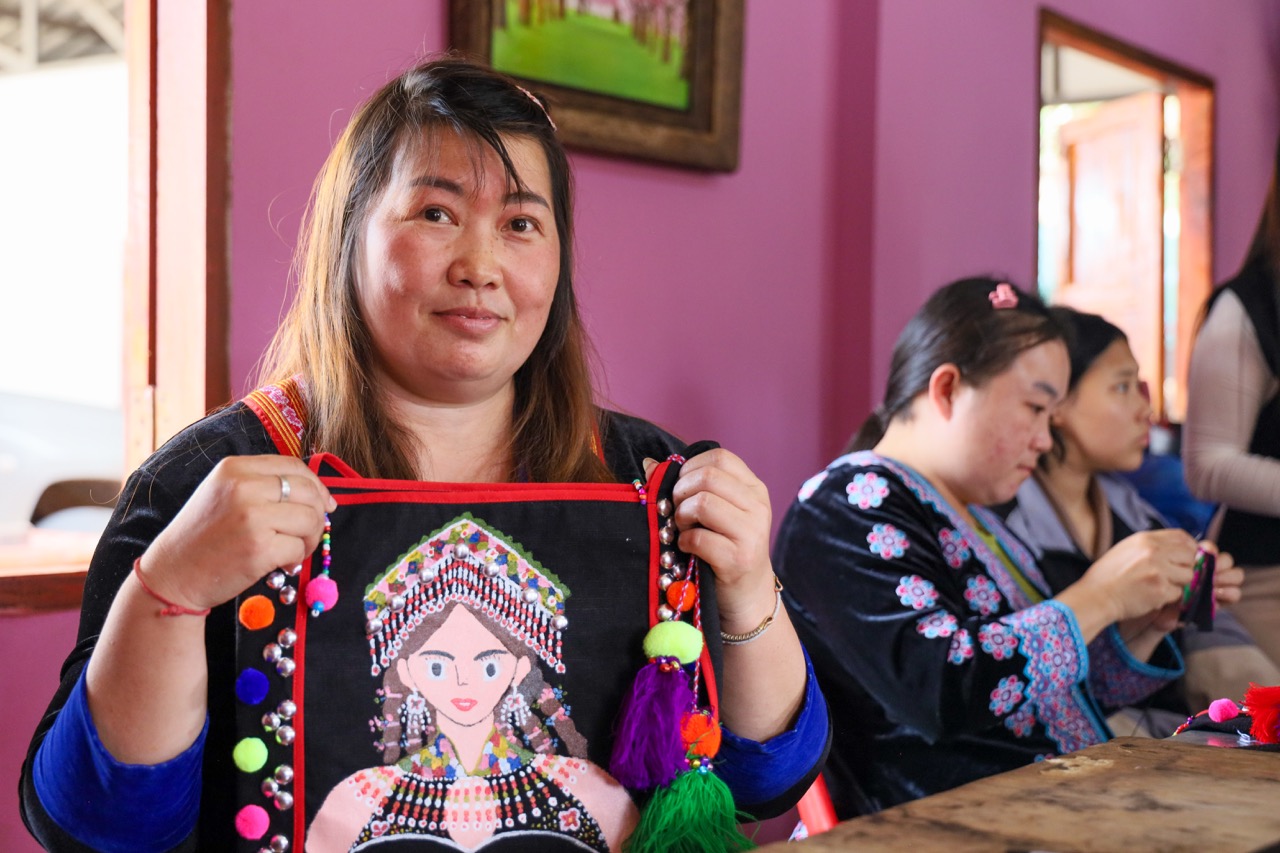
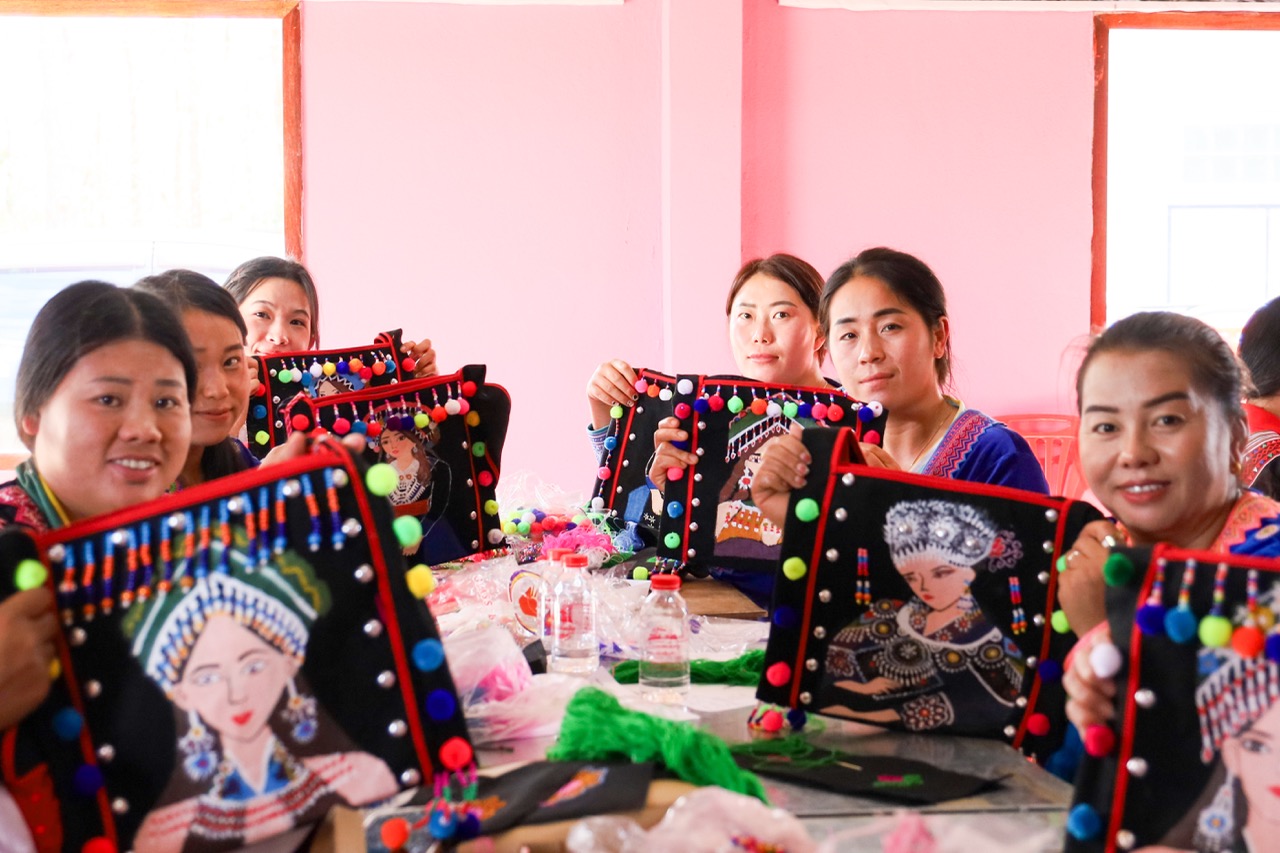
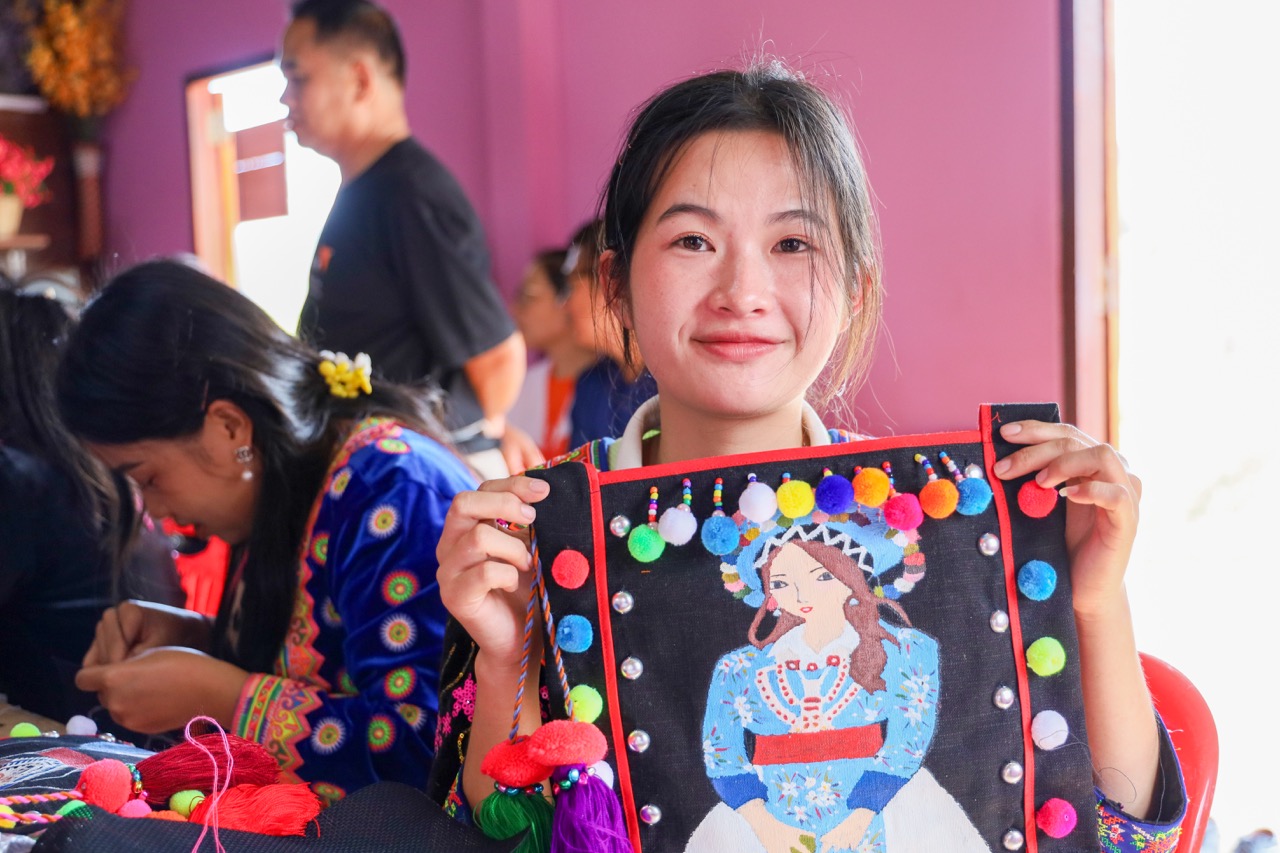
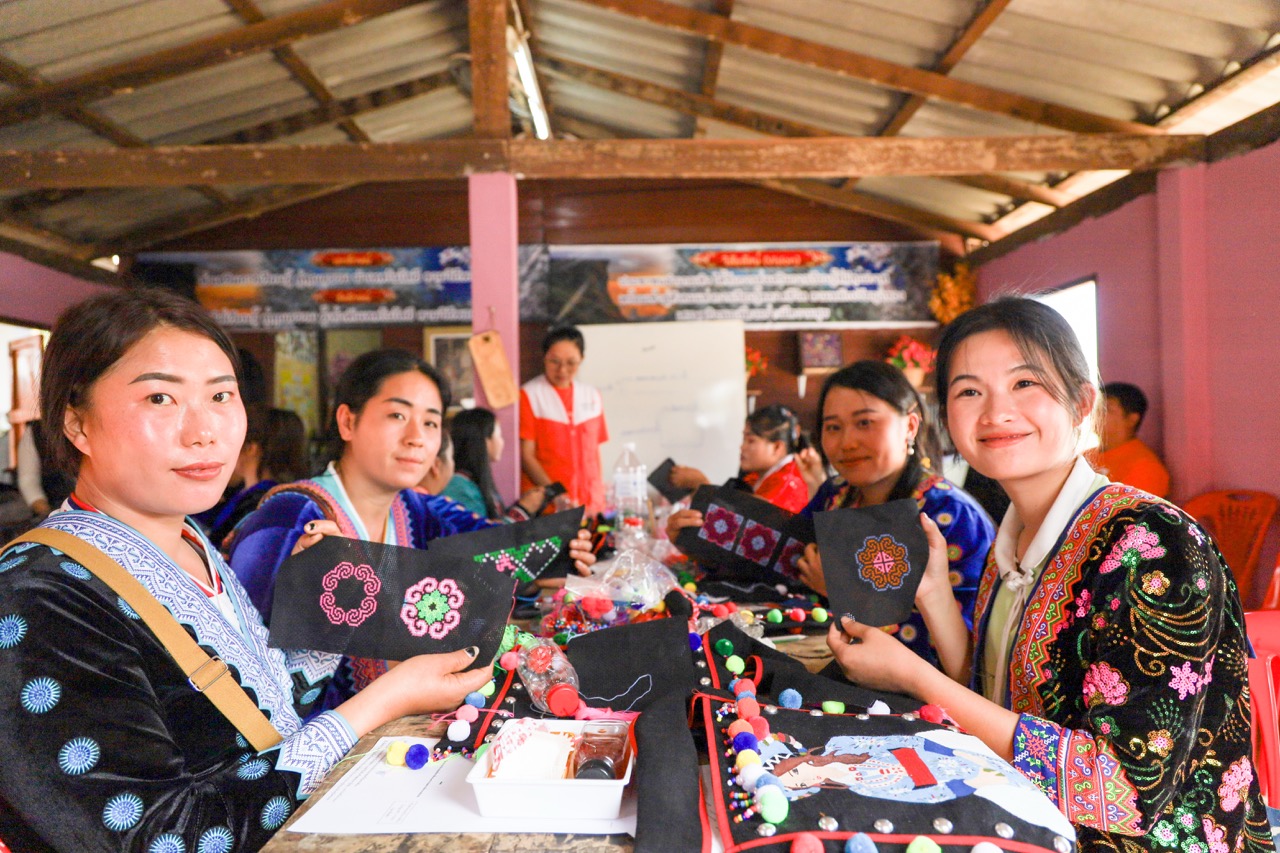
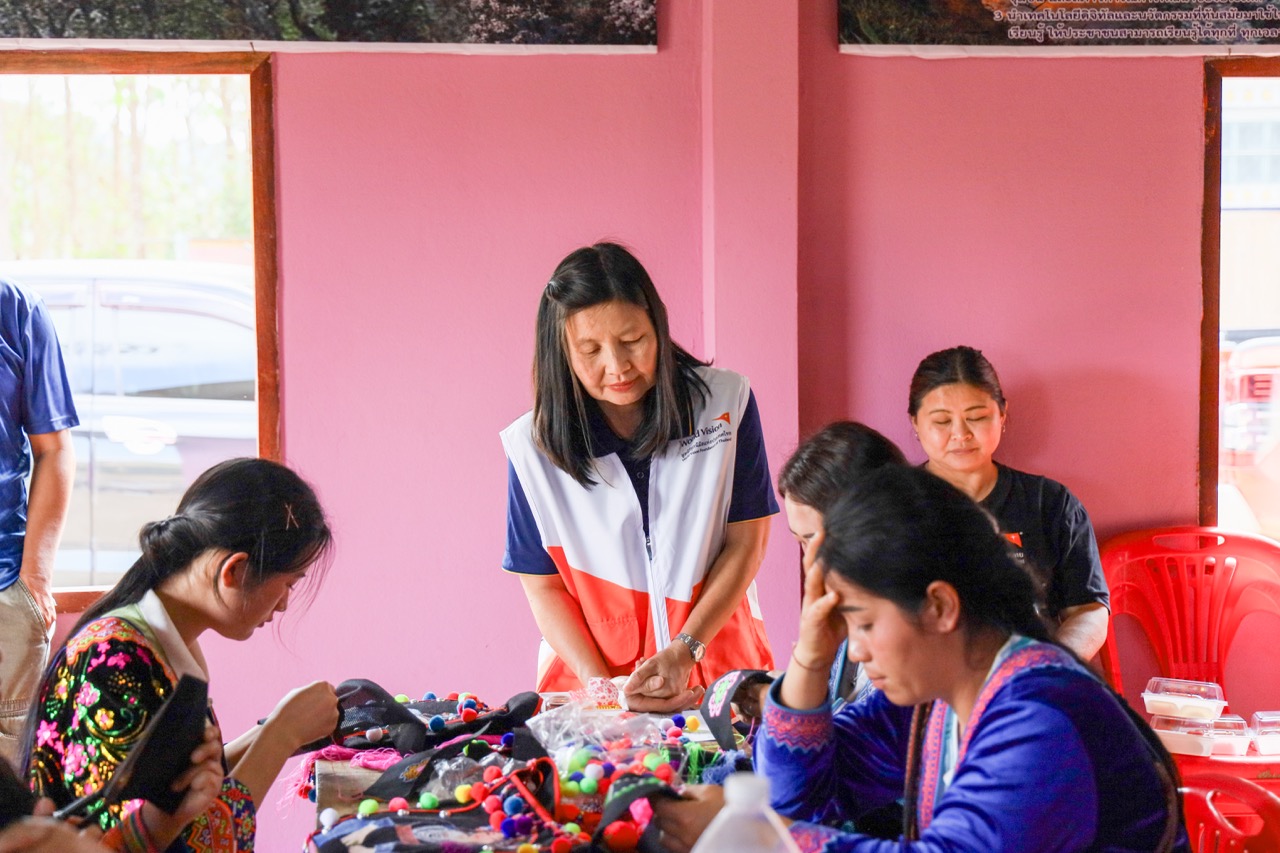
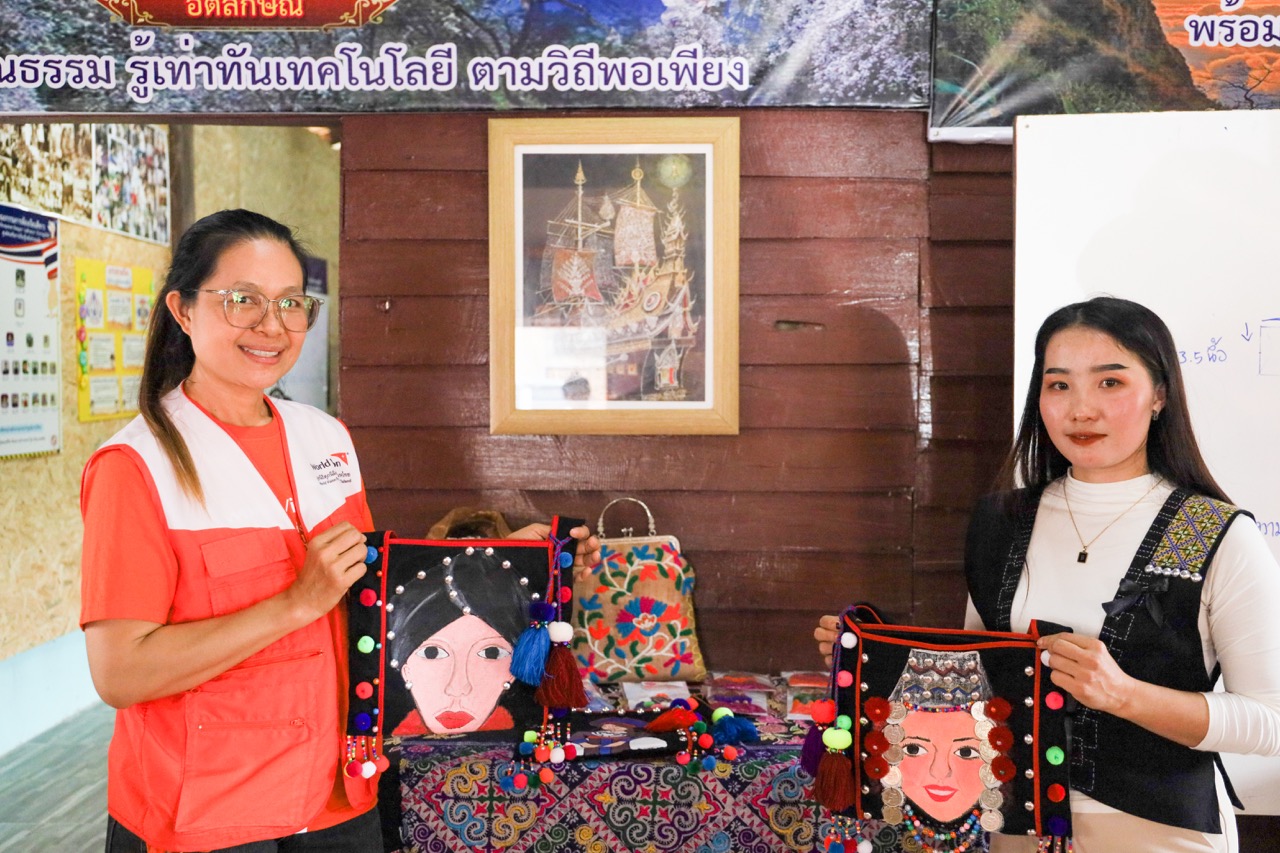
Miss Maya Saewue, a trainer, explained that the four-day workshop introduced product processing and development techniques that built on the community’s existing skills. Participants learned to make marketable items such as bags, keychains, and other practical products.
“Community members already knew how to embroider, but transforming embroidered fabric into practical items or souvenirs was new to many of them. The training therefore built on the skills and knowledge the community already possessed.”
She also explained that participants used both traditional Hmong motifs and newly adapted designs tailored to current market demand, while having the freedom to design and create their own pieces.
“We want everyone to see that embroidery is not limited to traditional clothing. It can be developed into value-added products that generate meaningful income.”
From Learners to Family Income Earners
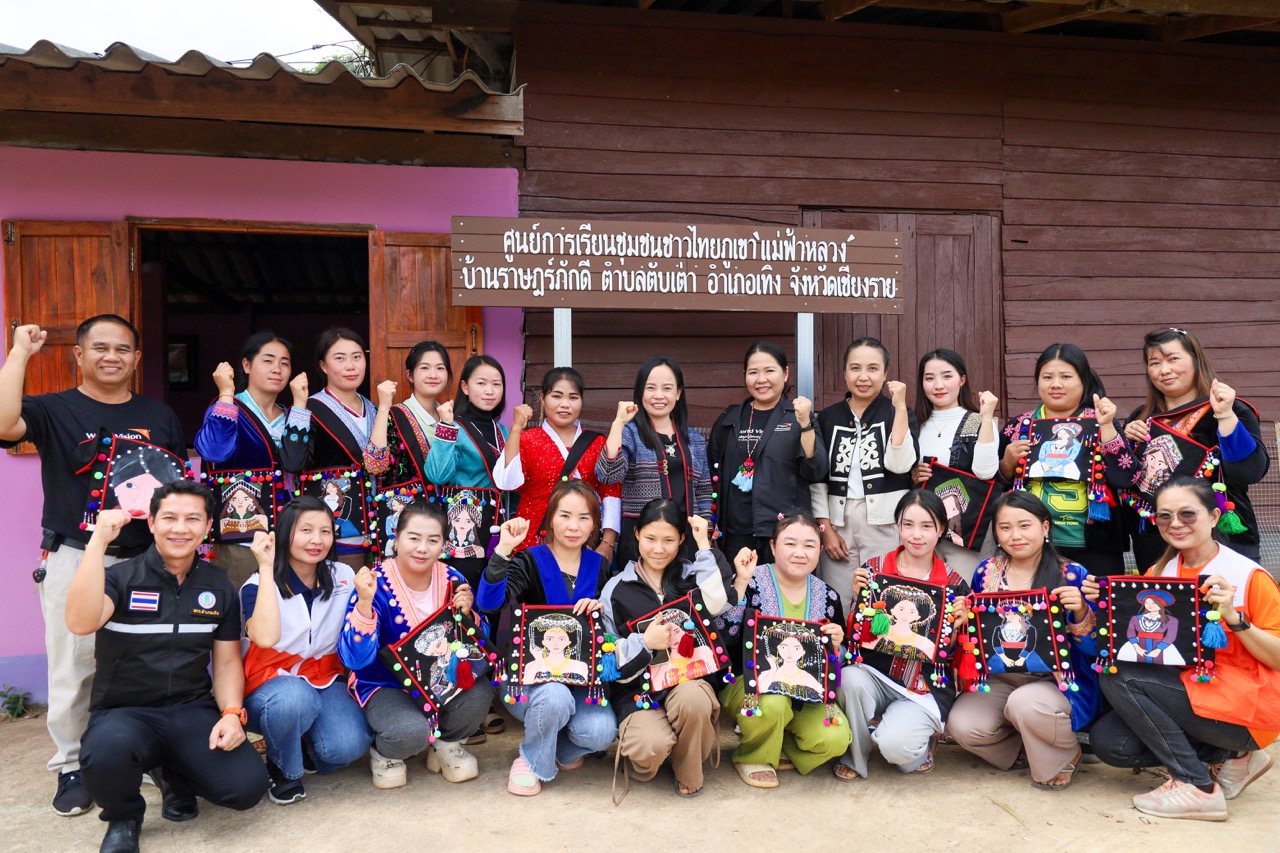
In a small classroom in the highlands, 15 participants—including several parents of children sponsored by World Vision Foundation of Thailand worked diligently to learn how to design and create products using traditional ethnic embroidery.
Among them was Mrs. Siripen Chitcharoenkul, a student at the Learning Encouragement Center and the parent of a child sponsored by World Vision Foundation of Thailand.
“We rarely had opportunities to participate in vocational training like this before, so I am very pleased that organizations have stepped in to support us. This has given us an opportunity to learn and develop additional livelihood skills.”
Mrs. Siripen shared that her child had received support from World Vision Foundation of Thailand for education, including a school uniform and learning materials, which significantly reduced the family’s expenses. During the workshop, she learned how to decorate bags, design products, and use embroidered fabric to create value-added goods skills she believes could become a viable source of income in the future.
“Once we become proficient, we can make these products ourselves or turn these skills into a source of supplemental income, as embroidery is a tradition we have learned from our parents and ancestors.”
In Hmong communities, most girls learn embroidery from an early age. The craft becomes part of their way of life and cultural identity, passed down from one generation to the next.
“Embroidered fabric can be used to make many things, including clothing, bags, and other products. What matters is how we develop and build on it.”
Using the PDCA Cycle to Systematically Improve Outcomes
The project applies the Plan-Do-Check-Act (PDCA) quality management cycle to support continuous improvement and ensure that the project genuinely responds to the community’s needs.
The process began with an assessment of the local context and learners’ needs. Most participants are Hmong and earn their living through farming or general labor. Based on the assessment, activities were planned jointly with partner organizations and expert trainers.
Hands-on training was then provided, followed by monitoring and an evaluation of how participants applied their new knowledge in practice. The findings will help refine future activities and maximize their benefits for participants.
The Next Step: Expanding Market Access and Advancing Sustainability
Although participants have acquired the skills to create their own products, the next critical step is to develop marketing and distribution channels so that community products can reach more consumers.
Mr. Kasem said that the World Vision Foundation of Thailand had consulted with teachers at the learning center to plan the next phase, which would focus on improving product quality while providing marketing support.
“We want this center to become a model for collaboration among children, youth, parents, and learners in non-formal education. We also hope it will serve as a learning resource for other communities and eventually establish a sales outlet for community products.”
Harnessing Traditional Knowledge for Sustainable Change
The vocational skills training project, which teaches participants to create products from traditional ethnic embroidery, is more than a short-term training activity. It brings together education, culture, and livelihood development
Fabric that carries the cultural stories of the Hmong people is transformed into income-generating products. Knowledge passed down within families becomes an economic opportunity for a new generation, while today’s support lays the foundation for stronger communities in the future.
This initiative is another example of community development that begins with people’s existing strengths, uses cultural capital to create opportunities, and helps families and communities in Thailand’s highlands achieve sustainable self-reliance.