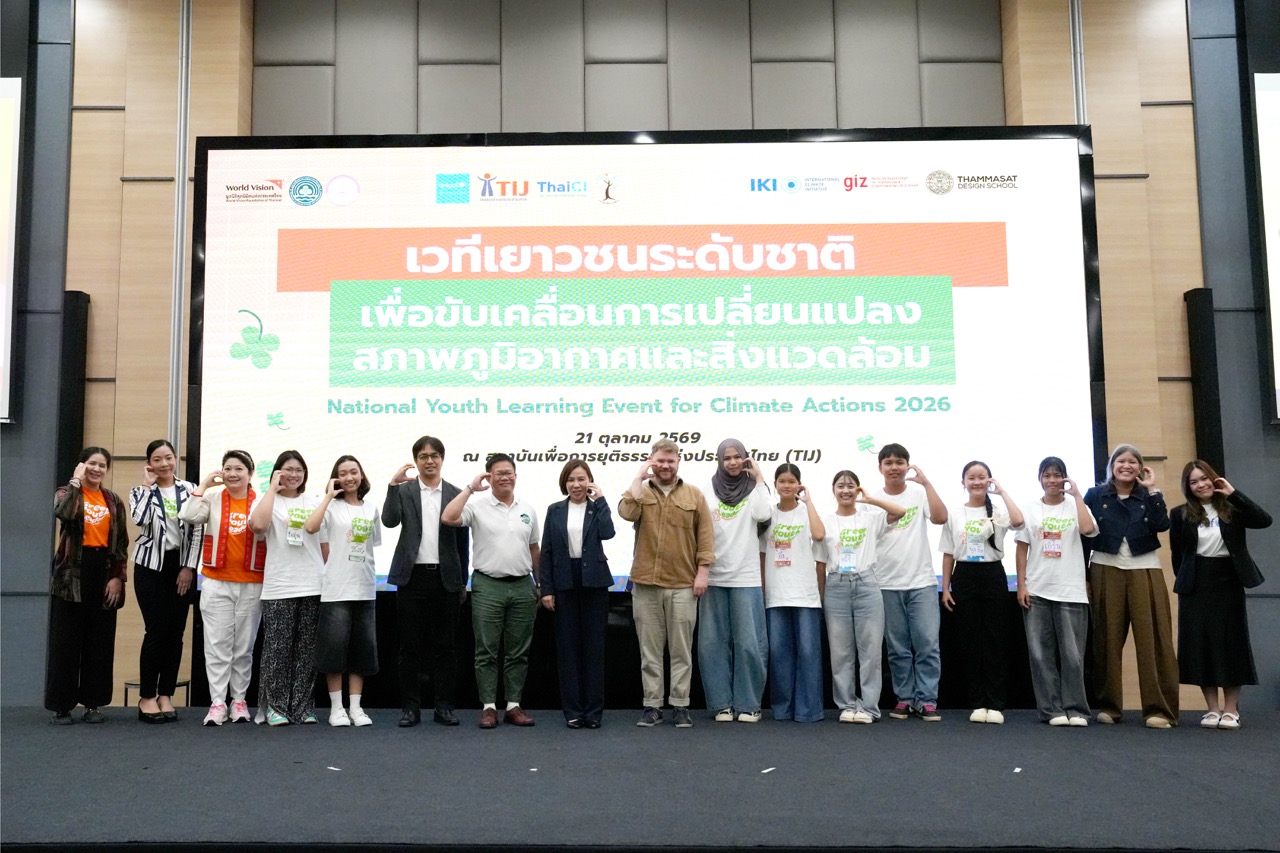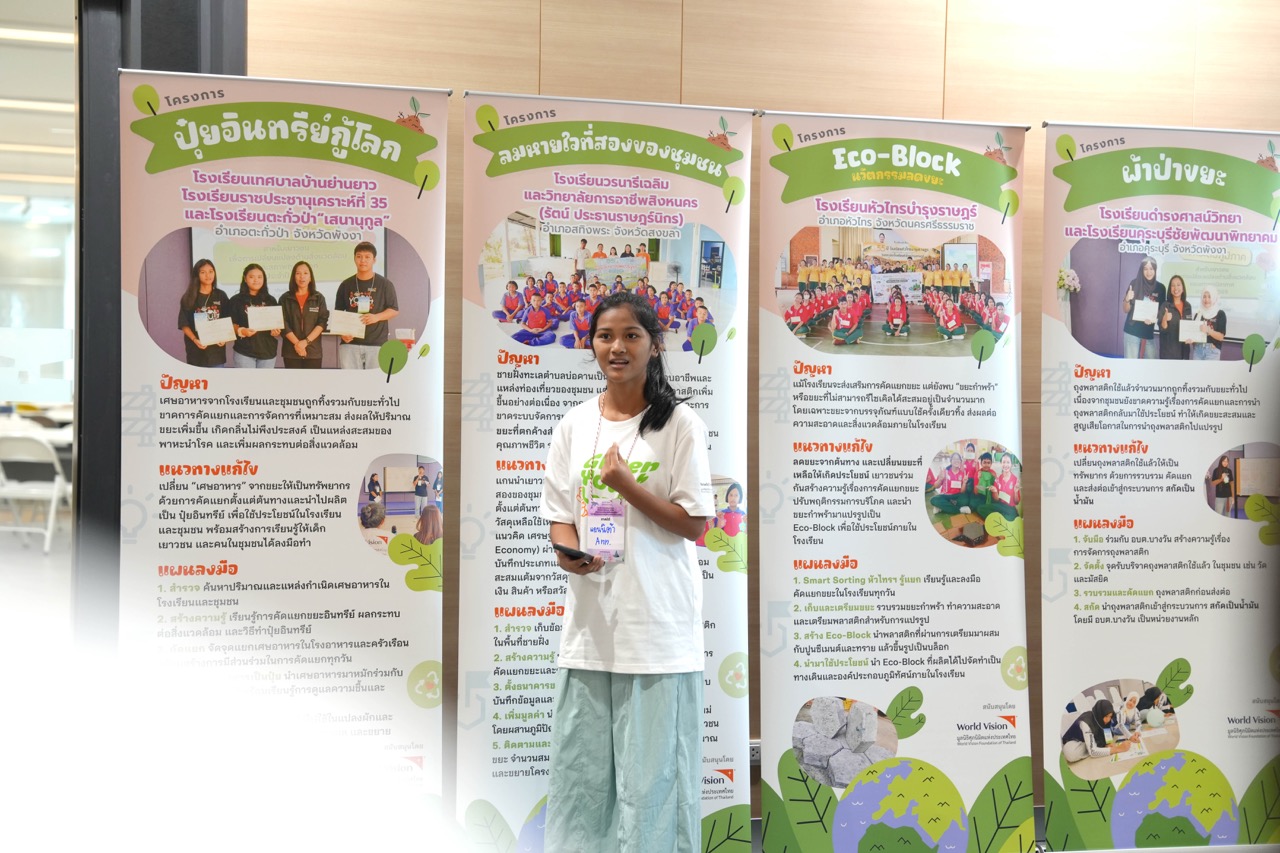
World Vision Foundation of Thailand (WVFT), in collaboration with government agencies, private sector partners, and organizations working on climate change and environmental issues, organized the National Youth Learning Event: Climate Actions 2026 under the theme “Voice to Actions: Empowering Youth for Climate Resilience” at the Thailand Institute of Justice (TIJ). The event created a national platform for children and youth from project areas across Thailand to demonstrate their potential, share experiences from their communities, and present practical solutions to environmental challenges and climate change through local action.
Climate change remains one of the most pressing global challenges, affecting children’s and young people’s quality of life, education, health, and long-term development opportunities. At the same time, youth are not only among those most affected by environmental issues but are also key agents of change, capable of developing innovative solutions and driving positive transformation within their communities.
Over the years, the World Vision Foundation of Thailand has supported children and youth across more than 35 provinces nationwide to design and implement environmental initiatives, including waste management, natural resource conservation and restoration, expanding green spaces, and promoting clean energy solutions. These efforts have generated tangible benefits for local communities and demonstrated the important role of young people as environmental leaders and changemakers.
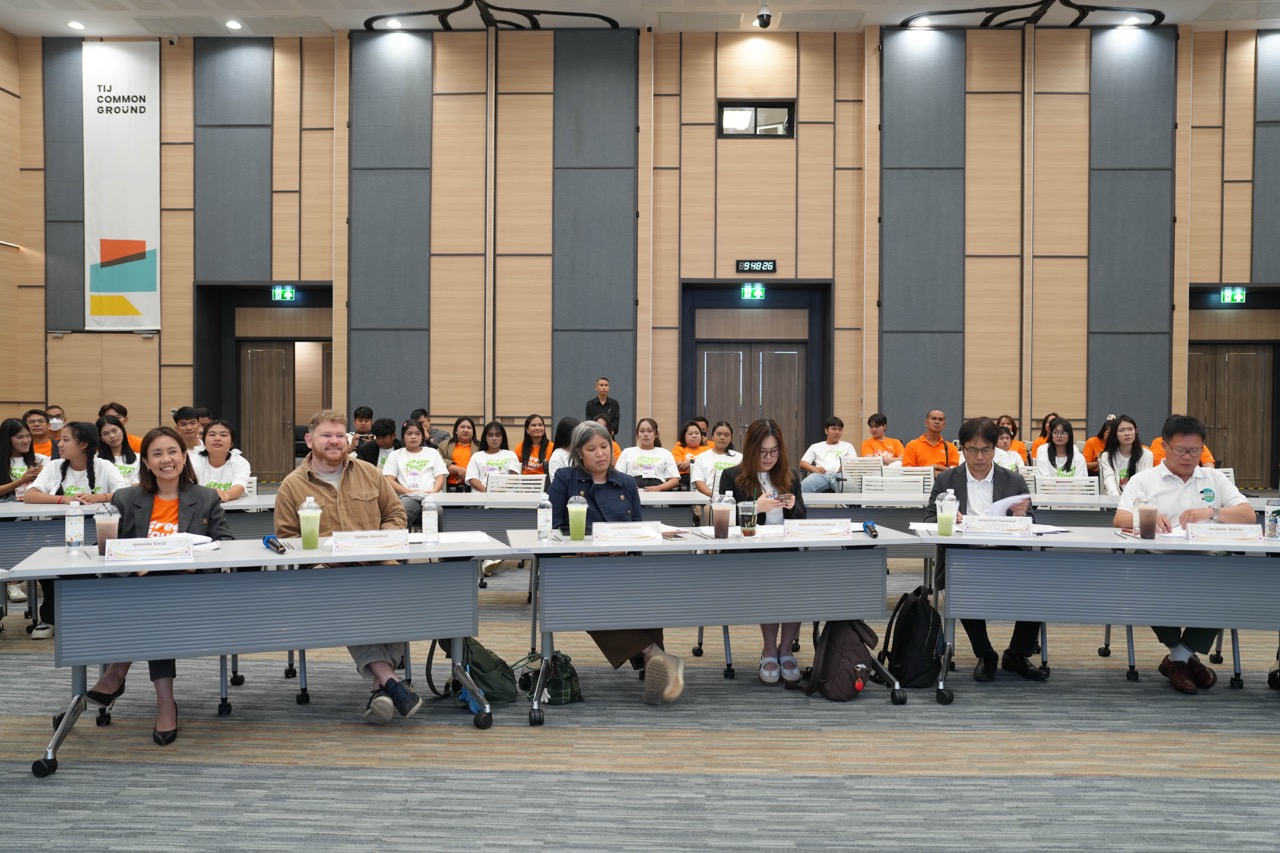
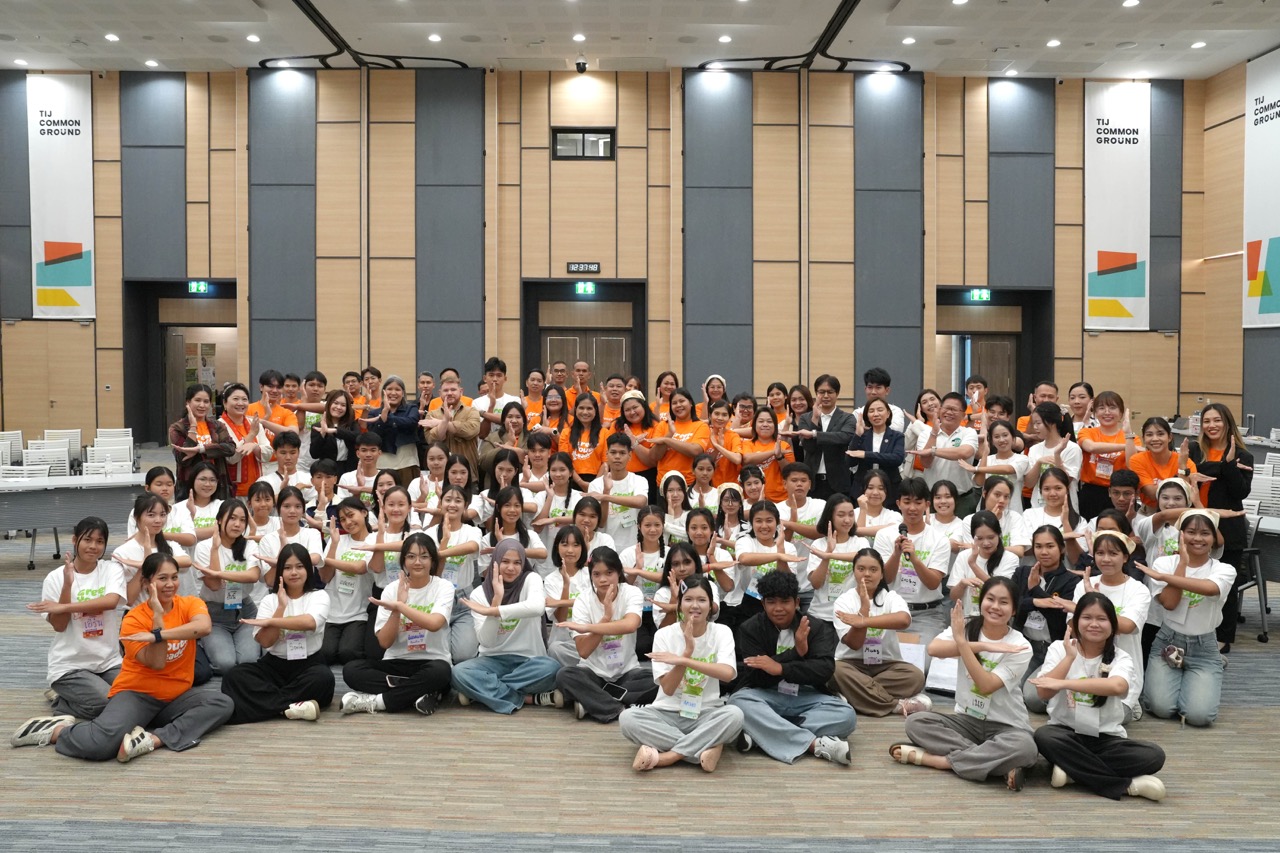
The event brought together approximately 120 participants, including sponsored youth representatives from four regions of Thailand, WVFT staff members, and representatives from government agencies, private companies, international organizations, and civil society networks working on child development and environmental sustainability. Key partners included the Department of Climate Change and Environment (DCCE), the Thailand Institute of Justice (TIJ), the Department of Children and Youth under the Ministry of Social Development and Human Security, UNICEF Thailand, SCGC, Jak Reward Technology, and climate adaptation networks from Thammasat University.
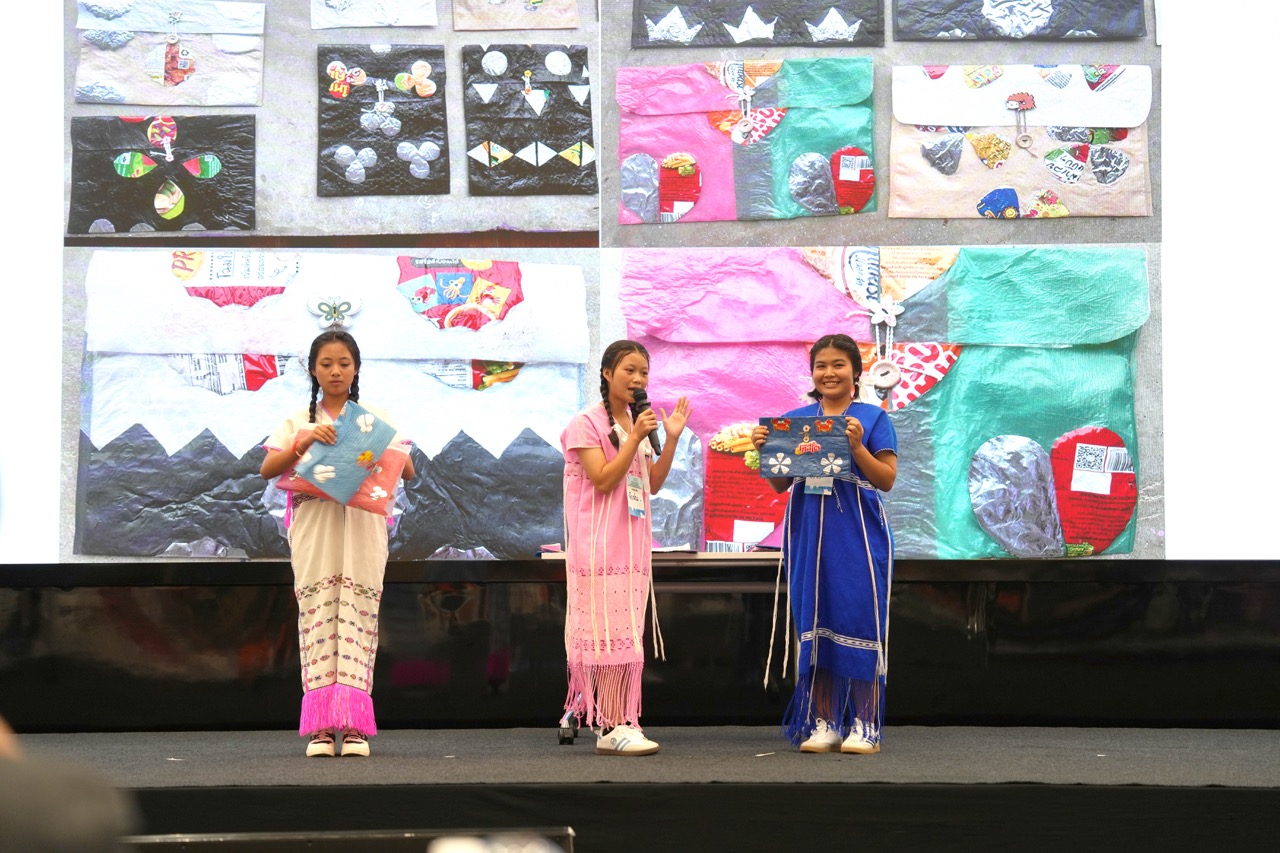
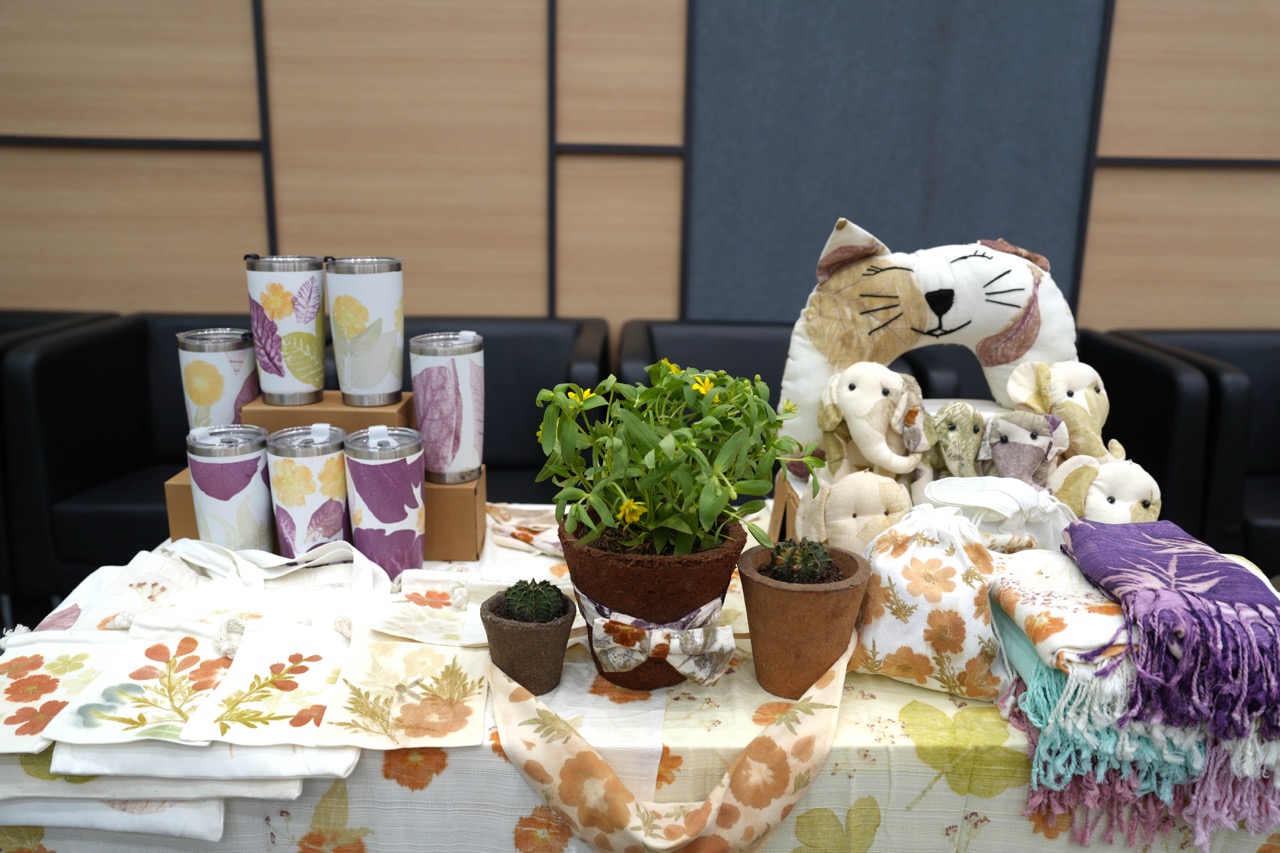
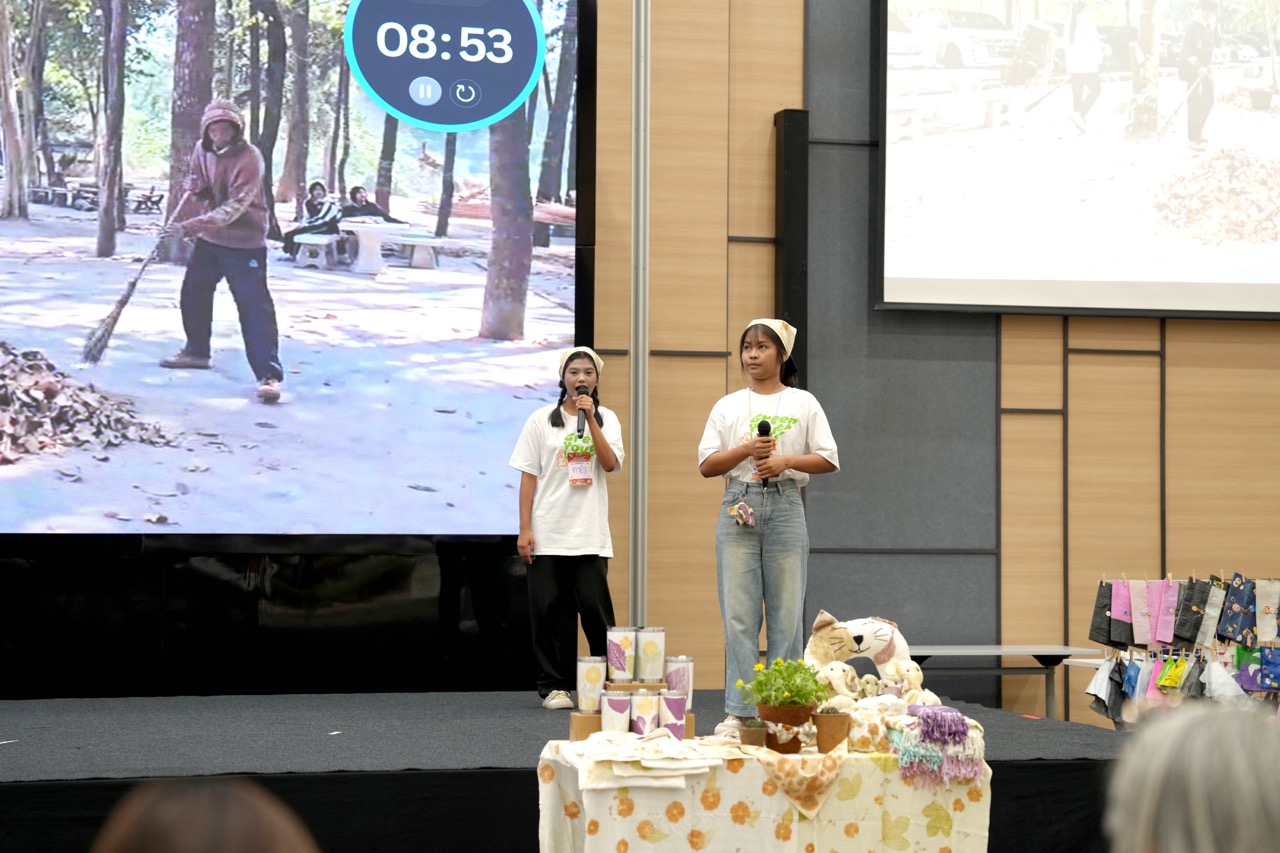
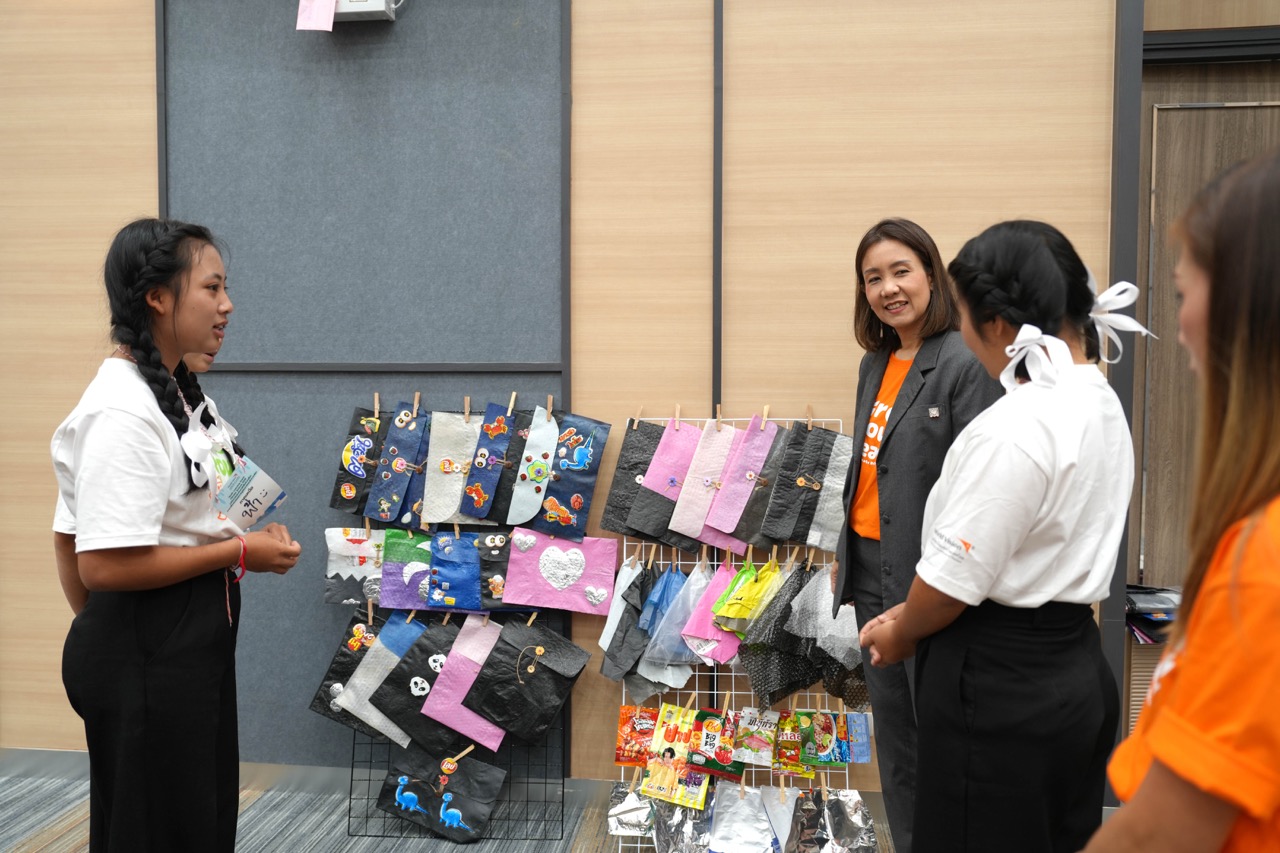
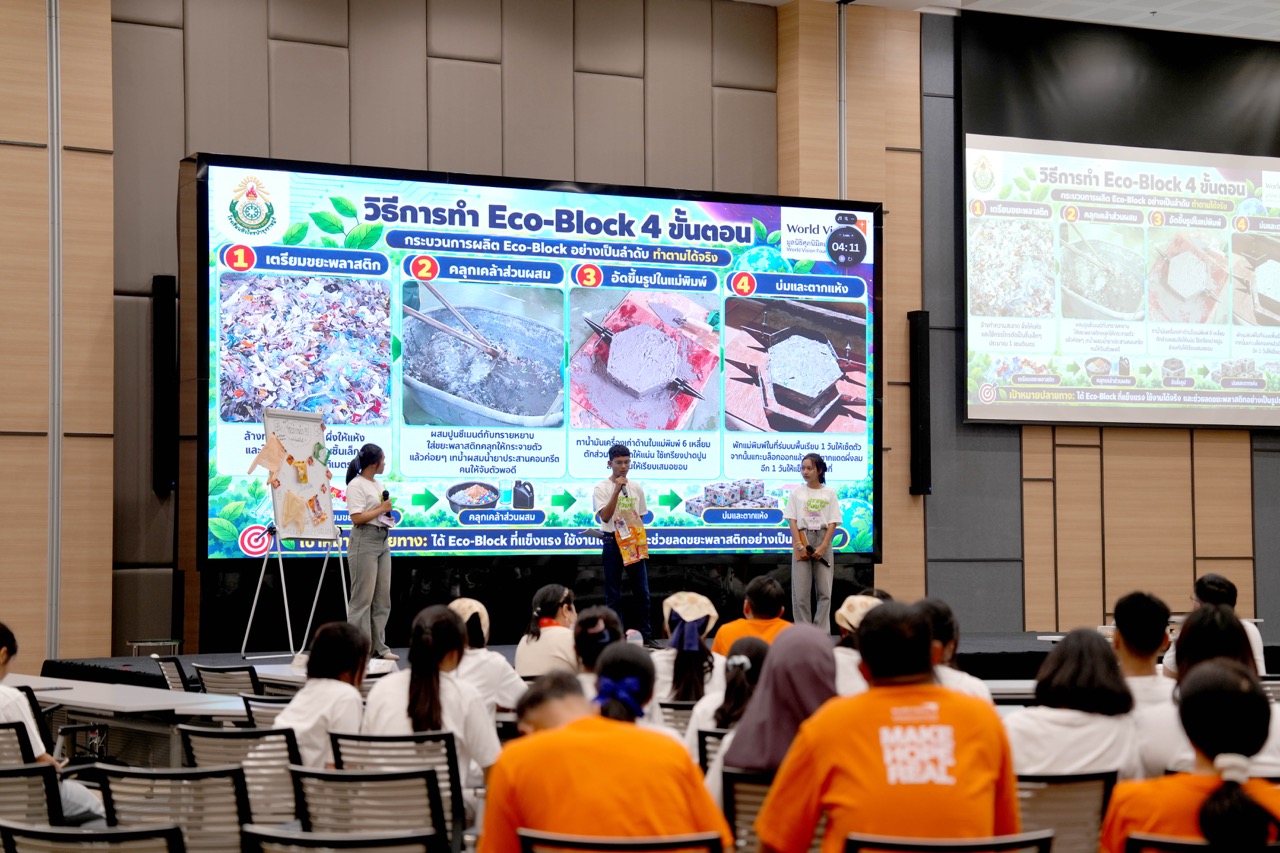
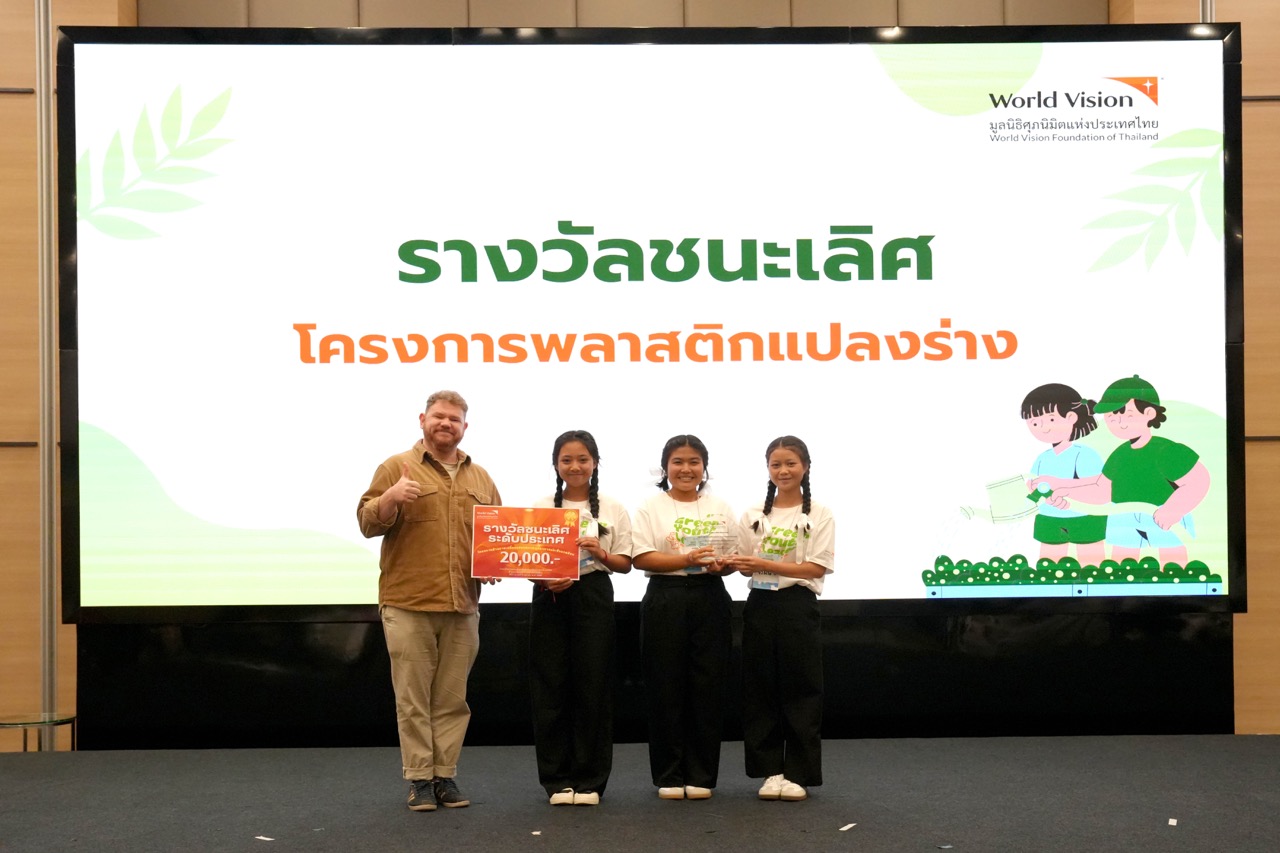
Throughout the event, participants explored exhibitions showcasing youth-led climate and environmental projects from across the country. A highlight was the Youth Climate Pitching Challenge, where youth representatives from four regions presented innovative environmental initiatives to a panel of experts, receiving feedback and recommendations to strengthen and expand their projects in the future.
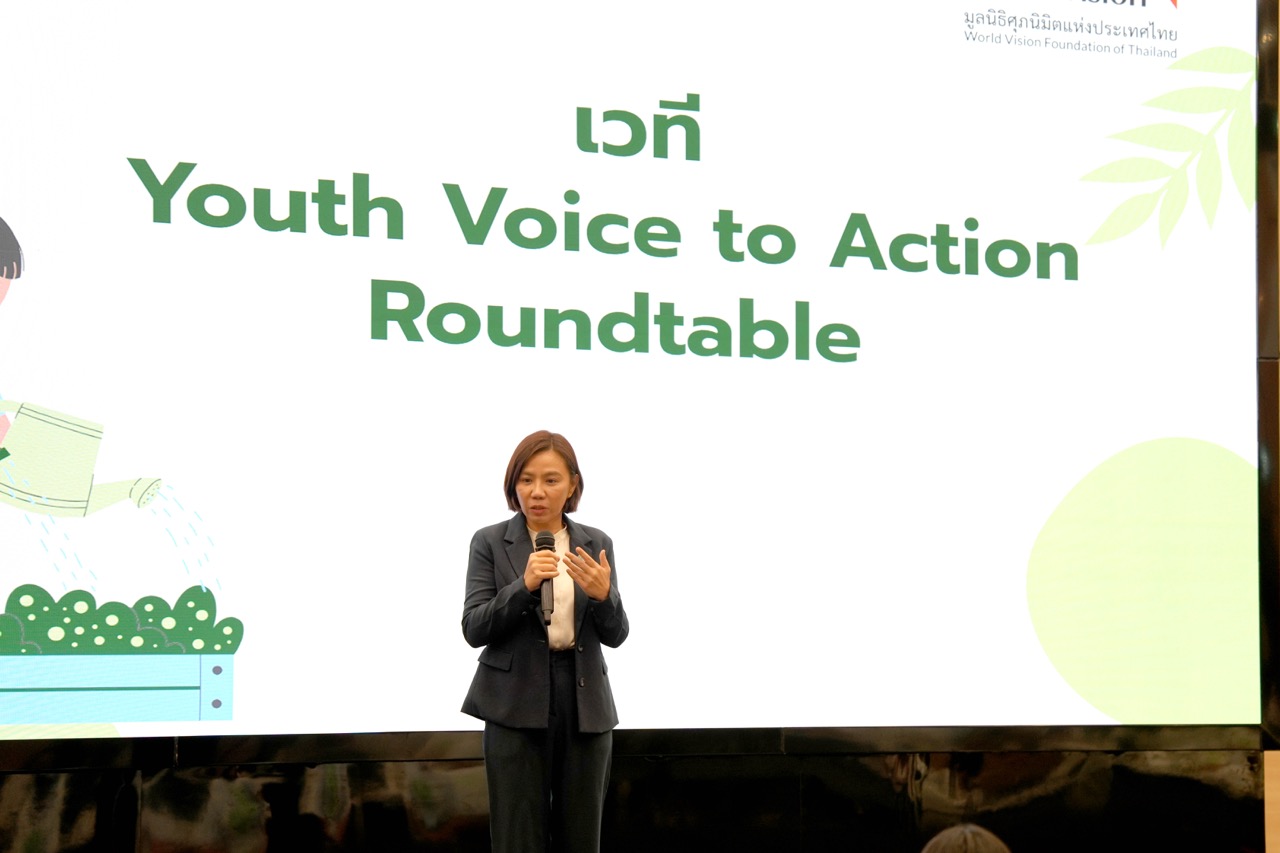
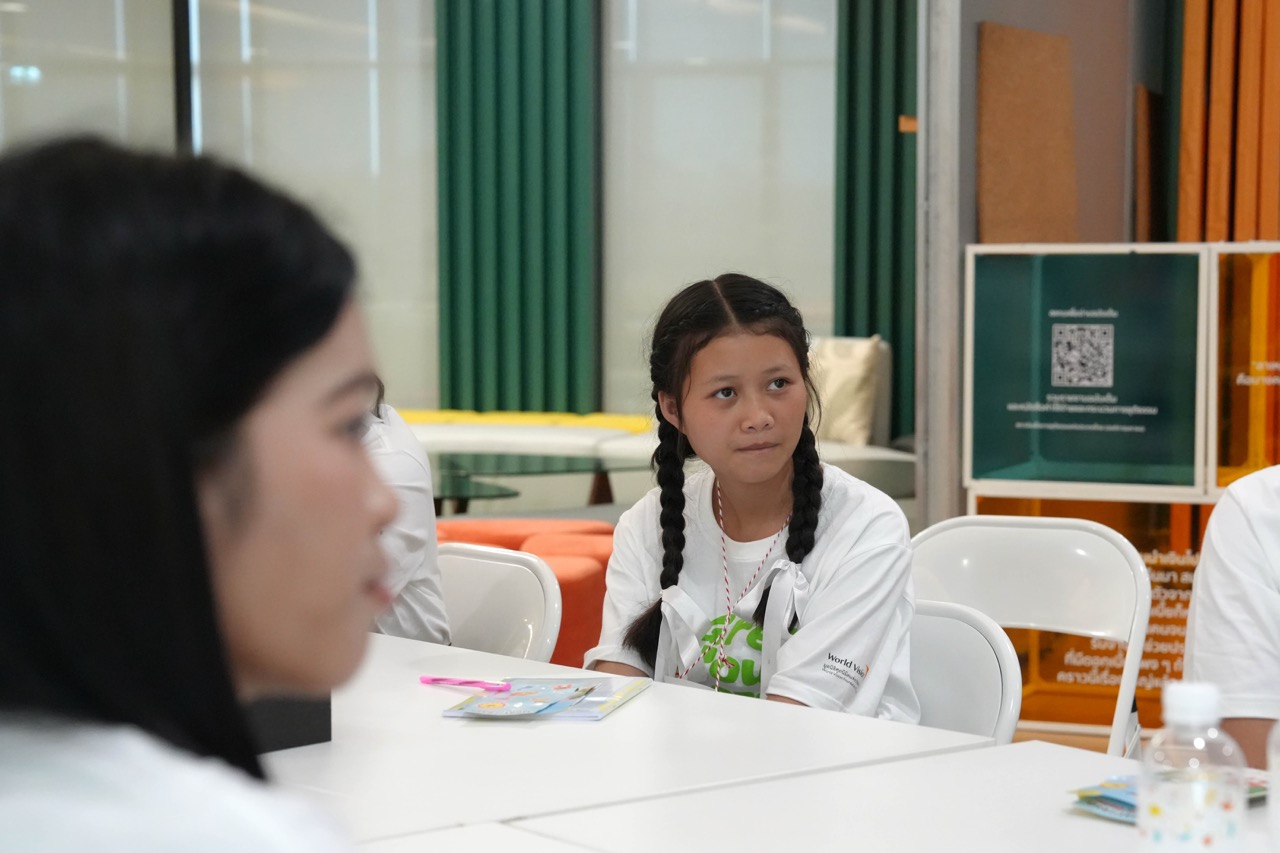
Another key activity was the Youth Voice to Actions roundtable dialogue, which gave children and young people an opportunity to share first-hand experiences of climate change impacts on education, health, livelihoods, and household economies in their communities. Participants also presented policy recommendations to relevant stakeholders, contributing to discussions on building a more sustainable and equitable future for all.
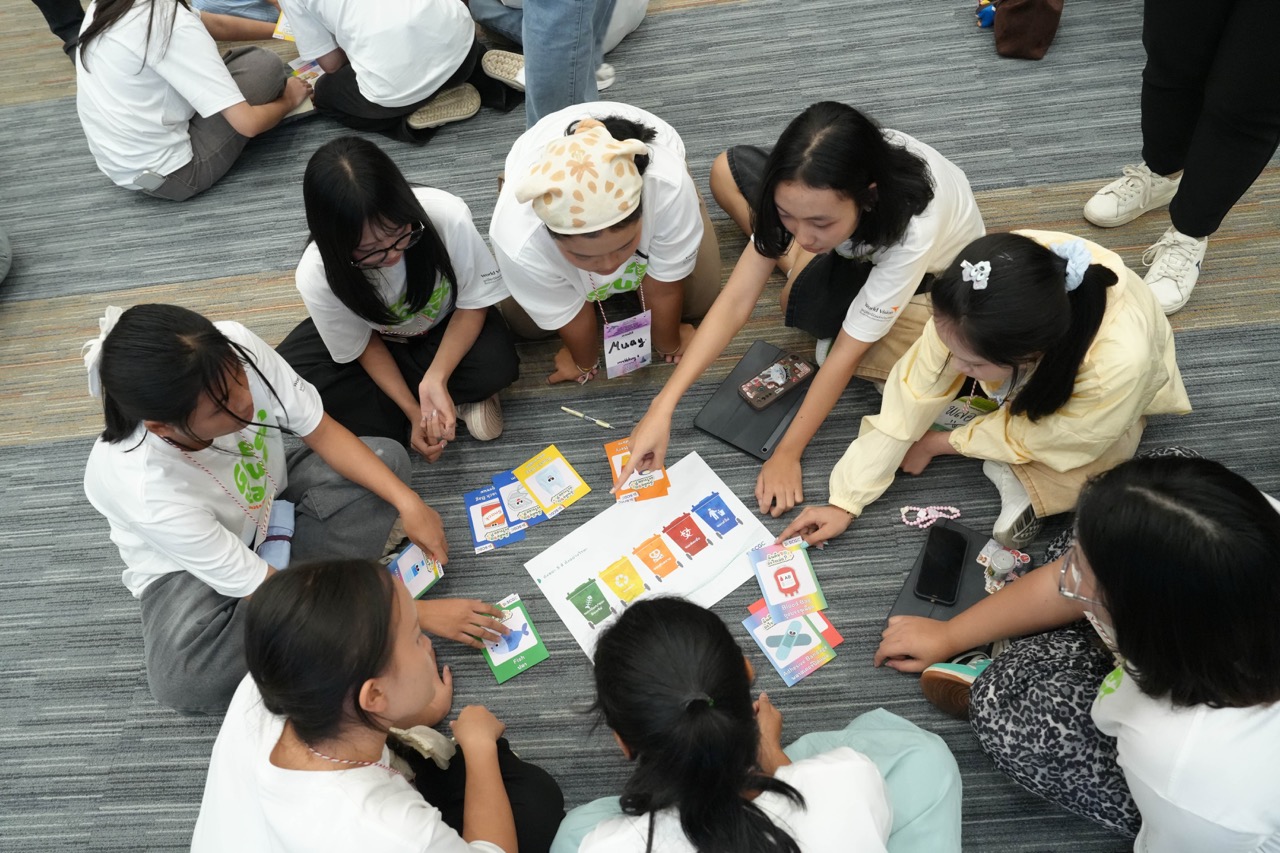
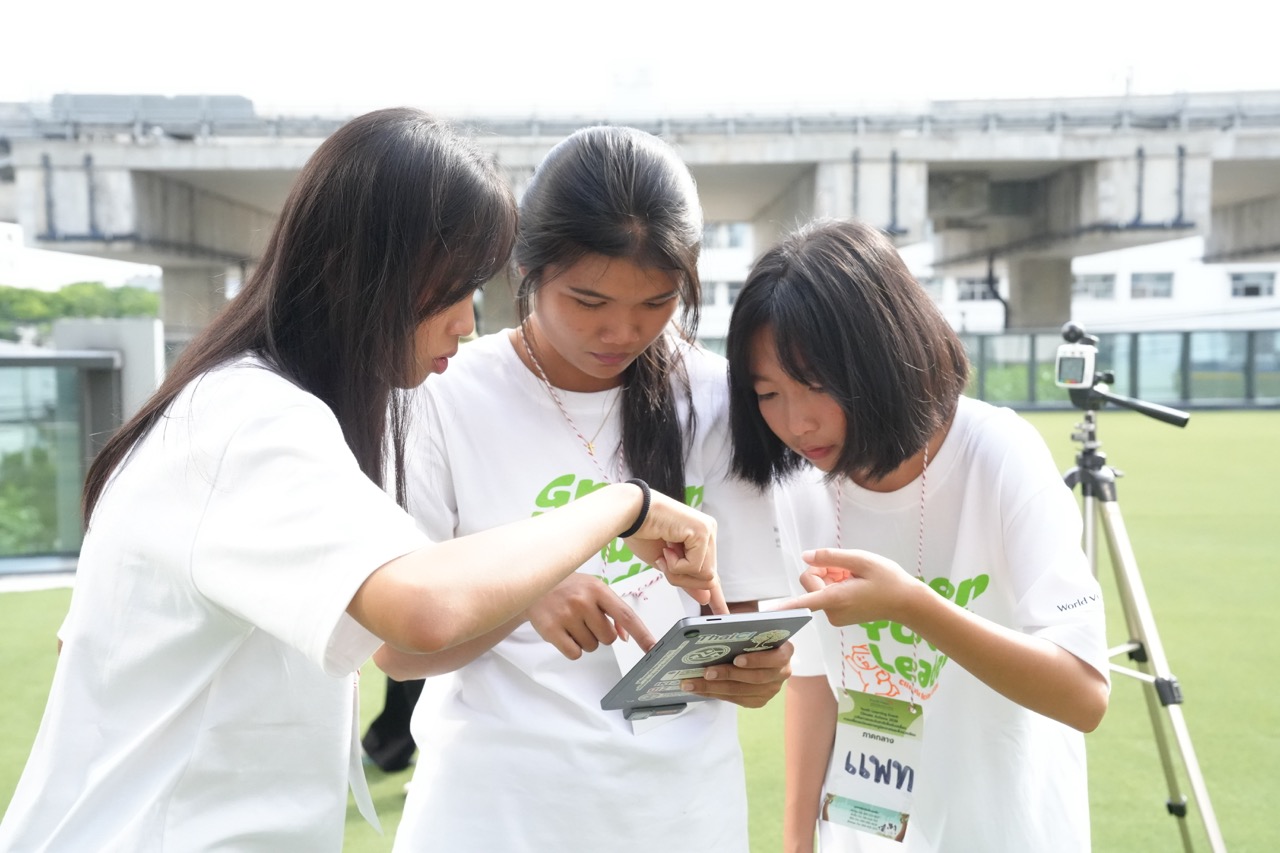
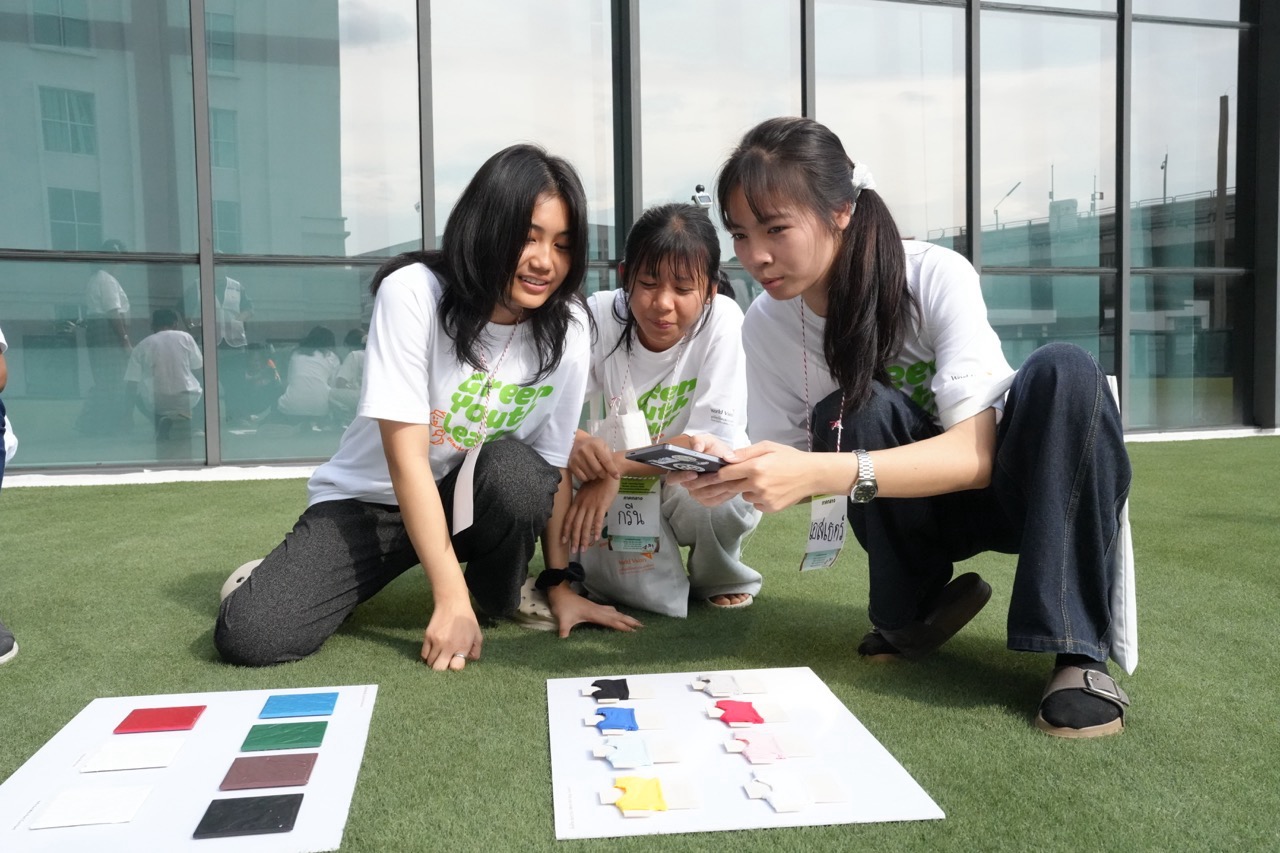
The program also featured Youth Learning Labs, providing hands-on learning experiences on environmental topics such as waste management and the circular economy, facilitated by SCGC, as well as community heat adaptation and climate resilience sessions led by Jak Reward Technology.
The event highlighted the power of children and youth as both “change-makers” and “voices for action,” demonstrating their meaningful contributions to environmental sustainability from the community level to national policy discussions. It also underscored the importance of collaboration among young people, government institutions, private sector partners, and civil society organizations in building climate-resilient communities and advancing sustainable development for current and future generations.
Miss Narathip, a 15-year-old youth leader from Omkoi District, Chiang Mai Province, who presented her project during the event, shared her excitement about the opportunity:
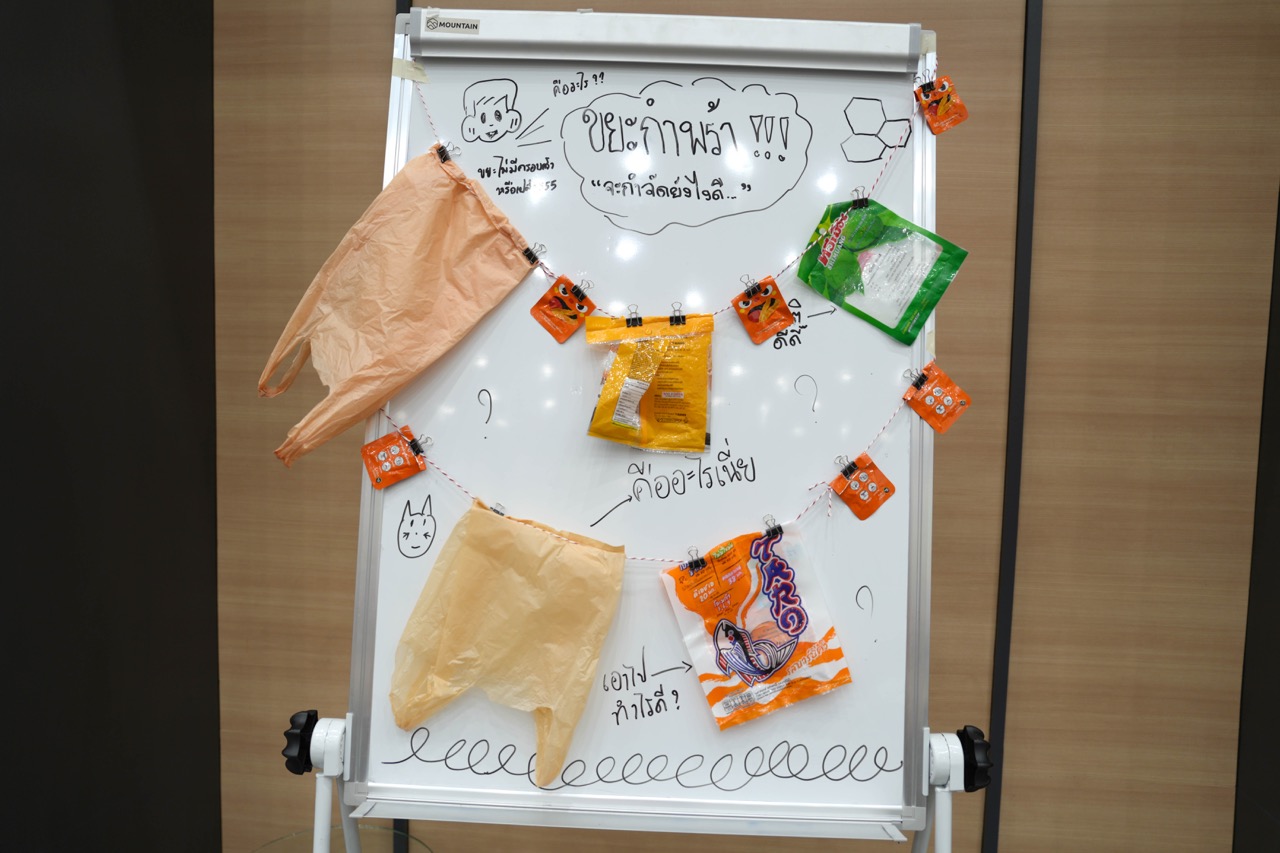
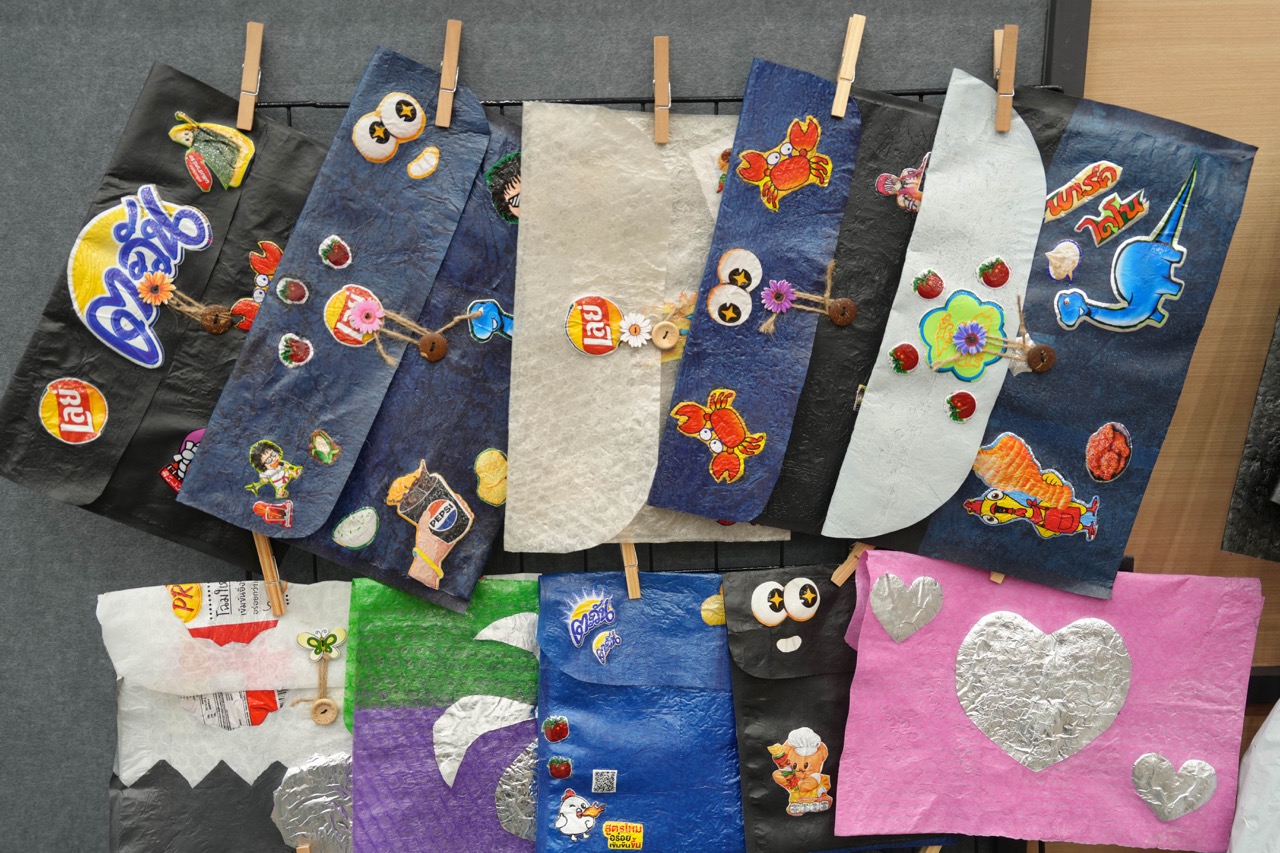
“At first, we simply wanted to help solve the waste problem in our school. We began collecting used plastic bags and processing them through melting and recycling techniques to create durable material sheets. These sheets were then transformed into uniquely designed document folders with geometric patterns. The project not only helps reduce plastic waste but also demonstrates that materials often considered worthless can be given new life and value.”
Narathip explained that the project received strong support from teachers at her school, particularly in product design and innovation, as well as from the World Vision Foundation of Thailand through financial support and youth leadership development. These opportunities helped her and her peers gain confidence in planning, creating, and leading initiatives that make a positive difference in their communities.
“I would like to encourage all young people not to be afraid of trying new things or showing their talents. Everyone has the power to create change, starting with something close to them. Even a small piece of waste can become something valuable if we are willing to think creatively and take action.”
The World Vision Foundation of Thailand works to improve the lives of children, families, and communities through holistic development approaches. The organization promotes meaningful child and youth participation in driving positive social change, including environmental sustainability and climate action at both community and national levels. This is achieved through leadership development, learning opportunities, youth engagement platforms, and partnerships with government agencies, private sector organizations, and civil society networks.
WVFT believes that children and young people are not merely recipients of support or victims of environmental and social challenges; they are powerful agents of change. The Foundation is committed to equipping them with the knowledge, skills, leadership abilities, and opportunities needed to raise their voices and participate in decisions that shape their lives and futures. This commitment aligns with WVFT’s vision of creating sustainable well-being for every child through strong families and resilient communities that are prepared to face the challenges of a rapidly changing world.