Early childhood development is a critical foundation for long-term human development, particularly in remote areas and ethnic communities where educational opportunities remain limited. The Integrated Child-Centered Active Learning Project (ICAP) is one initiative that helps improve the quality of early childhood education by strengthening teachers’ capacities, enhancing learning environments, and promoting age-appropriate, hands-on learning experiences that place children at the center of the learning process.
Through a collaboration between the Yuvabadhana Foundation, World Vision Foundation of Thailand (WVFT), and local partners in the Umphang Area Development Program, Tak Province, the ICAP Model B has been expanded to child development centers in the area. The initiative aims to empower teachers and improve learning environments that support the holistic development of young children.
This collaboration aligns with World Vision Foundation of Thailand’s Education & Life Skills strategy, which seeks to ensure that children and youth have access to quality education, develop life and future-ready skills, and receive equal educational opportunities regardless of their background. This includes ethnic minority children, migrant children, and stateless children.
Moving Beyond Traditional Teaching Toward Structured Learning
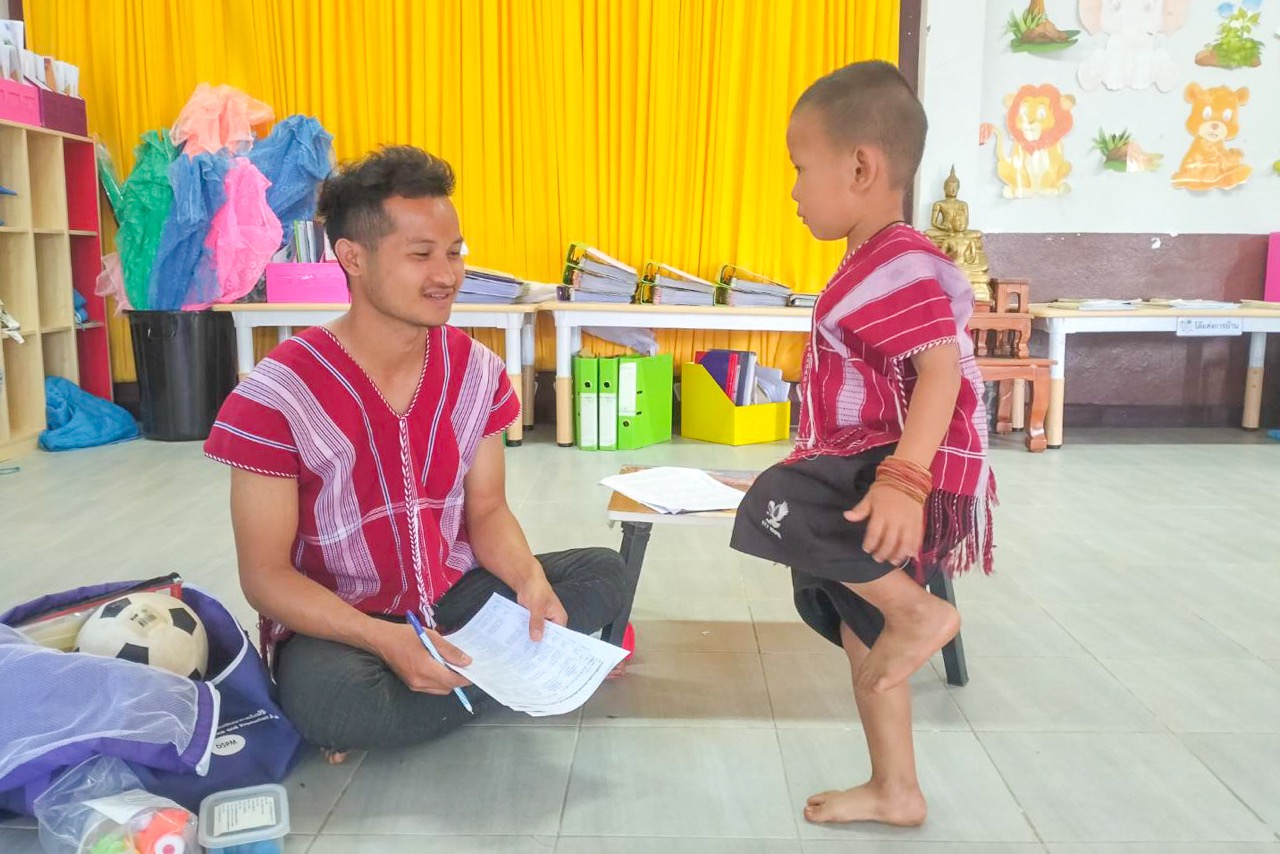
According to Mr. Prawit Sakonkalakate, Childcare Teacher, the child development center faced several challenges before joining the project. These included limited classroom management systems, insufficient use of teaching materials, and learning environments that did not fully support effective learning.
“Before joining the project, our teaching approach lacked a clear structure. Learning materials and activities were not well connected, which made it difficult for some children to express themselves confidently and fully develop their language skills.”
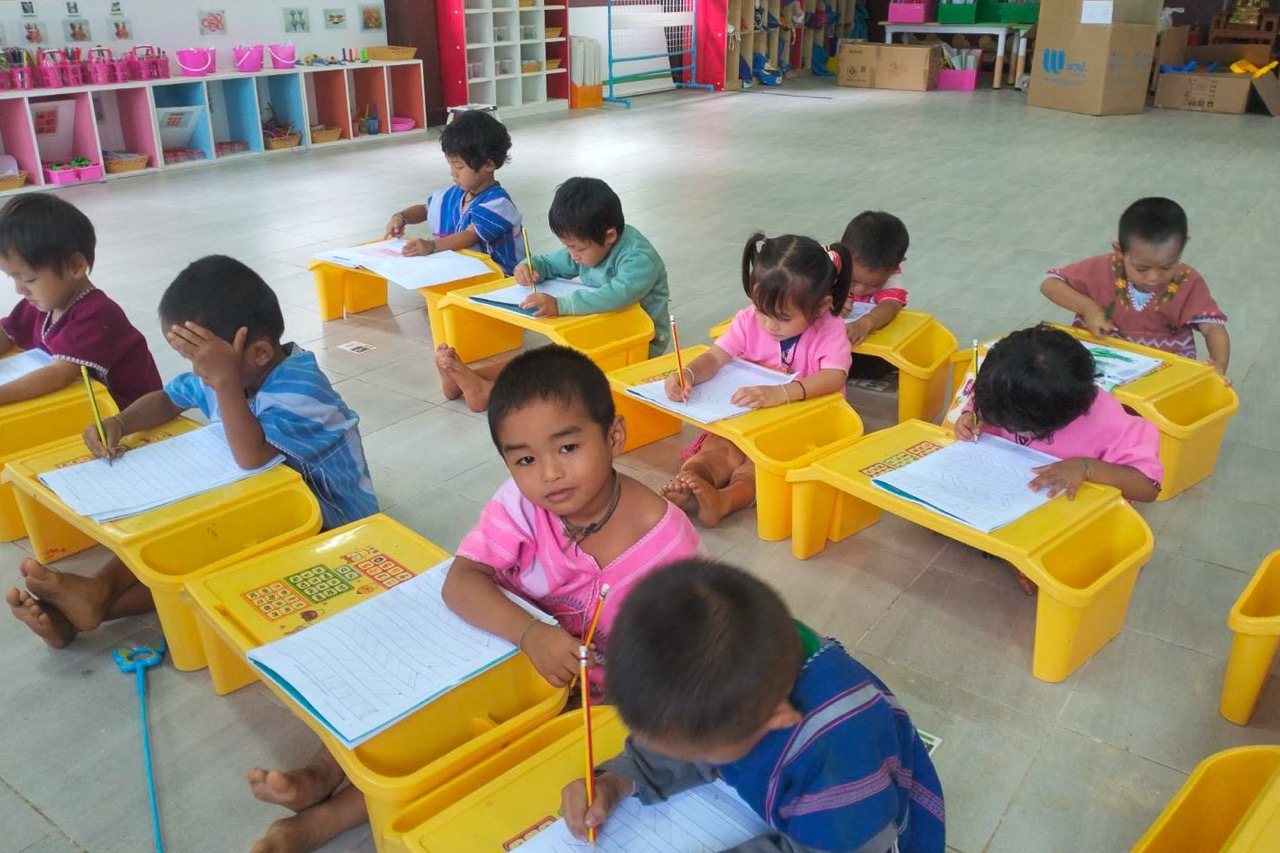
After participating in ICAP’s practical training workshops, teachers were able to apply more systematic approaches to daily routines, learning materials, activity-based instruction, classroom management, and learning corner organization.
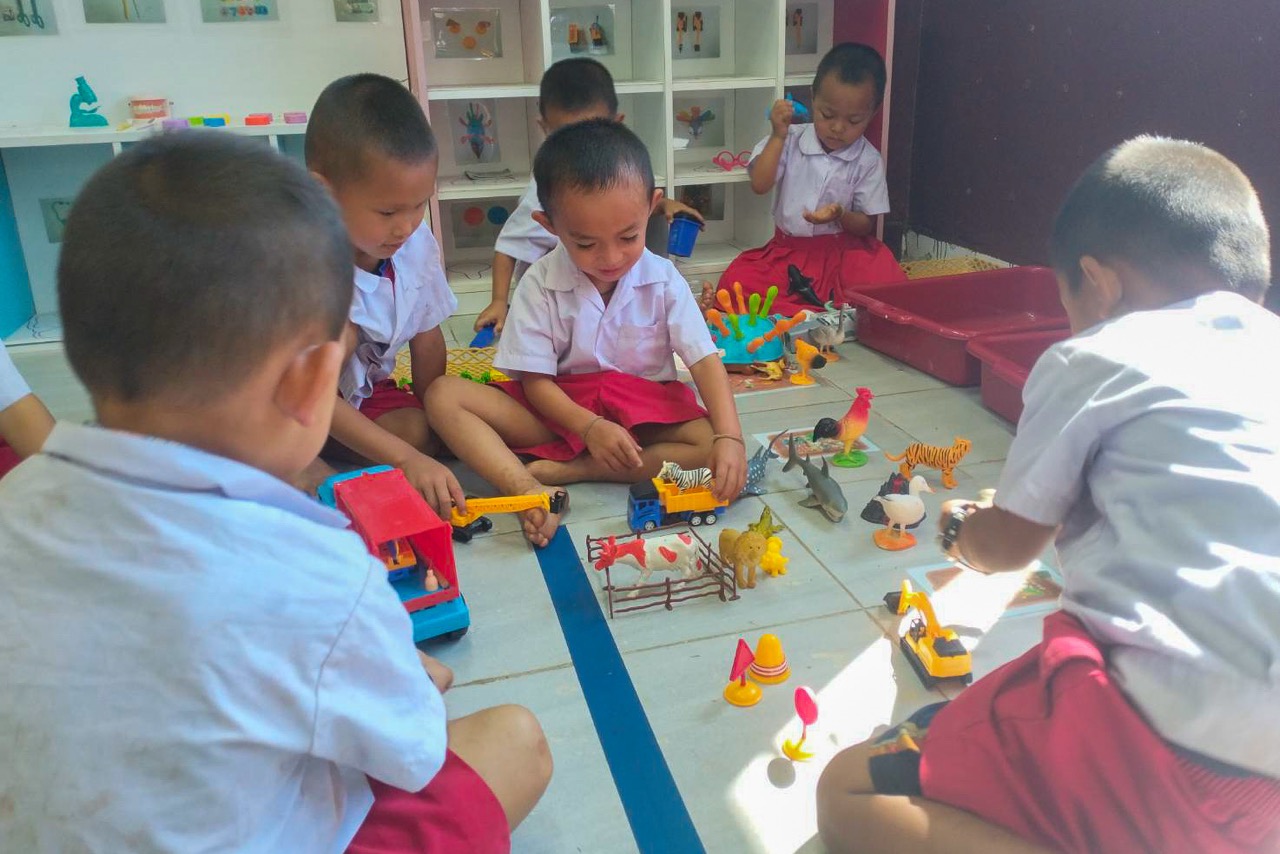
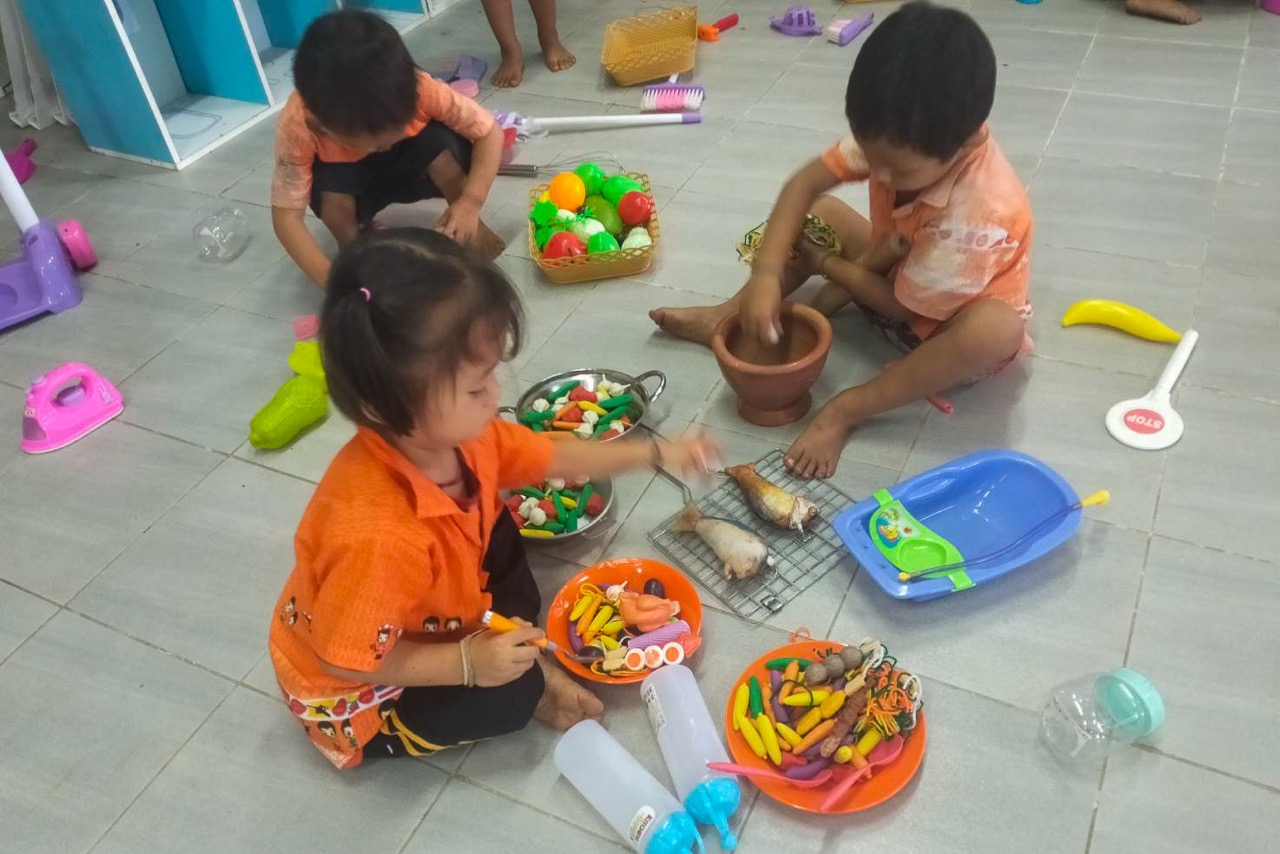
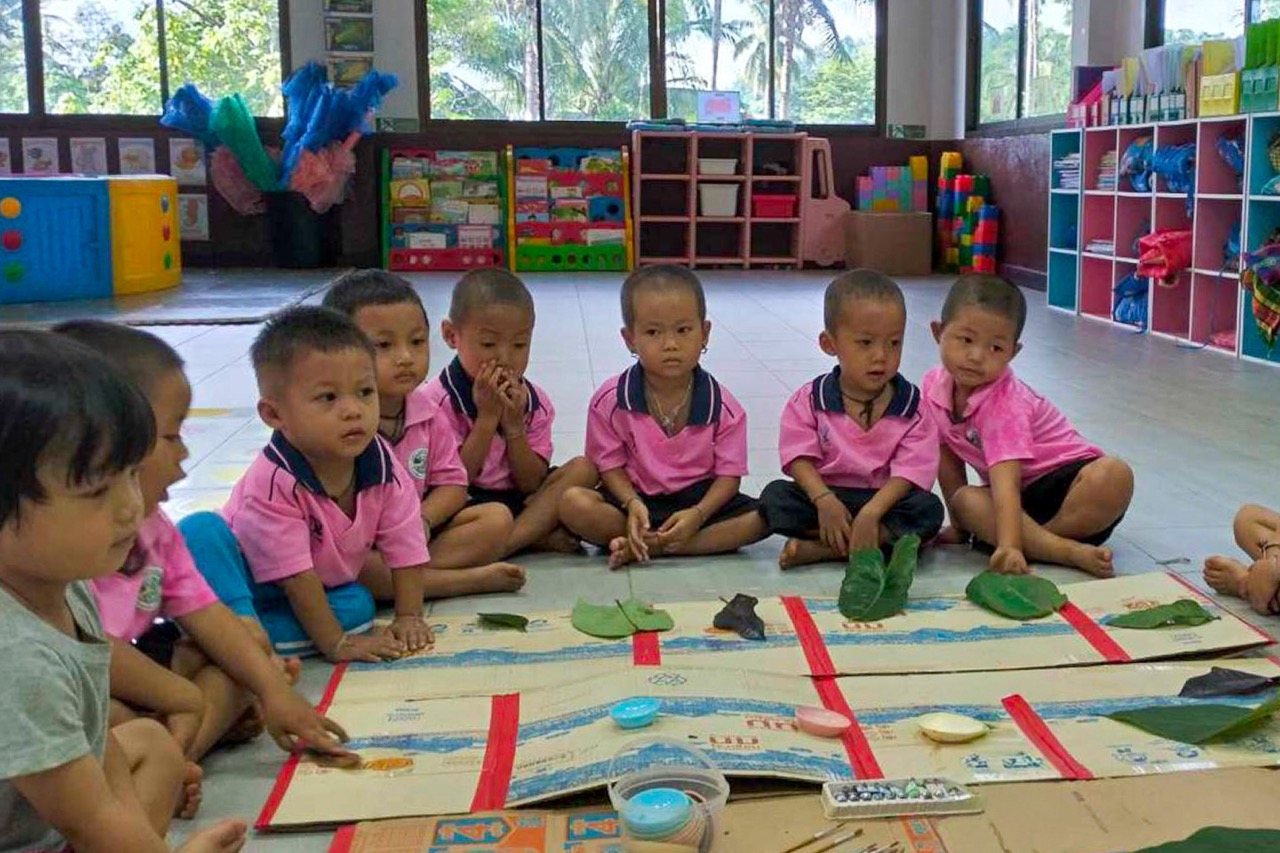
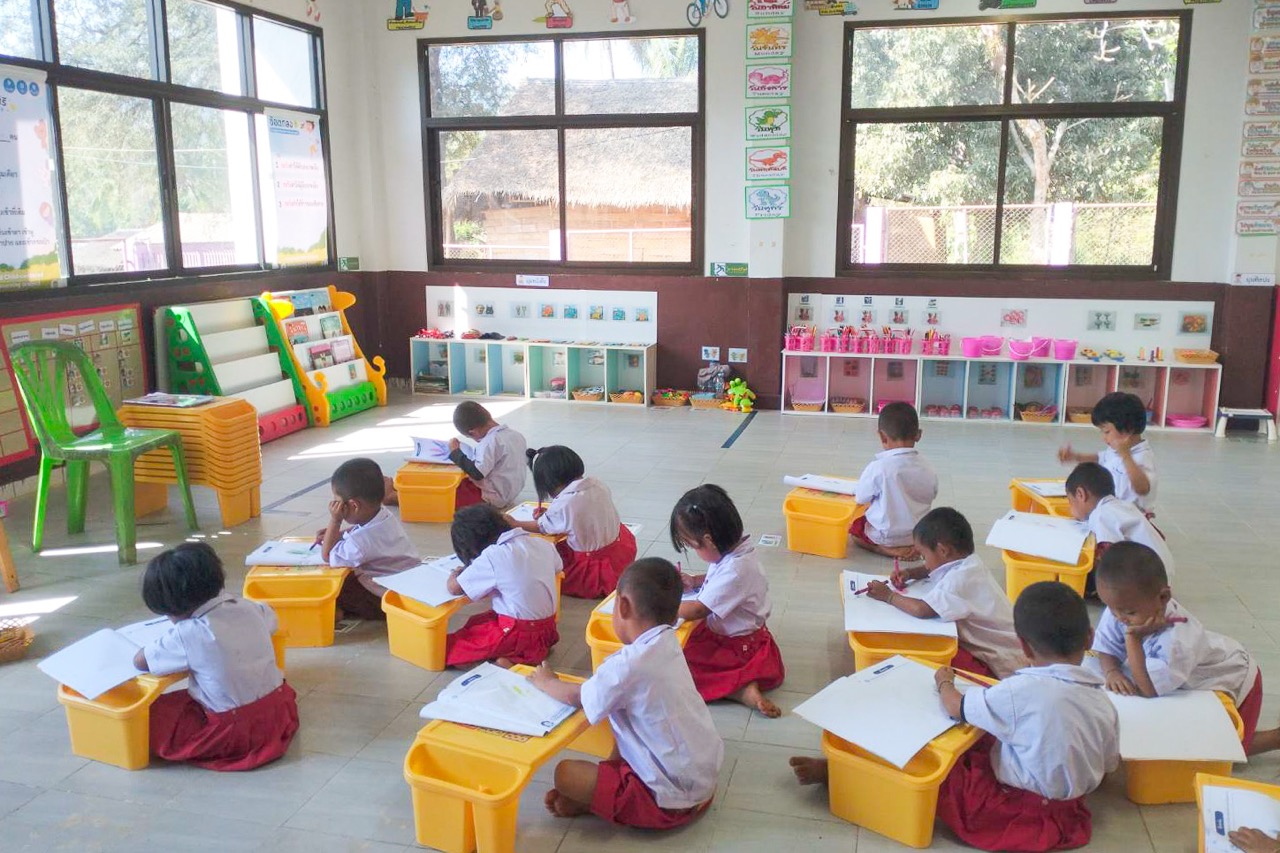
These approaches reflect ICAP’s core principles, which emphasize improving classroom environments, providing accessible learning materials, and establishing at least five learning corners: a Reading Corner, Art Corner, Home Corner, Block Corner, and Science Corner. These spaces support holistic child development and strengthen Executive Function (EF) skills in young learners.
Designing Classrooms for Children’s Learning
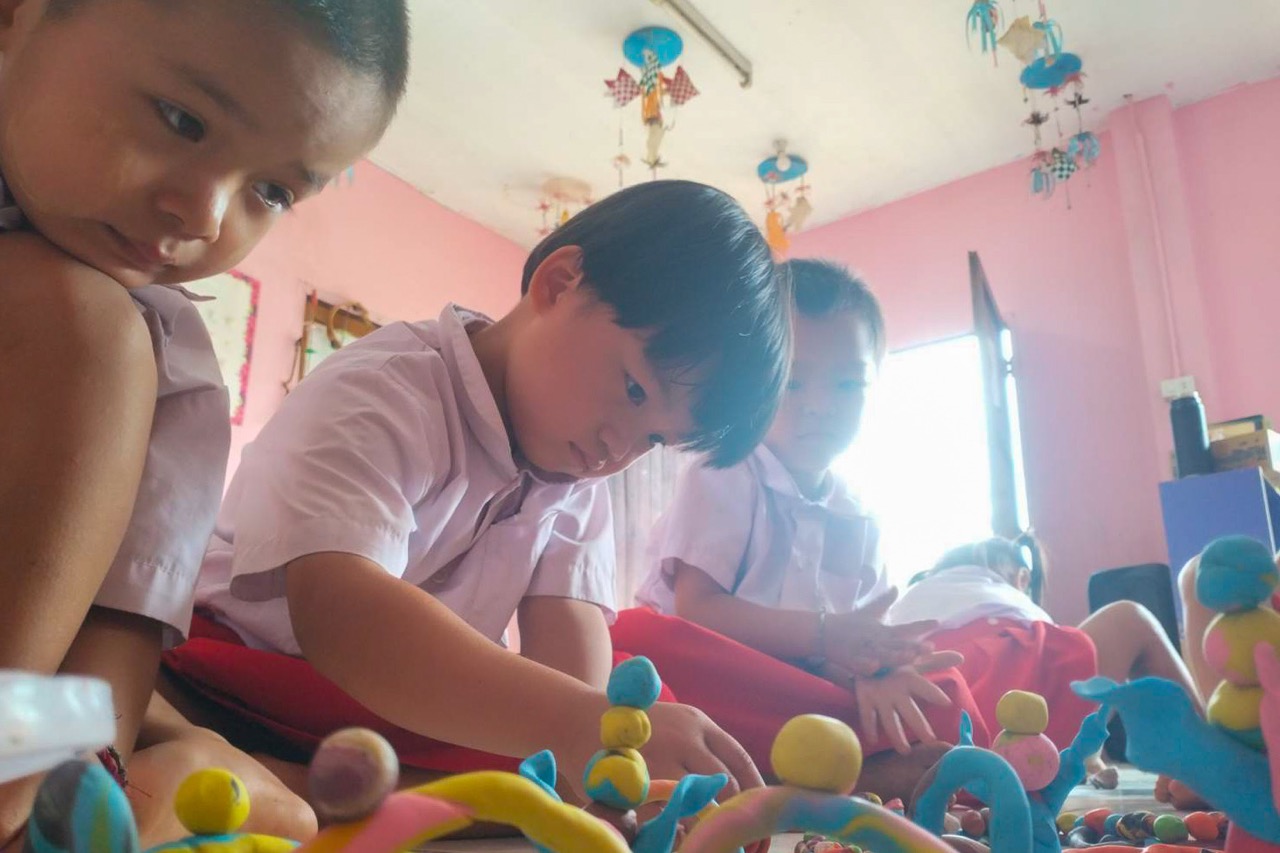
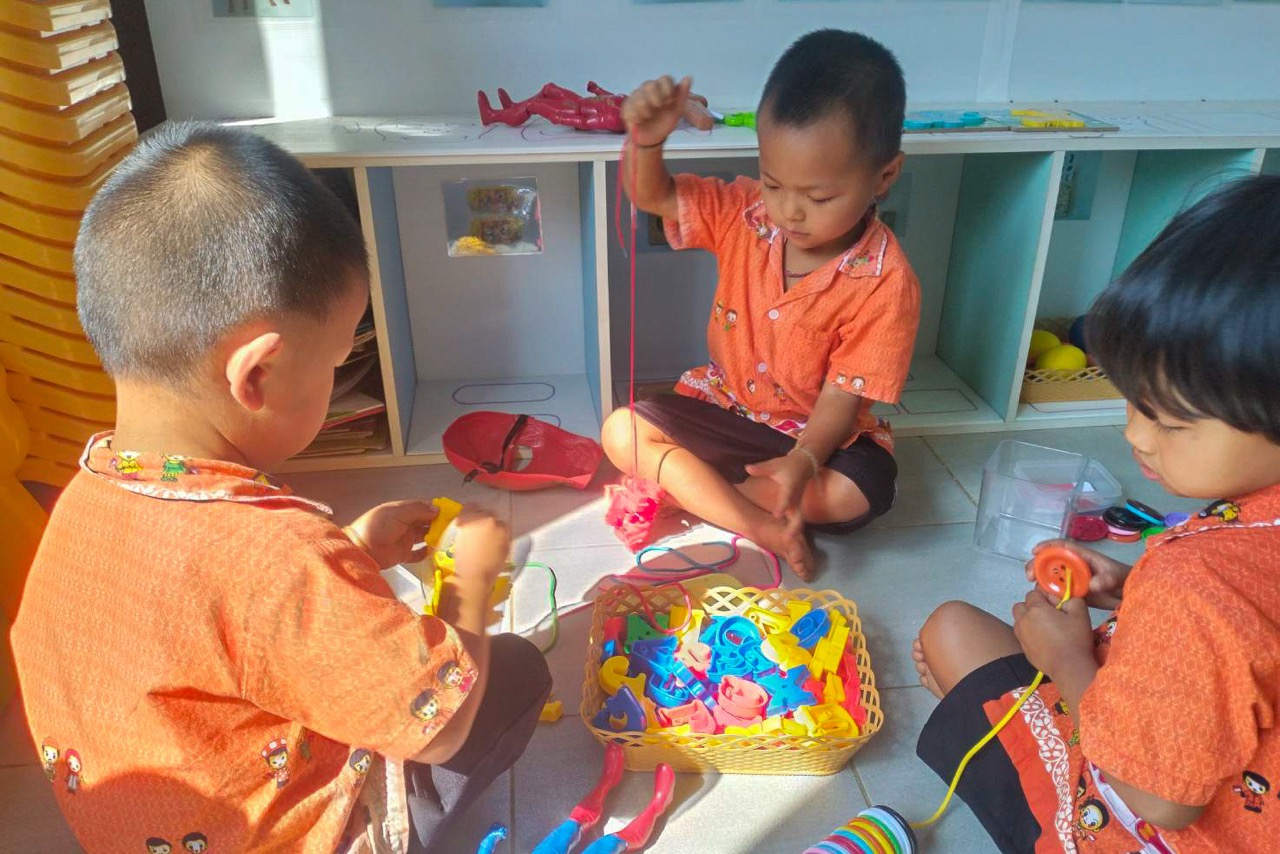
One of the most significant changes has been the transformation of classroom environments into well-organized, child-friendly learning spaces. Learning materials are now categorized and easily accessible, enabling children to independently choose activities based on their interests.
The five learning corners, based on the HighScope educational approach, encourage children to learn through play, exploration, and hands-on experiences. These activities naturally foster critical thinking, problem-solving, communication, and planning skills.
Mr. Prawit explained that children can now independently select activities, make plans for how they want to spend their learning time, and confidently explain what they have learned through various experiences.
Positive Changes Reflected in Children’s Development
After a period of implementation, noticeable improvements were observed across all areas of child development, including physical, emotional, social, language, and cognitive growth.
One particularly significant change has been children’s increased confidence and willingness to express themselves. They are more comfortable asking questions, seeking clarification, selecting activities, and planning their own learning experiences. These outcomes closely align with ICAP’s objective of strengthening Executive Function (EF) skills, particularly in planning, self-management, and cognitive flexibility.
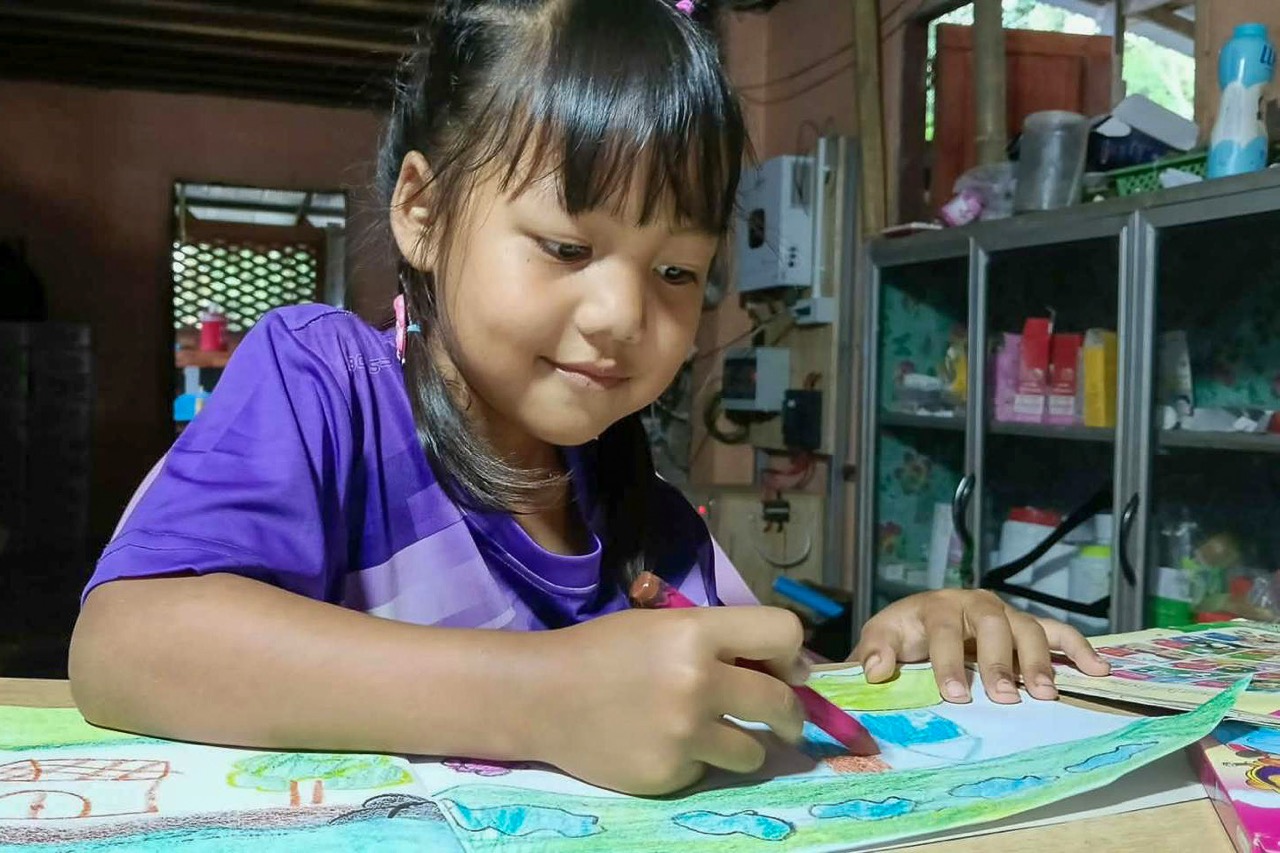
One example is ‘Irin,’ a six-year-old sponsored child from the Umphang Area Development Program. According to her teacher, she has shown remarkable progress in her ability to plan activities, follow structured processes, and participate more systematically in classroom activities.
Strengthening Family Engagement in Learning
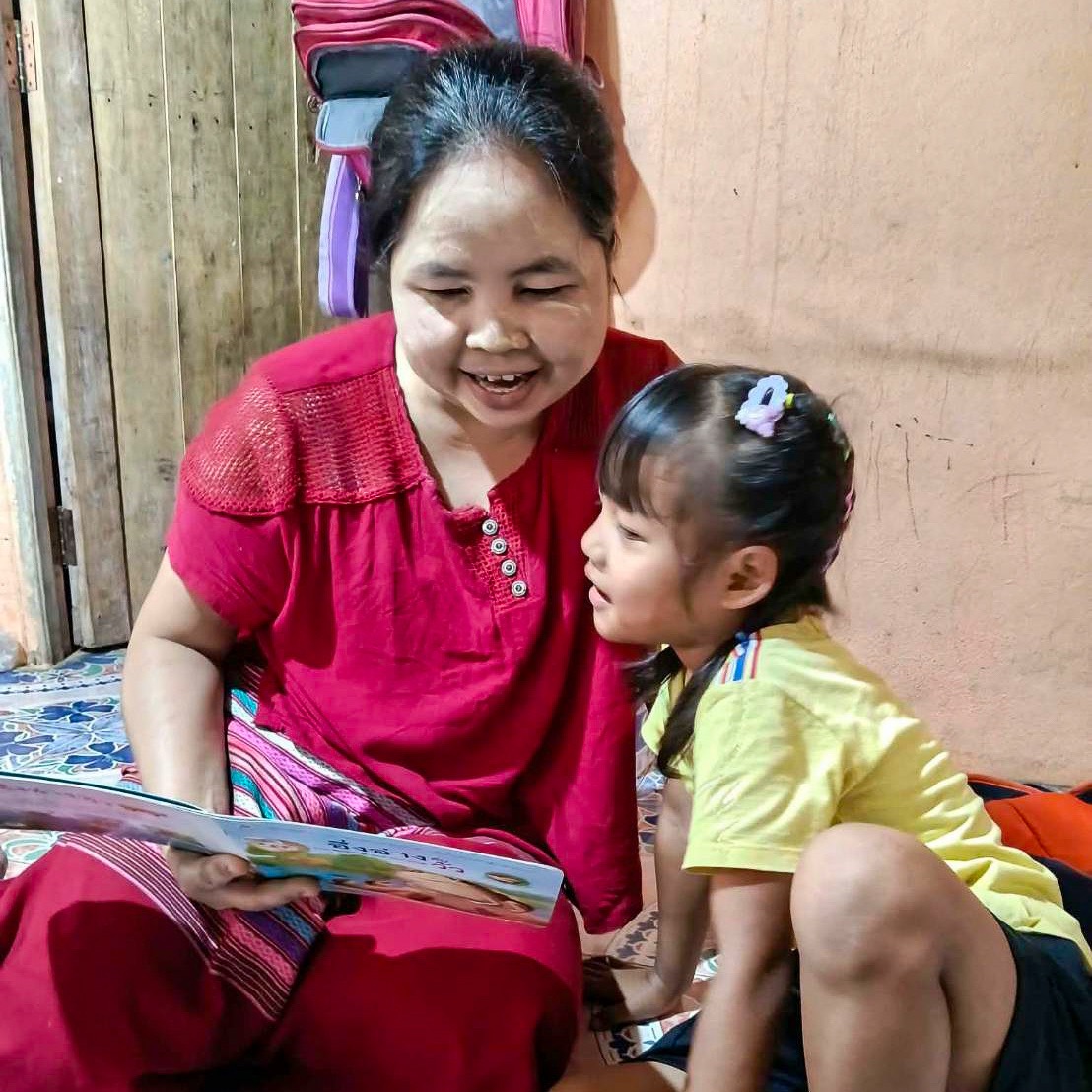
Beyond teacher development and classroom enhancement, ICAP places strong emphasis on parental involvement. One key activity, ‘Take a Story Home,’ encourages children to bring books home and read with their families, promoting both language development and stronger family relationships.
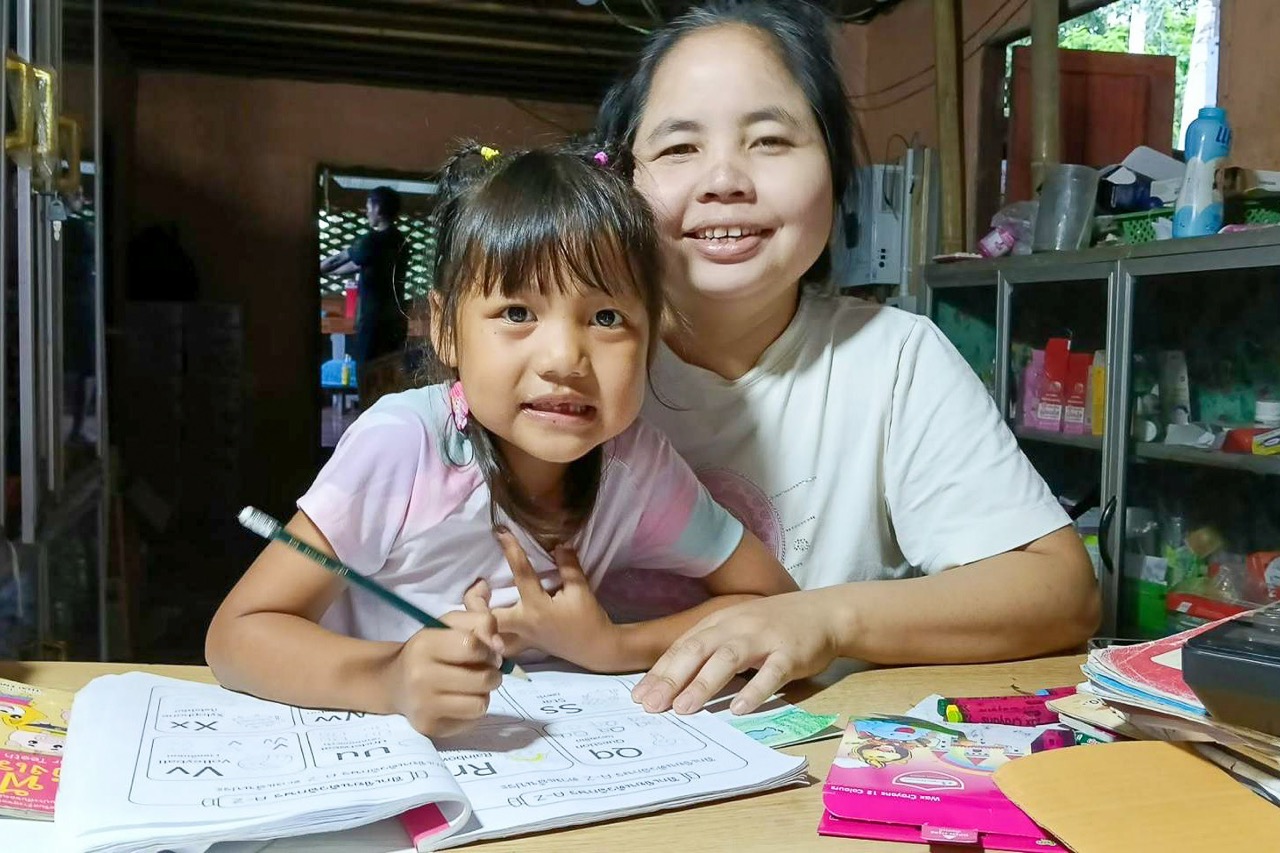
Mrs. Kittipimol, Irin’s mother, shared that before joining the program, her daughter was energetic but had difficulty concentrating and often struggled to keep her belongings organized.
“After participating in the school’s activities, she has become much more disciplined. She now packs her school bag independently, tidies up her toys, and keeps her belongings organized.”
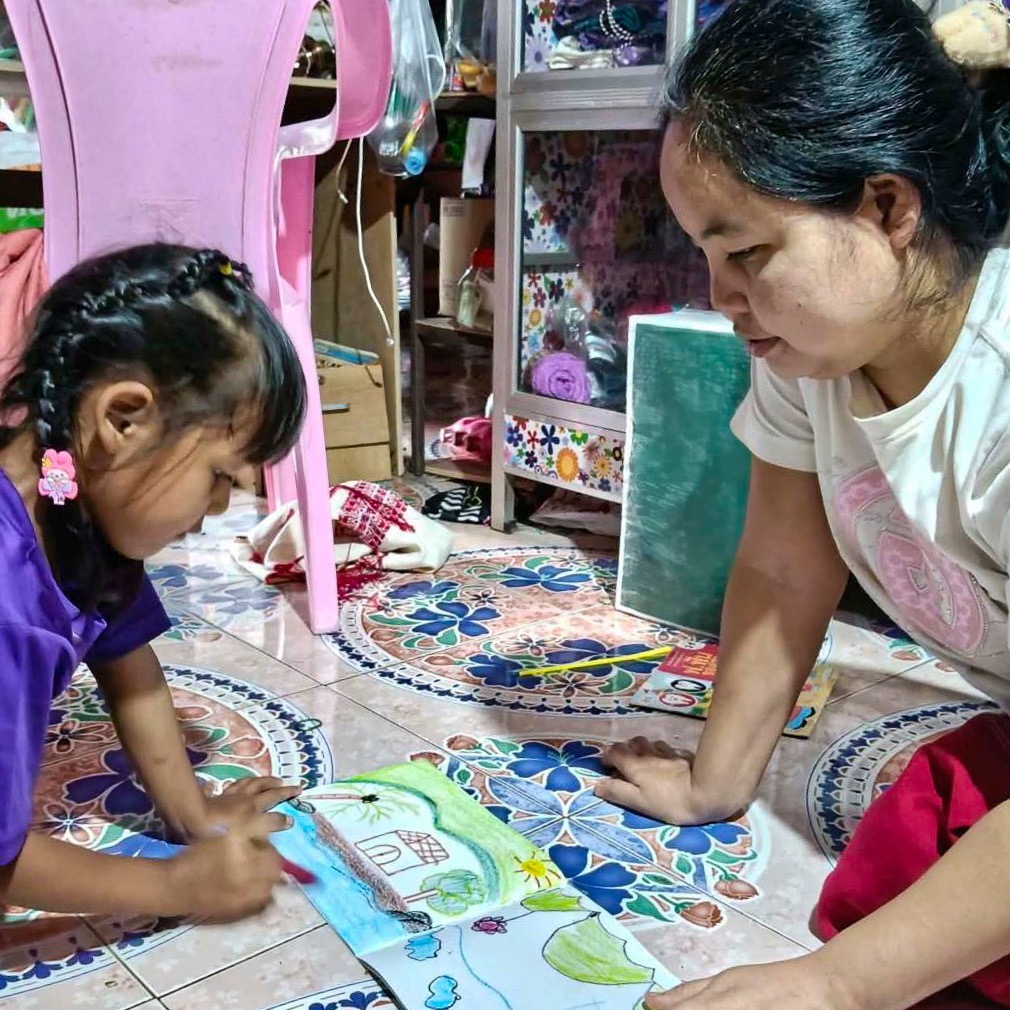
She also observed significant improvements in her daughter’s communication skills. Irin frequently returns home eager to share stories about her friends, classroom experiences, and what she learned each day, demonstrating both enthusiasm and joy in learning.
Her parents have also noticed increased self-confidence. She is now more willing to sing, dance, read books, and proudly share her artwork with family members.
An Investment That Creates Long-Term Impact
From the perspective of teachers, investing in early childhood development goes beyond improving classrooms. It is an investment in the future of the community.
ICAP aims to support children in achieving age-appropriate developmental milestones according to Thailand’s Developmental Surveillance and Promotion Manual (DSPM) standards while strengthening Executive Function (EF) skills, which are essential for learning, self-regulation, critical thinking, and long-term planning.
Throughout the implementation process, positive changes have been evident at every level. Teachers are able to manage learning more effectively, children enjoy meaningful and engaging educational experiences, and parents play a more active role in supporting their children’s learning.
“Children are learning, having fun, and growing with quality.”
This simple statement, shared by Mr. Prawit, effectively summarizes the impact of the project.
His words reflect both the goals of ICAP and the commitment of the World Vision Foundation of Thailand to creating equitable educational opportunities. Through initiatives like ICAP, children in even the most remote communities can reach their full potential, develop the skills they need for the future, and move forward with confidence in a rapidly changing world.