Since 2024, World Vision Foundation of Thailand has initiated and expanded the ‘Legal Status and Rights Development for Stateless Children and Youth Project’ in alignment with the government’s policy to expedite civil registration and legal status verification, particularly for schoolchildren whose identification numbers begin with the letter G, and other groups as indicated in the Cabinet Resolution dated 29 October 2024. This resolution prioritises addressing nationality and legal status issues for persons who have resided in the Kingdom of Thailand for a long period and for children born in Thailand, in four provinces: Chiang Mai, Mae Hong Son, Tak, and Sa Kaeo. The project aims to support children with G code status in obtaining a 13-digit identification number—a key to equal access to basic rights. To date, more than 29,433 individuals have benefited from the project’s support in submitting applications for legal status verification. Among them, 1,097 G-code students have received their 13-digit identification numbers as required by law. In addition, more than 23,732 children and adults have had their legal status duly recognised under the Cabinet Resolution of 29 October 2024.
Although Thailand has made significant progress in resolving legal status issues over recent years, a substantial number of stateless persons still lack legal recognition or face barriers to accessing legal processes. Statelessness directly affects access to fundamental rights across all aspects of life—from freedom of movement and educational opportunities to healthcare access and employment—forcing these individuals into prolonged vulnerability.
This remains a major challenge requiring collective action from all sectors—government agencies, civil society organisations, and NGOs—to drive both policy‑level and practical change.
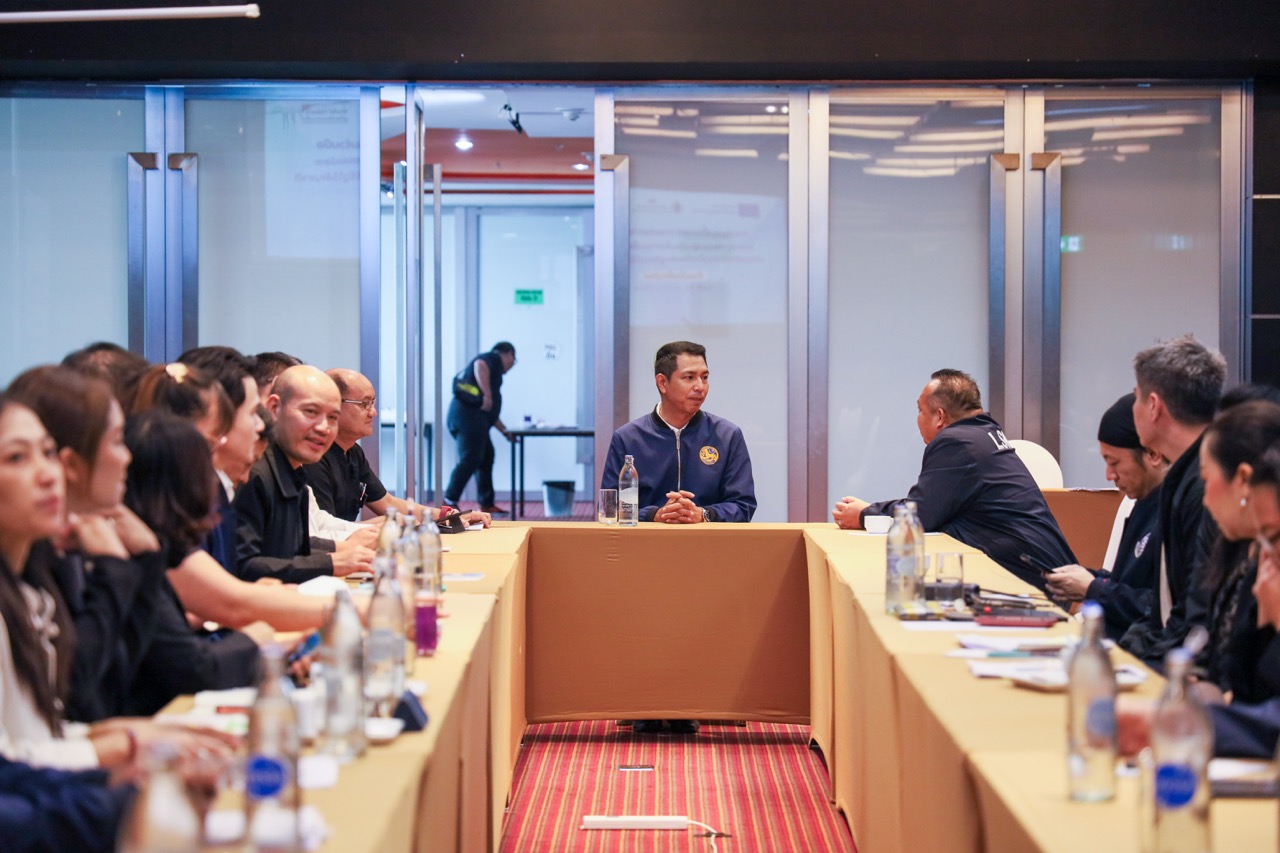
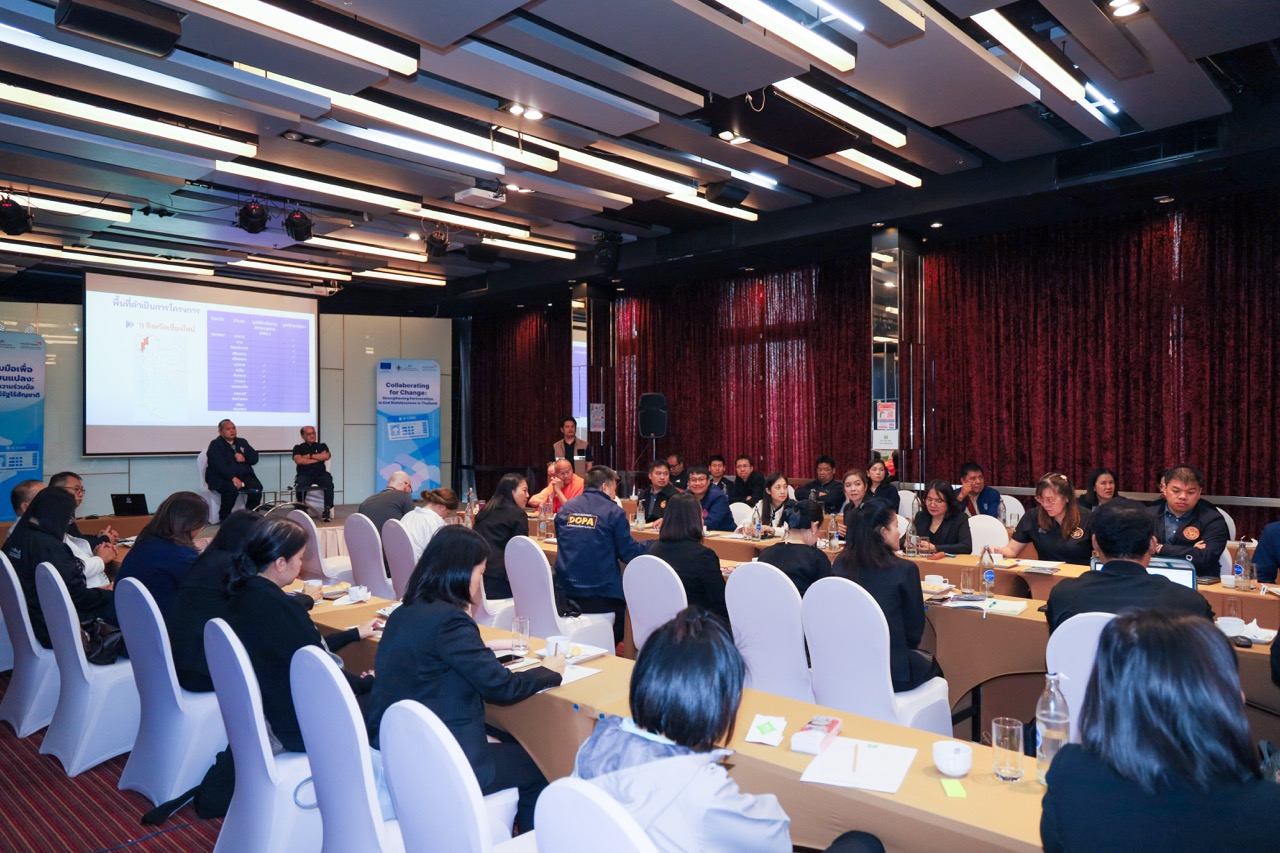
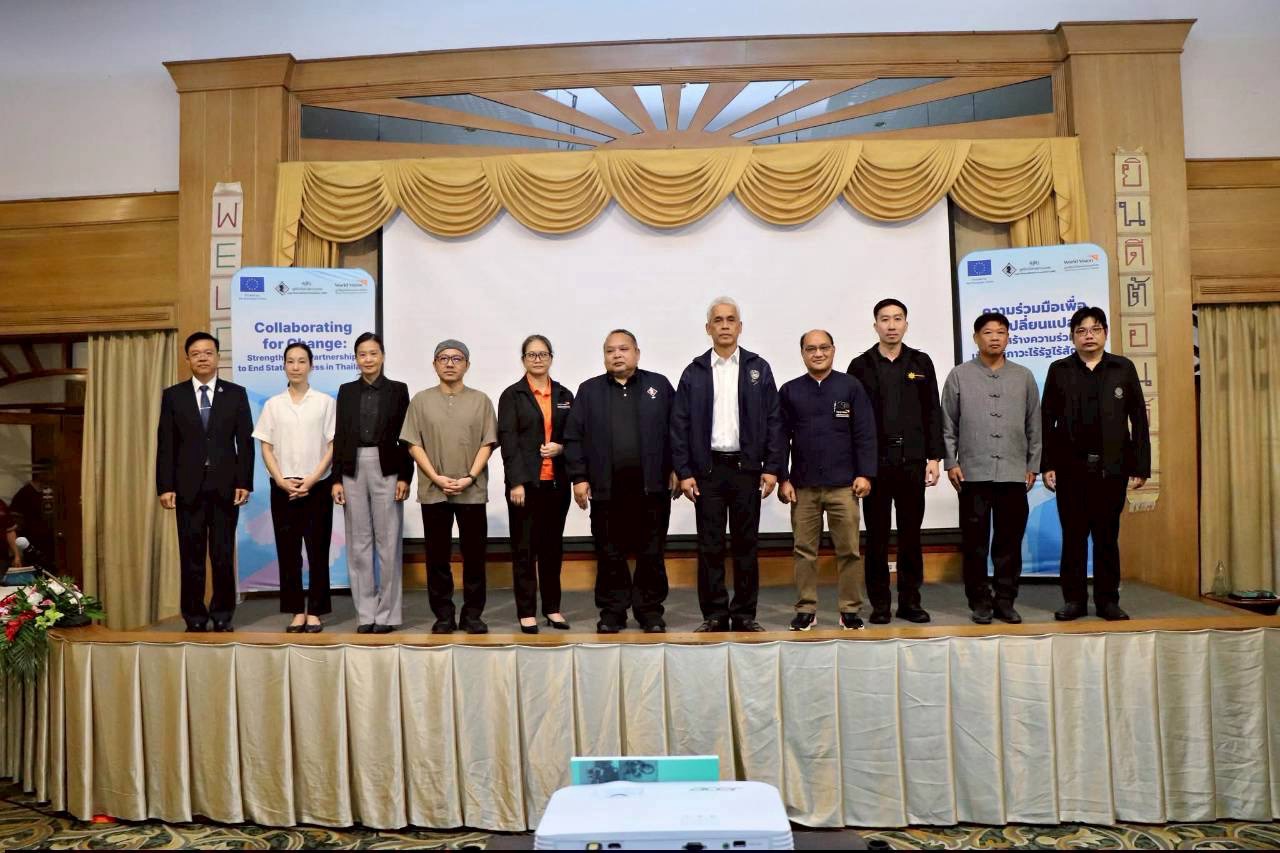
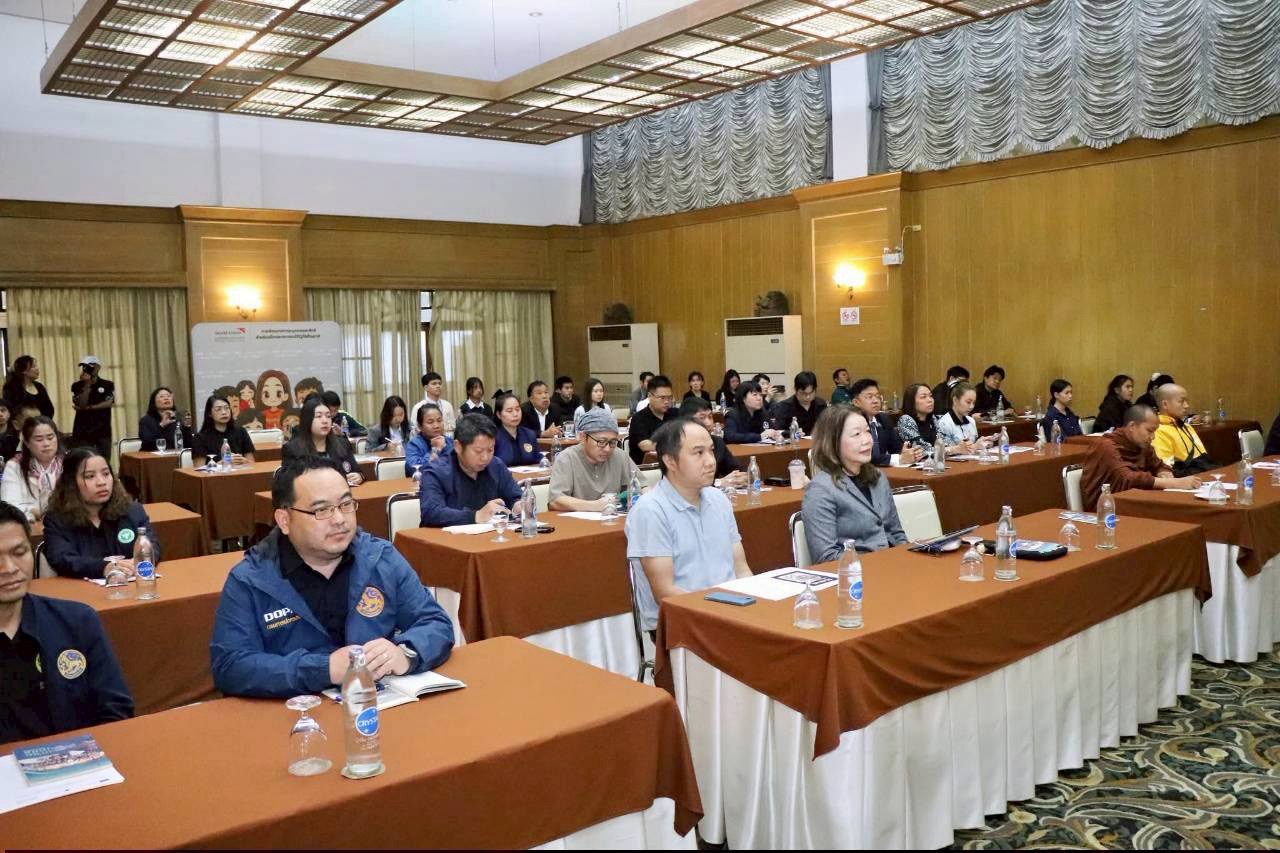
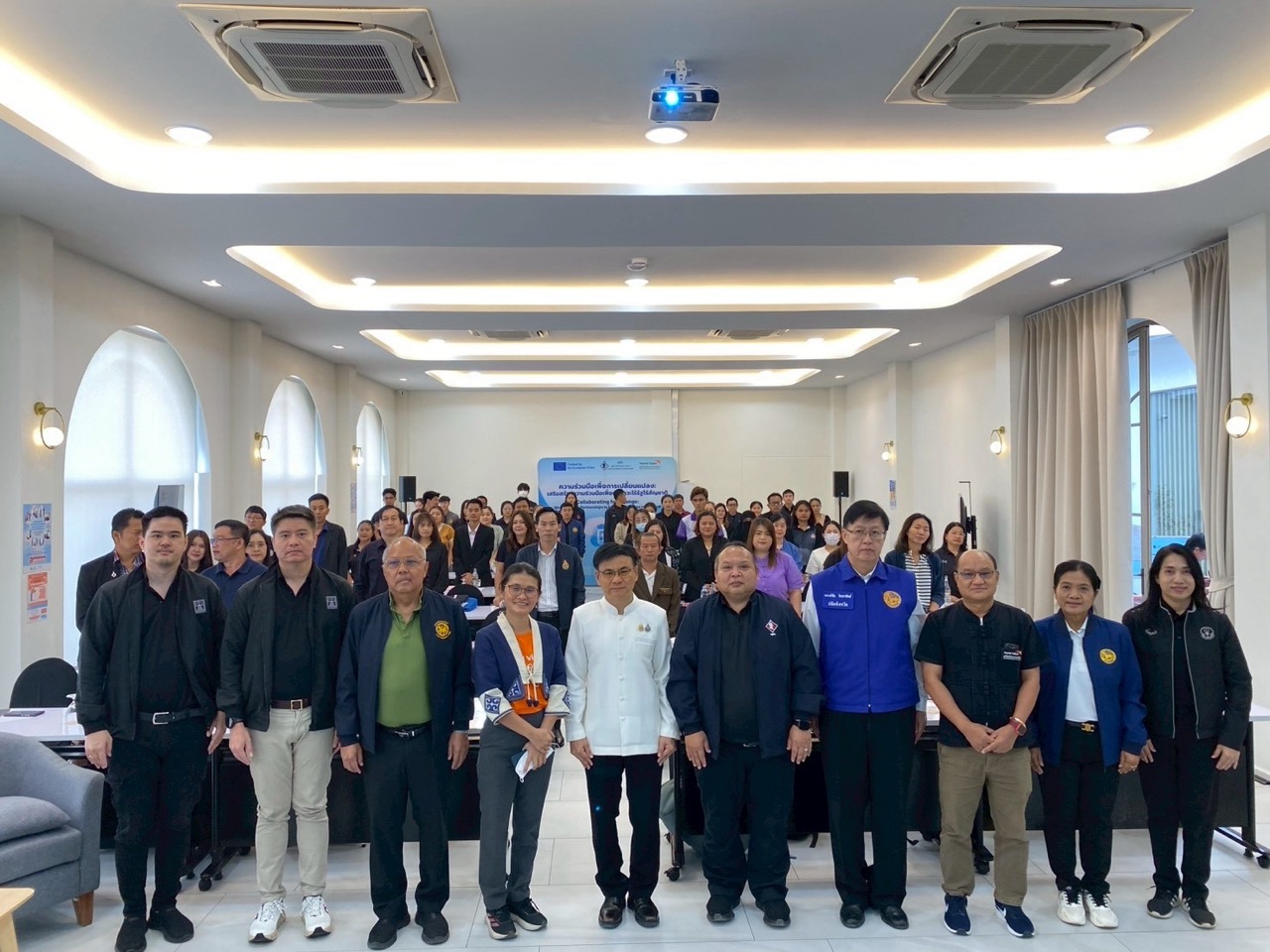
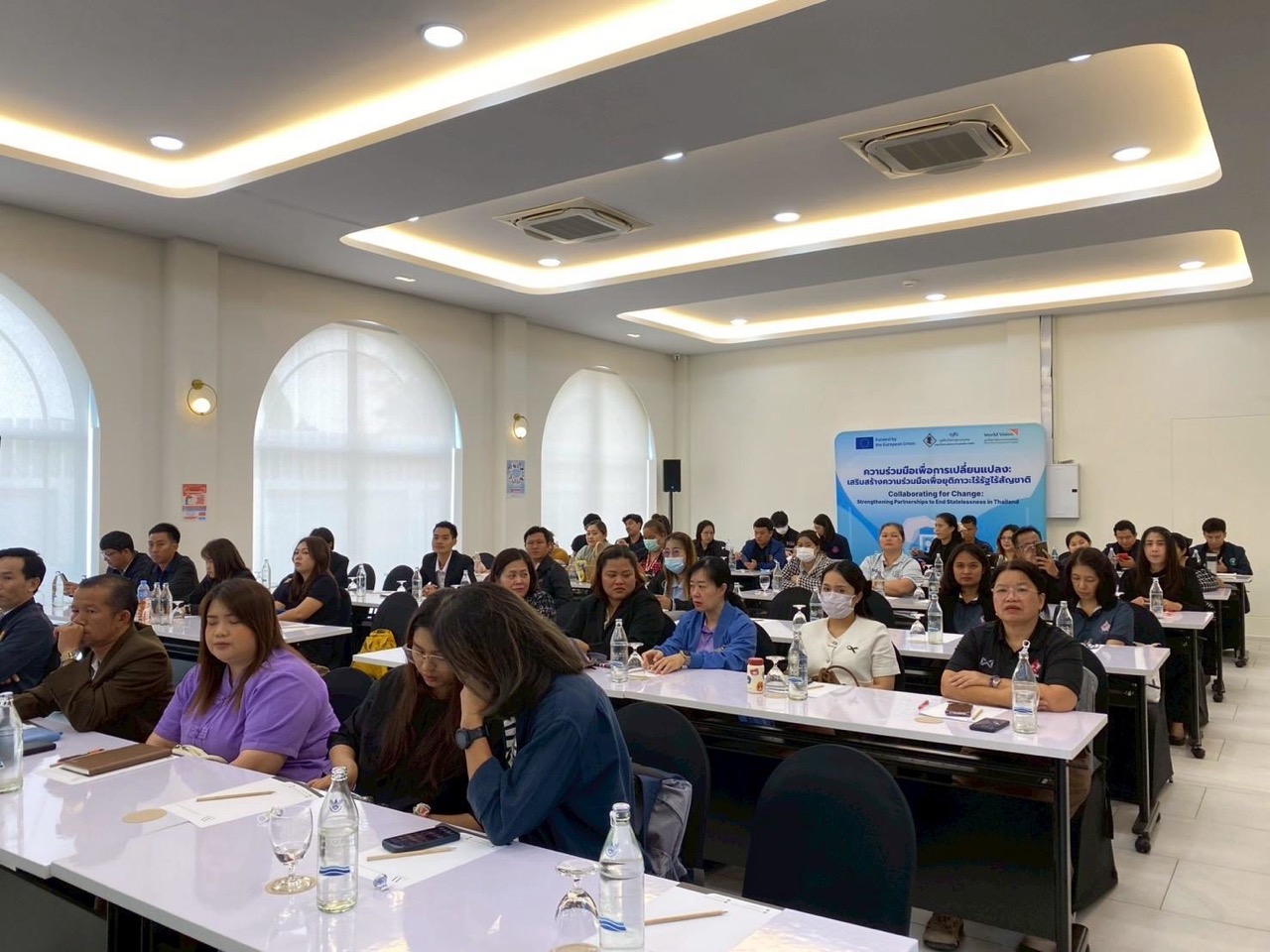
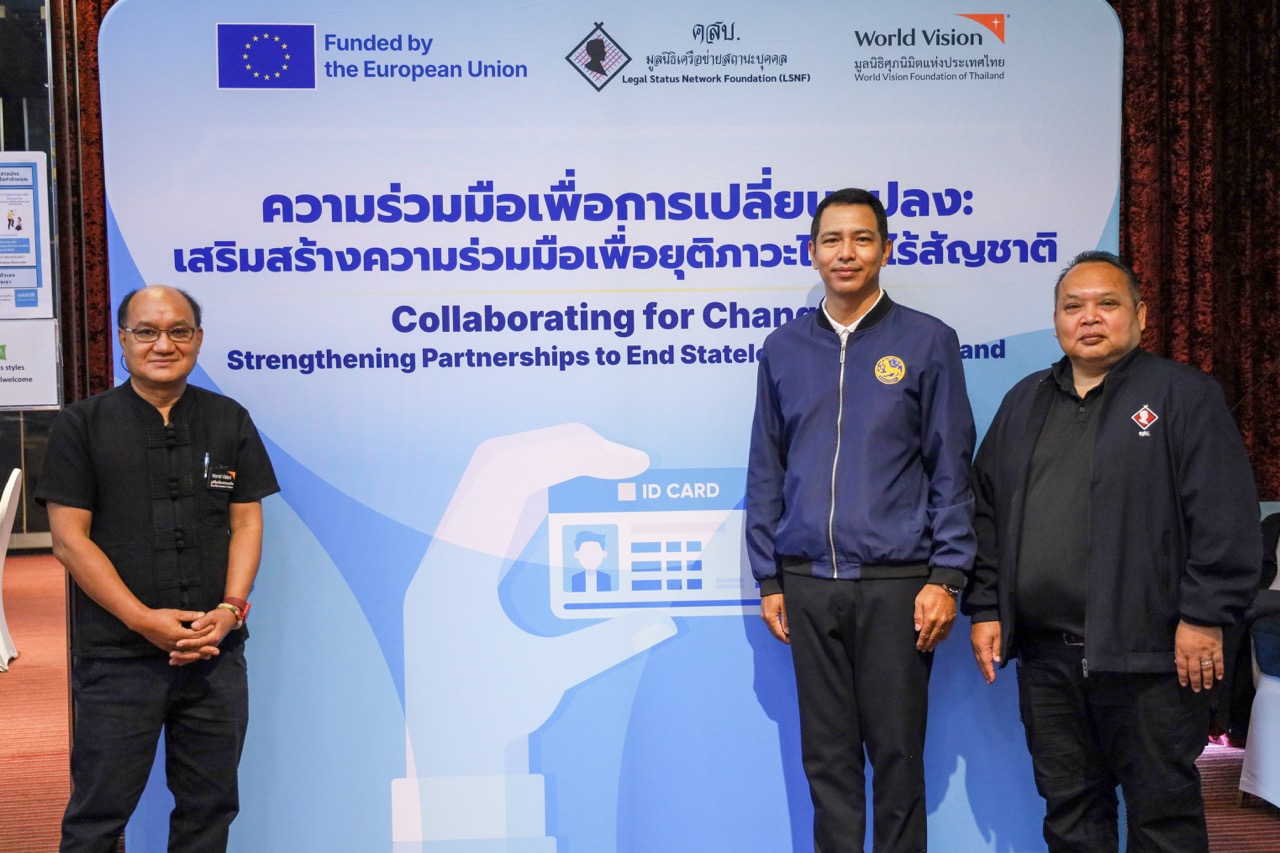
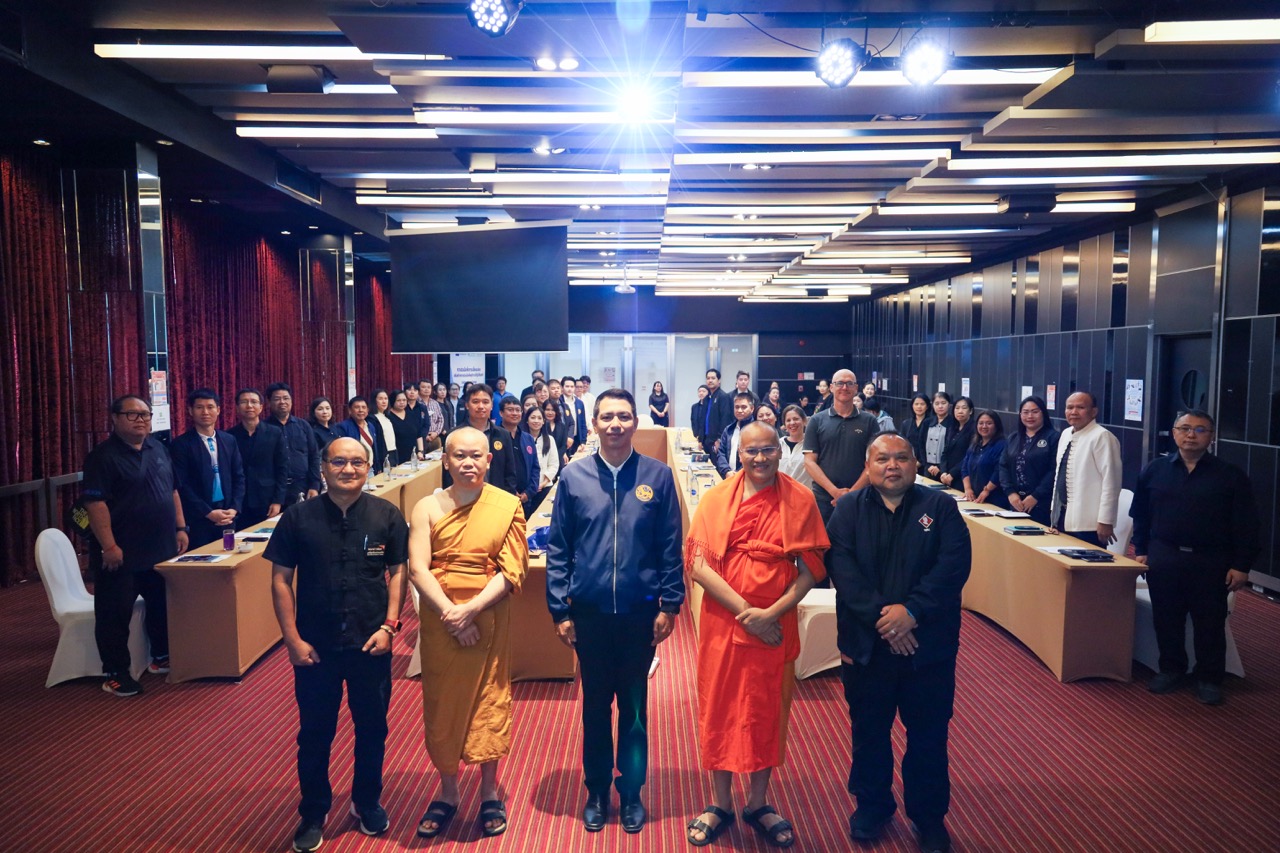
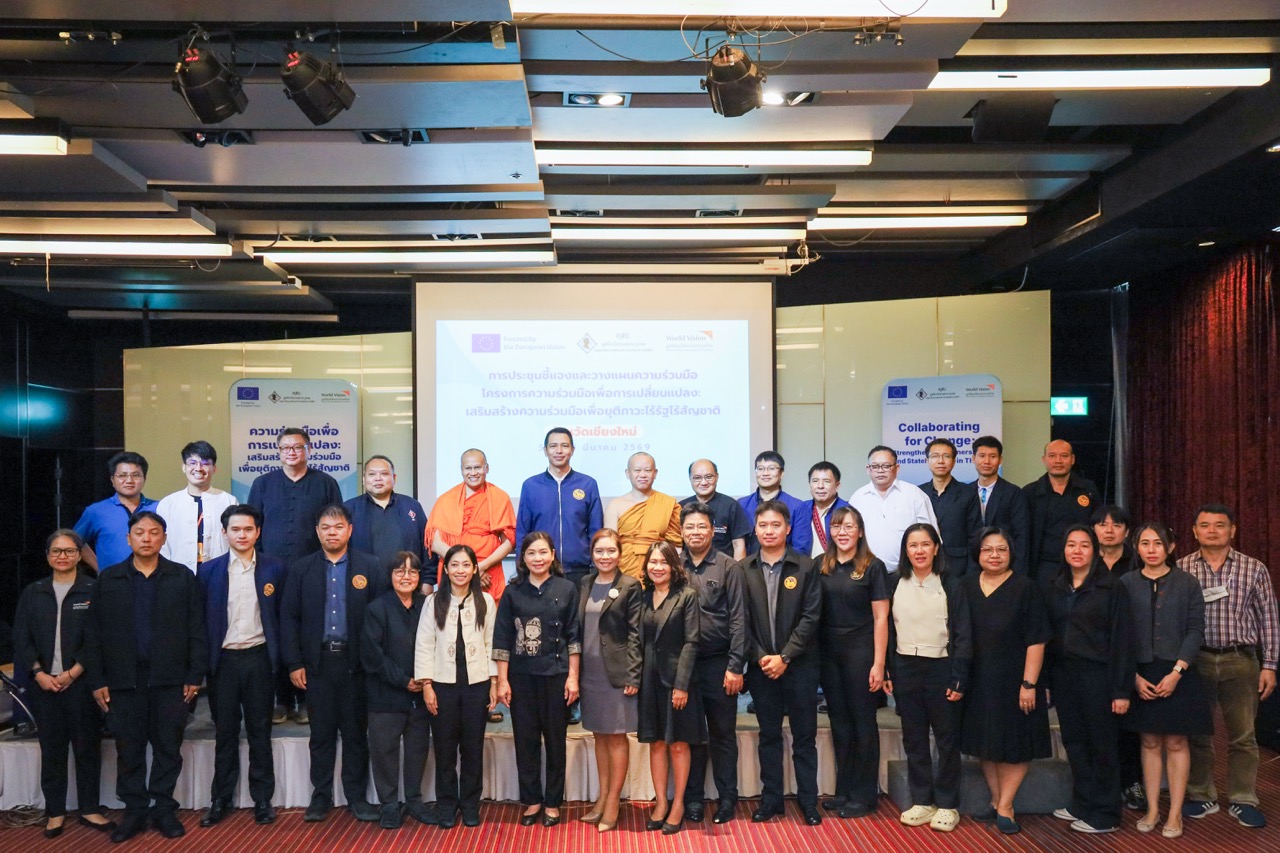
On 10 March 2026, World Vision Foundation of Thailand, together with the Legal Status Network Foundation (LSNF), organised a Workshop on Situation Assessment and Collaborative Planning to Address Statelessness at the Provincial Level. The event was presided over by Mr Warut Wisitsilp, Mueang Chiang Mai District Chief Officer, and joined by more than 50 representatives from administrative offices, government agencies, educational authorities, and civil society organisations.
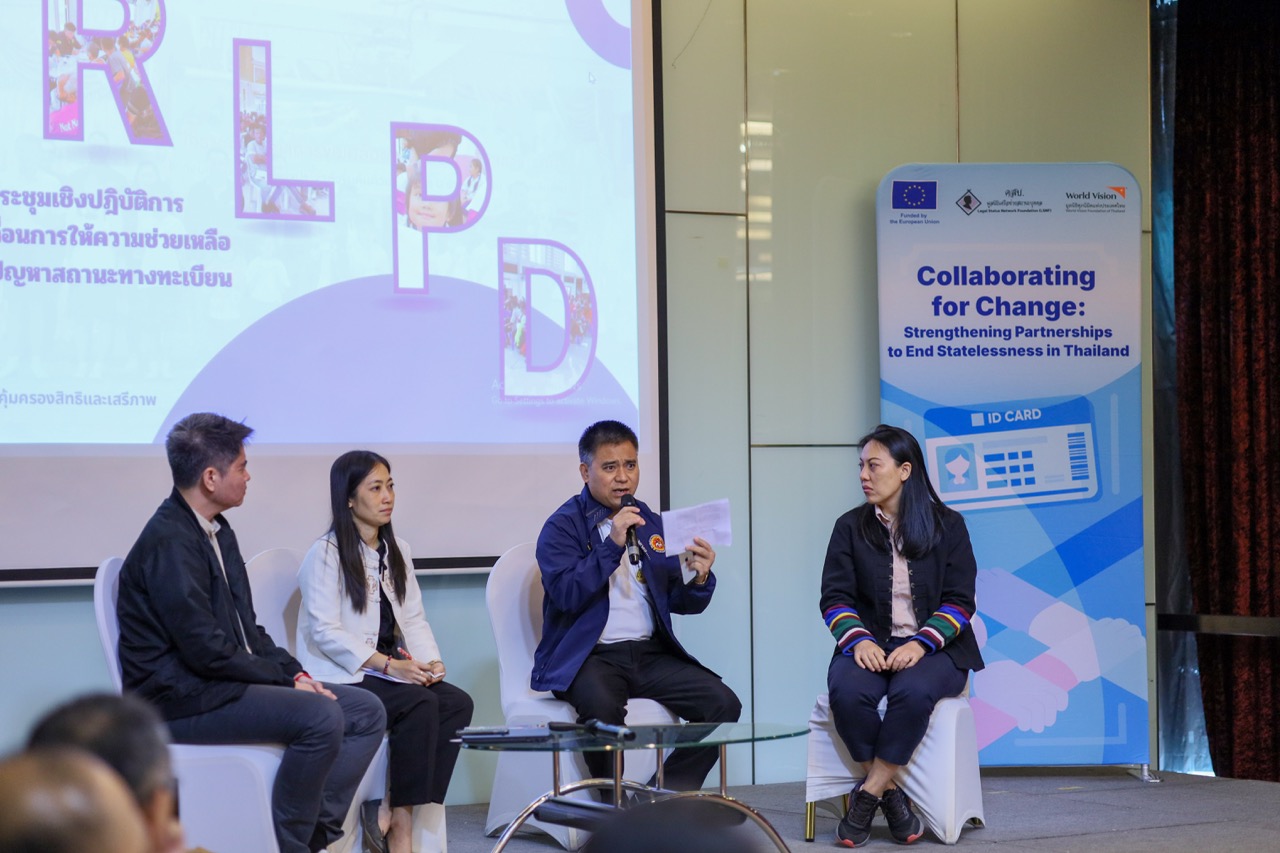
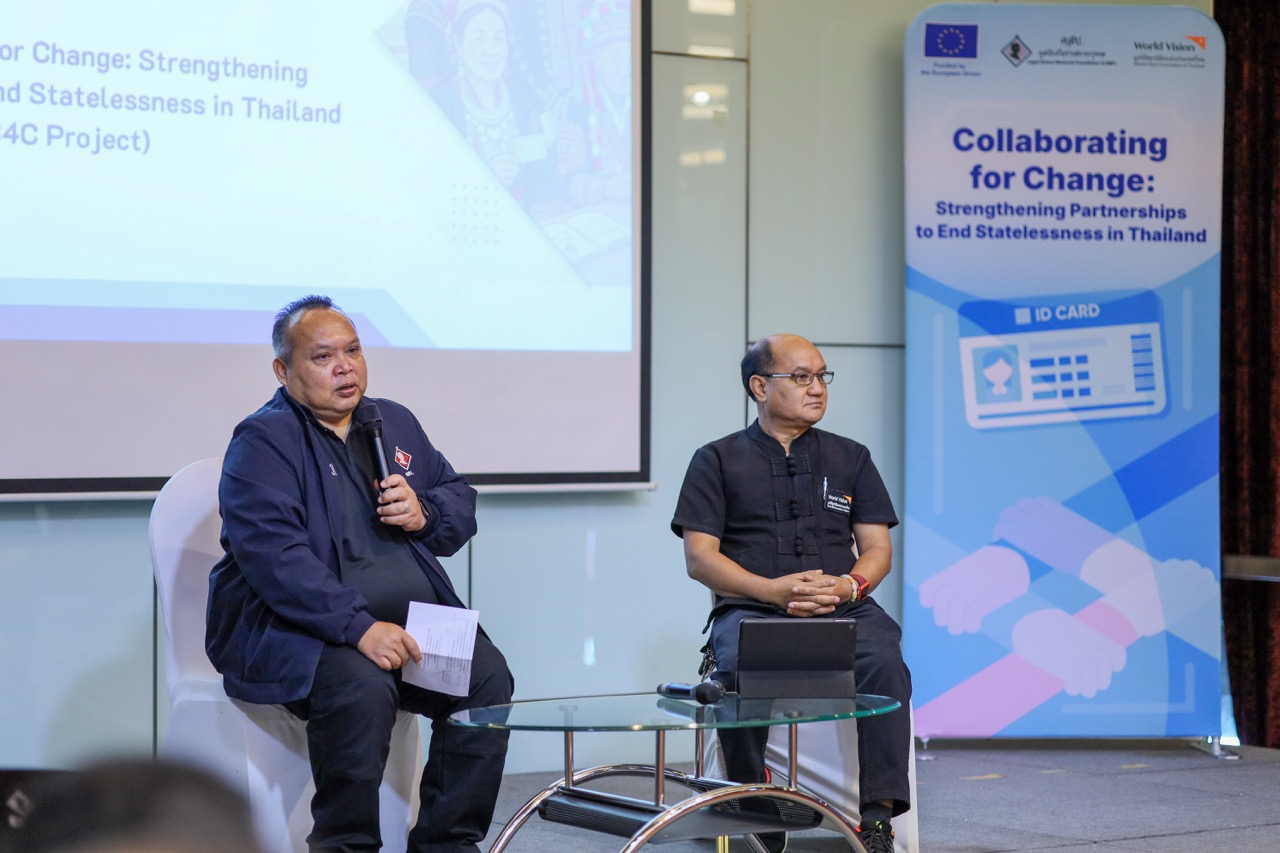
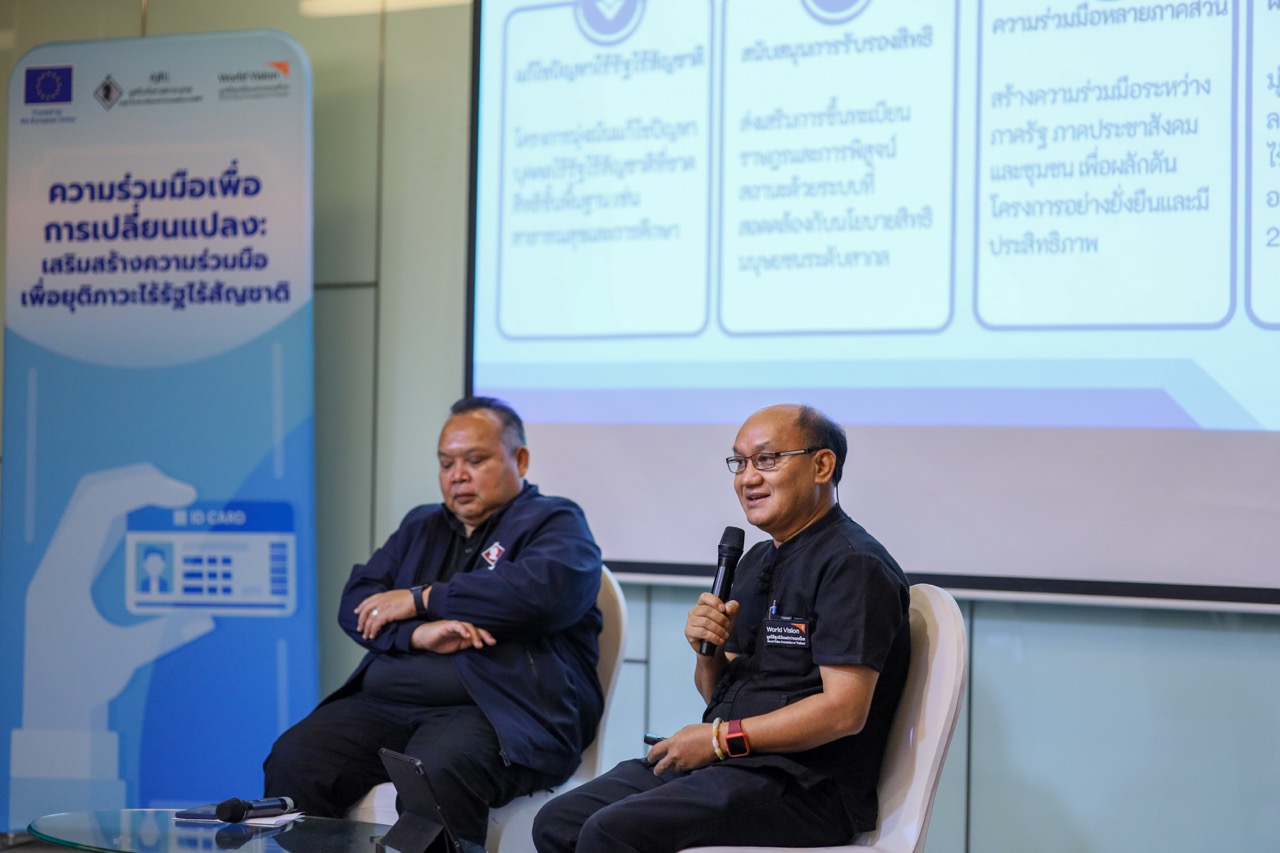
The workshop featured a presentation on the current situation and operational approaches for addressing statelessness in Chiang Mai Province, with contributions from the Chiang Mai Provincial Administration Office, District Registration Office, and Provincial Education Office. Details of the ‘Collaborating for Change: Strengthening Partnerships to End Statelessness in Thailand Project’ were also presented, followed by an open forum for feedback, recommendations, and experience‑sharing among stakeholders to jointly plan strengthened provincial-level collaboration.
The workshop was part of the ‘Collaborating for Change: Strengthening Partnerships to End Statelessness in Thailand Project’ (C4C Project), funded by the European Union (EU), to reduce the number of stateless persons in target areas by at least 35% by 2028, through strengthened civil registration processes and systematic legal status verification.
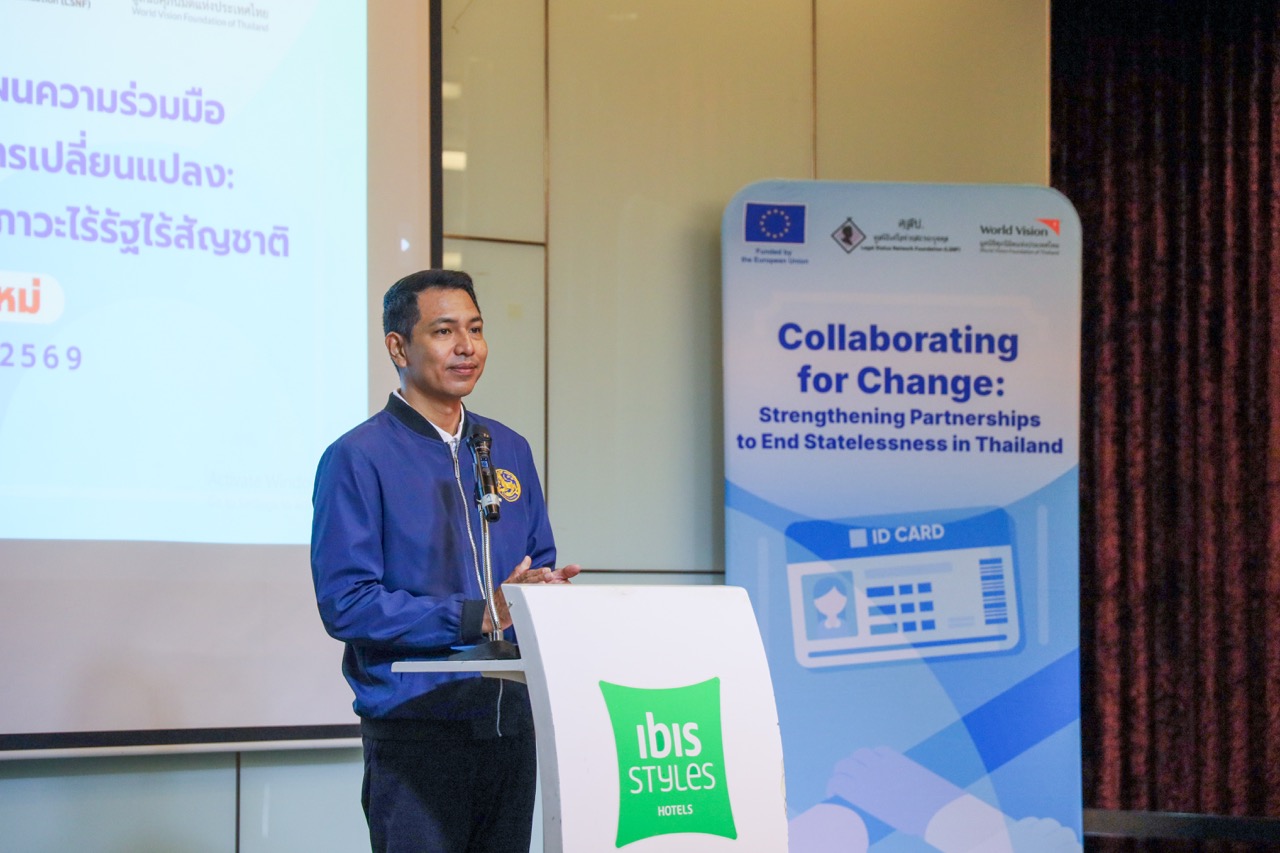
Mr Warut Wisitsilp, Mueang Chiang Mai District Chief Officer
“I would like to thank the project organisers and partners who have consistently worked with schools, the district registration office, local registration authorities, civil society organisations, and integrated teams under the Ministry of Justice to jointly address the issue of statelessness—an issue the government places great importance on.
This project provides a valuable opportunity to enhance understanding among relevant agencies and to gather useful guidance that can be applied by all partners to ensure accurate and effective operations aligned with policies and legal requirements.
I highly hope that the workshop today will mark a significant step towards advancing the resolution of legal status issues and enabling target groups to access basic rights and enjoy a better quality of life.”
Mr Santiphong Moonfong, Director of the Legal Status Network Foundation, explained the project’s background:
“The project stems from two key issues. Firstly, following UNHCR’s review of global efforts to address statelessness, Thailand pledged on the world stage to eradicate statelessness within 10 years under an international campaign. Yet, by 2024, the challenge persists—particularly for G‑code students, whose numbers remain in the hundreds of thousands. This raises a critical question: How should Thailand move forward?
Secondly, under the Cabinet Resolution concerning the consideration of 480,000 applications for legal status verification, each case must be processed within five days—an immense task requiring robust support systems to ensure genuine adherence to the resolution’s intention.
This project underscores that resolving statelessness requires collaboration from all sectors—government, civil society, schools, community leaders, and NGOs. This is the image of Thailand presented to the international community, and it is, therefore, a challenge that must be addressed earnestly and collectively.”
The Collaborating for Change: Strengthening Partnerships to End Statelessness in Thailand Project is implemented under World Vision Foundation of Thailand’s Strategic Objective 2 (2026–2030) on child protection, ensuring that all children are cared for and protected within their families, schools, and communities. The project aligns with the European Union’s commitment to human rights and the Sustainable Development Goals (SDGs), particularly SDG 16.9 on providing legal identity for all and SDG 10.3 on reducing inequality and eliminating discrimination. It also aligns with the EU’s regional direction on addressing statelessness systematically and sustainably in Asia. The project operates in 30 districts across five provinces: Chiang Mai, Mae Hong Son, Tak, Kanchanaburi, and Ratchaburi.
The targets of the project are as follows:
30,000 stateless persons supported in accessing legal status improvement application processes
15,000 G‑code students without recognised legal status assisted in entering the legal status improvement process
3,000 migrant children in Migrant Learning Centres who are not yet registered as G‑code students supported to undergo profiling and registration
Mr Sumit Wophapho, Legal Status and Rights Specialist, emphasised the importance of legal identity:
“The core principle of the project is ensuring that individuals who are legally entitled to recognition receive the status they deserve. Once they obtain legal status, they gain access to fundamental rights—education, healthcare, employment, and the ability to live with dignity.
Legal recognition is not the ultimate goal but the key that unlocks opportunities for a better life. The most crucial factor driving this project is multi‑sectoral collaboration, as demonstrated today. This collaboration is grounded in a shared belief that, together, we can ensure that those who lack basic rights can stand equally in society and have a more secure future.
I believe that the project will enable many individuals in the target group to achieve improved quality of life—consistent with the rights they are entitled to and deserving of as human beings.”
World Vision Foundation of Thailand has long prioritised resolving legal status issues. We are committed to working with government agencies, civil society, and all partner networks to ensure that stateless persons are properly registered and legally recognised, while also promoting access to essential public services and strengthening civil society capacity to support rights protection and sustainable solutions. All these efforts aim to ensure that target populations can access fundamental rights and enjoy an improved quality of life.