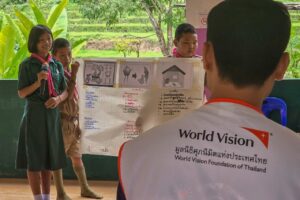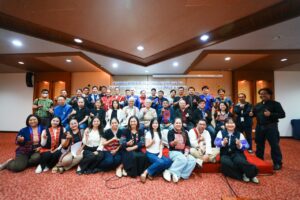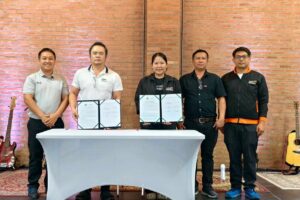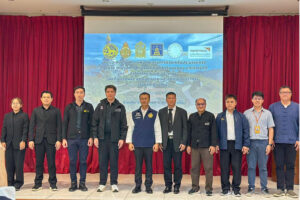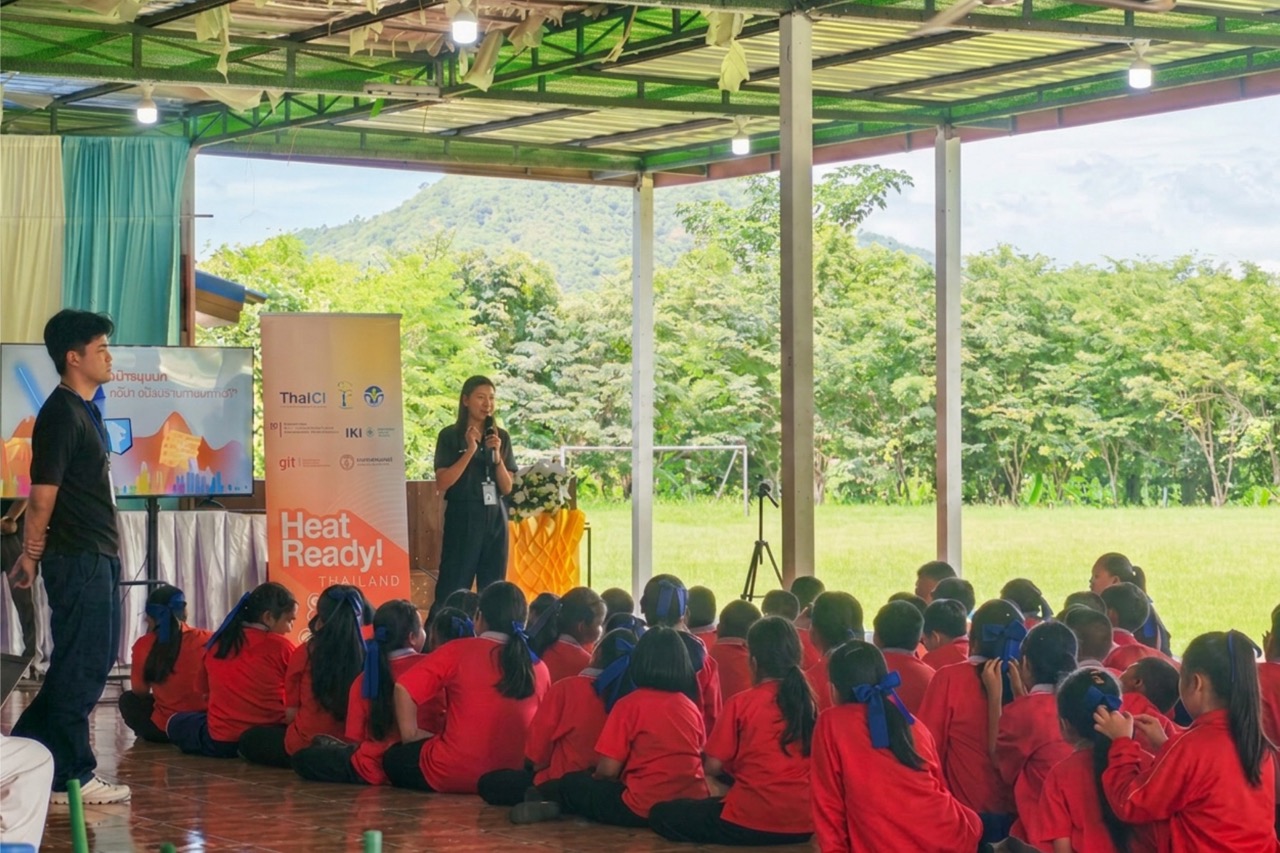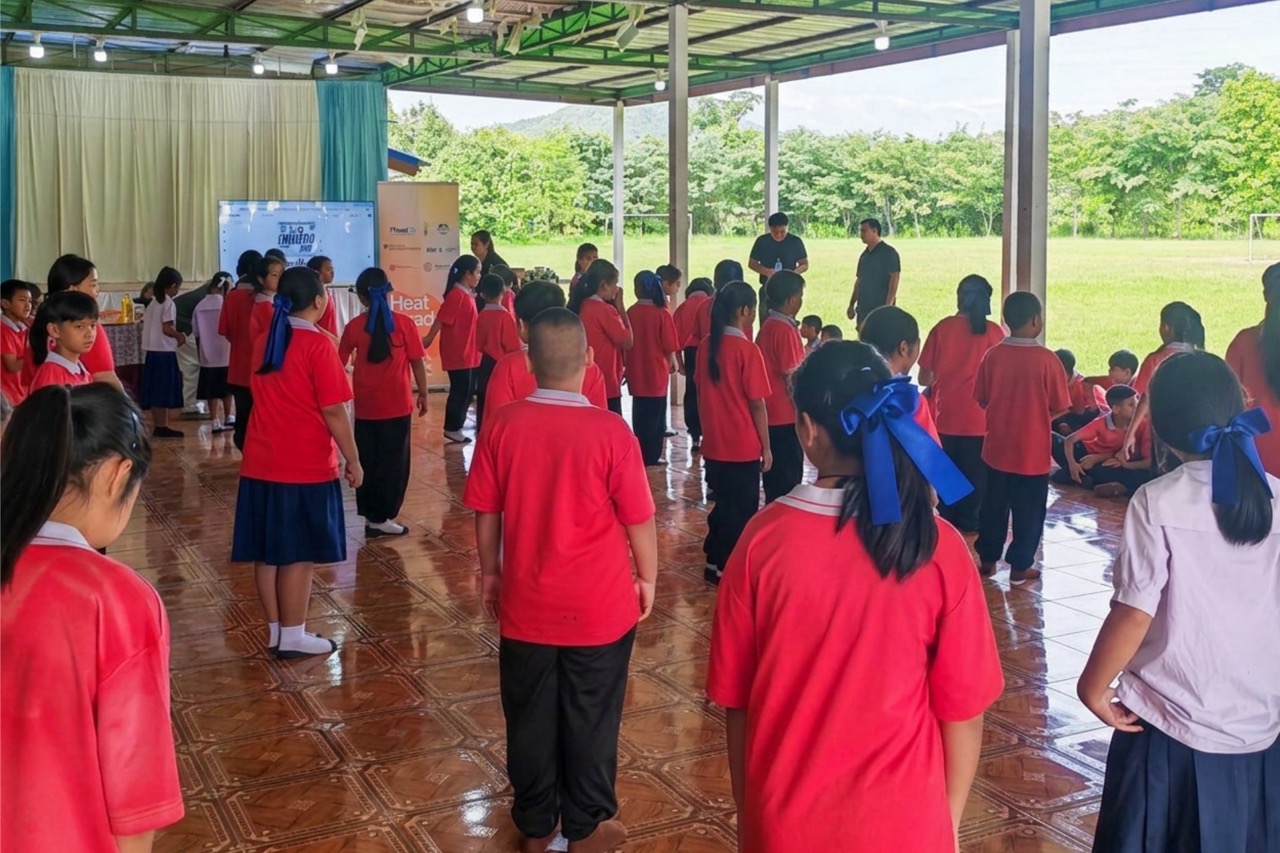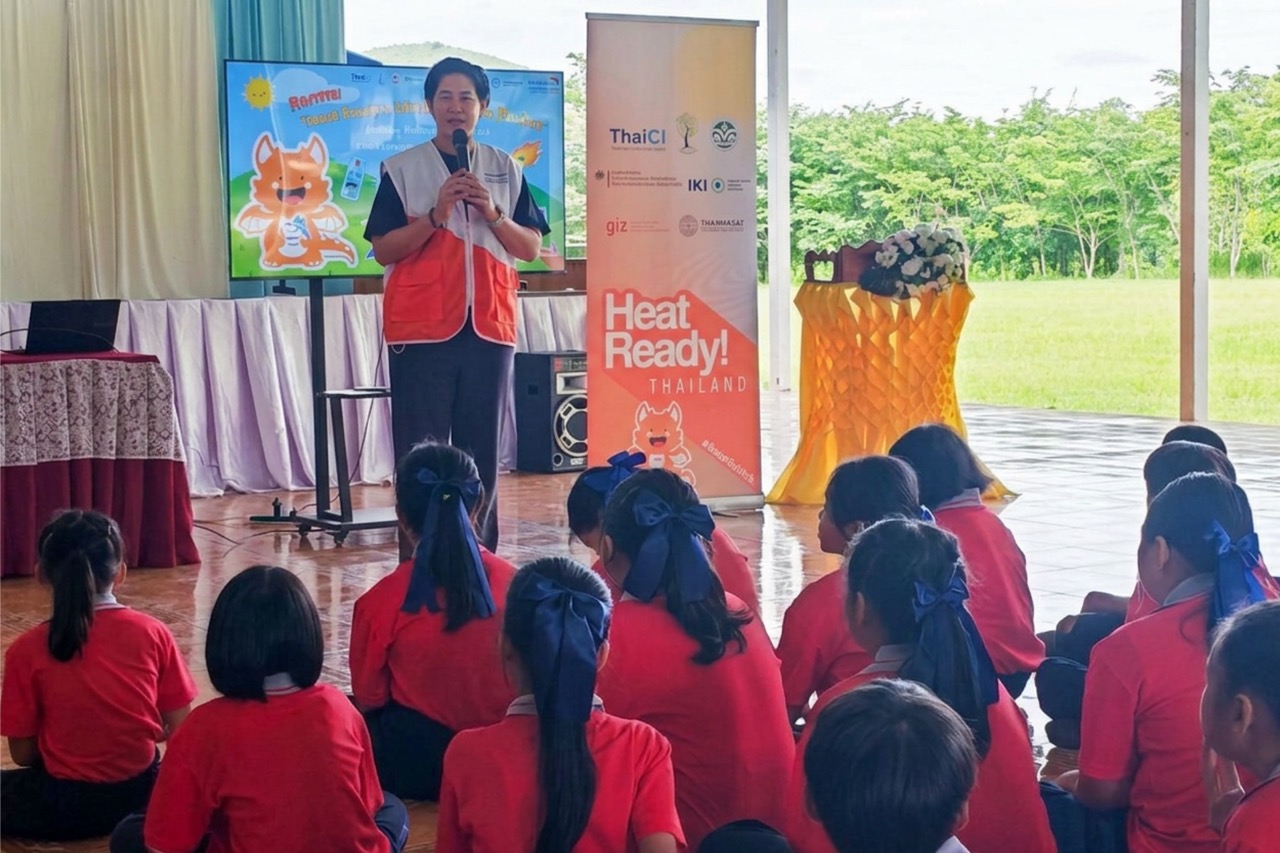
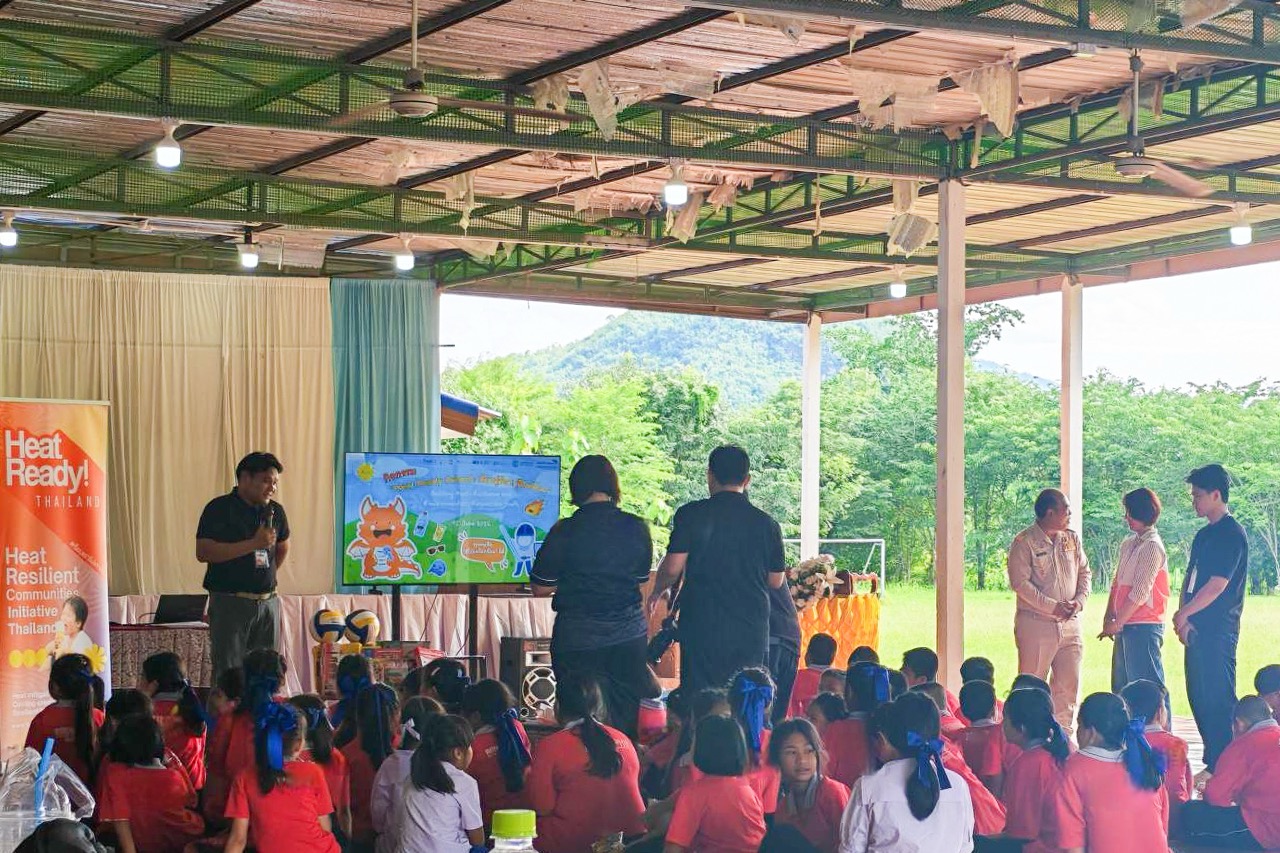
On 15 June 2026, World Vision Foundation of Thailand, in collaboration with the Heat Ready Thailand Project, the Faculty of Architecture and Planning at Thammasat University, organized the activity “Heat Ready School: Learning About Heat, Caring for the Planet” (Building Heat-Resilience and Environmentally Responsible Youth) in Ban Rai Area Program, Uthai Thani Province. The initiative aimed to equip 60 students from Grades 4–6 with knowledge, understanding, and practical skills to adapt to the risks associated with extreme heat and climate change.
The activity reflects the Foundation’s commitment under its strategic focus on “Sustainable Livelihoods, Disaster Preparedness, and Climate Change Adaptation,” which seeks to strengthen the capacity of children, families, and communities to respond effectively to increasingly severe environmental and climate-related challenges.
Building Knowledge and Resilience for a Hotter World
Thailand is experiencing rising temperatures and more frequent, intense heatwaves, which directly affect the health, well-being, and learning of children and youth—among the groups most vulnerable to heat-related risks. Strengthening climate literacy and adaptive skills from an early age is therefore essential to building resilient communities prepared for future challenges.
Guided by the concept of “Heat Ready Youth,” the program was designed as an experiential learning activity that enabled students to explore the causes and impacts of global warming while learning practical ways to protect themselves and care for the environment through age-appropriate interactive activities.
Learning Through Four Interactive Activity Stations
Students rotated through four learning stations facilitated by researchers and experts from the Heat Ready Thailand Project.
Station 1: Hot House 2100 – Experiencing a Hotter Future
Through the Hot House Climate Simulator, students experienced a simulation of future climate scenarios and learned about the impacts of climate change and rising global temperatures. The session encouraged discussion on how these changes may affect health, the environment, and daily life.
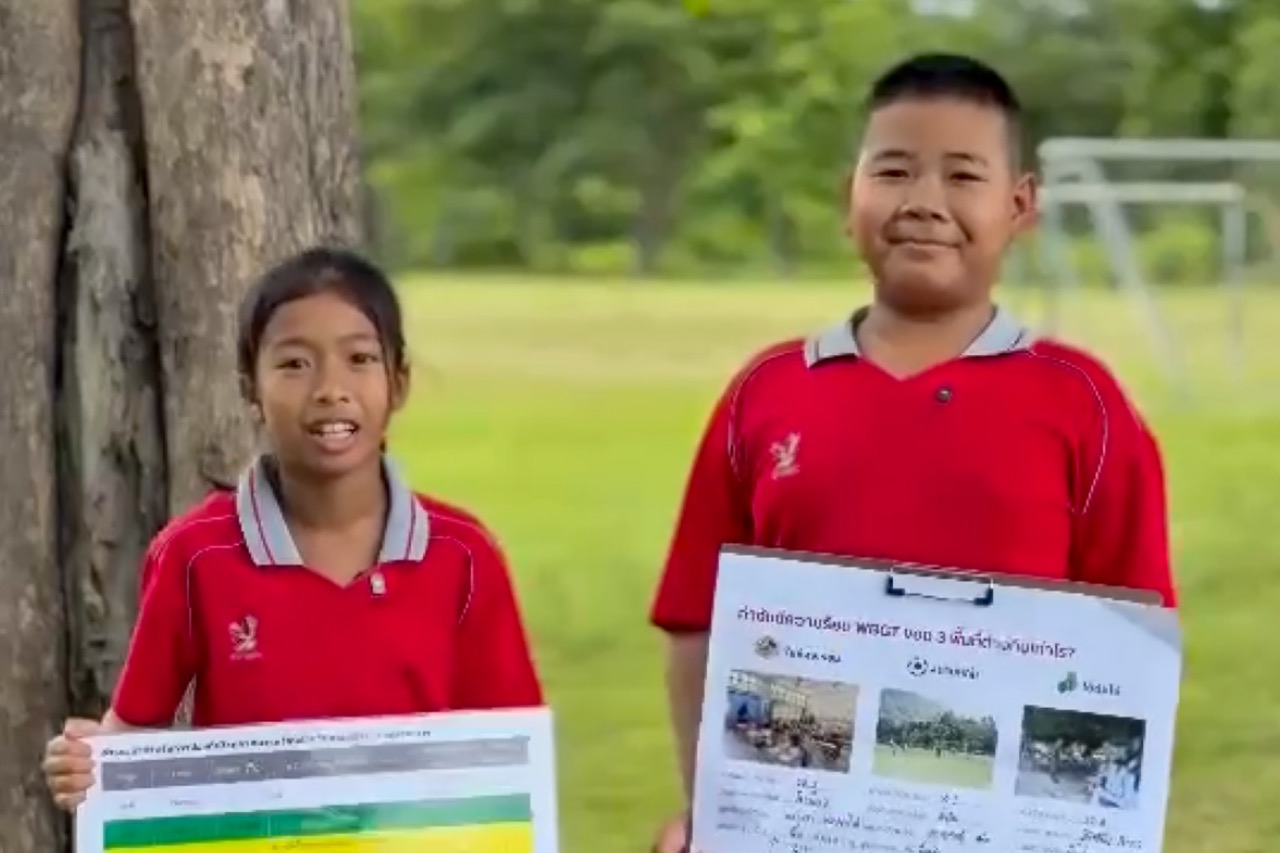
Station 2: Heat Detective – Investigating Heat
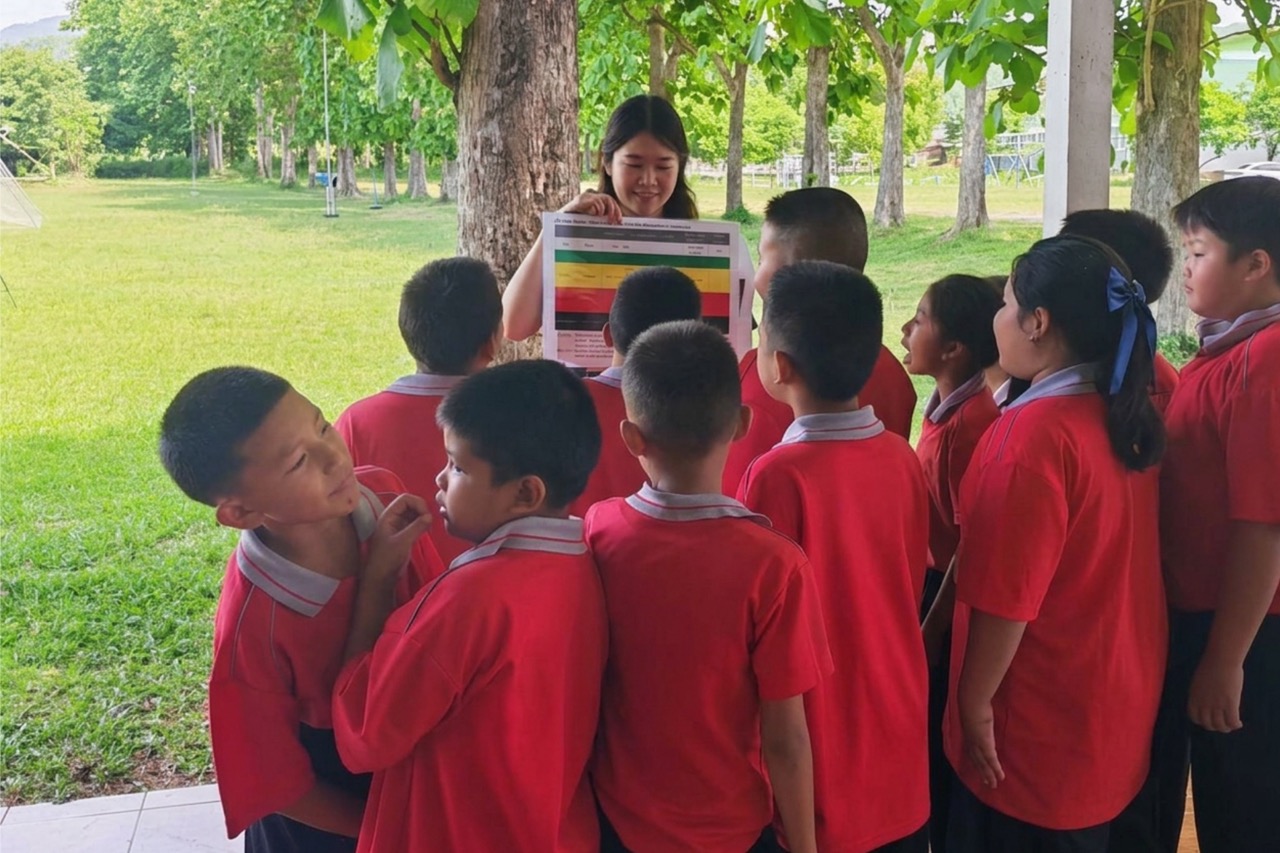
This hands-on field activity allowed students to use scientific tools, including a WBGT Meter and Thermal Camera, to measure and compare temperatures across various locations around the school, such as open fields, shaded areas beneath trees, and covered spaces. The exercise highlighted the importance of green spaces and shade in reducing heat exposure.
Station 3: Beat the Heat Challenge – The Heat-Fighting Game
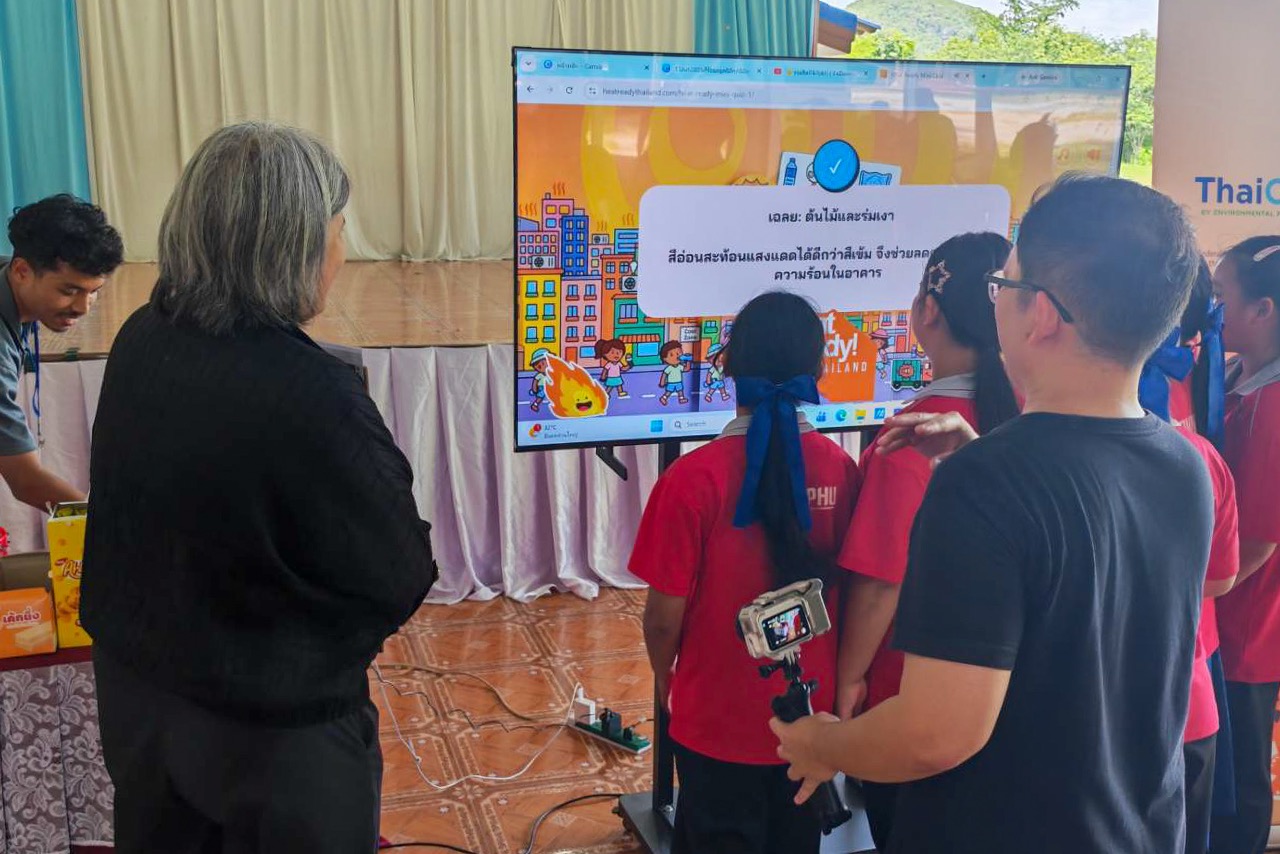
Students learned how to protect themselves from the effects of extreme heat, recognize the warning signs of heat stress and heatstroke, and respond appropriately through interactive games and scenario-based questions. The activity strengthened decision-making skills and encouraged healthy behaviors.
Station 4: Waste Heroes – Waste-Sorting Champions
This station focused on environmental stewardship and proper waste management. Students learned how to separate waste correctly and gained a better understanding of the connection between responsible resource use, waste reduction, and climate change mitigation.
Student Reflection
Chayanin (“Ning”), a Grade 4 student and participant in the activity, shared:
“Today’s activities were so much fun. I learned about the atmosphere and heat, and I discovered that grassy areas under direct sunlight are much hotter because they receive sunlight all day long. I also learned that when we feel hot, we can rest under trees because they help cool the area. Trees also release oxygen, making the air fresher. I would like to help plant and take care of more trees so that our school can become greener, cooler, and more pleasant.”
Connecting Learning with Sustainable Living
Beyond learning about heat-related risks, the program encouraged children and youth to recognize their role in environmental protection. Through waste-sorting workshops, the Waste Challenge mission, and the Heat Ready Pledge activity, students reflected on what they had learned and made commitments to adopt healthier and more environmentally responsible practices in their daily lives.
Advancing Sustainable Livelihoods, Disaster Preparedness, and Climate Adaptation
“The World Vision Foundation of Thailand believes that equipping children with knowledge and skills today lays an essential foundation for addressing tomorrow’s challenges. The ‘Heat Ready School: Learning About Heat, Caring for the Planet’ activity is not only about helping children understand heat and climate change; it also enables them to learn how to protect themselves, identify risks in their surroundings, and recognize their role in caring for the environment.
This initiative reflects the Foundation’s work across three key dimensions: promoting sustainable livelihoods through knowledge and skills development, preparing children and communities to respond appropriately to disasters and heat-related risks, and supporting climate change adaptation through collaboration among schools, communities, and partner organizations. We hope the children will apply what they have learned in their daily lives and grow into active citizens who contribute to building resilient, safe, and sustainable communities in the future.”
Ms. Thanyathip Chatsawat, Environmental and Sustainability Program Manager at World Vision Foundation of Thailand, stated:
The World Vision Foundation of Thailand believes that investing in children’s learning and capacity development today is fundamental to building strong and resilient communities capable of facing future disasters and climate-related challenges. Through initiatives such as Heat Ready School, children are empowered to grow into socially and environmentally responsible citizens who can contribute to a sustainable future for all.