Amid the growing challenges faced by children and young people across East Asia—including climate change, educational inequality, migration, safety risks, and unequal access to technology—promoting meaningful child and youth participation has become increasingly important for sustainable development.
World Vision Foundation of Thailand recognizes that children and young people are not merely those affected by social issues; they are capable of sharing their lived experiences and contributing to positive change at the community, national, and regional levels. Creating safe, inclusive, and enabling spaces where children can express their views is therefore essential for strengthening leadership, life skills, and their ability to actively shape their own futures.
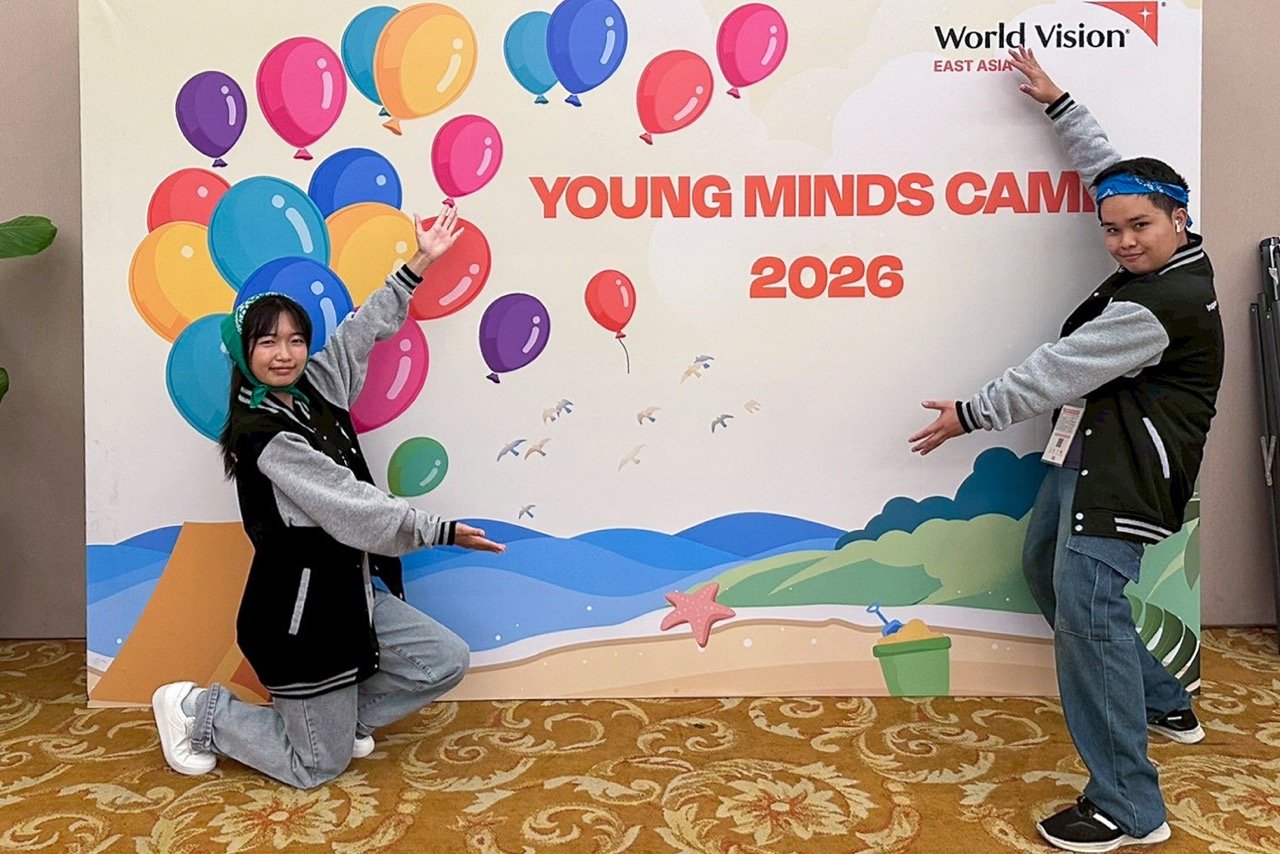
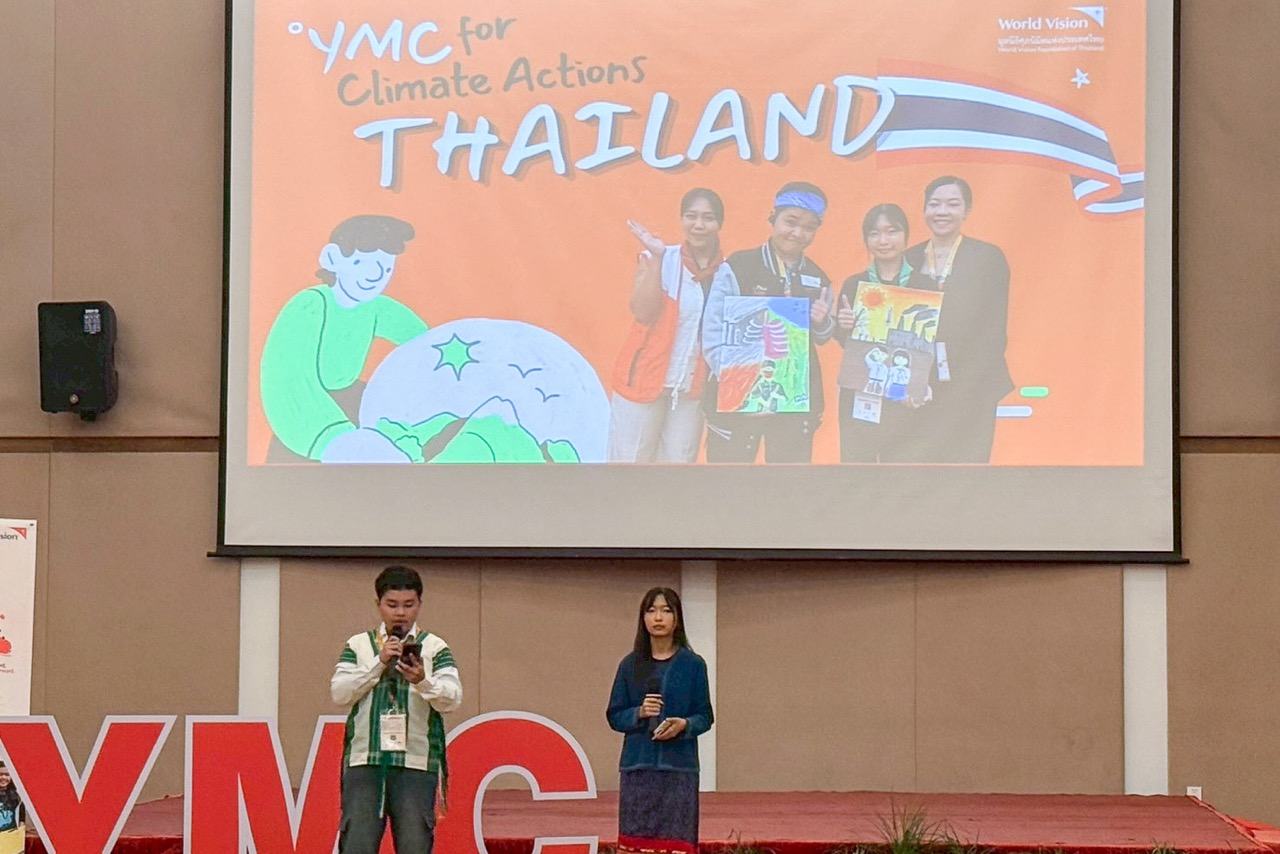
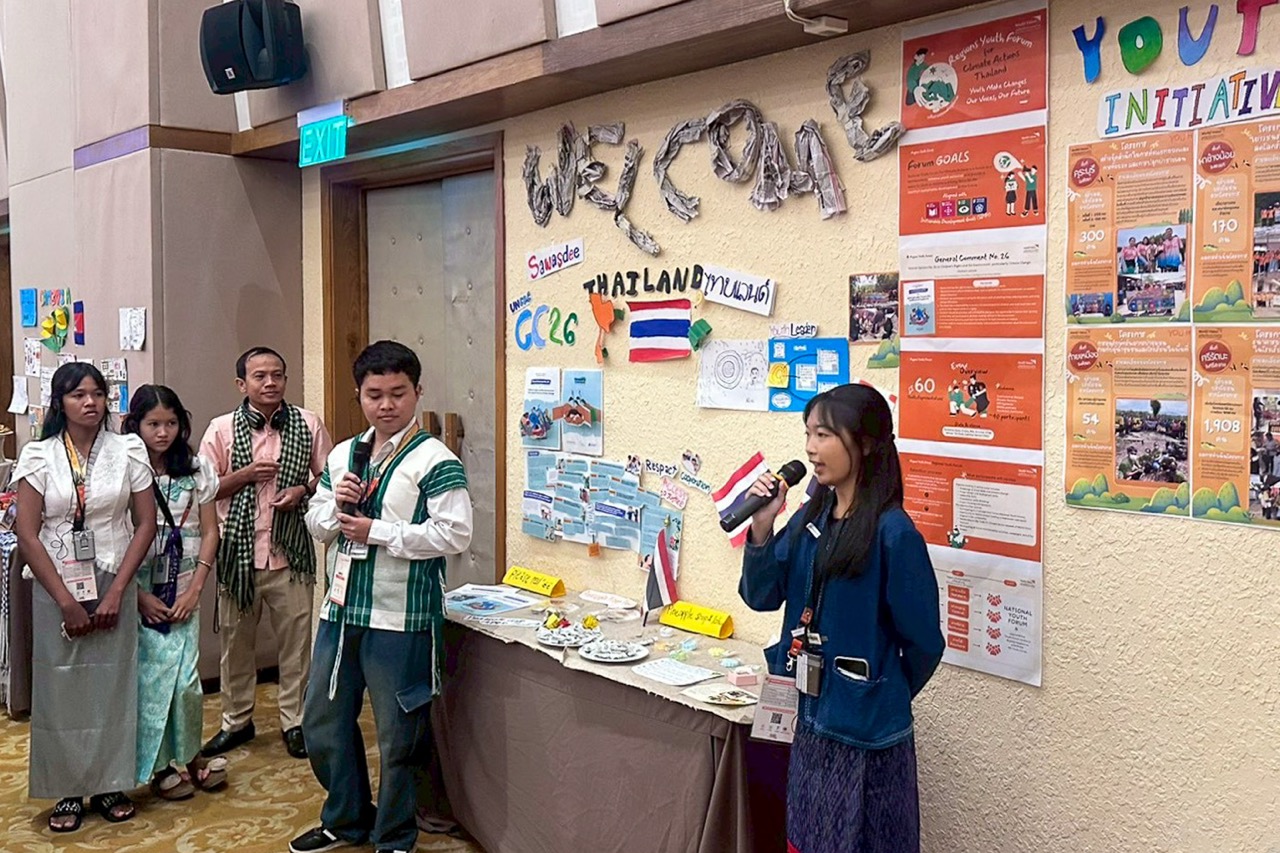
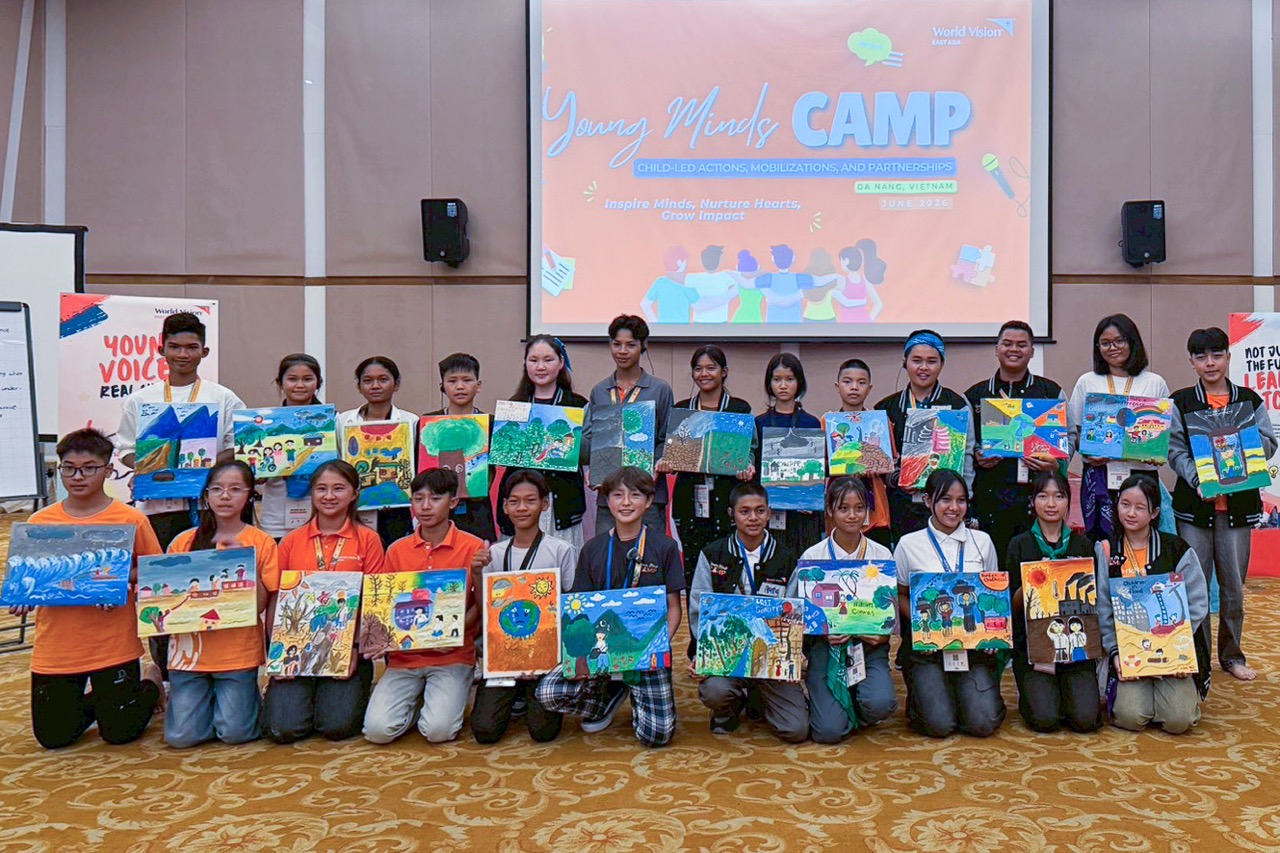
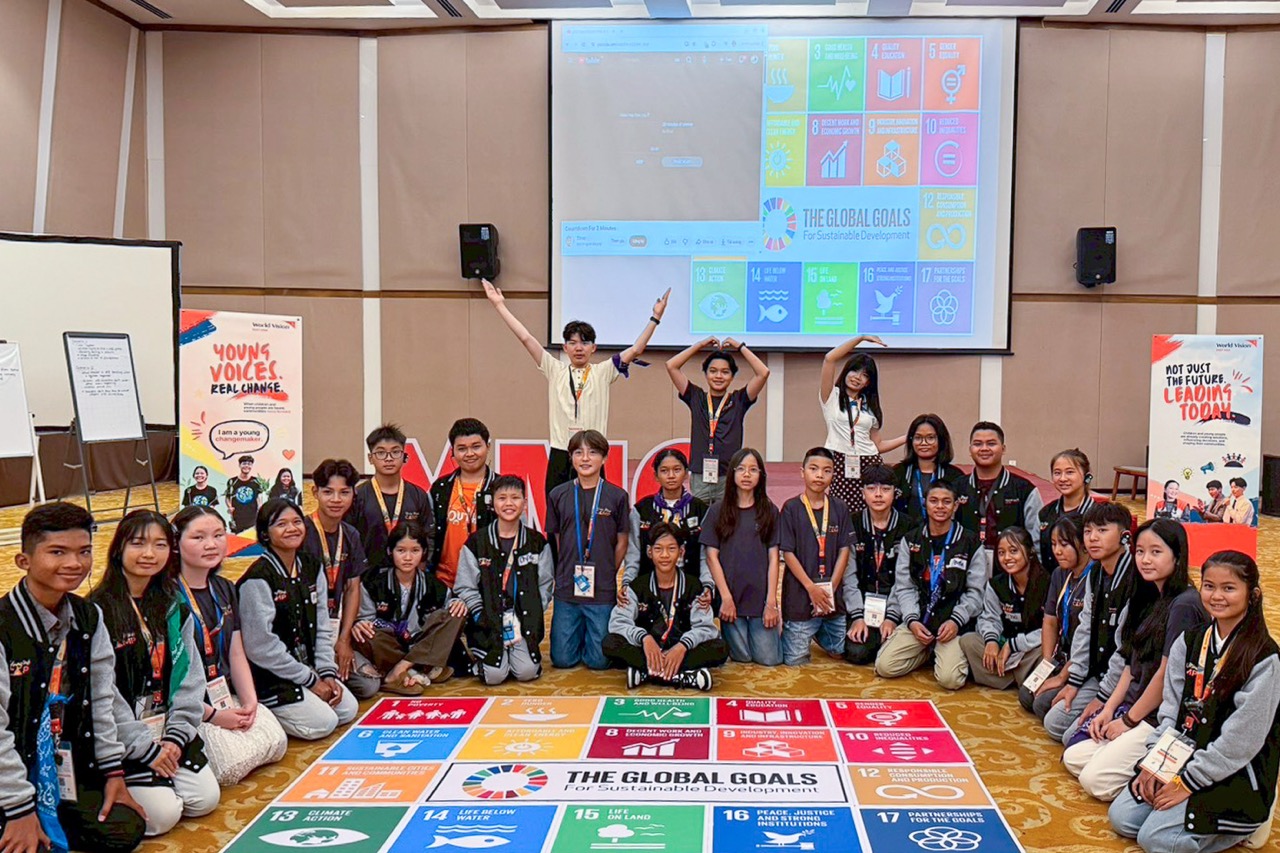
From 22–26 June 2026, the World Vision Foundation of Thailand supported the participation of Thai youth representatives in the regional Young Minds CAMP 2026: Child-led Actions, Mobilization and Partnerships, held in Da Nang, Vietnam. The camp, now in its third year, was organized by World Vision East Asia Regional Office.
Young Minds CAMP serves as an important regional platform that promotes meaningful child and youth participation by focusing on leadership development, communication skills, creativity, and youth-led initiatives.
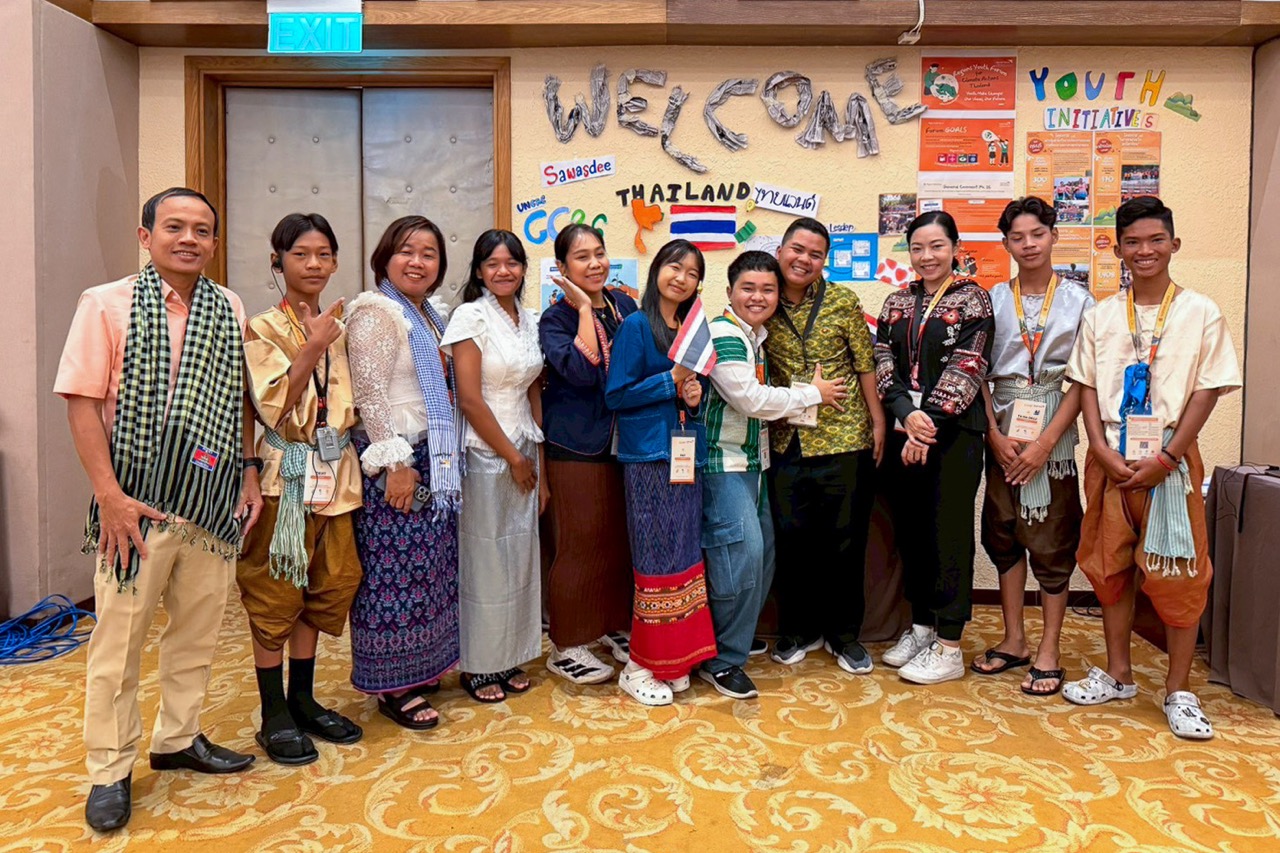
This year’s camp brought together child and youth representatives from across East Asia, including Cambodia, China, Laos, Mongolia, Myanmar, Thailand, and Vietnam. Participants engaged in cross-cultural learning, strengthened mutual understanding, built regional youth networks, and collaborated on climate action initiatives.
Elevating Youth Voices on Climate Change
The central theme of Young Minds CAMP 2026 was climate change, one of the most pressing challenges affecting children and communities across East Asia. During discussions among youth leaders, participants highlighted how climate change directly impacts education, safety, health, and overall well-being.
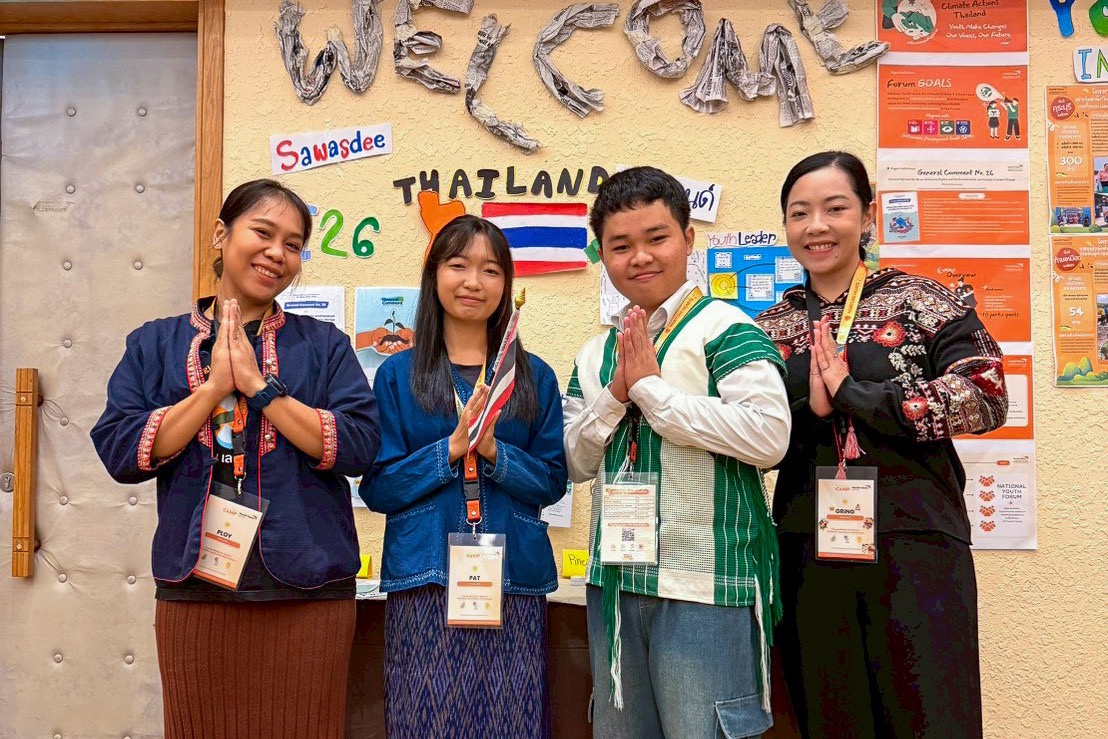
Note (Theerapong), a youth representative from Thailand, shared concerns about the increasing severity of climate-related impacts:
“I am deeply concerned about the current climate change situation, which continues to become more severe. If no meaningful action is taken in the future, the impacts may worsen significantly, affecting health, increasing the risk of diseases, and leading to more extreme weather events, including heavier rainfall that could severely impact communities.”
Similarly, Pat (Nichakorn), another youth representative from Thailand, emphasized that changing seasonal weather patterns directly affect children’s health and lives, particularly through extreme heat, seasonal diseases, and flooding risks.
“I feel that weather conditions in every season have changed noticeably—whether in summer, the rainy season, or winter—and these changes directly affect children’s health. This includes extreme heat during summer, increased risk of dengue fever during the rainy season, and unusually cold temperatures in winter. During the rainy season, I am especially concerned about flooding. If heavy rainfall exceeds water storage capacity, it can seriously affect communities. I am also worried about rising sea levels caused by climate change.”
In addition to climate change, Young Minds CAMP 2026 explored related themes, including technology and the inclusion of persons with disabilities.
Technology was recognized as a powerful tool for communication, learning, adaptation, and innovation in addressing climate challenges. At the same time, participants emphasized the need to promote equitable access, digital safety, and responsible technology use.
Regarding disability inclusion, the camp acknowledged that climate change affects different groups of children in different ways. Children with disabilities may face additional barriers in emergency evacuations, access to information, continuity of education, and participation in activities. For this reason, camp activities were intentionally designed to be accessible, safe, inclusive, and equitable for all participants.
Strengthening Youth Leadership Networks and Regional Collaboration
Young Minds CAMP 2026 was supported by staff members from the East Asia Regional Office and World Vision International, who facilitated learning opportunities and experience-sharing among participants.
For World Vision Foundation of Thailand, the participation of Thai youth representatives marked another significant step in strengthening children’s and young people’s capacity to become leaders of change within their communities, their country, and the wider region.
Reflecting on the role of young people in driving social change, Note stated:
“I believe young people can serve as powerful voices to raise awareness about important issues. Although we are still young today, we will be able to contribute even more as we grow. Young people are the foundation of our country.”
Meanwhile, Pat added:
“I would like to contribute to the design of policies and approaches for disaster preparedness and response. Even though I am still a young person, I believe children and youth can raise their voices, share their perspectives, and communicate their experiences to adults and decision-makers.”
From Youth Voices to Policy Action
Another key component of Young Minds CAMP 2026 was the promotion of Child-led Research, an approach that the World Vision Foundation of Thailand has actively pioneered and advanced among civil society organizations.
This approach creates opportunities for children and young people to gather, analyze, and share knowledge based on their own lived experiences, particularly regarding the impacts of climate change on their safety, health, education, and overall quality of life in diverse contexts.
Beyond strengthening analytical thinking, inquiry skills, and communication abilities, Child-led Research lays an important foundation for ensuring that children’s voices contribute meaningfully to policy processes. Insights and findings generated through youth-led research can be further developed into youth-led initiatives, advocacy campaigns, and policy recommendations directed toward decision-makers.
The outcomes of Child-led Research within Young Minds CAMP are intended to contribute to policy advocacy at multiple levels—from local and national platforms to regional and global forums. The goal is to ensure that children’s experiences and recommendations are taken into consideration in discussions on disaster risk reduction, climate action, and sustainable development.
The recommendations and messages emerging from this process may also contribute to major upcoming platforms, including APMCDRR 2027, COP32, APFSD 2027, and activities marking World Children’s Day, helping expand meaningful opportunities for child and youth participation and supporting children as active contributors to decisions that shape their future, communities, and societies.
Building pathways from learning and participation to policy engagement reflects the broader vision of Young Minds CAMP. The camp is not only a platform for youth development, but also an important mechanism for amplifying children’s voices and ensuring that their perspectives, experiences, and recommendations become a meaningful part of decision-making processes on issues that matter most to their lives and futures.