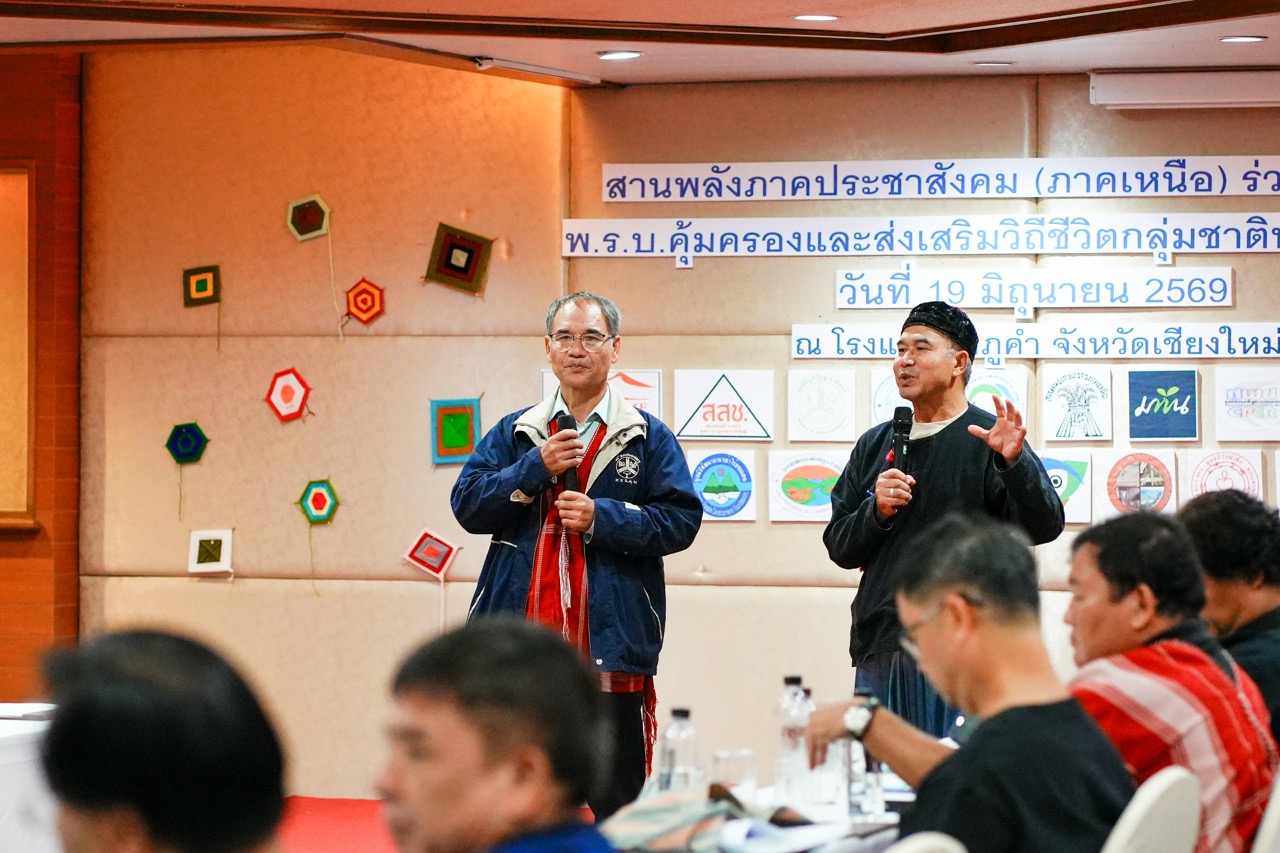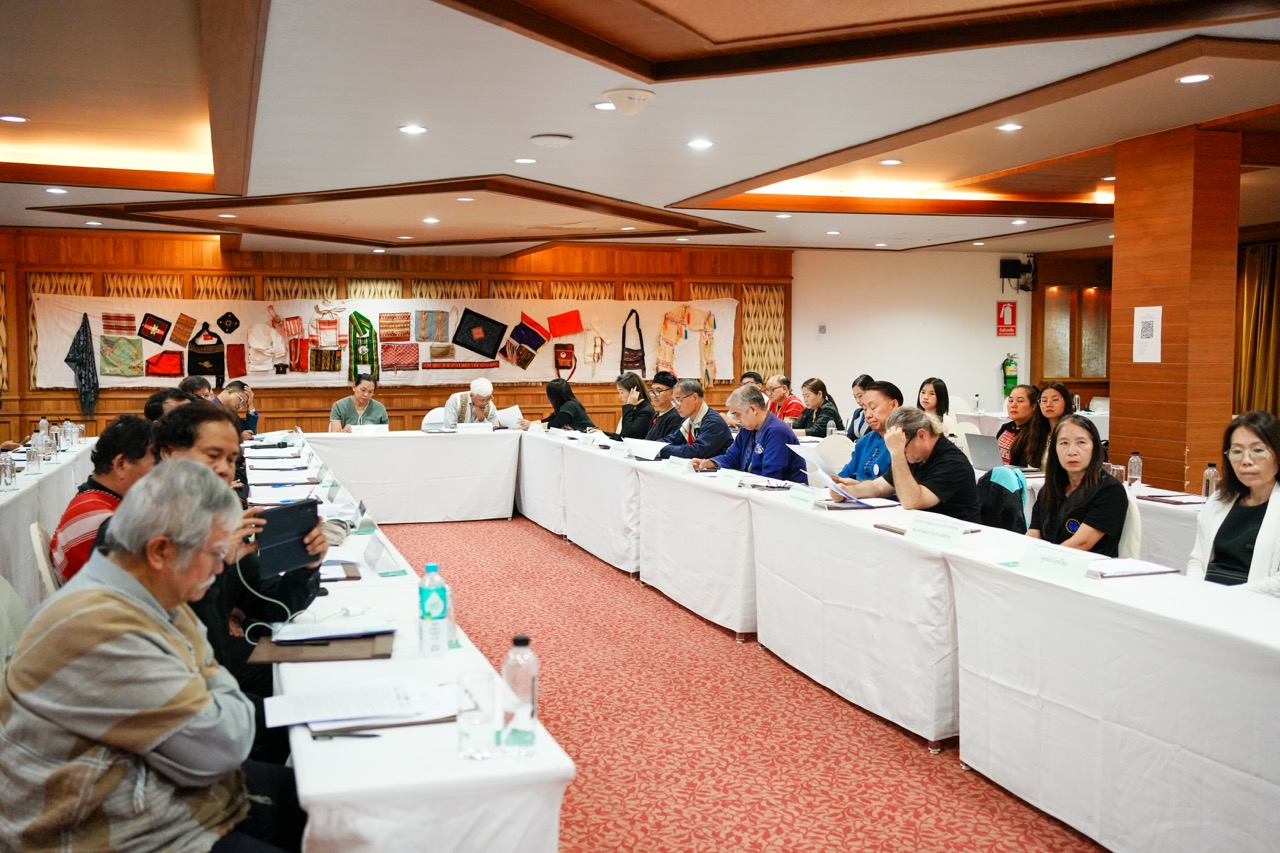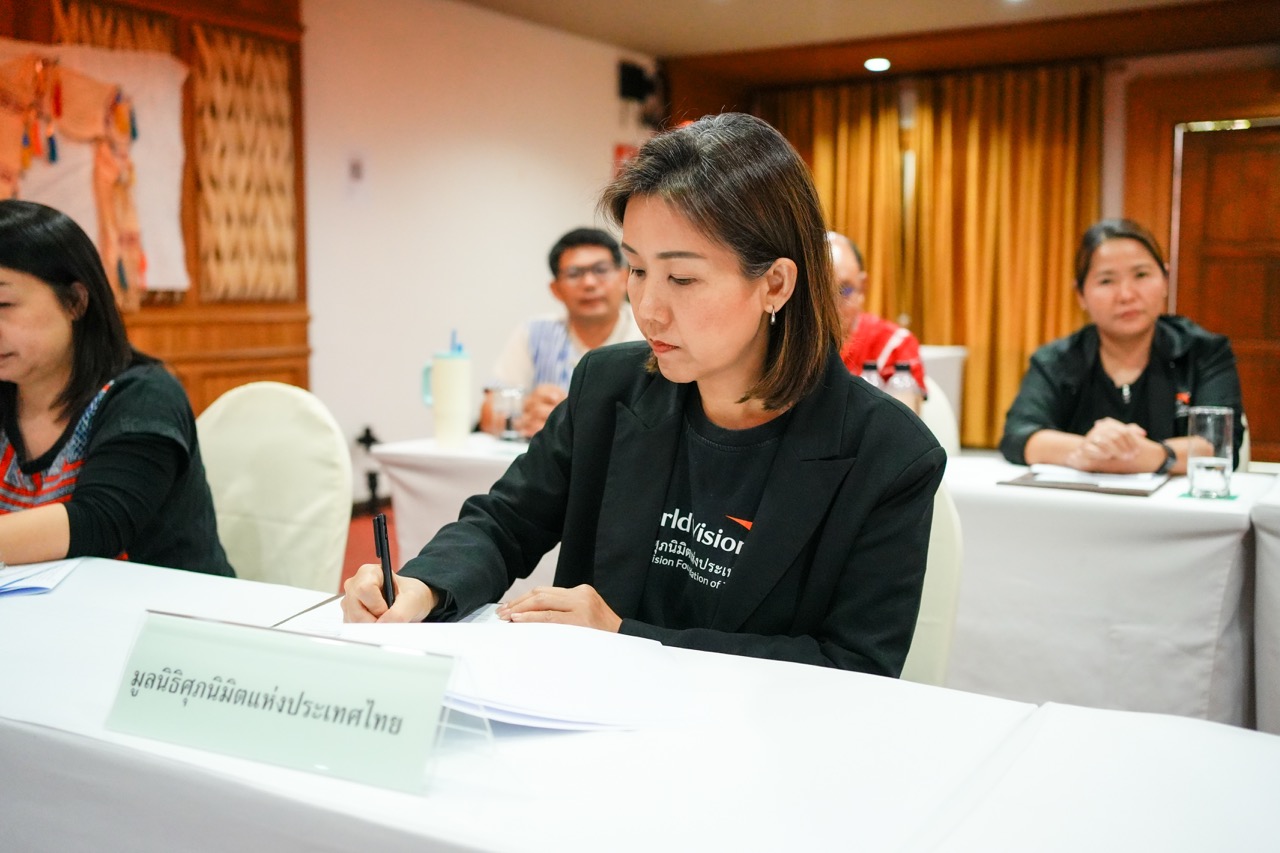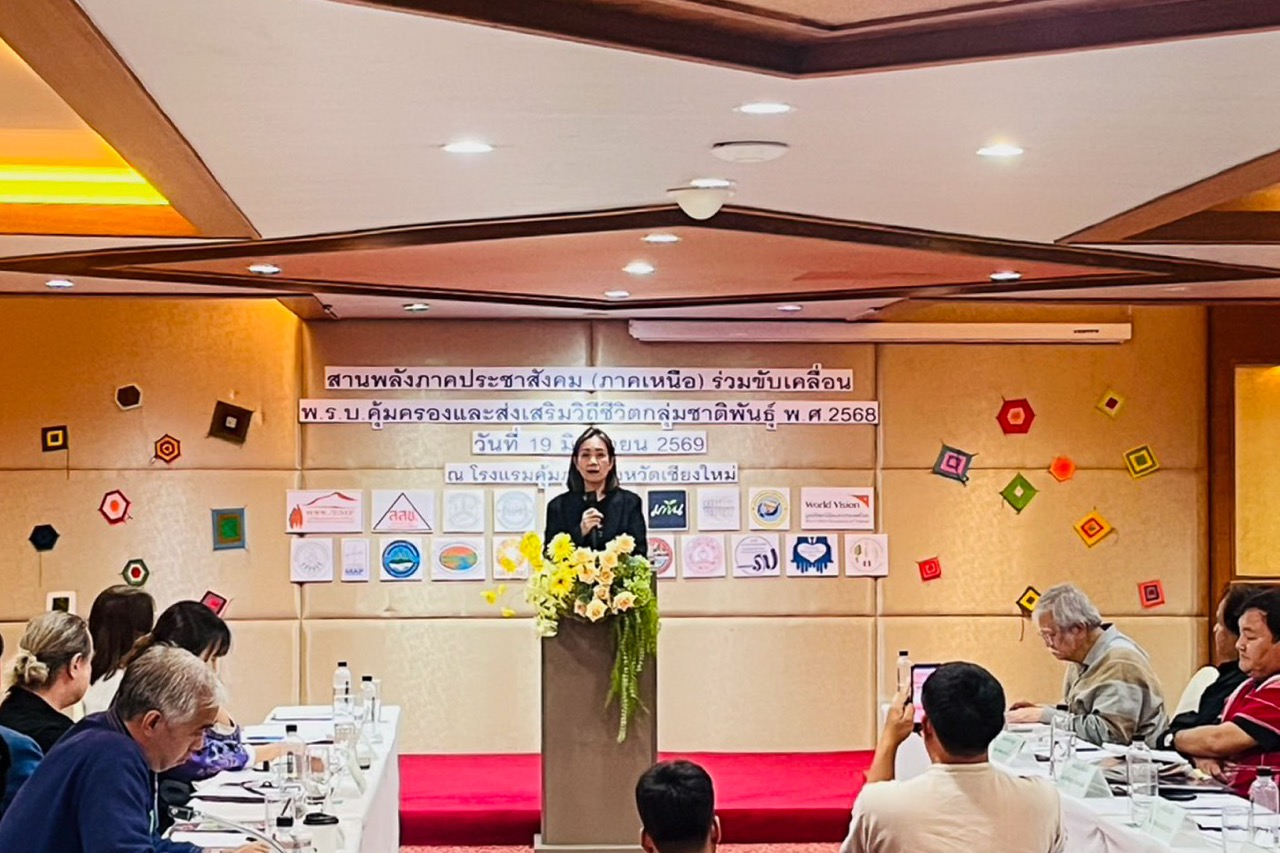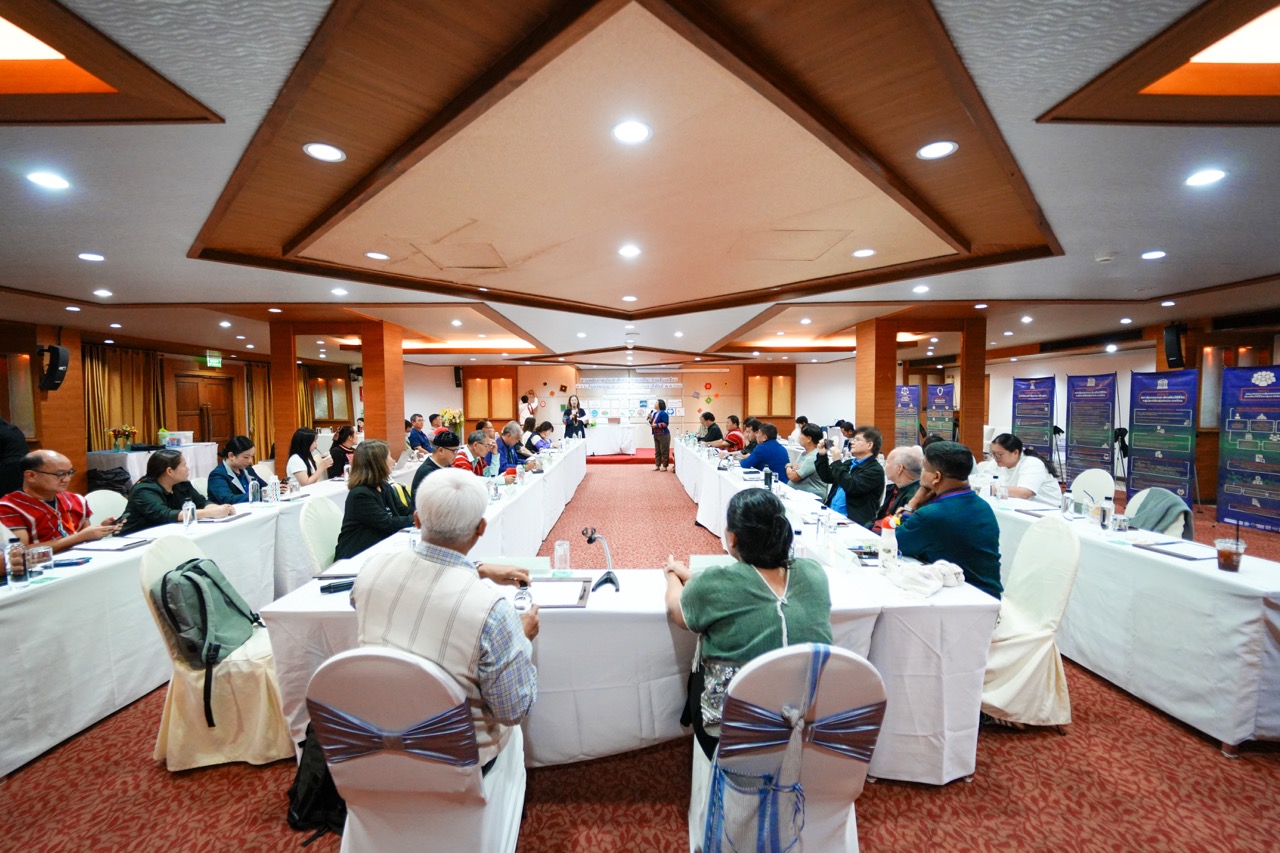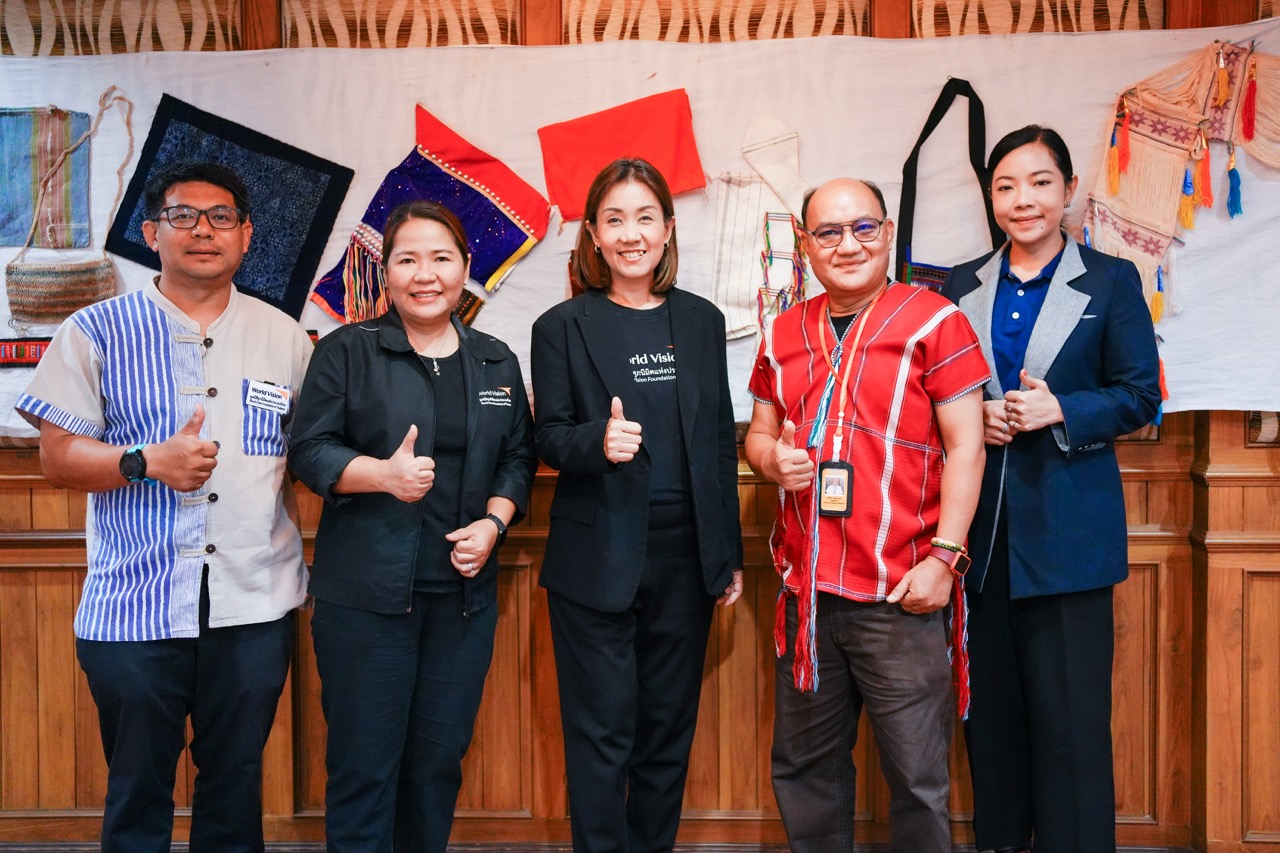
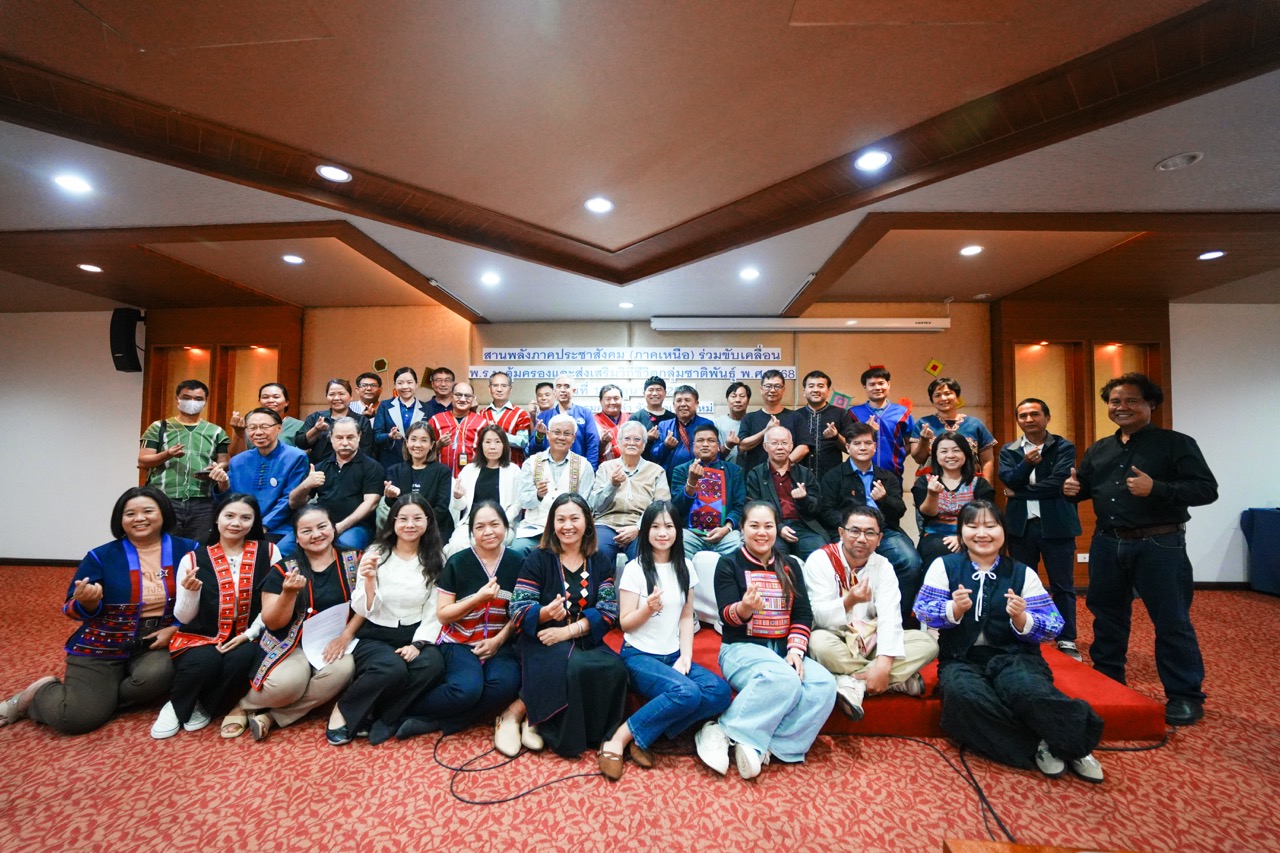
On 19 June 2026, World Vision Foundation of Thailand, as one of 18 civil society organizations in Northern Thailand, co-signed a Memorandum of Understanding (MOU) “to advance the Ethnic Groups’ Way of Life Protection and Promotion Act B.E. 2568 (2025)” into practical implementation. The initiative emphasizes translating “policy intent” into “area-based outcomes” that can tangibly improve the quality of life of Indigenous peoples and ethnic groups.
This movement follows the enactment of Thailand’s first law establishing a framework to protect rights, cultural diversity of Indigenous peoples, and human dignity of ethnic groups. The law operates through a four-tier mechanism: the Committee on the Protection and Promotion of Ethnic Groups’ Way of Life (policy mechanism), the National Council on the Protection and Promotion of Ethnic Groups’ Way of Life (participatory mechanism), the Subcommittee on Ethnic Way of Life and Historical Data Development (academic mechanism), and the Committee for the Administration of Protected Ethnic Cultural Areas (area-based mechanism). This structure forms an integrated governance system that facilitates collaboration among the state, civil society, and communities.
The role of World Vision Foundation of Thailand in supporting the Ethnic Groups Act
The World Vision Foundation of Thailand plays a key role as an “operational intermediary” linking policy mechanisms to field implementation, particularly across three main dimensions:
• Access to basic rights, such as healthcare, education, and social protection
• Legal status development for stateless and undocumented populations
• Empowerment of communities and children and youth
Mr. Sumit Worpapho, Specialist in Legal Status Development at the World Vision Foundation of Thailand and member of the Working Group on Enhancing Access to Health Services for Uninsured Thai Populations, noted that the full utilization of the law’s mechanisms would enhance field operations:
“This law is beneficial to both health and legal status work that the World Vision Foundation of Thailand is implementing. We would like to see the mechanisms and provisions of the law fully integrated and utilized to maximize effectiveness, ultimately contributing to real improvements in the quality of life of ethnic groups.”
Six strategic pillars for implementation
Under the MOU, the network of 18 organizations has identified six strategic areas:
- Supporting the development of subordinate legislation and advocating enabling policies at national and local levels
- Strengthening capacity and rights-based knowledge at the community level
- Building collaborative networks with government agencies and local administrative organizations
- Developing knowledge systems and ethnic data platforms
- Protecting vulnerable groups and improving quality of life
- Managing protected cultural areas to ensure land and cultural security
A message from the National Director: Transforming “rights” into “structural opportunities”
Ms. Rosalin Kowae, National Director of the World Vision Foundation of Thailand, provided a strategic perspective on the organization’s role:
“The World Vision Foundation of Thailand is deeply honored to be part of advancing the Ethnic Groups’ Way of Life Protection and Promotion Act B.E. 2568 (2025), which marks a significant step forward for Thai society in strengthening the protection of rights, dignity, and cultural diversity of Indigenous peoples and ethnic groups. This law not only focuses on protection but also promotes, restores, and creates opportunities for communities to sustain their ways of life and identities with pride, while actively participating in shaping their own futures and that of the country.”
The National Director emphasized that “access to basic rights and legal recognition” are foundational to sustainable development, especially for children and youth in remote areas.
The organization has outlined five key operational directions to support the law’s implementation:
- Transformative public communication to reduce social bias and promote coexistence based on respect for diversity
- Policy engagement with partners to ensure the effective translation of the law into practice
- Holistic child and youth development, focusing on education, quality of life, and safe environments to enable Indigenous and ethnic youth to reach their full potential
- Expanding access to essential services to sustainably improve community well-being
- Systematic resolution of legal status issues to ensure all individuals obtain legal recognition and equitable access to rights
“We are committed to dedicating our resources, knowledge, and networks to ensure that this law delivers tangible results in practice—so that Thai society becomes one that respects human dignity and provides equal opportunities for all to shape their own future,” the National Director concluded.
From “agreement” to “area-based outcomes”
This signing represents more than a declaration of intent; it establishes a systemic collaboration mechanism aimed at transforming “civil society” into a “catalyst for change” in driving the law from the grassroots level.
Moving forward, the network will monitor the issuance of subordinate legislation while piloting mechanisms in real-world contexts to address structural challenges such as land rights, access to services, and legal status.
Ultimately, the success of the Ethnic Groups Act will not be measured by the existence of legislation alone, but by “quality-of-life outcomes”—where ethnic populations can access their rights, preserve their identities, and live with dignity in Thai society.