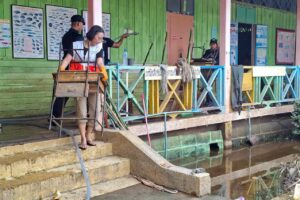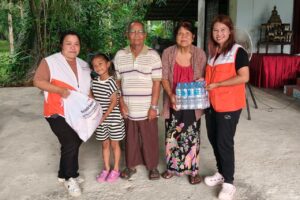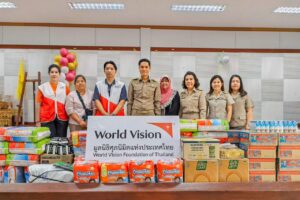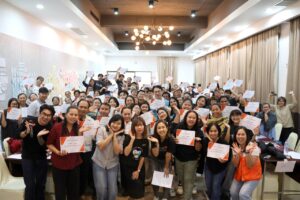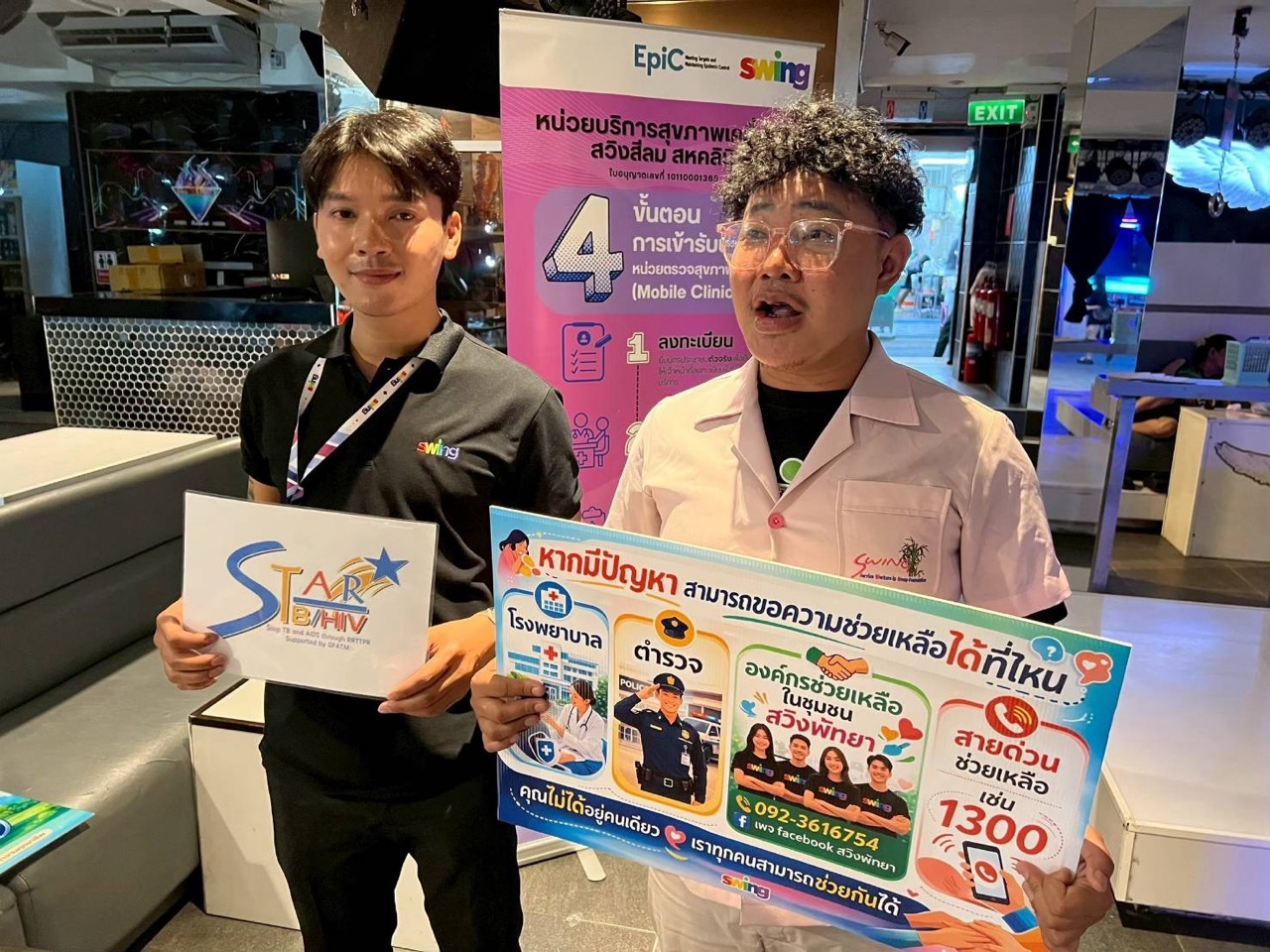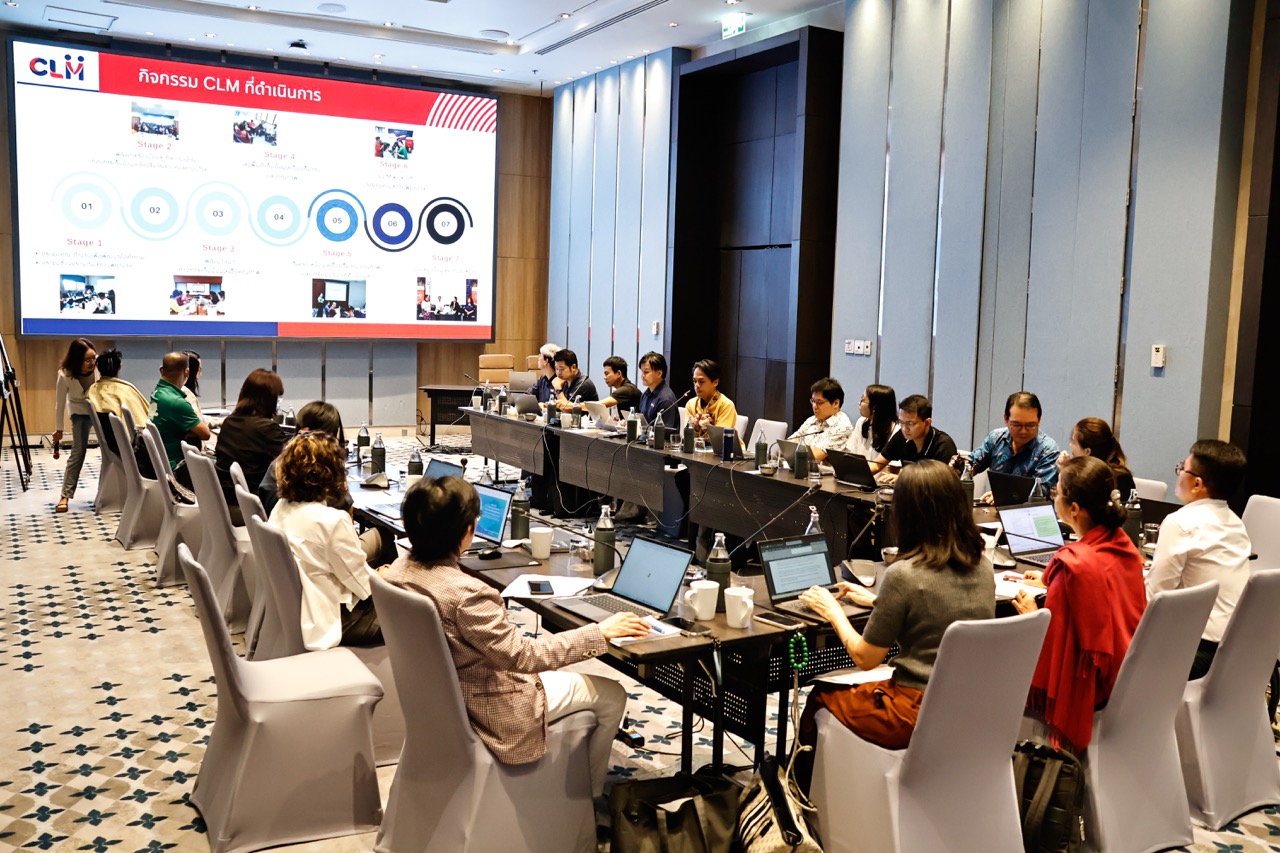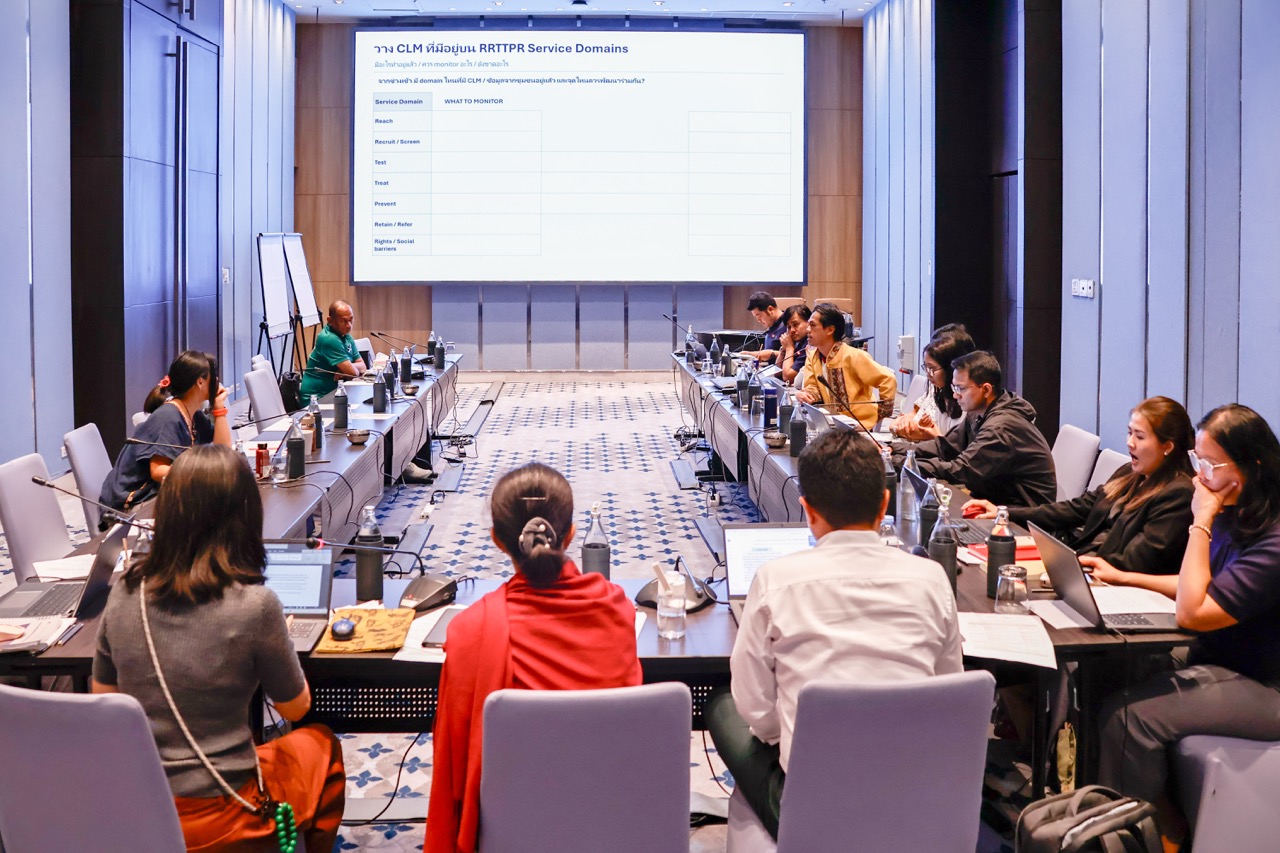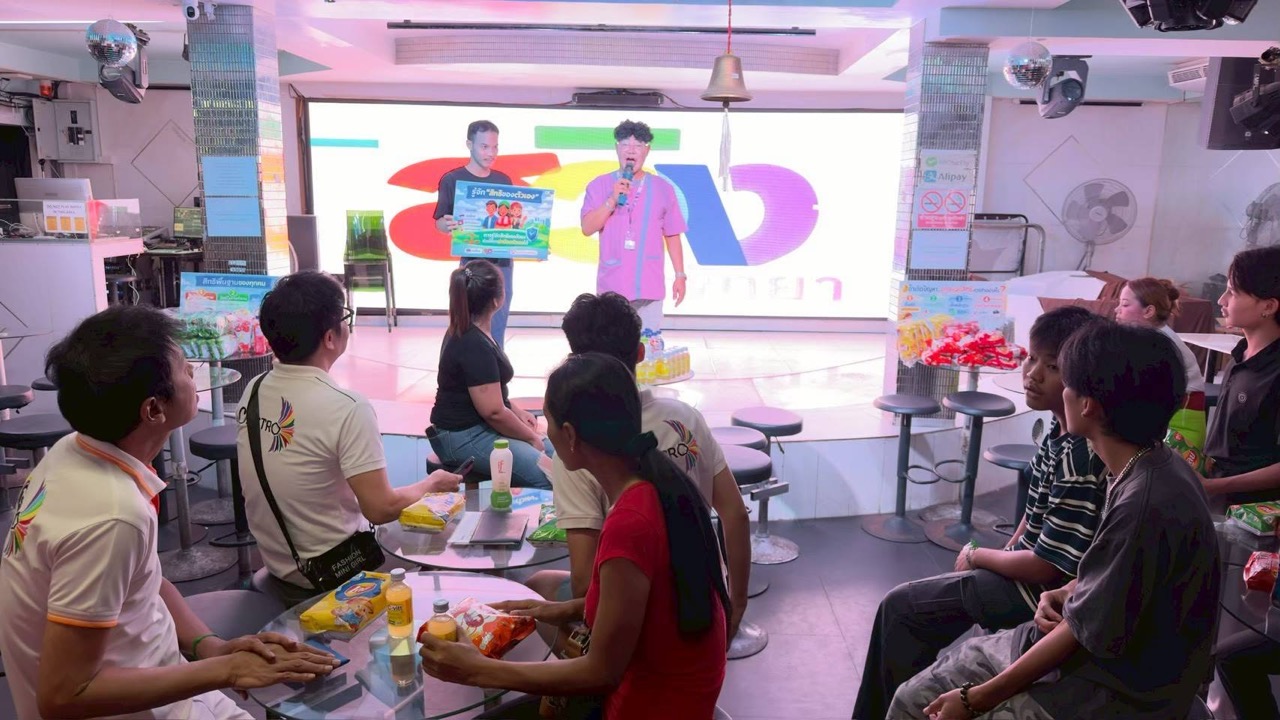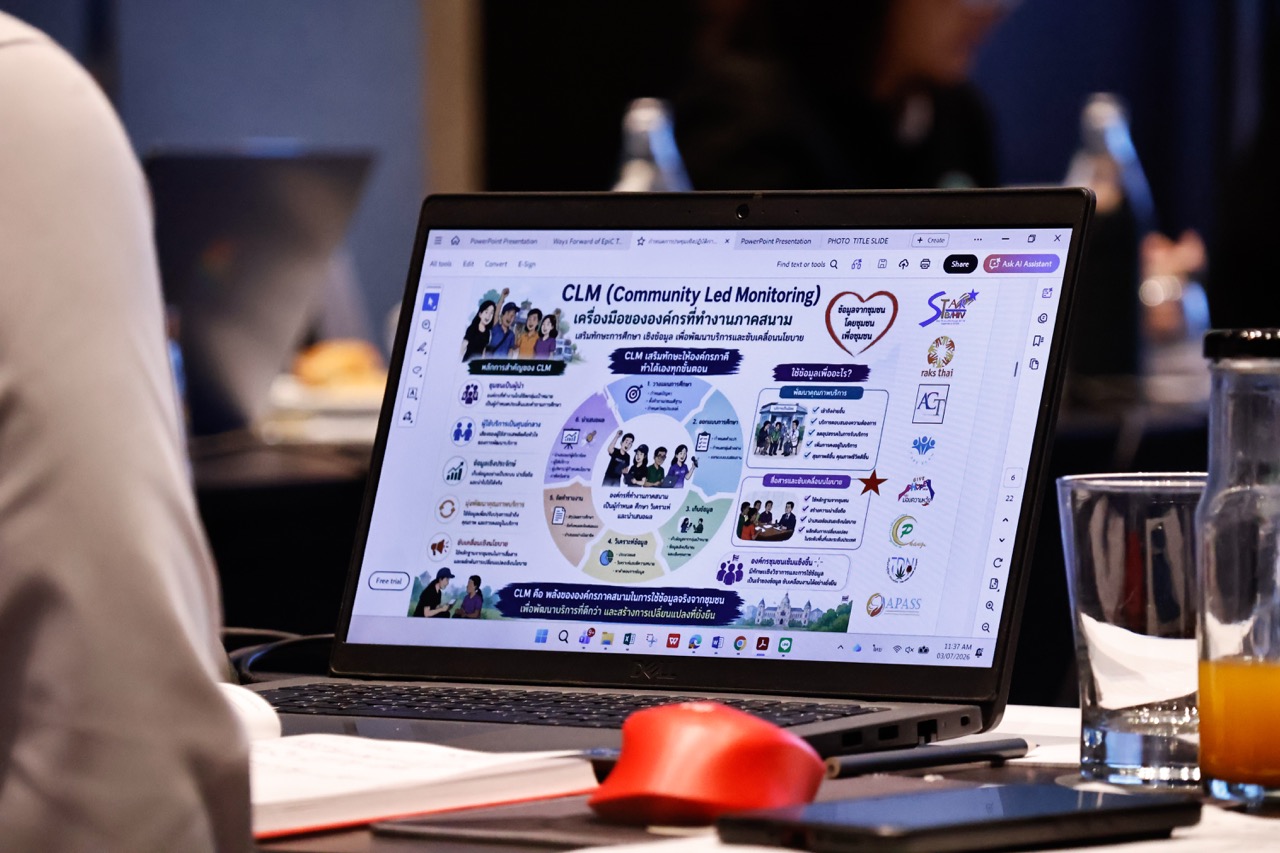
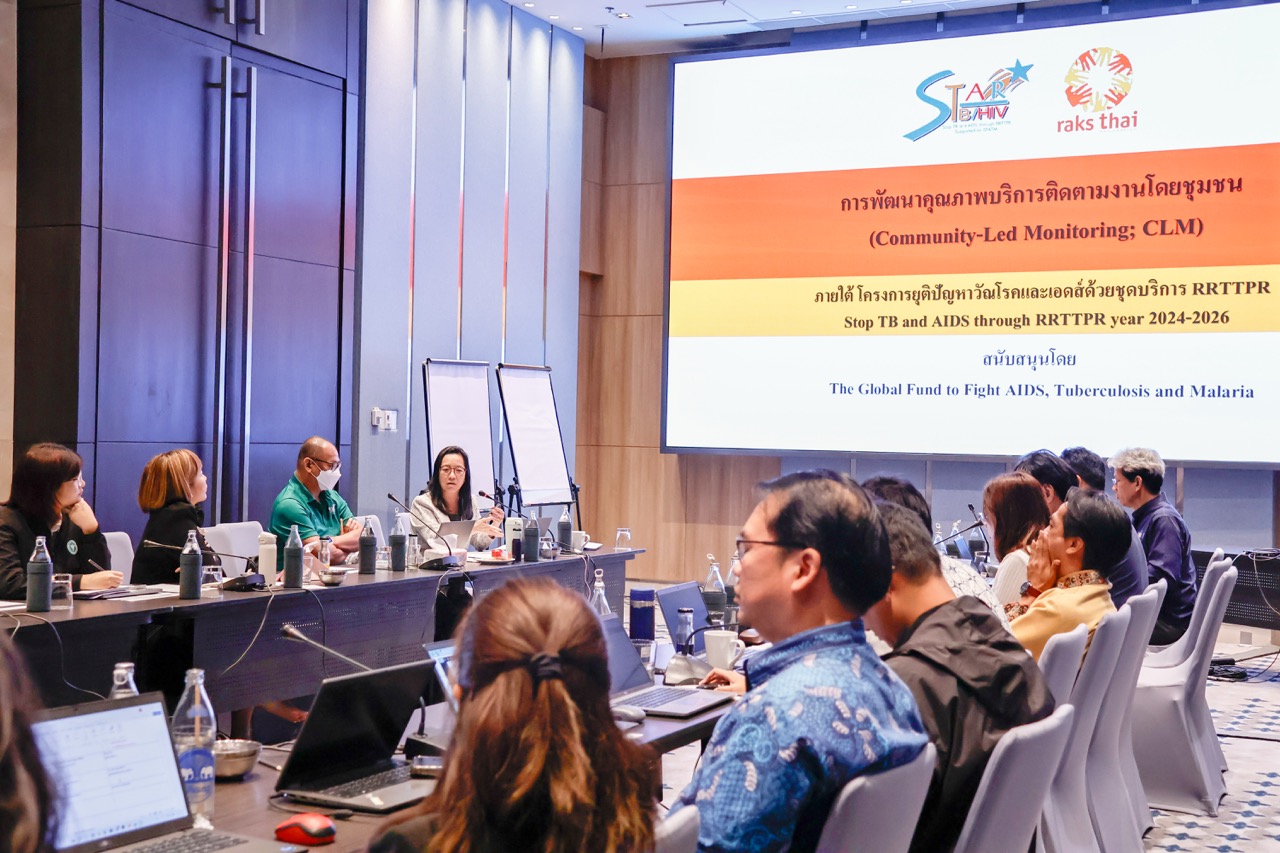
On 3 July 2026, World Vision Foundation of Thailand, under the “Stop TB and AIDS through RRTTPR 2024-2026” project, supported by the Global Fund, convened a learning exchange on Community-Led Monitoring (CLM). The event brought together 14 civil society organizations that have implemented CLM across 60 provinces nationwide over the past three to six years. Participating partners included the Thai Network of People Living with HIV/AIDS (TNP+), which works with people living with HIV; civil society organizations under FHI 360’s EpiC Project serving key populations; Institute of HIV Research and Innovation (IHRI); and networks of people who use drugs supported by Raks Thai Foundation. Together, participants reflected on lessons learned and shared outcomes from advancing CLM in the Thai context. Experiences from these collaborative efforts reaffirmed a key finding: the voices of service users are not merely supplementary information but a strategic mechanism for uncovering gaps and barriers that health systems may overlook. These include challenges related to access to services, stigma and discrimination, quality of care, and policy constraints affecting vulnerable populations. Throughout the implementation period, 20,157 individuals from diverse communities, including people living with HIV, people who use drugs, migrant populations, and people of diverse sexual orientations, gender identities and gender expressions (SOGIESC), contributed feedback on their experiences accessing healthcare and receiving services. These insights have not only informed service improvements at local levels but have also provided critical evidence for shaping public health policies, helping to make Thailand’s health system more inclusive, equitable, and responsive to people’s needs.
CLM: Empowering Service Users to Define Service Quality
Community-Led Monitoring (CLM) is a process through which communities monitor and assess the quality of health services. Service users and civil society organizations play a central role in determining key issues, indicators, and data collection approaches, ensuring that real challenges and needs are reflected from the perspective of service recipients.
Rather than simply measuring satisfaction, CLM serves as an important tool to foster shared accountability among healthcare providers, government agencies, and communities in improving health services. Its key objectives include:
- Enhancing the quality of health services
- Using evidence to inform policy development
- Strengthening community capacity and leadership
- Establishing sustainable support mechanisms through integrated domestic financing and Global Fund investments
Piloting and Scaling Up CLM to Build Community-Responsive Health Systems and End HIV, TB, and STIs in Thailand
Community-Led Monitoring began to take shape in Thailand in 2022 and has since expanded to reach diverse populations through nationwide civil society collaboration. Key initiatives include:
- Thai Network of People Living with HIV/AIDS (TNP+) implemented CLM across 40 provinces through 89 community organizations and service facilities, engaging 13,429 participants.
- The EpiC Project, implemented by IHRI and partner organizations, operated across six provinces with 67 partner agencies, engaging 4,705 participants.
- Community-led monitoring among people who inject and/or use drugs (PWID/PWUD) was conducted in 11 provinces by Raks Thai Foundation and six community organizations, engaging 1,998 participants.
- Tuberculosis-focused CLM among migrant populations, piloted in Bangkok, Pathum Thani, and Nonthaburi by World Vision Foundation of Thailand, highlighted barriers migrants face in accessing healthcare.
These initiatives demonstrate CLM’s evolution from localized pilot activities into a significant mechanism for capturing community perspectives and translating them into meaningful improvements in healthcare service delivery.
When Communities Highlight Challenges the Health System May Not See
CLM has revealed healthcare access barriers faced by vulnerable populations. While experiences vary across groups, they collectively point to critical gaps that still need to be addressed within the healthcare system.
- People living with HIV identified issues related to antiretroviral therapy access, treatment continuity, screening for co-infections, and experiences of stigma and discrimination within healthcare settings. Findings have been used collaboratively with service providers to improve care quality.
- People who use drugs reported significant barriers, including transportation costs, loss of income when seeking services, and concerns about stigma. These challenges affect access to methadone treatment and HIV testing. The findings have informed discussions on expanding “community methadone” models and developing more flexible, accessible service delivery approaches.
- Migrant populations continue to face language barriers, lack of health insurance, transportation difficulties, and discrimination within healthcare systems. Recommendations include establishing Community Navigator systems and multilingual feedback mechanisms.
- Men who have sex with men (MSM) and Transgender (TG), emphasized the importance of hormone-related services and healthcare tailored to their specific needs. High participation rates in online surveys also demonstrated the potential of digital technologies for capturing community feedback effectively.
Although each group faces unique challenges, all initiatives share the same goal: leveraging the voices of service users to improve healthcare services and ensure they better meet people’s needs. Partners are currently advocating for CLM to be integrated into the RRTTPR service package and linked with Thailand’s Healthcare Accreditation (HA) system, elevating community participation from that of service recipients to active partners in health system development.
Strengthening Data Systems to Support Evidence-Based Decision-Making
Lessons learned from CLM implementation have contributed to the development of the HIV INFO HUB as a national data platform and single source of truth. The platform consolidates information from various sources into one system, reducing reporting burdens for civil society organizations while improving data quality for planning, monitoring, evaluation, and policy development. Data collection methods are tailored to the needs of different populations. These include QR code-based real-time service assessments in hospitals and health centers, as well as face-to-face interviews for groups with limited access to technology, such as people who use drugs and migrant populations. This approach helps ensure that every voice is heard. To maintain data integrity, information is reviewed quarterly by academic teams from Chulalongkorn University and IHRI under strict ethical standards and personal data protection protocols. This highlights that community engagement goes beyond data collection; it creates a trusted evidence base for sustainable improvements in healthcare services and health policy.
From Community Data to Policy Change
One of the most significant achievements of CLM has been its ability to transform service users’ experiences into actionable policy recommendations and tangible improvements in healthcare systems. A notable example is advocacy that enabled general practitioners to diagnose, manage, and prescribe treatment for hepatitis C patients more independently, reducing the need for referrals to specialist physicians in every case. This was supported through the development of an online training course by the Ministry of Public Health, helping patients access treatment more quickly and conveniently. Community feedback has also highlighted concerns regardingstandardized methadone treatment models used in many areas, which may not always align with the realities and needs of individual service users. These findings have sparked discussions on redesigning services to be more flexible and person-centered.
These examples demonstrate that CLM is not merely a tool for collecting feedback or reporting problems. It also functions as an early warning system, enabling stakeholders to identify service gaps, understand challenges from the perspective of service users, and take timely corrective action before issues escalate and affect larger populations.
World Vision Foundation of Thailand’s Role in Advancing Equitable Health Systems
As an organization that has long worked alongside communities and vulnerable populations, World Vision Foundation of Thailand plays a critical role in creating spaces for learning, fostering collaboration among civil society organizations, government agencies, and public health partners, and ensuring that service users’ perspectives inform both policy development and service quality improvements. We remain committed to strengthening community participation, advancing reliable data systems, and promoting multi-stakeholder collaboration so that health-related decisions are guided by evidence and lived experiences. These efforts contribute to a health system that is accessible, equitable, people-centered, and inclusive. Ultimately, the strength of a health system is measured not only by medical effectiveness or technological advancement, but also by its ability to listen to and respect the dignity of every individual. Only by doing so can quality healthcare be made equally accessible to all, regardless of who they are or the circumstances in which they live.