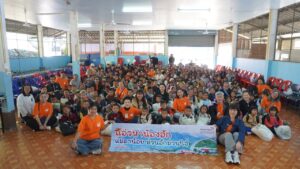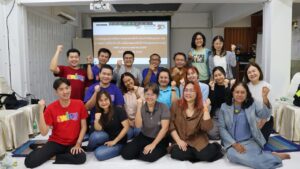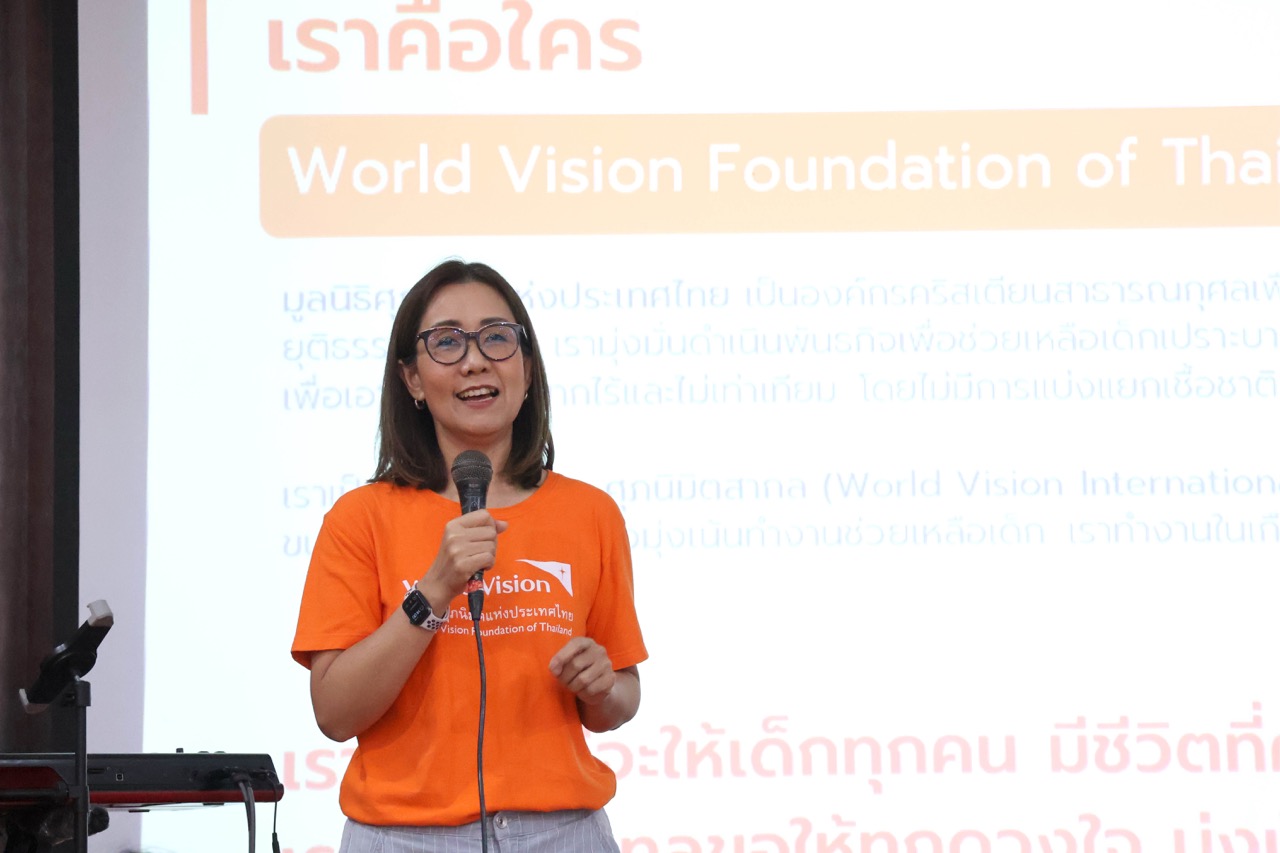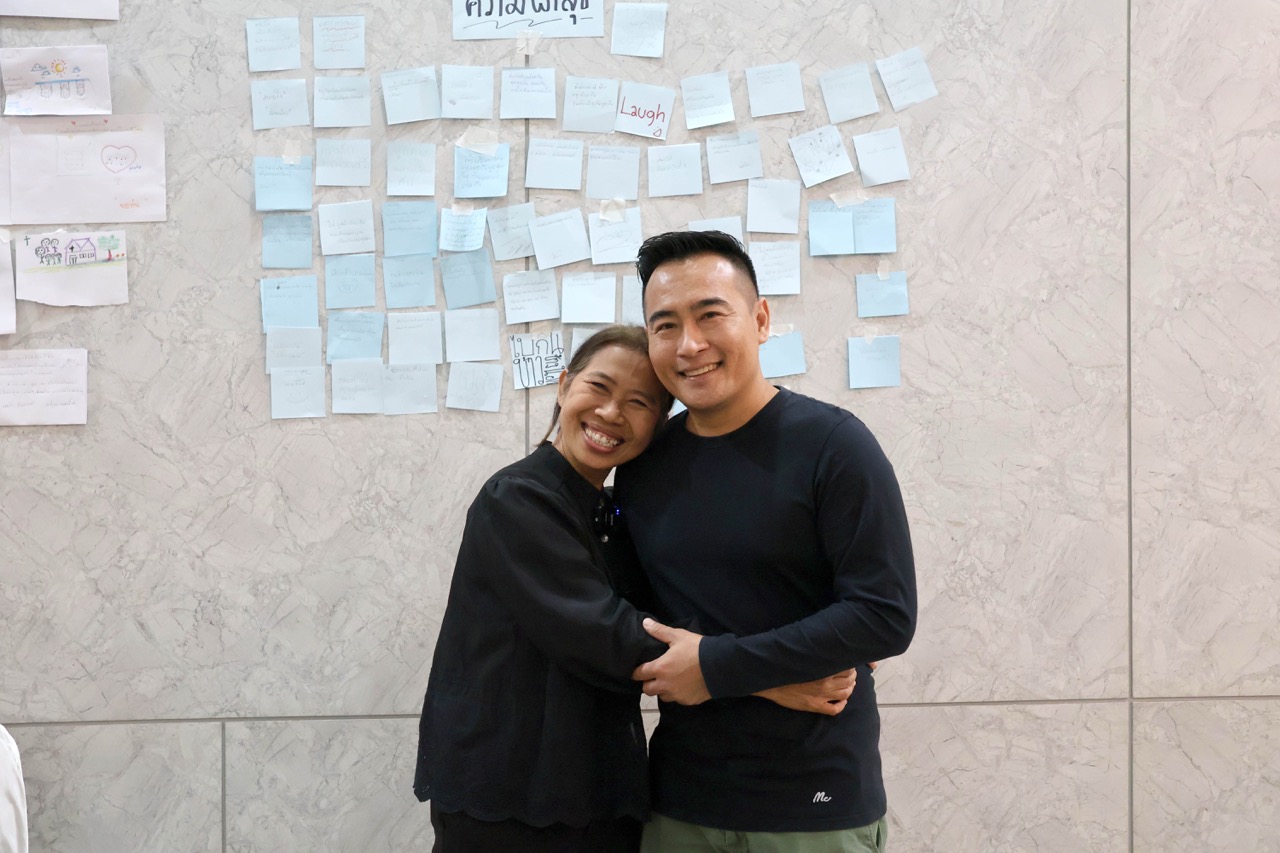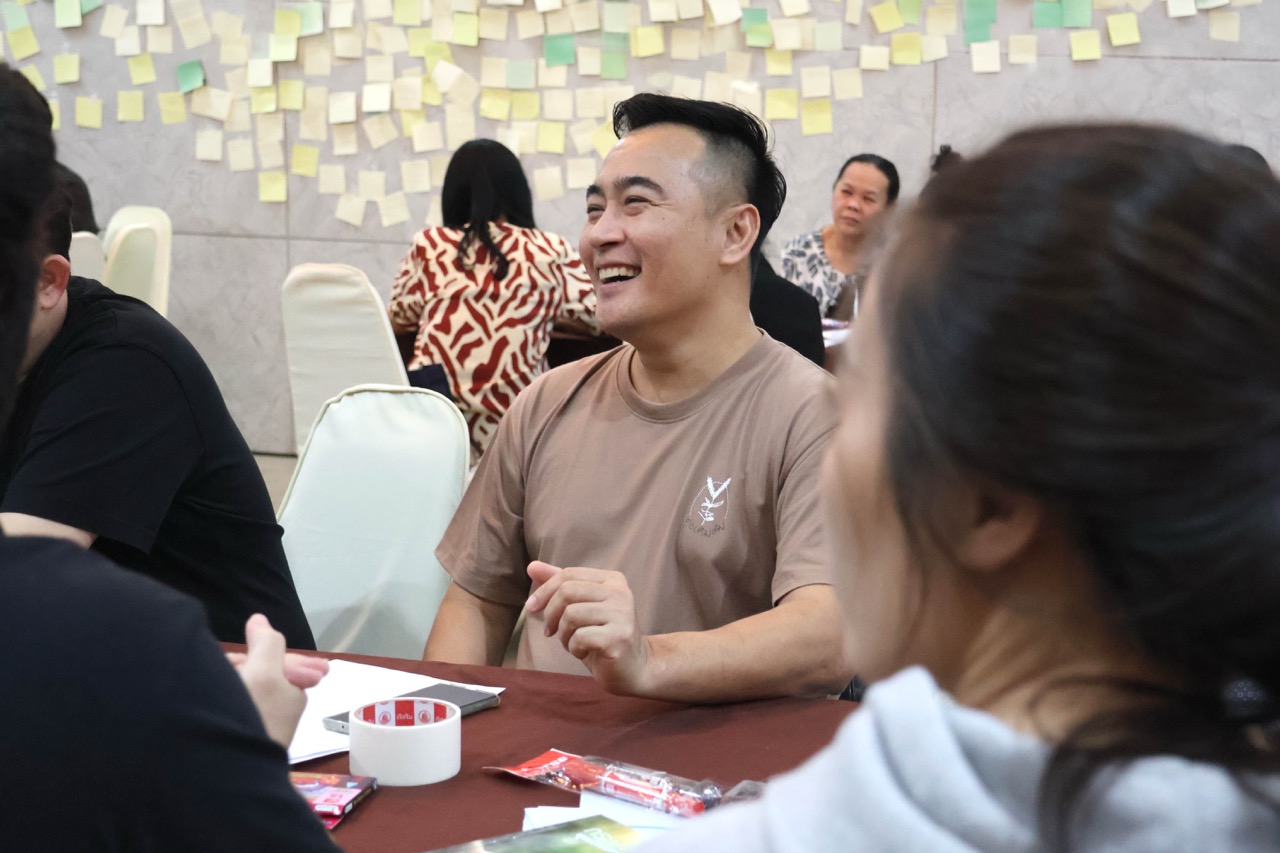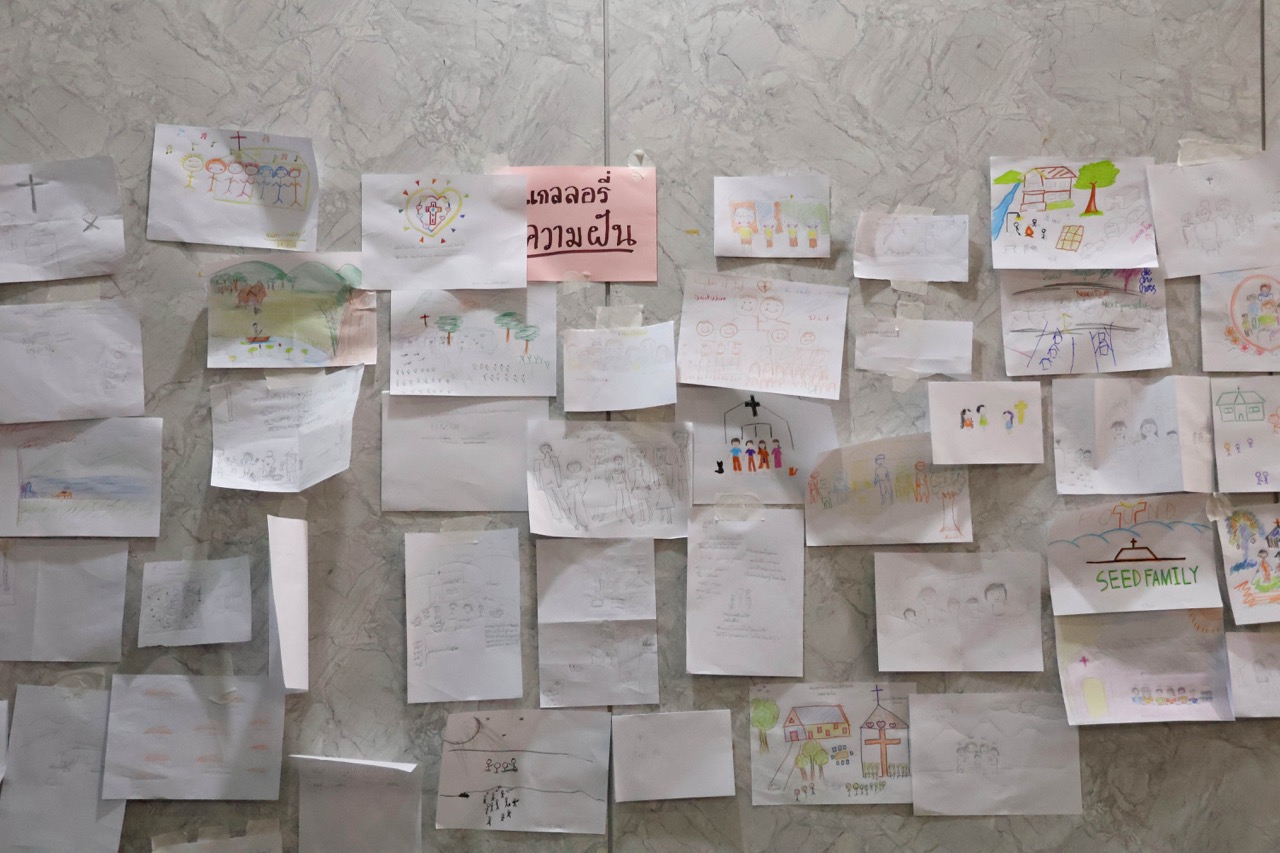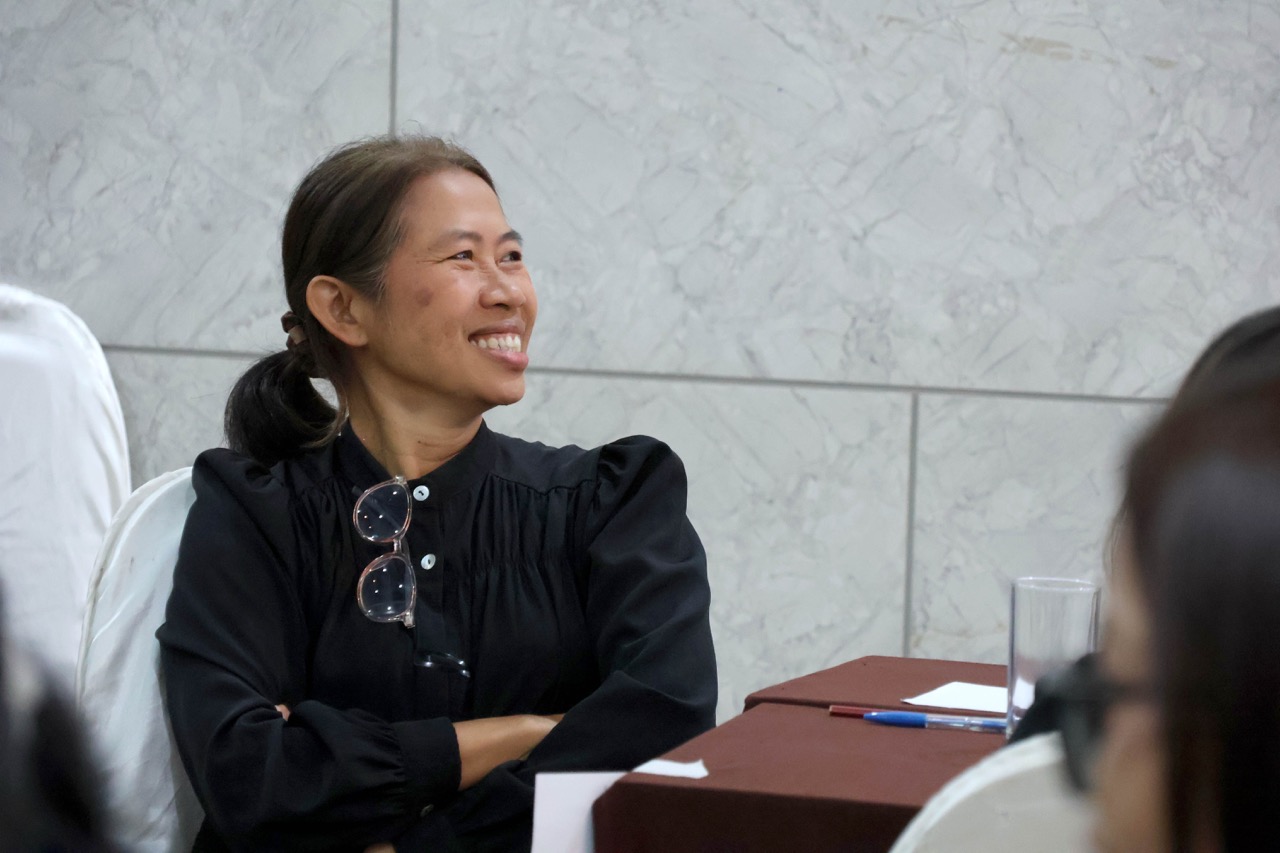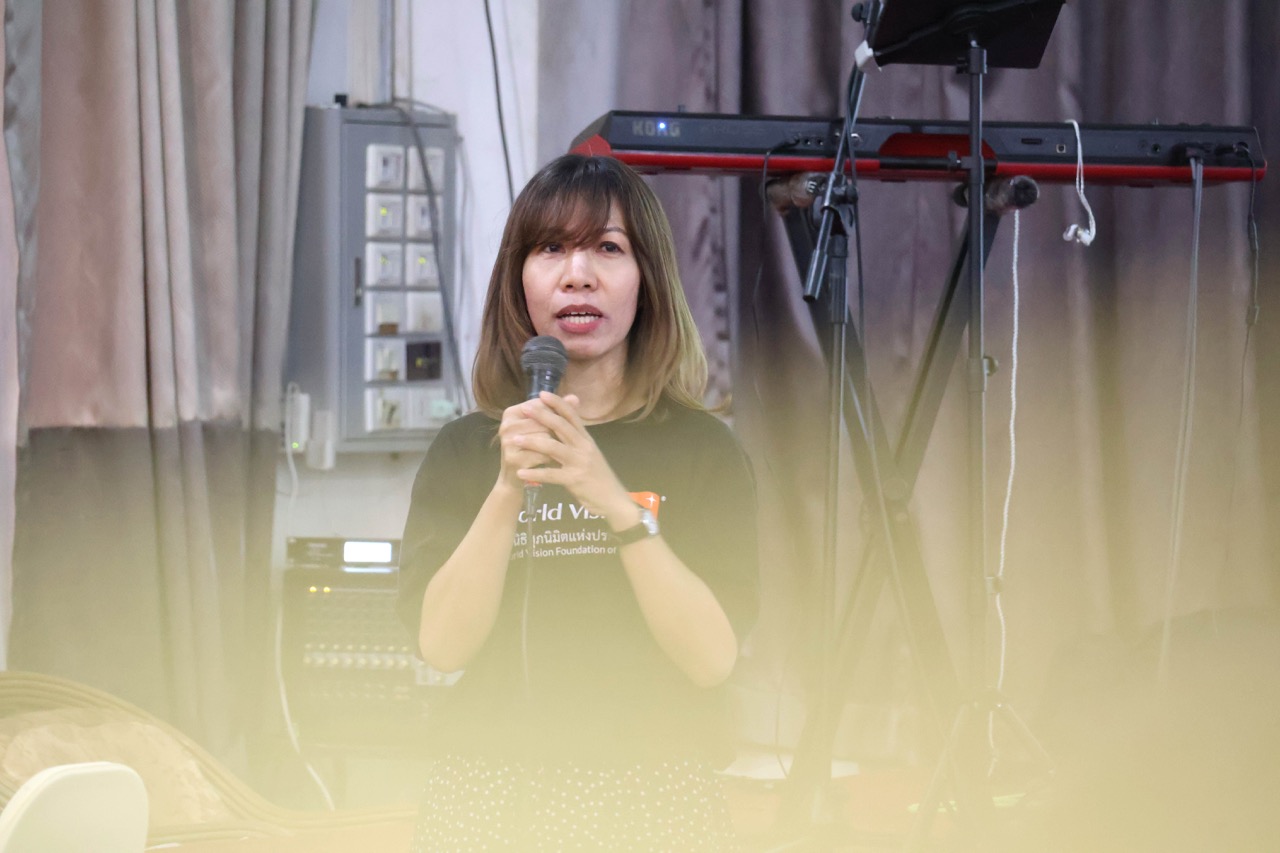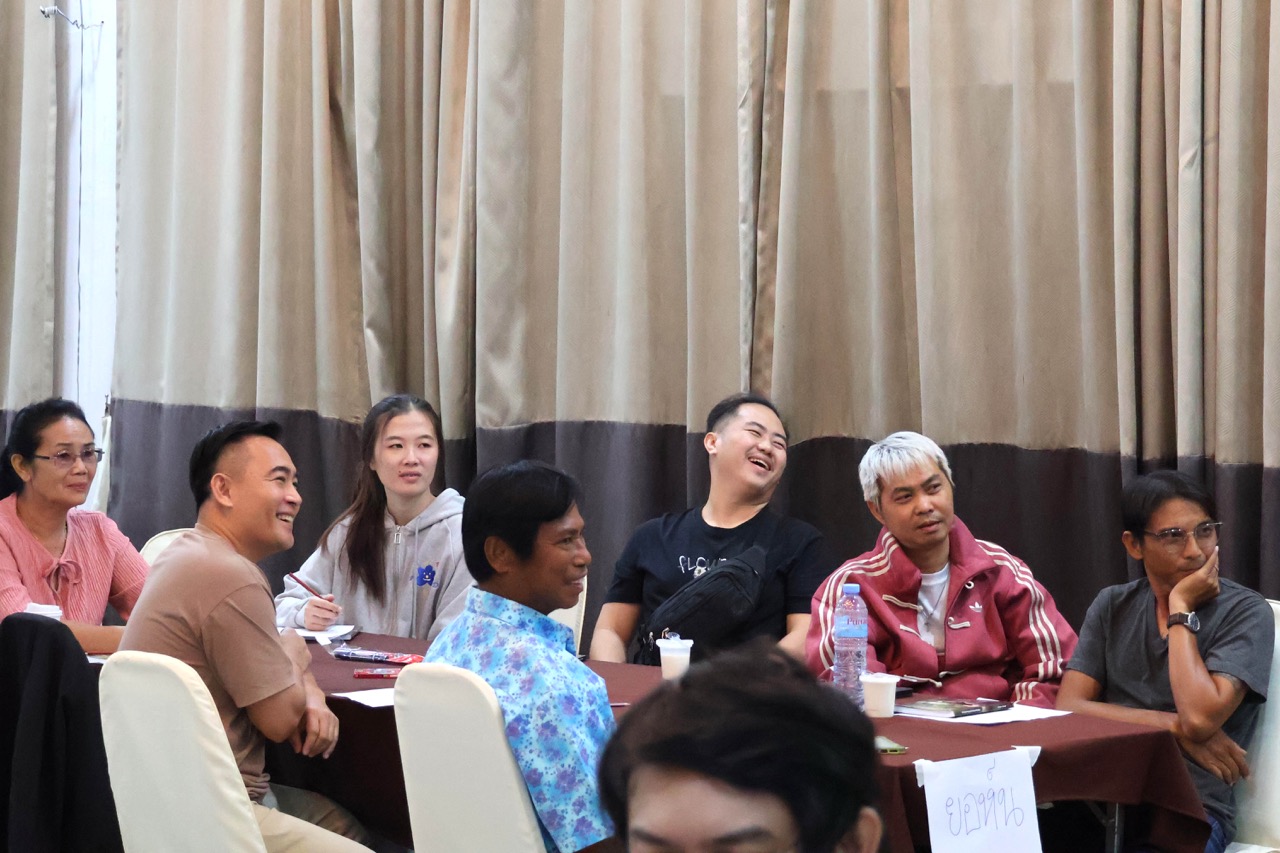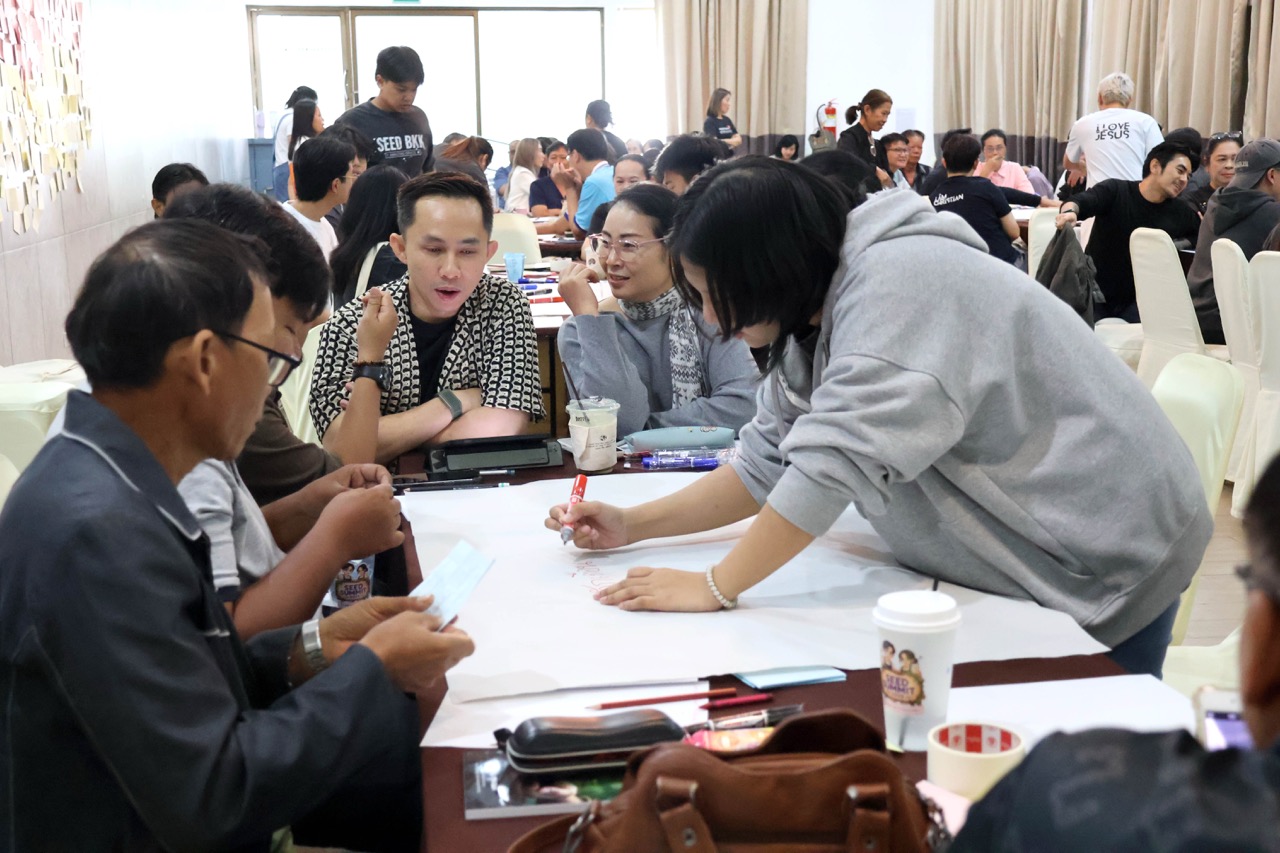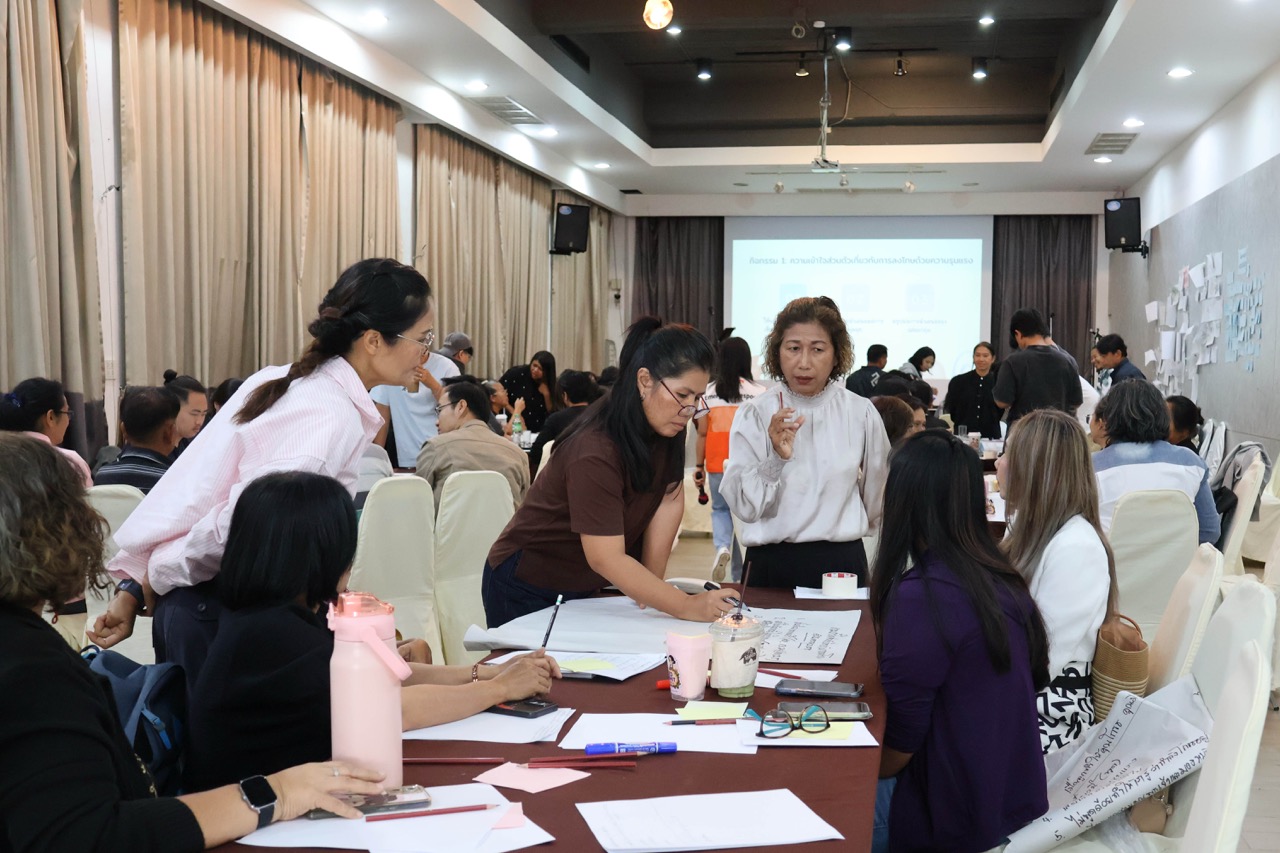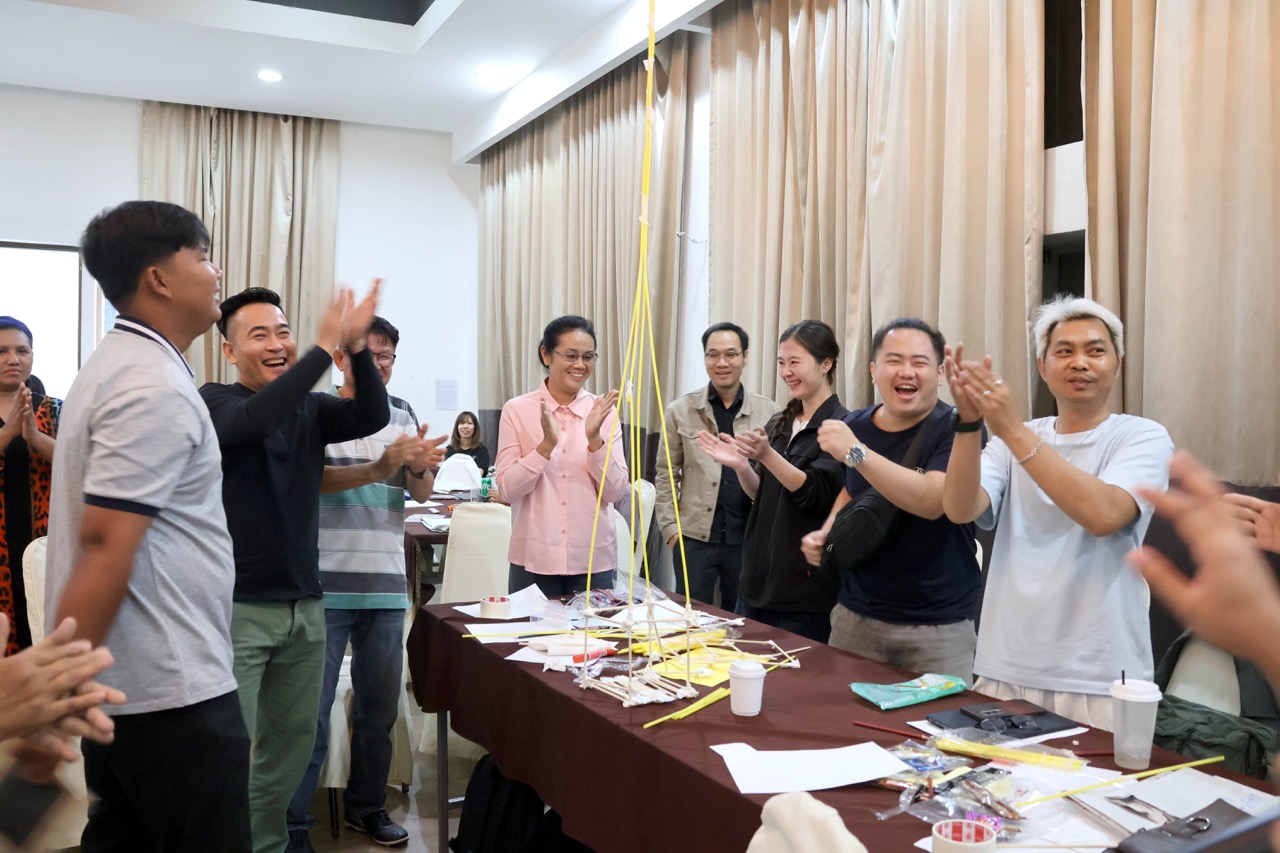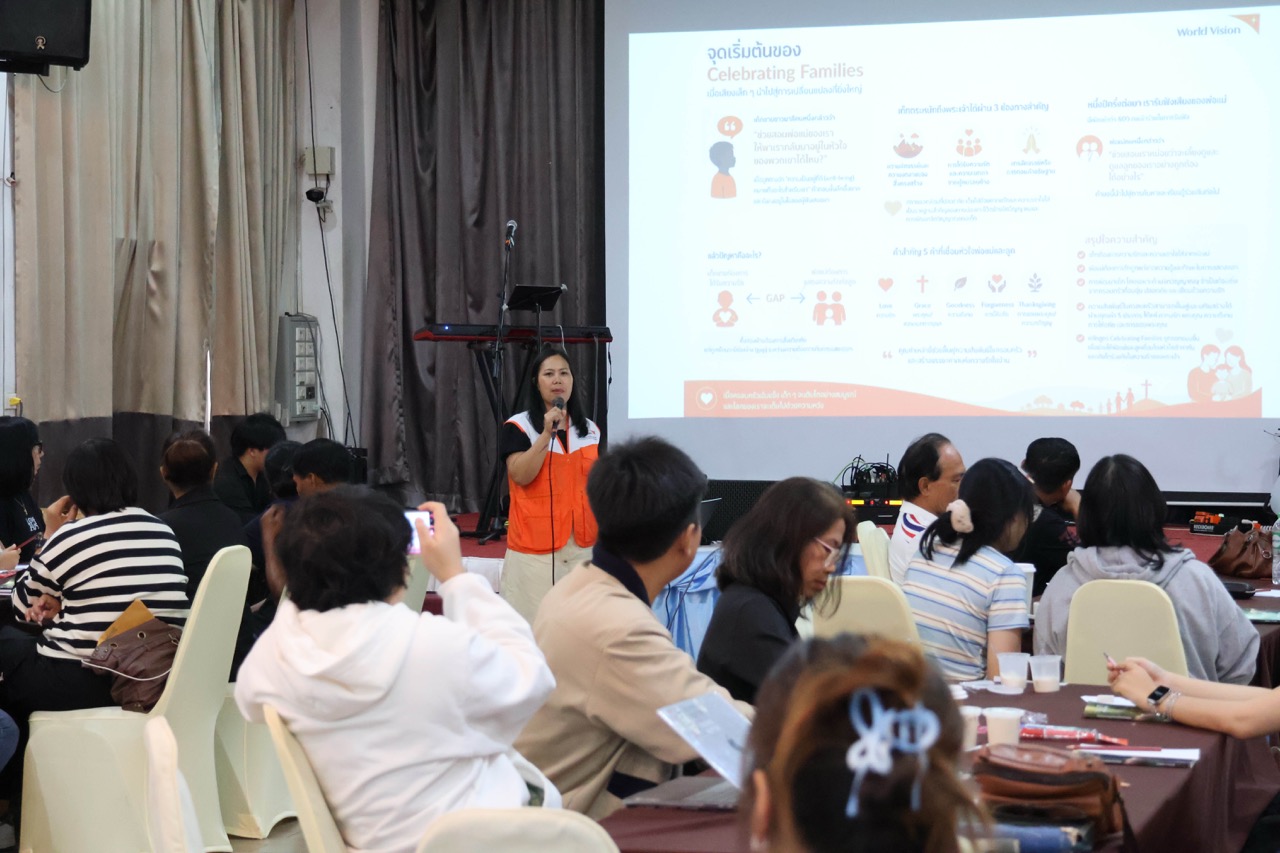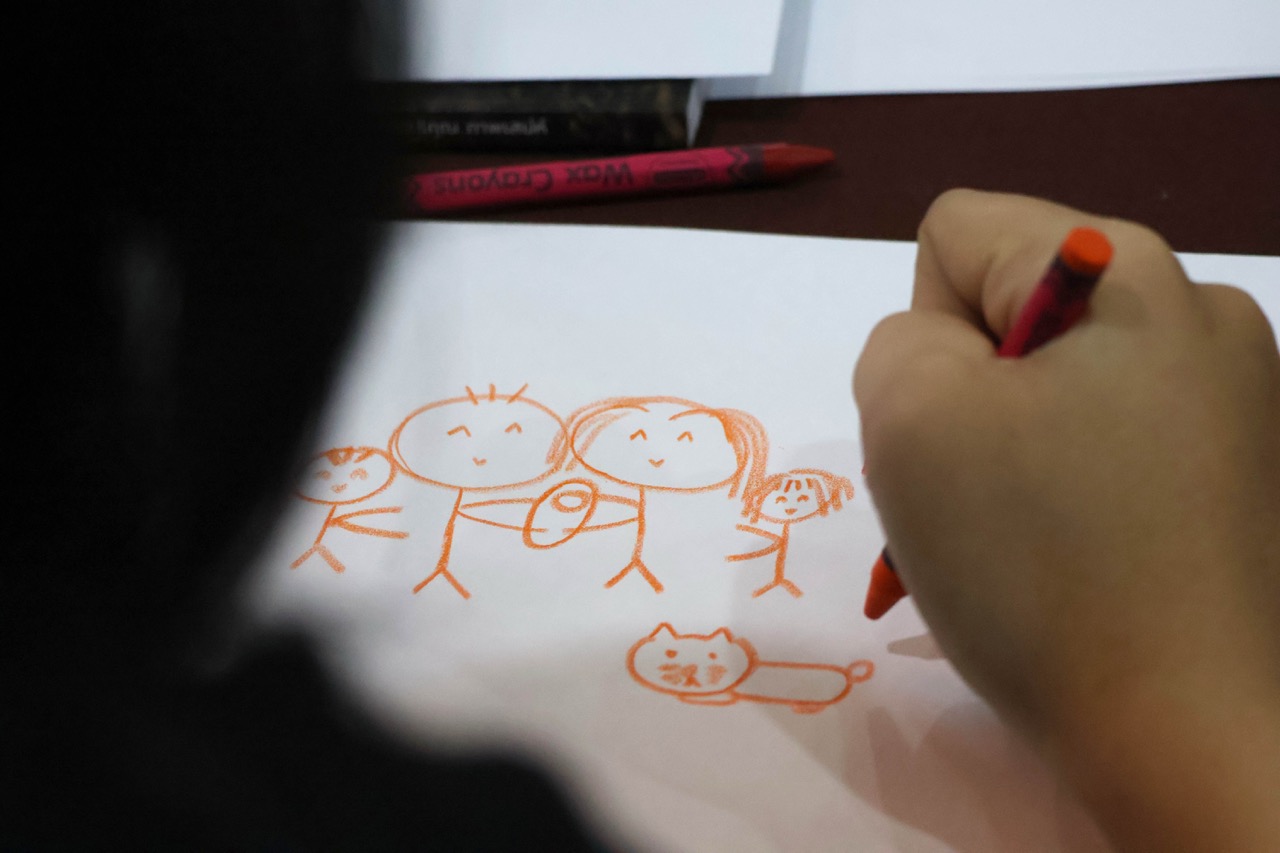
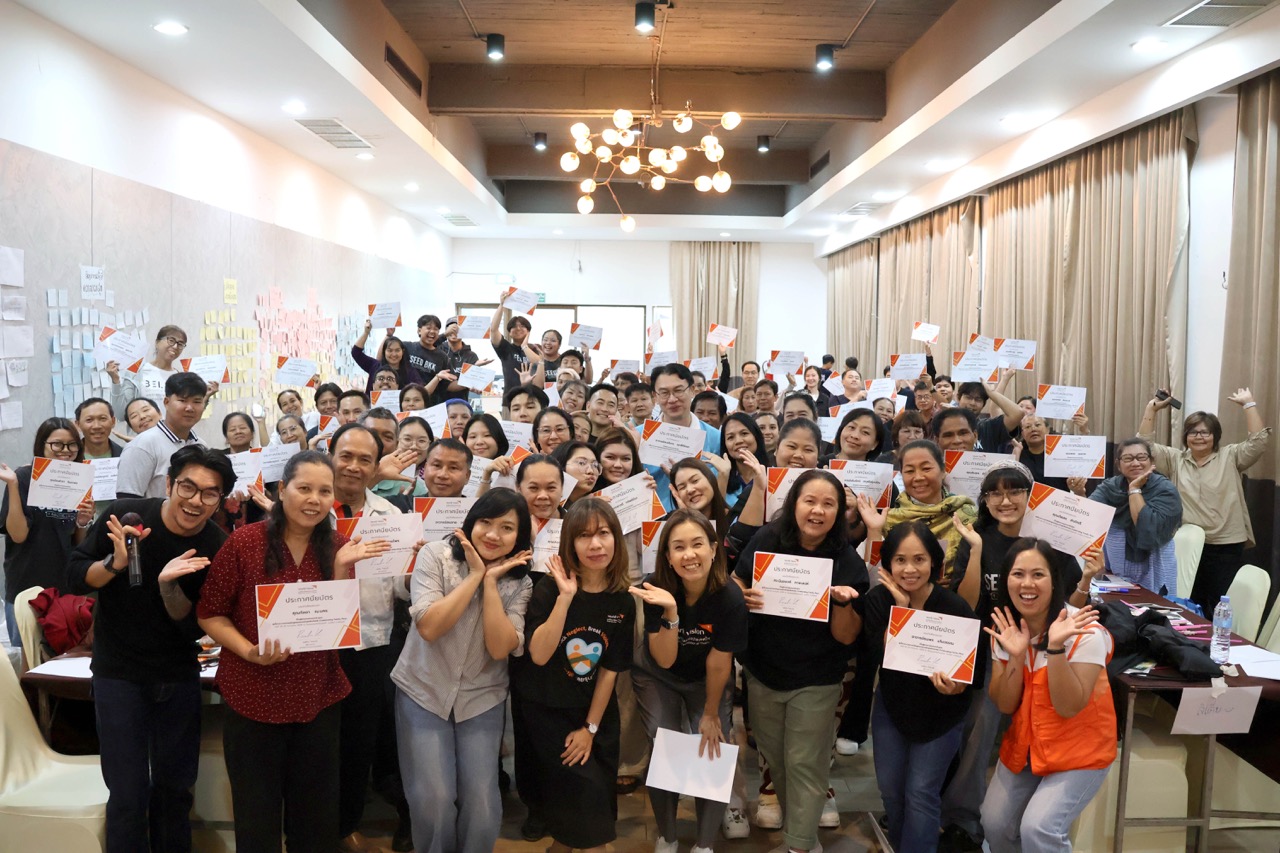
On July 28-29, 2026, World Vision Foundation of Thailand hosted a ‘Celebrating Family Plus’ training course in Phetchaburi Province. The course was designed to empower church leaders, ministry workers, and those working with children, youth, and families by providing them with the knowledge, understanding, and tools to foster strong family relationships. Participants were equipped to apply what they learned in their churches, schools, and communities.
This training offered participants an opportunity to learn about the Celebrating Family Plus curriculum, including how to use the accompanying manual and establish group agreements to foster a safe and inclusive learning environment.
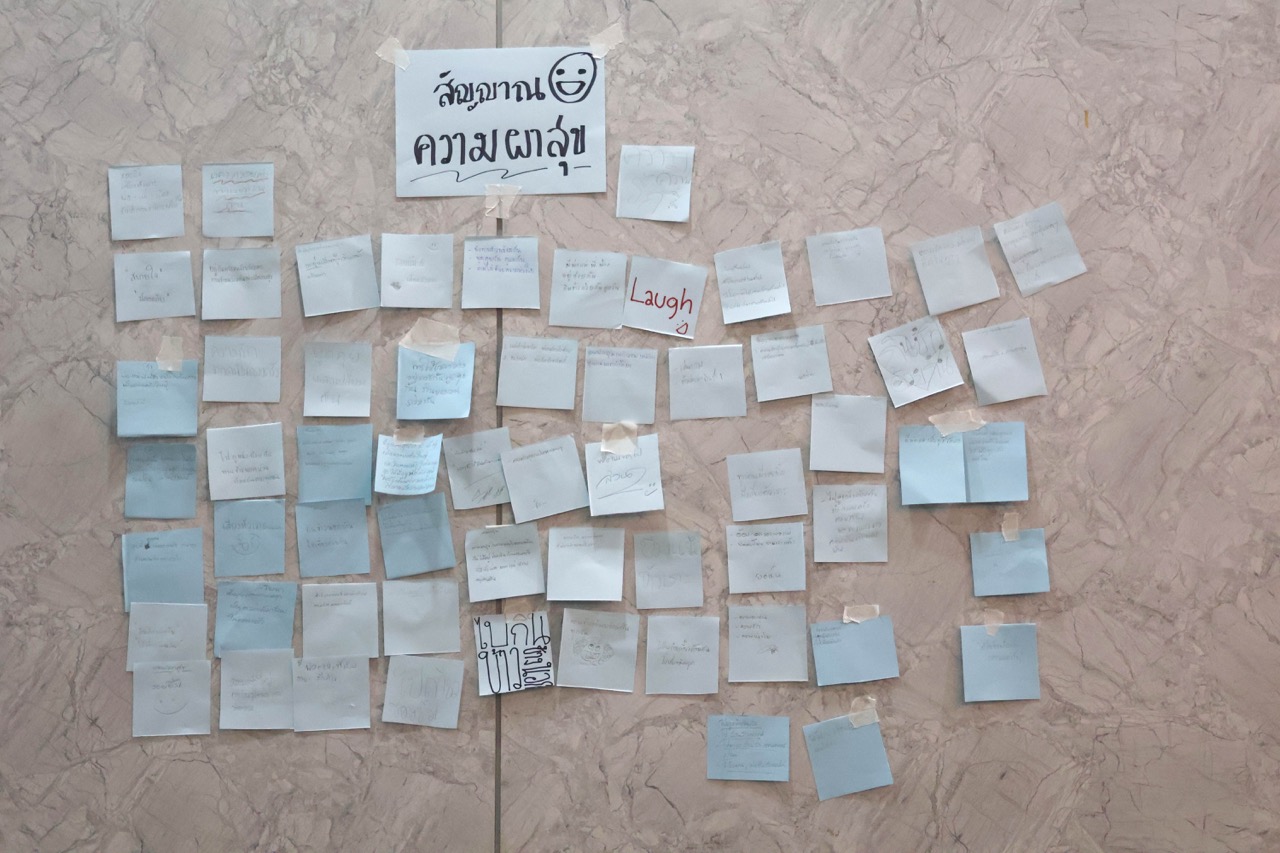
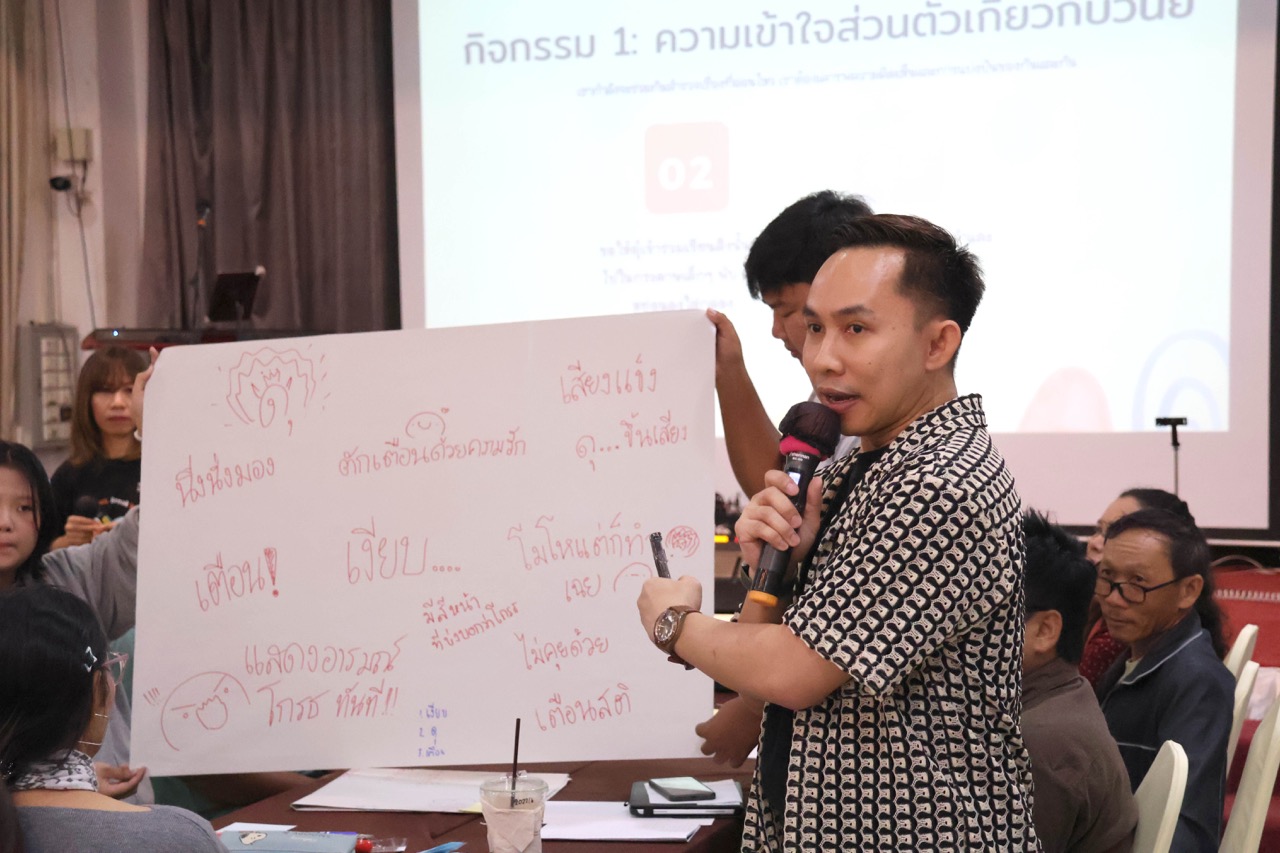
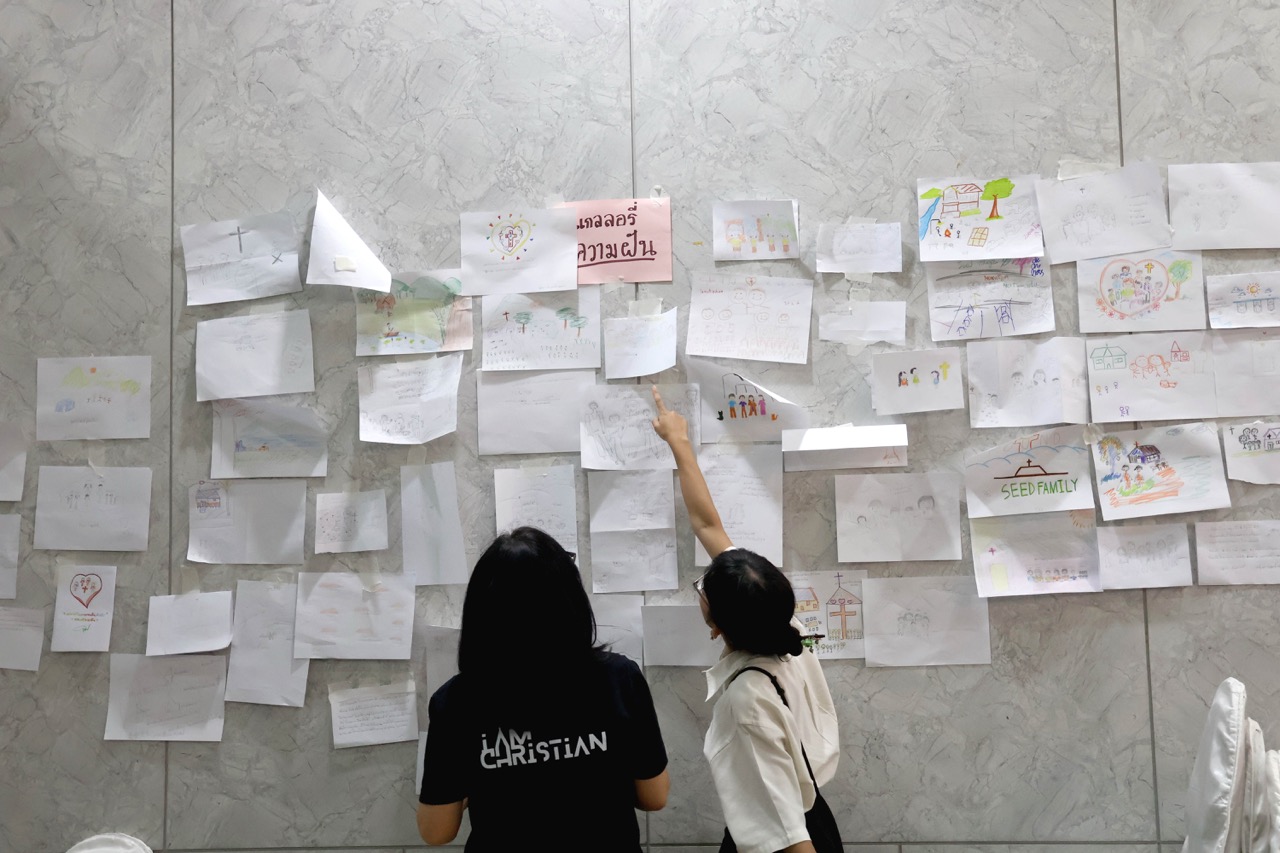
Throughout the course, participants reflected on their life experiences through activities such as ‘Hope and Dreams for My Family,’ ‘Signs of Well-being and Signs of Family Conflict,’ and ‘Joy and Pain,’ to explore the foundations of family relationships, learn the factors that contribute to happiness or conflict, and understand how past experiences impact their lives and relationships today.
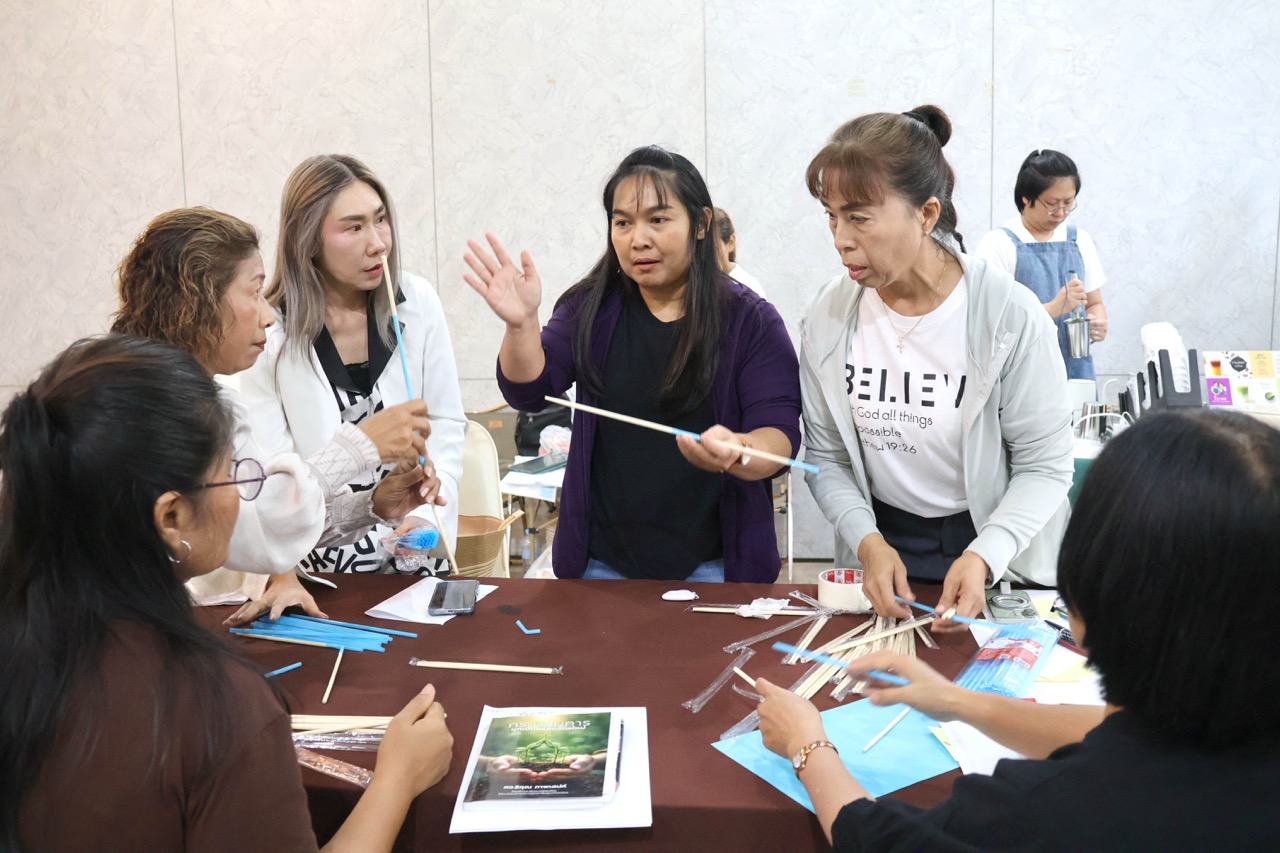
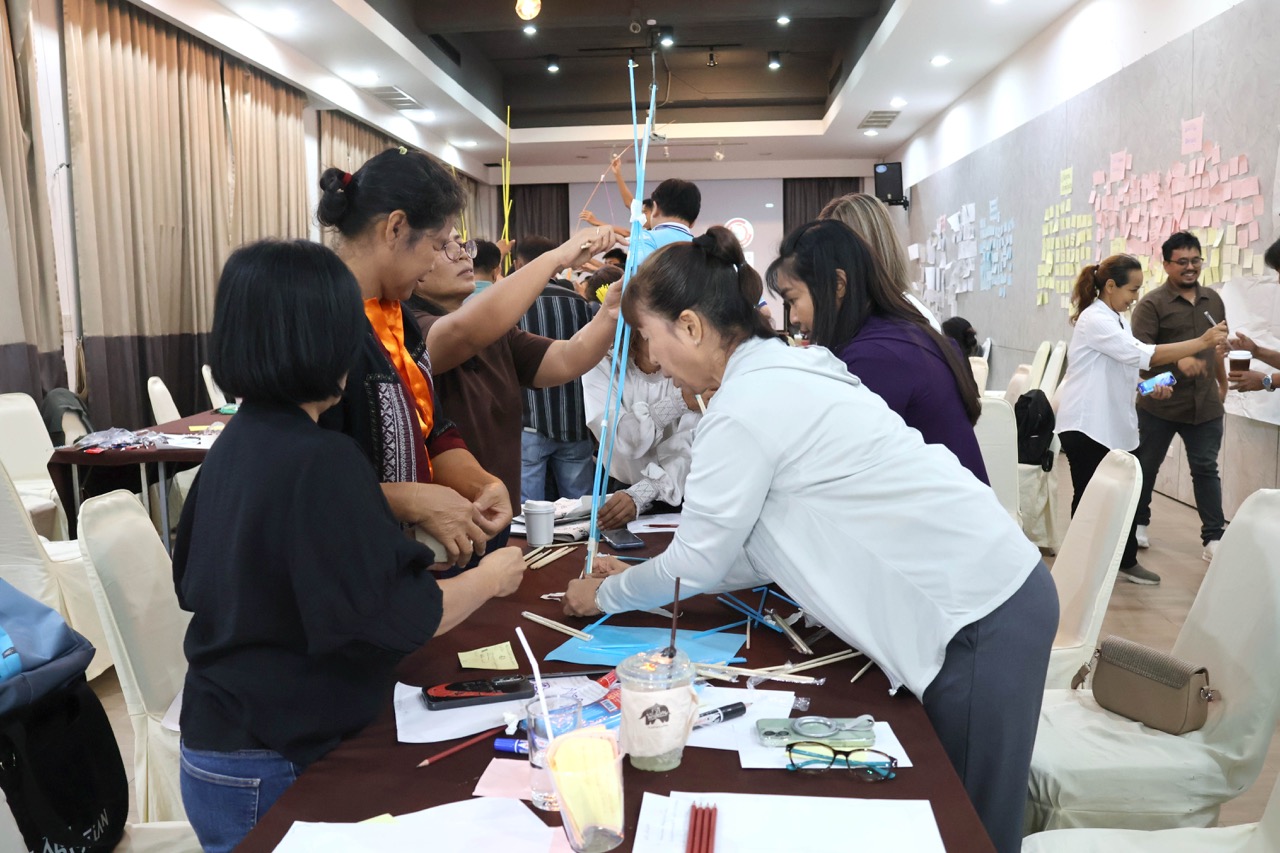
Additionally, participants learned facilitation skills through practical exercises and role-playing activities to develop active listening, questioning techniques, and engagement—all essential for working with children, youth, and families. The ‘Space of Love and Care’ and ‘Wise Builder’ activities further fostered understanding of positive communication, mutual appreciation, and building strong family relationships.
For many participants, this training not only imparted knowledge but also offered a deeper insight into the challenges families face.
Khun Wan Wattanee Meepiankij, a leader from Seed Church Bangkok who works closely with children and youth, reflects on the common issues she sees in young people affected by family problems: “Most are teenagers experiencing family difficulties, often from broken homes, and carrying both emotional and physical wounds. While their behavior may be challenging, the core issue is simply that they are unhappy.”
She believes that families should be a haven of love and peace for children, but in reality, many children experience pain at the hands of those closest to them, which can have lasting effects on their behavior, confidence, and well-being.
For Acting Second Lieutenant Prapan Meepiankij, a pastor from Seed Church Bangkok, highlighted a key issue facing modern families: the generational gap. “Parents and children often talk past each other, speaking different languages as a result ofsocietal and technological changes that create increasingly divergent perspectives. This impacts trust and communication within the family. I believe this breakdown in communication or trust between children and parents is problematic, as children may not feel able to fully trust or confide in their parents.”
Khun Prapan also stated that lasting social change must begin with the smallest unit of society: the family. Therefore, change must start within families. When family members are healed, feel loved and understood, and are able to build strong relationships, those positive effects will extend to the wider community and society.
Therefore, both Khun Wattanee and Khun Prapan decided to enroll in the course to find tools and approaches to help rebuild family relationships and support the children and young people in their care.
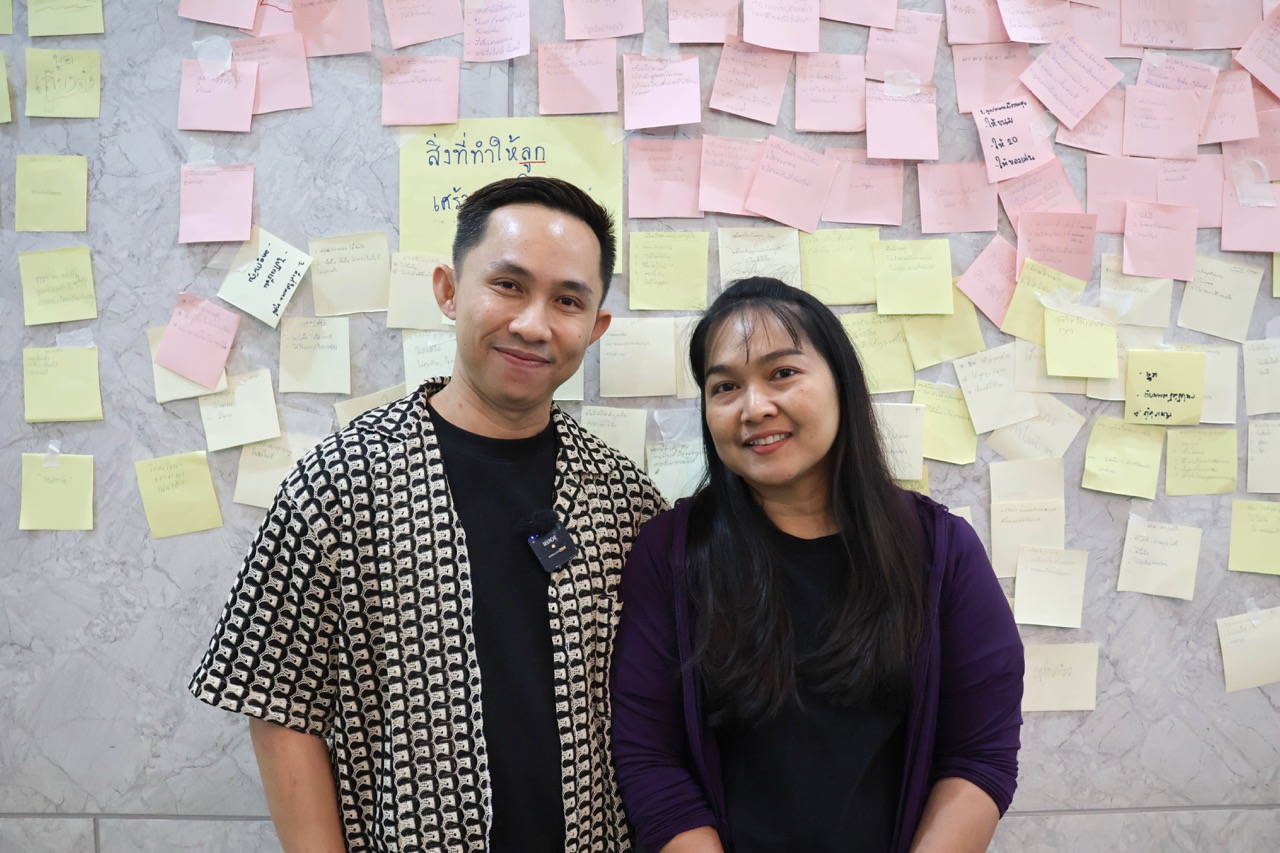
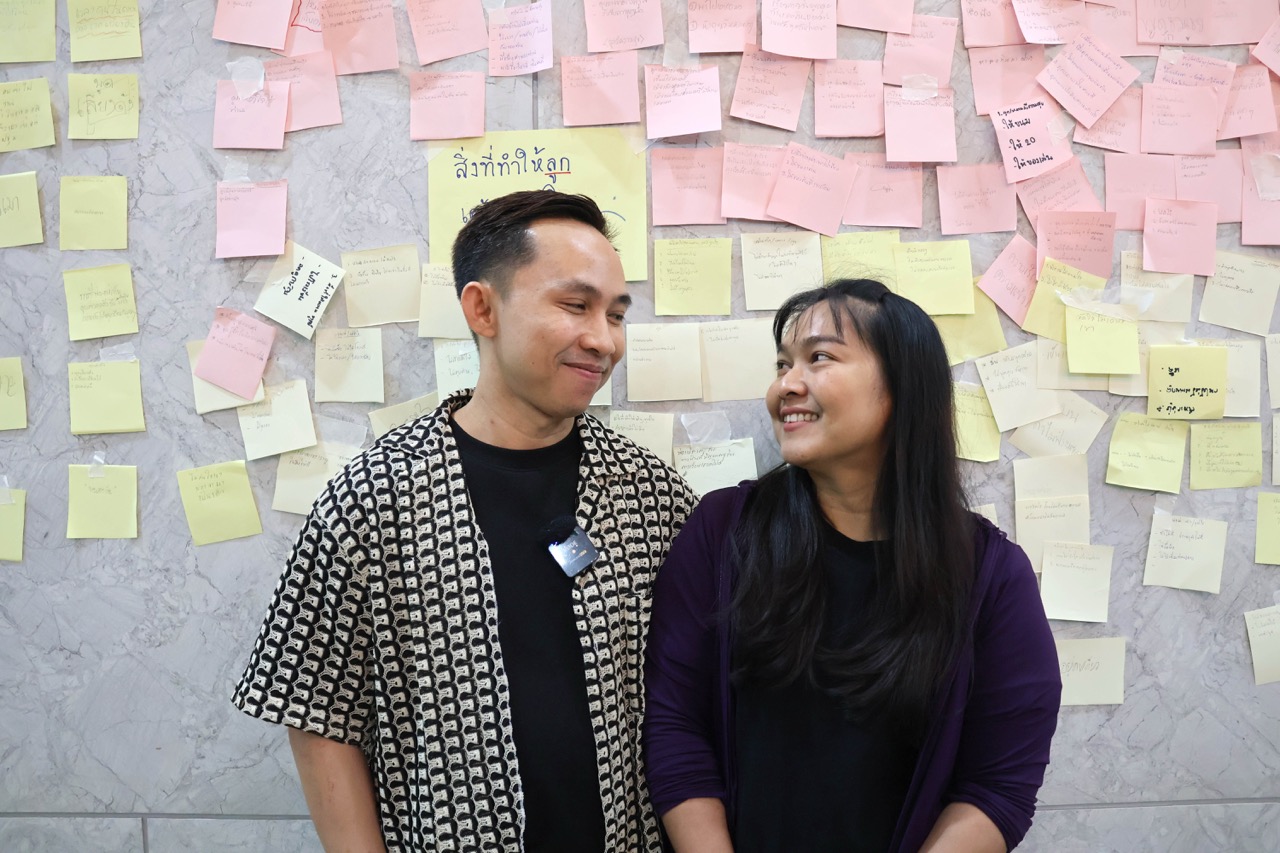
Meanwhile, Khun Theeranuch Phupasuk and Khun Kobchai Phupasuk of Seed Church, Samut Sakhon observed similar issues in their ministry work and teaching roles, particularly a lack of understanding within families—between spouses and between parents and children.
Khun Kobchai, a pastor at the Seed Church, Samut Sakhon, said that the most valuable part of the training was learning how to understand problems and manage conflicts constructively. “What resonated with me was learning to recognize problems and understand them with empathy. This training has given us insight into different processes and perspectives, as well as practical methods we can implement.”
He also believes the knowledge he gained can be applied to family life, working with students, and his ministry at the church. “This training has made us more aware of how to apply these processes, both in our personal lives and within our organization.”
For Khun Theeranuch, also known as Khun Aom, this training resonated deeply with her personal experiences, particularly her relationship with her mother, with whom she has different views and beliefs. These differences have led to some misunderstandings between them in the past. She shared that one of the most impactful lessons was realizing that, despite their differences, family relationships remain valuable and deserve to be nurtured. “I’m currently experiencing difficulties with my mother because we have different views and beliefs, which have led to conflict. However, what I learned from the training made me realize that I should be the one to take the initiative and reach out to her first. The lessons have helped me recognize the importance of taking the first step toward peace and understanding within the family. I intend to go home and talk to my mother with a more open heart. As her daughter, I should be the one to reach out to her first, to restore peace and mutual understanding and rebuild our relationship.”
For Khun Theeranuch, a strong family does not mean having no differences of opinion, but about everyone being willing to listen and understand one another, even when they don’t see eye to eye. “Family means understanding each other and truly listening. When someone is speaking, there needs to be someone to hear them. We want to listen when our children talk, and we want them to listen to us as well.”
Both Khun Theeranuch and Khun Kobchai plan to implement the process they learned with their families, students, and fellow church members, fostering an environment of listening and shared learning. Khun Theeranuch explained that her greatest hope is for increased understanding and attentiveness within families. “Families need to understand one another and truly listen. There needs to be a listener when someone speaks. We want to listen when children talk, and we want them to listen to us as well.”
At the end of the course, participants worked together to define how to apply the knowledge to their specific situations. They also learned to track and evaluate outcomes to achieve concrete results. Moreover, they developed the capacity to share and expand the use of this knowledge through their churches and community networks, helping to build strong families, ensure children receive appropriate care, and foster sustainable community development for all members of society.
The World Vision Foundation of Thailand believes that ‘family’ is the starting point for sustainable change. When children grow up in a home filled with love, understanding, and a sense of being heard, they develop a strong foundation to overcome life’s challenges and grow into well-rounded adults. Through the ‘Celebrating Family Plus’’ course, World Vision Foundation of Thailand aims to empower leaders and those working with families to apply and share what they have learned within their churches, schools, and communities. By working together, they can build strong families – safe havens of love, security, and hope – leading to positive and lasting change for children, young people, and Thai society as a whole.