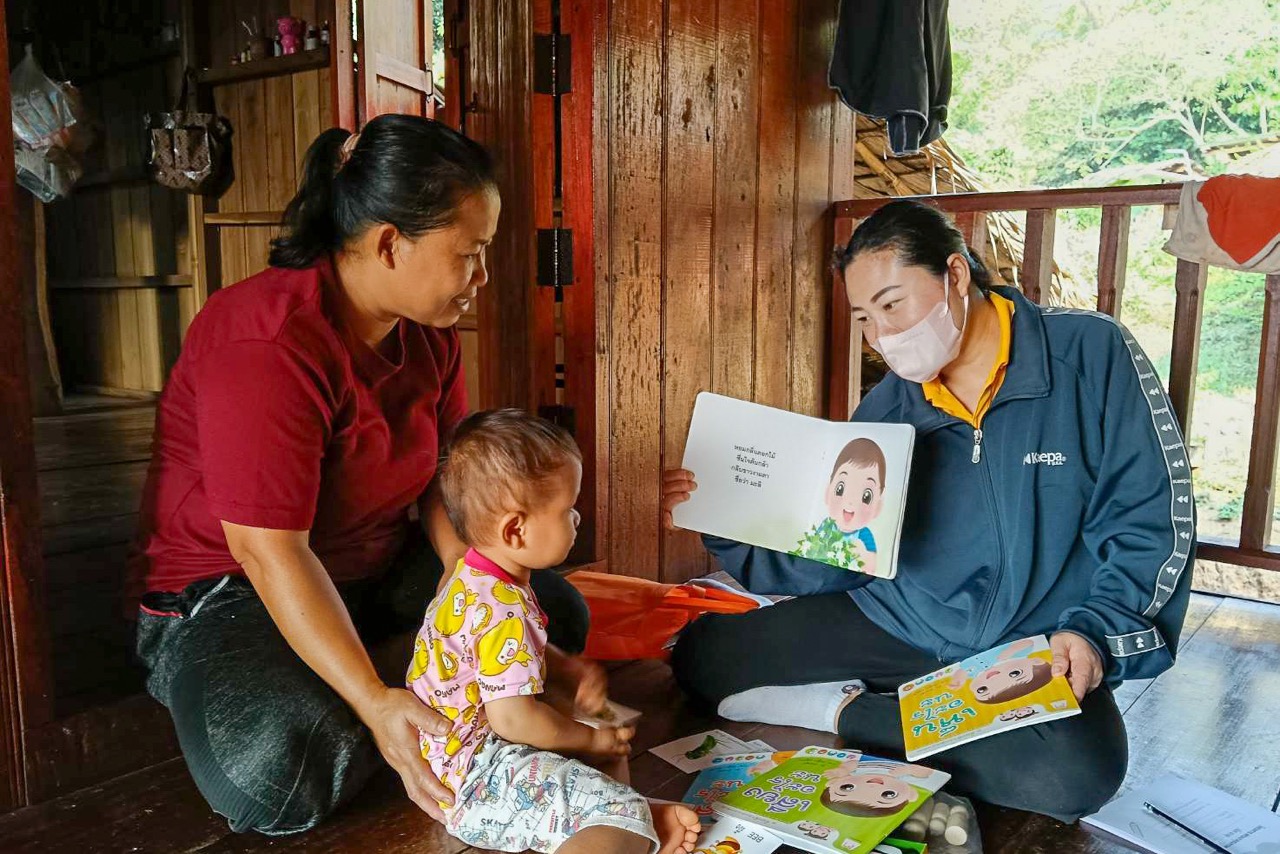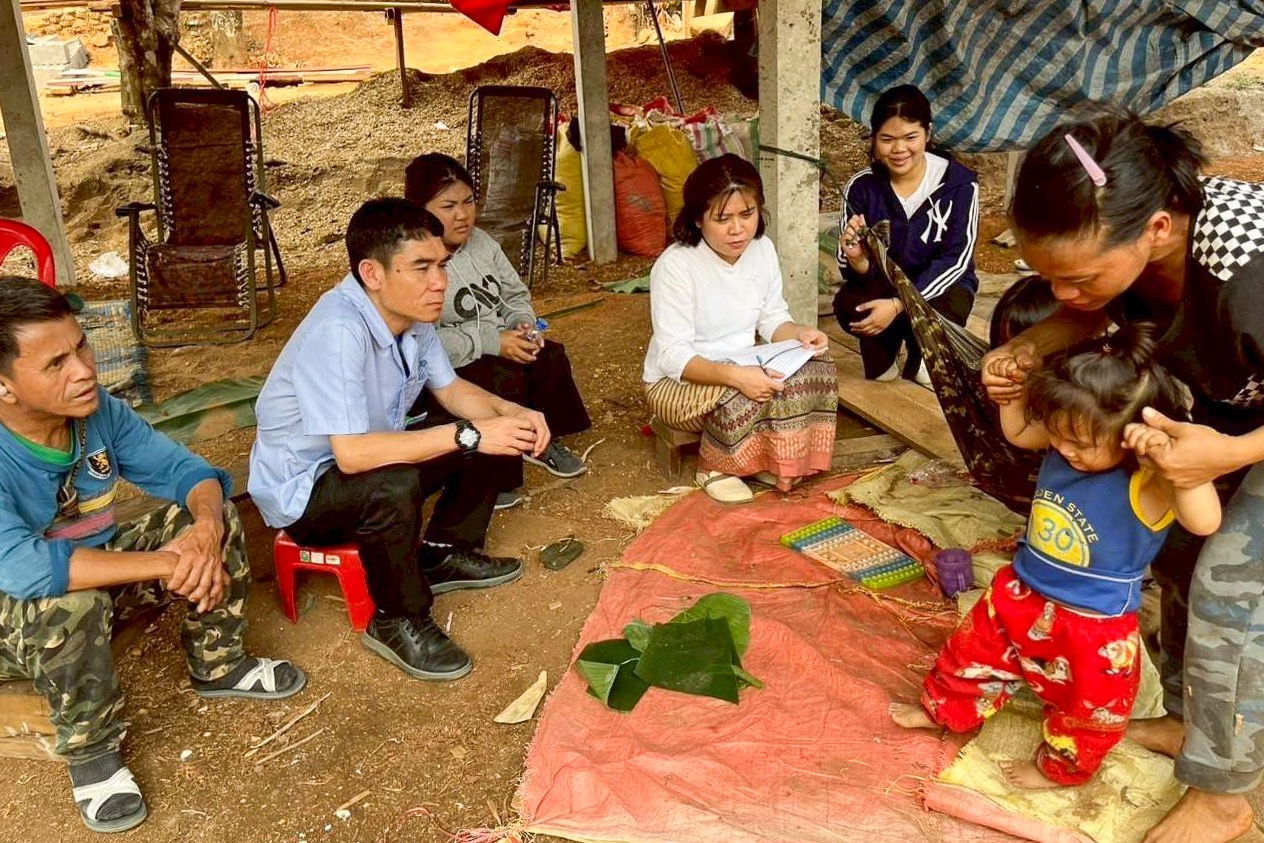
Child development does not begin at school. It begins with the people who spend the most time with children their parents, caregivers, and other family members.
This principle lies at the heart of the World Vision Foundation of Thailand’s work through the Mueang Pan Area Development Program in Lampang Province. The program aims to ensure that children ages 3–12 receive nurturing care and quality educational experiences that support age-appropriate development and learning.
In addition to organizing activities directly for children, the World Vision Foundation of Thailand invests in the adults who surround them. The organization believes that when parents and caregivers have the knowledge, understanding, and skills to provide appropriate care, children can grow up in a safe, nurturing environment supports sustainable learning and development.
New Challenges Facing Today’s Families
Although Thai society has made significant progress, families now face new challenges in raising children
According to data and insights from local partners in Mueang Pan District, many children do not live with their parents. Instead, they are raised by their grandparents because their parents have to leave the area to work. At the same time, digital technology and smartphones have become part of children’s lives from an early age.
Mr. Prasit Impanya, senior public health technical officer, director of Ban Chae Son Nuea Subdistrict Health Promoting Hospital, and chair of World Vision Foundation of Thailand’s Mueang Pan Area Development Program Steering Committee, explained:
“The generation gap has made raising today’s children more complex, while online media and mobile phones affect their behavior, learning, and daily lives. Caring for children today is therefore not the responsibility of families alone. It requires collaboration among families, schools, communities, and relevant organizations to create an environment where children can thrive.”
This perspective reflects a deep understanding of the factors shaping children’s lives in the 21st century. It is also a key reason World Vision Foundation of Thailand has designed its child development approach to strengthen families at the same time.
Turning Knowledge into Action
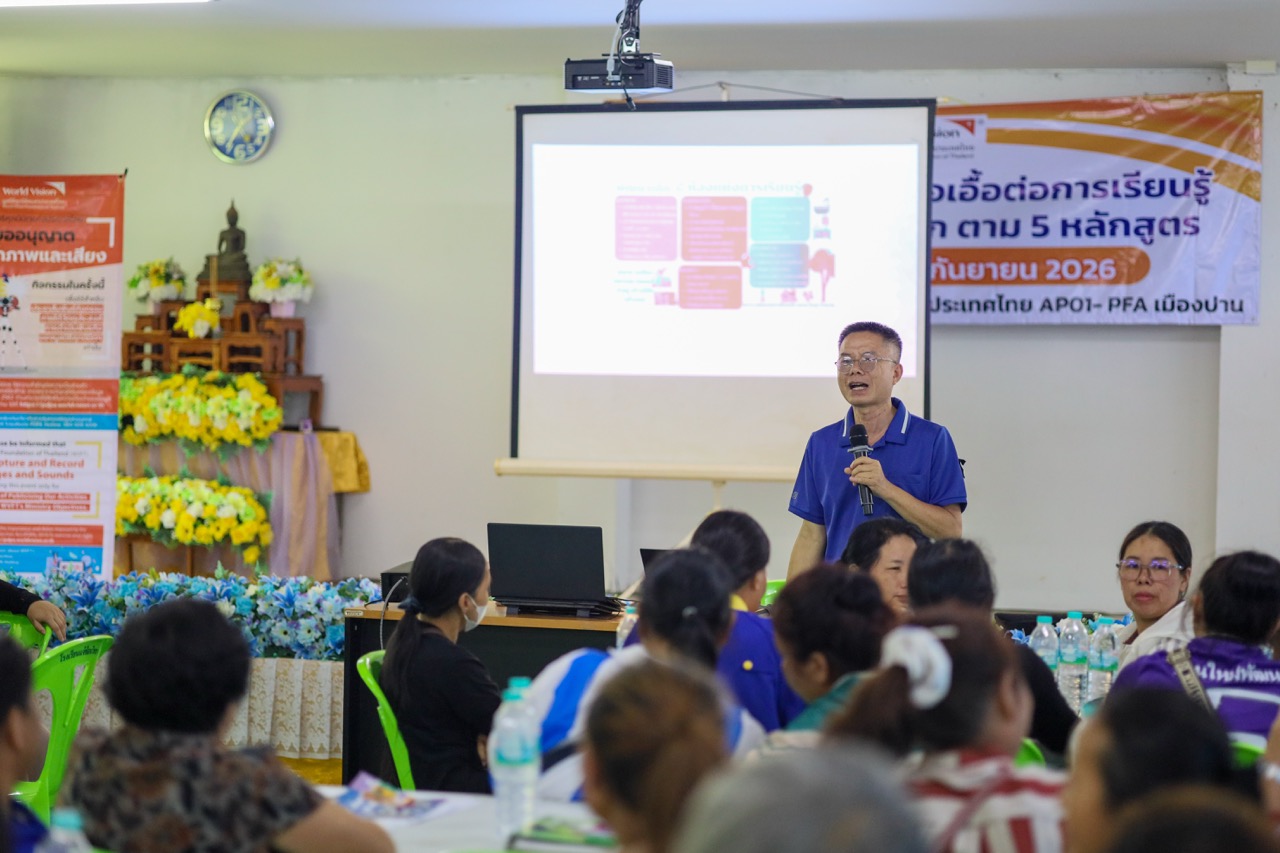
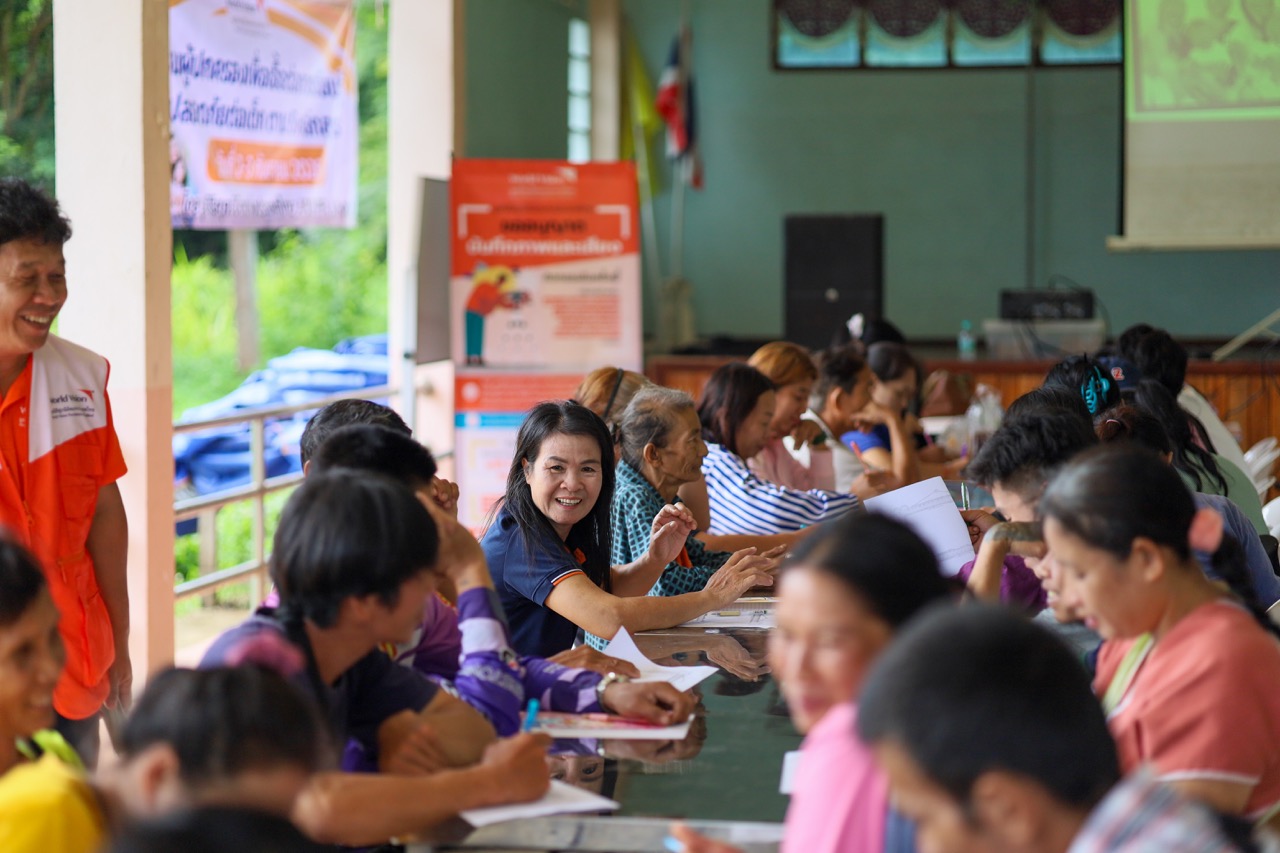
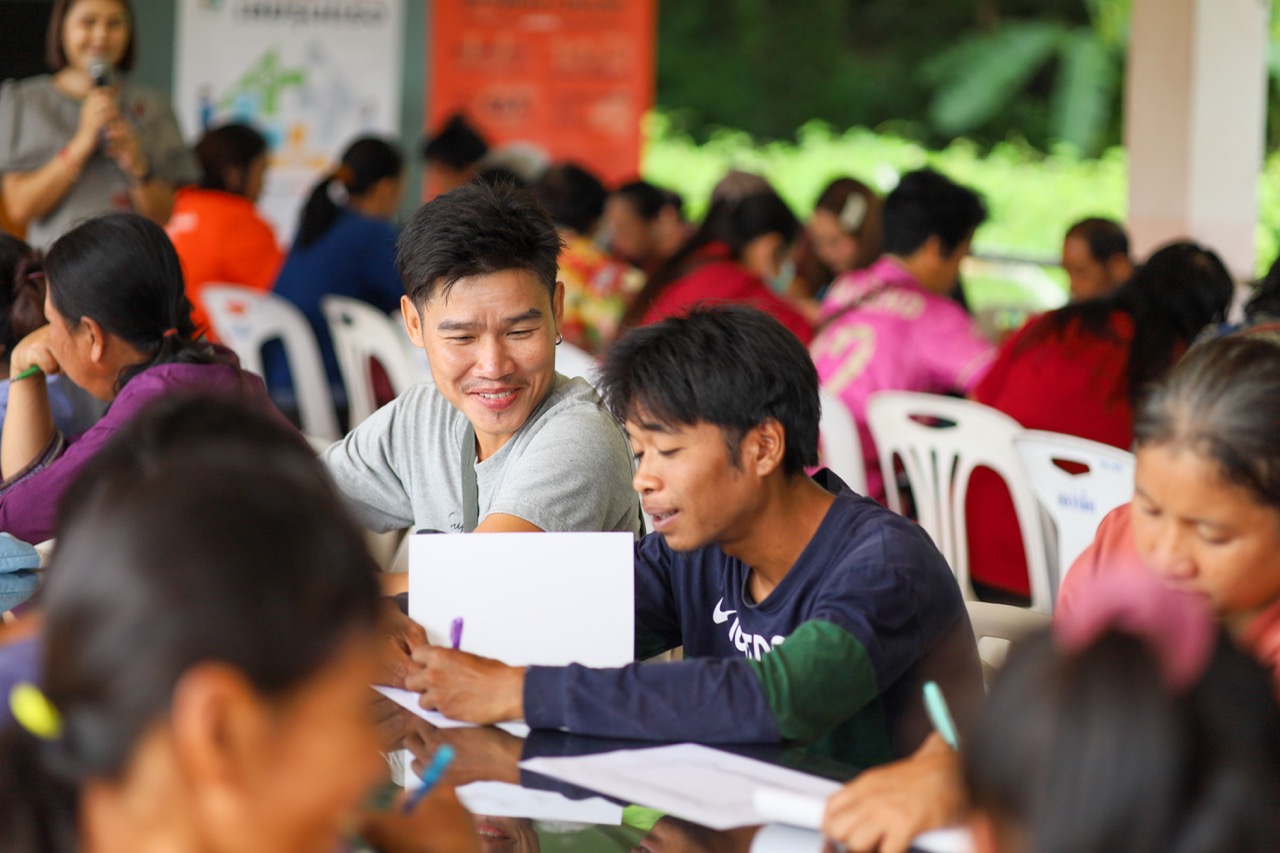
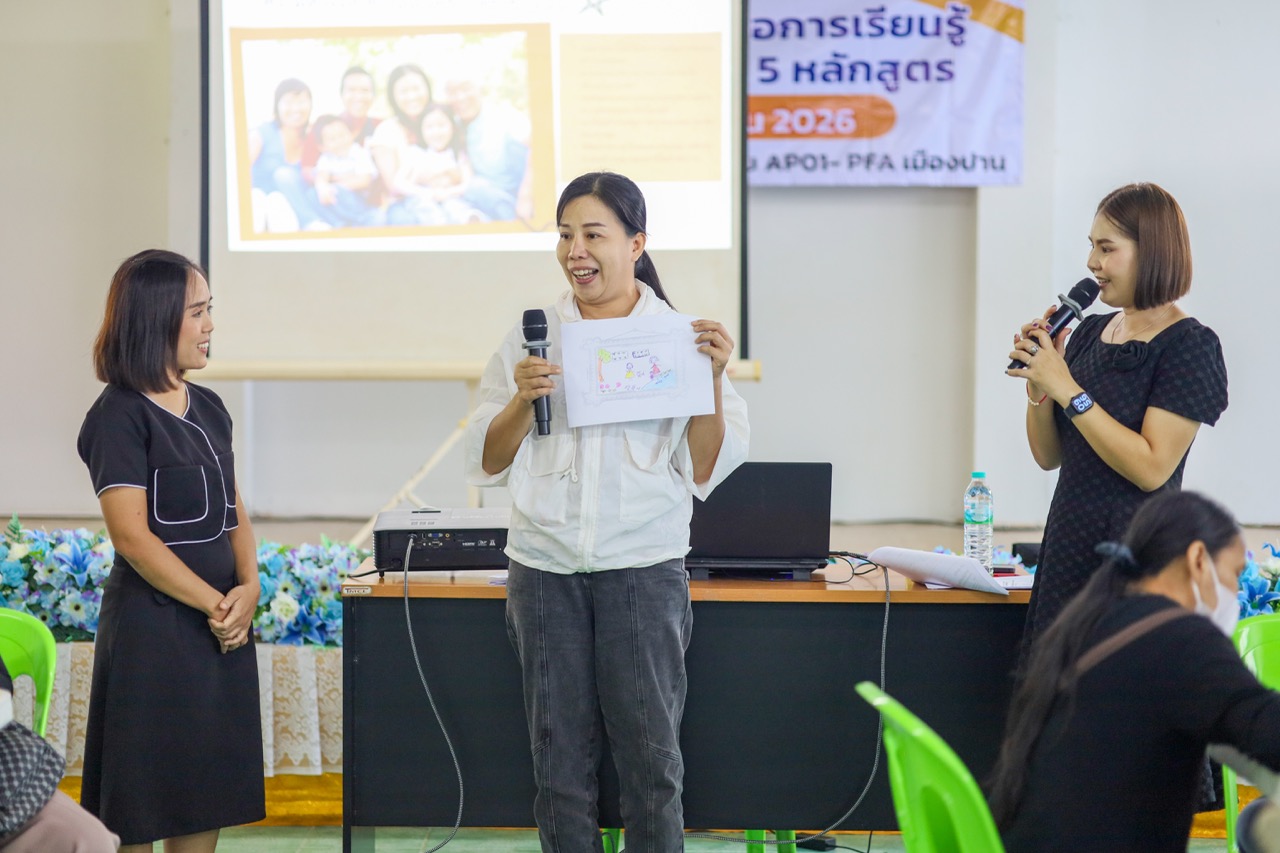
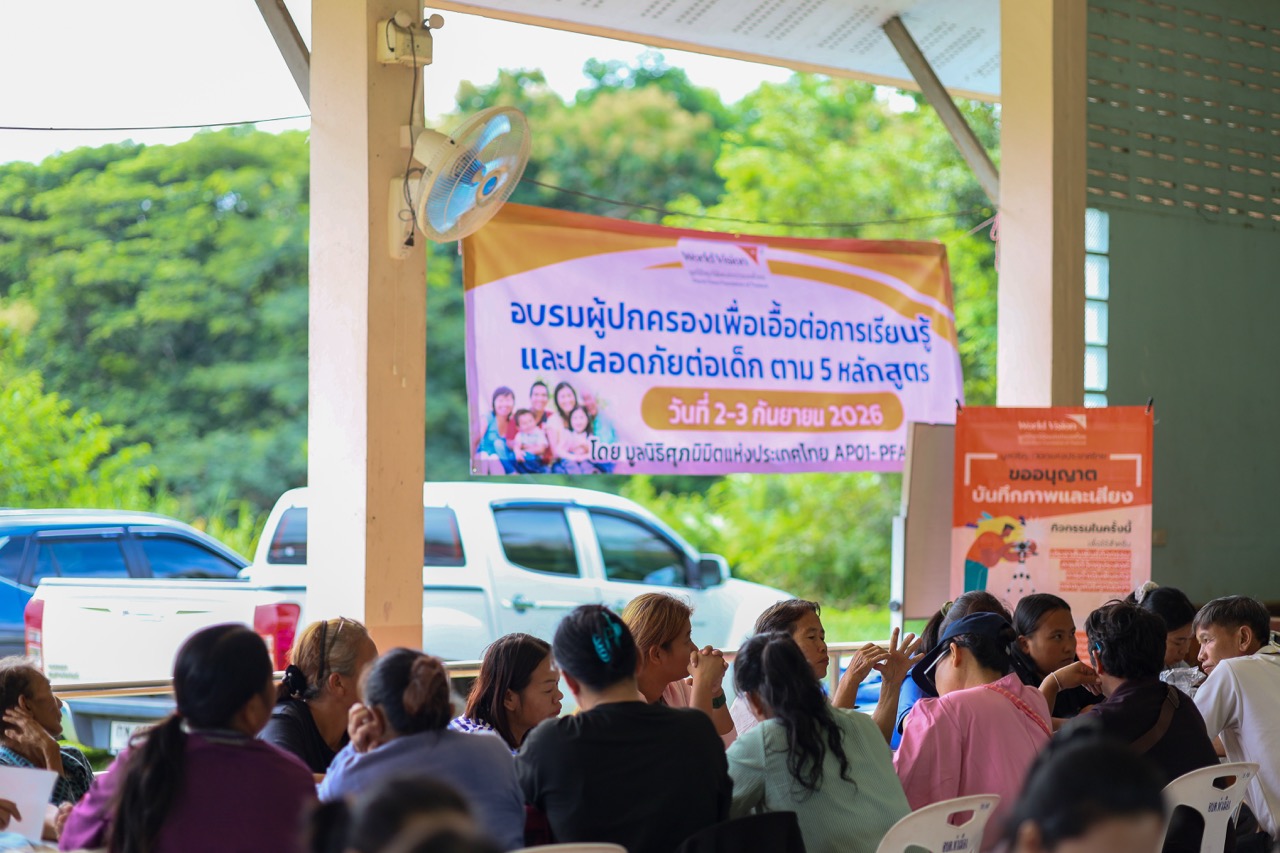
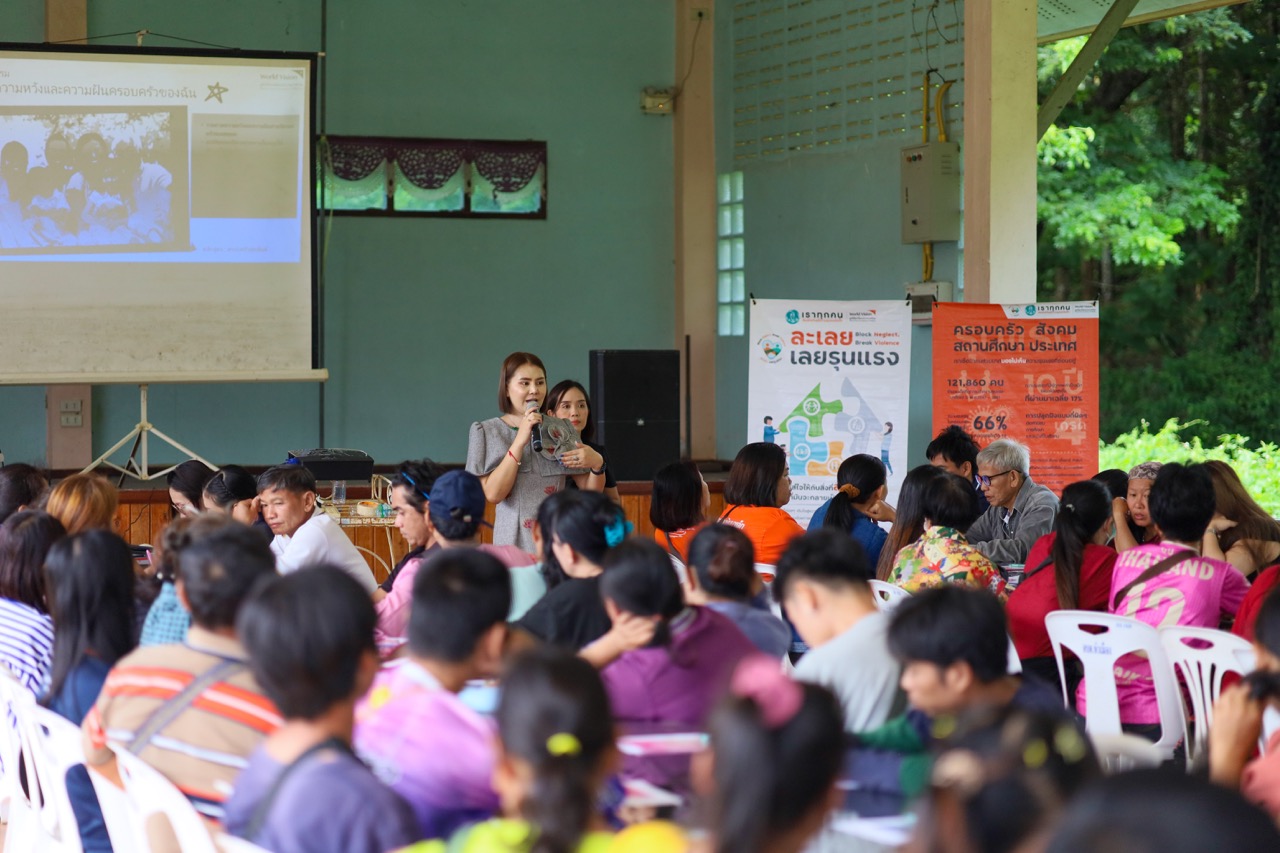
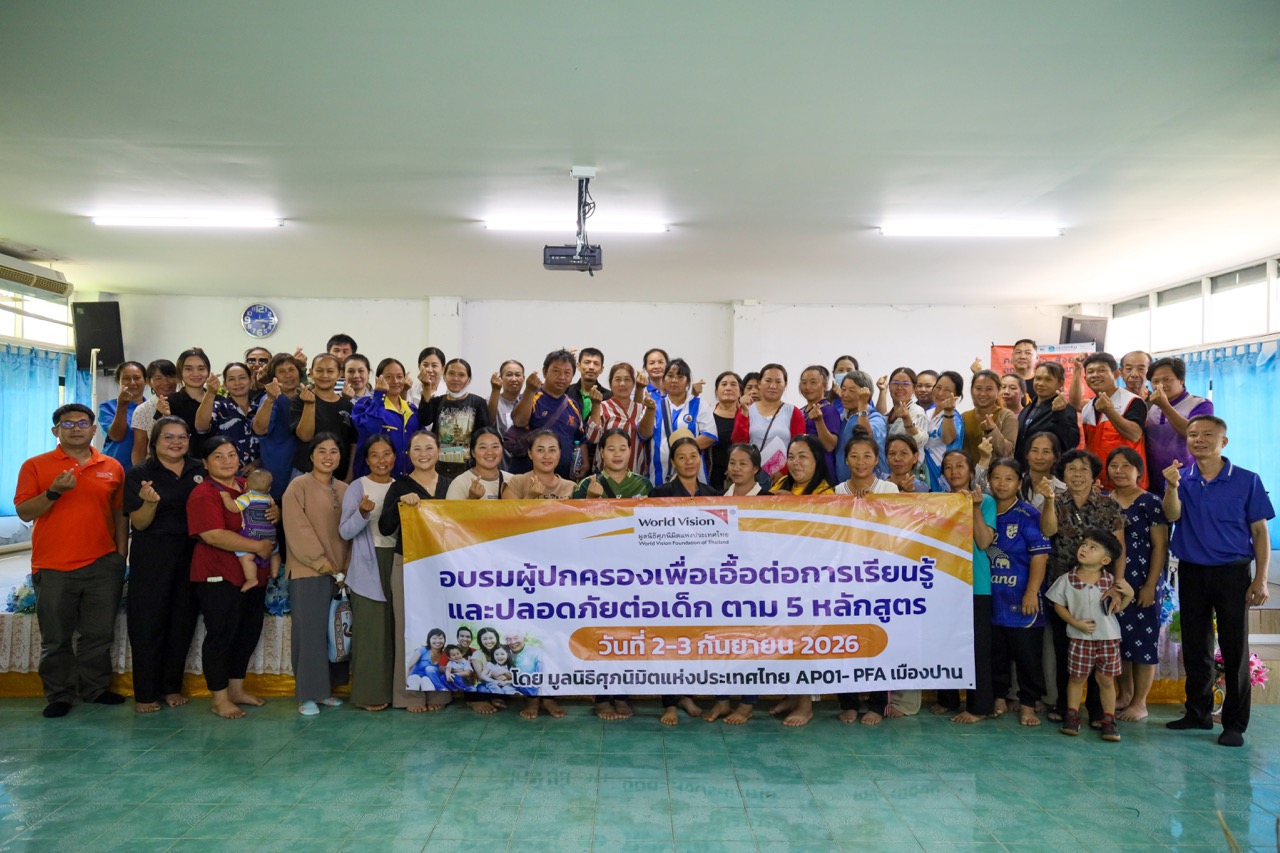
To achieve tangible child development outcomes, the World Vision Foundation of Thailand partnered with an early childhood development network, school administrators, subdistrict health-promoting hospitals, and community partners in the Hua Mueang–Chae Son area. Together, they provided training for parents and caregivers to promote children’s learning and safety, based on the World Vision Foundation of Thailand’s child care curriculum. More than 160 people participated.
The training was systematically structured around five key courses directly related to child development:
- Happy Families
- Positive Discipline
- At-Home Activities for Children
- Child Rights and Child Protection
- Responsible Use of Online Media
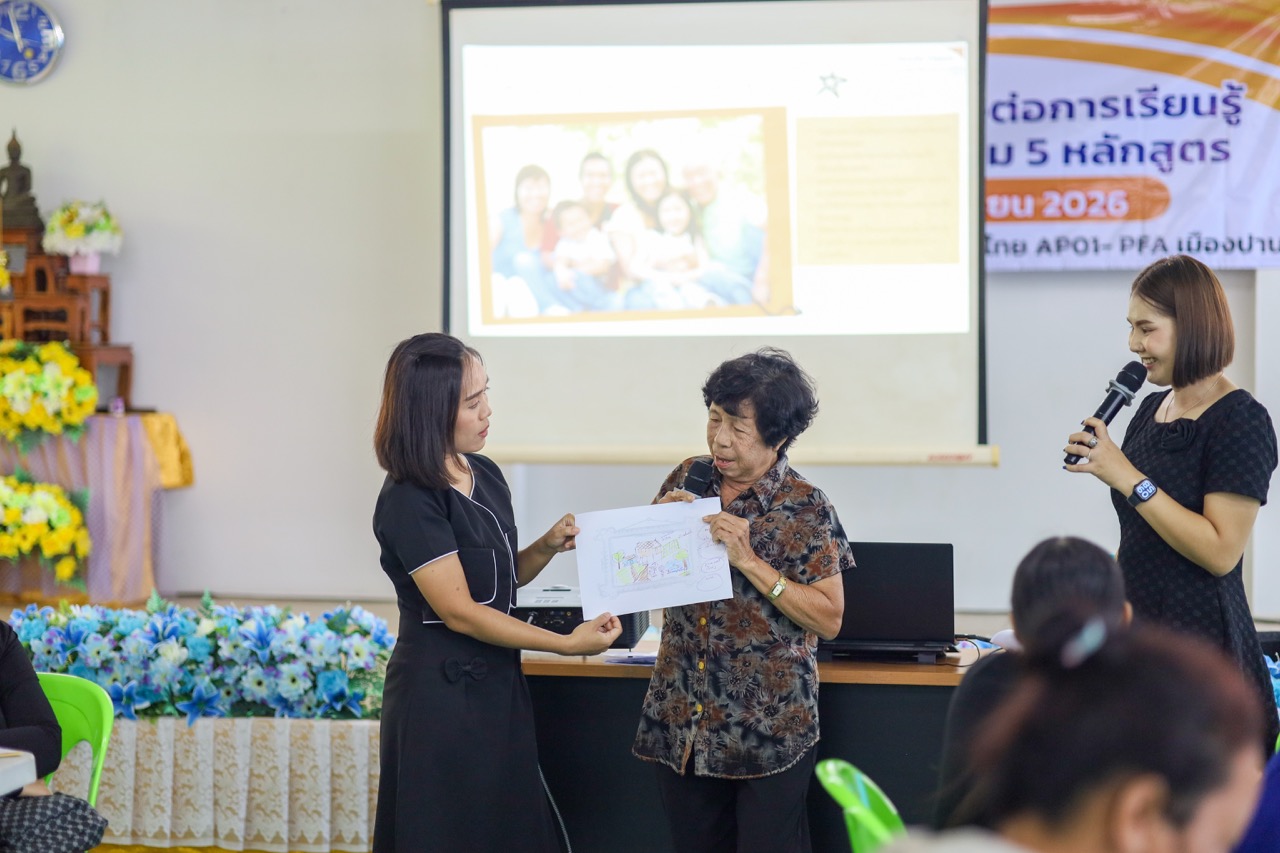
Rather than simply conveying information, all five courses used a participatory learning approach. This enabled parents and caregivers to assess their own family circumstances, share experiences, and apply what they learned in their daily lives.
‘Home’ Is a Child’s First Classroom
One of the key concepts presented during the training was ‘Turn the Home into a Classroom and Parents into Teachers,’ introduced by Mr. Prasit Impanya. The concept encourages parents to recognize that children do not learn only at school; learning can take place anywhere and at any time in the home.
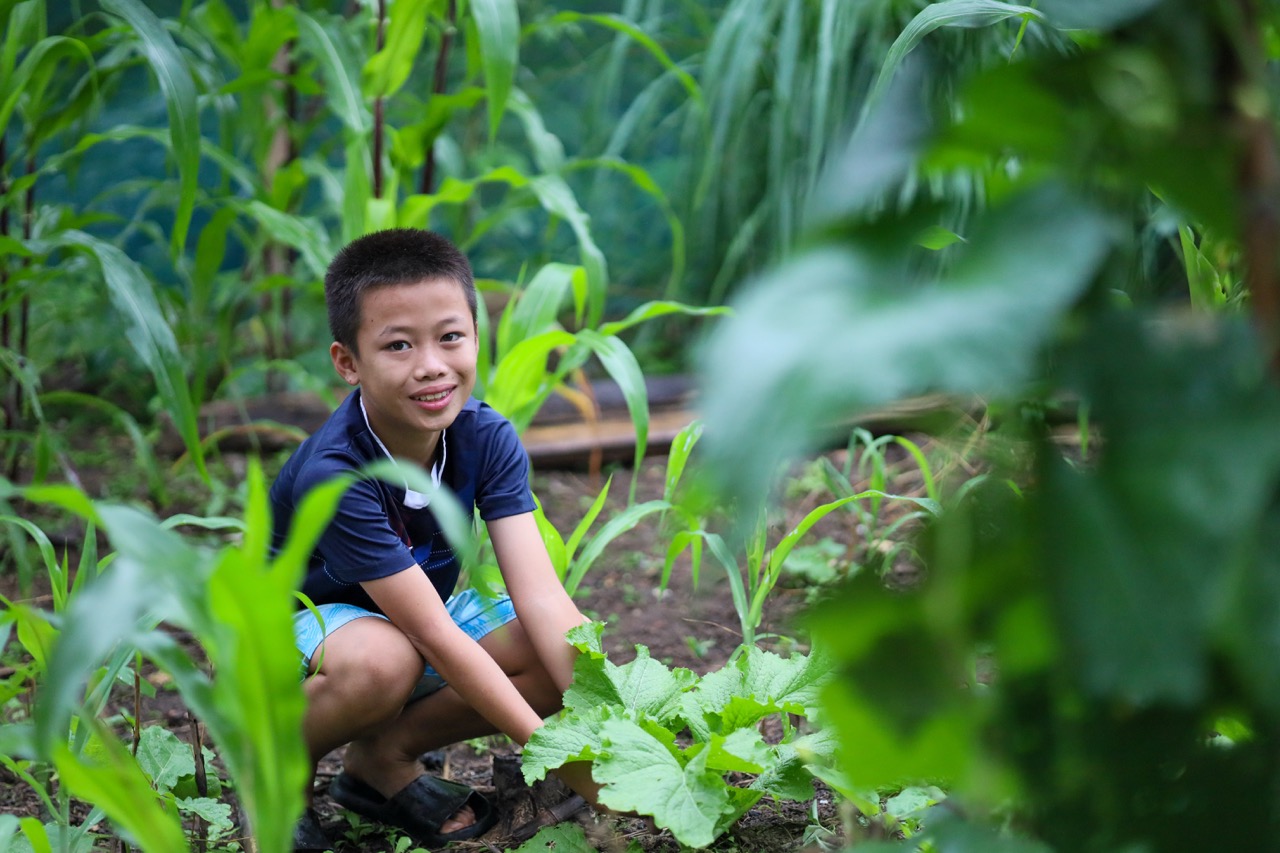
The concept shows how every part of the home can become a learning space. In the bedroom, children can learn through stories and conversations and develop positive values before bedtime. The bathroom offers opportunities to learn about hygiene, health, and the responsible use of resources. The kitchen can teach children about nutrition, food security, and healthy eating habits. Outdoor areas around the home provide space to build life skills, grow vegetables, care for the environment, and develop responsibility. Meanwhile, the relaxation area is an important setting for strengthening media literacy, promoting responsible technology use, and helping children navigate the digital world safely.
This approach reflects the collaboration between the World Vision Foundation of Thailand and local child development partners. Together, they designed learning content suited to the circumstances of families in rural communities, using resources already available in each household as a basis for learning. This makes the activities practical for parents to incorporate into daily life without incurring additional expenses, while transforming the home into a place of ongoing opportunities for child development.
Most importantly, this concept reflects the World Vision Foundation of Thailand’s belief that ‘sustainable child development must begin by empowering families.’ When parents have the necessary knowledge, actively support their children’s learning, and spend quality time with them, children grow up in a safe, nurturing environment that helps them reach their full physical, emotional, social, and intellectual potential. This provides a vital foundation for them to grow into responsible members of their communities and society.
Positive Discipline: From Control to Understanding
Another topic that drew significant interest from parents was the positive discipline course.
Miss Thanchanok Channoi, a teacher at Ban Mai Pattana School and a training facilitator, said that many parents grew up in households where physical punishment or other forms of discipline were common. Children today, however, need a different approach to learning.
“Positive discipline does not mean indulging children. It means building mutual understanding, communicating appropriately, and helping children learn from the consequences of their actions. Parents must be patient and consistent for the approach to produce lasting results.”
This approach aligns with modern child development principles that emphasize emotional security and safe relationships both essential foundations for children’s learning and development.
The training also introduced parents to the five love languages, encouraged them to reflect on their own childhood experiences, and helped them build positive family relationships so they can provide genuine emotional safety for their children.
When Parents Change, Children Change
The most important outcome of this work is not the number of people trained, but the changes taking place in their everyday lives.
Sumalee, a mother and World Vision volunteer who regularly participated in the World Vision Foundation of Thailand’s activities, shared:
“The training helped us understand that developing our children must begin with developing ourselves.”
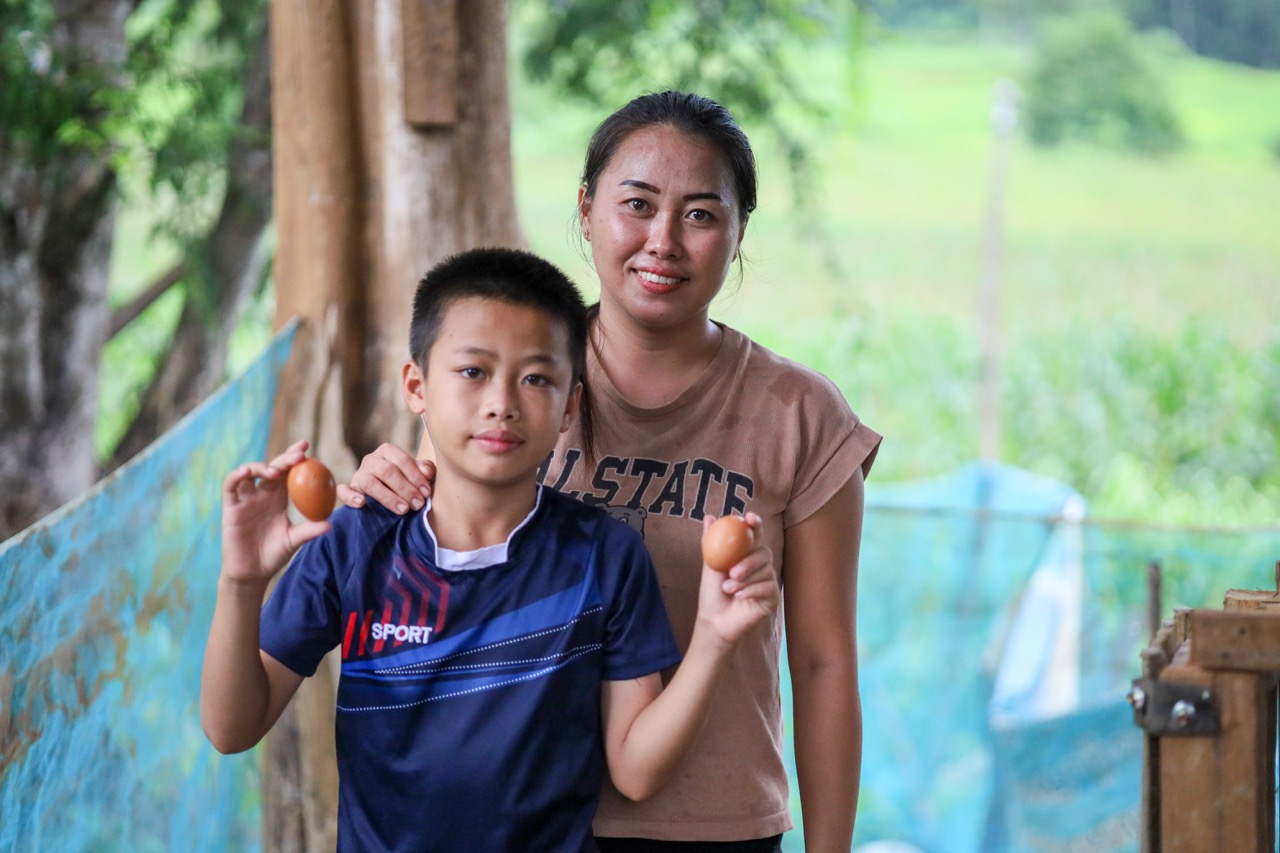
After applying what she learned about positive communication and praising her child, Sumalee saw her child become more expressive, more willing to speak openly with the family, and more self-confident. At the same time, she learned to manage her own emotions, respond more thoughtfully, and create a more positive atmosphere at home.
Her experience demonstrates that when parents change the way they think and communicate, children have a greater opportunity to grow up in an environment that supports learning and helps them reach their full potential.
Building Community Networks for Lasting Change
A key strength of this initiative is its focus on developing community volunteer leaders alongside parents and caregivers.
Participants are not merely recipients of knowledge. They are also encouraged to share what they have learned with other families through home visits, counseling, and child-rearing support within the community.
This approach helps establish a ‘community-based child support system’ that can continue after the training activities have ended because the knowledge, skills, and capacity remain within the community.
This is the development model World Vision Foundation of Thailand has consistently used to foster sustainability. Rather than focusing solely on short-term activities, the approach develops people, builds networks, and empowers communities to strengthen their own systems for caring for and supporting children.
Investing in Children Means Investing in the Community’s Future
The experience in Mueang Pan clearly demonstrates that providing parents with opportunities to learn is one of the most valuable investments in child development.
When families have the right knowledge, children receive appropriate care. When children grow up in a safe environment, they can develop well. And when children benefit from holistic development, they become the strong human capital their communities need for the future.
This is why World Vision Foundation of Thailand remains committed to its mission of supporting the development of children, families, and communities. Sustainable change does not come from programs alone; it begins by empowering the people in children’s lives and working together to create the best possible learning environment for every child.
‘When families are strong, children grow and develop well and when children grow and develop well, communities have a sustainable future.’ This principle lies at the heart of the mission that World Vision Foundation of Thailand continues to advance in partnership with communities across Thailand.