Every year, between November and January, residents of Kukud Subdistrict, Sathing Phra District, Songkhla Province, know that what is coming is not just rain—but flooding, a recurring reality woven into their lives.
This low-lying area along Songkhla Lake faces equal risk across nearly every square meter. No household is spared more than another.
“We cannot distinguish which household is unaffected—floodwaters cover the entire area,” said Mr. Sompong Noosong, Mayor of Kukud Subdistrict Administrative Organization.
Though it happens repeatedly, the damage never lessens. Homes, belongings, income, and opportunities are all inevitably affected—especially for families dependent on natural resources, such as coconut farming. When the land floods, work stops—and so does income.
Lessons from the Past to Stronger Community Networks
Looking back to 2010—one of the most severe floods in the area—it marked a turning point. Not only because of the devastation, but because of the collaboration that began to take shape.
During that time, World Vision Foundation of Thailand worked closely with local authorities and communities—not merely by distributing relief supplies, but by conducting household-level needs assessments and providing targeted assistance.
One of the most remembered forms of support was roofing materials for repairing storm-damaged homes.
“What people suffered from most was damaged roofs… it made them feel they were not abandoned.”
That support did more than rebuild houses—it restored hope and trust, showing that even in hardship, no one stands alone.
2025: Faster, Smarter, Community-Centered Response
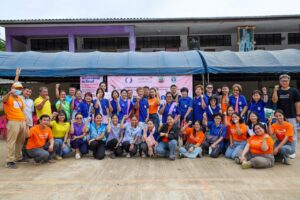
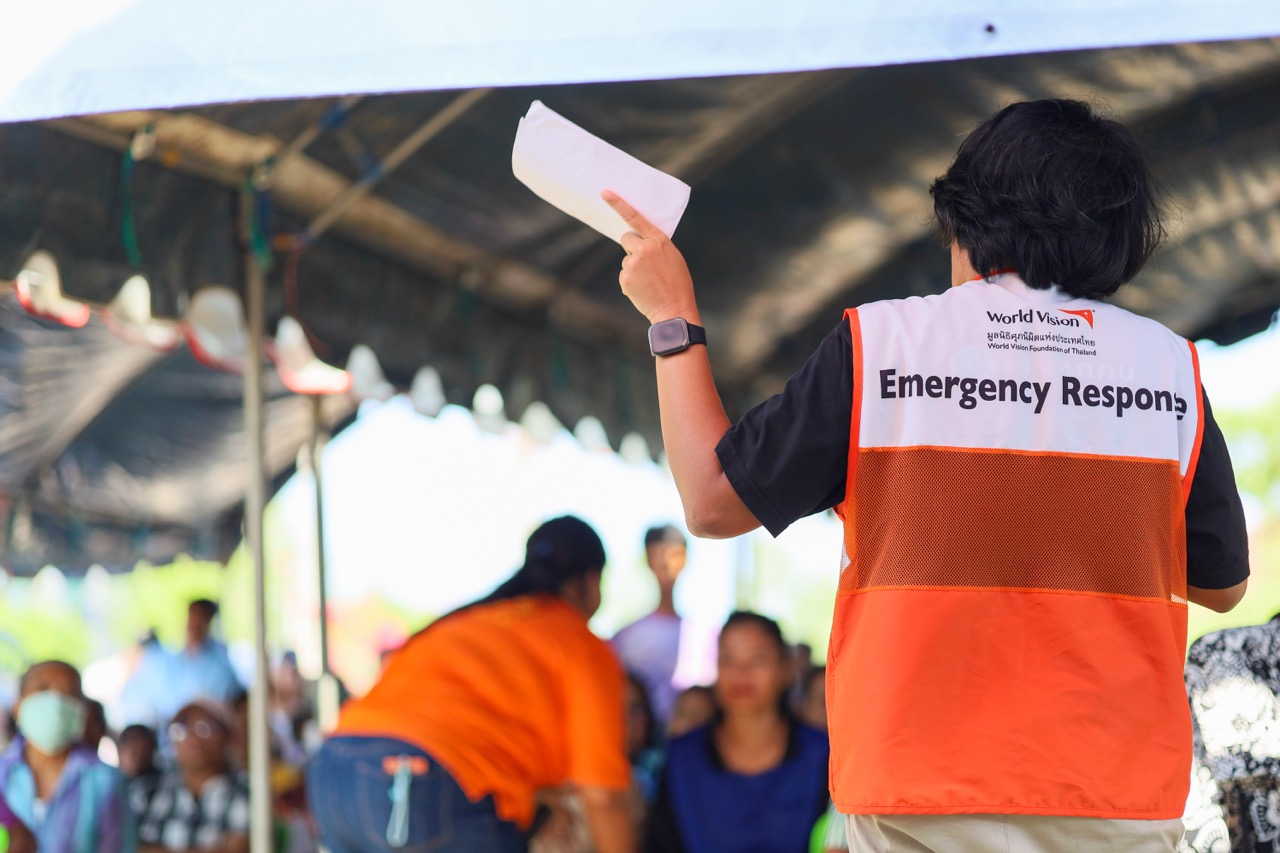
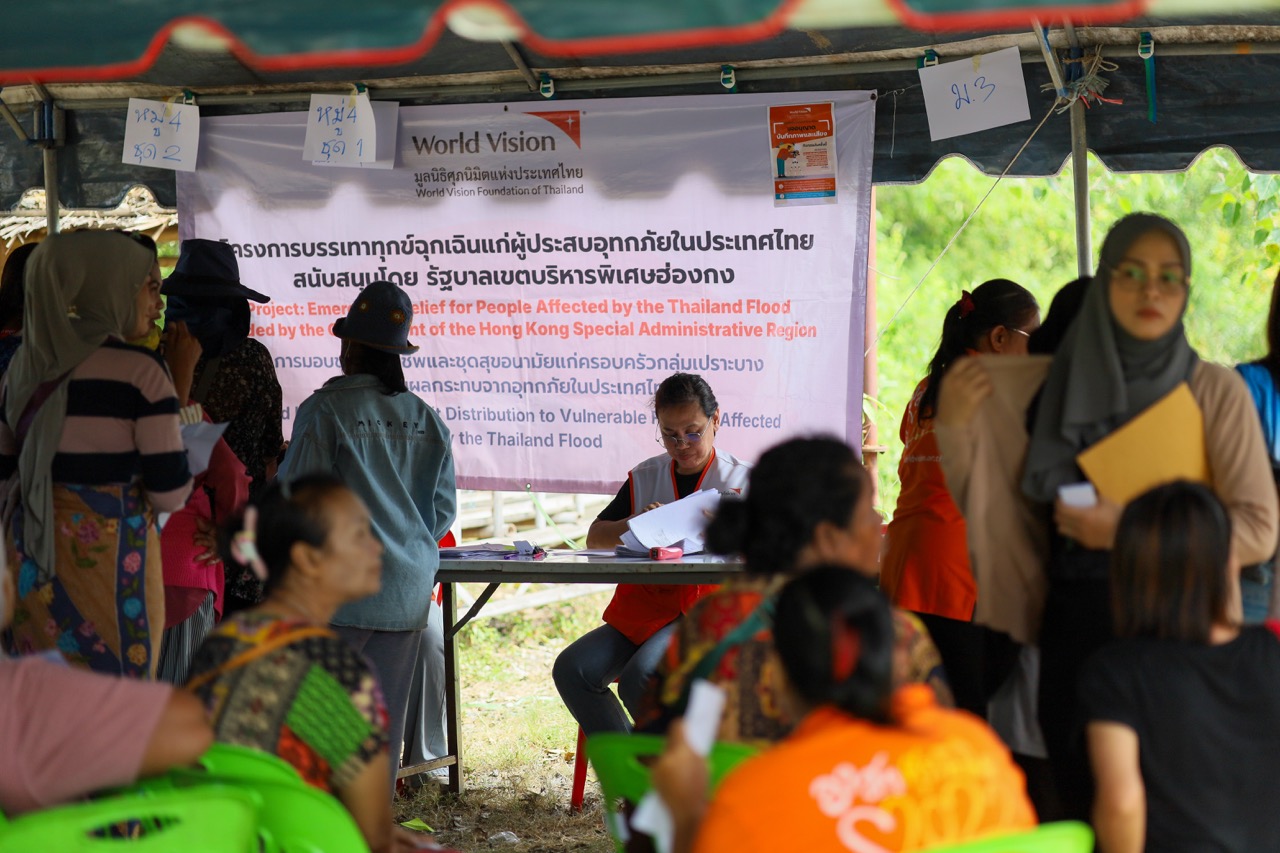
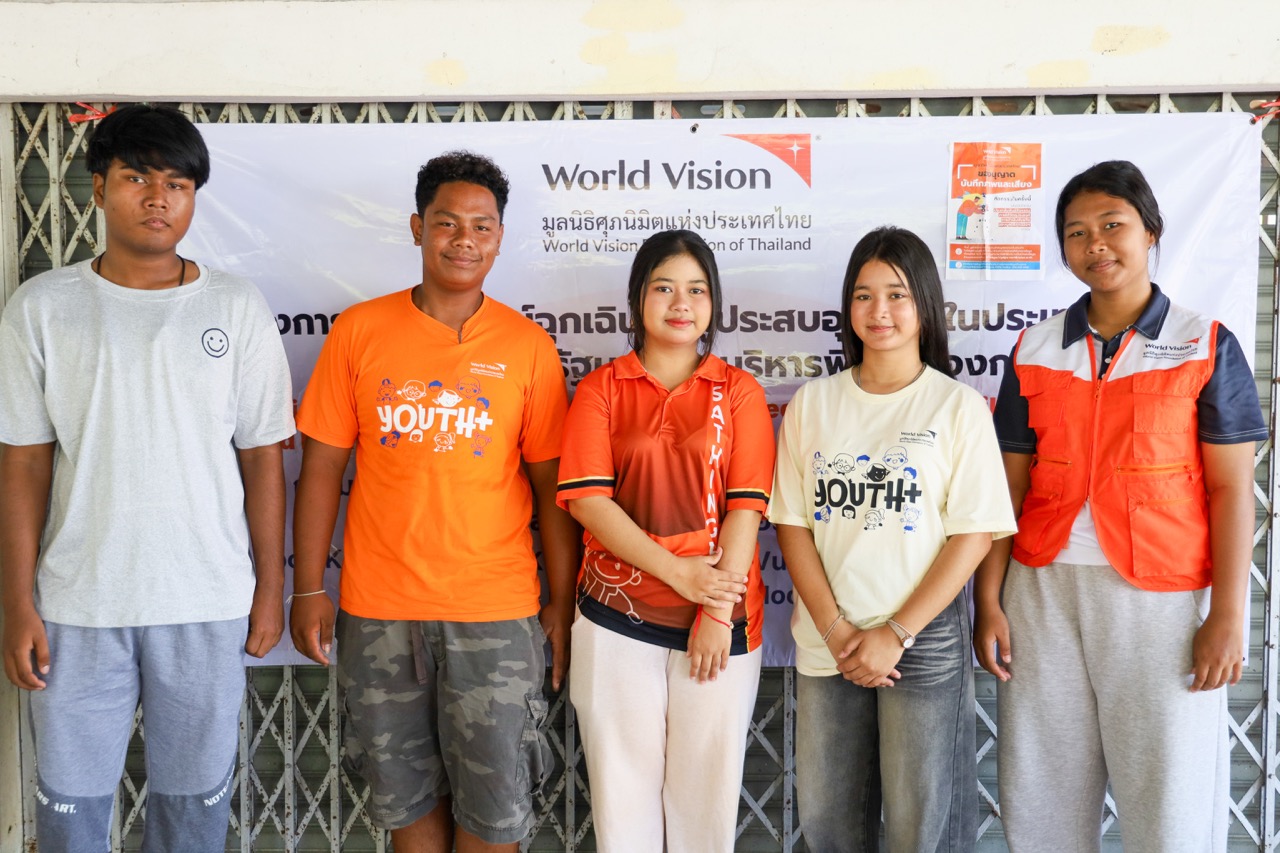
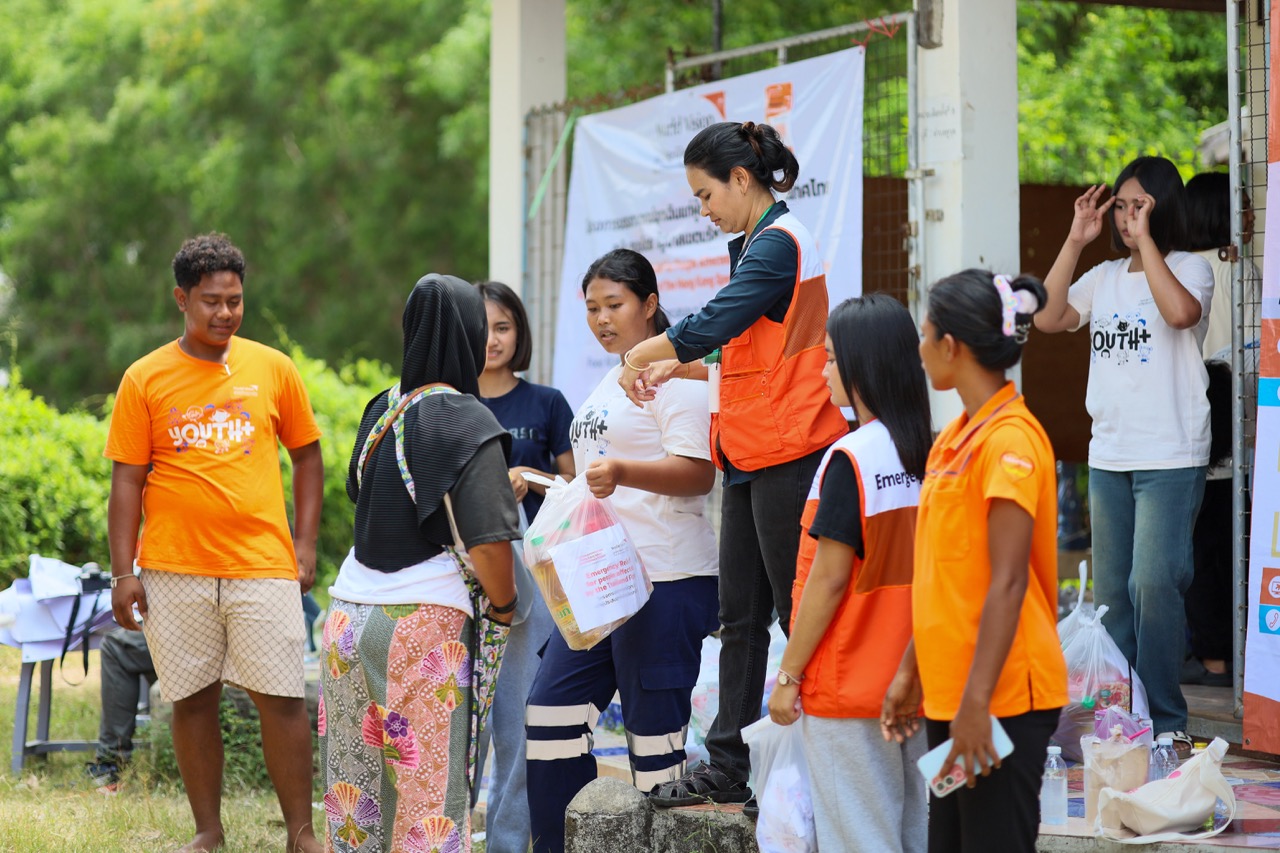
When floods struck again in 2025, World Vision remained on the ground—stronger and more coordinated than ever. Working with community leaders and volunteers enabled rapid and inclusive assistance, from relief kits and food to drinking water and targeted support for vulnerable households.
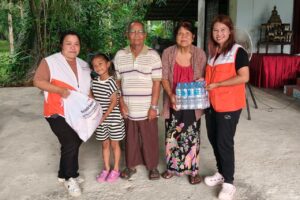
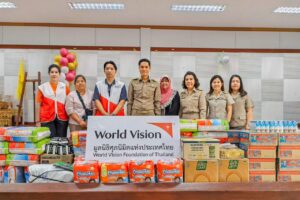
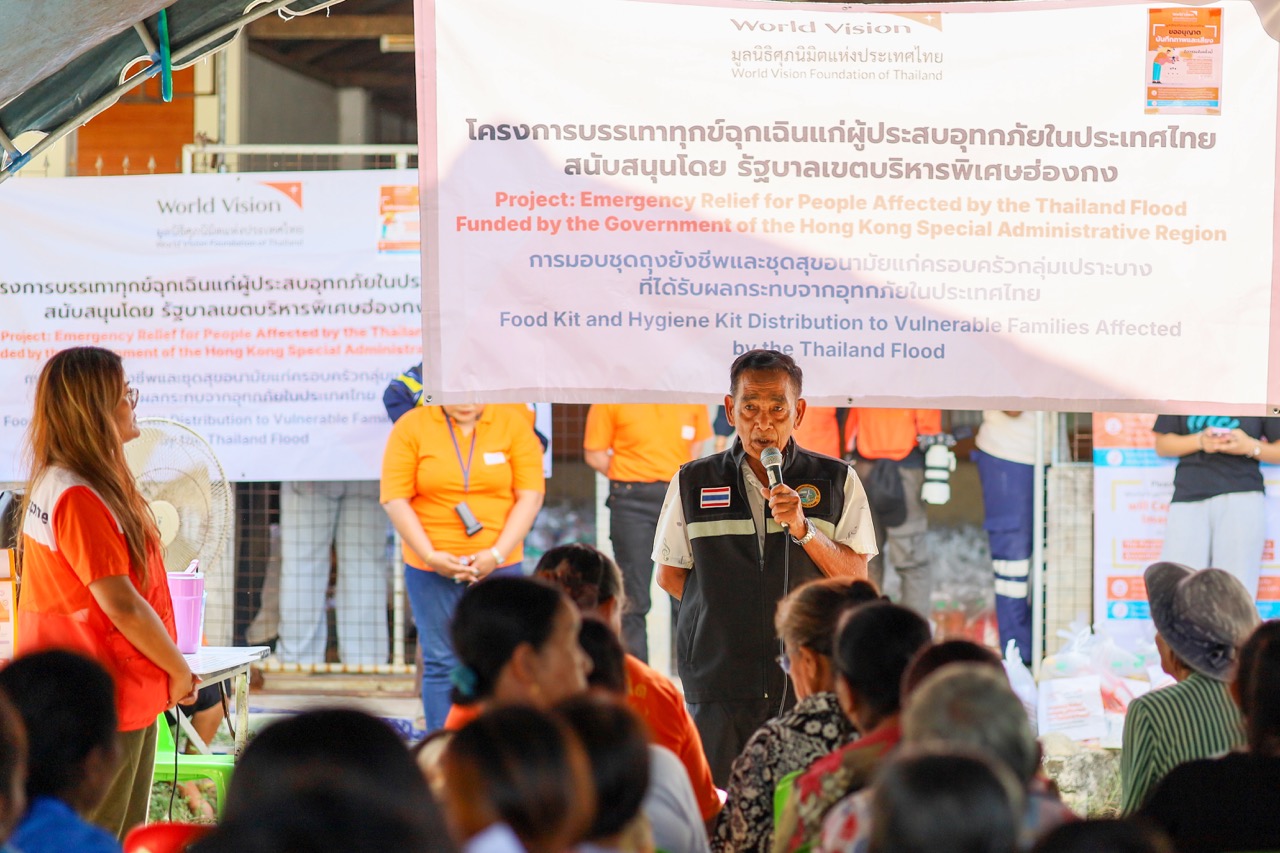
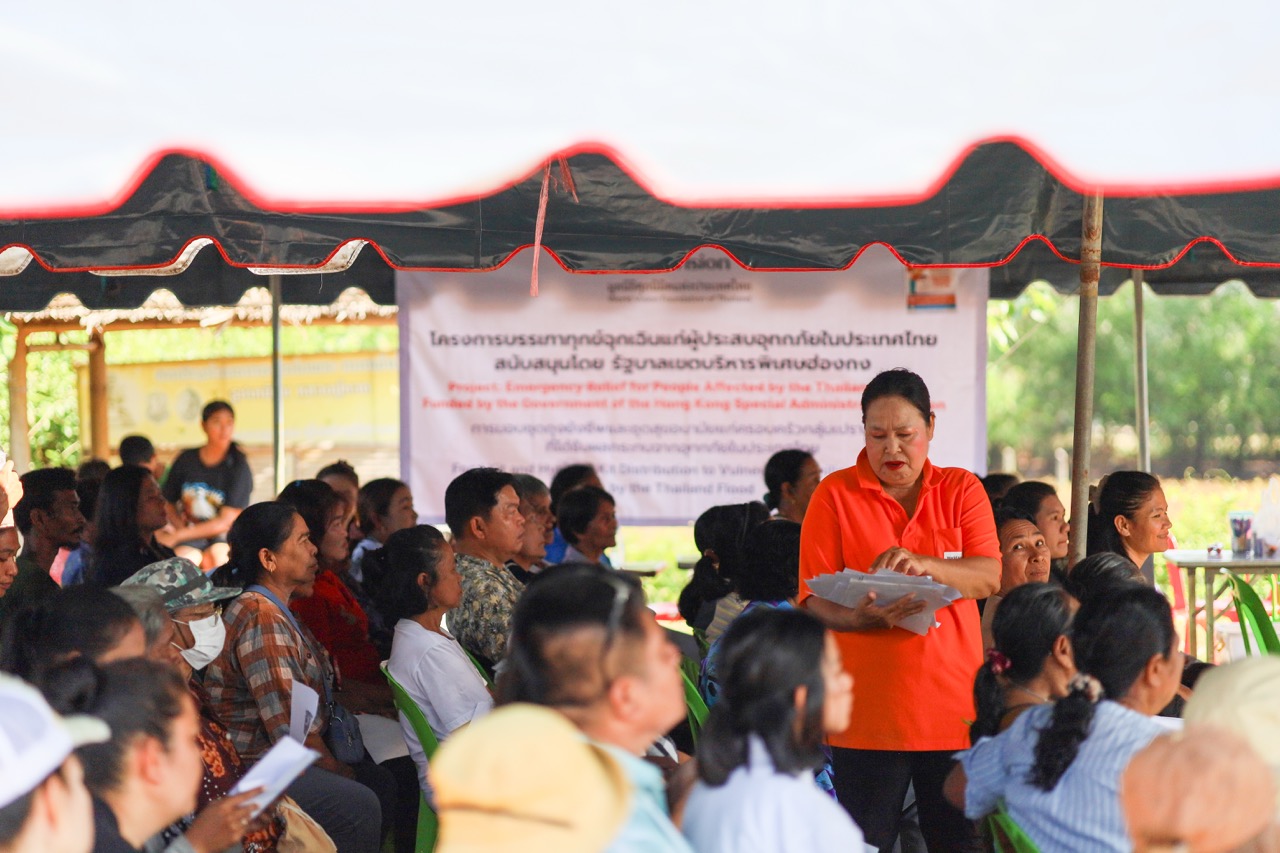
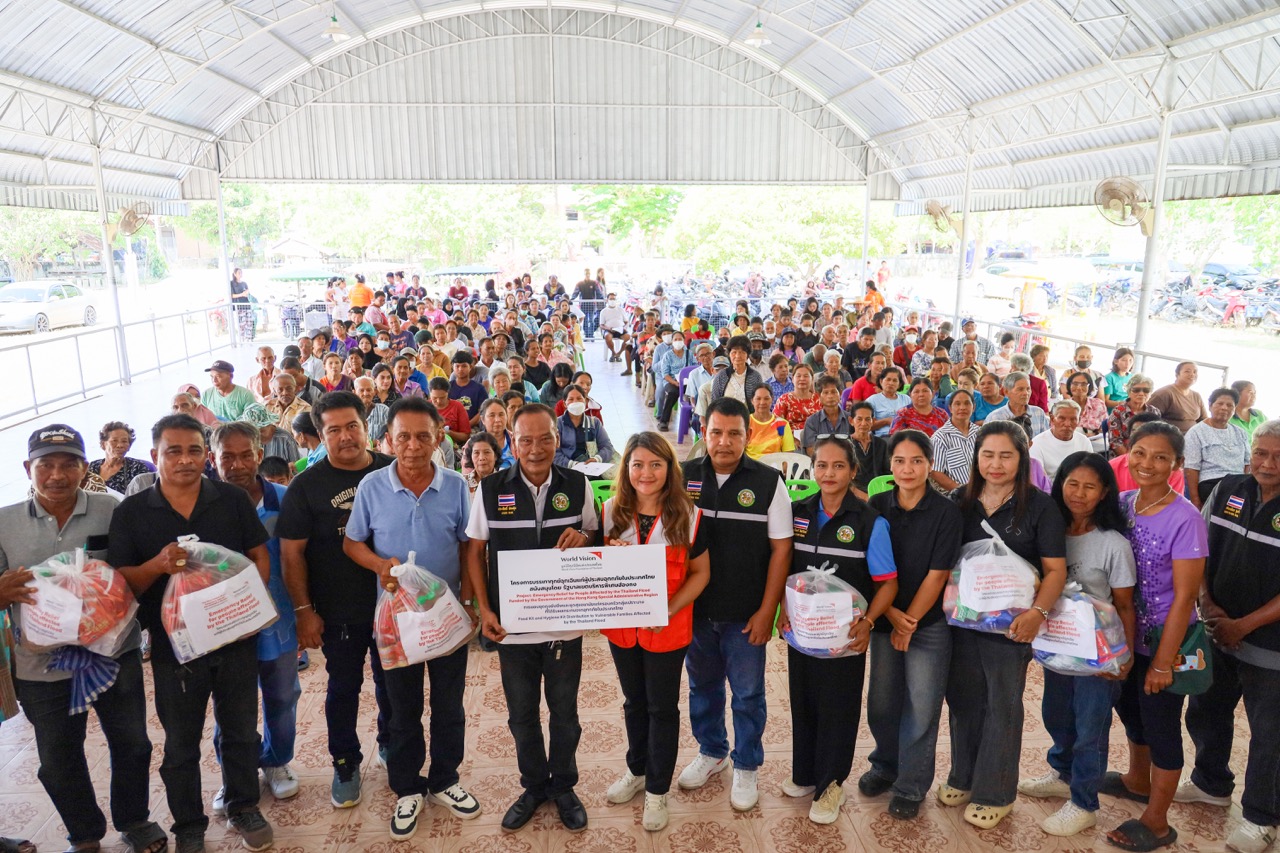
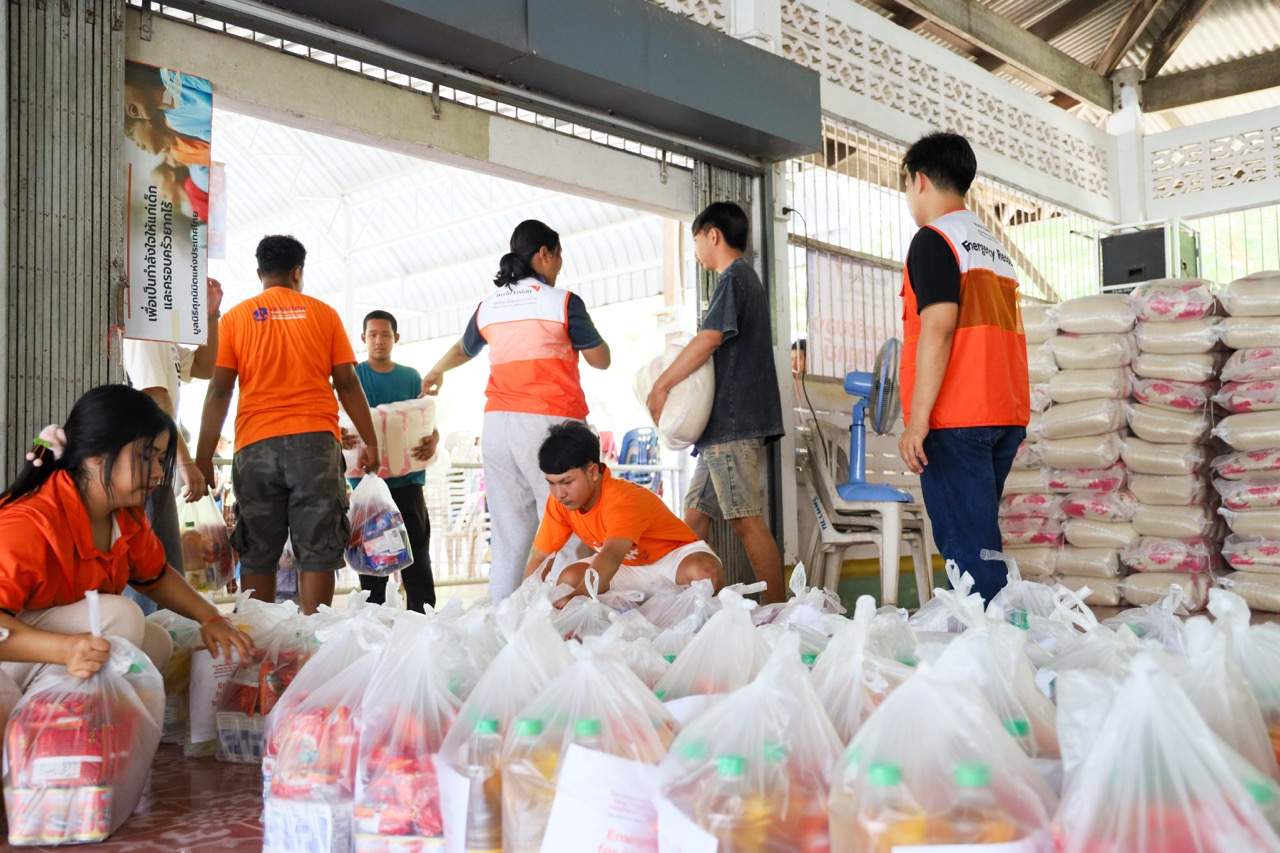
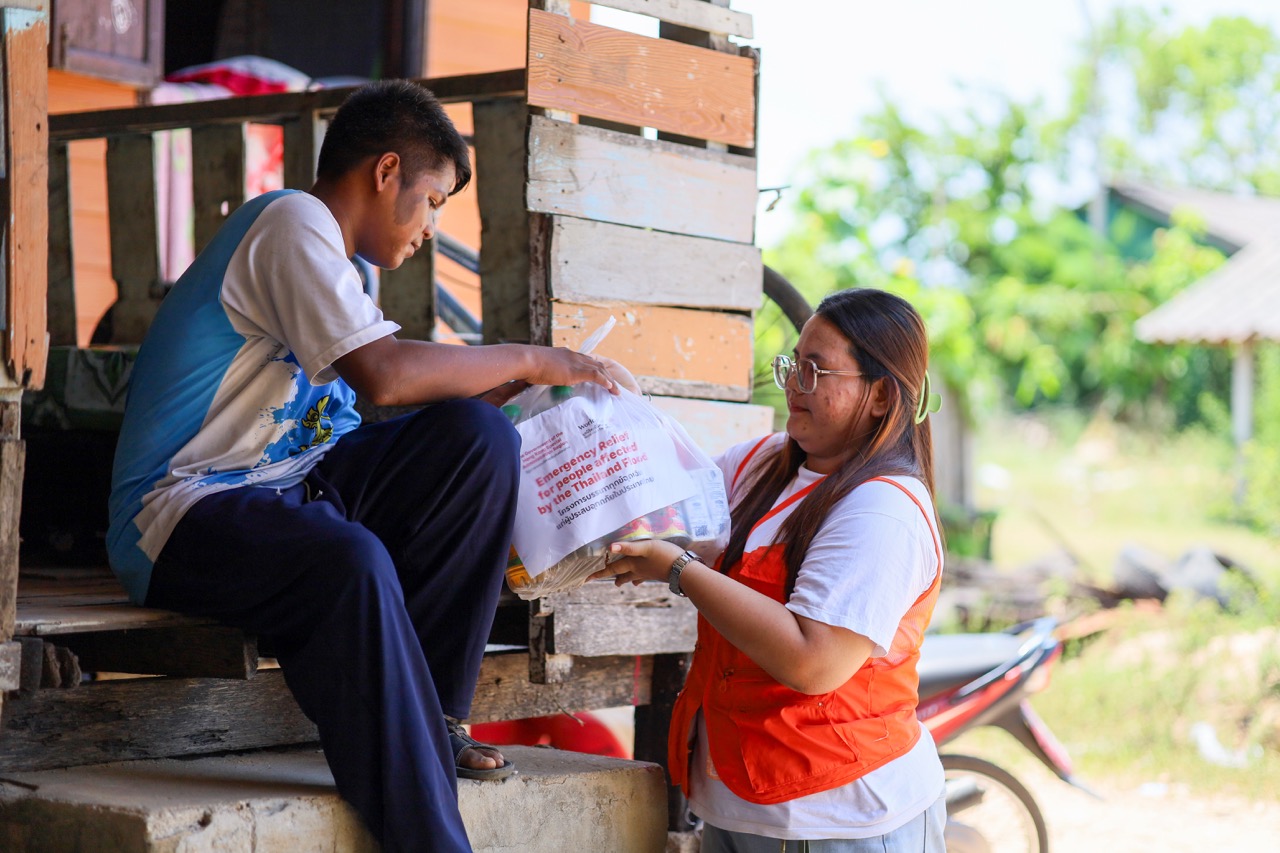
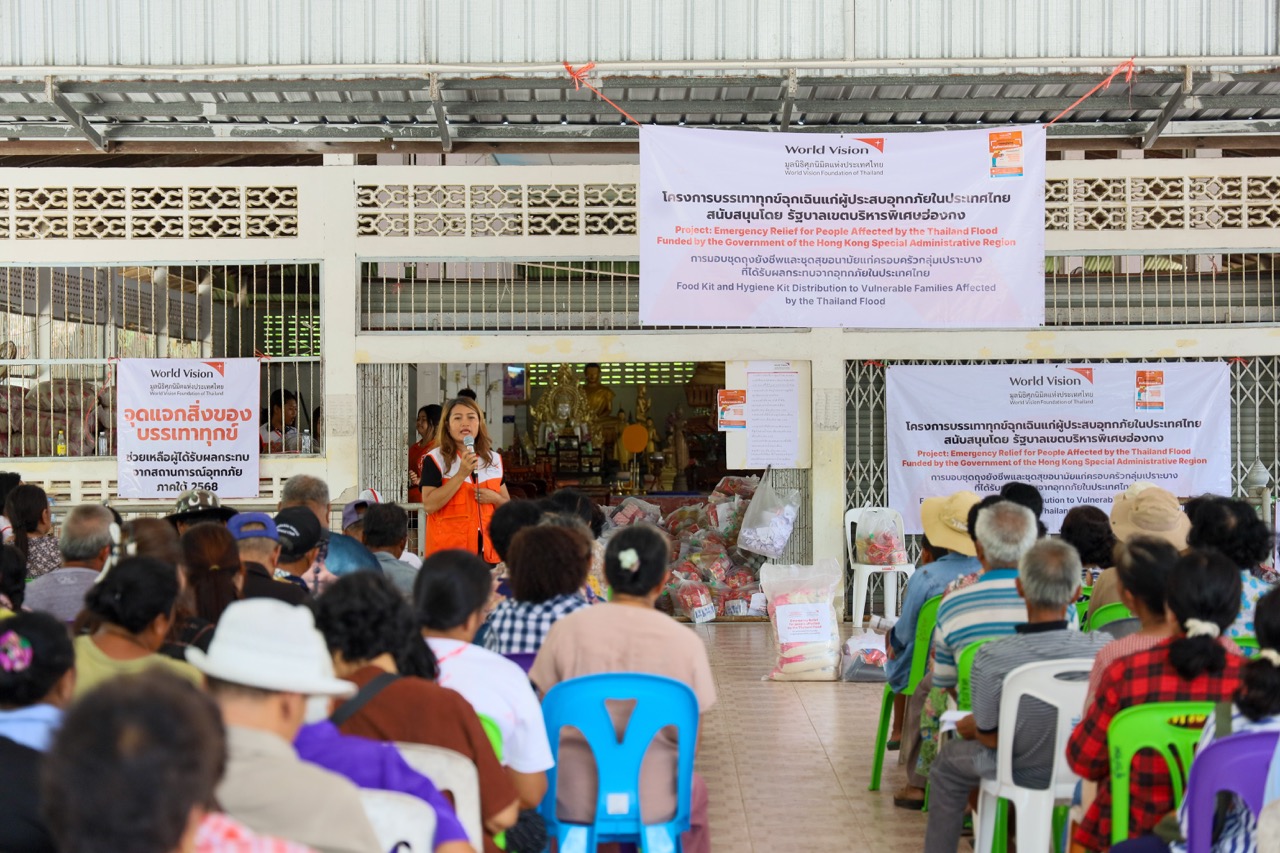
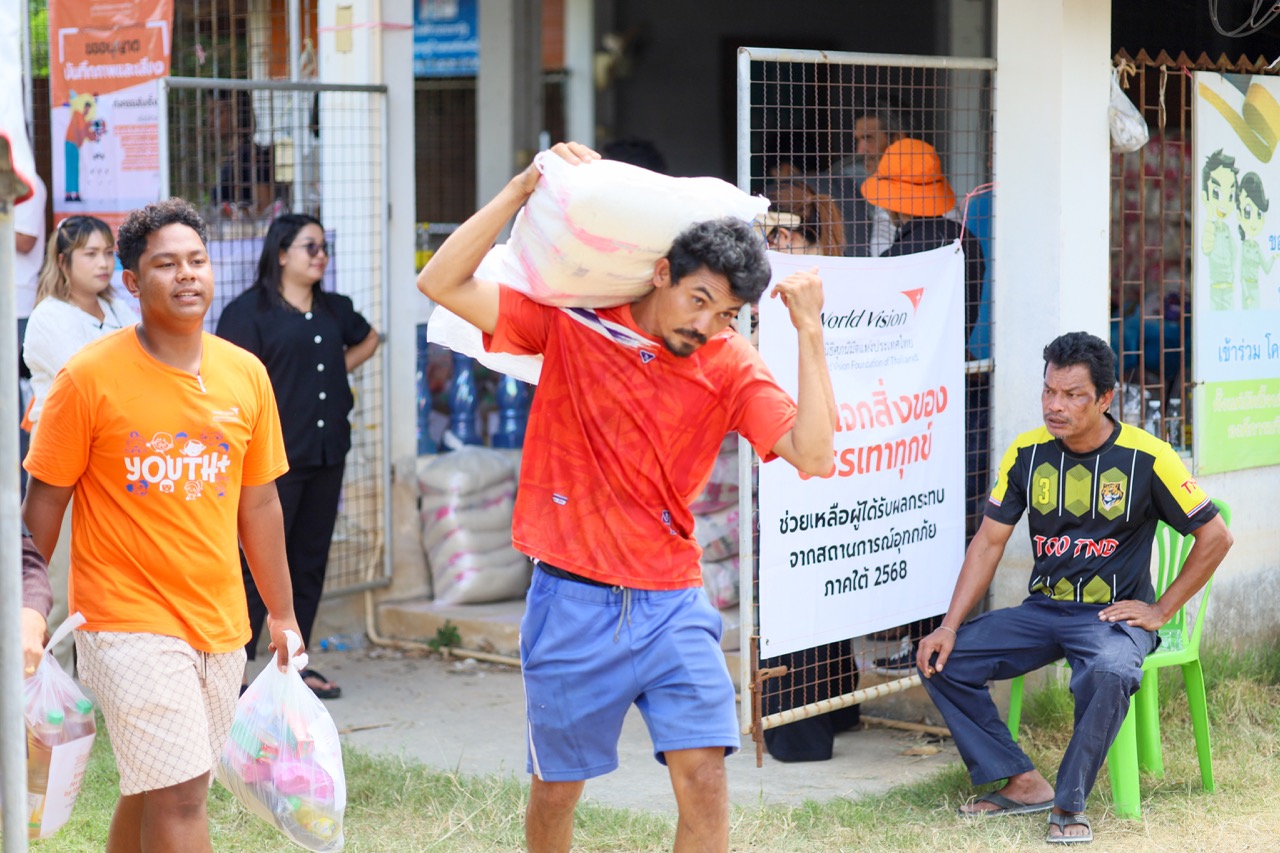
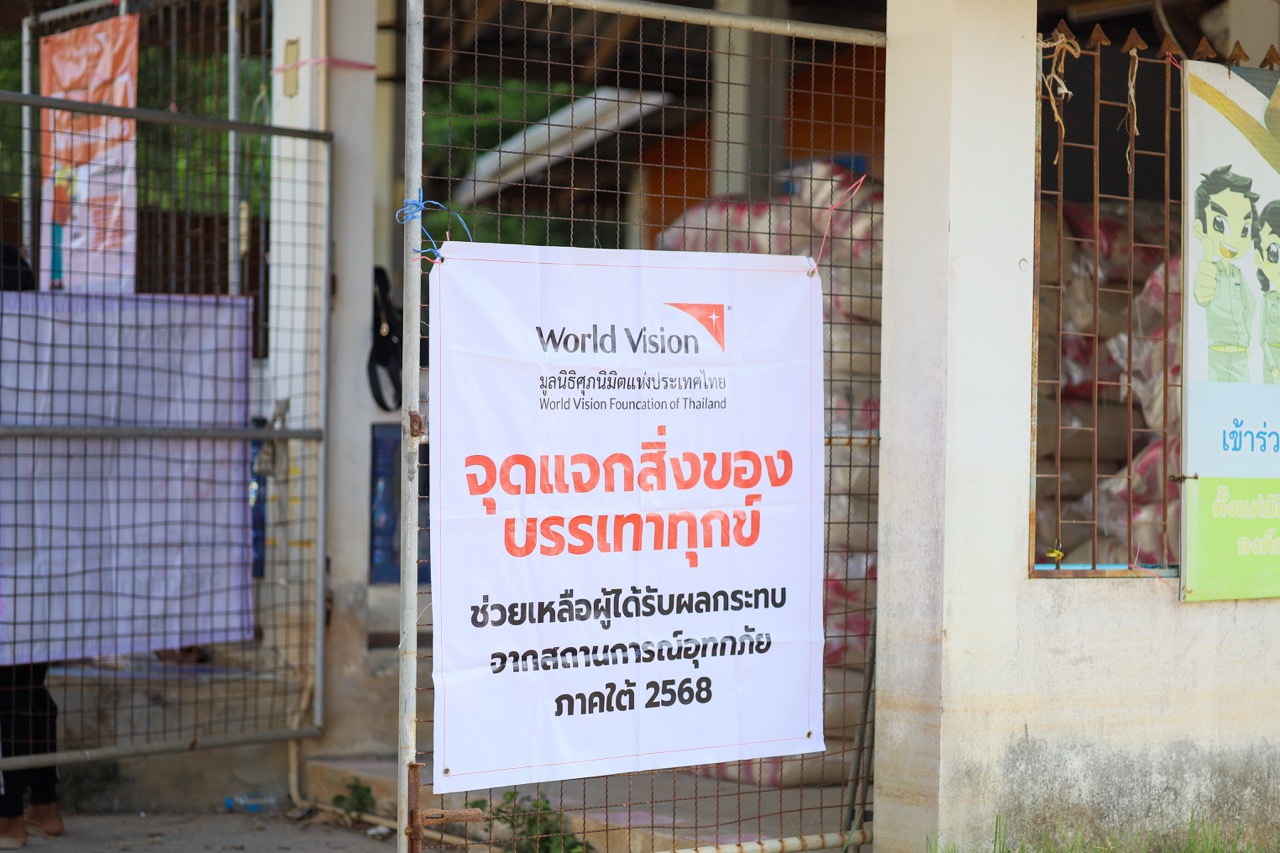
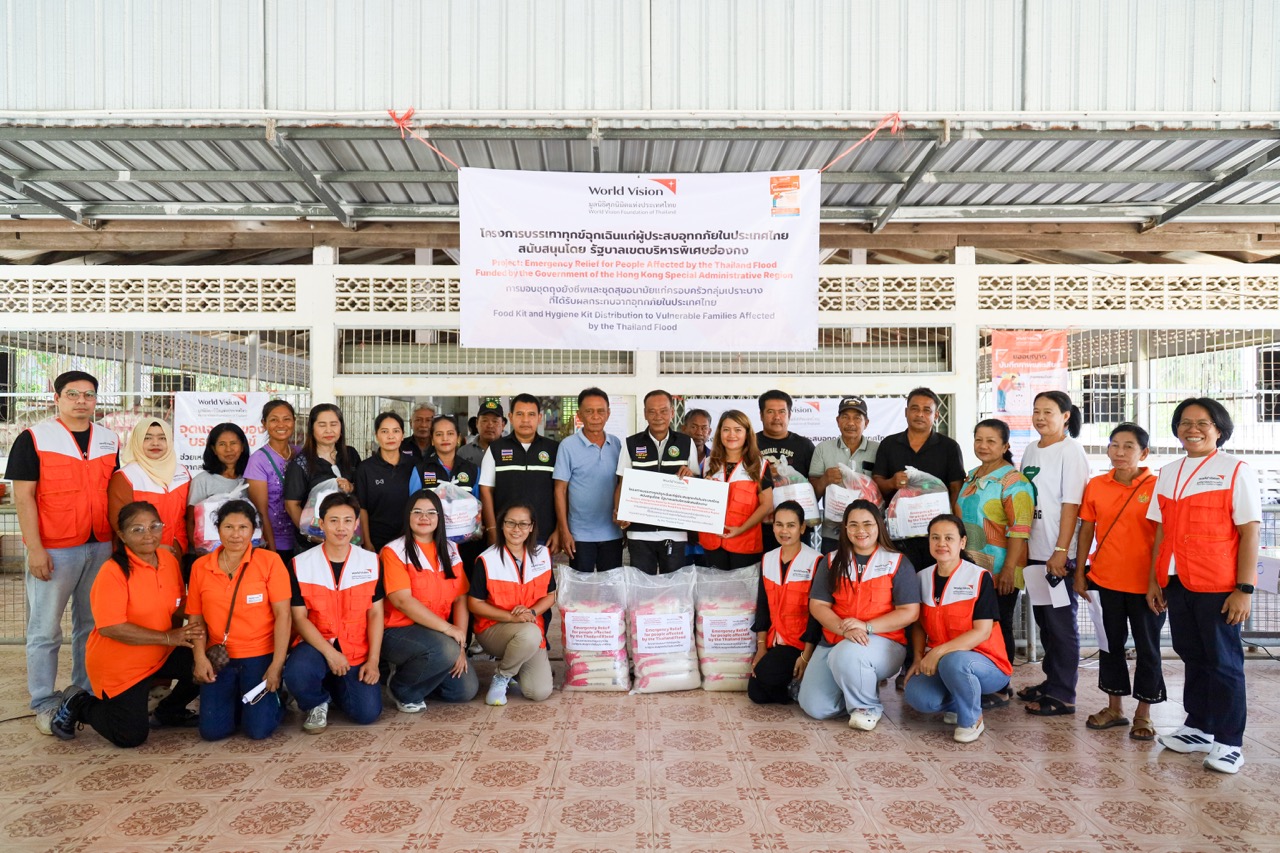
In April, over 500 relief kits—including food and essential hygiene items—were distributed, with support from the Government of the Hong Kong Special Administrative Region. These reached families still recovering from the disaster.
In times of crisis, something as simple as a meal kit or hygiene supplies becomes invaluable—a first step toward rebuilding life.
Voices from Children: Impacts Beyond What We See
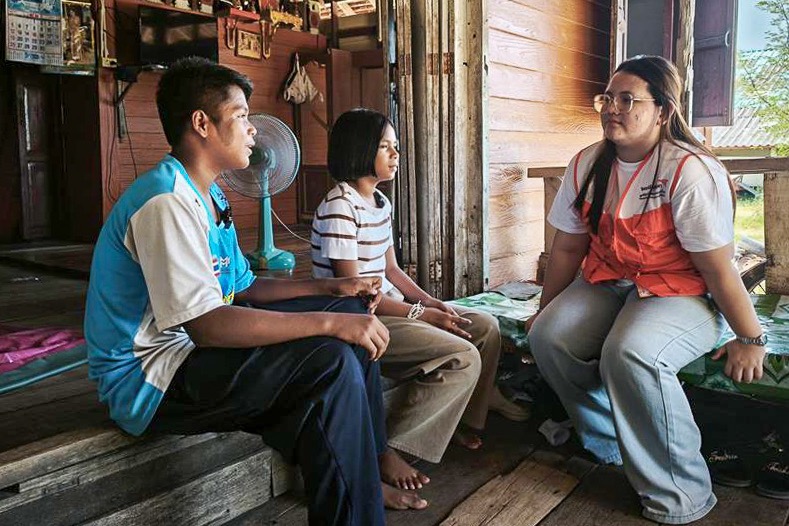
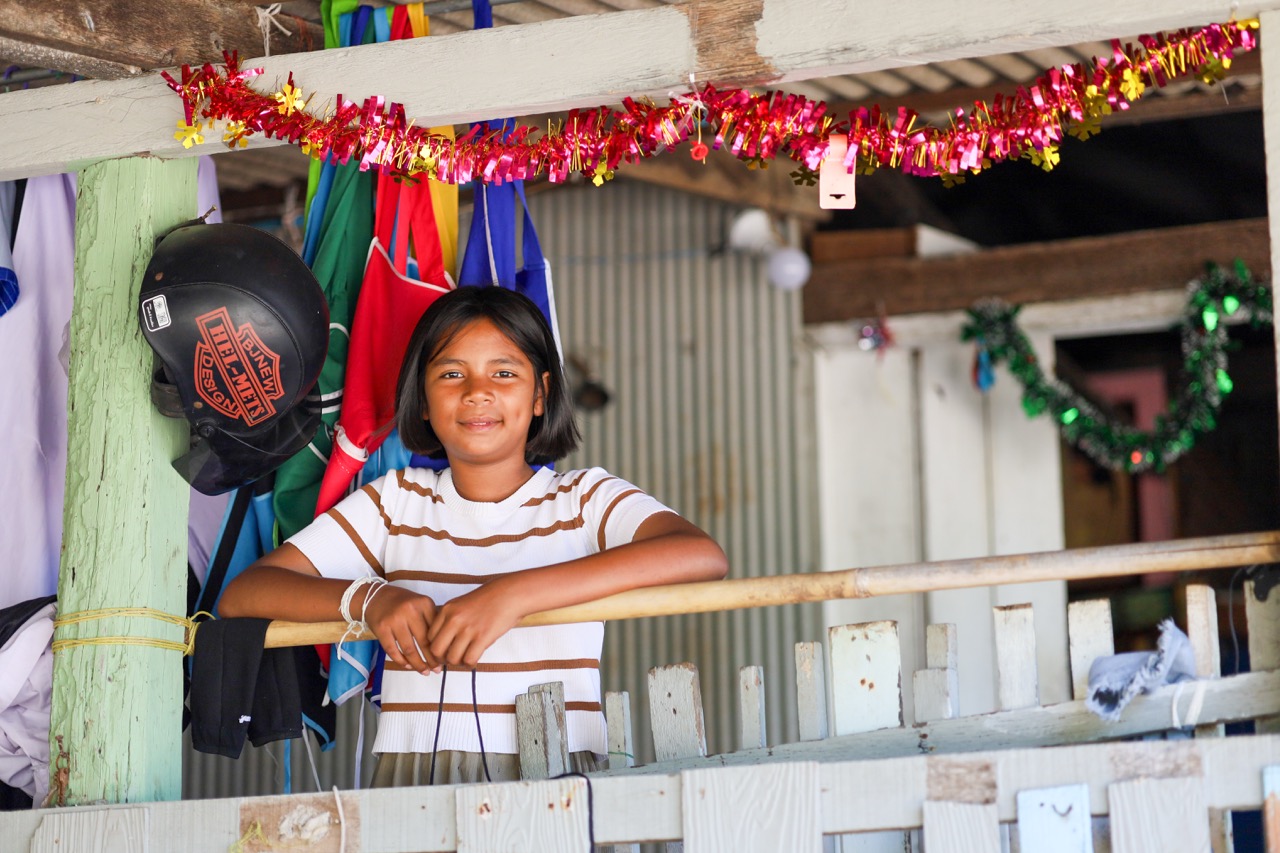
For “Thanwa,” a 15-year-old sponsored child, this flood meant more than physical damage.
“The water came up almost through the entire house—it left marks on the door.”
Even with an elevated house, many belongings could not be saved—wardrobes, refrigerators, and schoolbooks were damaged. His family had to move to temporary rental housing, while schools closed for over 10 days.
“My studies declined… my grades dropped because I couldn’t attend school.”
These words reveal a deeper impact: flooding not only disrupts daily life—it disrupts learning and opportunity.
For his younger sister, the memory is different but equally powerful:
“I was scared… afraid there would be no place to live.”
For children, floods are not just water—they represent uncertainty and insecurity.
From Relief to Sustainable Recovery
What sets World Vision’s work apart is not just crisis response—but looking beyond the emergency to long-term recovery. Recovery does not mean returning to the same conditions, but becoming better prepared for the future.
Through its Disaster Risk Reduction (DRR) mission, World Vision Foundation of Thailand operates systematically—from preparedness and emergency response to long-term rehabilitation—supporting those affected by disasters and health crises while strengthening communities holistically.
This work connects efforts from households to communities to local authorities, building effective and sustainable disaster management systems.
The foundation focuses on strengthening community capacity through disaster management committees in both communities and schools, while promoting risk reduction, food security, income generation, and livelihood development—ensuring families can sustain themselves even during crises.
Because in areas where disasters strike again and again, sustainability is not about avoiding disasters—but about the ability to rise, adapt, and recover stronger every time.
The Way Forward: A Future Where No One Is Left Behind
The story of Kukud shows that while disasters may be unavoidable, their impact can be reduced—with strong systems and meaningful collaboration.
World Vision Foundation of Thailand remains committed to continuously improving its response mechanisms, ensuring that aid is more effective and recovery leads to lasting change.
Because the goal is not just to survive crises—but to build a society where children, families, and communities can thrive with stability, despite repeated challenges.
And above all, to ensure that no one is ever left behind.