Child labor is a complex human rights issue, linked to economic, social, and cultural factors. Preventing and addressing this issue requires a comprehensive, systemic approach at the individual, family, and community levels.
The World Vision Foundation of Thailand carries out its child protection mission on an ongoing basis, aiming to create a safe environment for children and reduce the risk of all forms of exploitation, including child labor.
Its work is grounded in the child rights framework and holistic child protection principles, with a focus on five key dimensions:
- Children are able to protect themselves from all forms of violence
Children have the knowledge, skills, and awareness to protect themselves from all forms of violence, and are able to put such knowledge, skills, and awareness into practice. - Parents and caregivers protect children from all forms of violence
Parents are equipped with knowledge on child rights and positive parenting, enabling them to appropriately care for and protect their children. - Schools have mechanisms to protect children from all forms of violence
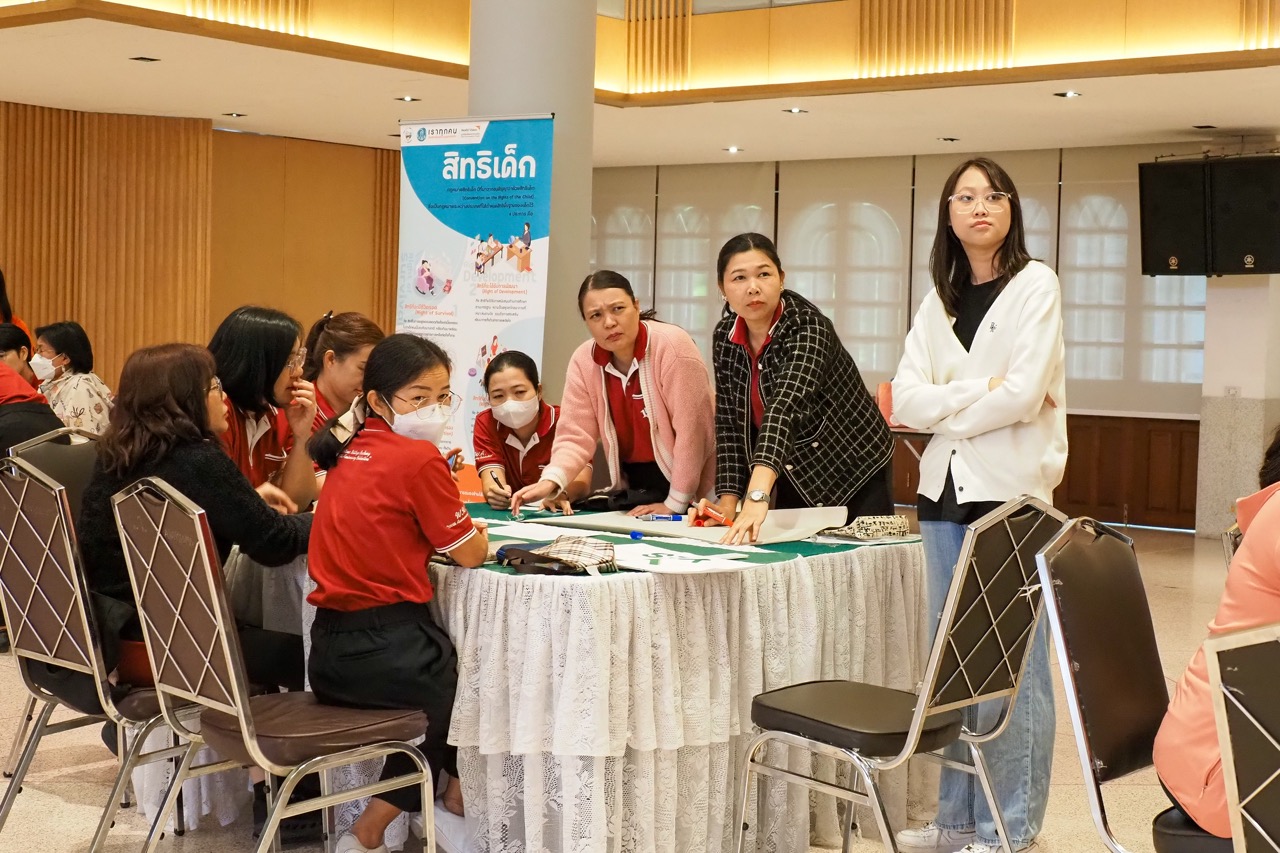
Teachers possess knowledge, skills, and awareness regarding positive discipline and non-violent approaches. School-based child protection mechanisms are developed, along with screening systems in schools/educational institutions to identify children at risk of violence. - Children are protected from all forms of violence within the community
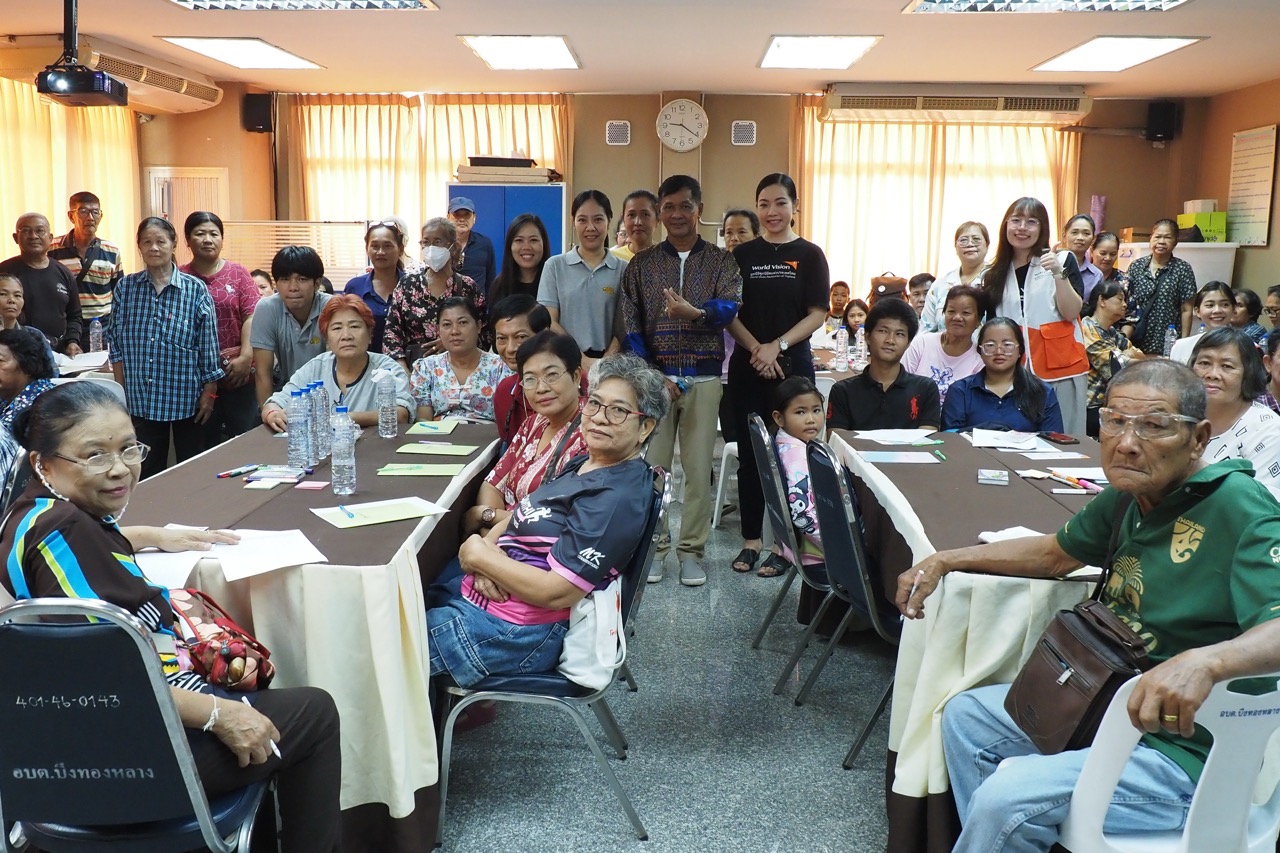
Community-based child protection committees and/or networks are strengthened. Systems and procedures for child protection are developed within communities, fostering environments that promote safety for children. - Child protection policies are strengthened
Through the development and implementation of child protection policies and guidelines, the establishment and/or strengthening of accessible child protection services, enhanced collaboration between government and partner networks to reinforce protection mechanisms, and the promotion of children’s participation in decision-making on child protection issues.
During the strategic implementation period of 2021–2025, the foundation has implemented child protection programs with tangible outcomes, including:
- More than 260,000 parents, children, and youth have been equipped with knowledge on child rights and child protection
- Community mechanisms to prevent and respond to child exploitation have been developed through community-based child protection committees, covering 49 communities across 32 provinces
- Over 154,700 children and adults have been promoted with positive values and ethics, which are essential factors for long-term behavioral change
- Advocacy campaigns to promote justice in child care, rights protection, and child development policies—some of which are directly linked to child protection, such as:
- Supporting and establishing child protection networks
- Driving the presentation and monitoring of the ASEAN Regional Plan of Action on the Elimination of Violence Against Children
- Advocating for and co-establishing “Child Protection Community Centers”
- Supporting operations and advocating for the establishment of Subdistrict Child Protection Committees
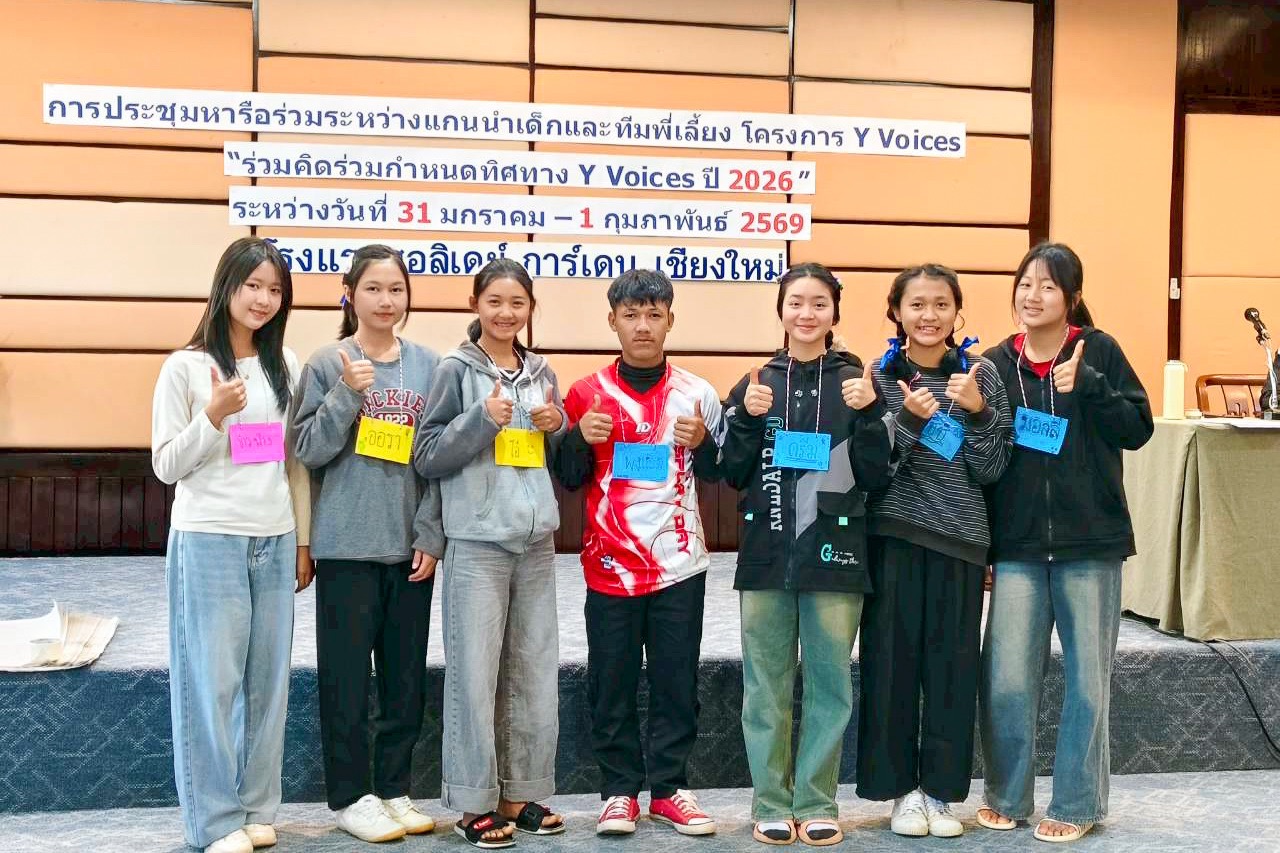
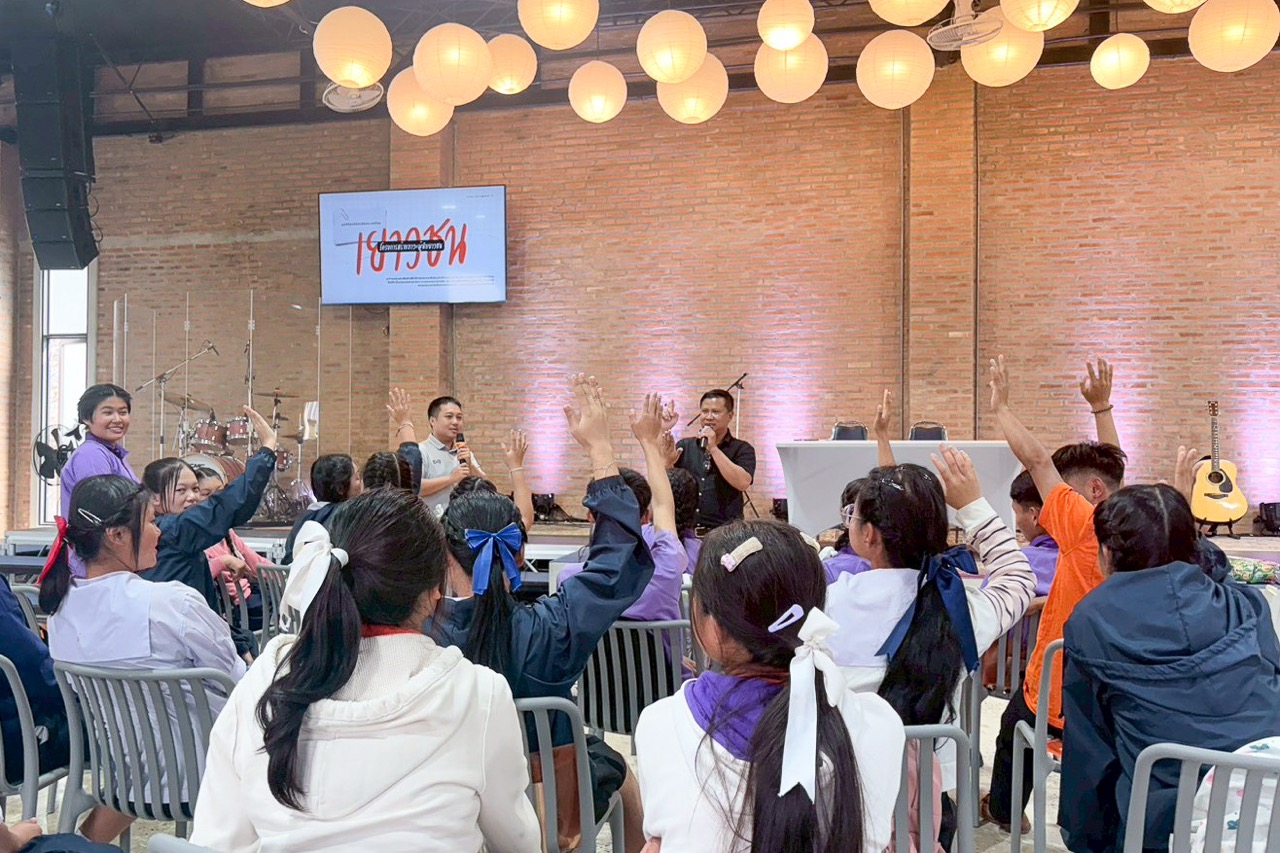
- Supporting child and youth development, child rights protection, and the establishment of children’s clubs at district, provincial, and national levels
- Promoting child and youth participation in line with General Comment No. 26 of the Convention on the Rights of the Child on children’s rights and the environment, with emphasis on climate change
- Establishing task forces to drive safe and protective use of online media for children
These outcomes play an important role in reducing children’s vulnerability, particularly among those at risk of entering child labor in agriculture, industry, and informal sectors.
Addressing child labor cannot rely solely on legal measures; it requires systematic preventive efforts.
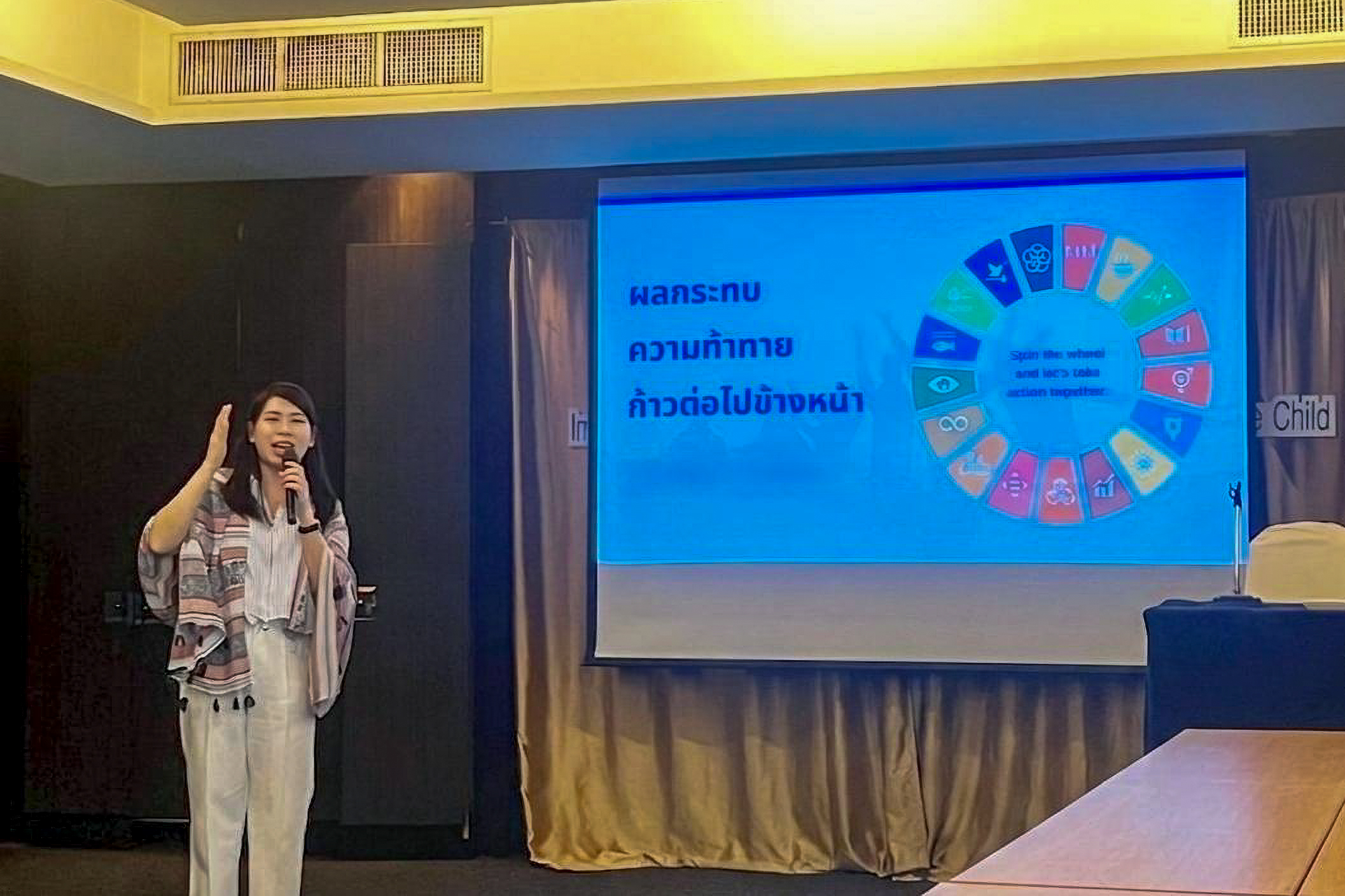
Ms. Anusara Julpaiboon, Child Protection Specialist at World Vision Foundation of Thailand, stated:
“Overall, a sustainable child protection system must have a strong foundation, comprising five key components: Laws & Policies—clear mechanisms and frameworks aligned with international child rights standards; Services—children and families must have access to quality care, recovery, and rehabilitation services; Capacities—practitioners and community members need knowledge, understanding of risks, and appropriate skills to support children; Coordination—strong, continuous multi-sectoral collaboration networks, including local child protection partners; and Accountability—all sectors must recognize their roles and responsibilities, with regular monitoring and evaluation systems.
Effective child protection requires both systems-level approaches and targeted interventions. The World Vision Foundation of Thailand operates under a Child Protection Core approach, which serves as a foundational framework to strengthen and connect child protection mechanisms at all levels—family, school, community, and across government, private, and civil society sectors. We emphasize enabling all stakeholders to jointly prevent, identify, and respond to risks faced by children in a systematic manner, while fostering a protective environment through resource linkage and the promotion of positive attitudes, ensuring that every child can grow up safely at home, in school, and within strong communities.”
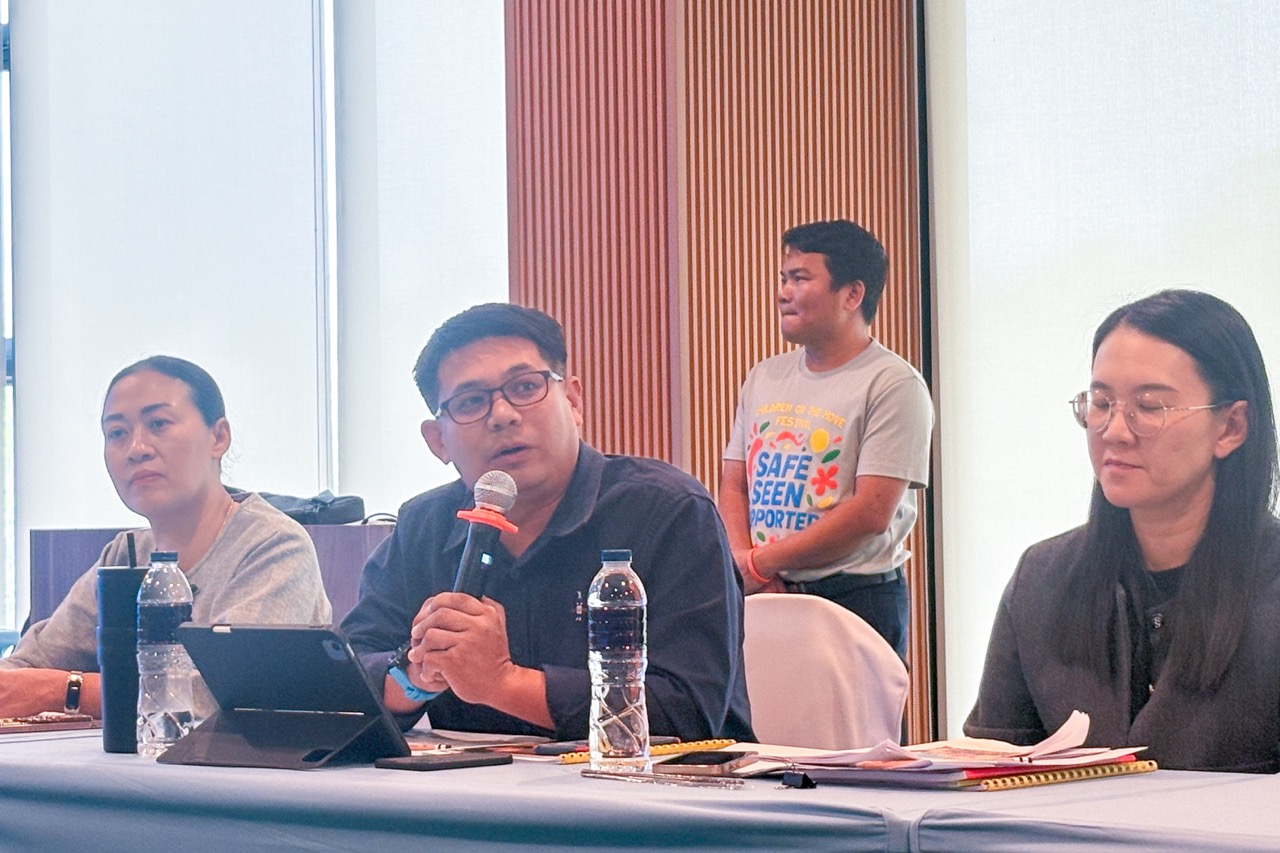
At the same time, Mr. Kanok Srirueang, Area Development Program Cluster Manager for Chiang Mai and Lampang, stated:
“At the field level, we implement child protection in a systematic manner through two main dimensions:
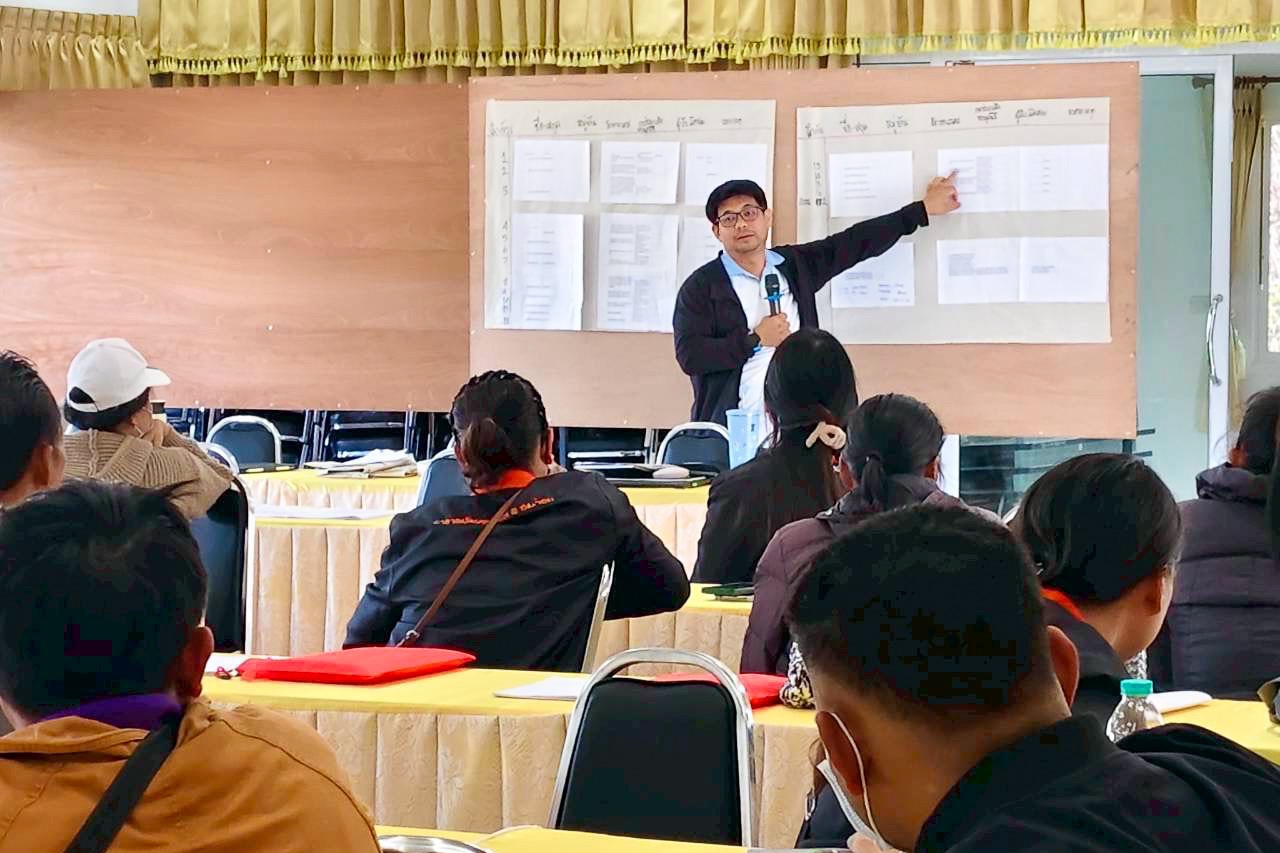
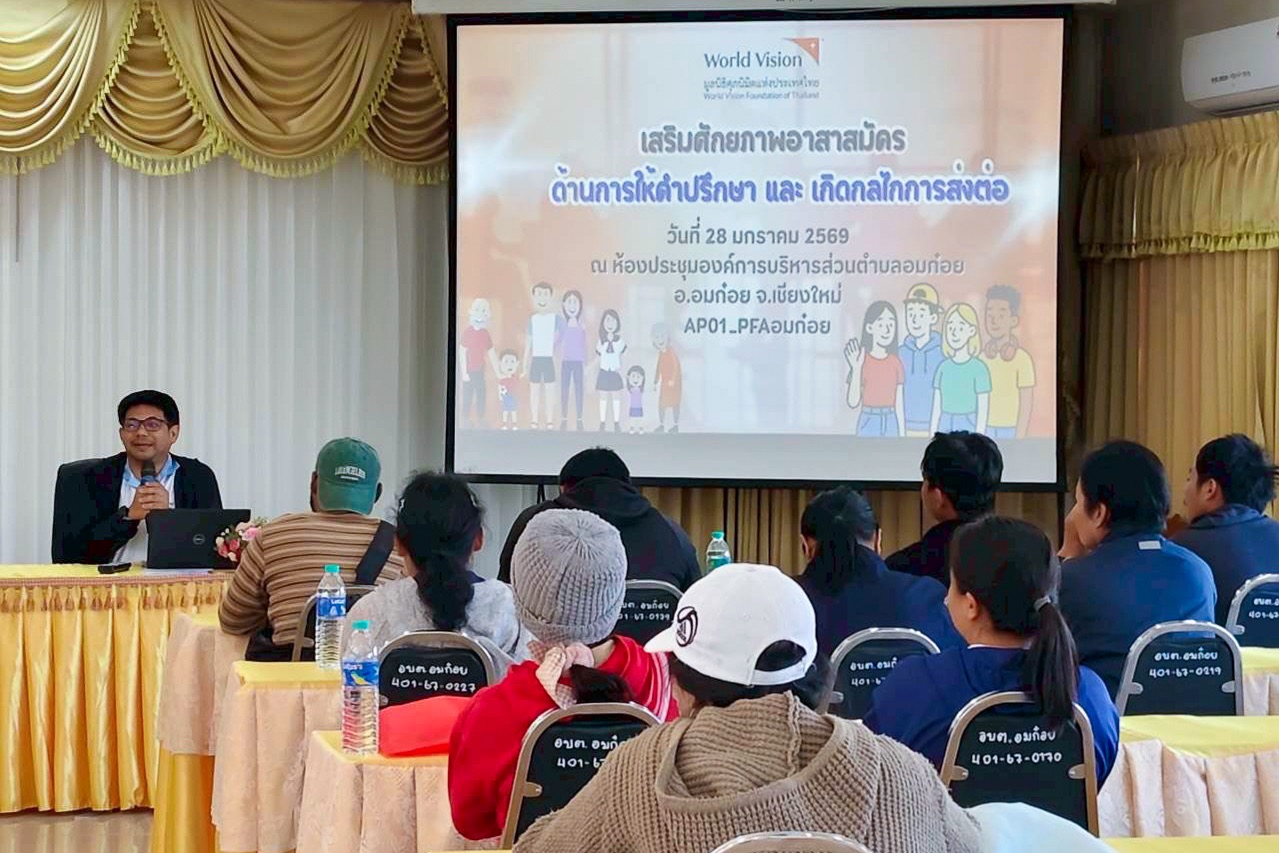
The first is monitoring and prevention of child rights violations, focusing on strengthening community-based prevention mechanisms through the establishment of child protection volunteer networks, serving as community surveillance units to continuously monitor situations and report risks.
The second is integrated collaboration with government sectors. The foundation participates as a member of Subdistrict Child Protection Committees to jointly supervise, monitor, and coordinate actions with relevant agencies, leading to effective monitoring, prevention, and response to child rights violations within communities.”
This operational approach aligns with Sustainable Development Goal (SDG) Target 8.7, which aims to eliminate child labor in all its forms.
The foundation’s work not only addresses immediate issues but also creates systemic impact, including improving the quality of life of children and families, fostering safe and learning-conducive environments, promoting long-term community well-being, and cultivating social values that reject child labor.
On the occasion of the World Day Against Child Labor, 12 June 2026, the child protection mission of the World Vision Foundation of Thailand reflects an effective approach to preventing and addressing child labor through integrated action. Strengthening the capacities of children, families, and communities is a key mechanism in building a society where all children are protected, have opportunities for development, and grow with dignity.
Ending child labor is not merely a policy goal, but a shared responsibility of all sectors. It requires continuity, collaboration, and systematic efforts to ensure that “every child” grows up in a safe environment filled with genuine opportunities.