In Thailand’s construction industry, migrant workers are a vital force that keeps construction projects progressing efficiently. However, over the years, significant gaps in understanding workers’ rights, fair employment, and proper legal procedures have remained. These gaps often mean that both employers and workers miss out on benefits they are entitled to.
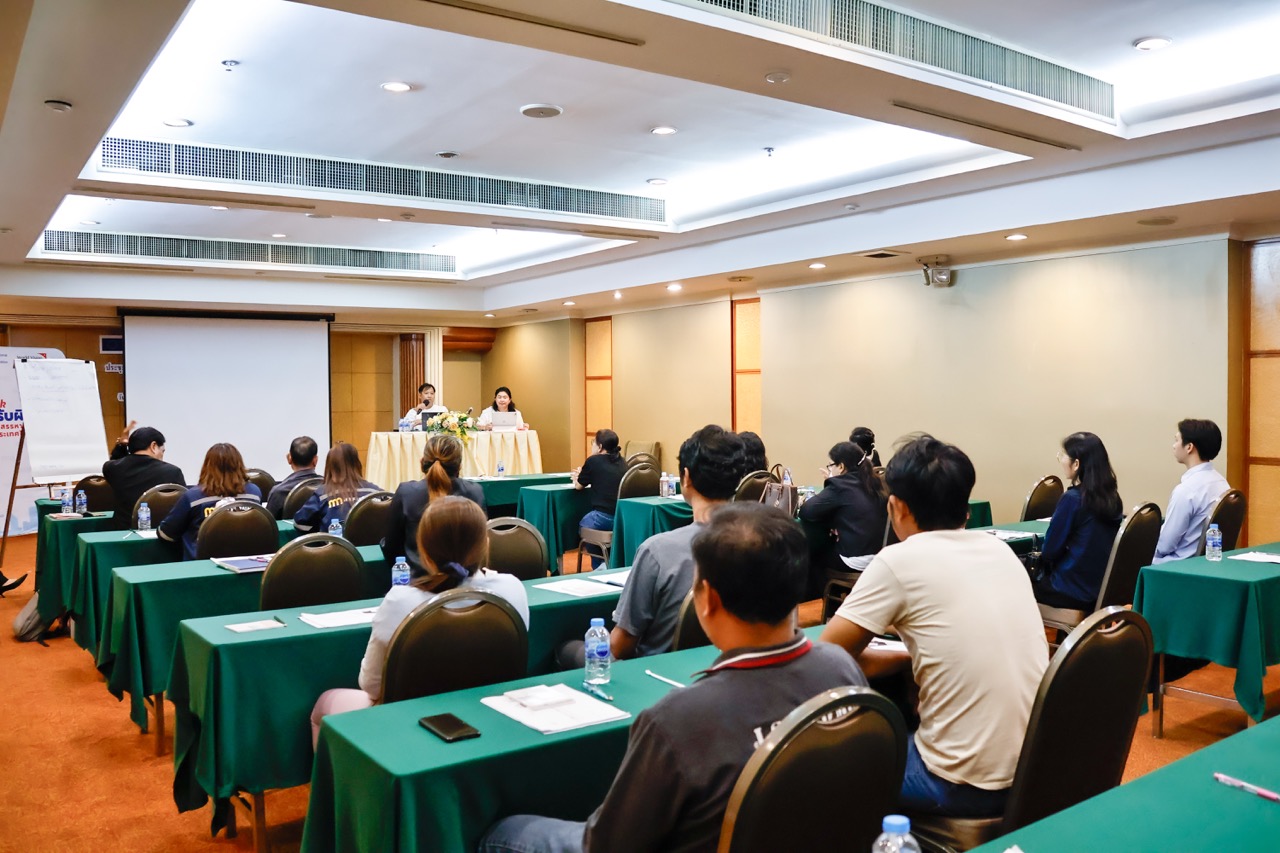
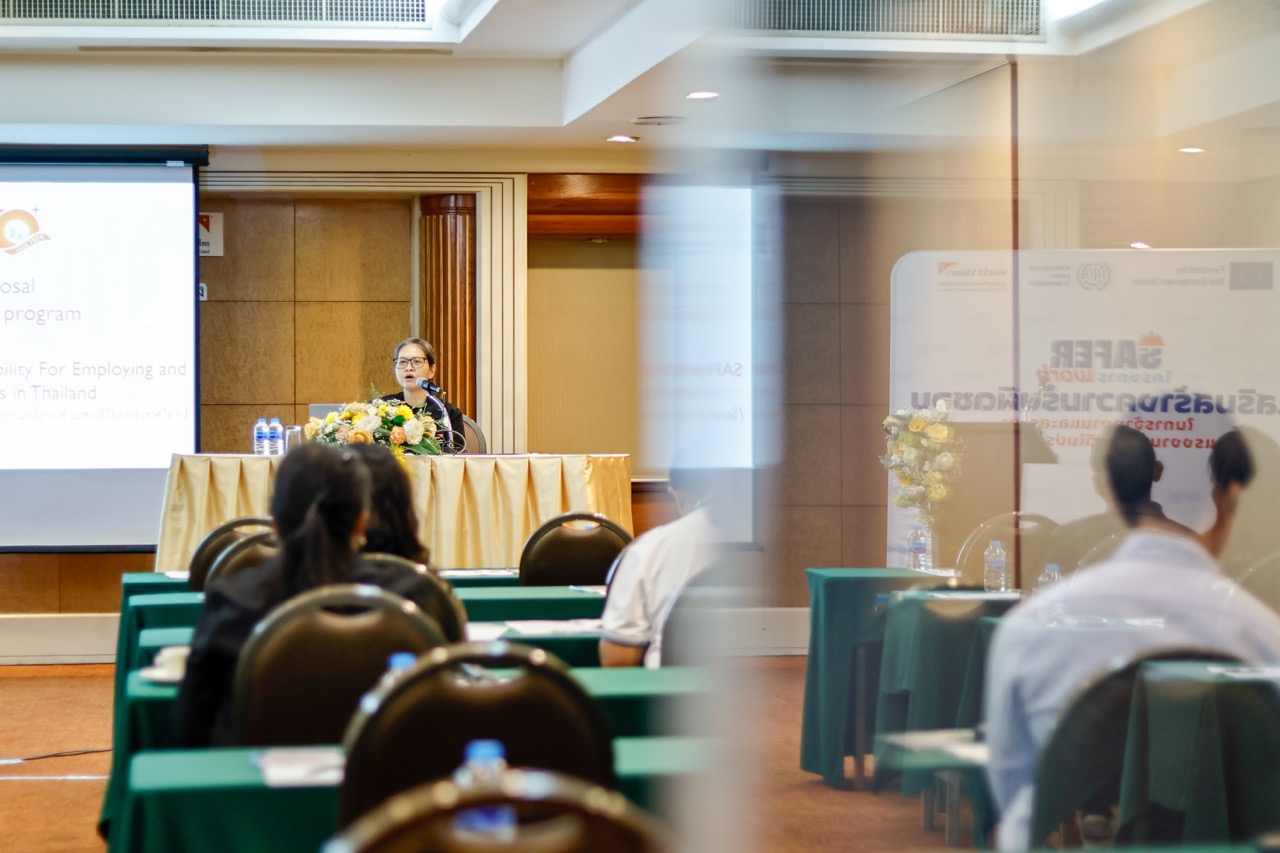
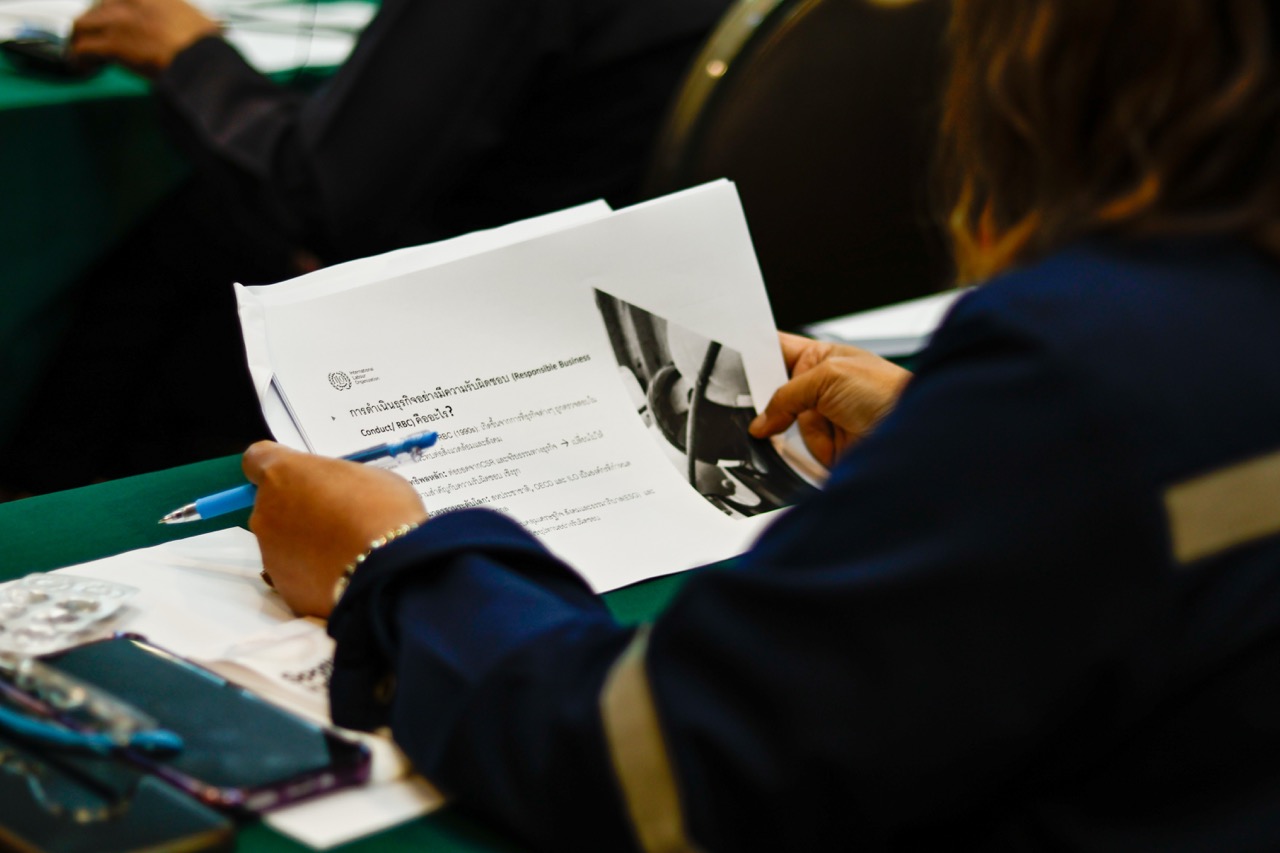
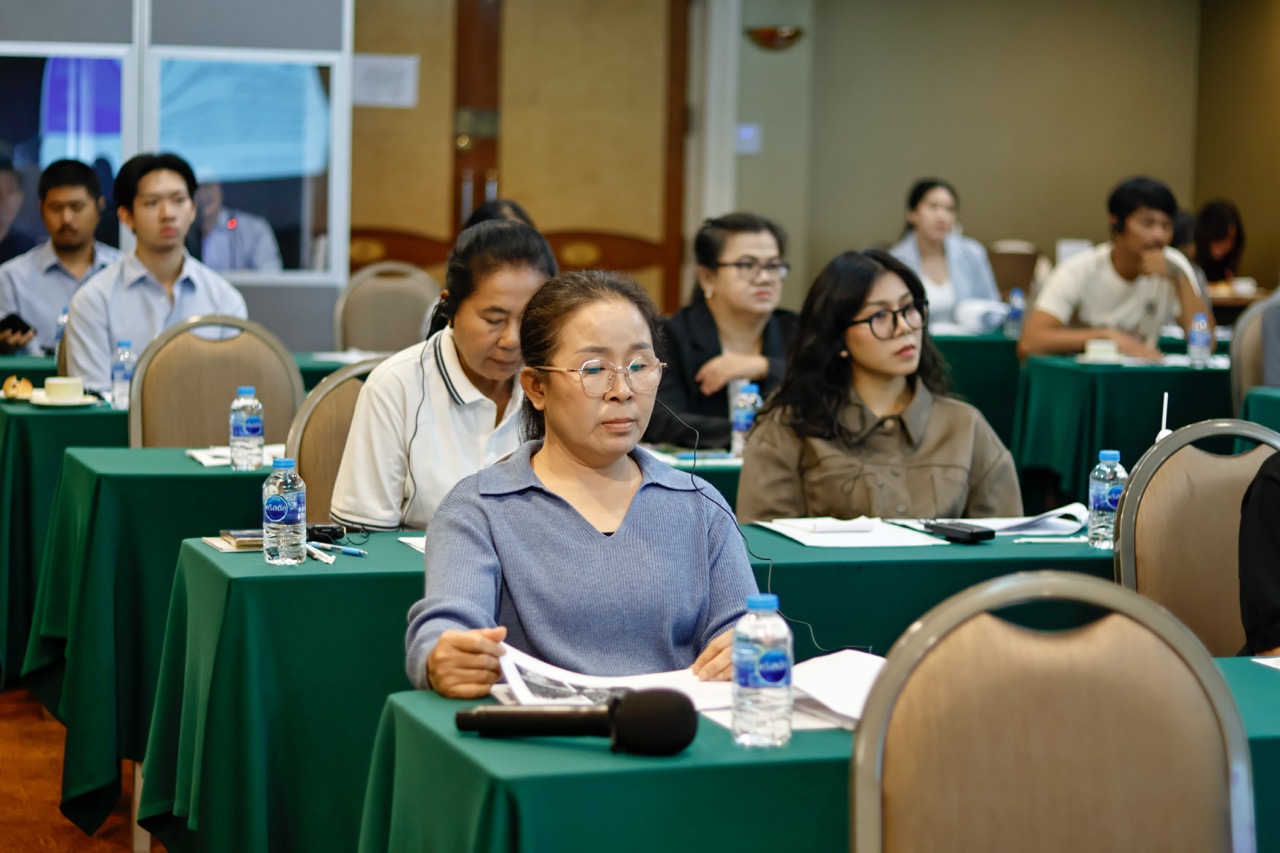
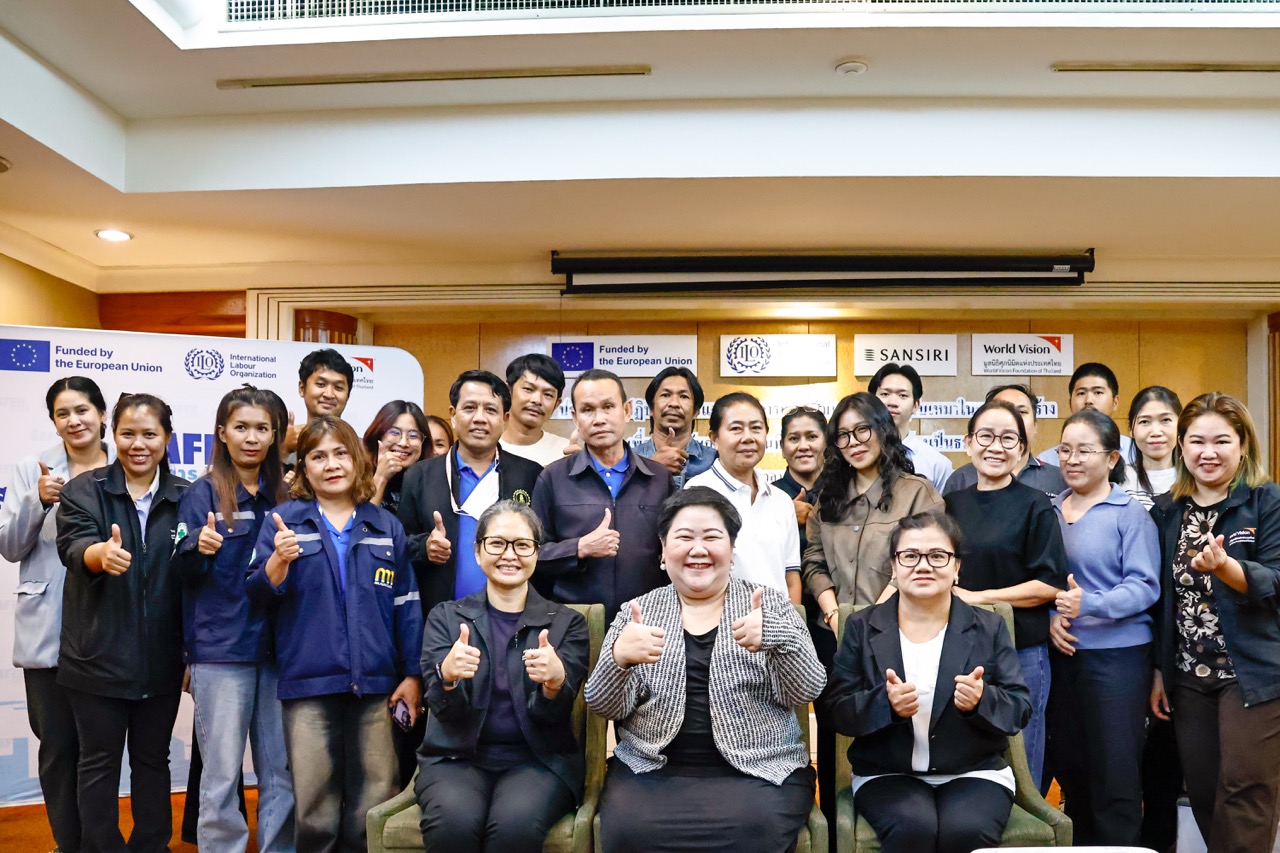
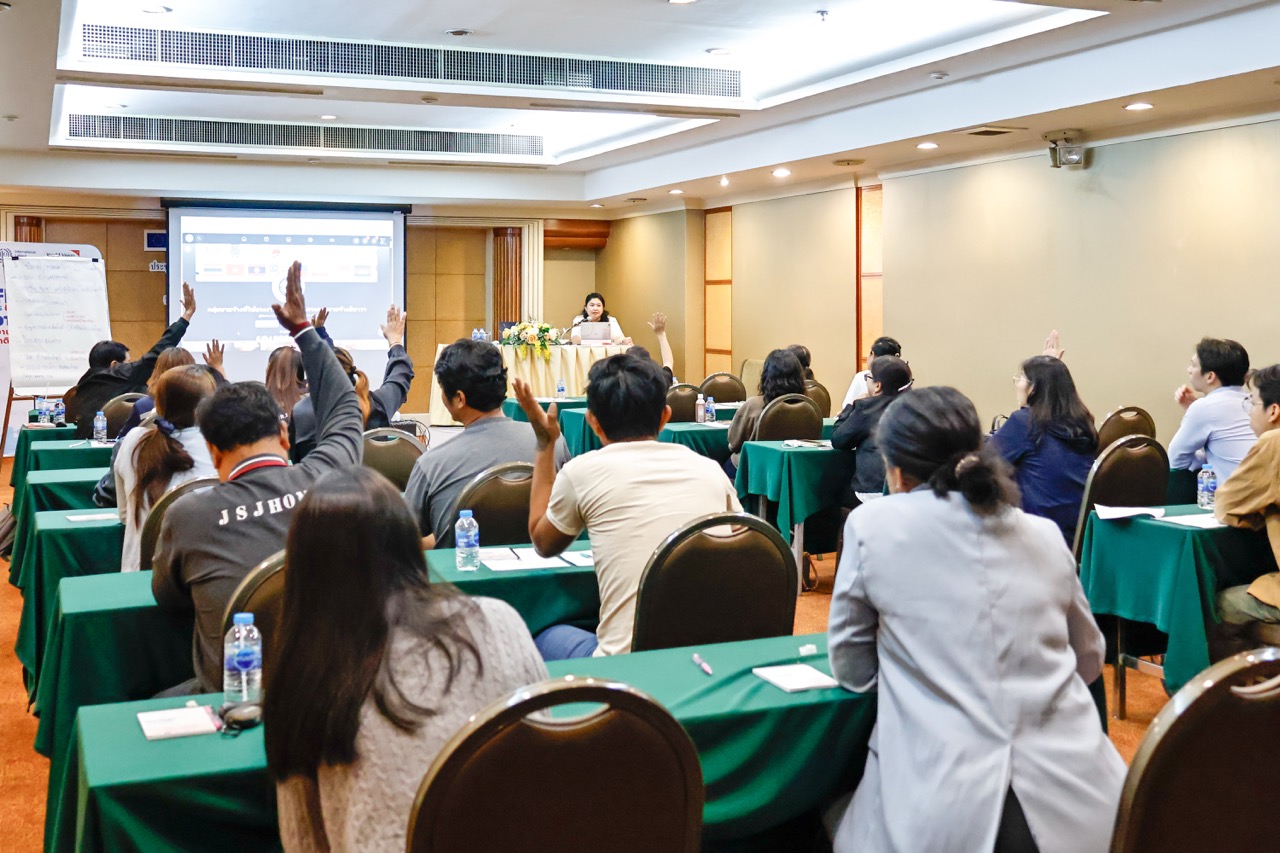
This is the starting point of the project SAFER Work: Strengthening Responsibility in Migrant Workers Employment and Recruitment in Thailand, supported by the International Labour Organization (ILO) and the European Union (EU). Through a collaboration between World Vision Foundation of Thailand and Sansiri Public Company Limited, the initiative organised a capacity-building workshop for contractors in the construction sector to improve decent work and fair recruitment.
The goal goes beyond training. It seeks to create tangible improvements across the construction supply chain—starting from building an understanding of decent work and fair recruitment, to elevating labour-management standards in line with international human rights principles. The project also contributes to concrete progress in Environmental, Social, and Governance (ESG) practices within the construction business sector.
The primary target groups are contractors and sub-contractors—those who work closest with migrant workers. Yet many of them still lack full access to accurate, up‑to‑date information.
The workshop featured leading speakers who brought knowledge from various perspectives.
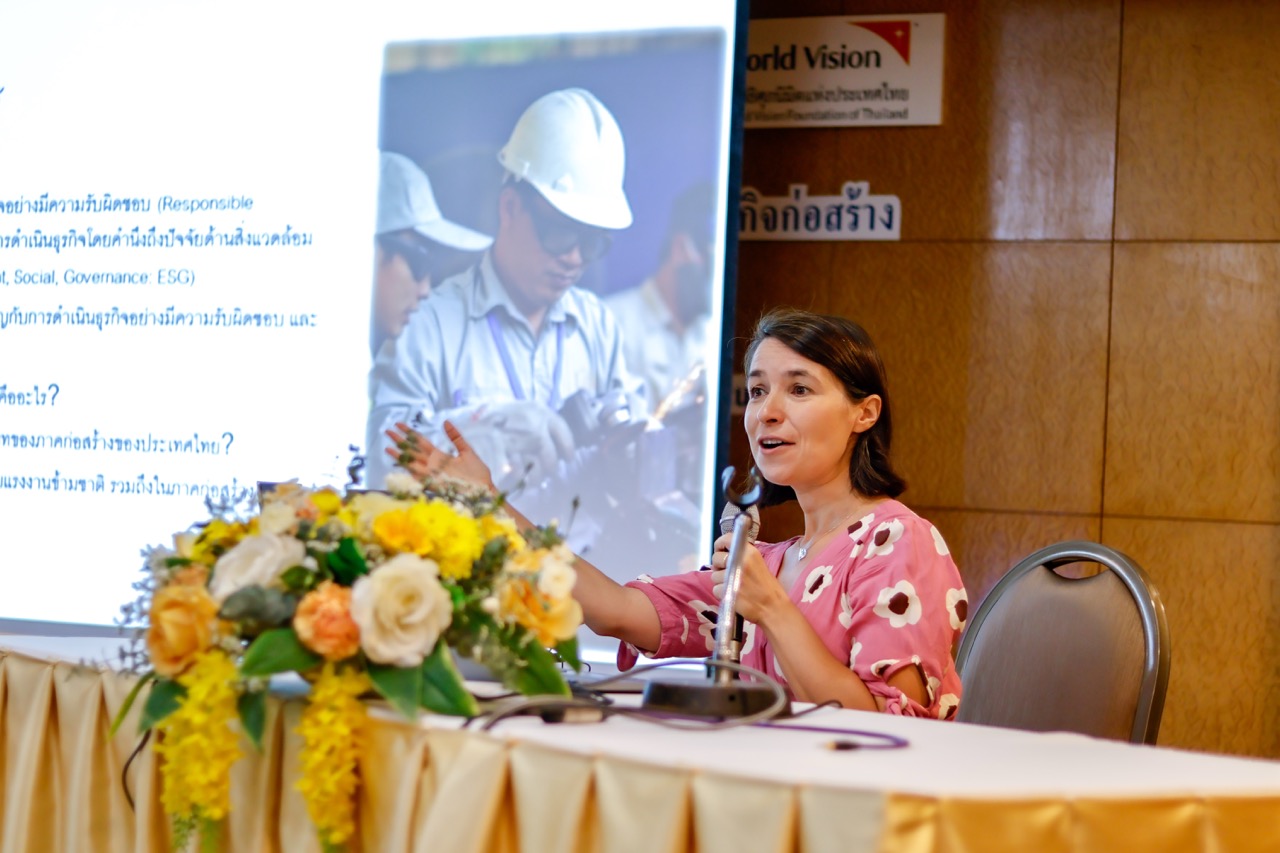
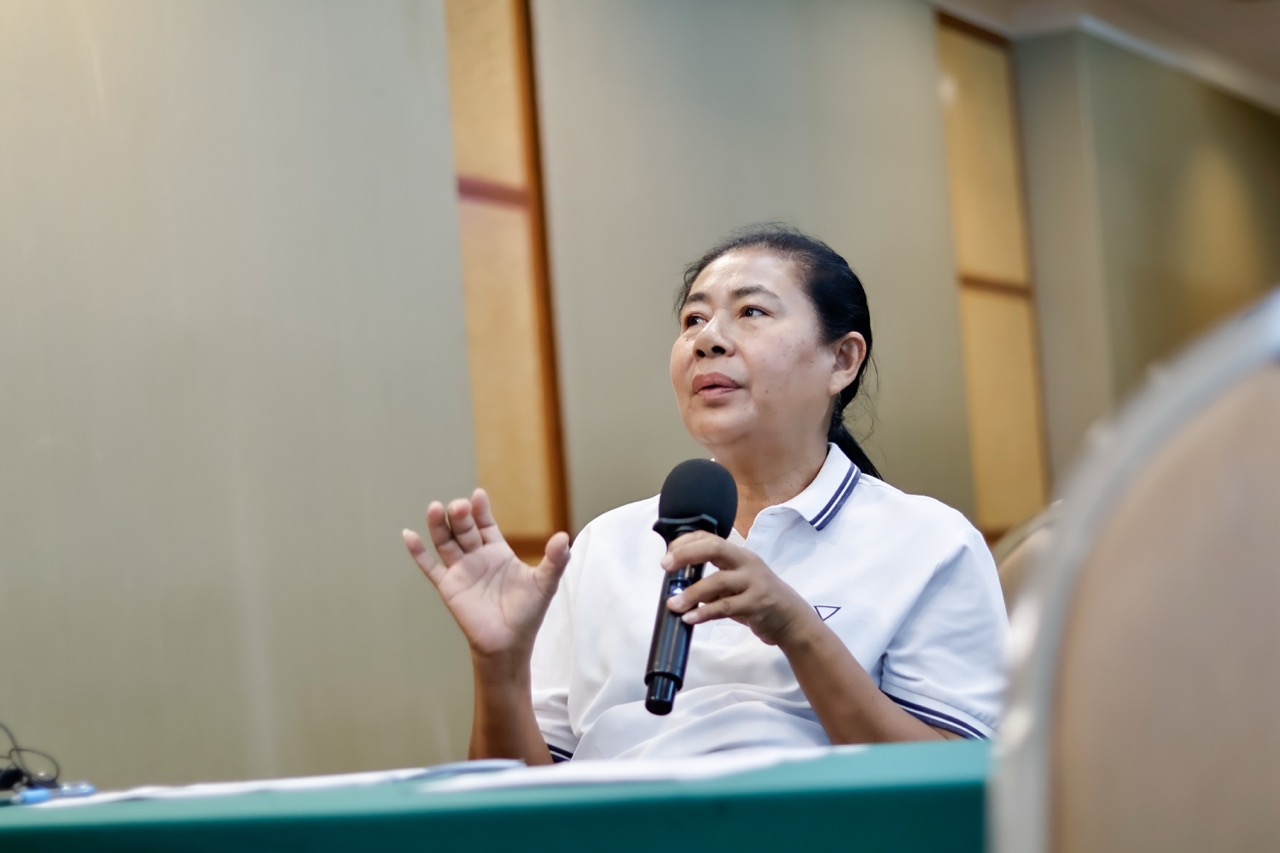
Ms Sophia Kagan, Chief Technical Adviser at the International Labour Organization (ILO), began by explaining that decent work is not merely about having a job, but includes stability, safety, fair income, social protection, and the right to organise and negotiate. Fair recruitment, she explained, is a transparent recruitment process that does not charge workers fees and respects human rights from the outset. Sophia emphasised a message that participants found especially memorable: in today’s world, labour standards matter more than ever. Companies that fail to adapt risk losing both investment opportunities and credibility.
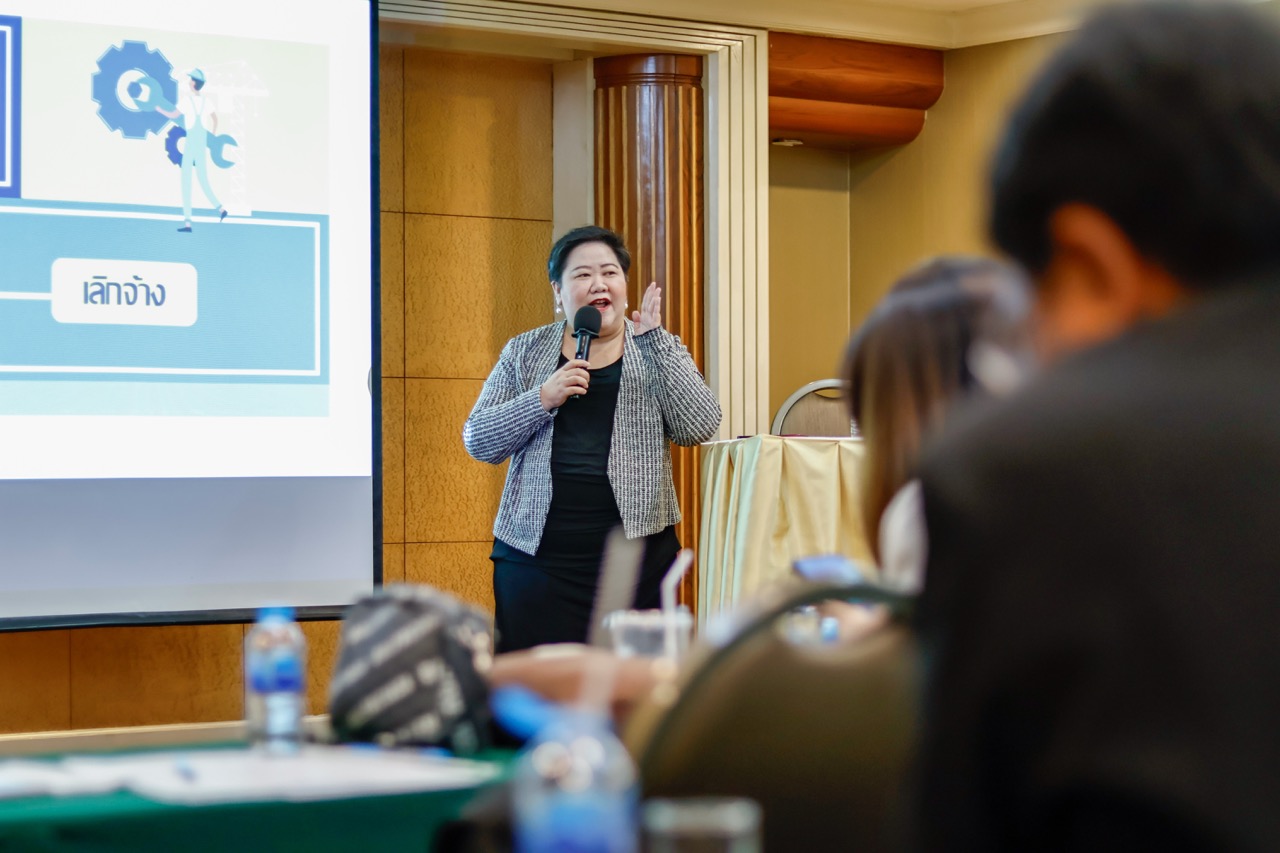
Ms Nareelak Phaechaiyaphum, Director of the Rights and Liberties Protection Department, Division of International Human Rights, Ministry of Justice, presented the National Action Plan on Business and Human Rights (NAP) Phase 2 (2023–2027). The plan requires businesses to respect human rights across the entire supply chain—not only within their direct operations, but also at every level of contracting.
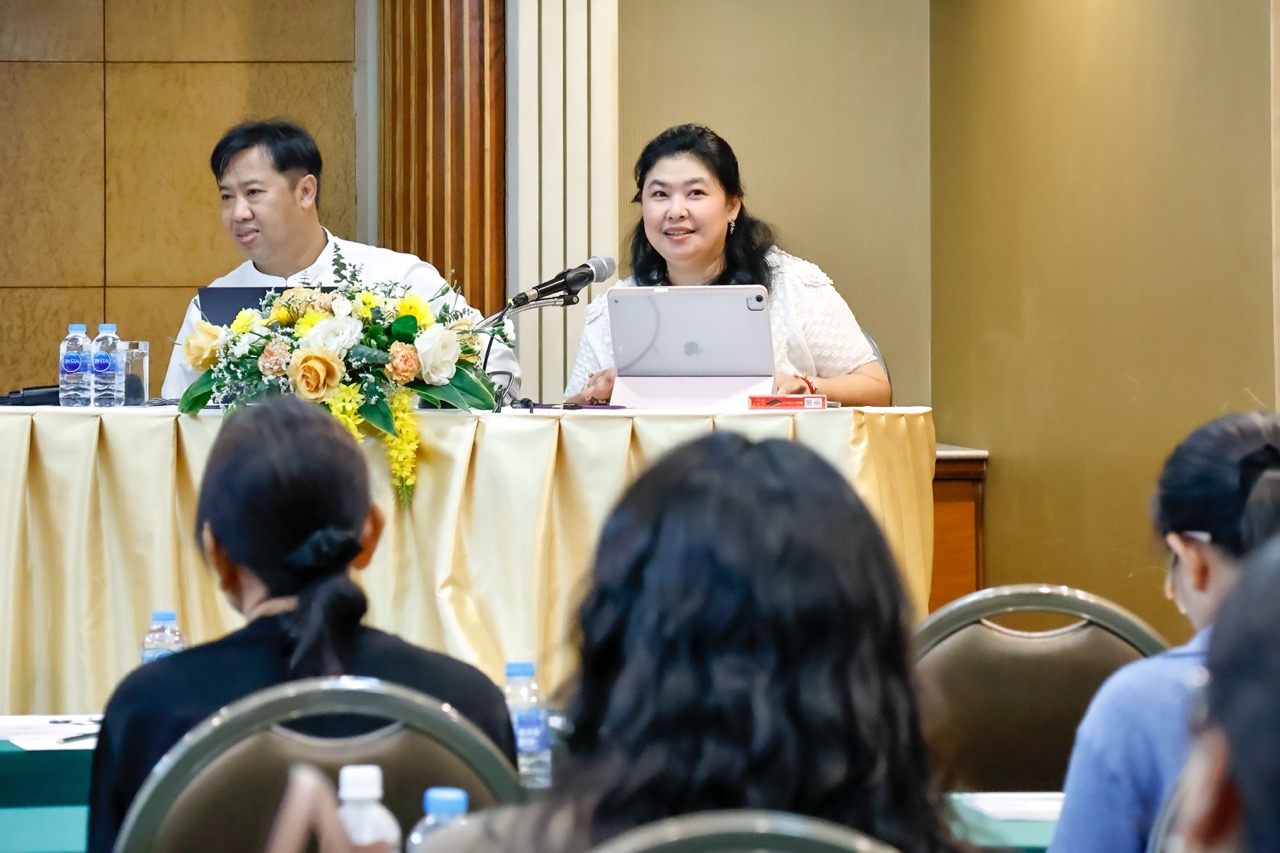
In the final session, Mr Adisorn Kerdmongkol, Coordinator of the Migrant Working Group (MWG), and Ms Nilubon Pongpayom, representative of the White Employer project, shared real field experiences. They provided good practise on fair recruitment and effective management of migrant workforce, and introduced participants to the White Employer project, which offers consultation and support for employers seeking to operate lawfully and responsibly.
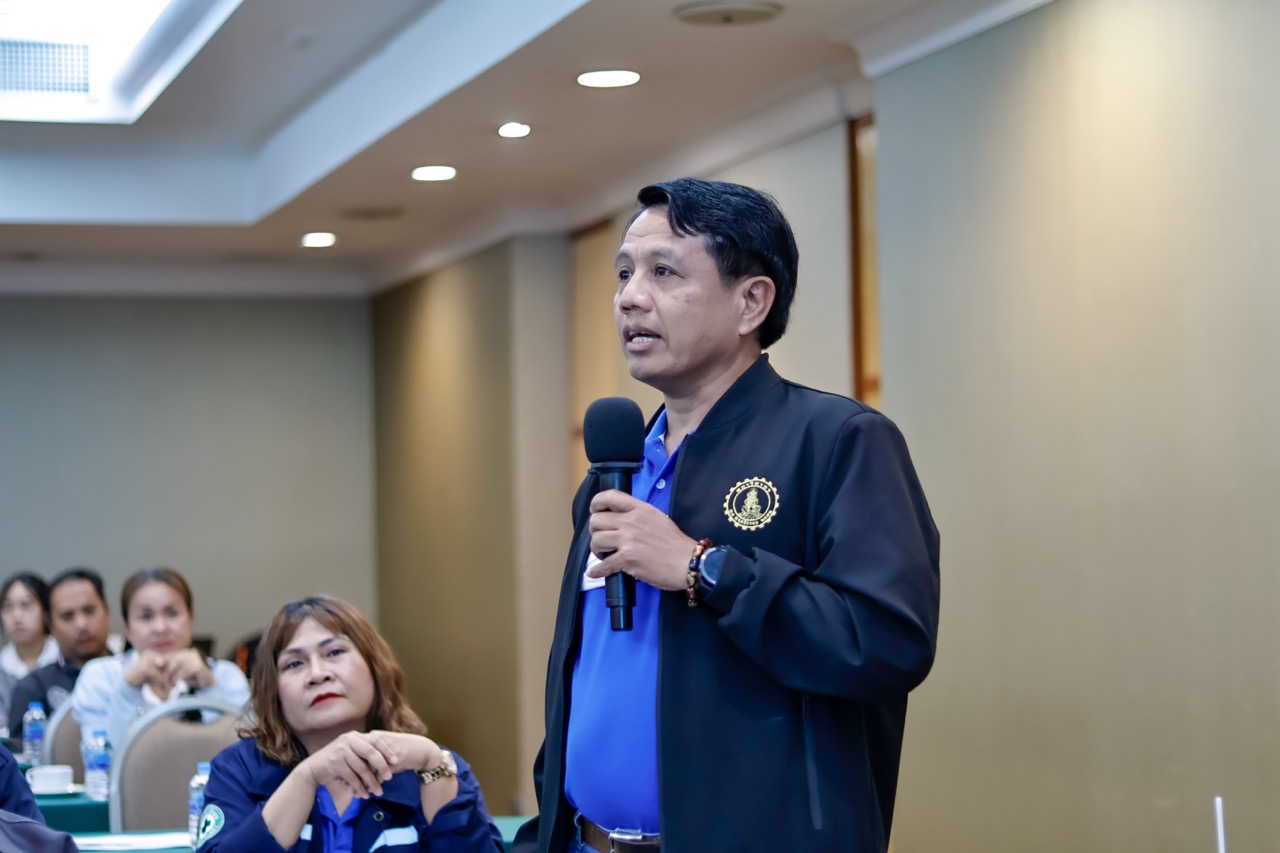
One of the clearest illustrations of why this training is necessary came from a participating contractor. Jaratthorn, or Ae, from Baan Jongsiri Trader Company, who oversees around 20 migrant workers, shared the problems she faces daily. The issues, she said, do not stem from the workers, but from the system: “In the past, we could handle everything ourselves. But now everything has moved to the e‑Work Permit system, which is still unstable. When we call for help, they keep transferring us. No one explains how the process actually works.”
As a result, she is forced to hire a service provider, paying several thousand baht per worker just to process simple notifications of moving in or out, not including other expenses: “For five workers, it already costs over ten thousand baht—an unnecessary expense if the system worked properly and if we had proper guidance.” The session also allowed her to ask questions directly and understand the system better. Beyond that, she gained knowledge about required documents and confidence regarding her rights: “I learnt that we have the right to ask officials for their ID or documents when they come to inspect—politely, following procedures. Now I understand my boundaries and rights much more.” She added that what she hopes to see in future sessions is comprehensive guidance on all labour‑related documentation: “If the paperwork is correct from the start, most problems wouldn’t occur.”
Chakkarin, or Chak, Project Manager at Mr.Faifataidin Company, reflected a broader concern. His company operates in high‑risk areas, and new workers often cannot be enrolled in required insurance schemes immediately—creating a risk that no agency helps resolve: “In the past, when more than a hundred workers on our site were inspected each month, we had to manage everything ourselves. There was no mentor to guide us at all.”
What makes this project especially meaningful is Sansiri’s role as a leading real estate company that chooses to look deeper into its supply chain—going beyond the care of its own employees alone.
Sansiri’s collaboration with World Vision Foundation of Thailand under the SAFER Work project reflects the deep understanding of Sansiri that genuine sustainability begins with the workers who form the backbone of the construction industry. As Chak stated: “Quality work depends on workers, who are at the heart of everything. Training like this is essential and invaluable.”
Ae concluded with heartfelt thanks: “Thank you so much. I learnt a lot—I never knew that the White Employer project existed or that anyone offered this kind of support for employers and workers. This training is truly valuable. The takeaways are worth the time invested.”
The SAFER Work project serves as a reminder that sustainable change is possible. Sansiri demonstrates that leading businesses do more than build houses—they help build fairness for everyone behind each construction site. At the same time, World Vision Foundation of Thailand continues to uphold our core ministry in protecting the dignity and rights of the most vulnerable. Because a better world begins when everyone is treated equally and with respect.