For many people, the image of child-focused development work may involve providing scholarships, organizing activities, or supporting families facing hardship. Yet behind these outcomes are many dedicated individuals who spend their time in communities—listening, learning, and walking alongside local people every step of the way.
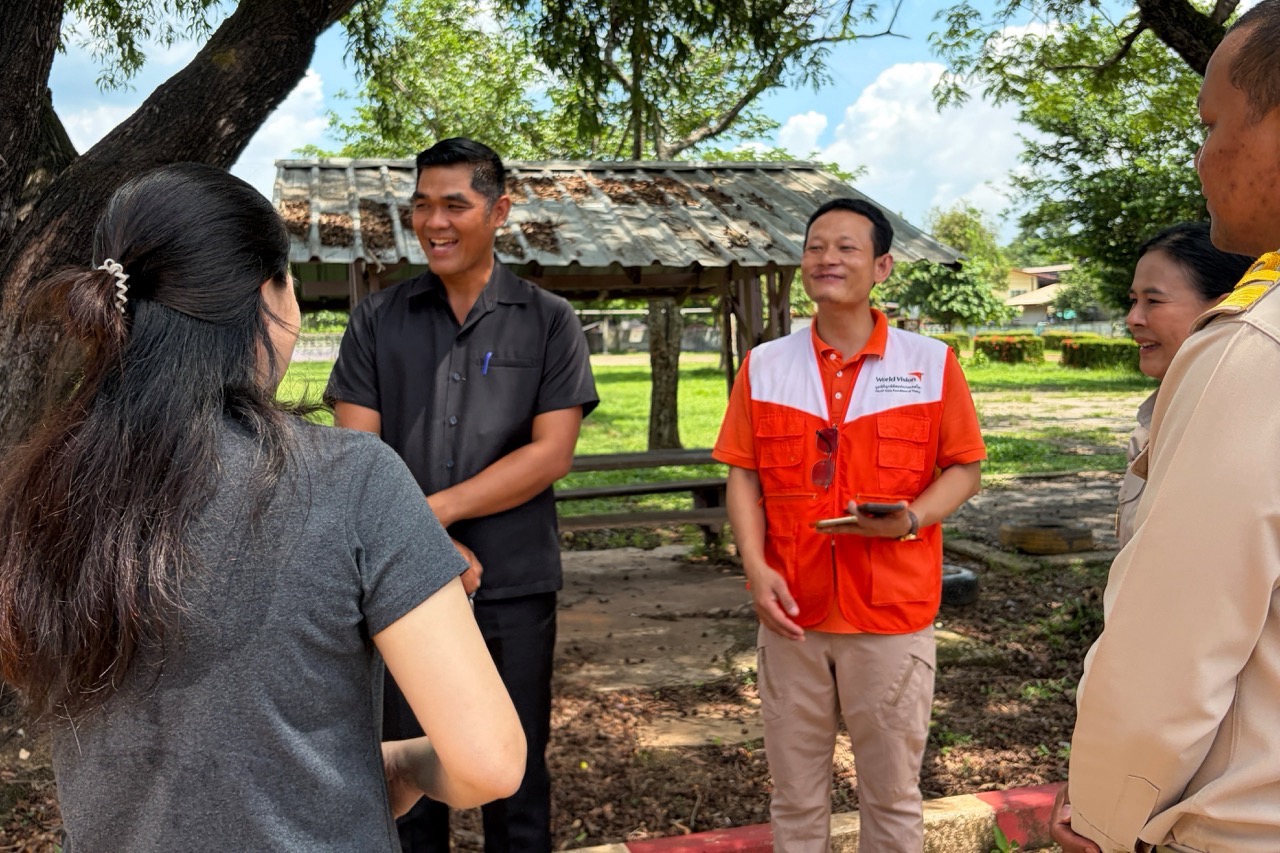
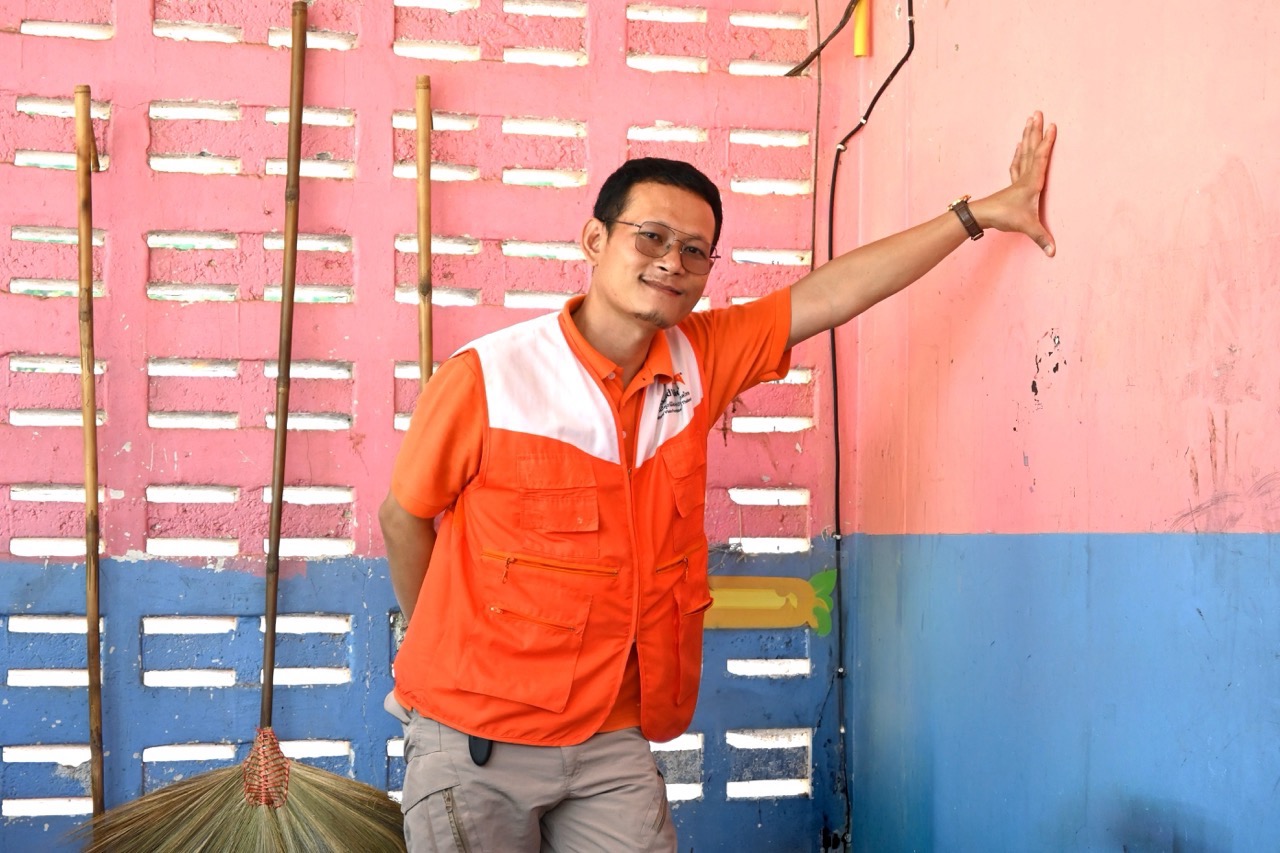
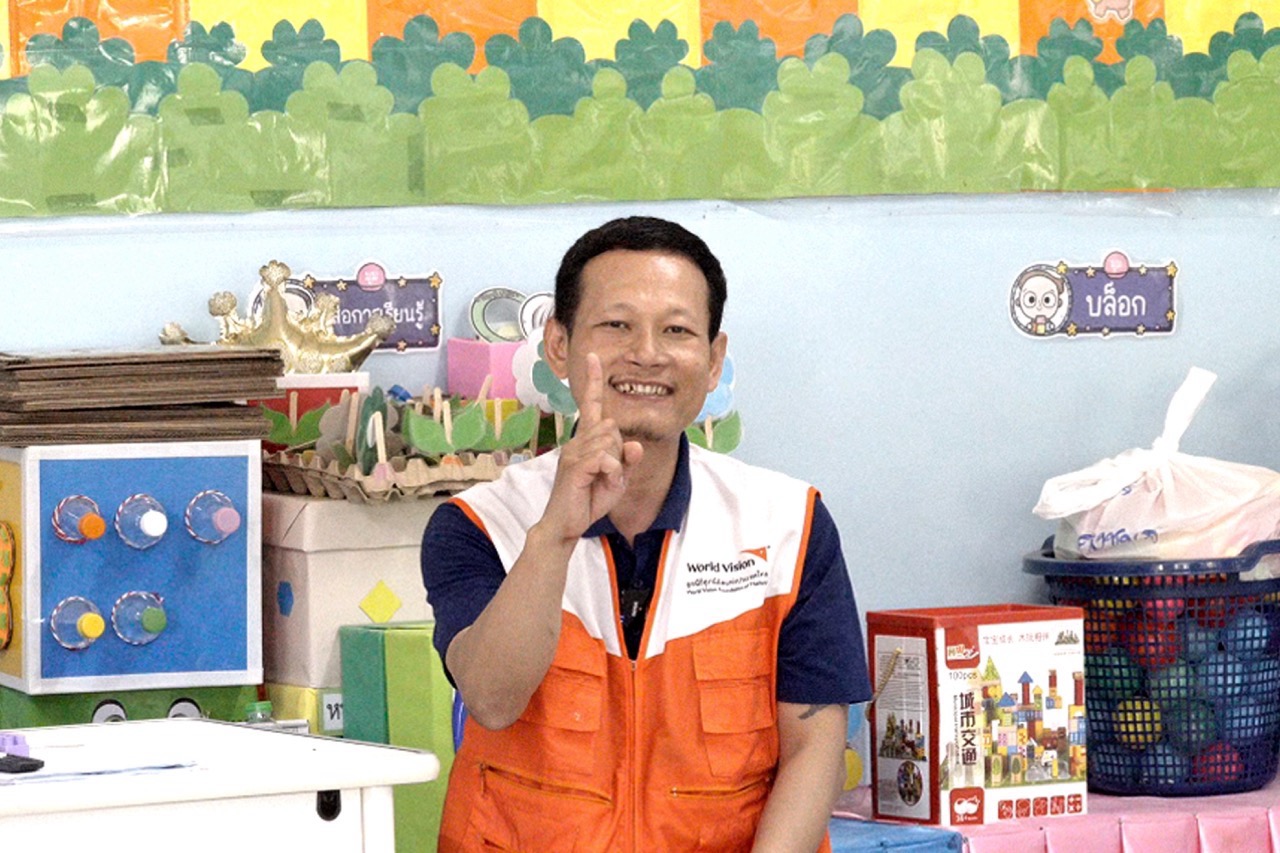
One of them is Winai Singthong, affectionately known as P’Nai, a staff member of World Vision Foundation of Thailand working in Bueng Khong Long District, Bueng Kan Province. He has spent many years working closely with children, families, and communities.
Drawing on his experience in the field, P’Nai says that the greatest challenge is not limited budgets, difficult travel conditions, or working beyond office hours. Rather, it is about changing mindsets within the community.
In reality, development projects do not remain in a community forever. Whether they last 5, 10, or 15 years, there will eventually come a day when the organization must hand responsibility back to the community. If local people see everything that happens as merely external assistance, then when the project ends, progress may stop as well.
This has led P’Nai to continually ask himself throughout his work: ‘How can we ensure that what we build will continue to exist, even after World Vision is no longer here?’
The answer he found is helping community members feel that these initiatives truly belong to them.
“I always try to help the community feel that this belongs to them—not to World Vision Thailand.”
This simple statement reflects the very heart of World Vision’s approach. Sustainable development is not achieved merely by implementing projects. It comes from fostering participation until people in the community feel a sense of ownership and are ready to carry forward what they have built together.
Of course, a process like this cannot happen overnight. Every community has its own context, way of life, and perspectives. Development workers must therefore invest time in building trust, listening carefully, and learning alongside community members.
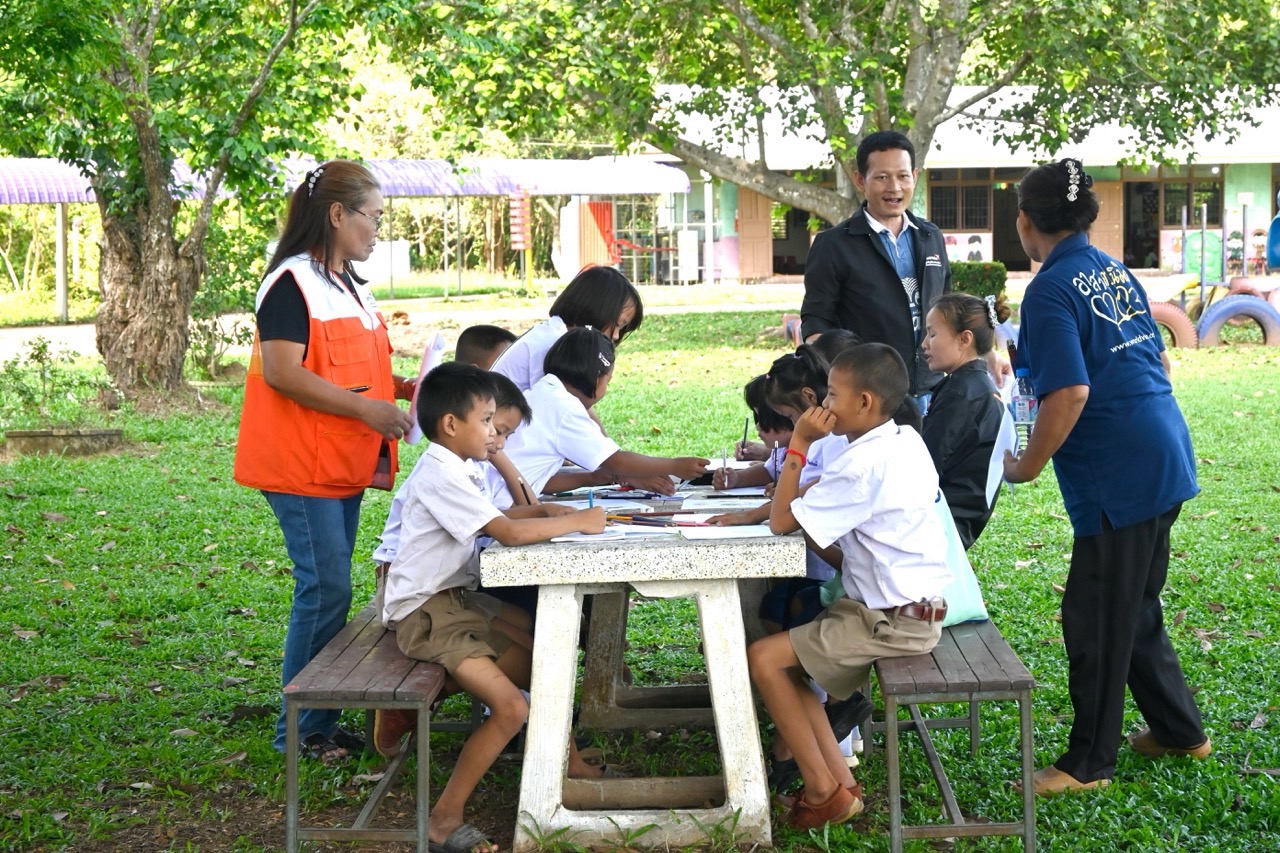
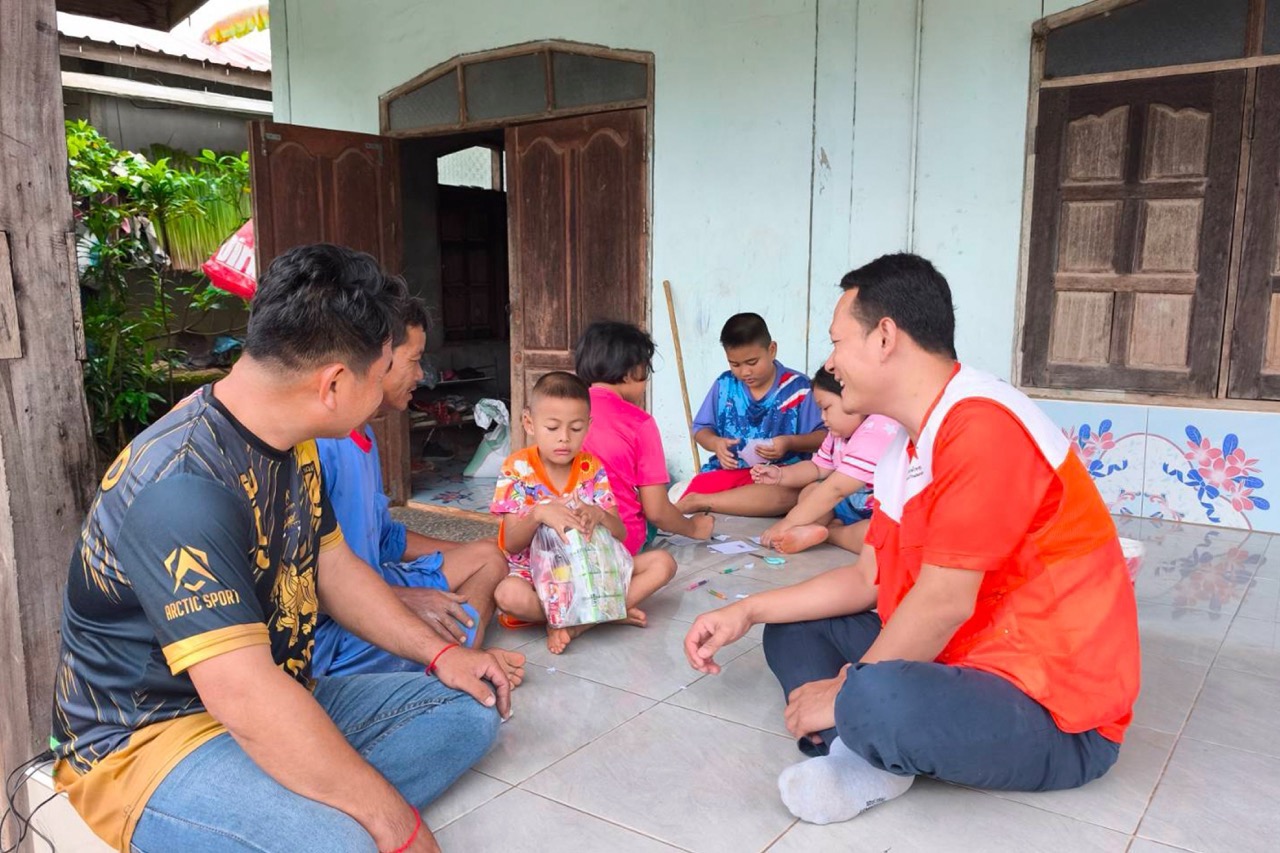
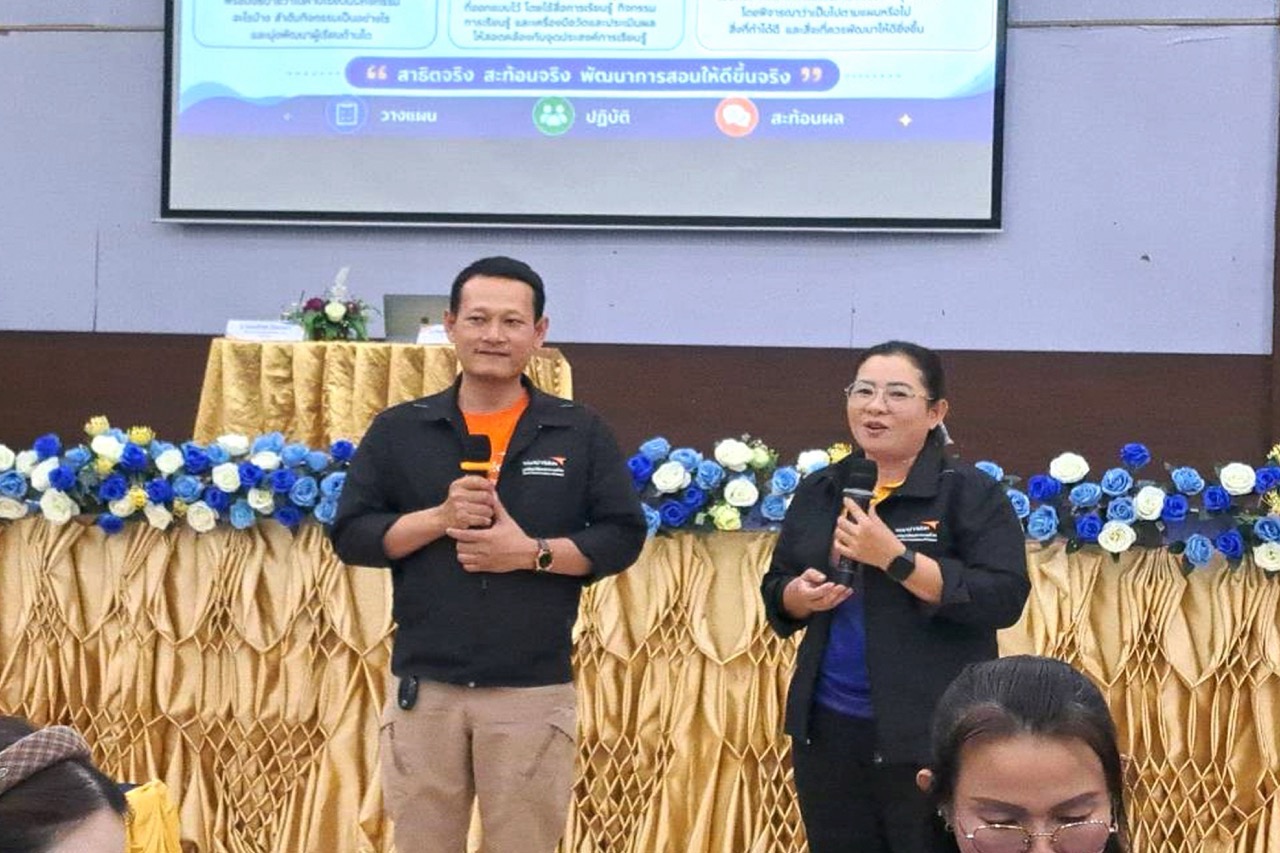
“Some issues take years before villagers open up, or before they believe that we are not here simply to run a project and leave. We are here to genuinely work alongside them. Building relationships and trust is the starting point of everything. Some days, we do not organize any activities at all. Instead, we spend time talking with parents, attending meetings with community leaders, or visiting families. Understanding people is at the heart of community work,” P’Nai explained.
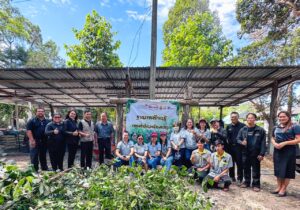
In addition to working directly with children, World Vision Foundation of Thailand collaborates with parents, schools, local government organizations, child and family service agencies, and various community partners. This is because we believe that child development cannot happen by working with children alone; it requires strengthening the entire environment surrounding them.
As a result, success is measured not only by the number of activities conducted or the number of participants involved, but also by the real and lasting changes taking place in people’s lives.
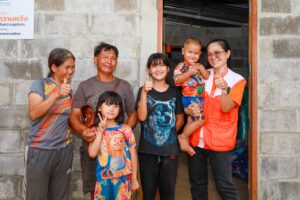
For P’Nai, one of his greatest sources of pride is seeing initiatives that were started together continue long after the initial project period has passed. Many programs have been taken over by community members themselves, who now manage and further develop them independently.
Moreover, whenever World Vision returns to seek support—whether to organize events, invite guest speakers, or coordinate various activities—the community continues to respond willingly. The relationships built over many years have not only fostered cooperation but have also grown into deep-rooted trust within the community.
Another image that always leaves a lasting impression on P’Nai is seeing children grow up and succeed.
As a field officer, he has known many children since they were young. He has watched them participate in activities, learn new skills, and develop their potential over time. Then one day, they return with good news.
“I’ve graduated.”
“I’m a teacher now.”
“I’m working as a nurse.”
Although these may seem like simple statements, for someone working in the field, they are among the most meaningful rewards.
P’Nai shared that some children still keep their portfolios and certificates from activities they participated in with World Vision. Some have used them to apply for further education or jobs. These may appear to be small things, but they reflect how the experiences gained during one chapter of life continue to hold value and inspire them even today.
Every time he hears that a child has graduated, secured a stable career, or is using his or her talents to contribute to society, P’Nai feels as though many dreams are being fulfilled at once—the dreams of the child, the family, the sponsors, and the people working in the community.
These stories are therefore more than project outcomes. They reflect the role of World Vision Foundation of Thailand as an organization working holistically alongside children, families, and communities—from promoting health, nutrition, and education, to developing life skills, strengthening child protection, and empowering families and communities to become self-reliant in the long term.
Looking back, P’Nai believes that the transformation in a child’s life, or the growth of an entire community, is never the result of one individual’s efforts alone. It is the product of cooperation among everyone who shares the same journey.
And this is what World Vision Foundation of Thailand has remained committed to throughout more than 50 years of service in Thailand—not simply helping children today, but building strong foundations so that children, families, and communities can move forward through their own potential and enjoy a better quality of life for generations to come.