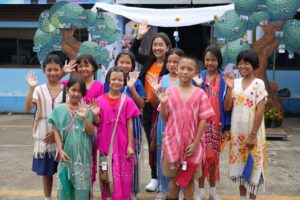
Amid the context of rural communities, where people’s way of life is closely tied to agricultural seasons, many parents are compelled to seek work outside their hometowns once the planting season ends, leaving their children in the care of grandparents. The generational gap and time constraints gradually become a silent barrier between the ‘love’ that exists and the ‘understanding’ that is never fully expressed.
Many children, therefore, grow up feeling isolated, even while living within their families.
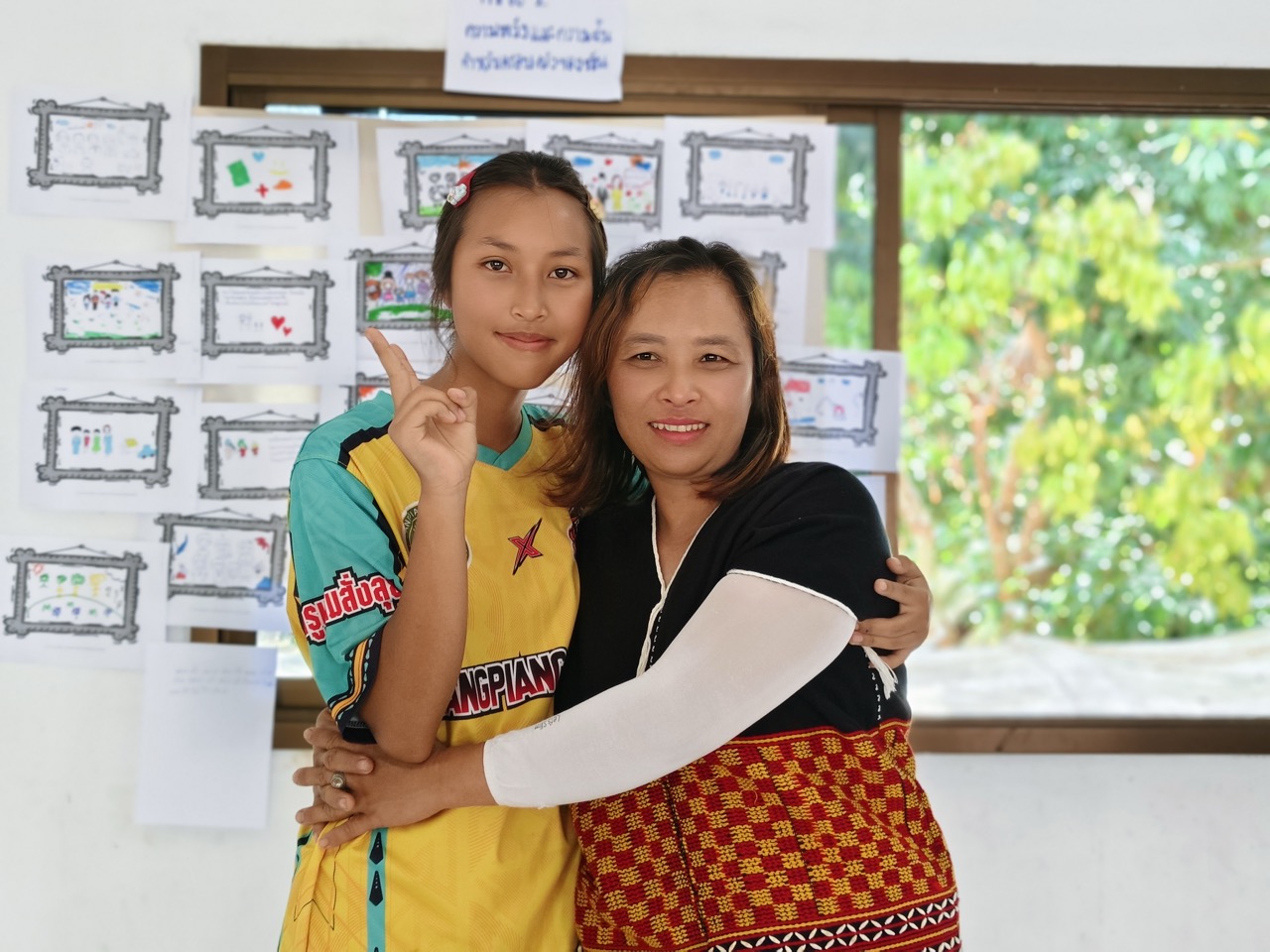
“I feel like I have no one to rely on,” said Ms. Duangkamon, or “Pakwan,” a 15-year-old girl whose voice reflects the lives of many others. She did not dare to share her problems, had no safe space for consultation, and lacked confidence in living her life.
Starting from ‘Listening’ toward Shared Transformation
World Vision Foundation of Thailand clearly recognizes these challenges and firmly believes that
‘building strong families is the foundation of sustainable child development.’ Change, therefore, begins with the ‘community.’ Meetings are held with community leaders and volunteers to jointly analyze local issues, identify vulnerable families, and design activities that respond to real-life needs.
The entire process enables community participation—from curriculum review to implementation.
‘Happy Family’ – The Starting Point of Connection
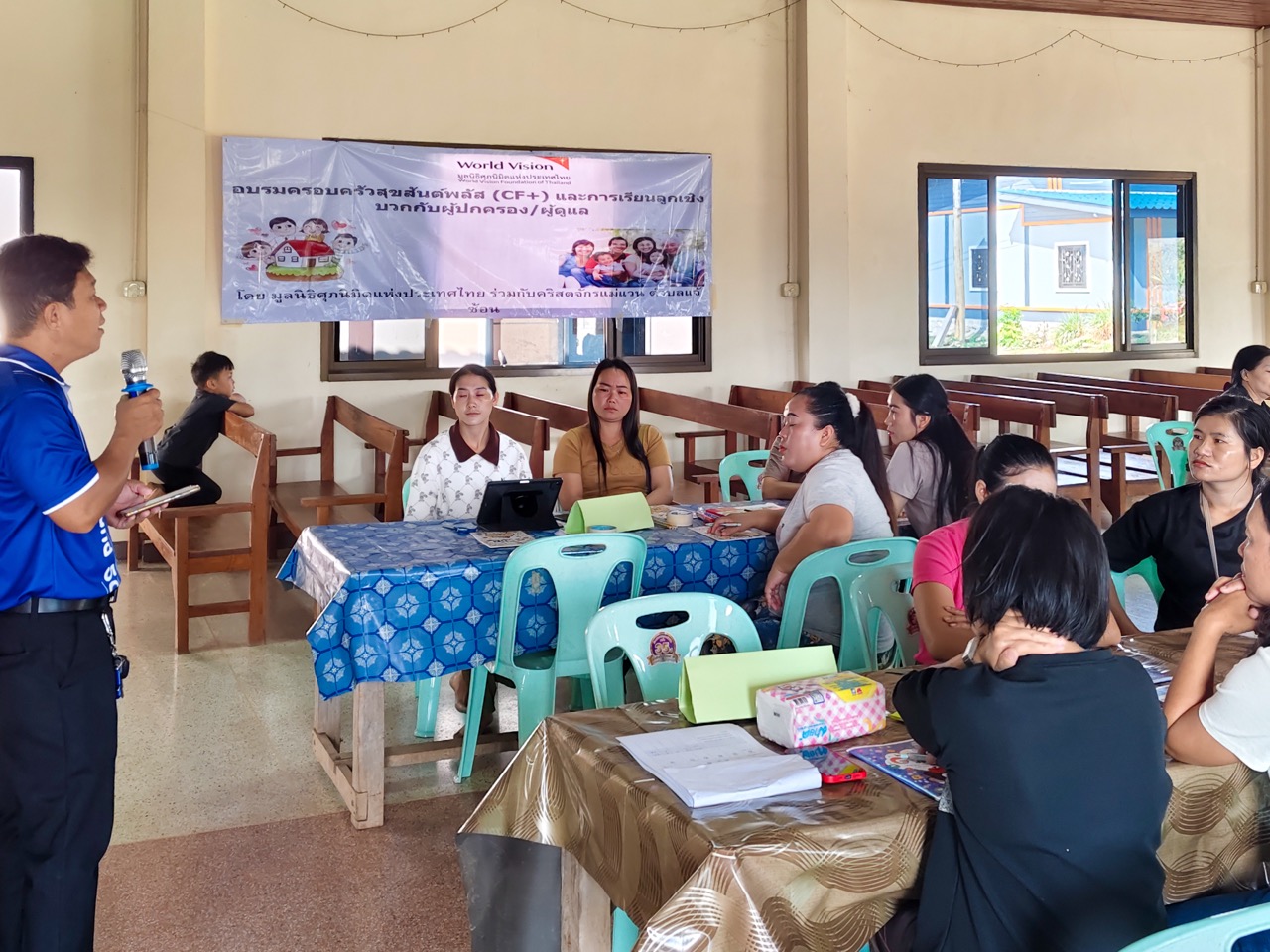
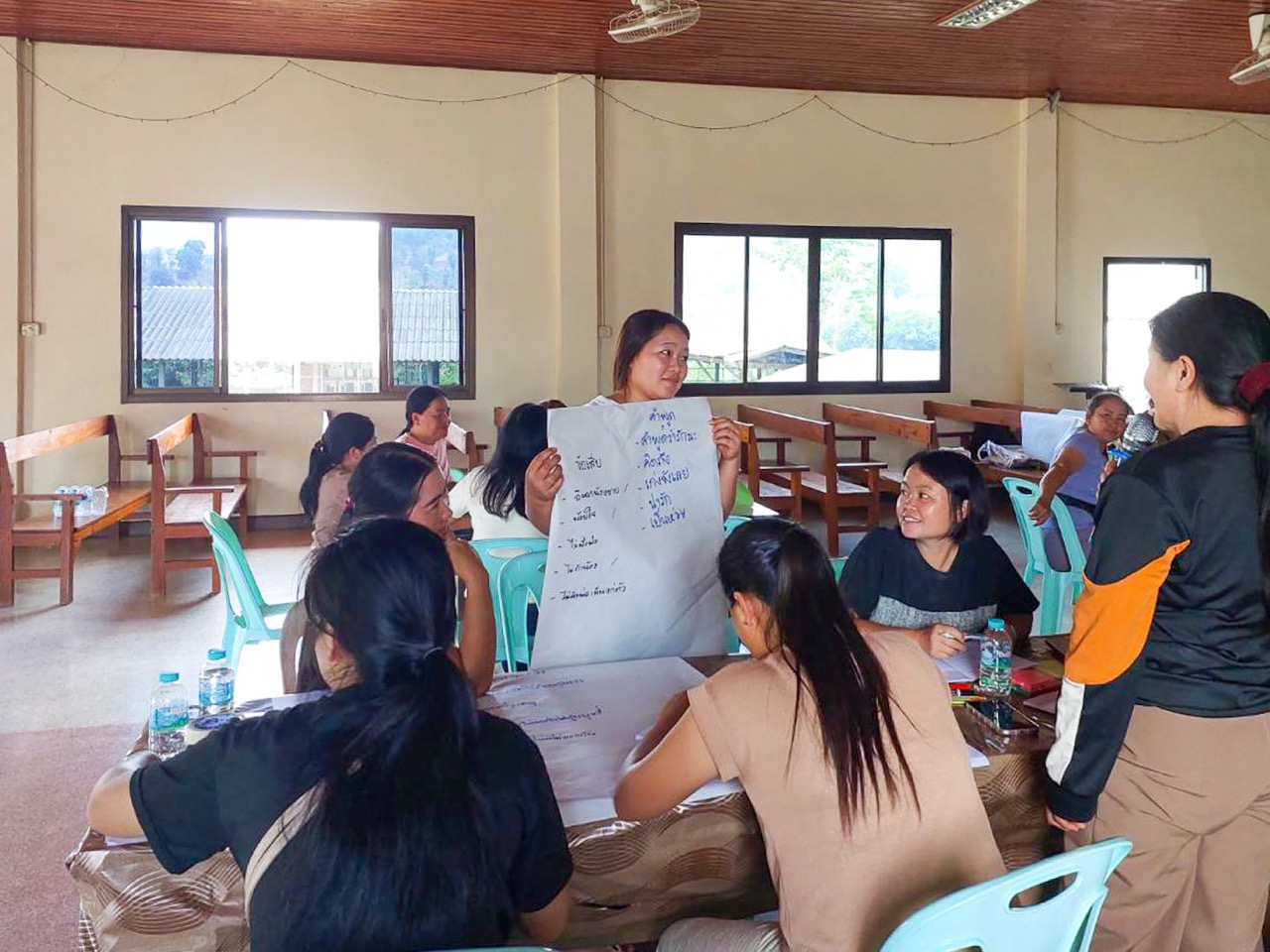
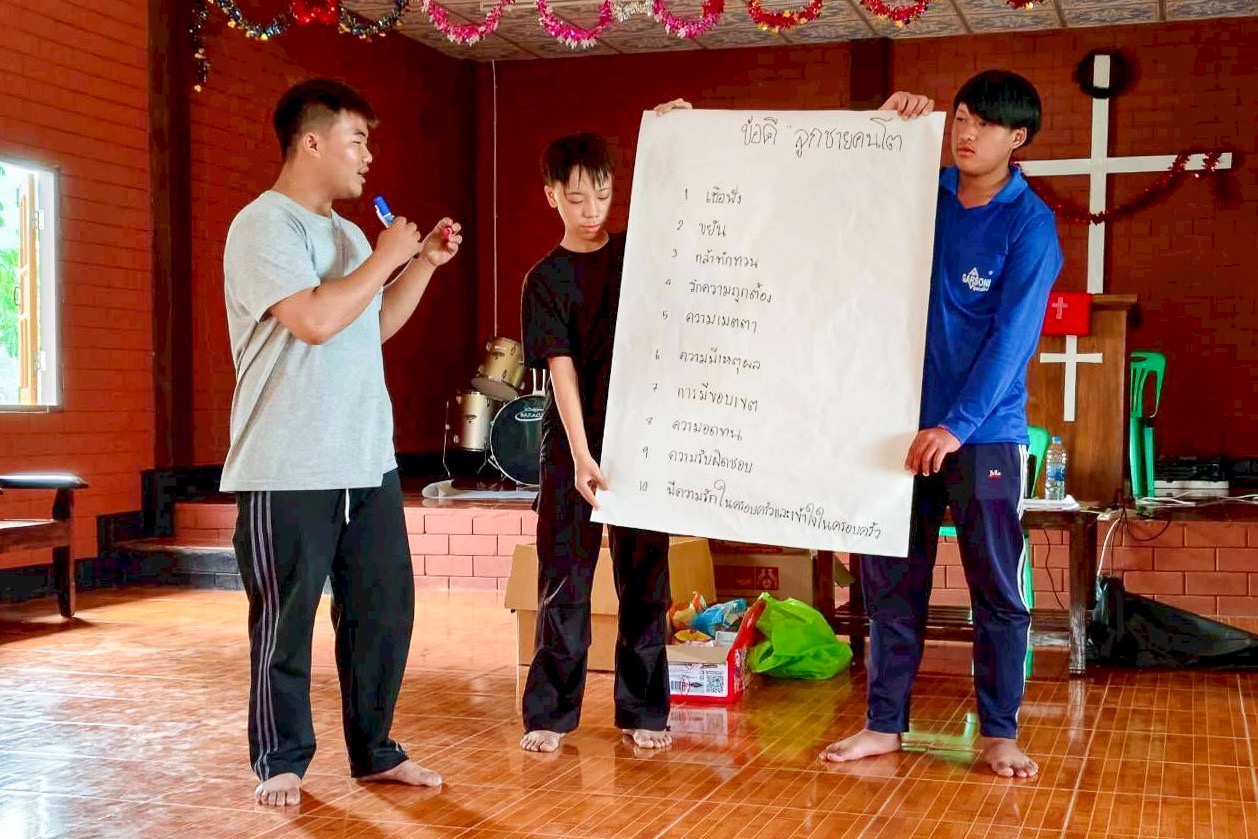
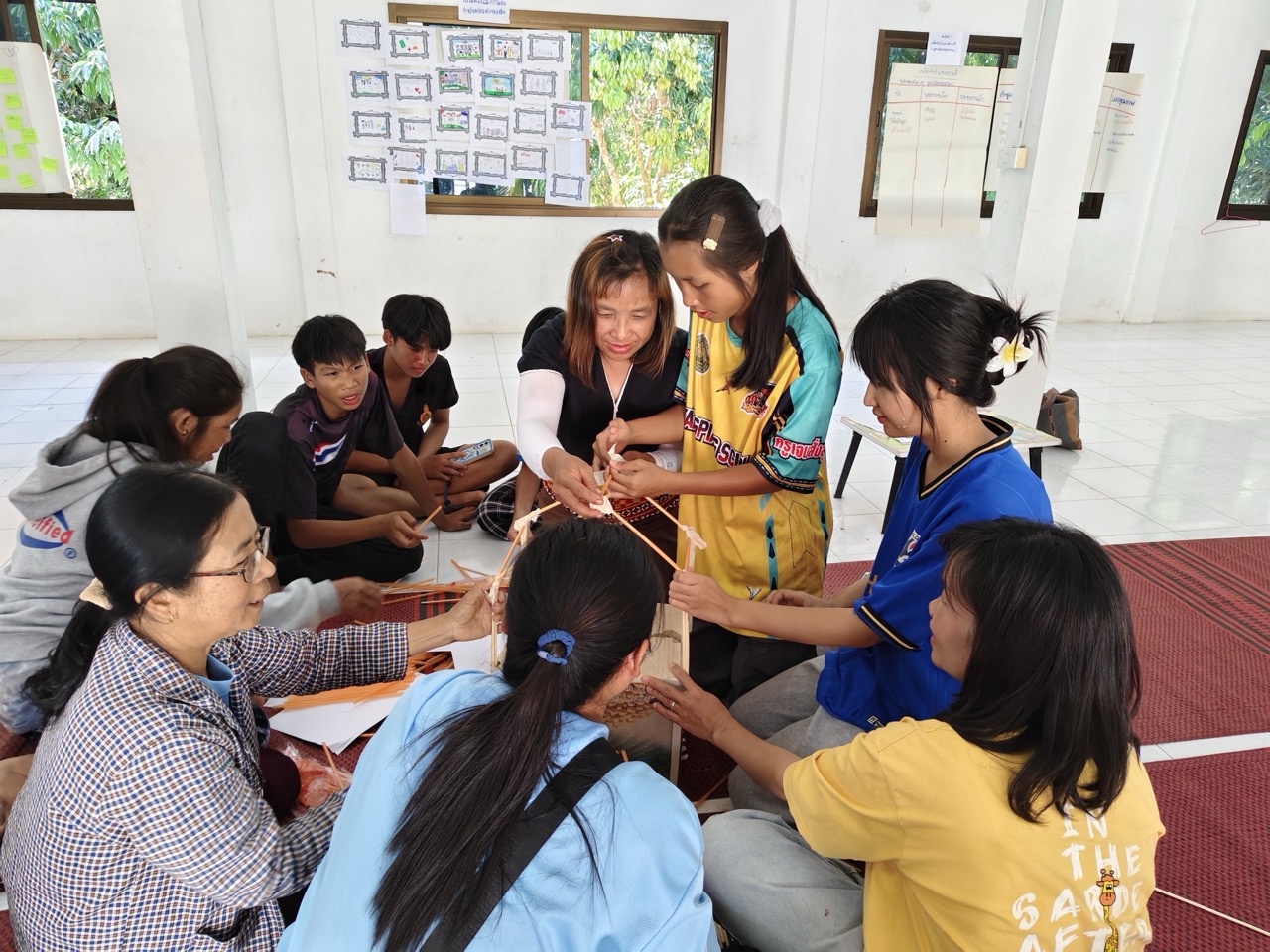
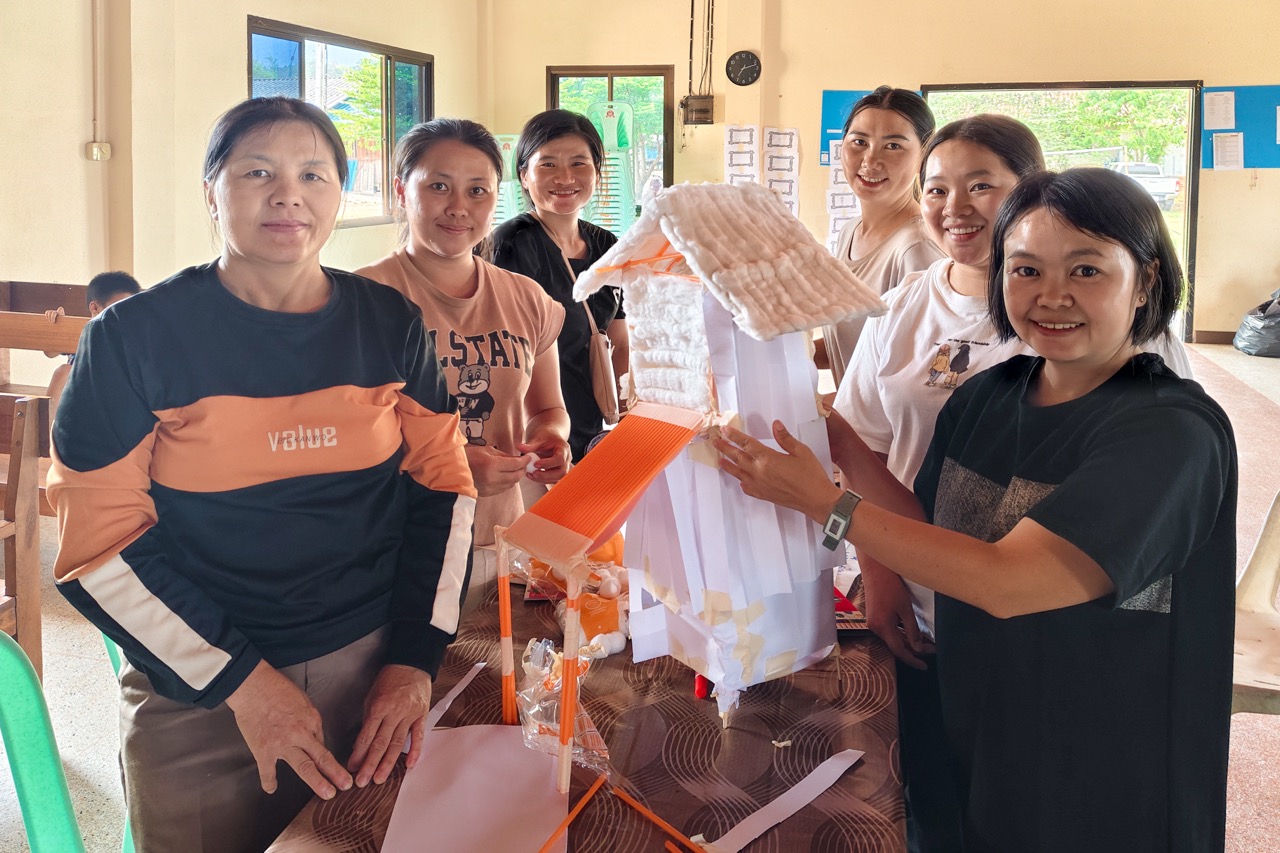
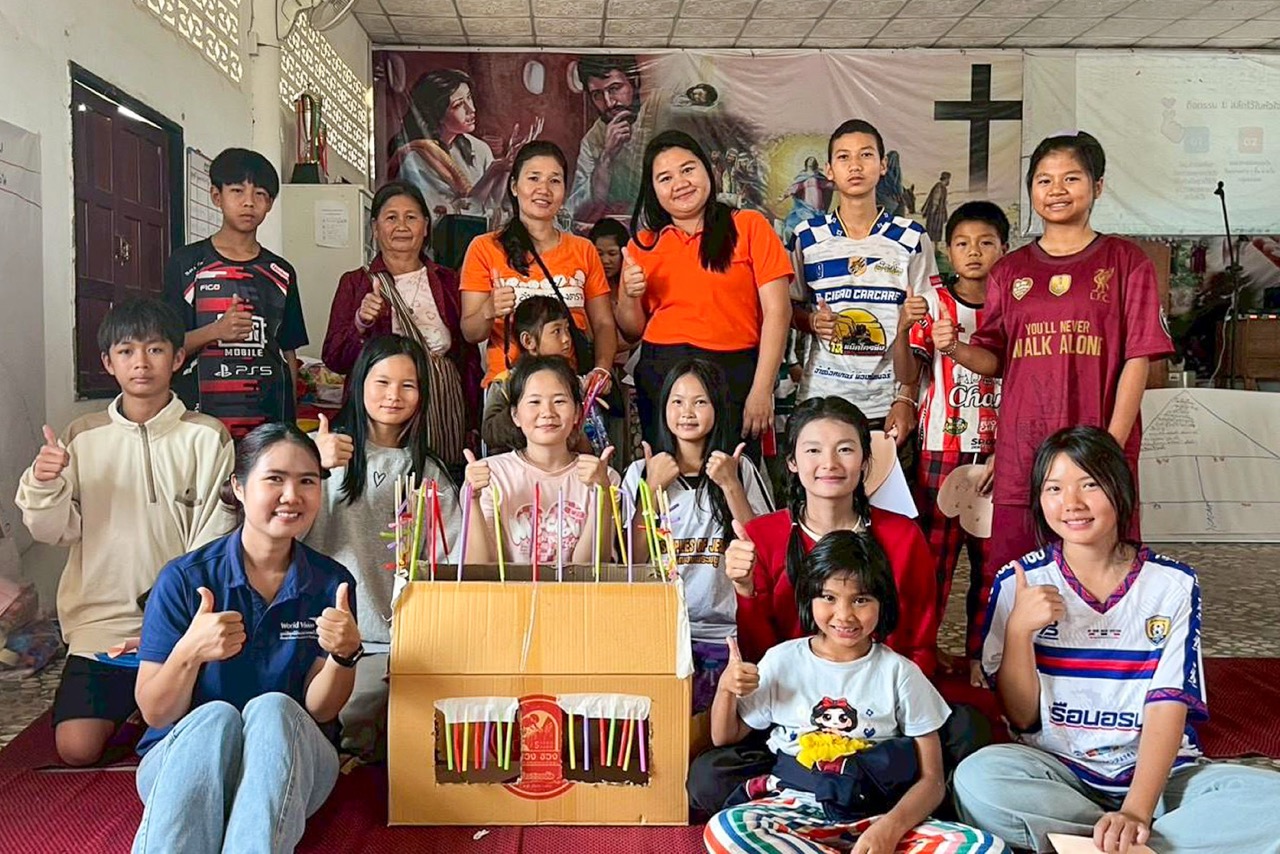
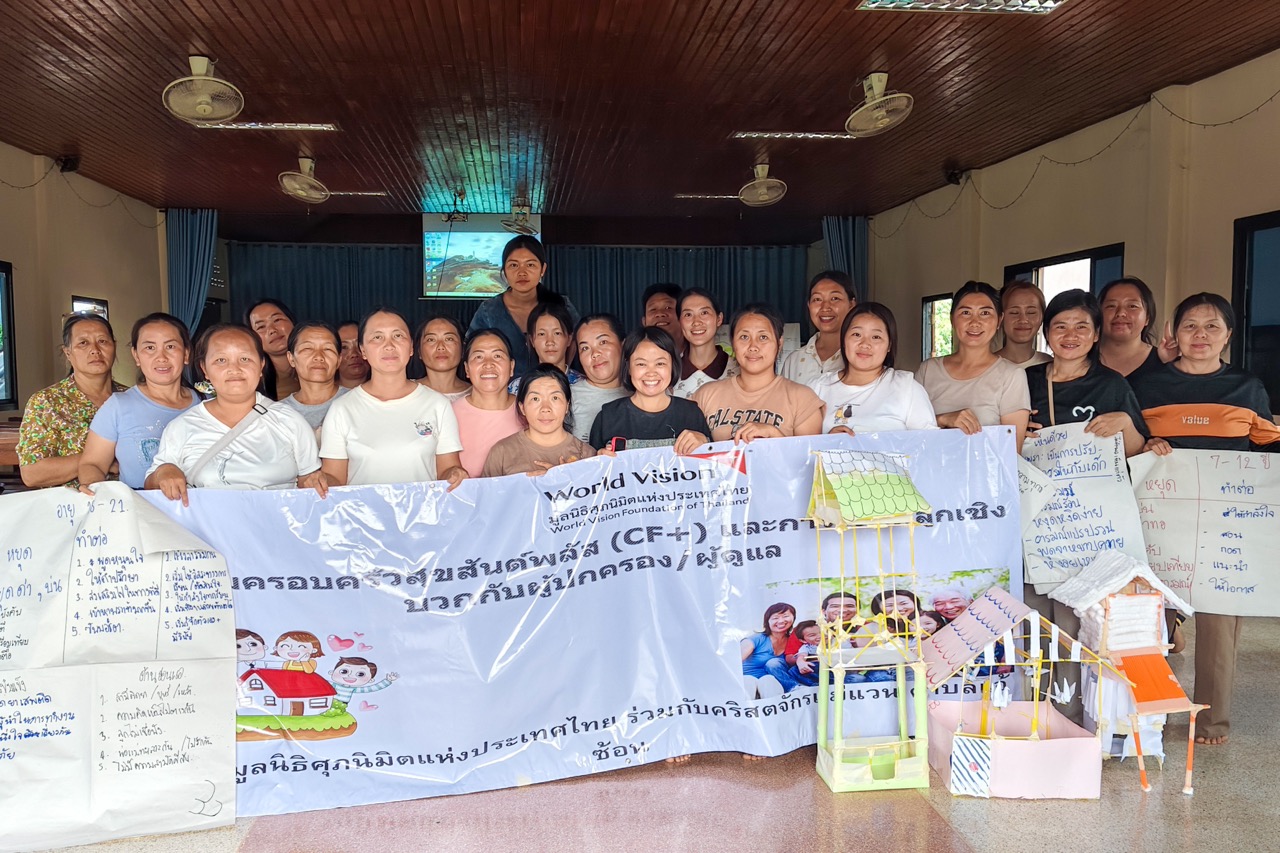
This collaboration led to the organization of training activities under the program ‘Happy Family: A Home of Learning and Child Protection.’ The activities do not focus solely on theoretical learning but emphasize ‘creating shared experiences’ that bring families closer together again—through open conversations, quality time, and learning to understand one another.
Children develop essential skills, including communication and self-expression, critical thinking and problem-solving, emotional management, and relationship-building. Meanwhile, parents learn new roles in caregiving and begin to create a ‘safe space’ for their children.
A Small Opportunity that Changes One Life
For Pakwan, this activity became a ‘turning point.’ She had the chance to speak, express herself, and understand herself better. Most importantly, she spent meaningful time with her family.
“I feel much more confident now,” she said. From a quiet child who was afraid to open up, she began to discover that her voice ‘matters.’
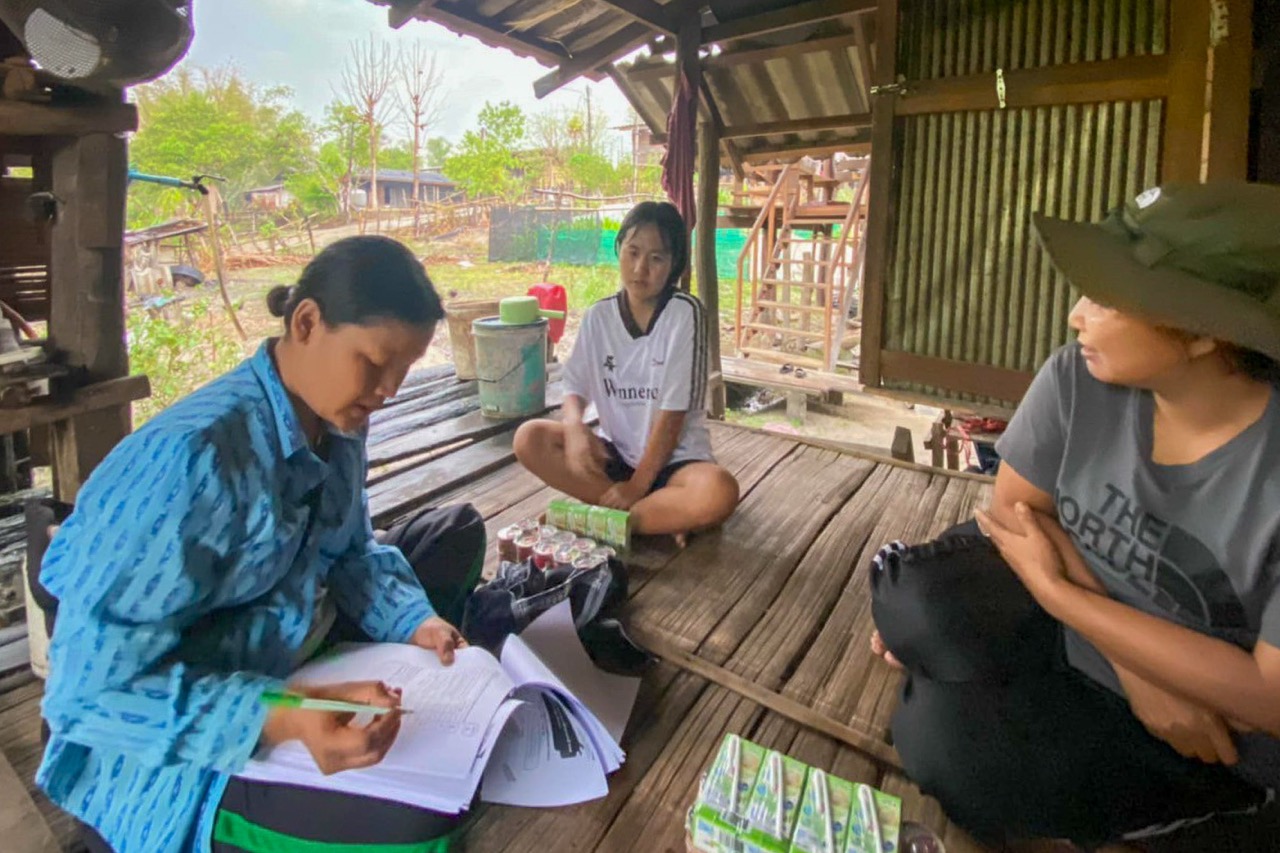
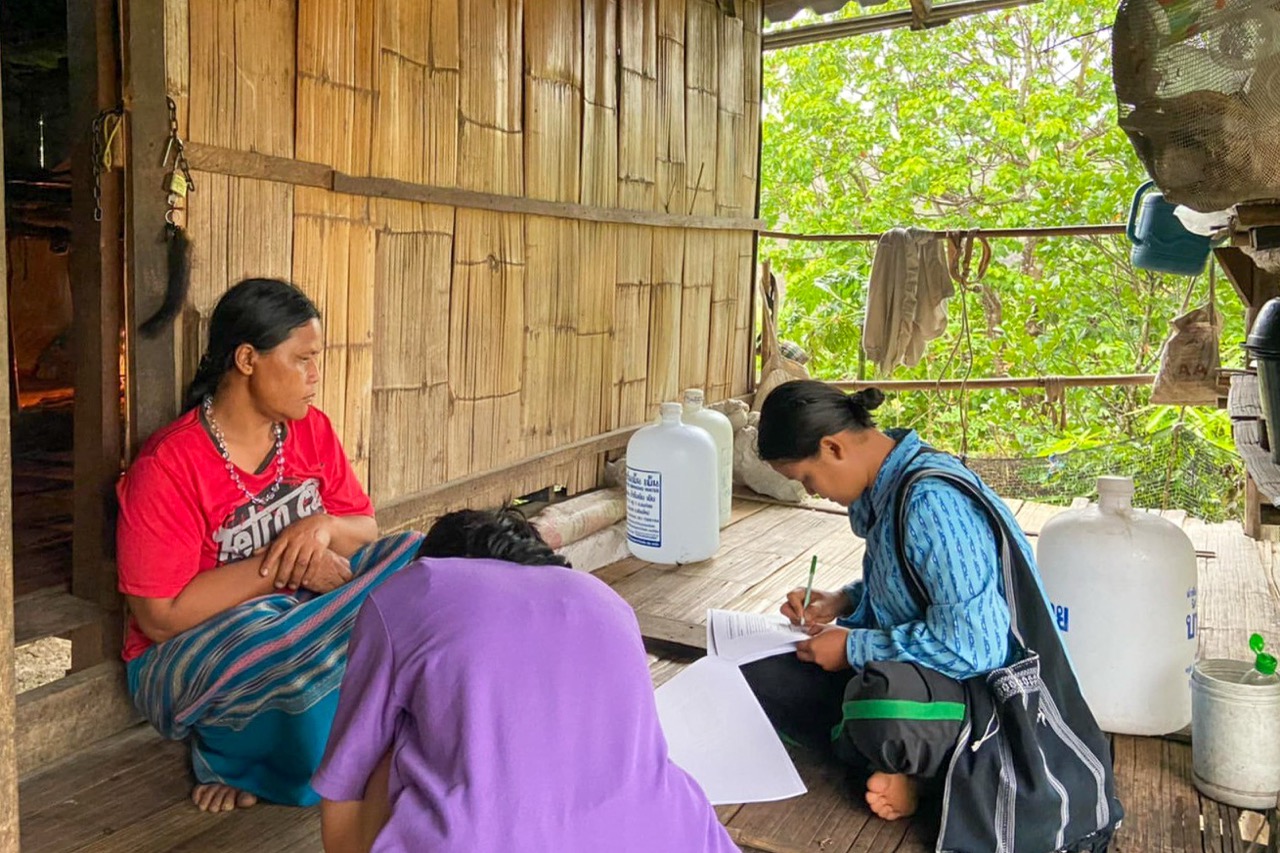
The transformation did not end with the activity. It was reinforced through continuous follow-up. Staff and volunteers visited homes with important tools such as vulnerable family assessments, family activity logs, and child care questionnaires.
These tools help track family development, understand real-life contexts, and plan appropriate support. Learning materials and resources are also provided to encourage continuous family-based learning.
Homes Becoming “Safe Spaces” Again
The results clearly reflect meaningful change.
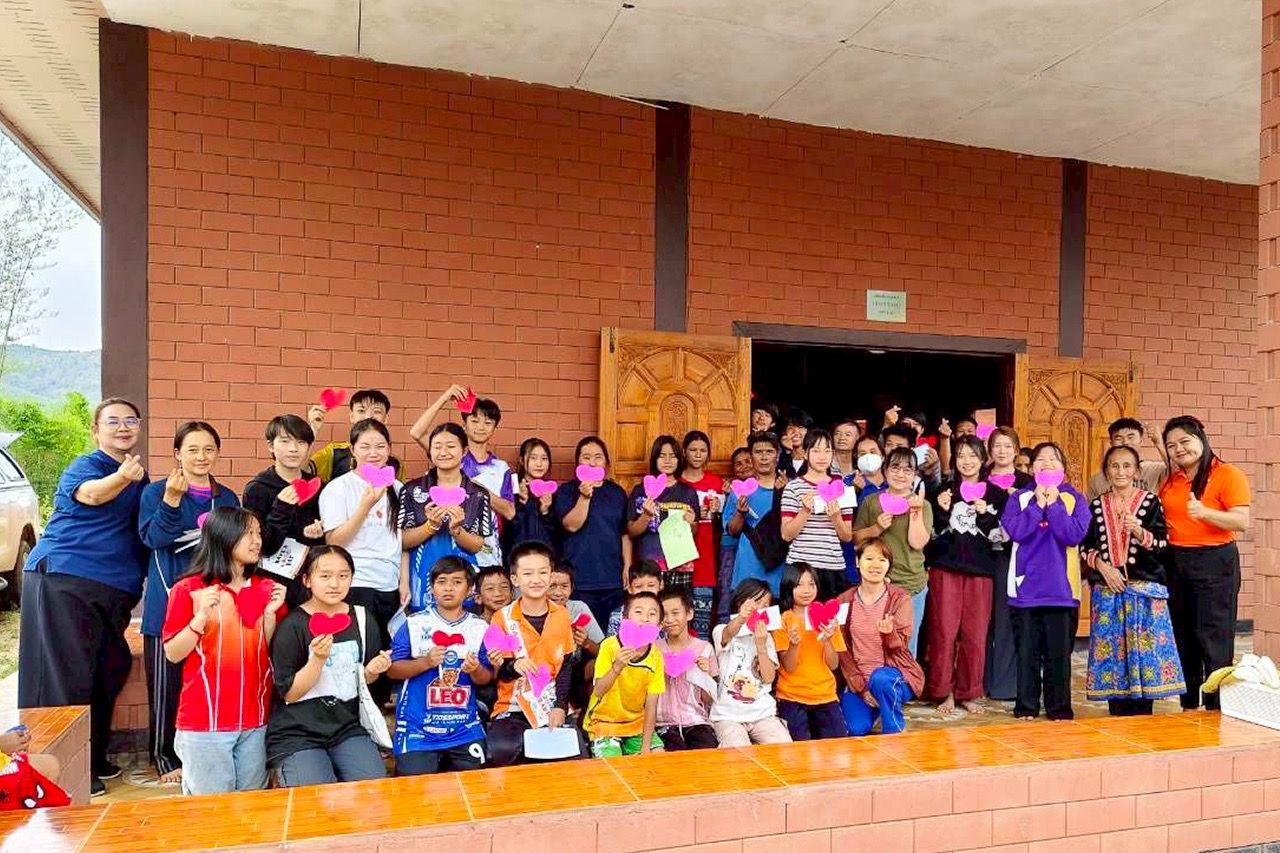
Children have become more confident, more expressive, and more willing to communicate with their families. Parents and caregivers have gained better understanding, spend quality time together, and become more open with one another.
Pakwan shared, “My home has become a safe space where I feel confident that I will be heard.”
A home is no longer just a ‘place to live,’ but a ‘space of love and understanding.’ Pakwan’s story reflects a transformation that began from a small point—from a child who once lacked confidence, feared speaking, and felt isolated, to one who now dares to think, speak, possesses life skills, and sees her own value.
When Communities Rise to Protect Children
The change extends beyond families to the community level. Mechanisms have been established, such as parent home-visit groups, support for learning materials, training for religious leaders, the “Channels of Hope” program, and the establishment of Subdistrict Community Child Protection Centers in four subdistricts. These centers serve as ‘safety networks’ that systematically monitor, prevent, and respond to child protection issues.
The Role of World Vision Foundation of Thailand in Strengthening Families
Recognizing the importance of holistic child development, World Vision Foundation of Thailand integrates the Faith and Development approach with Child Protection initiatives. The goal is to ensure children receive proper care from parents or guardians, alongside support from churches, faith-based organizations, and communities.
This mission focuses on enabling children to:
• See their own self-worth
• Develop faith and positive attitudes toward themselves and others
• Cultivate compassion and a willingness to help others
• Have hope and life goals
In the past year, Faith and Development initiatives have been continuously implemented to strengthen families across development project areas in 32 provinces nationwide. Key activities include the ‘Celebrating Familes’ training, home visits for family support and empowerment, and child protection training under the ‘Channels of Hope’ program.
These efforts have reached 14,092 children, youth, parents, volunteers, and network partners. Among them, 1,933 are children, youth, and parents from vulnerable families. This clearly reflects that child development is not the duty of any one person alone, but requires cooperation from families, communities, faith-based organizations, and mutual care and compassion.
World Vision Foundation of Thailand firmly believes that when families are strong, children will grow with quality. And when children grow with quality, communities will be strong and sustainable in the long term.
Today, many small homes across Thailand are once again becoming spaces of warmth, understanding, and ‘hope’ that continues to grow.