Amidst the challenges of climate change impacting coastal communities globally, ecosystem restoration and building community resilience are increasingly vital efforts that require collaboration across all sectors, especially efforts to create opportunities for children and youth to shape the future of their communities.
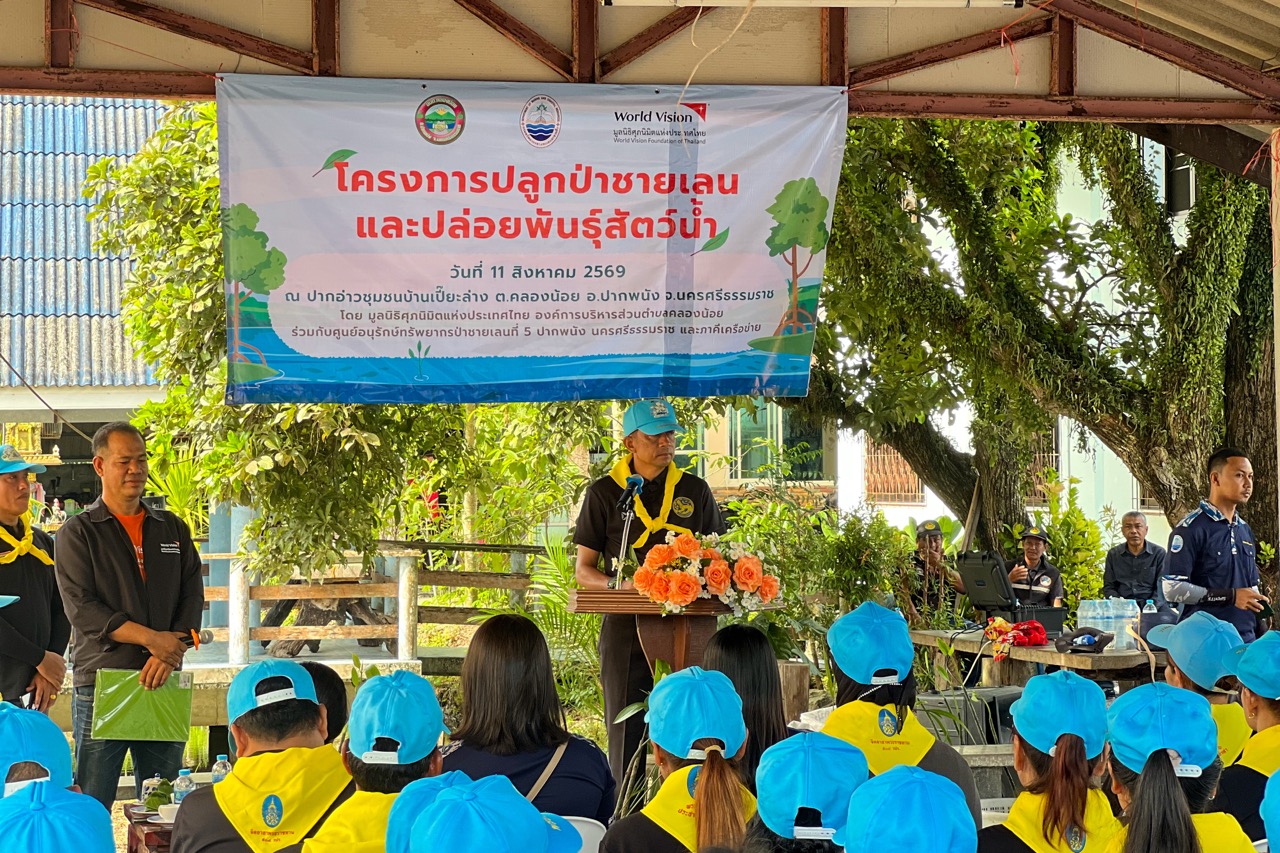
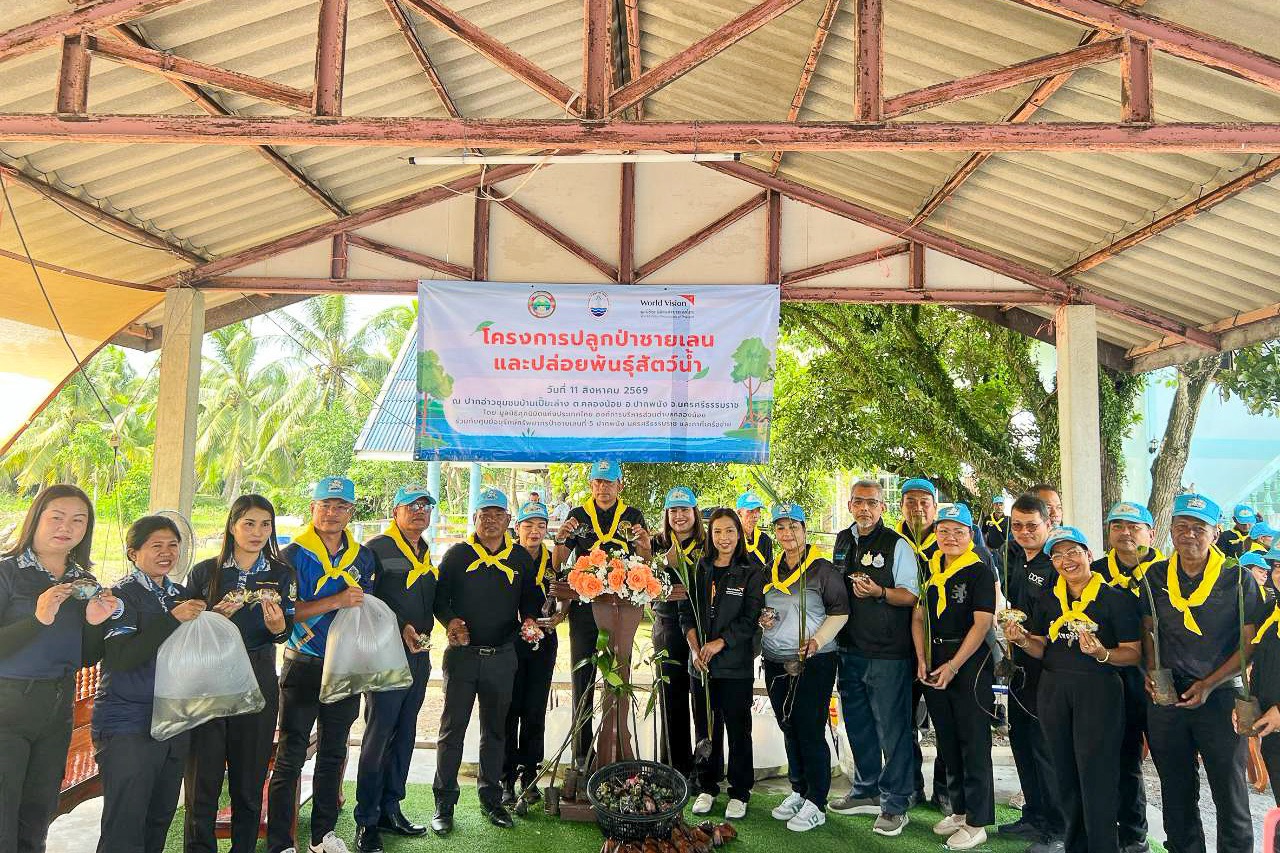
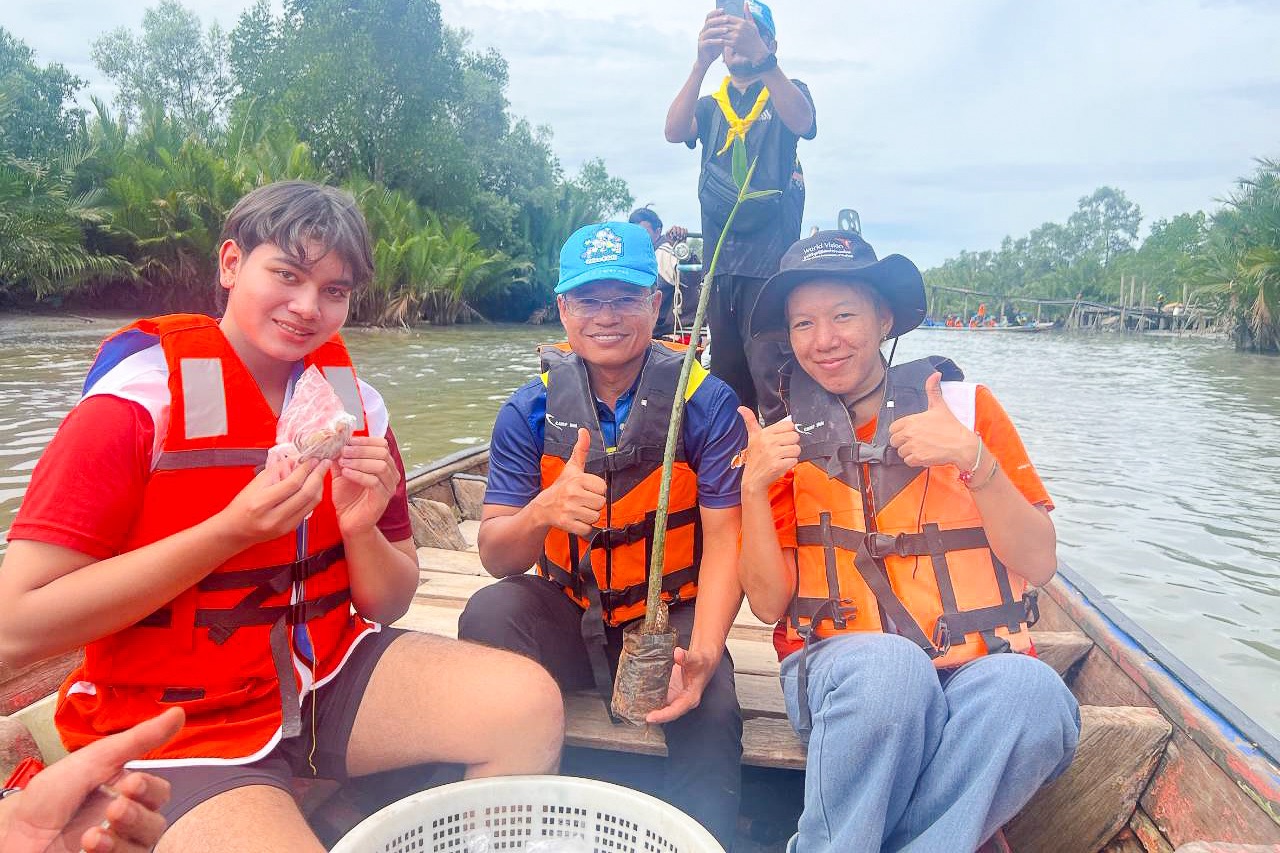
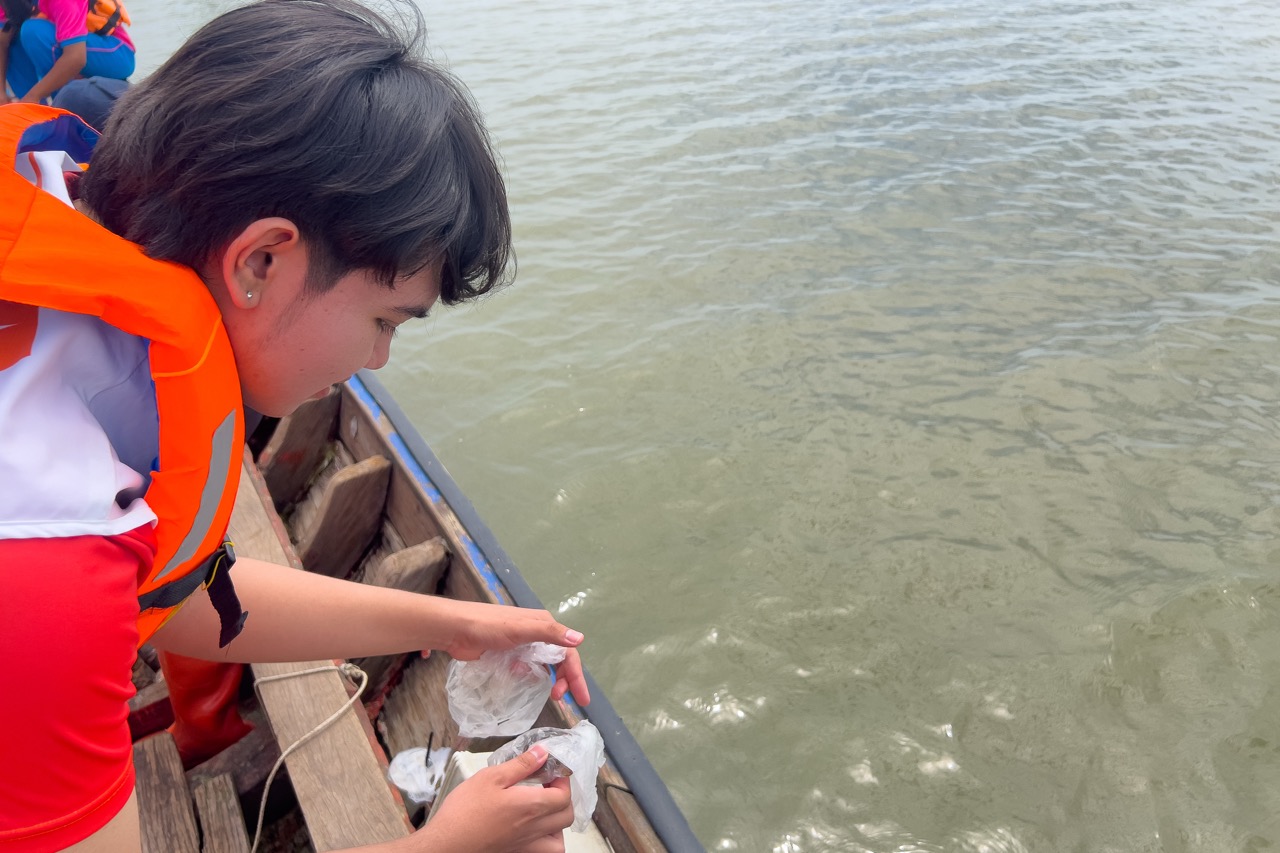
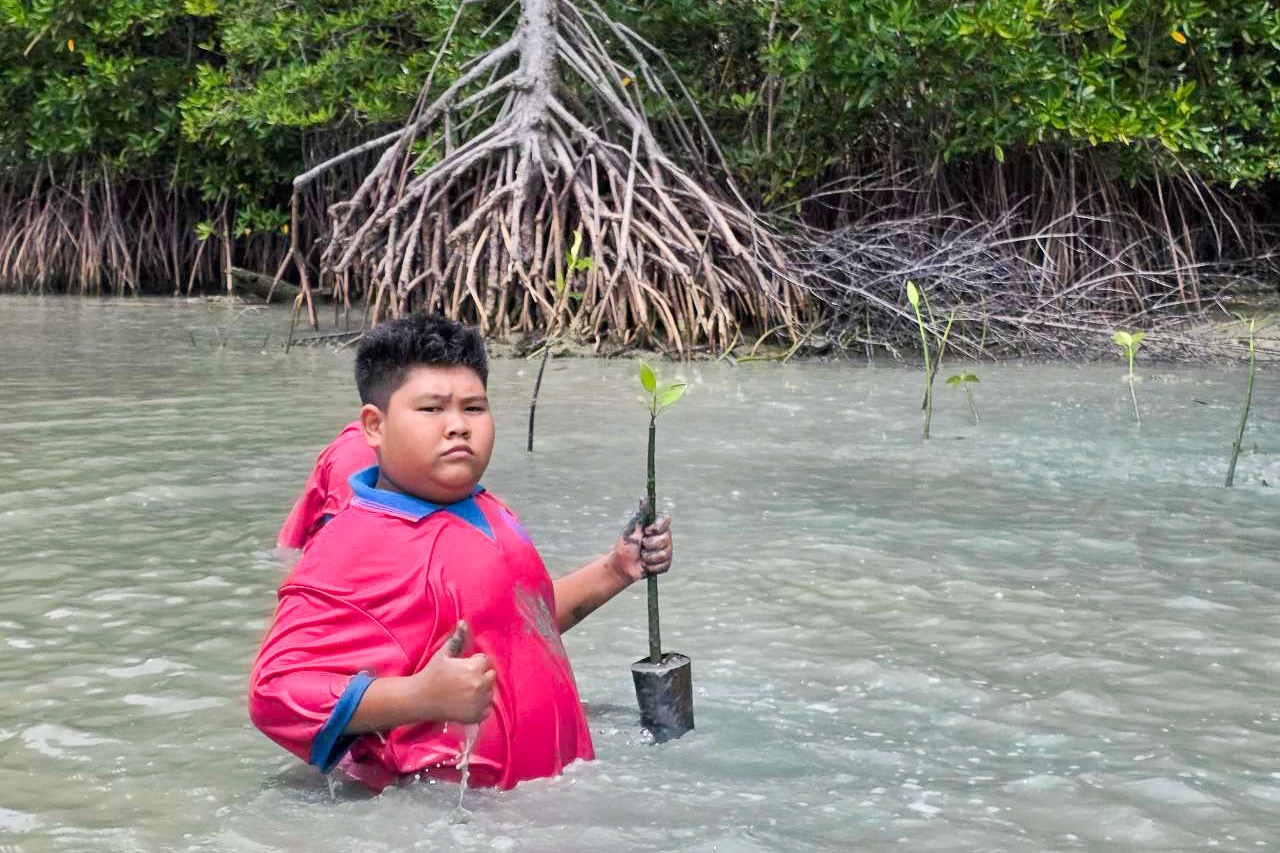
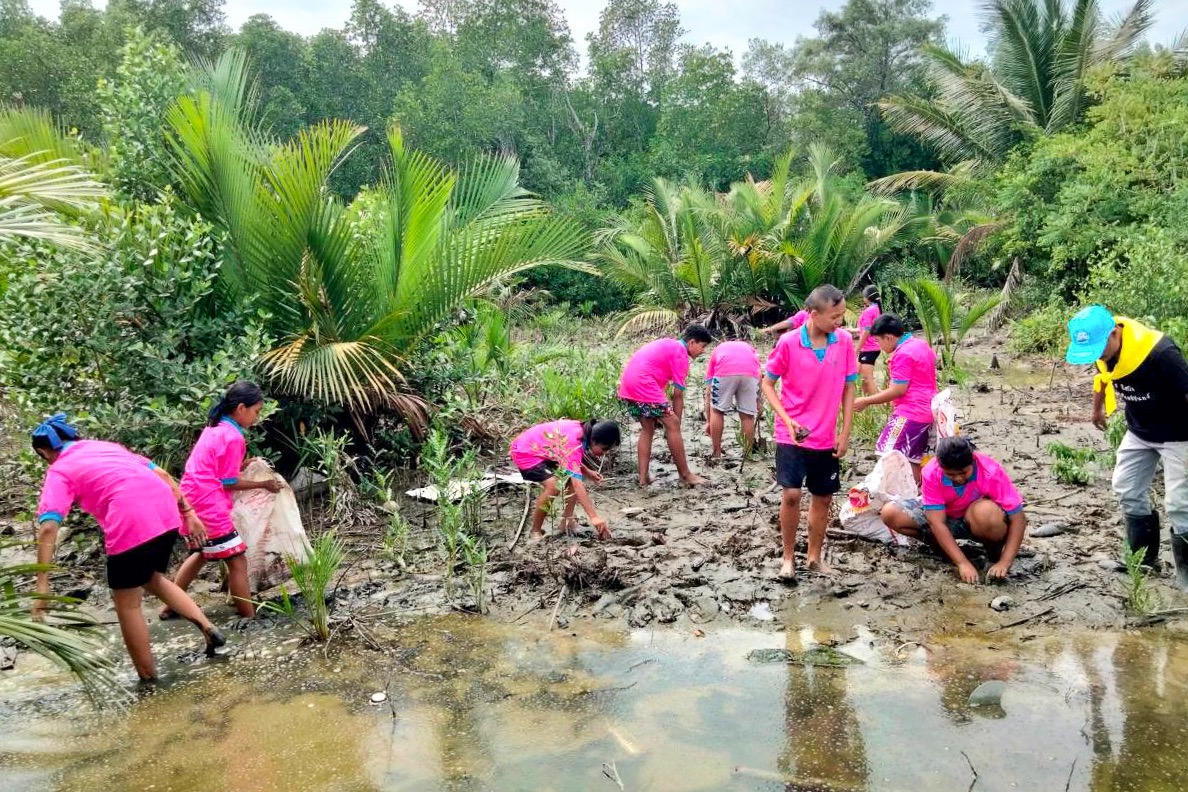
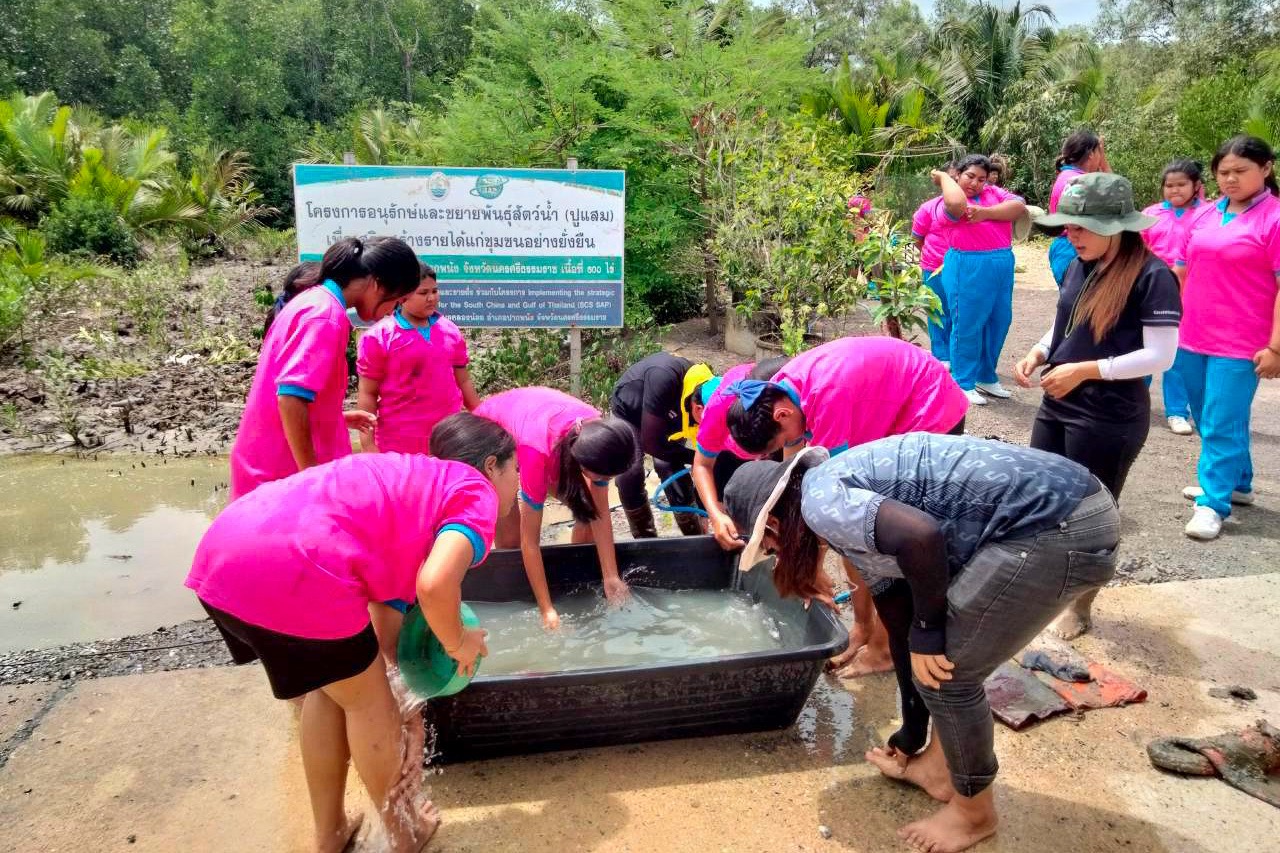
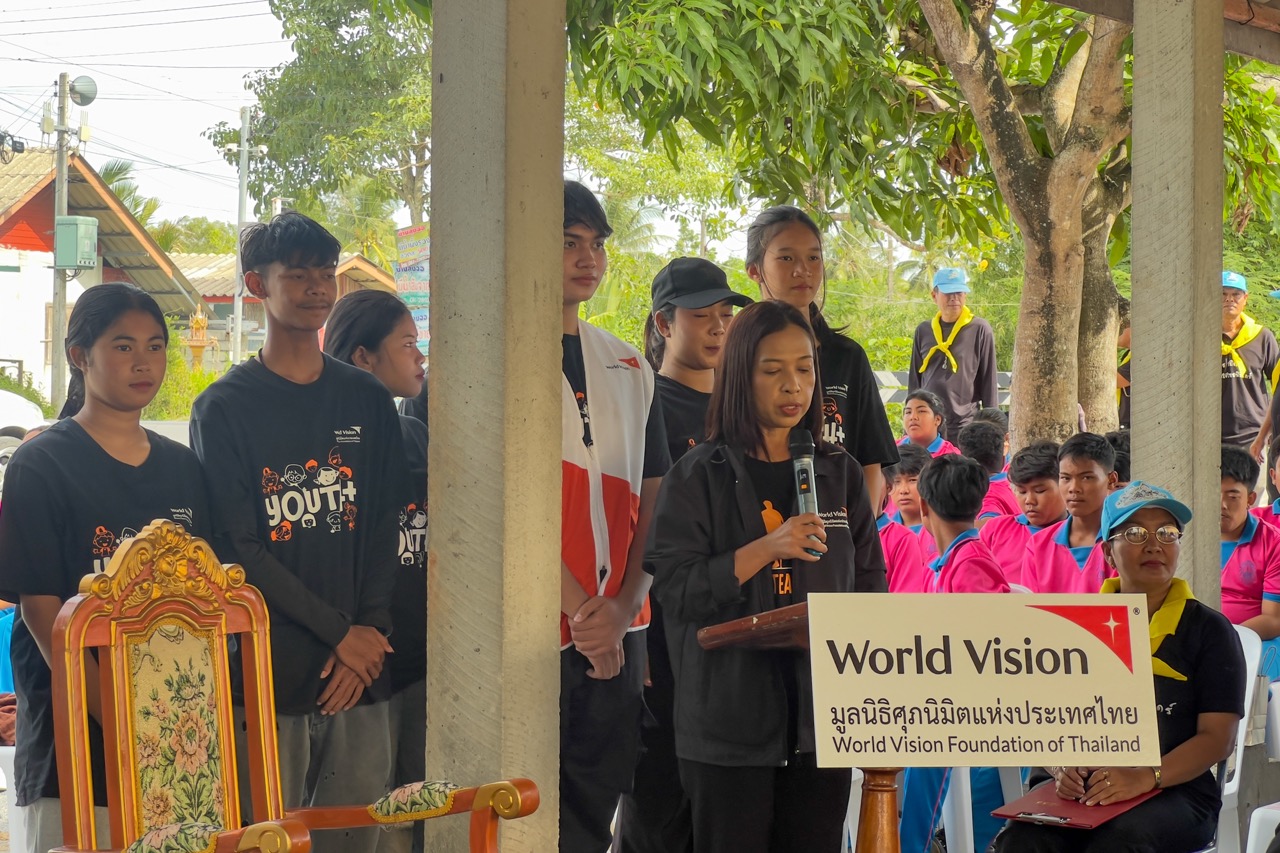
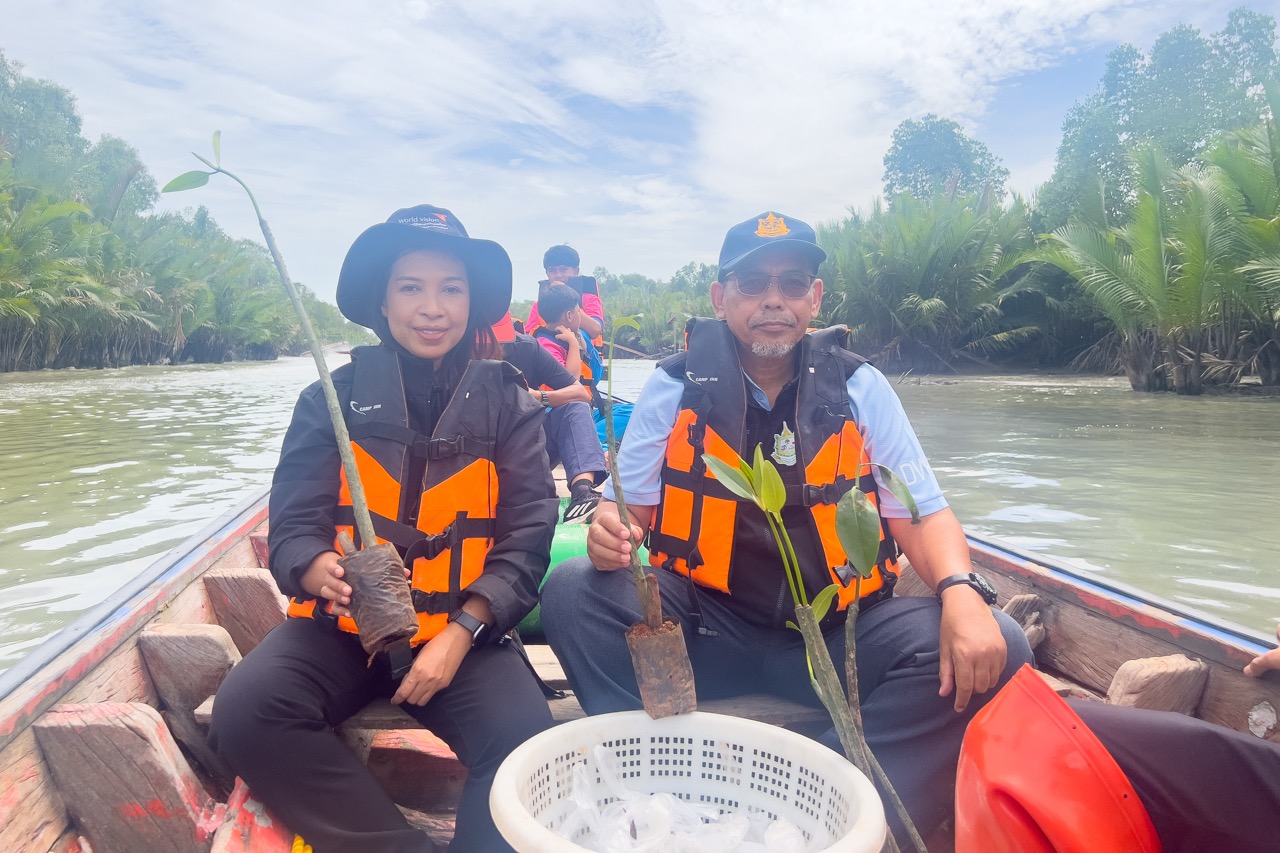
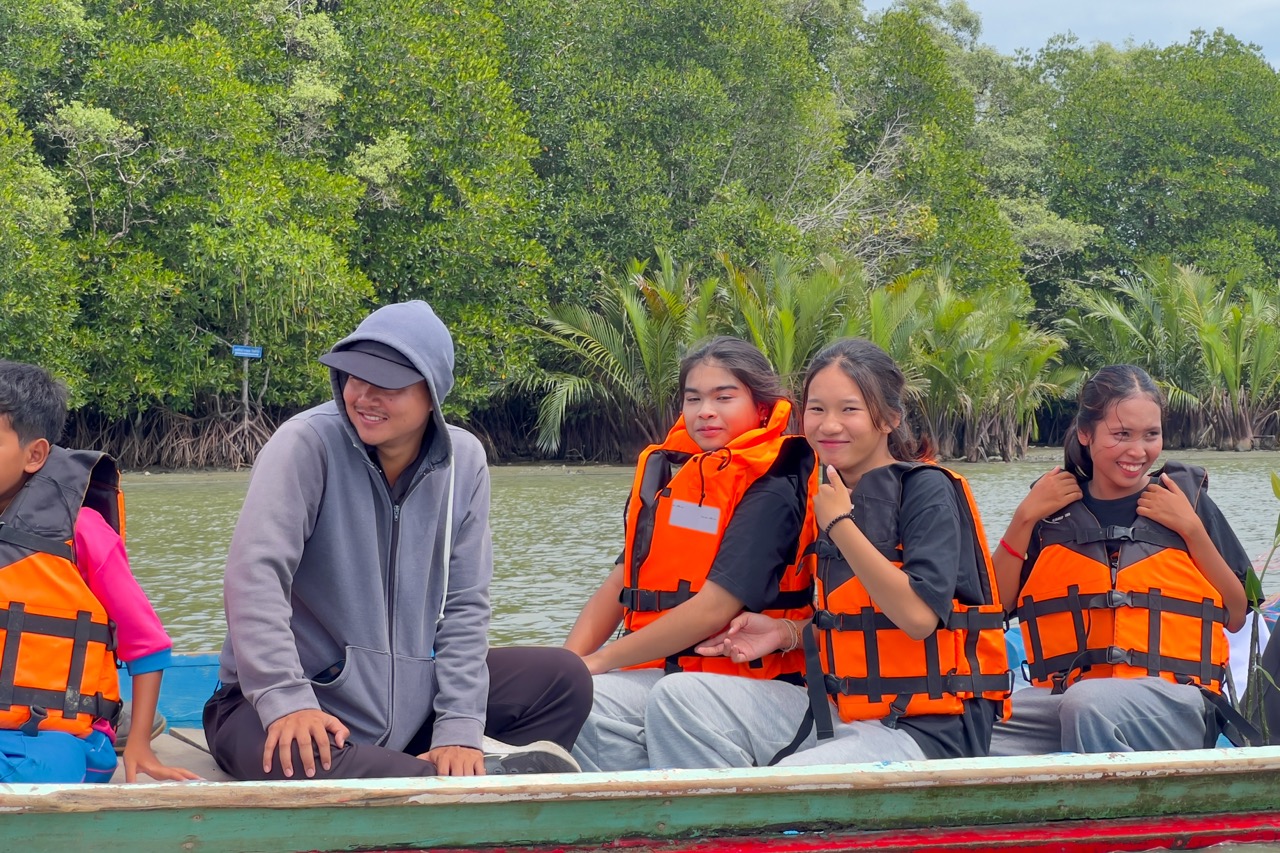
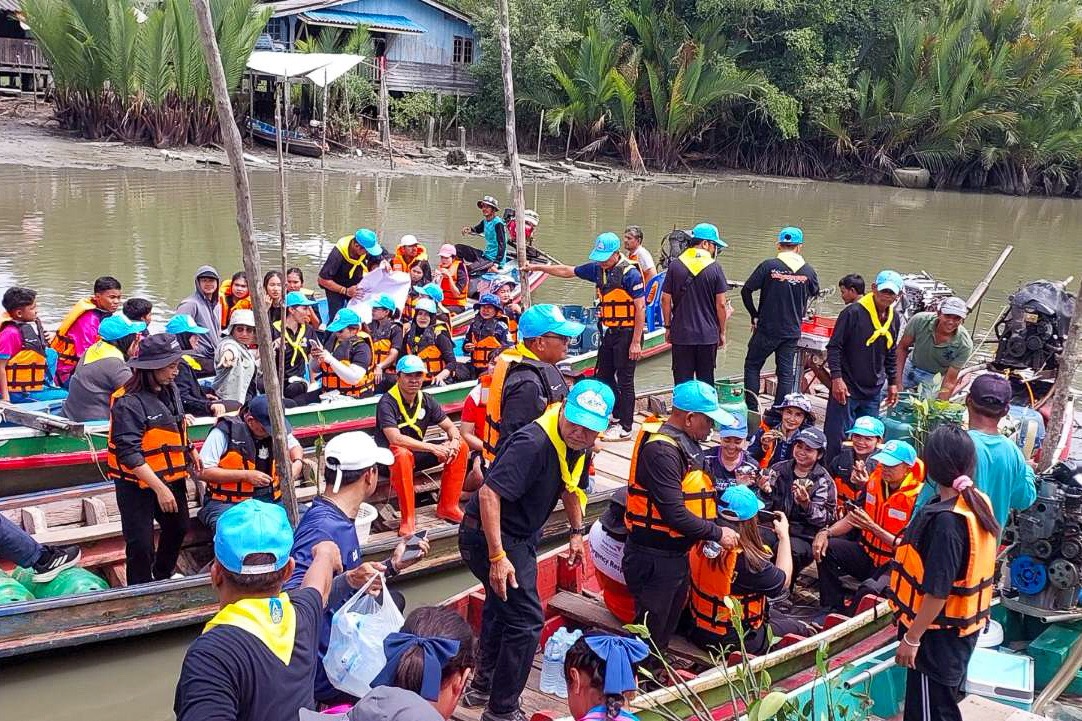
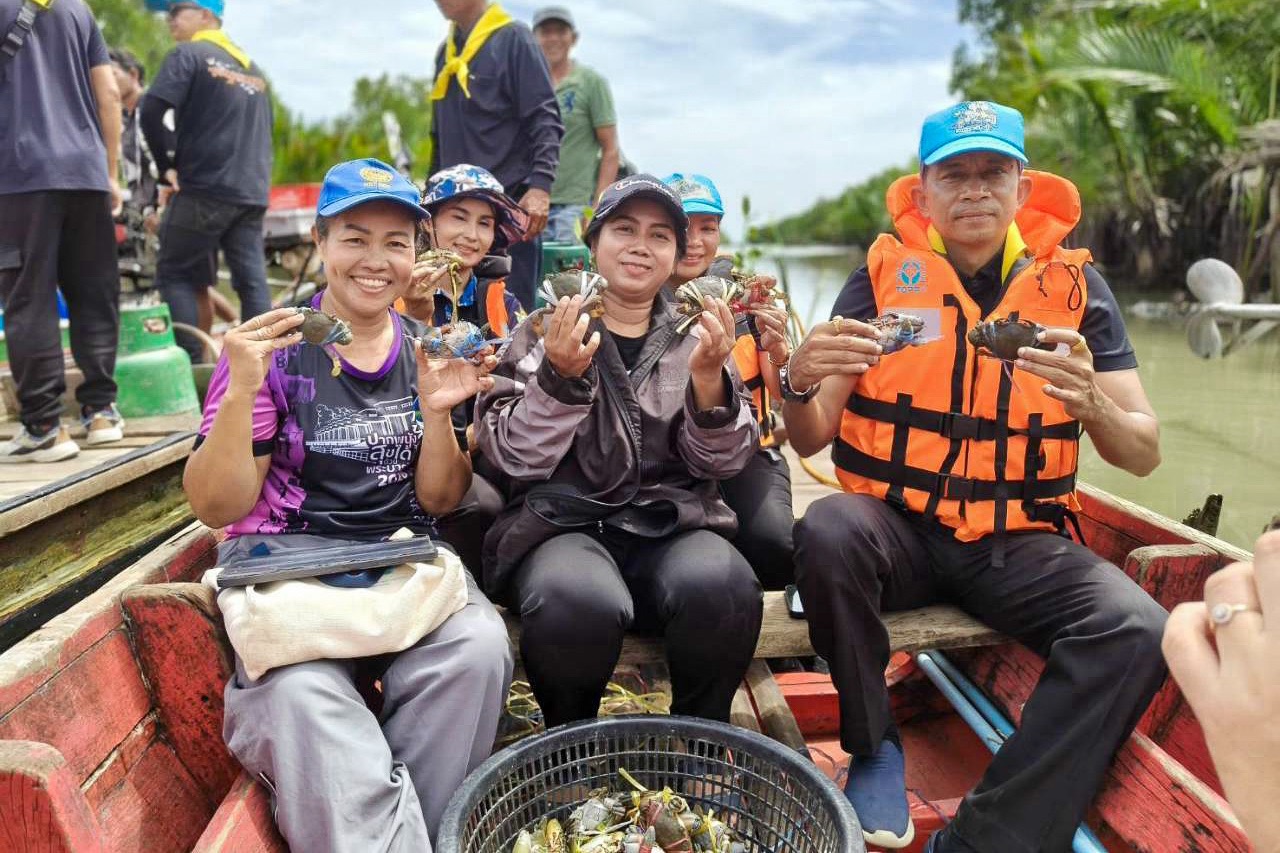
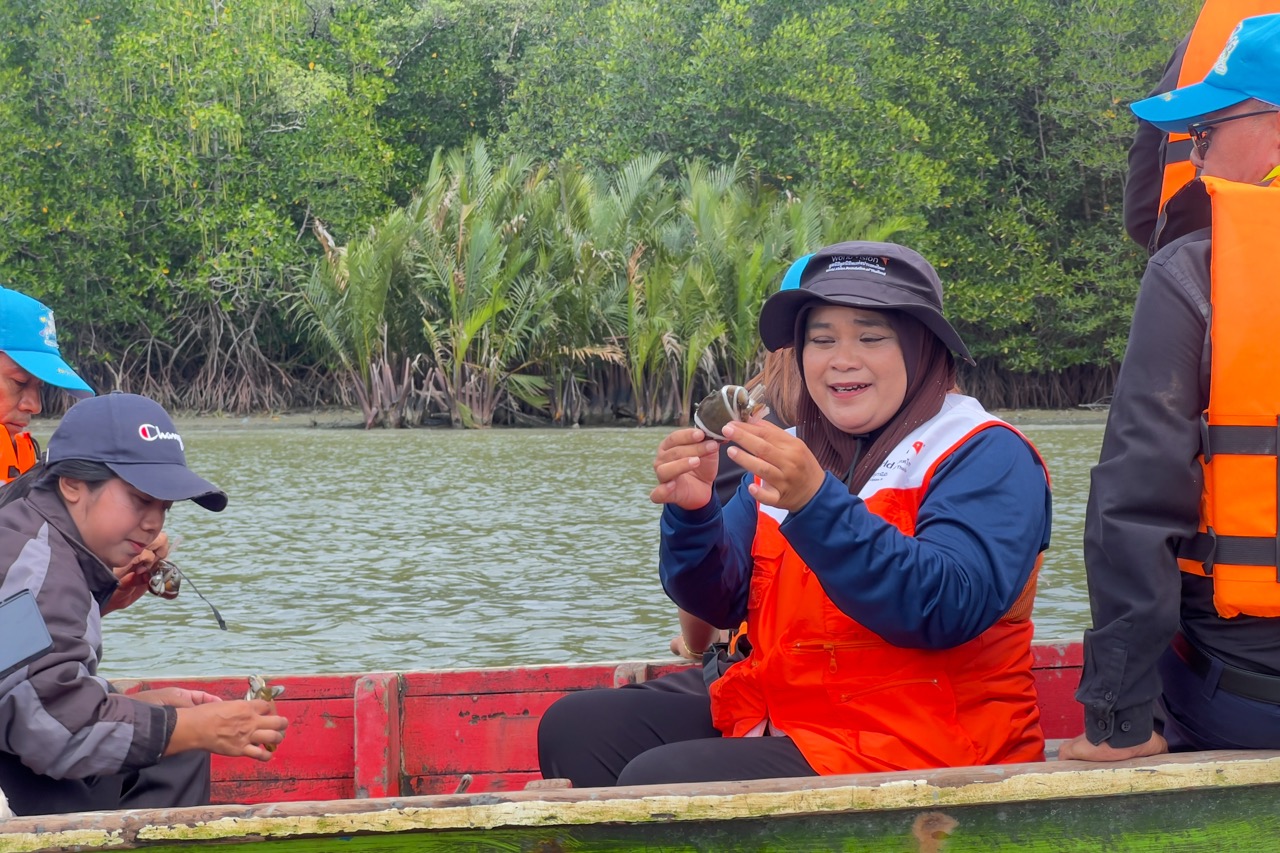
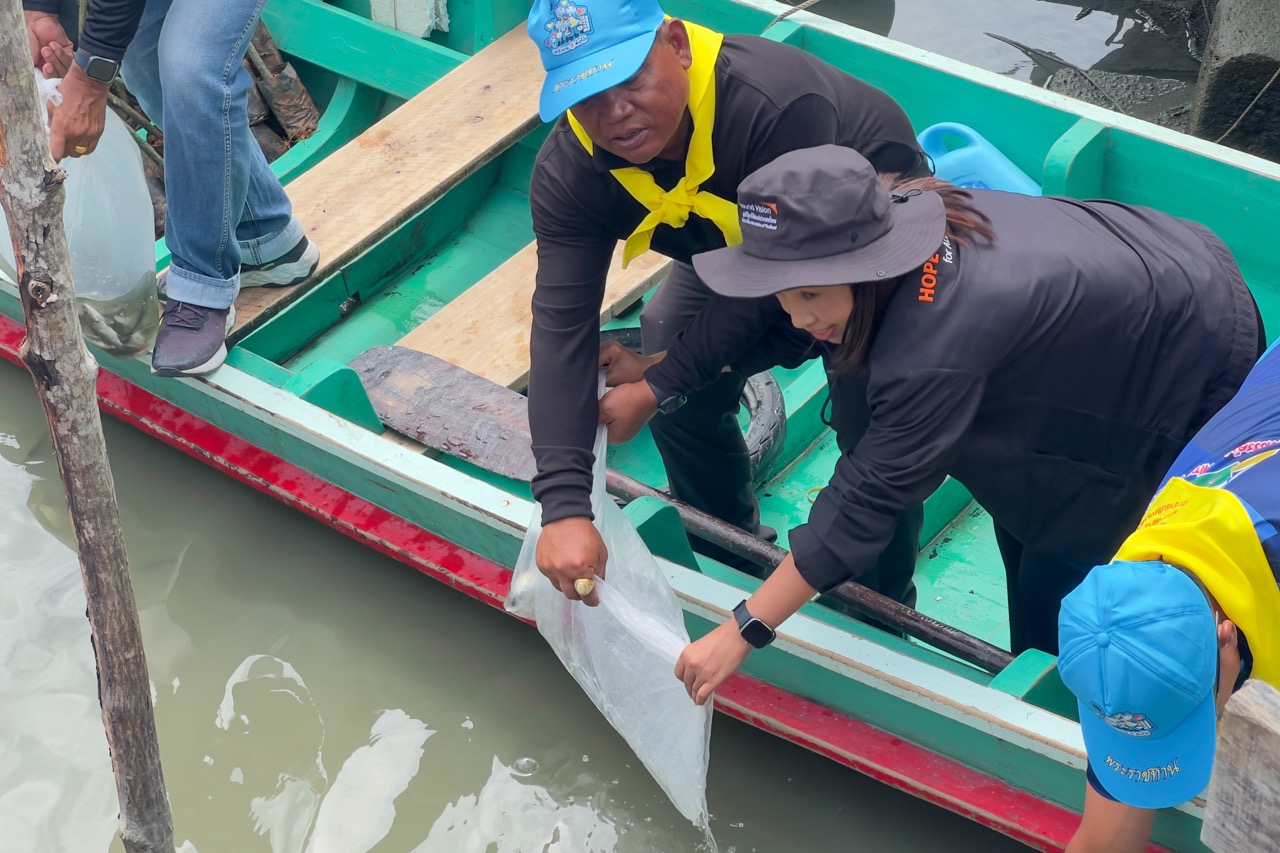
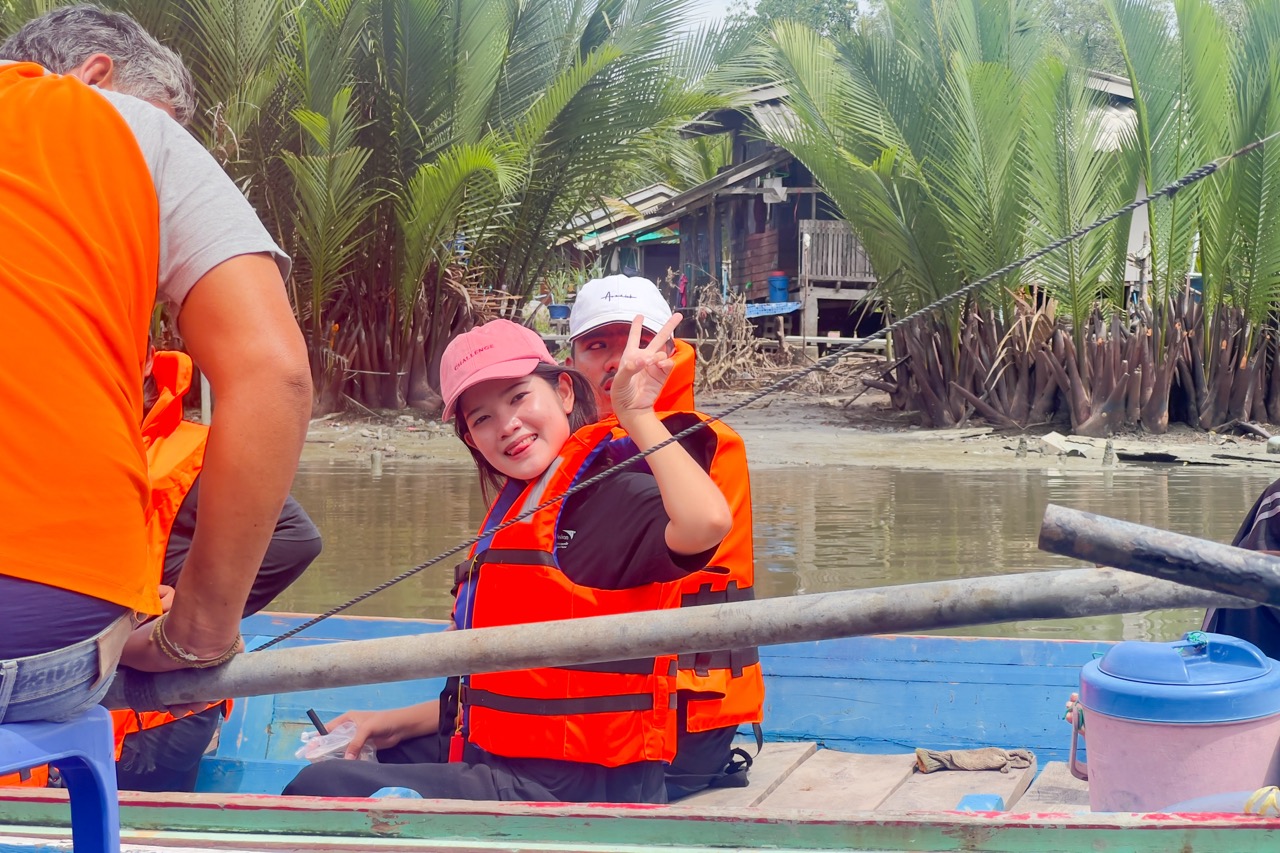
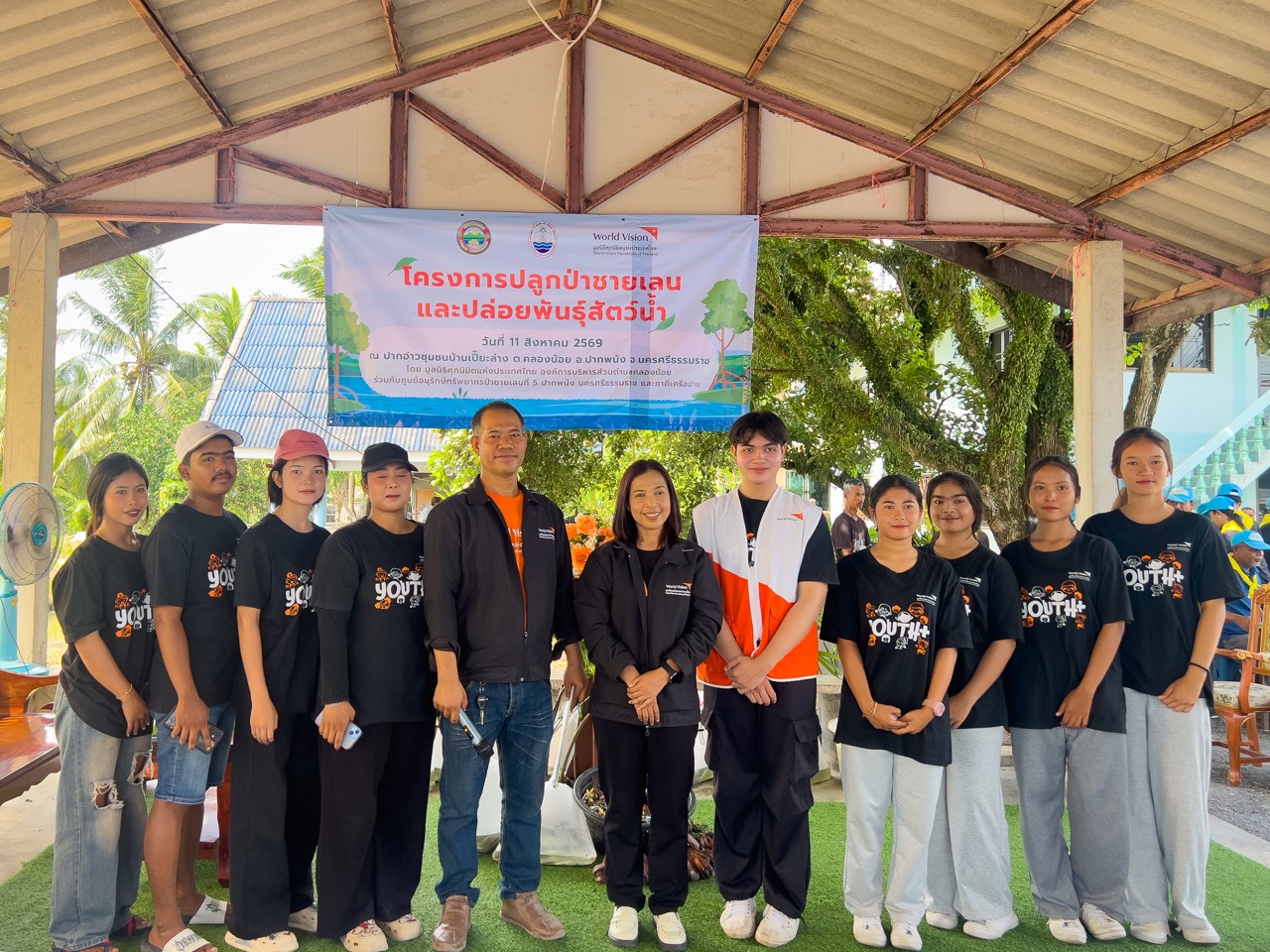
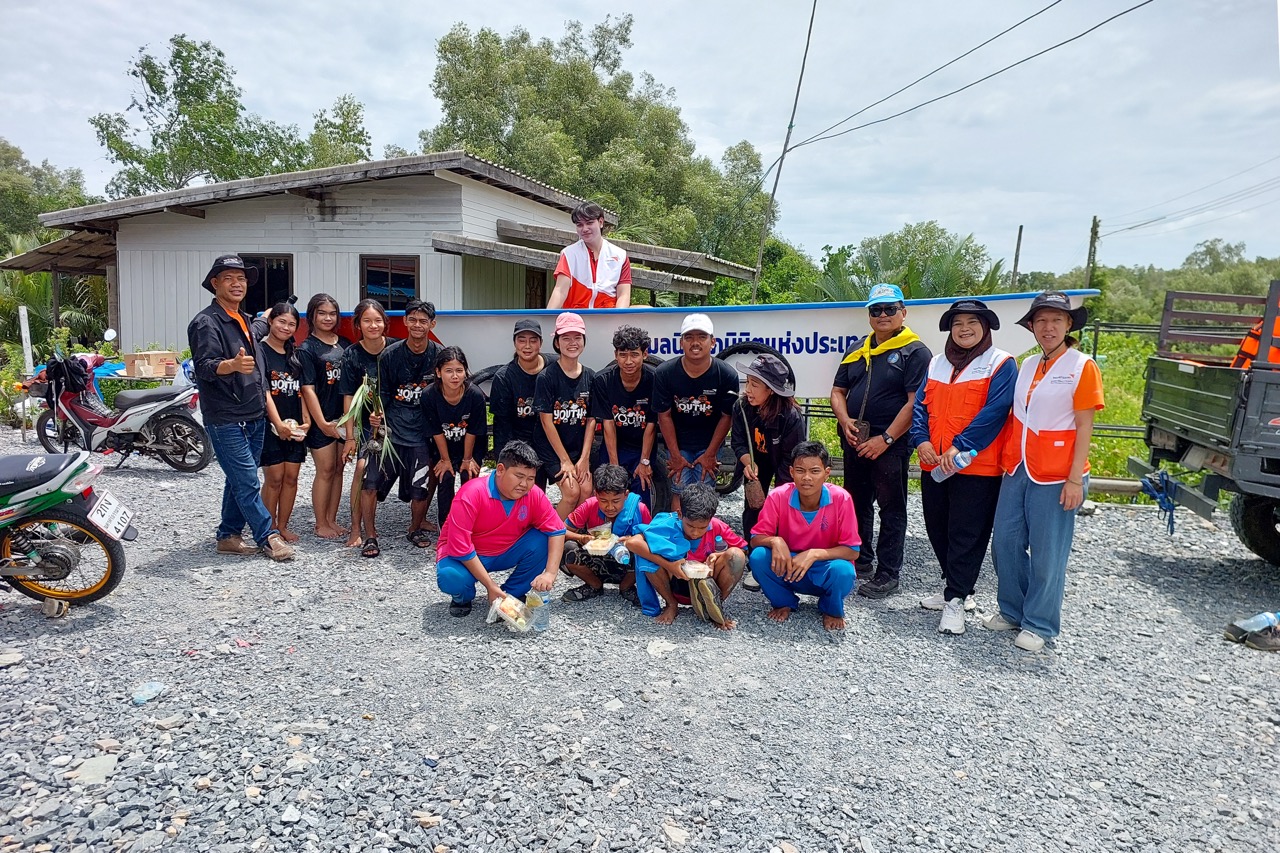
On August 11, 2026, World Vision Foundation of Thailand, in collaboration with the Khlong Noi Subdistrict Administrative Organization, Mangrove Forest Conservation Center 5 Pak Phanang in Nakhon Si Thammarat Province, and local network partners, held a “Mangrove Planting and Release of Aquatic Animals” event as part of the Youth Skill Development Project. This project aims to restore natural resources, strengthen food security, and empower communities to address the impacts of climate change at the mouth of the Baan Pia Lang community in Khlong Noi subdistrict, Pak Phanang district, Nakhon Si Thammarat province.
This activity not only restores the coastal ecosystem but also embodies the World Vision Foundation of Thailand’s development approach, which centers on the belief that ‘children and youth’ are key stakeholders in community development and deserve opportunities to participate, express their views, and actively address the issues impacting their lives.
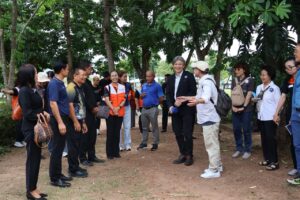
This activity was honored by the presence of Mr. Kittipong Rongdech, District Officer of Pak Phanang, who presided over the ceremony. Attendees included executives from government agencies, representatives from civil society organizations, community leaders, local residents, the World Vision Foundation of Thailand team, World Vision youth leaders, and children and youth from the project area.
From Mangrove Crisis to Youth Action
One of the key figures behind this initiative is Mr. Pattharapol (Phat), a World Vision youth leader in Nakhon Si Thammarat Province. He spearheaded the idea for a mangrove forest planting project in Pak Phanang district after directly observing the impact on his community.
Phat explained that Pak Phanang district boasts a rich mangrove ecosystem that has long been integral to the community’s way of life. However, in recent years, this mangrove area has suffered from land encroachment, community growth, and increasing damage from storms and more severe weather events. As a result, the number of trees has declined and the ecosystem has deteriorated.
“When mangrove forests decline, aquatic and marine life that once depended on them also declines due to the loss of natural habitats and nursery grounds. Local fishermen are beginning to feel the impact of dwindling fish stocks, and the community is facing more frequent tidal flooding and increasingly severe waves and storms, as the natural protection against wave action is diminished.”
The situation made Patra realize that mangrove restoration is not merely an environmental issue, but is directly connected to people’s quality of life, the local economy, and public safety—particularly for children and families in coastal communities.
From Youth Beneficiaries to Leaders of Change
Importantly, the project did not come about solely through adult direction, but rather as a result of the ongoing youth development process that World Vision Foundation of Thailand has been fostering.
Under the concept of ‘Meaningful Participation,’ World Vision Foundation of Thailand empowers children and youth by providing opportunities to learn how to analyze community issues, develop systems-thinking skills, communicate with the public, collaborate with communities, and manage projects.
After identifying problems in the area, Phat shared his observations and findings with World Vision Foundation of Thailand staff working in the area, who served as mentors and advisors in developing the project concept.
The project then brought together the Mangrove Lovers Club, local government agencies, and local networks to jointly analyze the issues, plan activities, pool resources, and develop project proposals in a systematic manner.
The process reflects a working approach that prioritizes Child Participation, with children and youth not only participating in activities, but also taking part in problem-solving, decision-making, and implementing solutions within their communities.
Mangrove Forests: Natural Infrastructure for Climate Change Adaptation
Mrs. Kanjana Malai, Project Manager of the Nakhon Si Thammarat Province Development Project at World Vision Foundation of Thailand, said that “Currently, many coastal communities are facing the impacts of global warming, climate variability, and increasingly frequent and severe natural disasters.
These impacts affect natural resources, food sources, household income, and people’s livelihoods, particularly vulnerable groups who have limited capacity to recover from crises.
In this context, mangroves are considered one of the most important ecosystems for climate change adaptation. They function as a natural coastal defense, helping to reduce wave impacts, coastal erosion, and the severity of storms.
Additionally, mangrove forests are vital nurseries for aquatic animals, boosting biodiversity, supporting rich marine resources, and playing a key role in carbon sequestration, which helps reduce the long-term effects of global warming.
The release of aquatic animals alongside mangrove planting is another important mechanism for restoring ecosystems, promoting natural balance, and supporting the recovery of aquatic resources on which communities depend for their livelihoods.”
When Children’s Rights Are Linked to a Safe Environment
The climate crisis impacts not only the environment, but also children’s fundamental rights – their health, nutrition, safety, education, and overall quality of life.
The World Vision Foundation of Thailand prioritizes promoting children’s right to live and grow up in a safe, clean, and sustainable environment, believing that protecting children’s rights today cannot be separated from environmental issues and climate change.
Involving children and youth in natural resource restoration activities is more than just environmental conservation; it is a process of nurturing a new generation of citizens who are aware of their rights, responsibilities, and roles in social development.
Children and youth participating in the activities gained knowledge of environmental issues, climate change, community collaboration, and sustainable natural resource management through practical experience. This hands-on approach fostered their confidence, leadership skills, and life skills that they can apply in the future.
More Than Just One Tree
For Phat, the project’s success is not measured simply by the number of trees planted, but by the changes it brings to the community.
“After mangrove forest restoration, the regenerated mangrove area began functioning as a natural wave buffer, reducing wave intensity and the effects of storm surges, and helping to lessen the impact on the local community compared with before.”
However, it is equally important for people in the community, especially children and youth, to become aware of the value of natural resources and see how they can contribute to change. This experience fosters a sense of ownership of their community and encourages the next generation’s long-term involvement in natural resource management.
Advancing Environmental and Children’s Rights Work for a Sustainable Future
The mangrove forest restoration and release of aquatic animals in Pak Phanang district is a significant example of how environmental work, climate change adaptation, the creation of safe spaces for children, and the promotion of children’s rights can be integrated in practice.
The World Vision Foundation of Thailand remains committed to empowering children and youth to participate in community development through a learning process focused on meaningful participation, leadership development, and hands-on experience, ensuring every child grows up in a safe environment, enjoys a good quality of life, and has a sustainable future.
Planting mangroves today is not just about restoring nature; it is also about sowing the seeds of hope and responsibility, and empowering the next generation to care for the world in the future.